
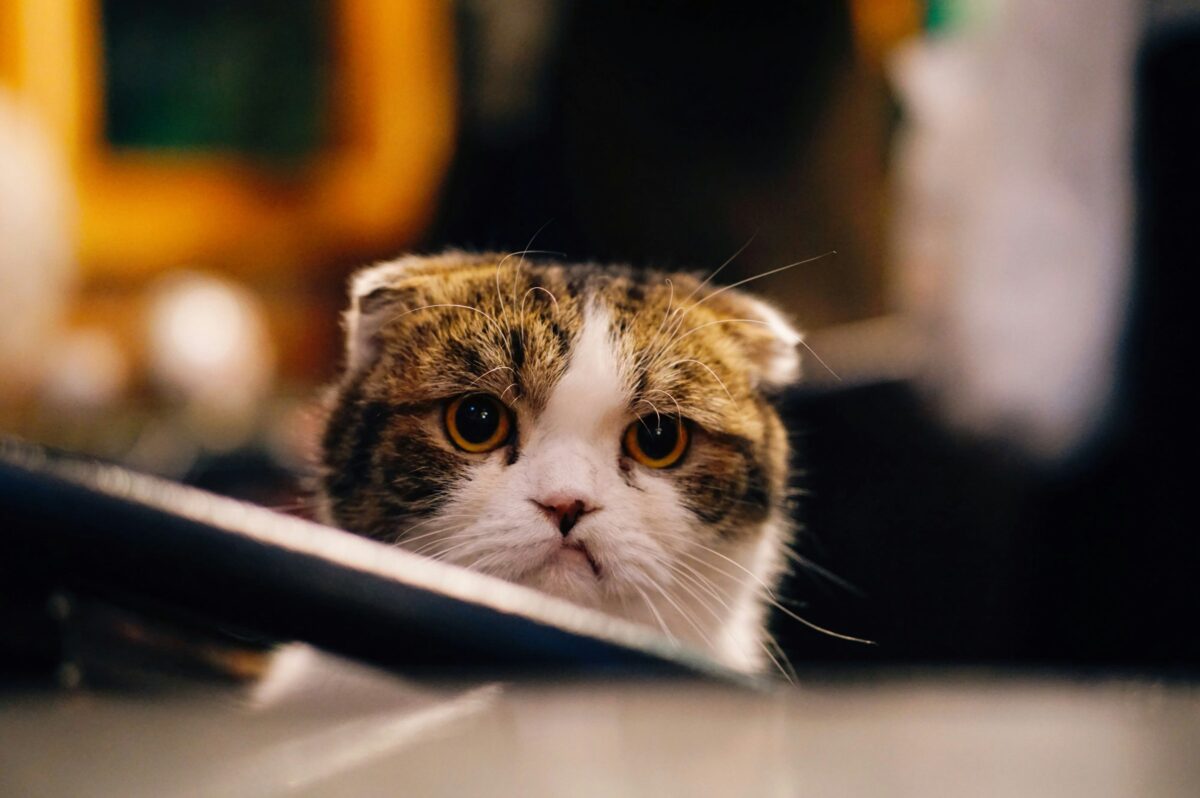
Cats have built an entire reputation on not needing anyone. They come and go, nap in sunbeams, and act like the house belongs to them. Yet anyone who has lived with a cat for more than a few months knows that reputation only tells half the story, and the other half shows up in small, easy to miss behaviors that most owners write off as quirks rather than what they actually are: a request for company.
#1 Excessive or unusual meowing
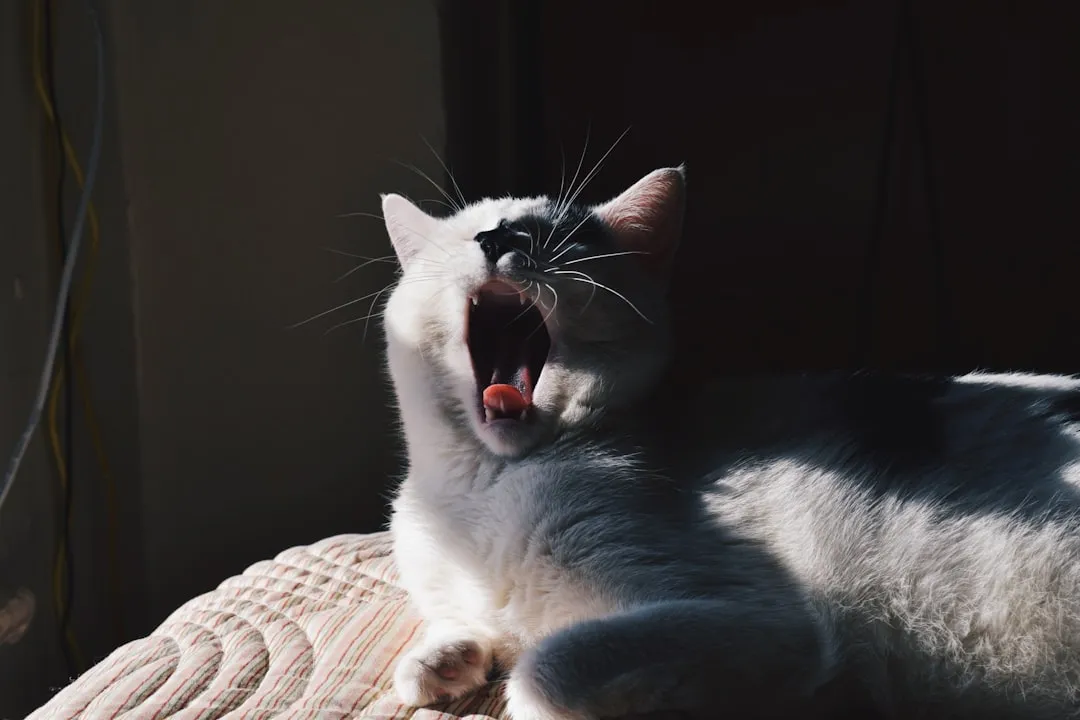
A cat that suddenly starts talking more than usual, especially around the times you leave or come home, is often doing more than just making noise. If a cat has started meowing, yowling or “talking” more than usual, it could be a sign they’re seeking attention, and while some cats are naturally more vocal than others, a noticeable increase, especially at night or when you’re not actively engaging with them, may be their way of expressing loneliness. The timing matters here. Excessive vocalization may be likely to occur when you leave the house, when you return home after being away for hours, at meal times, or when you’re trying to fall asleep.
It helps to think of this less as complaining and more as a direct line of communication. Think of a baby crying for their mother, cats similarly cry for their owners when they are lonely or need something from them, and cats in the wild rarely meow except to communicate to their mother or babies. That last point is worth sitting with for a second. Adult cats in the wild barely meow at other adult cats at all, so when your cat is meowing at you, it has essentially chosen you as the one relationship worth vocalizing for.
#2 Destructive or attention-seeking behavior
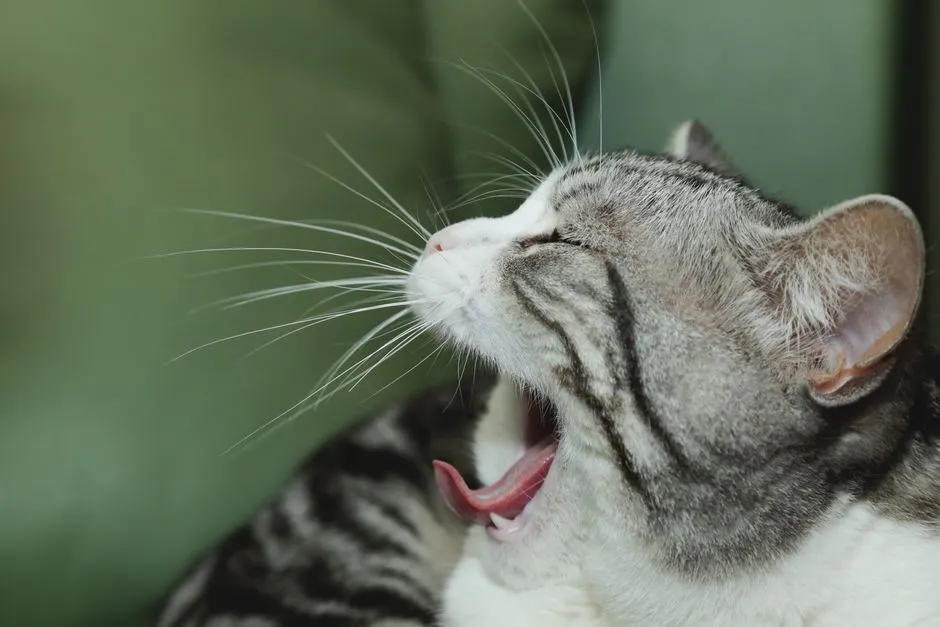
Shredded toilet paper, knocked-over cups, scratched doorframes. It looks like chaos, but it usually isn’t random. What do bored cats do when they’re home alone? Lots of crazy things, including shredding toilet paper rolls, scratching furniture and knocking things over, and although these behaviors can be destructive, it’s important to remember that your cat isn’t being spiteful, what they’re doing is communicating their feelings to you. A cat left without enough interaction is looking for something, anything, to occupy the hours.
The pattern tends to repeat itself. Lonely cats are bored cats, and they are masters at finding some pretty creative and destructive ways to occupy their minds, moving or destroying things in an attempt to stay busy while you’re away, whether that means wrecking the sofa, climbing curtains, or shredding toilet paper. If this behavior shows up mainly when the house is empty and eases off when you’re around and engaged, loneliness is a reasonable explanation, though it is worth ruling out anxiety or medical stress too.
#3 Litter box avoidance
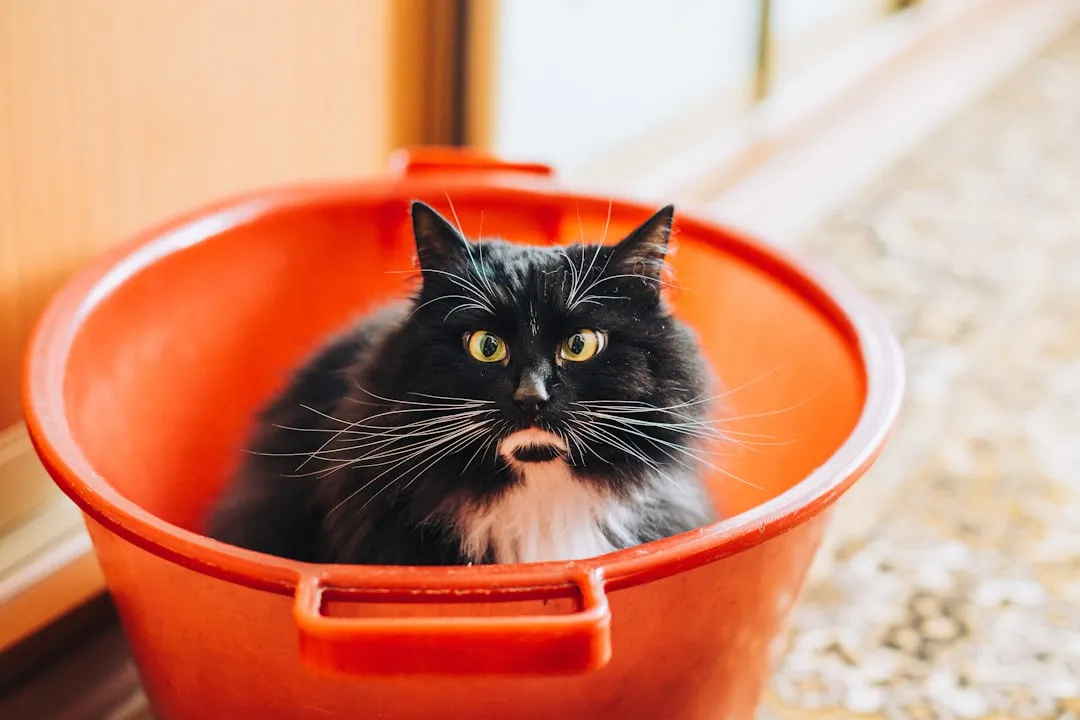
Few things frustrate cat owners more than finding accidents outside the box, but this one is rarely about spite either. A study from the National Library of Medicine found that urinating in inappropriate places is one of the most frequently reported signs of loneliness and depression in cats. It is one of the clearer physical signals a cat can send when something in its emotional world feels off.
Before jumping to conclusions, though, it is important to remember that biology often gets there first. Peeing outside the litter box can either be a health or behavioral problem, and if you’ve ruled out a medical issue like kidney stones or a urinary tract infection, you can bet that the problem is rooted in stress. A vet visit should always come before assuming loneliness is the cause, if only because it rules out the more urgent possibility first.
#4 Overgrooming and hair loss
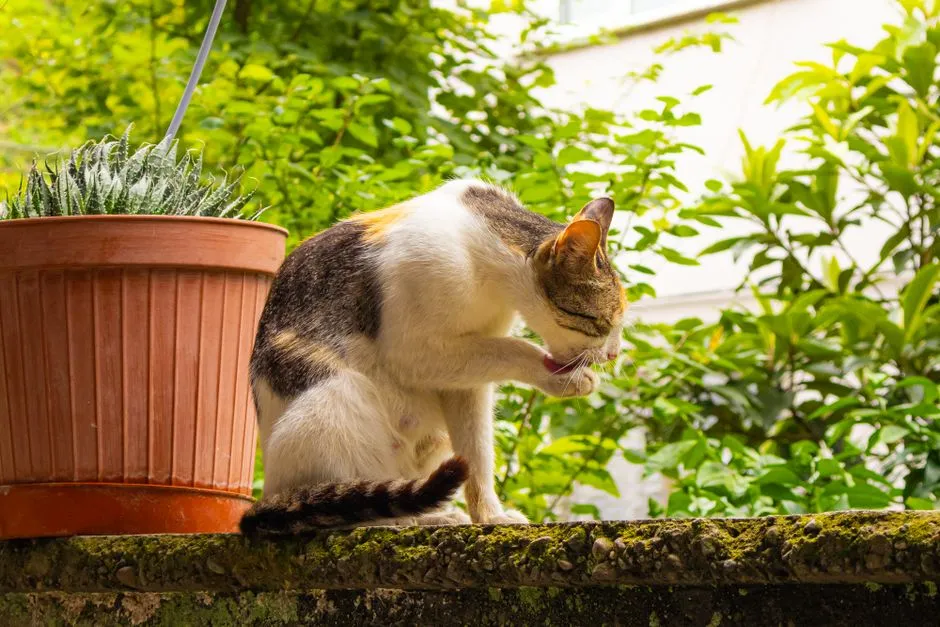
Grooming is normal cat behavior, right up until it isn’t. Lonely cats frequently pull out their fur or groom themselves excessively, and while cats are naturally meticulous groomers, if the grooming regimen begins to border on obsessive compulsive behavior, it may be a sign your cat is feeling a little lonely. Owners sometimes notice thinning patches on the belly or legs long before they connect it to anything emotional.
This behavior tends to function as a coping mechanism, almost like a nervous habit. Some cats will over-groom whenever they experience physical or mental stress, and if a cat is prone to excess licking, it may be a sign they are in need of more attention. As with the litter box issue, a vet check should come first, since overgrooming can also indicate a medical condition that needs veterinary treatment, so interpreting this symptom as potential loneliness should be done in light of your cat’s other behaviors.
#5 Sleeping far more than usual
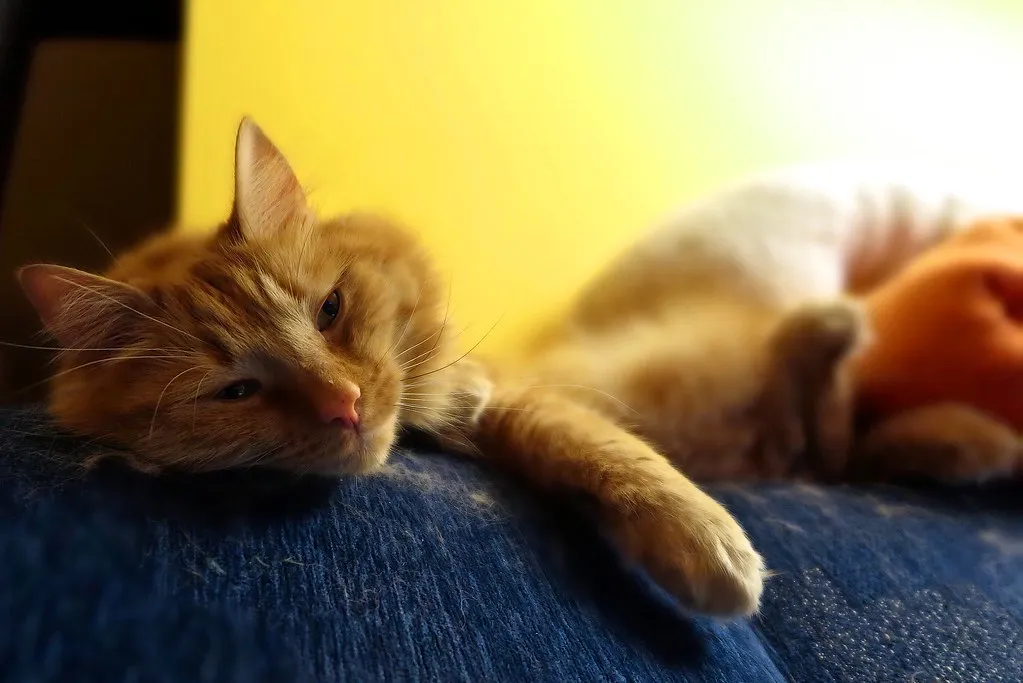
Cats sleep a lot under normal circumstances, which is exactly what makes this sign tricky to spot. The shift isn’t about sleeping, it’s about why. Just like for humans, boredom can spark the blues in cats, and that can lead to more naps, so if you notice your cat sleeping more than usual or reducing engagement during playtime, it could be a sign of loneliness.
There’s a quieter, sadder version of this too, where the cat isn’t just resting but withdrawing. Boredom can also cause an usually active cat to become withdrawn or sluggish, since without you there, home simply isn’t very exciting to them. Veterinary sources echo this, noting that while it’s normal for cats to sleep away a large chunk of daytime hours, it can be a sign of loneliness or depression if a cat begins to sleep more than usual or would rather sleep than engage in playtime with you. A drop in appetite alongside the extra sleep is worth flagging to a vet too.
#6 Sudden clinginess or shadowing you around the house
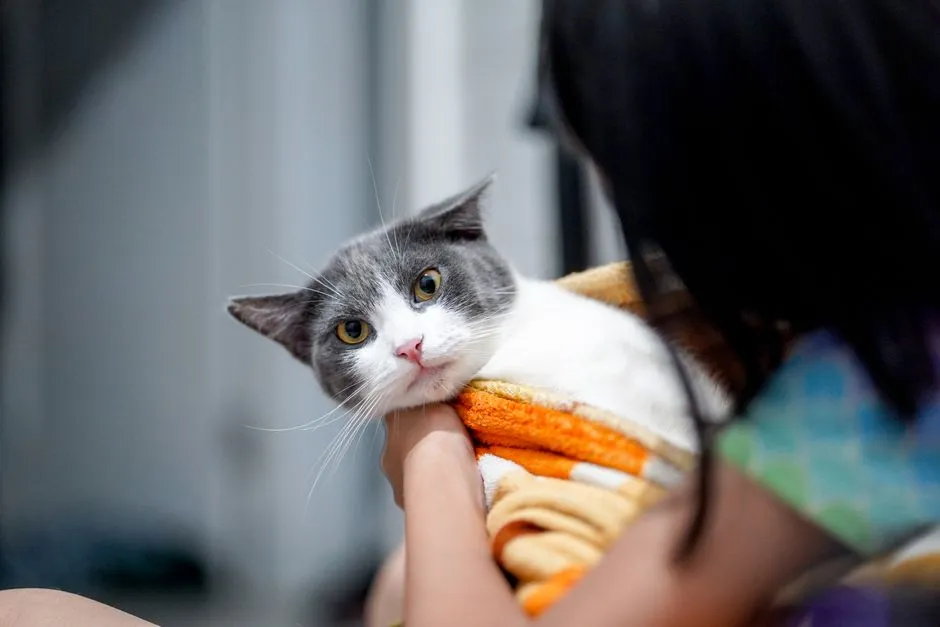
Not every lonely cat acts out. Some go in the opposite direction entirely, sticking so close that they’re practically underfoot. Cat behavior caused by loneliness isn’t always negative, sometimes a cat becomes extra affectionate, may show signs of separation anxiety such as low appetite or trying to follow you out the door, and if you work from home, might sprawl across your keyboard.
This is the sign that confuses people most, because it seems to contradict itself. Your cat is right there, so how could it be lonely? It seems strange that a cat would be lonely with its owner sitting right in front of them, but even though you’re home, you’re not paying attention to them, and clinginess is simply a sign they want your attention. The fix tends to be less about presence and more about focused, dedicated time, even in short bursts.
#7 Loss of interest in play, treats, or favorite routines
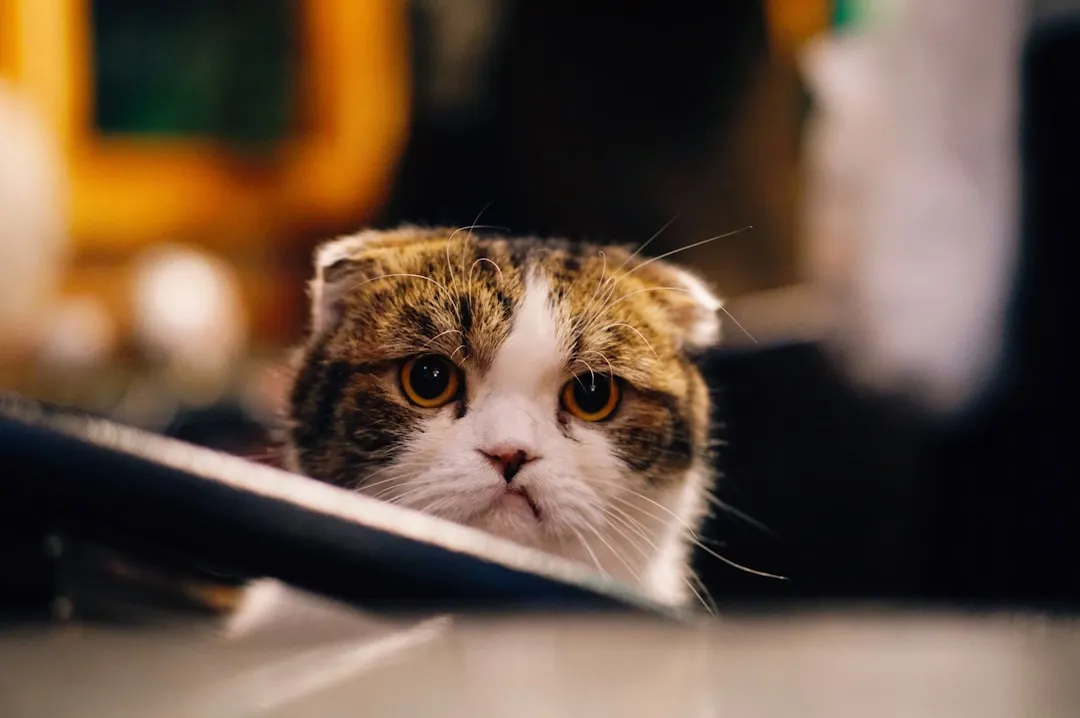
A cat that used to sprint after a feather toy but now barely lifts its head is showing you something. A sudden lack of interest in play, treats, or favorite activities can be another red flag, though as with other behavioral changes, medical issues should be ruled out first before considering environmental or emotional causes. This one often develops gradually, which makes it easy to miss until the change feels dramatic.
Context does a lot of the diagnostic work here. Ask what has changed recently: are you home less, did a roommate or partner move out, did another pet in the household die? Any of these shifts can contribute to a cat’s sense of isolation. A cat that stops chasing the laser pointer it once loved isn’t being lazy so much as telling you its world has gotten a little smaller.
The Verdict
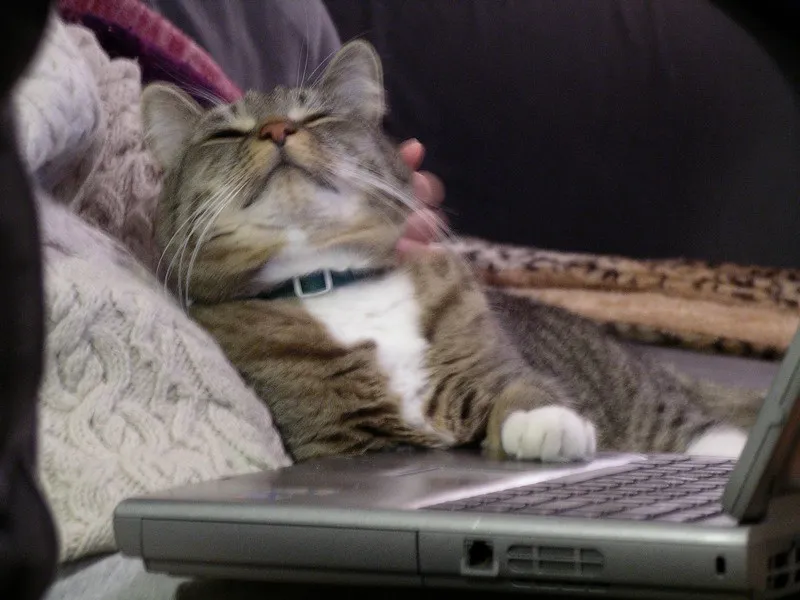
Here’s the part that surprised me while pulling this together: cats are not nearly as self-sufficient as their reputation suggests, and pretending otherwise does them a disservice. Cats can get lonely, and for all their solitary reputation, they are social creatures that need stimuli and interaction as much as humans do, with companionship from humans or other cats being an important part of any healthy feline’s life. The independent loner cat is largely a myth we tell ourselves because it’s more convenient than admitting our pets need us.
What strikes me most is how quietly cats tend to ask for help. They don’t demand, they signal, through a scratched-up couch, an extra hour of sleep, or a meow at 2am that sounds a little too insistent to ignore. If there’s one opinion worth stating plainly, it’s this: dismissing these behaviors as “just cat things” is the easy way out, and it’s usually the wrong one. Paying attention costs nothing, and it’s the one thing every cat on this list is actually asking for.

- 6 Exotic Bird Species You Can Spot in U.S. National Parks - July 19, 2026
- 11 Iconic American Birds Facing New Challenges and How You Can Help - July 19, 2026
- 10 Friendliest Animals in the World - July 19, 2026