
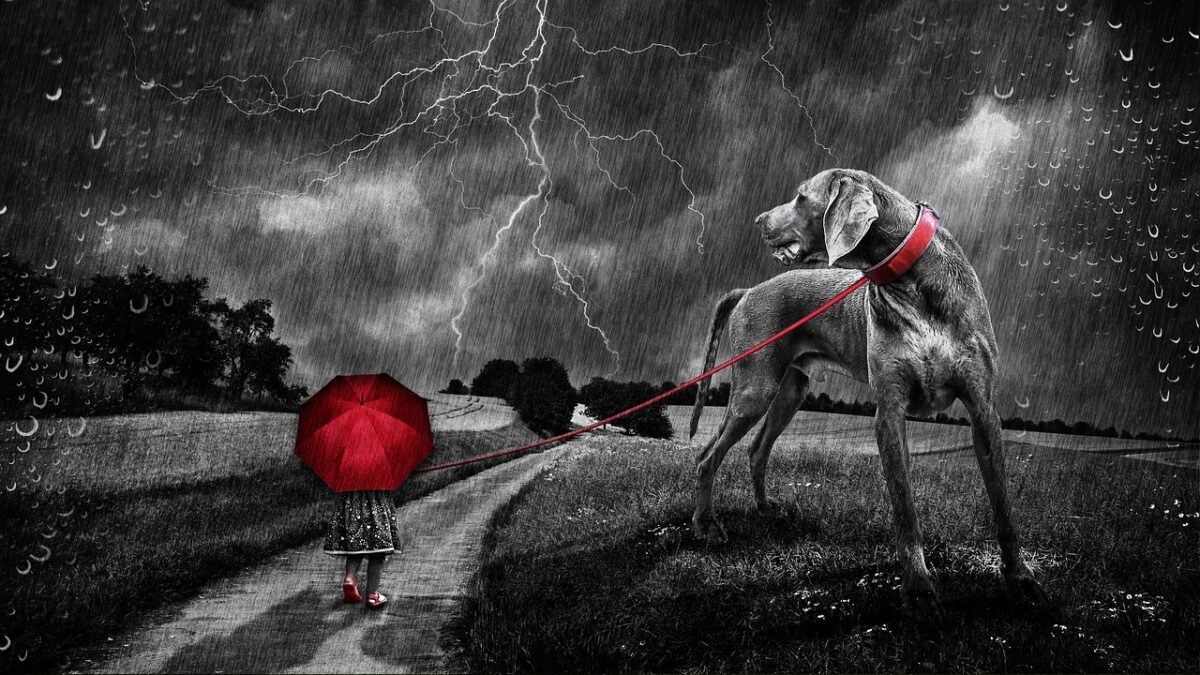
When the first rumble of thunder echoes across the sky, many dog owners know exactly what’s coming next: a panicked pup desperately seeking shelter under the bed, in the bathroom, or anywhere they feel safe. Up to 30% of dogs are terrified by the rumblings of thunderstorms, howling winds, and driving rain. Dogs are so much more sensitive to sounds – their hearing is so much more powerful than ours – so they can often detect thunder way before we can.
The intensity of thunderstorm anxiety can range from mild restlessness to complete panic. In extreme cases, dogs can claw through drywall, chew the carpet, and make frantic efforts to escape. Watching your beloved companion tremble in fear is heartbreaking, especially when you feel helpless to ease their distress. The good news is that there are proven strategies to help your furry friend weather the storm more calmly. Let’s explore seven effective approaches that can transform your dog’s storm experience from terrifying to manageable.
Create a Safe Haven for Storm Sheltering
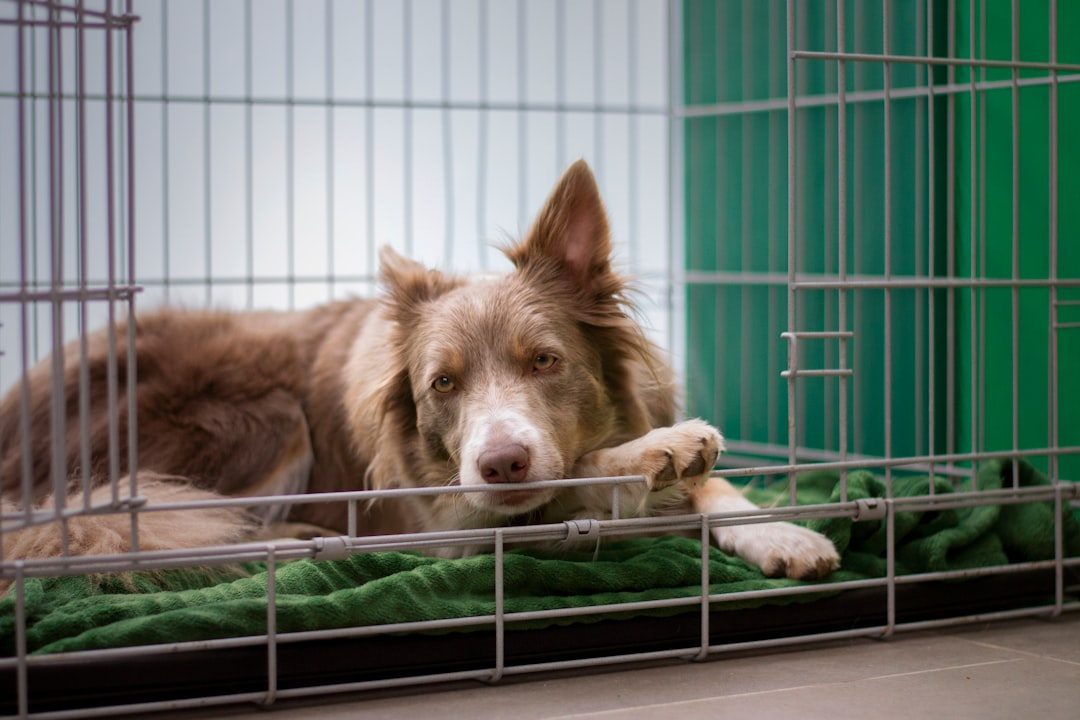
The best thing you can do for your dog is to let them go to their safe space, and not punish them for any behavior during thunderstorms, including destruction and whining. Dogs like going to a space like their crate or a dark closet during a thunderstorm because it’s familiar and soothing. Think of this space as your dog’s personal storm bunker where they can retreat when anxiety strikes.
Dogs descended from wolves and were in dens, and so they still like den-like environments. So giving them that smaller space eliminates anything sneaking up on them. If they’re in an enclosed space where they are comfortable and familiar, that’s going to be more soothing to them. Having a safe place for your dog to retreat to when it’s storming is a great way for them to find comfort. This space could be a kennel, a bed or even a small room and should include comfortable bedding and some of their favorite toys.
Master the Art of Sound Management

Close all the windows and doors so the sound is muffled as much as possible. If your dog or cat fears thunder, consider playing calming music or white noise to help drown out the sound of the storm. You can also help shield your pet from flashes of lightning by closing all the curtains and blinds. The goal is to create a barrier between your dog and the sensory overload that storms bring.
Sometimes placing nested cardboard boxes or a blanket over the cage can greatly mute the sound. Be certain however that there is enough air circulation so that the pet does not overheat. At the approach of thunderstorm season, try to ensure that your dog has access to a well-curtained or blacked-out room when the storm begins. Blacking out the room removes the additional problems of flashing lights, flares etc.
Try Anxiety Wraps and Pressure Therapy

You can use an anxiety jacket or a ThunderShirt for your dog when you know a storm’s coming. That said, it’s important to get your dog used to wearing it beforehand to make sure they’re comfortable with it. The Anxiety Wrap and Thundershirt are designed to apply gentle pressure to the dog’s torso, resulting in fear reduction by maintaining “swaddling” pressure and applying acupressure.
According to some owner reports, anxiety wraps may be partially effective in treating dogs’ thunderstorm phobias, though results vary. It’s important to get your dog used to wearing it beforehand to make sure they’re comfortable with it. Have them wear the jacket or wrap for a few minutes every day, giving them treats and praise to create a positive association. Research suggests that dogs feel static electricity when a storm is approaching. If your dog’s anxiety flares up before the storm clouds roll in, try a ThunderShirt or calming wrap to help ground and soothe your canine.
Engage in Strategic Distraction Techniques
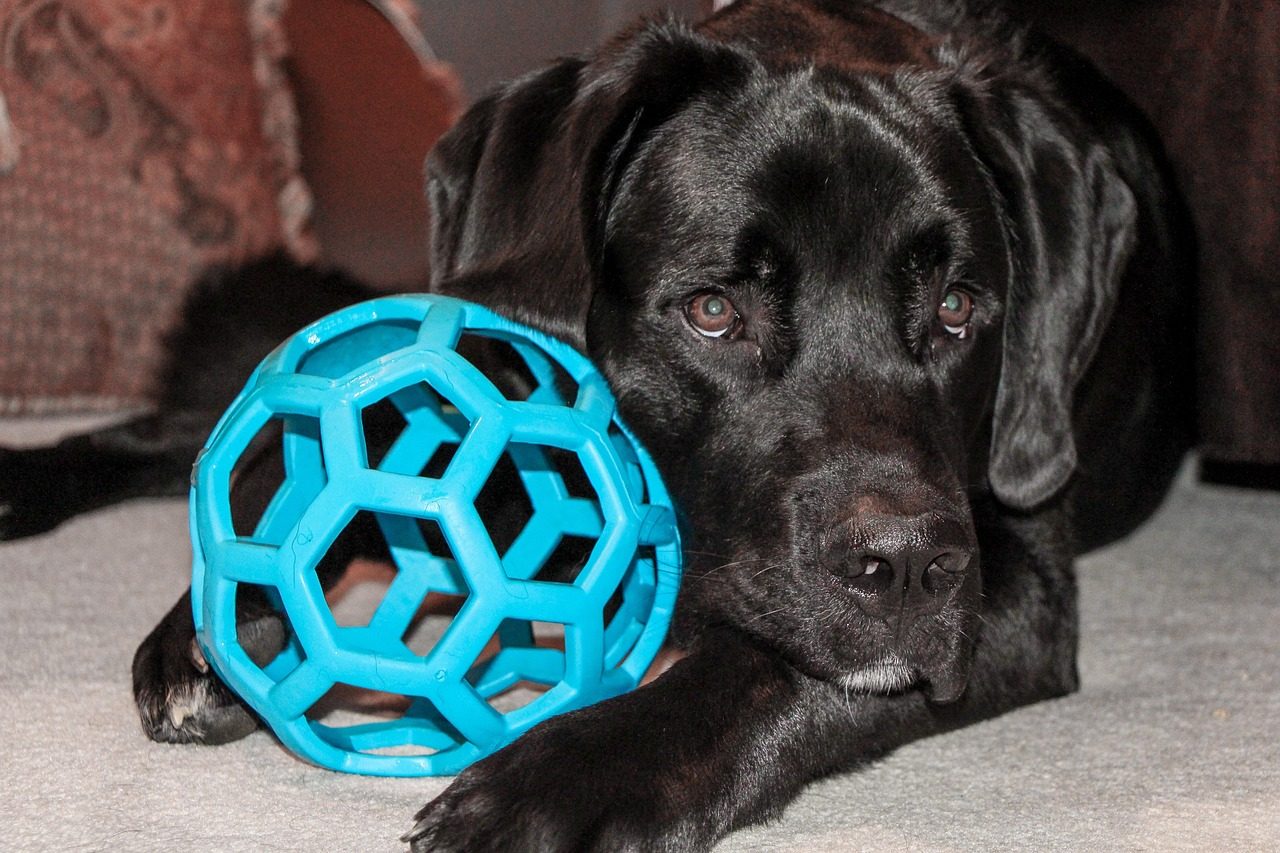
Some dogs who are scared of thunder might respond well to a distraction, like a favorite food or toy. If your dog is food-driven, choose a high-value treat, such as cheese on a lick mat or peanut butter in a Kong toy. This will give them something to focus on other than the storm. Chew and puzzle toys can also help your dog during a thunderstorm. If your dog gets destructive, chewing and licking are self-soothing behaviors. If your dog naturally tends to do those things when they’re upset, giving them positive outlets for that can be really helpful.
Ignore the noises yourself and try to involve your pet in some form of active game. You might also offer a fun squeaky toy or play a game of fetch or tug-of-war. However, only doing this if your dog would typically be interested in these activities. Pet enrichment and interactive toys may help distract your pet – try gentle games that encourage movement and play. By keeping your pet mentally and physically engaged during a storm, you may be able to divert their attention away from the stormy weather outside.
Provide Comfort Without Reinforcing Fear
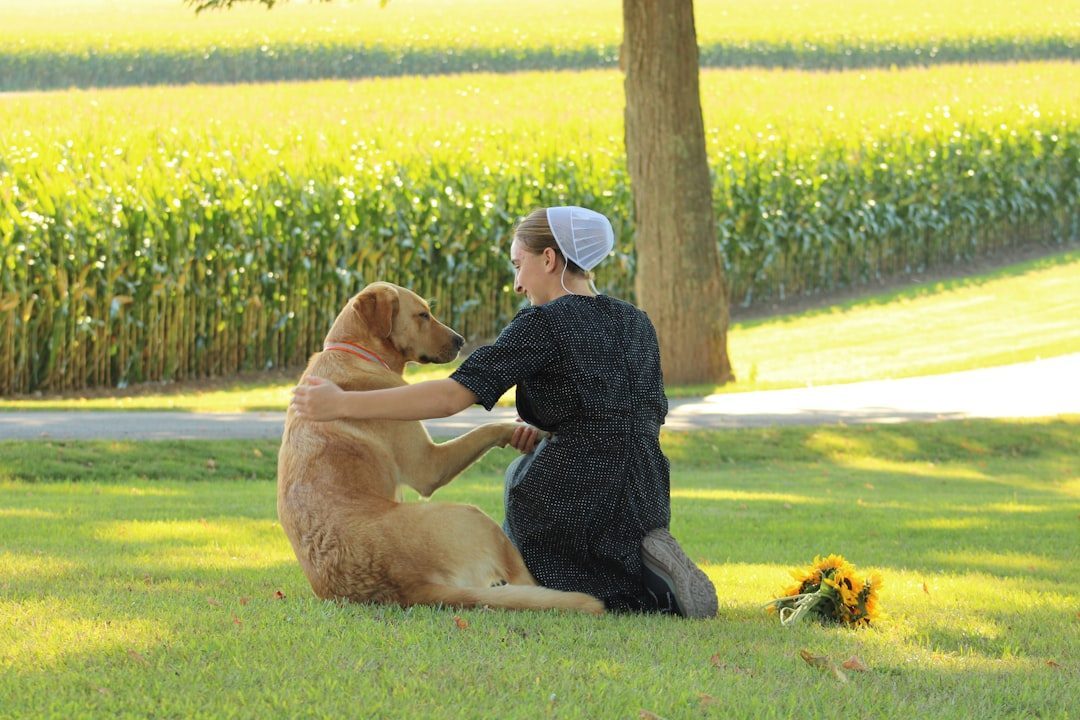
You should comfort and pet your dog during a thunderstorm. You can also ask your dog to perform a command or behavior (such as sit) and if your dog performs it, your dog offer a reward such as scratching or a treat. Some dogs wish to be close to their humans during a storm, so providing support through physical touch, talking to them calmly or even just your proximity can bring comfort.
Your pet often looks to you as a source of security. Remaining calm during a storm sends a reassuring signal to them that everything is all right. If you panic and start babying your pet at the first sound of thunder, your own nervousness may trigger theirs. It’s also important to never scold or punish your pet, as this may cause more harm than good. Offering comfort during a storm is encouraged and does not reinforce fear.
Consider Natural Supplements and Calming Aids
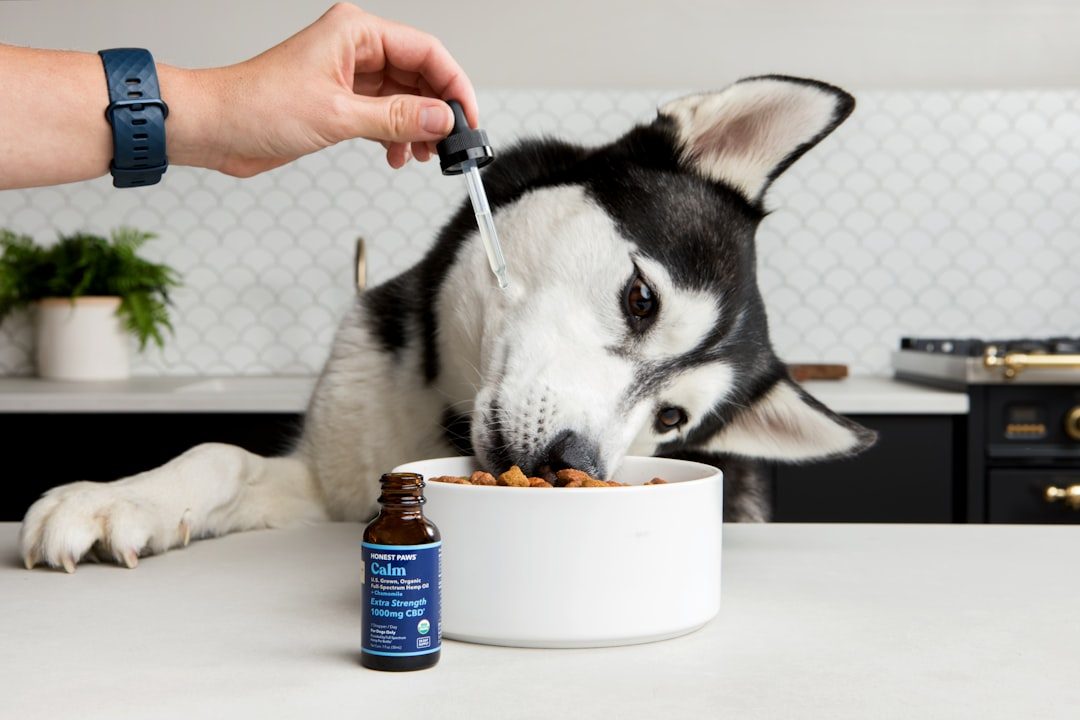
Common medications used for anxiety include Zylkene and Anxitane, which are natural based supplements. Additionally, benzodiazepines such as Diazepam and Alprazolam can help reduce the effects of fear in dogs. A great alternative is CBD oil or CBD + Melatonin. CBD may help to manage thunderstorm anxiety in dogs. Many pet parents have found that providing their dog with CBD oil or an edible product before thunderstorms can reduce fear and anxiety.
Pheromone products can help dogs with noise and storm anxiety. Adaptil contains a synthetic analogue of dog appeasing pheromone (DAP), which reportedly helps provide reassurance and comfort to puppies and dogs of all ages. In addition, calming treats, CBD oil, KONGs filled with peanut butter or kibble, or anxiety vests can be helpful. However, medications should only be used under the guidance of a veterinarian to ensure they are administered safely. However, it is important to speak with your veterinarian before using any form of cannabis-based treatment on your pet.
Explore Professional Medication Options
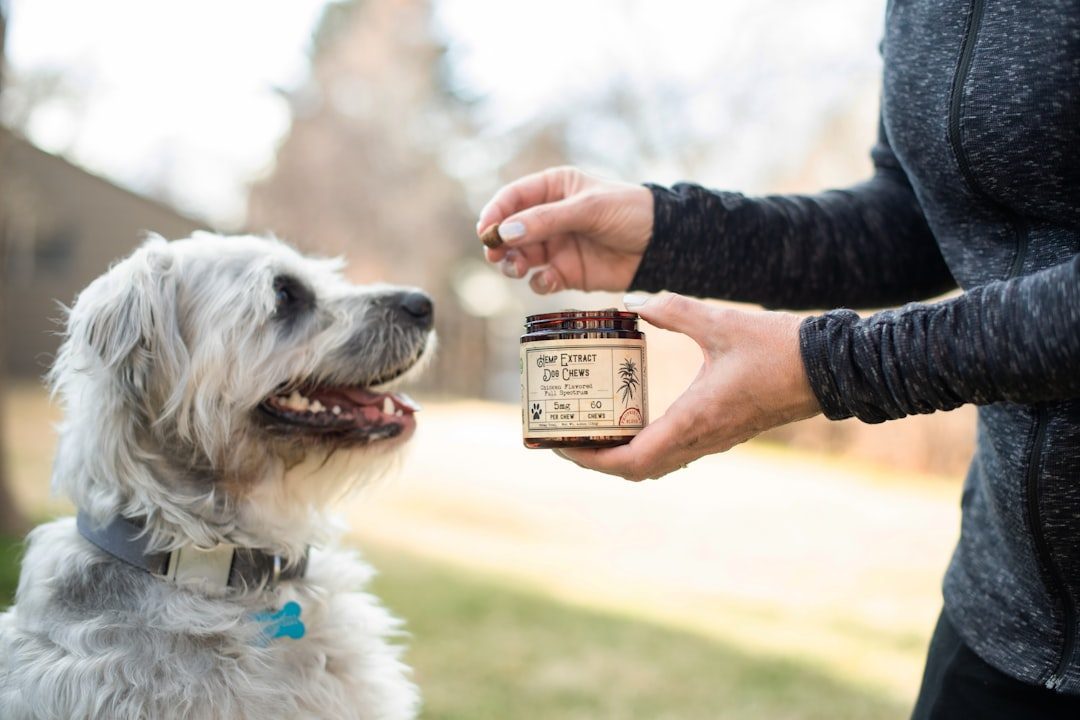
Sileo® (dexmedetomidine) is an FDA-approved, fast-acting gel medication specifically designed for dogs with noise aversion, which can be easily applied to a dog’s gum tissue 30-60 minutes before anxiety-triggering events or when first signs of anxiety appear. Unlike some anxiety medications, Sileo® works quickly to calm anxiety without causing heavy sedation, making it particularly effective for unexpected noise events like fireworks, thunderstorms, or even everyday noises such as vacuum cleaners and doorbells.
Trazodone, an atypical antidepressant with high oral bioavailability, can be used both for immediate anxiety relief and long-term anxiety management in dogs, making it a versatile option for both situational fears and ongoing stress. While commonly prescribed for both acute anxiety events and general anxiety management, it can be administered either “as needed” for specific triggers like thunderstorms or on a regular basis, though studies on its effectiveness for stress relief show varied results. Prescription anti-anxiety medications for dogs are sometimes needed with more severe storm phobias or for dogs who do not respond to over-the-counter treatments. Your veterinarian can also recommend a behavioral modification plan to help your dog learn to remain calm when a thunderstorm approaches.
Conclusion
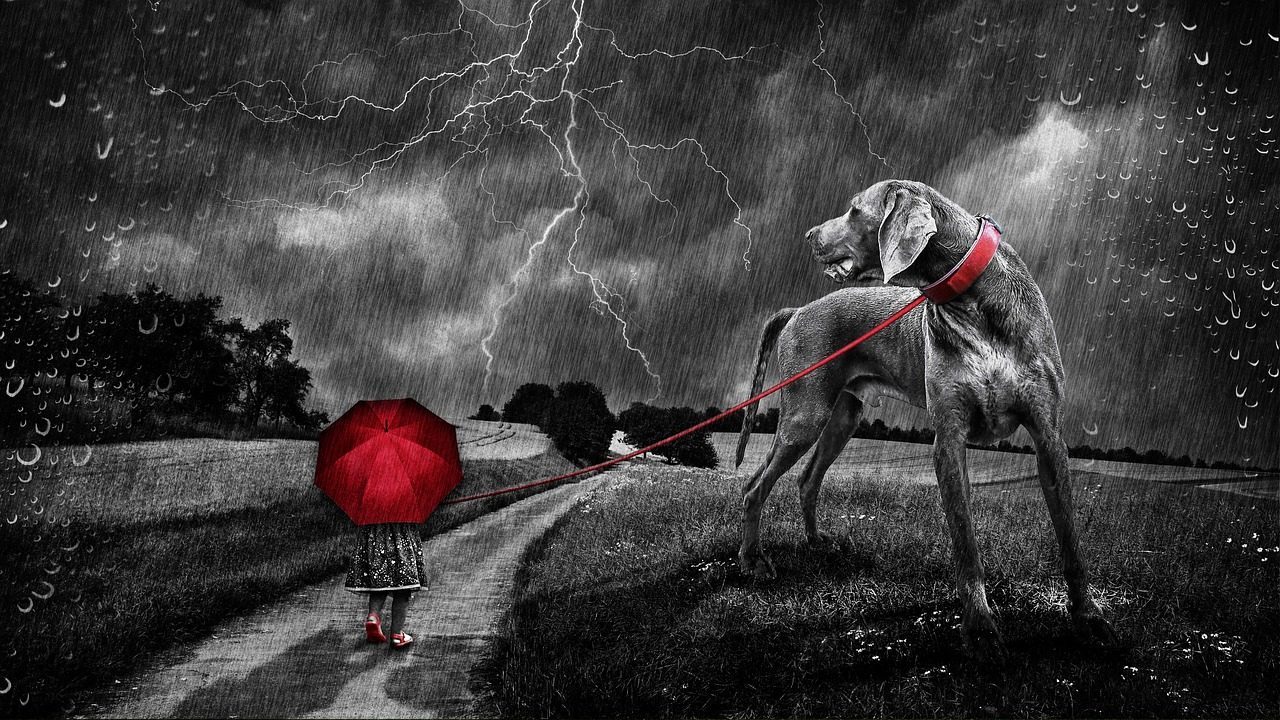
Helping isn’t about finding one magic solution; it’s about creating a comprehensive support system tailored to your pet’s specific needs. Most dogs cannot be cured of their thunderstorm phobias, but management is possible. Studies suggest that many dogs show significant improvement in their symptoms with appropriate medication and behavior modification treatment. Thunderstorm anxiety can be a debilitating condition for both dogs and their owners. However, it is possible to manage the symptoms with the right combination of medical care, behavioral modifications, and natural remedies such as CBD.
Remember that each dog responds differently to various approaches, so patience and persistence are key. Some dogs may benefit from a combination of a safe space, calming music, and an anxiety wrap, while others might need prescription medication alongside environmental modifications. The most important thing is to start addressing the issue before it becomes severe and to work closely with your veterinarian to develop the best plan for your furry companion.
What strategies have you found most helpful for your storm-anxious pup? Tell us in the comments.

- 8 Myths About Surviving a Tornado - June 25, 2026
- 11 Incredible Birds That Migrate Thousands of Miles Every Year - June 25, 2026
- 8 Simple Gardening Tips That Work Anywhere - June 25, 2026