
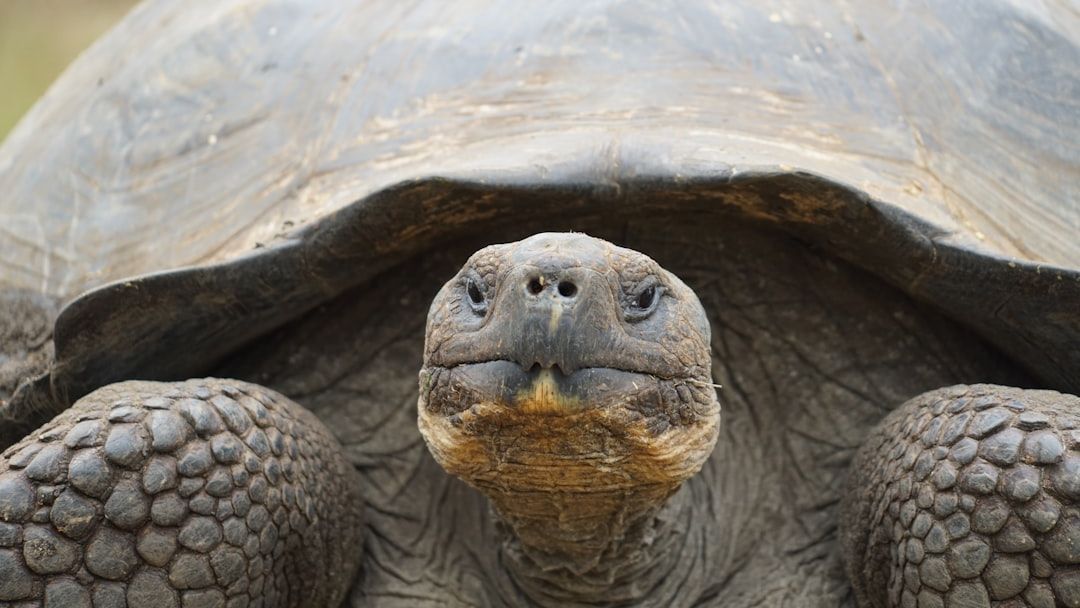
Ever paused to think about how fleeting our own lives really are when compared to some of the creatures sharing our planet? While humans might celebrate reaching 80 or even 100 years, certain animals laugh in the face of our timekeeping. Some of these remarkable beings were around when our great-grandparents weren’t even born yet. They’ve witnessed centuries of change, survived conditions that would destroy us in minutes, and evolved strategies to defy aging itself.
What’s truly wild is that many of these long-lived creatures don’t even show signs of growing old. So let’s dive in and explore some of nature’s most enduring champions.
The Greenland Shark: A Living Time Capsule
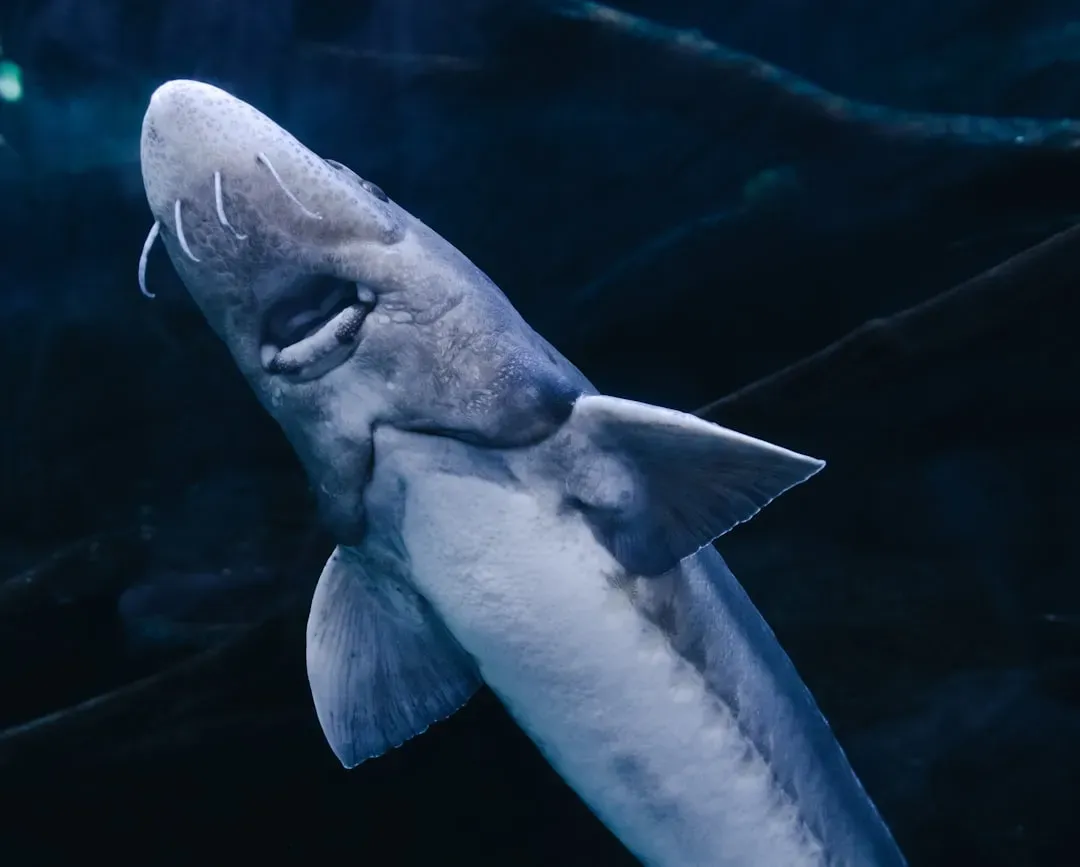
The Greenland shark holds the title as the longest-lived vertebrate on Earth, with lifespans estimated between 250 and 500 years. Think about that for a moment. These massive predators can grow over five meters long and may live more than 400 years.
The oldest specimen recorded was around 392 years old, which makes them the longest-lived vertebrates by a huge margin compared to the bowhead whale at 211 years. Swimming through the frigid depths of the Arctic and North Atlantic, these sharks move at a glacial pace. They’re sluggish and slow-moving, with the lowest swim speed across all fish species, swimming at just over one foot per second on average.
Here’s the kicker though. They don’t reach sexual maturity until around 150 years of age. Imagine waiting a century and a half before you could even think about starting a family. Their extreme longevity likely correlates with their very slow metabolism in the just-above-freezing Arctic environment.
The Ocean Quahog: An Unassuming Record Breaker
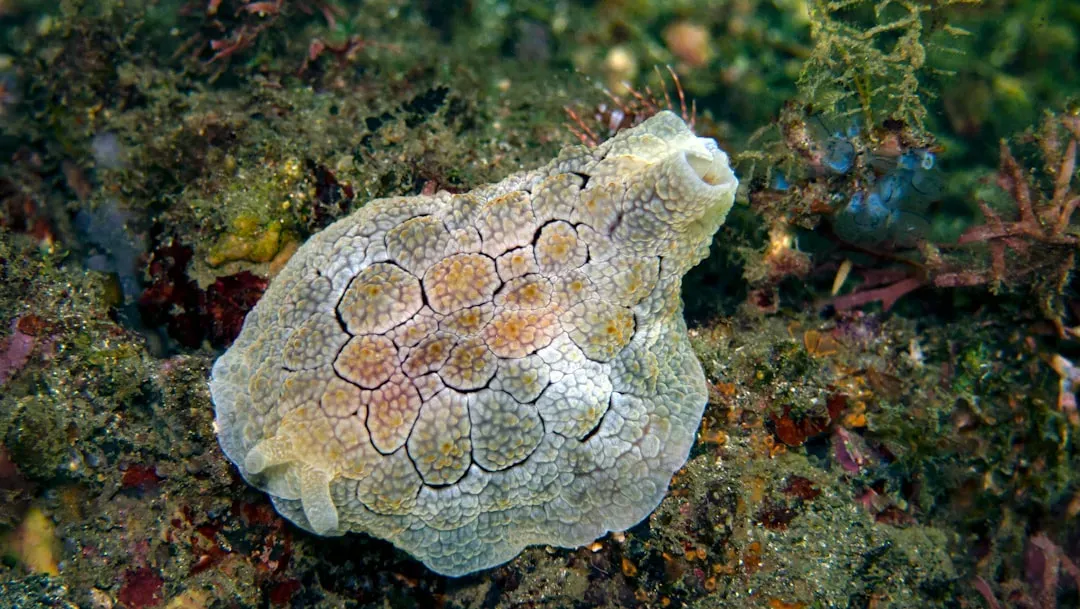
Don’t let its plain appearance fool you. The ocean quahog clam holds a remarkable lifespan, with the oldest recorded specimen over 500 years old. This humble bivalve living on the seafloor of the North Atlantic has quietly outlasted empires and dynasties.
One specimen nicknamed Ming was born around the time the Chinese Ming Dynasty was coming into power, some 507 years ago. Scientists discovered Ming in 2006 off the coast of Iceland. These clams grow very slowly, adding thin layers to their shells each year.
Ocean quahogs exhibit a phenomenon called negligible senescence, meaning they don’t show signs of aging as they get older and maintain bodily and reproductive fitness. Let’s be real, that’s pretty incredible. With minimal metabolic costs, they just tick over in cool northern waters.
The Bowhead Whale: Arctic Giant with Ancient Secrets
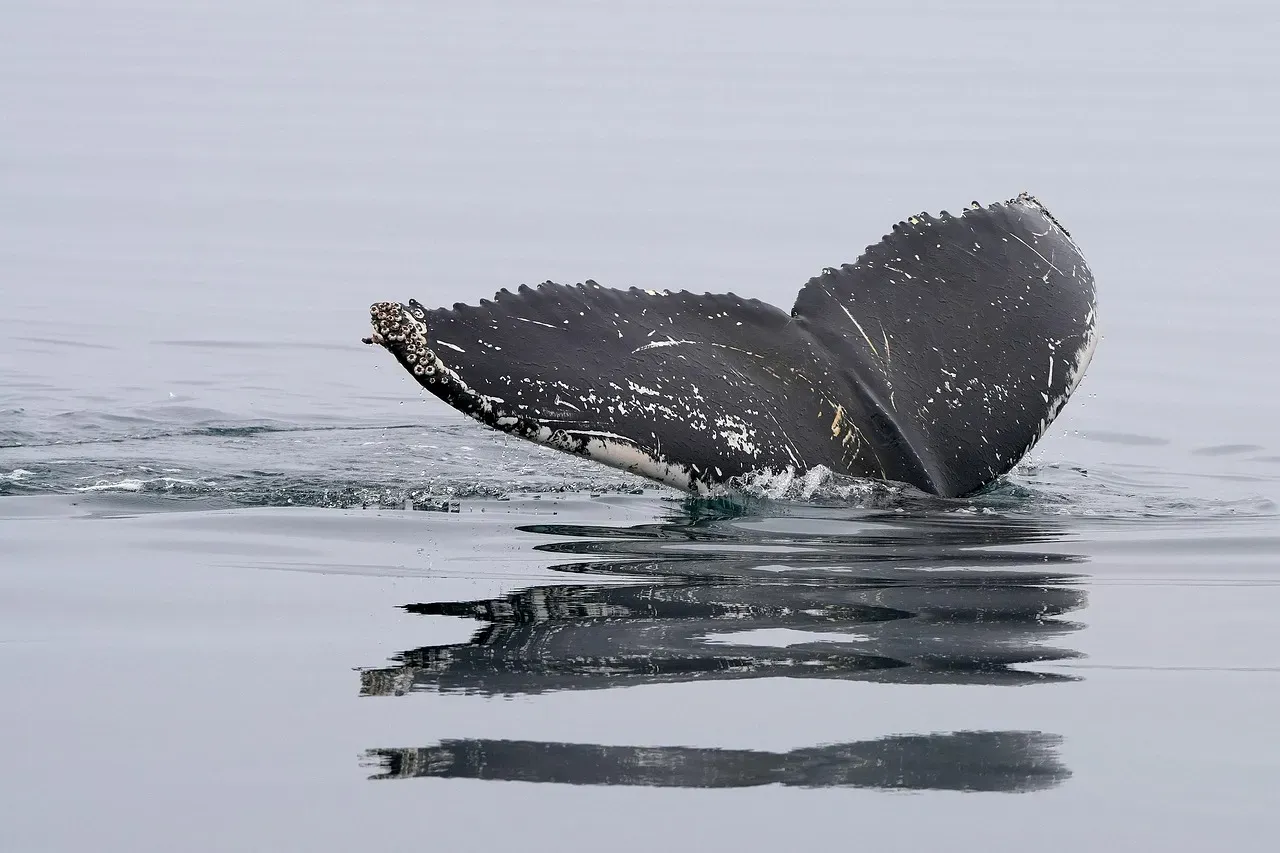
Bowhead whales live for more than 200 years, making them the longest-lived mammal on the planet. These massive Arctic dwellers have something truly special going on at the cellular level. A harpoon fragment dating back 115 years was found lodged in the shoulder bone of a bowhead caught in Alaska, proving their incredible longevity.
What makes them so resilient? Bowhead whales have developed superior DNA repair mechanisms, leading to far fewer mutations. Scientists are fascinated by this. When bowhead whale DNA repair proteins were added to human cells in the lab, they increased the cells’ ability to manage damage.
They grow slowly throughout their adult life and don’t become sexually mature until around 25 years old, much older than all other baleen whales. Their slow-paced lifestyle in frigid waters seems to be key to their remarkable survival.
Giant Tortoises: Slow and Steady Winners
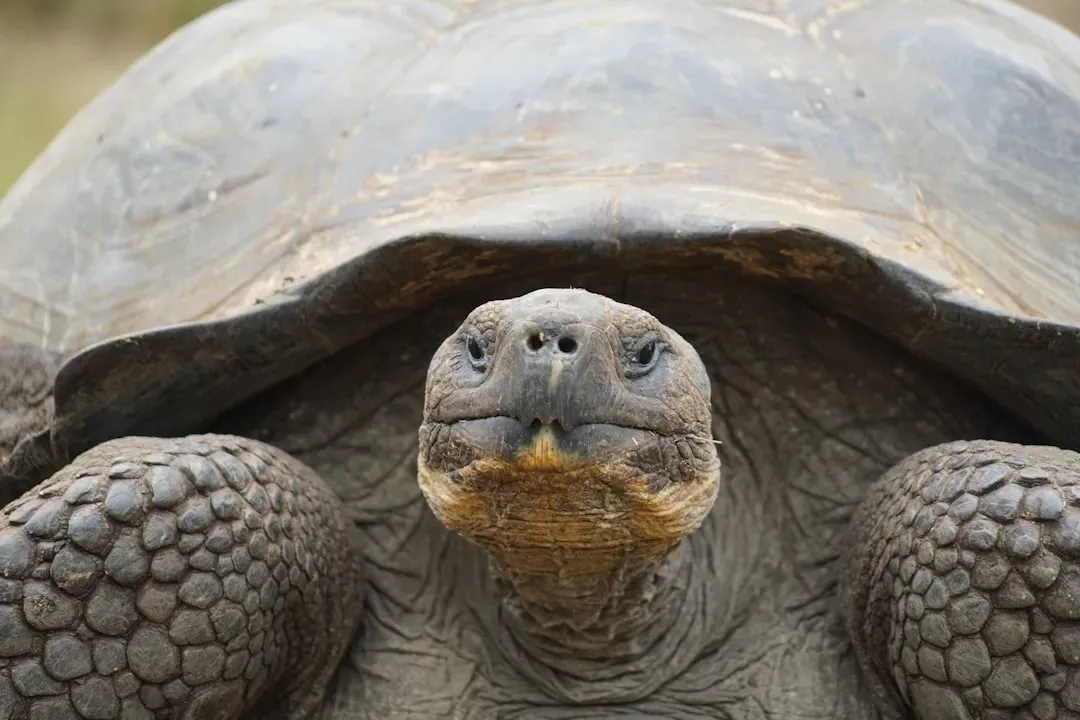
There’s more than one way a tortoise beats a hare, right? Giant tortoises can live for more than 100 years, with cases of them living over 150 years. These gentle giants embody the phrase “taking life slow.”
Jonathan, a Seychelles giant tortoise, hatched in 1832 and recently celebrated his estimated 190th birthday. That means Jonathan was alive before the invention of the telephone, the light bulb, or even the first photograph. Galápagos tortoises have lifespans exceeding 150 years, with one individual named Harriet living to be 175 years old.
Their slow metabolic rate is a key factor in their longevity. Living on remote islands with limited resources, these tortoises evolved to conserve energy. It’s hard to say for sure, but their laid-back existence seems to work wonders for their lifespan.
Red Sea Urchins: The Spiny Immortals
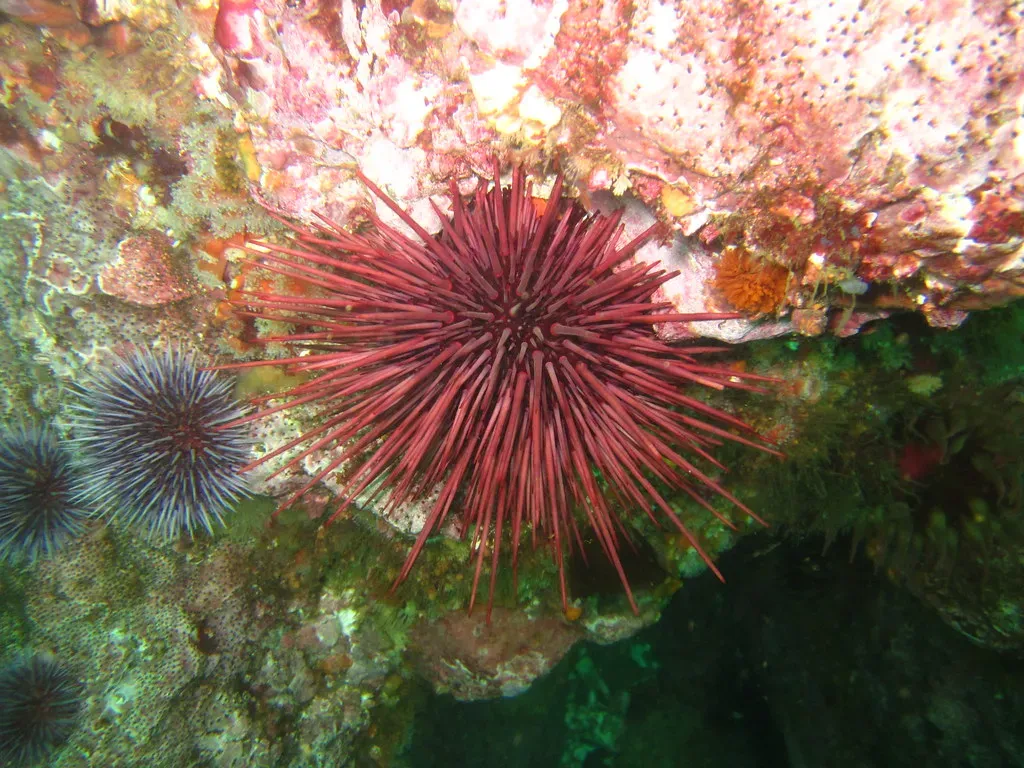
Red sea urchins can live for over 200 years and show little sign of aging. Found in the cold Pacific waters off British Columbia, these spiny creatures have a remarkable secret. Unlike humans, they don’t become weaker or more vulnerable as they age.
Red sea urchins show no signs of aging and can live over 200 years. A 100-year-old individual is just as healthy and capable of reproduction as a younger one. Think about that. No decline, no weakness, just steady existence.
Their continuous cell regeneration and protection from most predators in deep waters contribute to their longevity. Honestly, it sounds like something from science fiction, yet these creatures are living proof that aging isn’t inevitable for all species.
Koi Fish: Colorful Centenarians
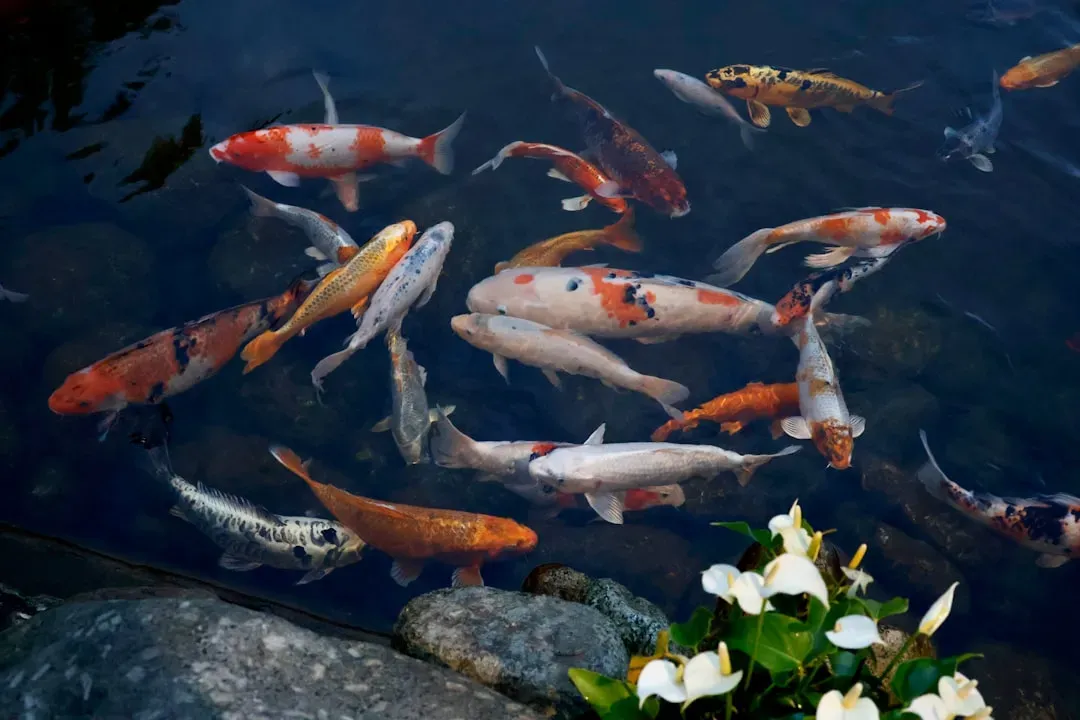
While many koi fish live around 50 years, some can live extraordinarily long lives. These ornamental fish, prized in Japanese culture, have astonished researchers with their potential lifespan. One famous koi named Hanako reportedly lived to 226 years based on scale analysis, although this is still debated by scientists.
Domesticated koi fish, especially in Japan, can live over 100 years, with Hanako living for 226 years. Scientists determined her age by counting growth rings on her scales, similar to how tree rings work. Their extended lifespans are attributed to high-quality diets and meticulously maintained environments in captivity.
Whether Hanako’s exact age is perfectly accurate or not, koi clearly have remarkable longevity potential. They’re not just beautiful pets but possible life companions for multiple generations.
Conclusion: Lessons from Nature’s Elders
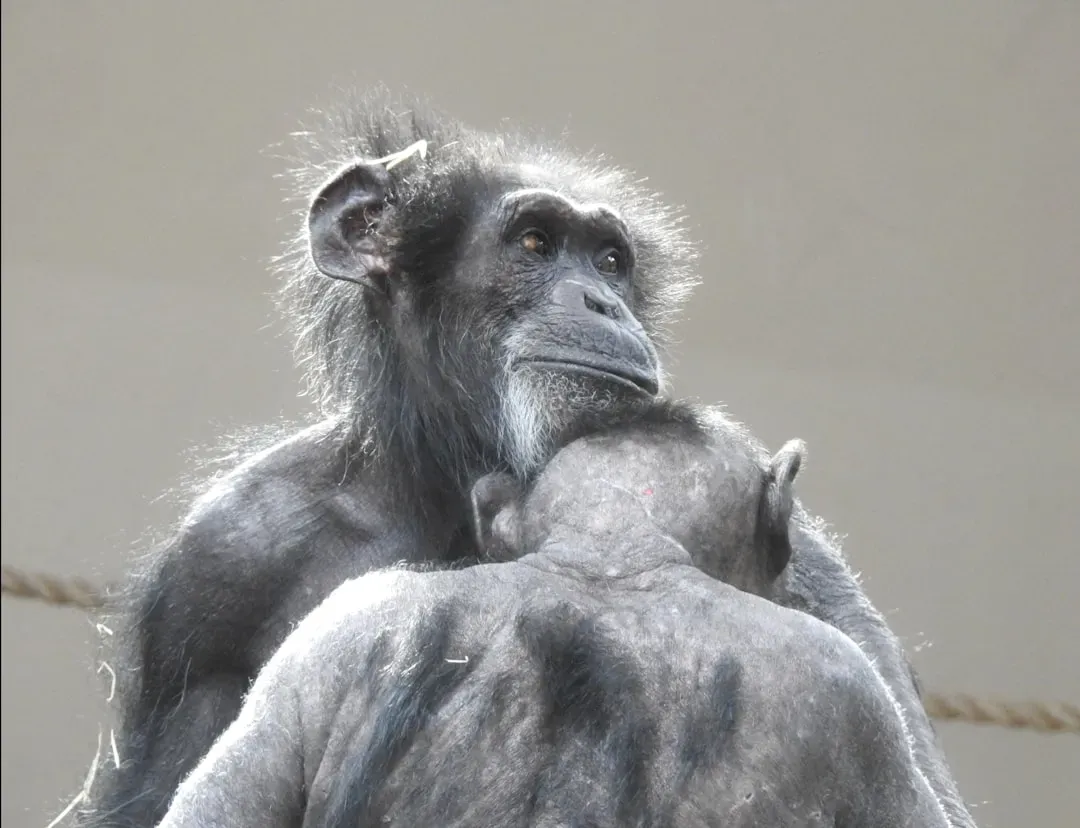
What do all these remarkable creatures teach us? Species with lower basal metabolic rates generally live longer, as slower metabolism reduces free radical production and oxidative damage. Cold environments, stable habitats, and efficient DNA repair mechanisms seem to be the common threads.
Over the last few decades, scientists have started piecing together an intriguing picture by studying the cells of these long-lived organisms. While we’re not going to live 400 years anytime soon, understanding how these animals resist disease, repair DNA damage, and maintain cellular health could unlock secrets to extending human healthspan.
So what do you think? Does it change how you see aging when you realize a shark swimming today might have been alive during Shakespeare’s time? Share your thoughts.

- 14 Ways an Old Dog Holds On a Little Longer for the Person It Loves - July 21, 2026
- 15 Tender Things Old Dogs Do the Closer the End Quietly Comes - July 21, 2026
- 14 Ways a Rescue Cat Shows It Has Given You Its Fragile Heart - July 21, 2026