

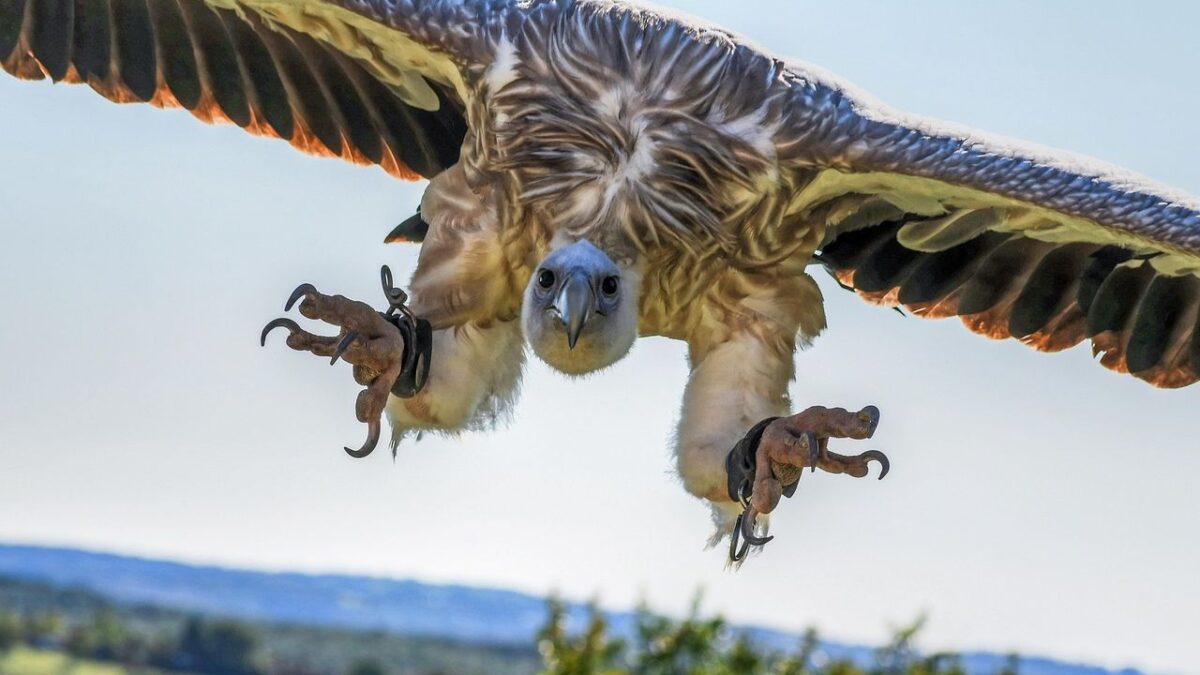
When you think of incredible birds, vultures might not be the first creatures to come to mind. Most people imagine them as, well, a bit grim, circling above something unfortunate below. Yet, shatters those dull expectations with abilities that sound more like science fiction than reality.
This African giant doesn’t just soar. It defies the limits of what we thought birds could do. From heights that make commercial jets look grounded to adaptations that would make a superhero jealous, this vulture is basically the Everest of the bird world. Let’s dive in and discover what makes this species so remarkable.
It Holds the Record as the World’s Highest Flying Bird
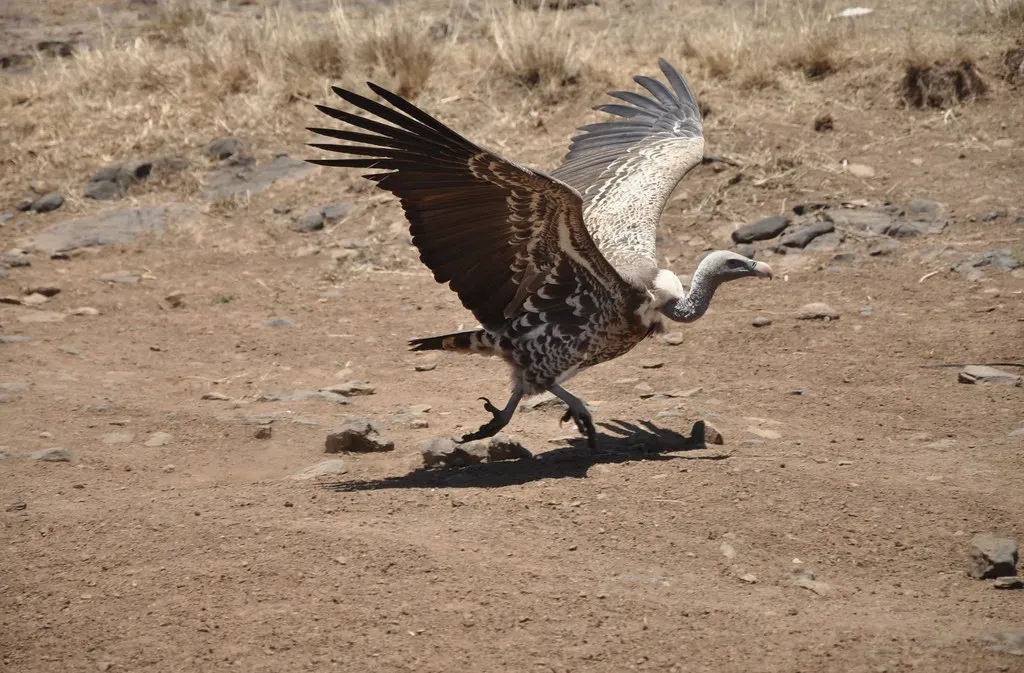
The highest altitude recorded for a bird is 11,300 m (37,000 ft) for a Rüppell’s vulture, which collided with a commercial aircraft over Abidjan, Ivory Coast on 29 November 1973. Think about that for a moment. Commercial planes cruise between roughly 33,000 to 42,000 feet, which means this vulture was practically sharing airspace with human passengers and flight attendants.
At this altitude, the average temperature is about −56 °C (−69 °F). Most animals, including humans without serious equipment, would quickly perish in such brutal conditions. Yet this bird somehow thrived up there, riding thermal currents where oxygen is scarce and the cold is absolutely unforgiving.
A Special Blood Protein Powers Its Extreme Altitude Abilities
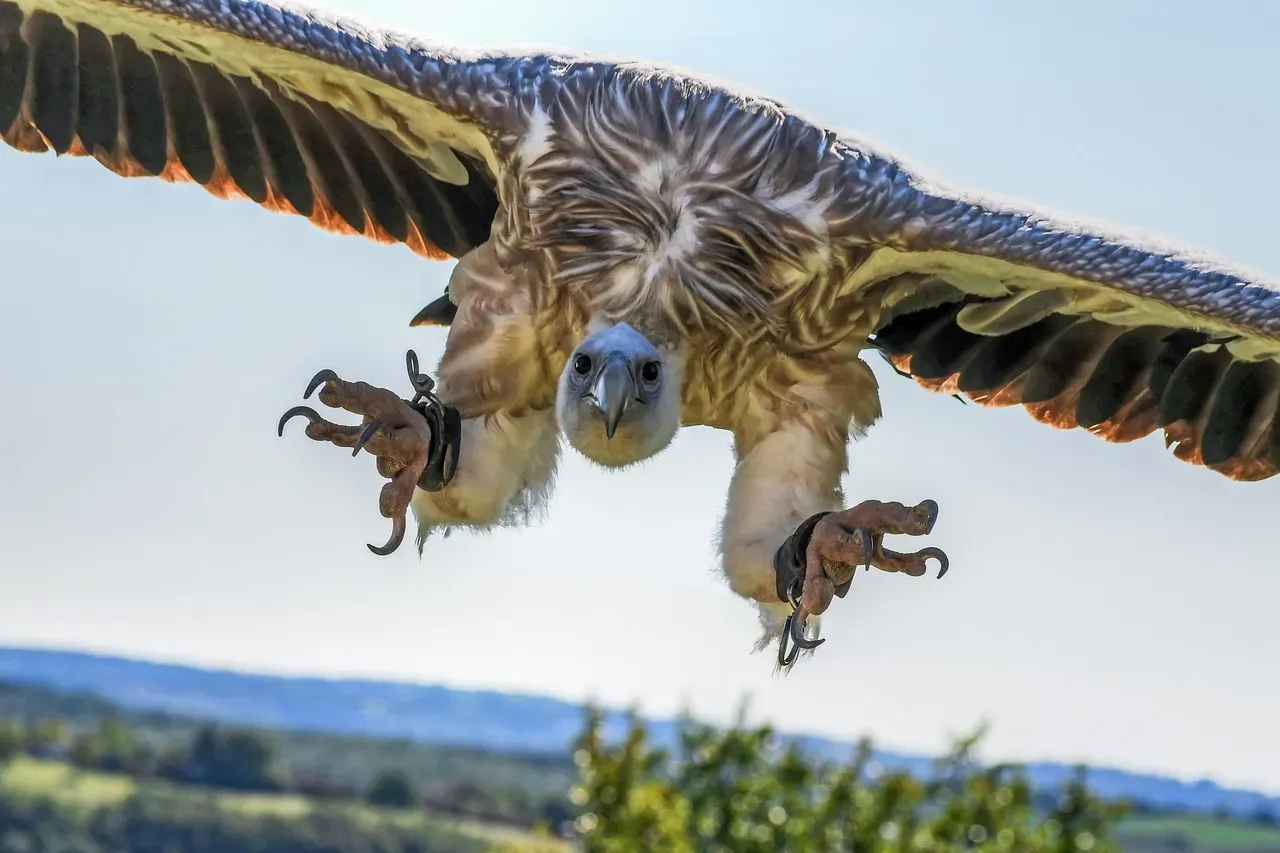
How does a living creature survive where the air is impossibly thin? The secret lies in the vulture’s blood. The birds have a specialized variant of the hemoglobin alphaD subunit; this protein has a great affinity for oxygen, which allows the species to absorb oxygen efficiently despite the low partial pressure in the upper troposphere.
It’s like having a biological supercharger built right into their veins. While most birds would struggle and falter as oxygen becomes scarce, the Rüppell’s Griffon just keeps going, effortlessly extracting what it needs from air so thin it barely exists. This adaptation is nothing short of evolutionary genius.
These Vultures Are Long Distance Champions of the Sky
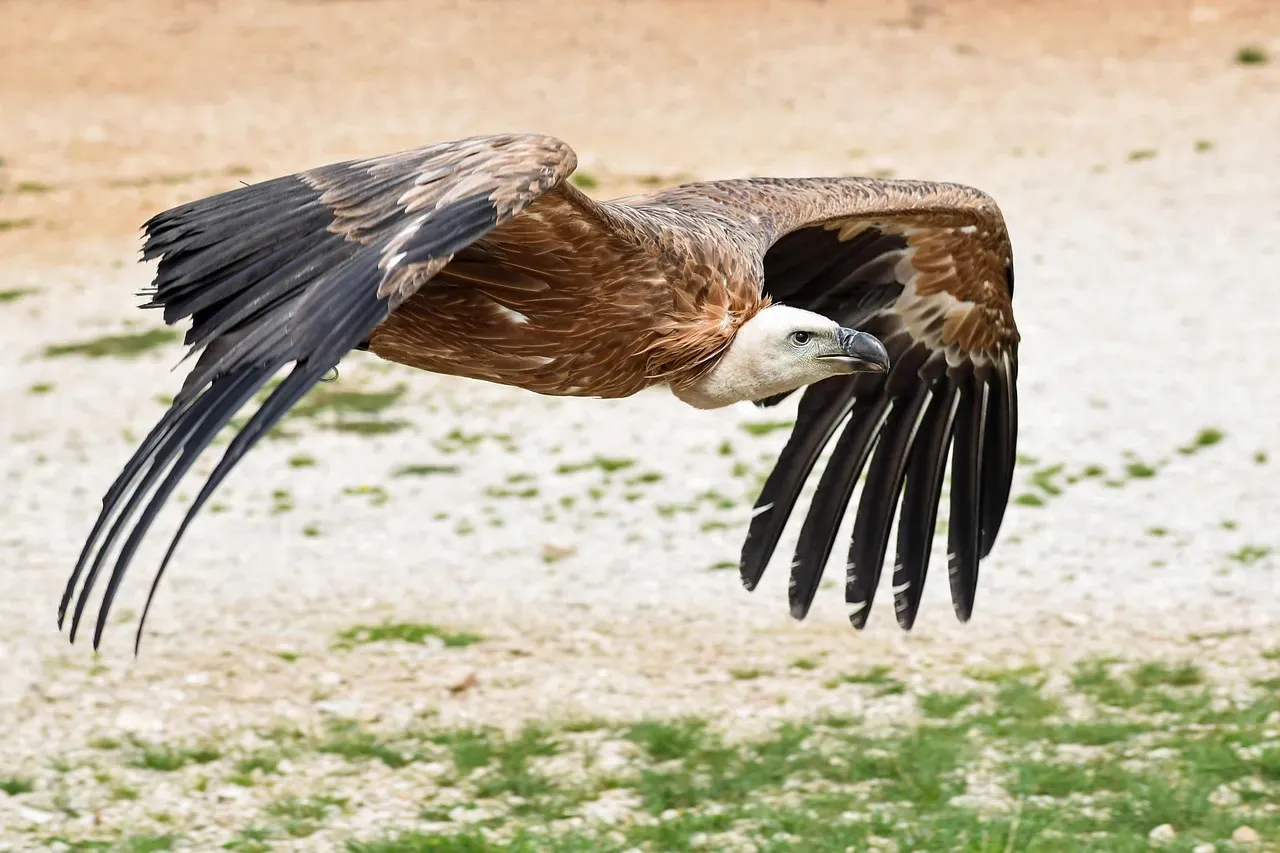
Ruppell’s vulture cruises at a speed of 35 km/h (22 mph), but flies for 6–7 hours every day. Imagine spending nearly a full workday in the air, scanning endless miles of African savanna for food. That’s not a casual afternoon flight. That’s a marathon with wings.
They can travel well over 100 km from a nest site to find food, even reaching 200km when using updrafts. The distances are staggering, especially considering they’re doing this while conserving precious energy by relying on thermal currents and winds. Young vultures apparently cover even greater distances, roaming far and wide before they settle into breeding territories.
Their Featherless Heads Are Actually Brilliant Adaptations
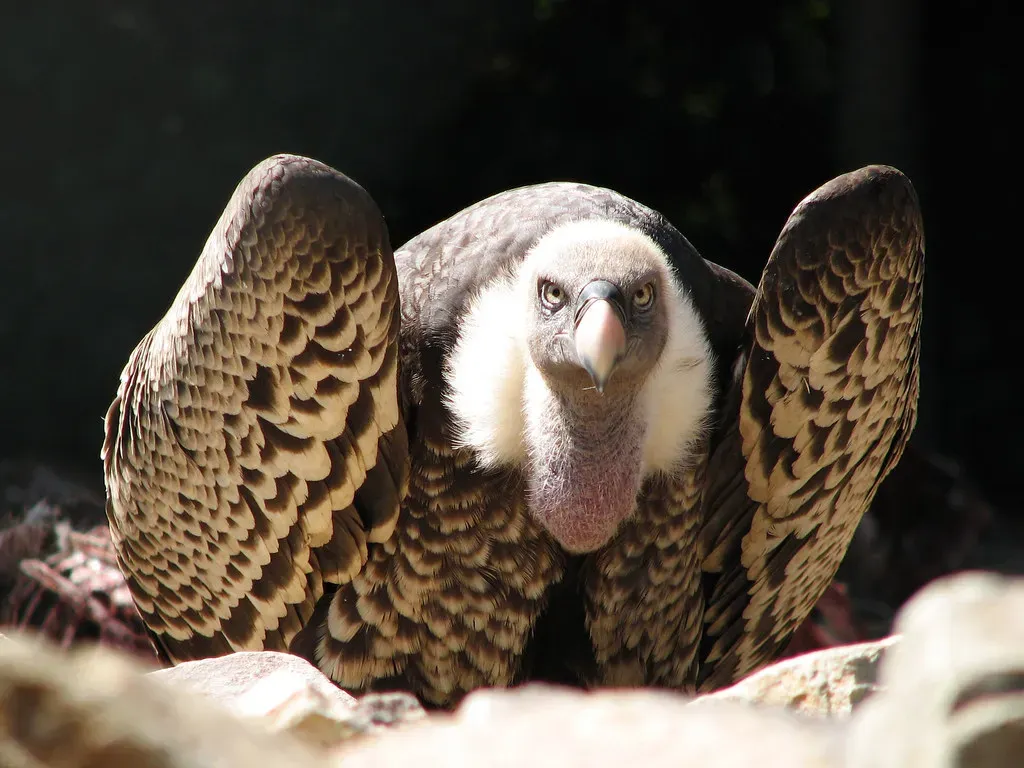
The head does not have feathers. This is an adaptation that occurred because of the Rüppell’s vulture’s tendency to stick its head inside of its prey when eating. Without the adaptation, feeding would become extremely messy. Let’s be honest, most of us would find that image a bit disturbing at first glance.
Yet when you consider their role as nature’s cleanup crew, it makes perfect sense. Rüppell’s griffon vultures insert their heads under the skin of the carcass, sometimes climbing inside the ribcage to consume it. Feathers would become matted with blood and bacteria, creating health hazards. The bald head keeps them clean and infection-free while they do the planet’s dirty work.
They Can Digest Diseases That Would Kill Other Animals
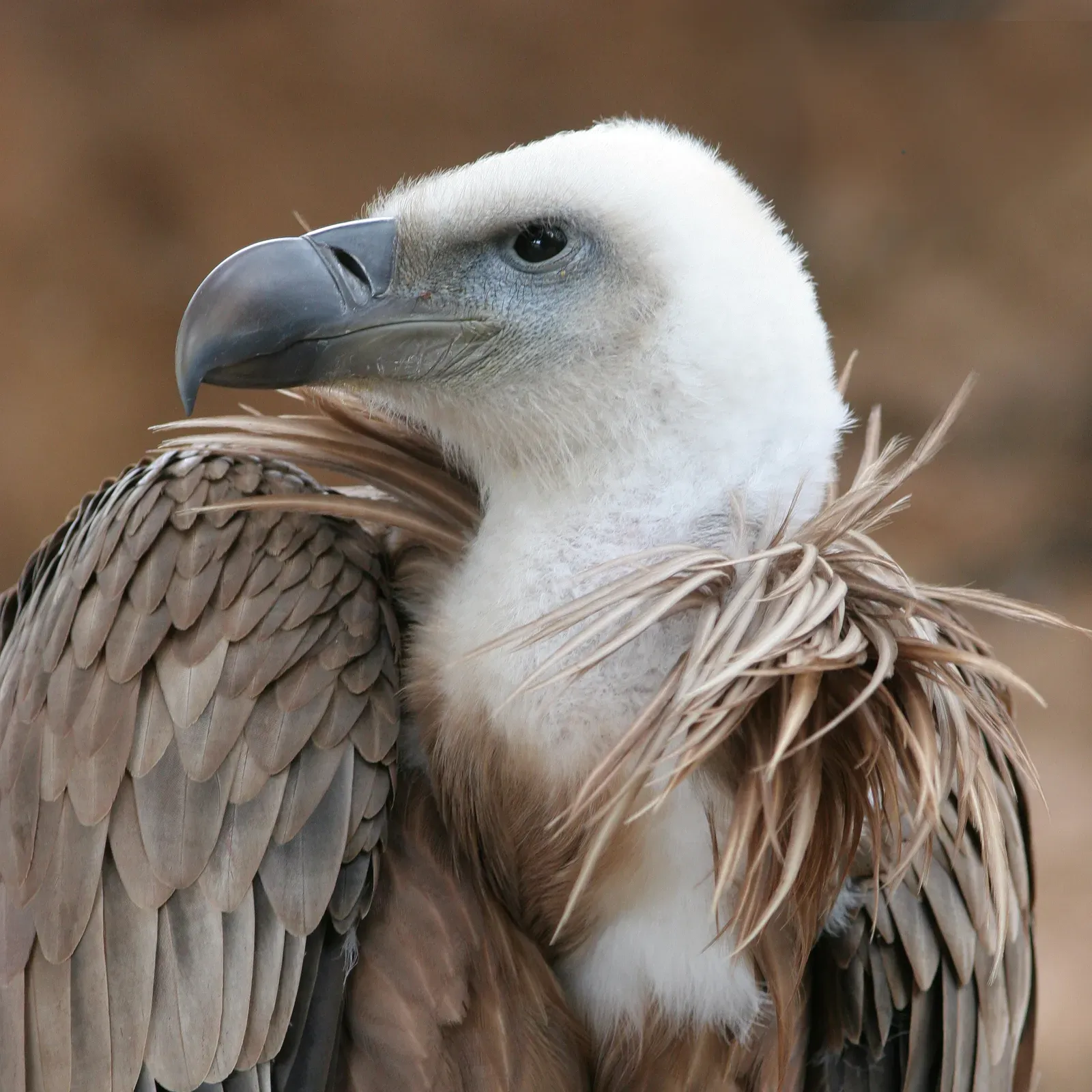
Here’s where things get truly wild. Rüppell’s griffon vultures have the added adaptation of being able to consume rotten meat, even if it contains anthrax, botulism and cholera. Bacteria are then destroyed in the vulture’s stomach. Essentially, their digestive system is a biological hazmat unit.
This isn’t just convenient for the vulture. It’s crucial for entire ecosystems. By consuming carcasses that harbor deadly pathogens, these birds prevent diseases from spreading to other animals and even humans. They’re basically flying sanitation workers, keeping the African landscape safe and disease-free without asking for any recognition.
Social Creatures That Nest in Massive Cliff Colonies
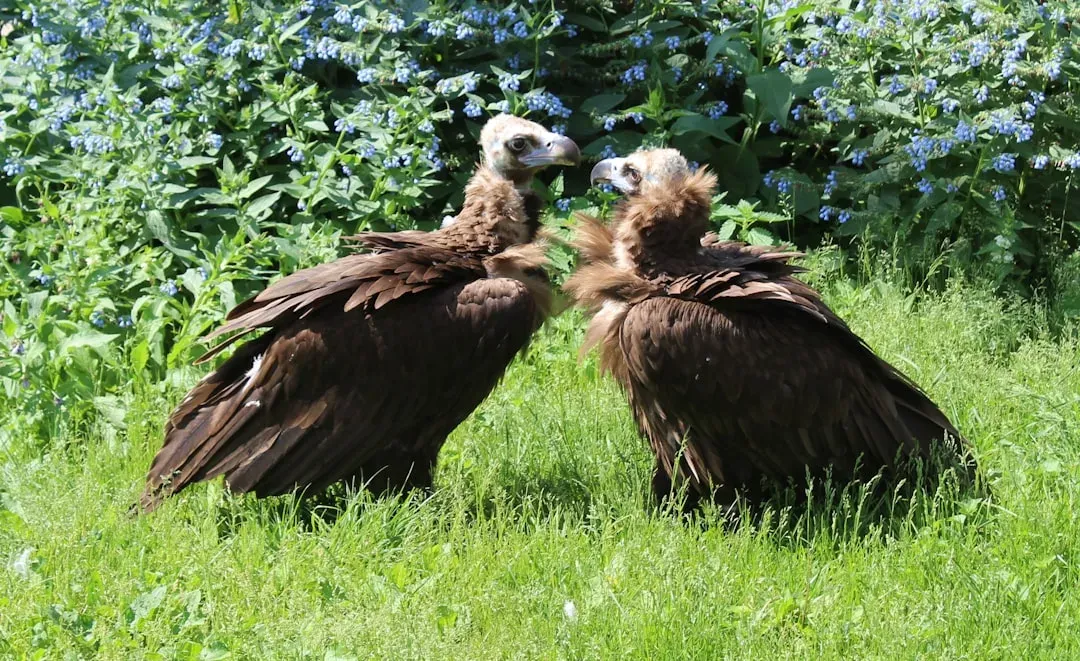
These animals are highly social, nesting and gathering in large flocks numbering in the thousands. Picture hundreds, sometimes over a thousand breeding pairs crammed onto cliff faces, all raising their young together. The noise, the smells, the sheer chaos of it all must be absolutely incredible to witness.
This species of vulture is considered to be monogamous, forming lifelong breeding pairs. After courtship the pair will work together to build a nest using sticks, grass, and leaves that they have gathered or stolen from other nests. It’s honestly kind of touching. Despite the rough and tumble nature of their existence, these vultures commit to one partner for life, working side by side to raise their single chick each season.
They Rely Entirely on Vision to Find Food Across Vast Distances
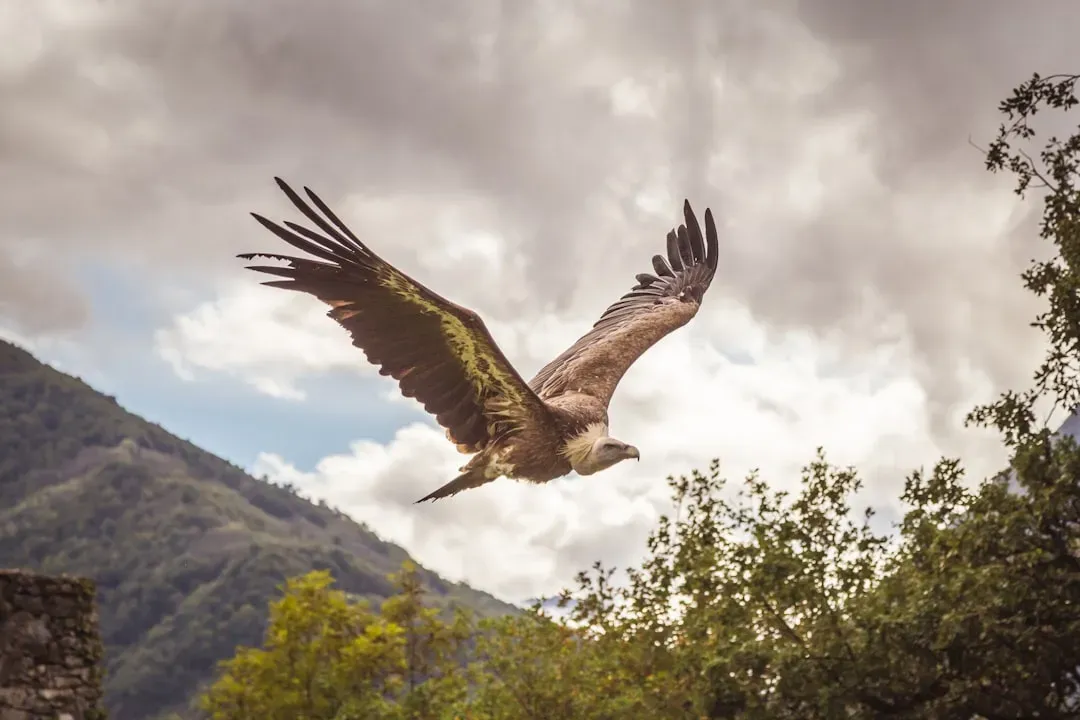
They rely on vision alone to detect prey. No sense of smell guides them. No hearing helps them locate a carcass. Just their eyes, scanning the ground from altitudes that would make your head spin. Because of their high-flying abilities, they have excellent eyesight and can spot prey from 4 miles away.
When you’re soaring several miles above the ground and need to spot something as specific as a dead animal among rocks, grass, and dust, your vision needs to be exceptional. These birds have evolved eyes that function like high-powered binoculars, letting them detect opportunities that would be invisible to us even with modern technology.
They Face Critical Endangerment Despite Their Incredible Abilities
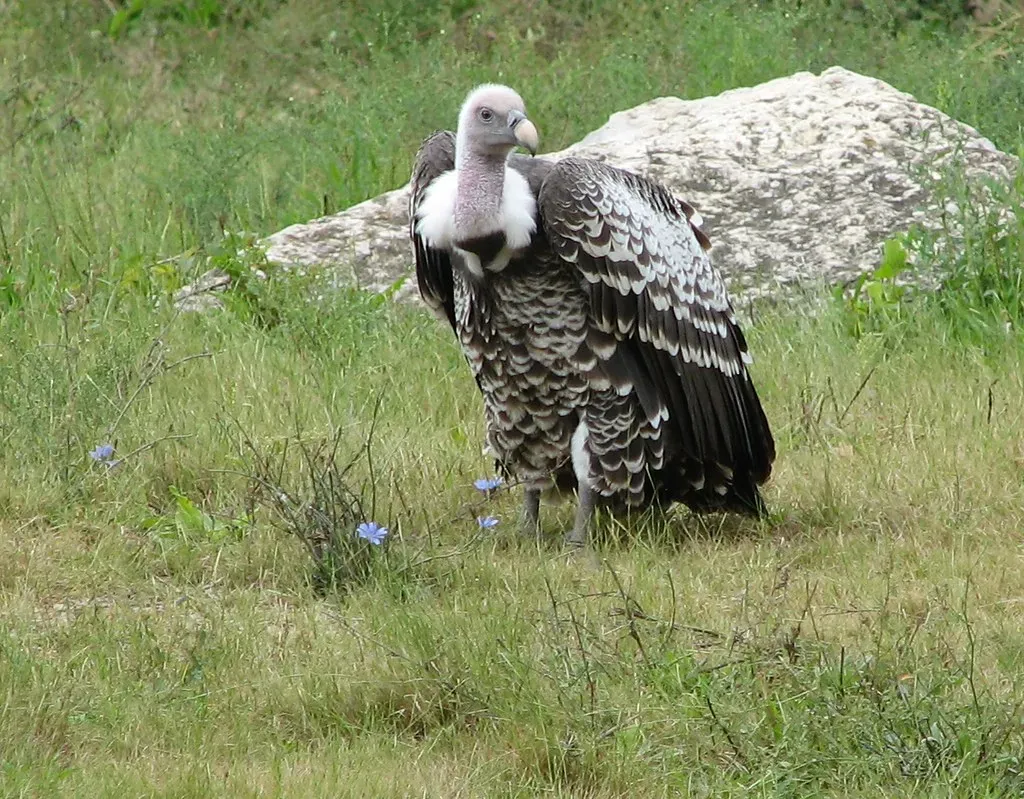
This species has declined rapidly, going from a species of least concern in 2004 to near threatened in 2007 and critically endangered in 2012. That’s a terrifying trajectory. In less than a decade, these magnificent birds went from stable to teetering on the edge of extinction.
Poisoning is currently thought to be the most serious threat to all vulture populations in Africa. In events where predators such as lions or hyenas have killed livestock, carbofuran poisons have been placed into carcasses as retaliation against the predators. One evaluation of 10 poisoning events found that each event caused the death of 37 to 600 individuals. A single poisoned carcass can wipe out hundreds of vultures in one fell swoop, devastating entire populations in a matter of hours.
Conclusion
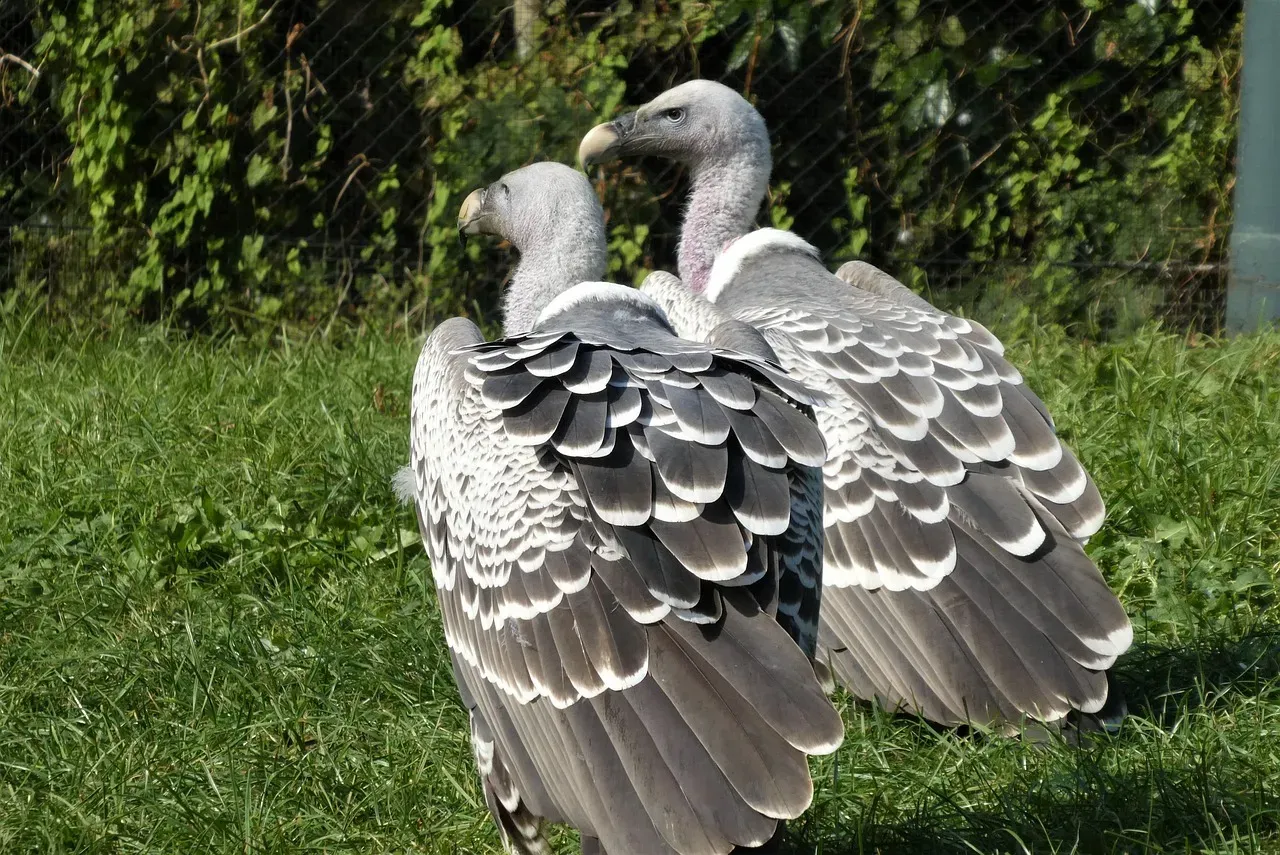
is proof that nature’s underdogs often hold the most astonishing secrets. From flying higher than jets to digesting deadly bacteria, these birds redefine what’s possible in the animal kingdom. They’re elegant, powerful, and absolutely essential to the health of African ecosystems.
Yet despite all their incredible adaptations, they can’t evolve fast enough to escape human threats like poisoning and habitat loss. Conservation efforts are underway, and there’s still hope, though the clock is ticking. What do you think it would take to turn their numbers around? Tell us in the comments.
