

Picture this. You’re standing in the rugged California wilderness of the 1800s, surrounded by towering redwoods and rolling valleys. A massive creature lumbers past, golden fur shimmering in the sunlight, weighing over a thousand pounds. It’s a California grizzly bear, once the undisputed king of this landscape.
Here’s the thing though. The California grizzly bear became the official state animal in 1953, decades after it was eradicated from California. Choosing an extinct animal as your state symbol might seem odd at first. Why would California honor a creature it helped drive to oblivion? The answer reveals something profound about nostalgia, identity, and the complex relationship between humans and the wild. Let’s dive in.
A Symbol Already Woven Into California’s Identity
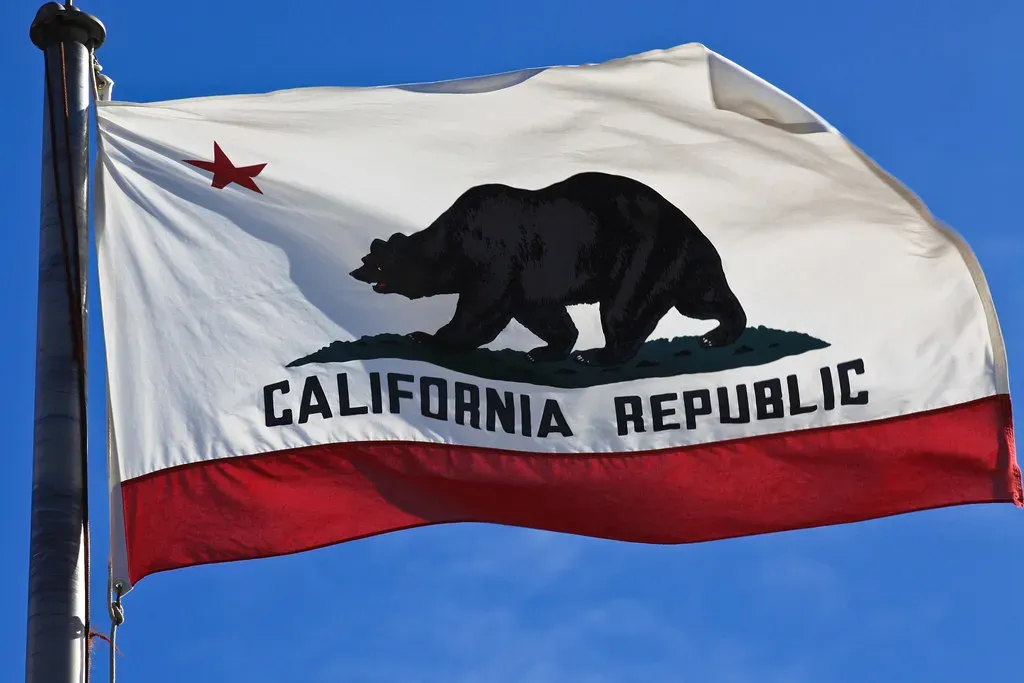
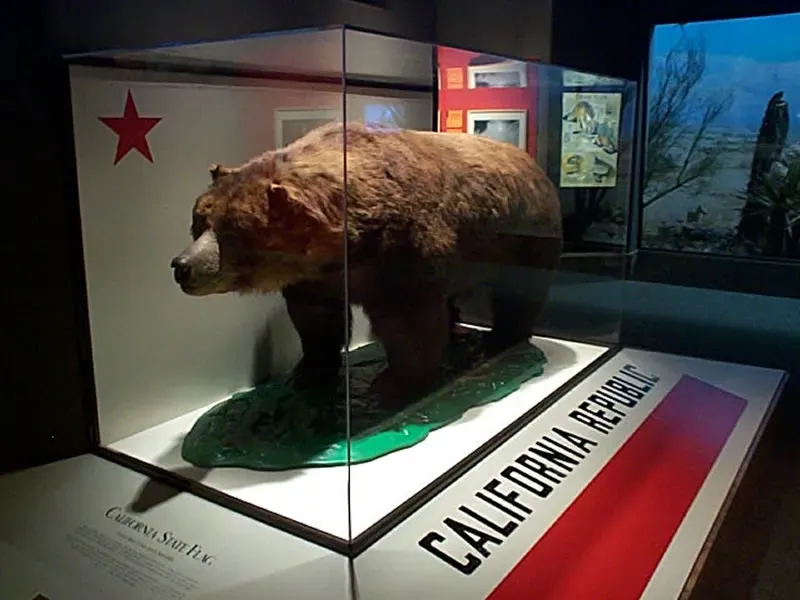
Before the state adopted the grizzly bear as its state animal in 1953, the grizzly bear had been on the state flag since 1911. The bear wasn’t some random choice plucked from thin air. The Bear Flag first flew in 1846 as a symbol of the short-lived California Republic, during a brief rebellion when American settlers declared independence from Mexico. The bear was designed to be a symbol of strength and unyielding resistance.
Honestly, the symbolism ran deep. The bear symbol became a permanent part of the state seal in 1849. So by the time lawmakers got around to officially naming a state animal nearly a century later, the grizzly had already claimed its place in California’s visual and cultural landscape. The decision was almost inevitable.
The Tragic Irony of Extinction
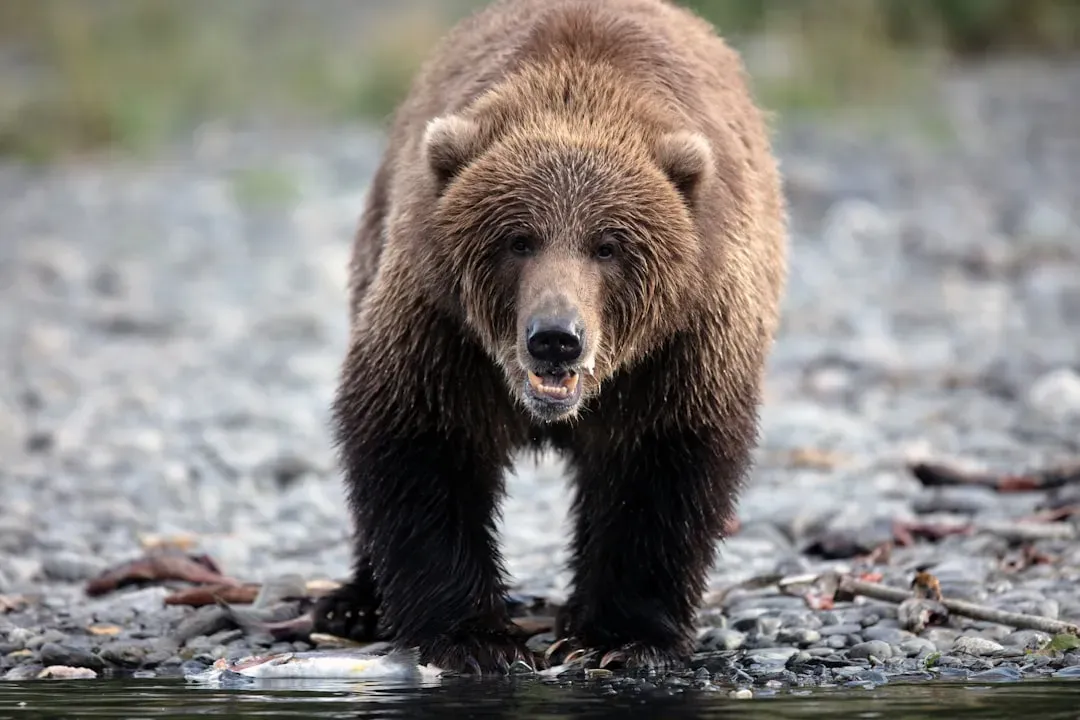
The last time a grizzly bear was spotted in California was in 1924. This was two years after the last known killing of a grizzly bear in the state. Think about that for a moment. Prior to Spanish settlement in the second half of the 1700s, it is estimated that 10,000 grizzly bears inhabited what is modern-day California. Within less than a hundred and fifty years, they were gone entirely.
The loss of habitat and over-hunting by a rapidly growing human population led to their complete extinction by the 1920s. The Gold Rush brought a frenzy of settlers who saw these magnificent creatures as threats to their livestock and safety. The bears refused to retreat, standing their ground as human civilization expanded. That stubbornness sealed their fate.
Nostalgia for California’s Wilder Past
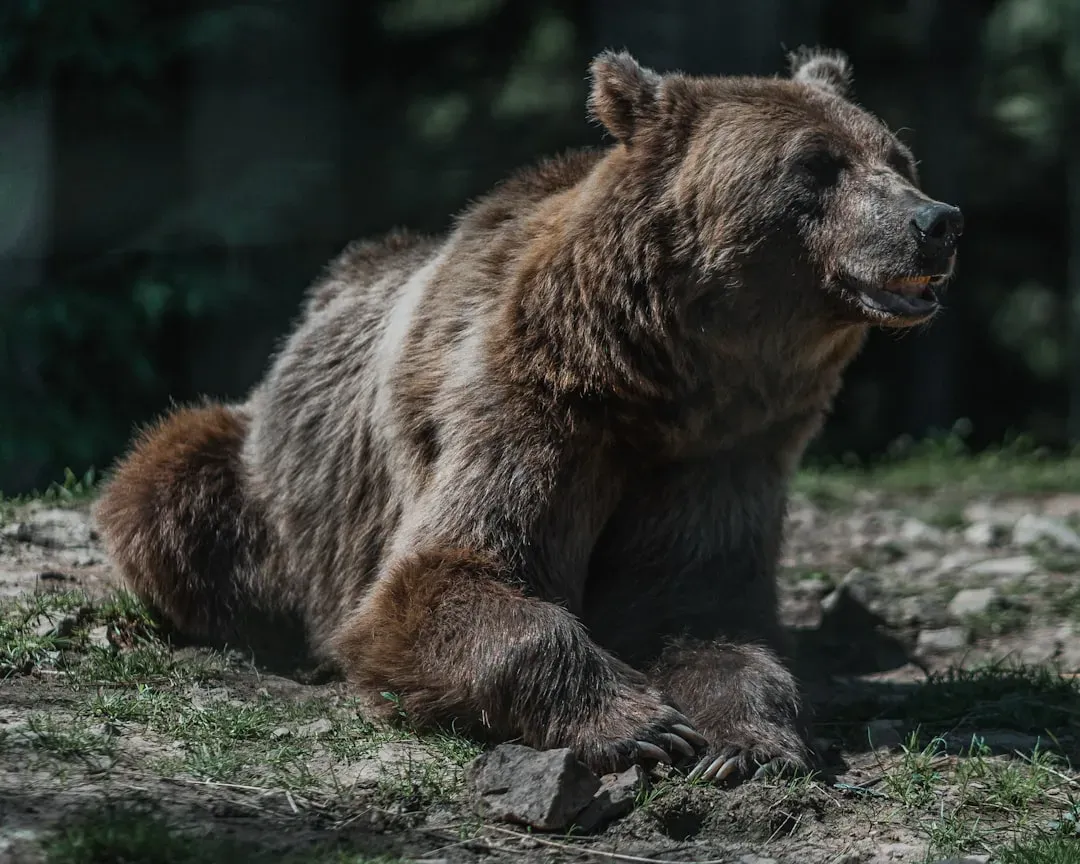
Let’s be real. Despite the eradication of grizzly bears from the state, the grizzly bear had become a symbol to Californians of strength and resilience, along with a nostalgia for the state’s wilder past. There’s something deeply human about romanticizing what we’ve lost. By the 1950s, California had transformed from frontier territory to modern powerhouse. Skyscrapers replaced forests, highways carved through valleys.
Maybe choosing the grizzly as the state animal was a way to hold onto a memory of raw, untamed wilderness. The bear represented everything California once was before development reshaped the landscape. It was beautiful, powerful, and irreplaceable. In a strange way, honoring it posthumously felt like acknowledging a collective mistake.
The Bear That Captured Hearts: Monarch
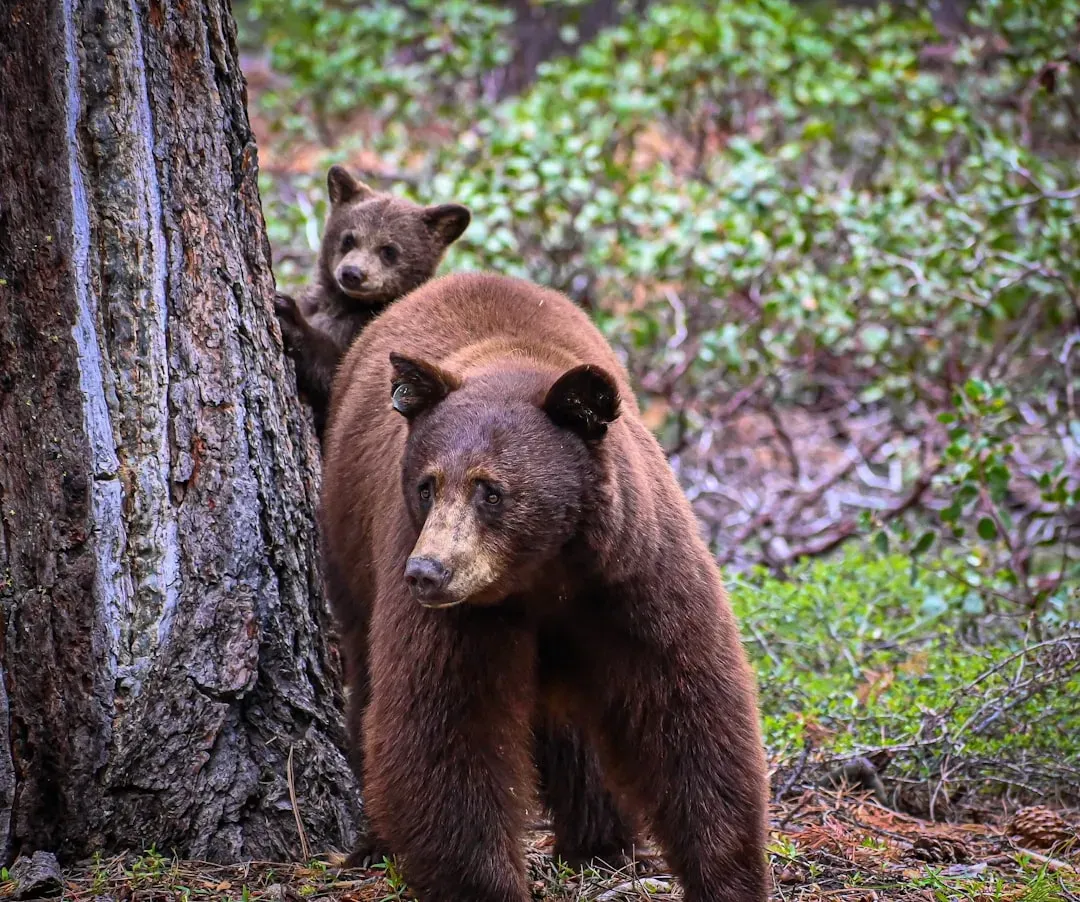
The model for the flag is said to have been inspired by a real bear named Monarch. In 1889, a team led by a reporter captured Monarch the bear as a publicity stunt at the request of newspaper publisher William Randolph Hearst. Monarch spent over two decades in captivity in San Francisco, becoming something of a celebrity. People flocked to see him at Golden Gate Park, fascinated by this living relic of California’s wild past.
The bear on one 1911 version of the flag is claimed to have been modeled on the last California grizzly bear in captivity. The bear, named “Monarch”, was captured in 1889 by newspaper reporter Allan Kelly, at the behest of William Randolph Hearst. His image became immortalized on the state flag. Though there’s debate about whether Monarch truly served as the model, his story intertwined with California’s identity. He became the face people pictured when they thought of grizzlies.
Representing Courage and Resilience
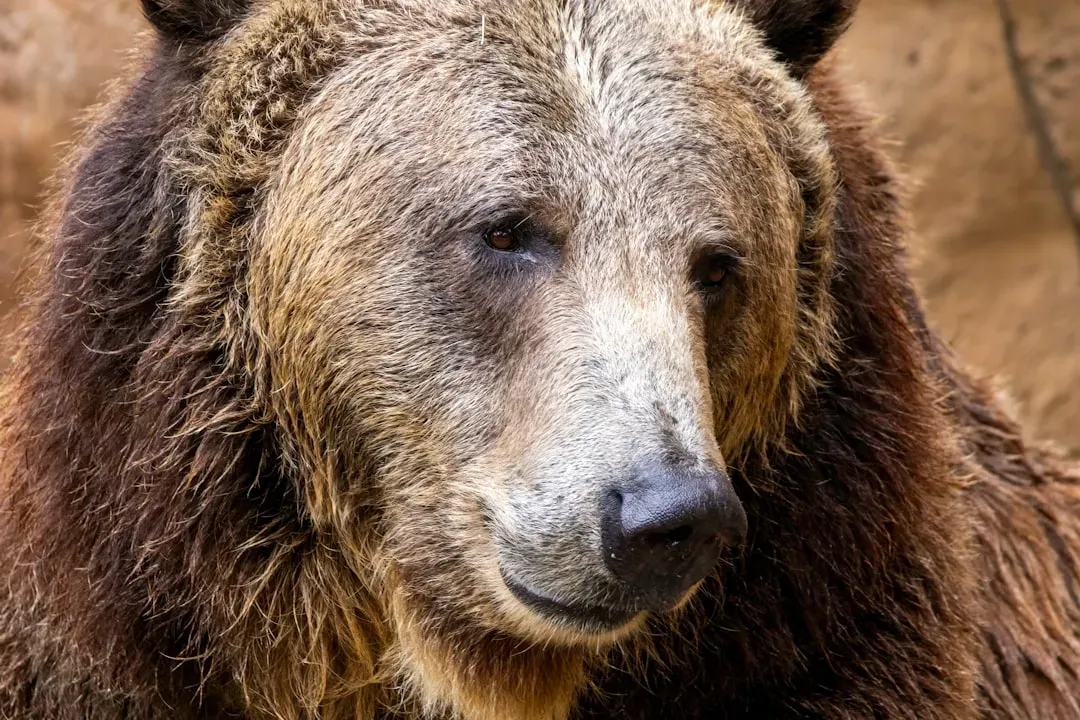
The iconic animal is also on the California state flag to represent the courage and resilience of the settlers. Additionally, the bear stands for California’s untamed wildlife and abundant natural resources. That’s what lawmakers wanted to emphasize. The grizzly wasn’t just any animal. It embodied qualities Californians valued: toughness, independence, ferocity when threatened.
People in California admired these bears for their beauty, size, and strength. Even as settlers hunted them relentlessly, there was grudging respect. These weren’t creatures that fled at the first sign of danger. They fought back, defended their territory, commanded attention. Choosing the grizzly as California’s symbol was like saying, “This is who we are, or who we want to be.”
Deep Cultural Significance for Native Tribes
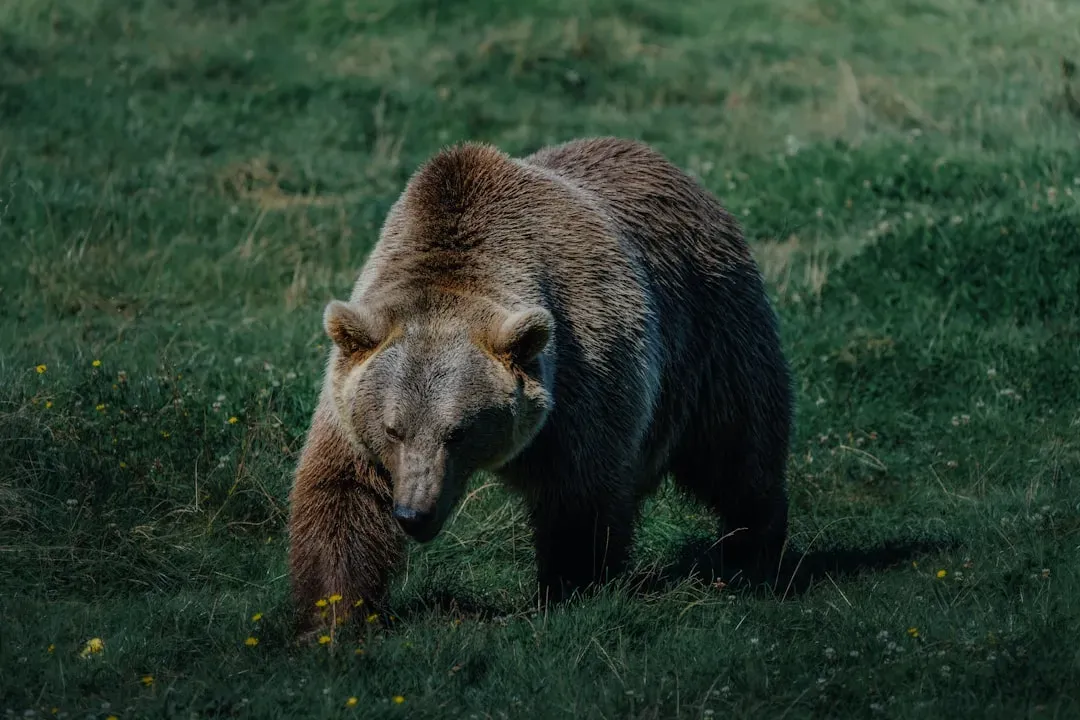
The grizzly bear has a rich cultural significance in California, with Native American tribes viewing the bear as a symbol of strength, wisdom, and protection. Long before European settlers arrived, indigenous peoples lived alongside these bears for thousands of years. Native American cultures viewed the grizzly bear as a powerful spirit, representative of strength. The bears were often hunted and used for food, clothing, and jewelry. It was believed by the Natives that grizzly bear claws held spiritual powers.
Though absent from California for more than a century, the grizzly remains an honored, vital and revered relative for many California Tribes. Grizzlies coexisted with the ancestors of California Tribes for thousands of years and still hold deep cultural, spiritual, religious and social significance. Recognizing the grizzly as the state animal also acknowledged this deeper relationship that predated statehood itself.
A Unique Status Among State Animals
It’s hard to say for sure, but California might be the only state to choose an extinct species as its official animal. That’s pretty remarkable when you think about it. Most states pick animals that still roam their lands, creatures you can actually see if you venture into the right habitats. California went a different direction entirely.
In 1953, the California grizzly became the official State Animal and remains one of the state’s most enduring and visible symbols. The choice sparked conversation then and continues to today. It’s a constant reminder on every flag, every state document, every piece of California merchandise. You can’t escape the grizzly’s presence, even though the actual animal is long gone.
A Modern Movement Toward Redemption
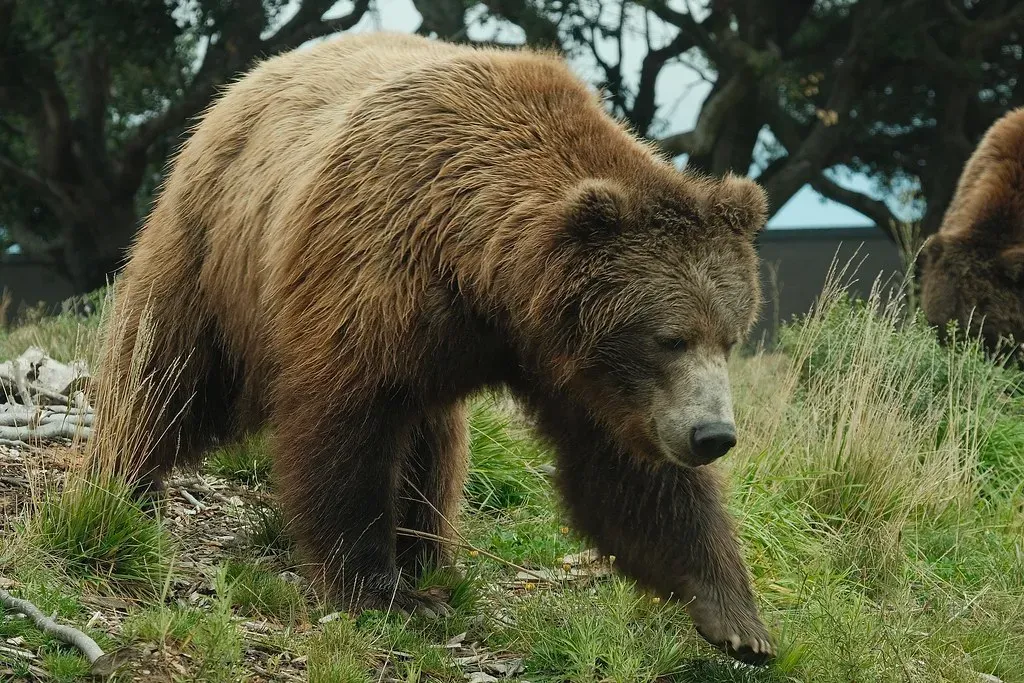
It details their eradication from California by 1924 despite becoming the state animal in 1953, and explores the potential for their return to the state for ecosystem health, as considered by the 2025 California Grizzly Alliance feasibility study. In recent years, scientists and conservationists have started asking a bold question: could we bring them back? Whether or not we bring grizzly bears back to California is a choice, as there is no biological reason we couldn’t do it. A decade of research informing this study demonstrates that grizzlies likely can thrive in California if we make the affirmative decision to bring them back.
The technology exists. Suitable habitat remains. The real question is whether modern Californians have the will to coexist with an apex predator that can weigh up to a thousand pounds. It would require dramatic shifts in how we live, farm, and recreate. Still, roughly two thirds of Californians support the idea, according to recent polling. Maybe honoring the grizzly as our state animal all these years wasn’t just about the past. Maybe it was planting a seed for the future.
Conclusion: An Enduring Symbol of What Was and What Could Be
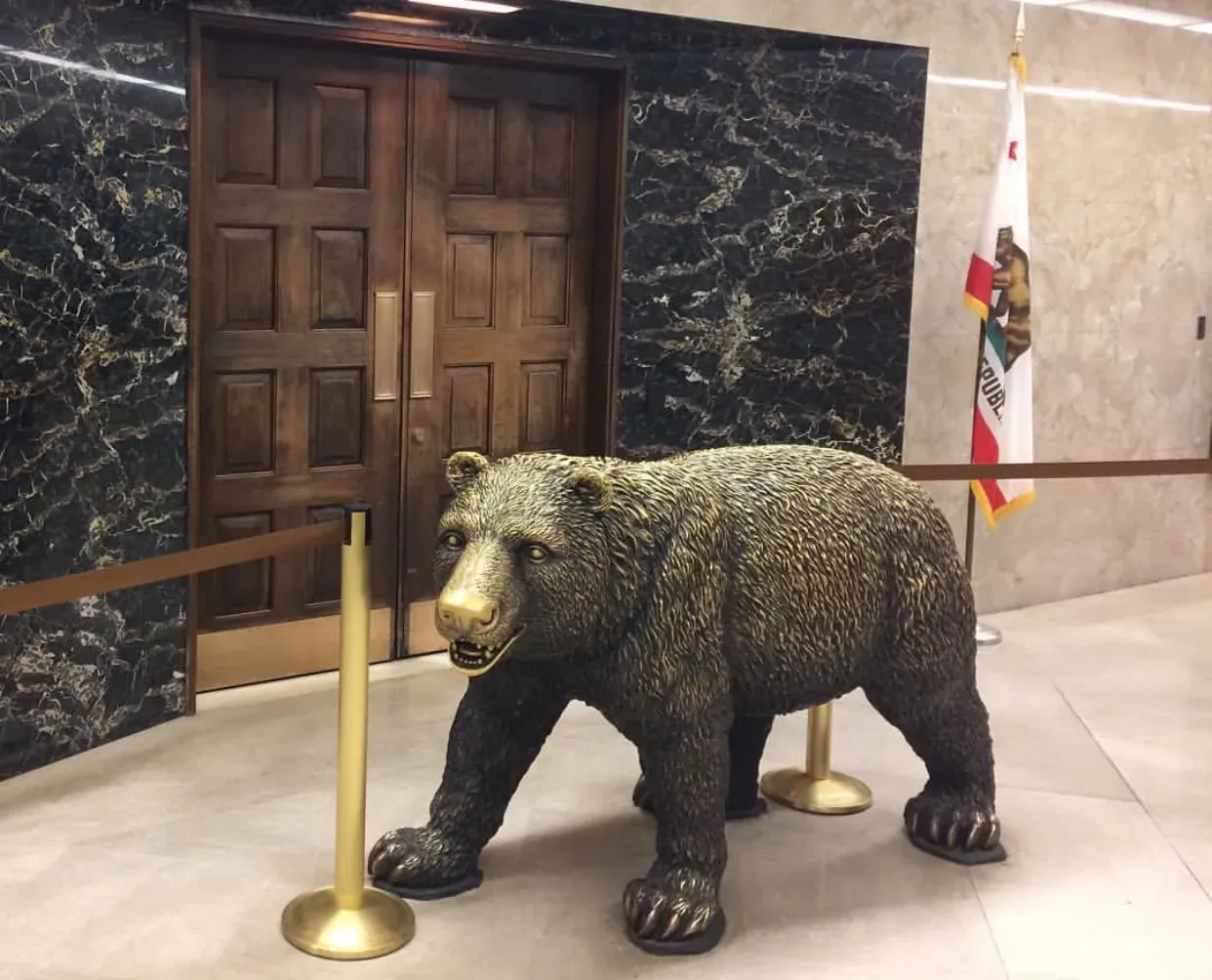
because the bear had already chosen California in the hearts and minds of its people. It appeared on flags and seals before anyone thought to make it official. It represented the wild, independent spirit of a state that defined itself through bold choices and fierce determination. The fact that we drove these magnificent creatures to extinction makes the symbol all the more poignant.
The grizzly reminds us of our capacity for both destruction and reverence. It challenges us to remember what was lost and consider what might be restored. Every time you see that bear on California’s flag, you’re looking at a promise and a warning wrapped together. Perhaps that’s exactly the kind of symbol a state as complex and contradictory as California needs.
Did you know California’s state animal no longer exists in the wild? What do you think about efforts to bring them back?

- 10 Remarkable Facts About the African Cheetah: The Lightning of the Grasslands - July 29, 2026
- 10 Most Heroic Horses in History - July 29, 2026
- Why You Should Never Play Dead When Attacked by a Black Bear - July 29, 2026