
Worried about unexpected vet bills?
Pet insurance can cover thousands in unexpected vet costs. Get a free quote from Lemonade in under 2 minutes.
Get My Free Quote →Sponsored · Opens Lemonade.com
Texas has always been a state in motion. Its sheer size, geographic variety, and shifting landscapes make it one of the most dynamic wildlife arenas in North America. From dense East Texas pine forests to dry Trans-Pecos scrubland, the state holds dozens of distinct ecosystems, and the animals that inhabit them are constantly adjusting.
Species are constantly colonizing new areas and adapting to new conditions. The mix of animals Texans see today is not what people saw a century ago, and it won’t be what people will see a century from now. Some species will be the same, some will be lost, and others will appear. Right now, several animals are in the middle of that process, quietly pushing into corners of Texas they’ve never occupied before, or moving beyond the state’s borders entirely.
The Nine-Banded Armadillo
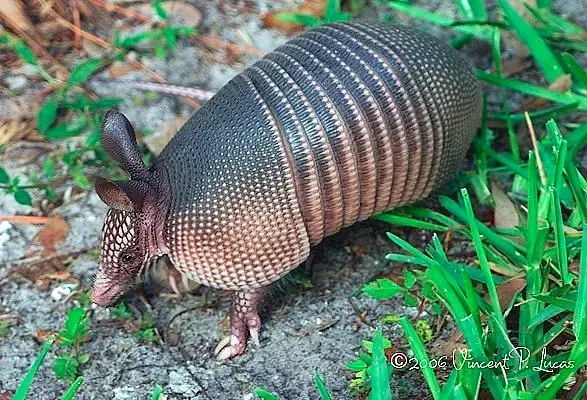
Few origin stories in American wildlife are as surprising as the armadillo’s. The nine-banded armadillo was first recorded in the United States in the state of Texas in 1849 and has been expanding its range northward and eastward ever since.
Armadillos were first recorded in South Texas in 1849. By the early 1900s they had expanded to the Austin and San Antonio regions, and by the 1950s they had staked claims across East Texas. By the 1970s, armadillos were found in Oklahoma and Arkansas. What looks like a slow crawl on a map is, biologically speaking, a sprint.
The degree of range expansion per year is nearly ten times faster than the average rate expected for a mammal. The reasons are a mix of changed landscapes, reduced predator pressure, and pure adaptability. Fire suppression programs converted grasslands into densely littered underbrush, the species’ preferred habitat.
The regular production of identical quadruplets, as well as the ability to delay implantation of fertilized eggs for 14 months or more, gives the nine-banded armadillo a high reproductive rate. Life spans of up to twenty years, coupled with reproductive success, mean that only a small number of armadillos are needed to establish stable populations in new areas.
The Rio Grande Chirping Frog
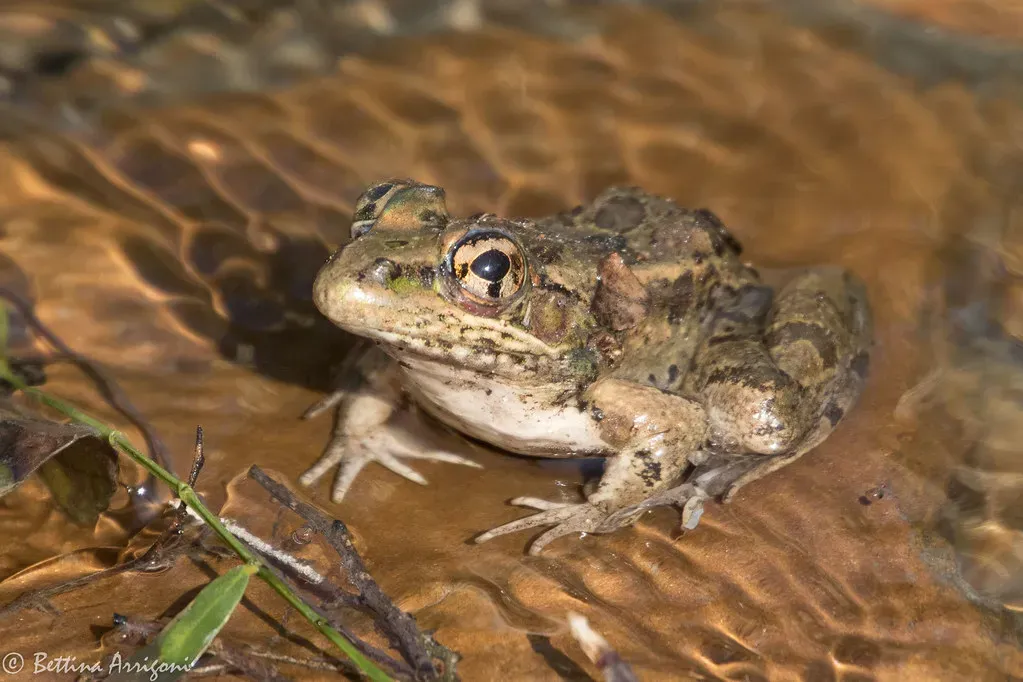
This small frog carries an outsized story. The Rio Grande chirping frog is native to the Rio Grande Valley but has been popping up and hopping around in places like Houston, Huntsville, Fort Worth, and Tyler. Most people don’t even notice it at first.
It hides out in potted plants at nurseries. It’s small, typically three-quarters of an inch in length, and it doesn’t need water to lay eggs. That last detail is key. Most frogs require standing water to reproduce, but this species lays eggs in moist soil, which makes hitchhiking in a pot of soil surprisingly easy.
The plant nursery trade has functioned as an unintentional transport network for the species. From his backyard in Austin, herpetologist Travis LaDuc of the University of Texas can’t necessarily see the changing nature of Texas wildlife, but he can hear it. The Rio Grande chirping frogs around his house weren’t there just a few years ago. Their chorus, once confined to the Valley, is now a fixture in urban neighborhoods hundreds of miles north.
The Mountain Lion
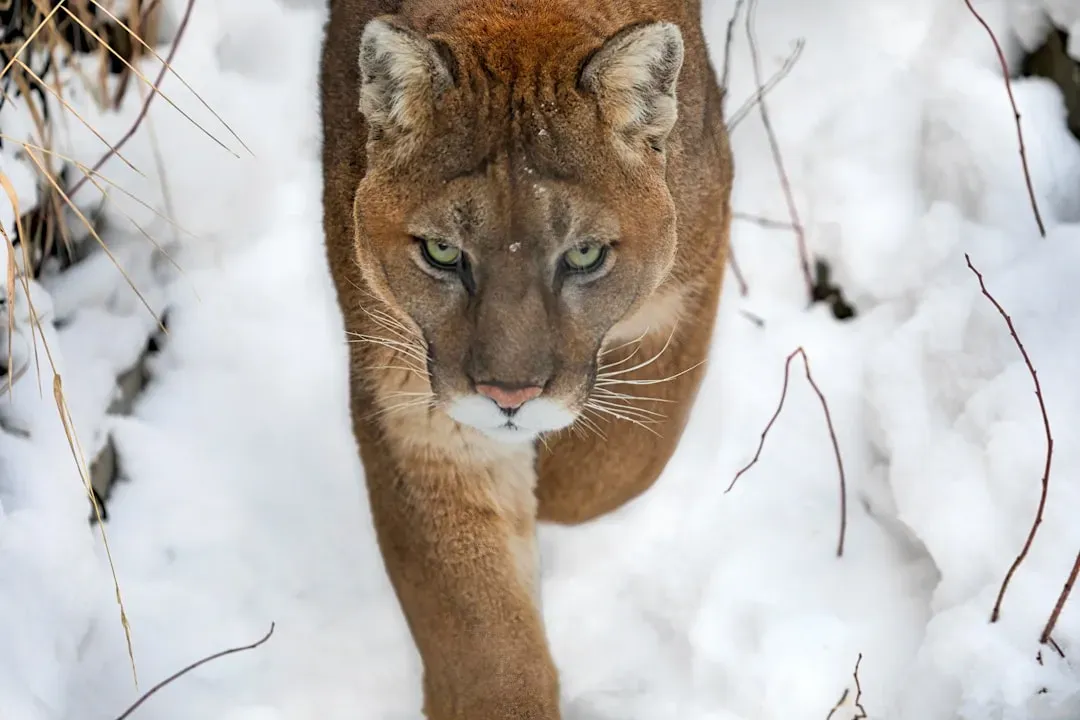
The mountain lion’s story in Texas is one of retreat followed by gradual return. Prior to European settlement, mountain lions lived throughout Texas. By 1960, predator control, loss of habitat, and human settlement reduced mountain lion numbers and limited their distribution within Texas to the mountainous country in the Trans-Pecos region of West Texas.
Some animal experts suggest that the mountain lion is making a resurgence and that, within the last decade, these mammals appear to be recovering and reclaiming their distribution. Sightings have trickled in from Central and East Texas, areas where the cat had been functionally absent for generations.
Currently, sightings of mountain lions have occurred in all 254 Texas counties. However, not all sightings are confirmed. Mortalities provide a more accurate reflection of where mountain lions have actually lived. Still, the trend is notable. More reliable trail camera evidence and reported encounters suggest the cats are probing territory well beyond their known strongholds.
The size of a mountain lion’s territory depends on the availability of prey, the topography of the land, and the presence of other lions. Male lions will not tolerate another male in their range, which can vary from 80 to 200 square miles. As prey populations recover in some regions, so does the incentive for lions to push further.
Feral Hogs
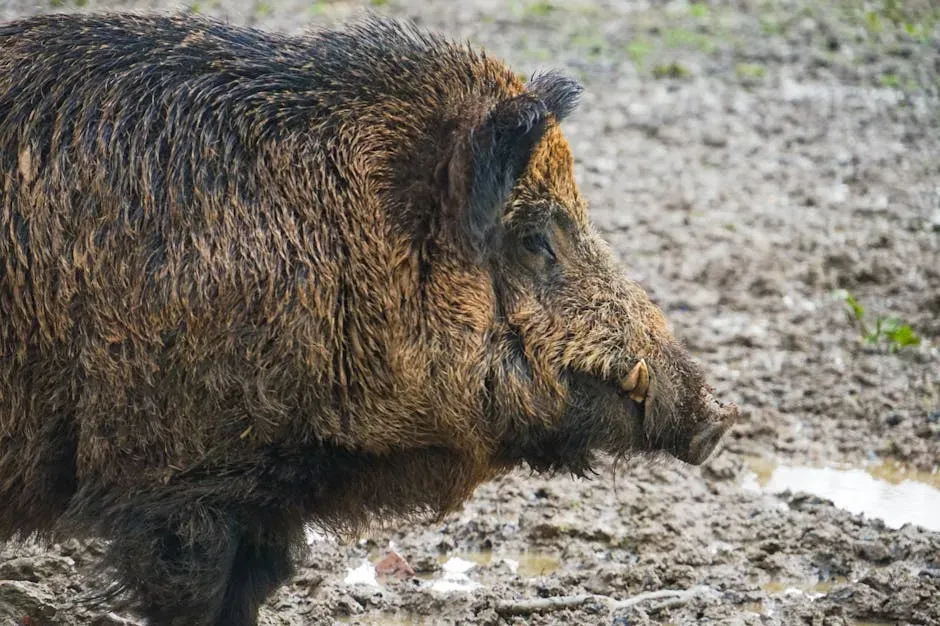
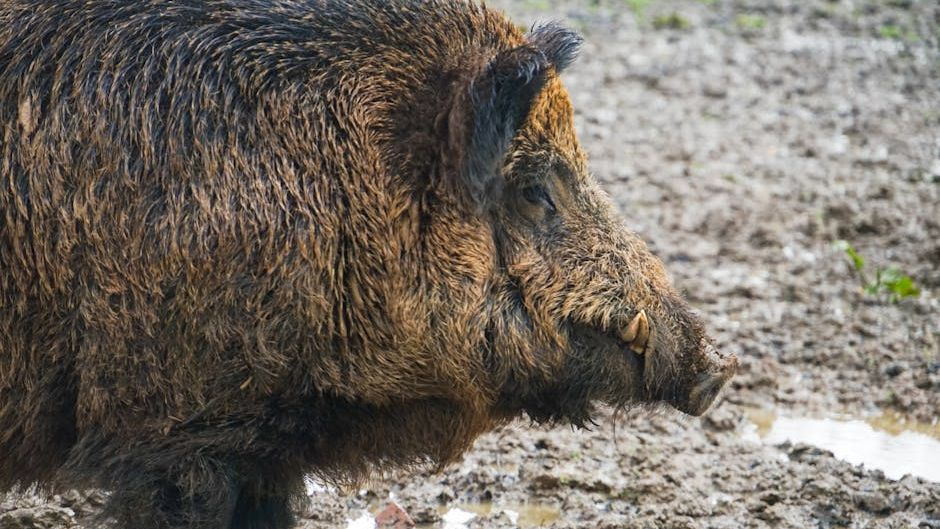
No animal on this list has expanded its Texas footprint more aggressively than the feral hog. European wild hogs were first introduced into Texas during the 1930s by ranchers and sportsmen who used them for hunting. Most of the hogs escaped from game ranches and began free-ranging and breeding with feral hogs in various regions on the Rio Grande, Coastal Plains, and in East Texas.
Today, feral hogs are found in virtually every county in the state and have become one of the most persistent wildlife management challenges in Texas history. Transportation and release of live feral hogs is unlawful in Texas, as the Texas Animal Health Commission regulates the movement of feral swine for disease-control purposes. The restriction exists precisely because their spread has already proven so difficult to contain.
Feral hogs are opportunistic feeders that thrive in a wide range of habitats, from coastal marshes to dry brushland. Their rooting behavior damages crops, degrades native plant communities, and disrupts soil structure. The combination of high reproductive rates and behavioral flexibility has made them a textbook case of unchecked territorial expansion.
Zebra Mussels
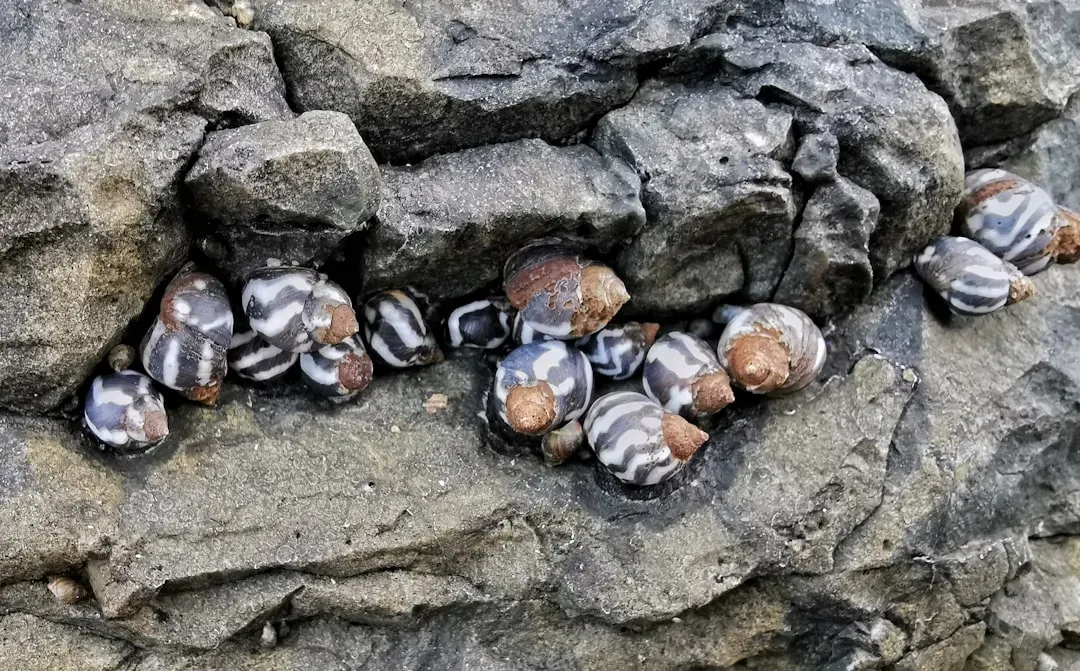
Zebra mussels are not large or charismatic, but their territorial expansion across Texas waterways is among the most consequential of any species in the state. The zebra mussel has invaded 33 Texas lakes across six river basins since it was first introduced in Texas in Lake Texoma in 2009.
Zebra mussels have caused alarming declines in fish, birds, and native mussels by over-absorbing phytoplankton, an essential food source for many aquatic species. Their high rate of filtration also leads to increased sunlight penetration, raising water temperatures. The disruption ripples through entire aquatic ecosystems.
Zebra mussels clog pipes, pumps, and water valves and are a major and expensive problem for water and power plants. Invasive species like zebra mussels often travel from one water body to another by hitching a ride on a watercraft. To curb their spread, boaters in Texas are required by law to remove harmful plants and animals from boats and trailers and drain all water before leaving the vicinity of a water body. Despite those rules, their range keeps growing.
Africanized Honey Bees
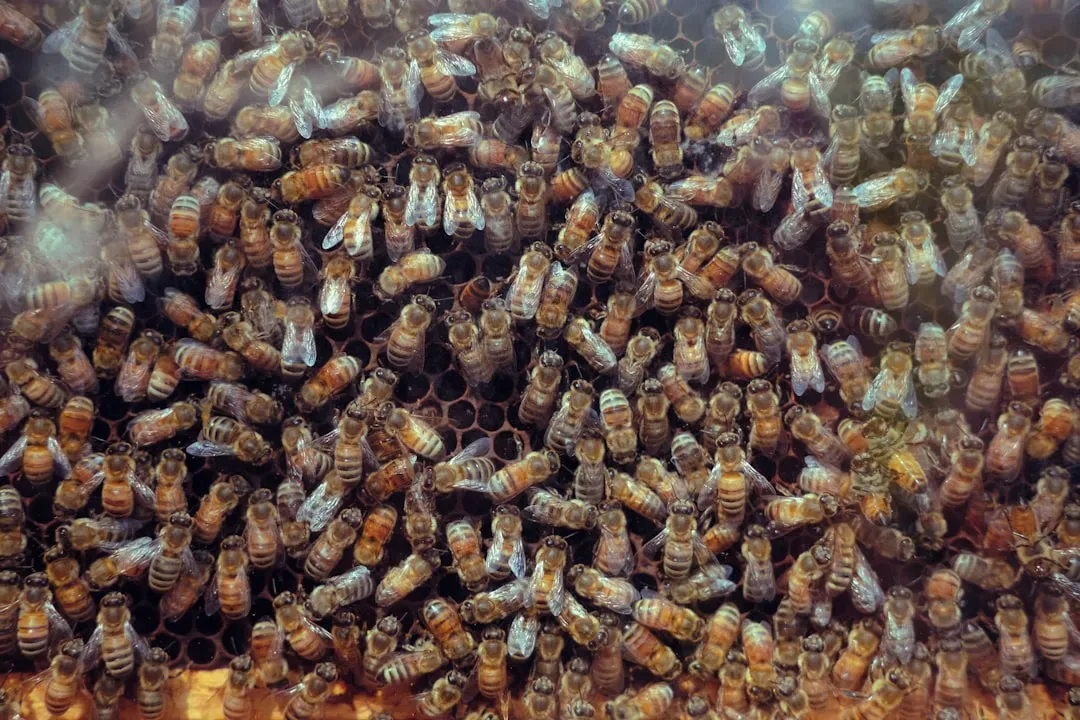
Often called “killer bees” in popular media, Africanized honey bees represent one of the more dramatic range expansions in Texas wildlife history. Africanized bees moved north from Mexico into Texas and Arizona in the late 1980s. Their sting is dangerous to humans, livestock, and wildlife, and they cause severe economic losses to the honey industry.
These bees are genetically similar to European honey bees but are significantly more defensive and tend to respond to perceived threats in far greater numbers. They have spread steadily across Texas and continue to push into surrounding states. Their adaptability to hot, dry climates gives them a natural advantage across much of the southwestern United States.
From a purely ecological standpoint, Africanized bees do pollinate plants and contribute to ecosystems. The concern, though, is that they outcompete native bee populations and European honey bee colonies, disrupting both wild habitats and agricultural systems that depend on managed pollinators. In Texas, the expansion continues to be monitored closely by state and federal agencies.
Coyotes
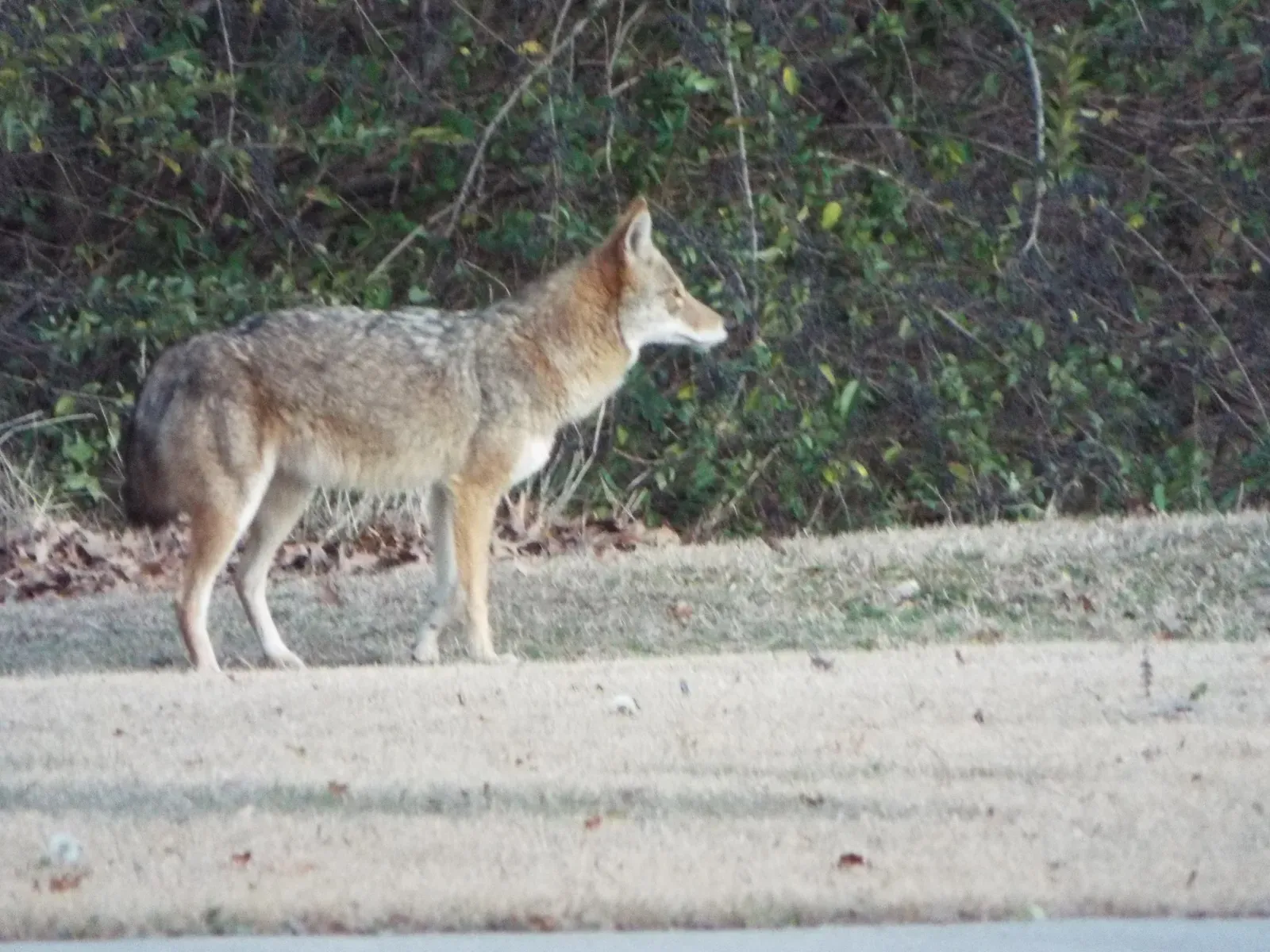
Coyotes are perhaps the most successful territorial expanders in modern North American wildlife history, and Texas has been central to that story. Originally animals of the open plains and brush country, coyotes have steadily moved into suburban and urban areas throughout the state, adapting to human-dominated landscapes with remarkable ease.
Their dietary flexibility is a core part of why they succeed. Coyotes eat rodents, rabbits, fruit, insects, carrion, and occasionally small pets, making nearly every environment a viable habitat. Species are constantly colonizing new areas, adapting to new conditions. Coyotes are a prime illustration of that principle in action, thriving in settings that would challenge most native predators.
As wolves and other apex predators were removed from the landscape over the past century, coyotes filled the gap. They’re now reported in nearly every Texas county, from the deep brush of South Texas to the suburbs of Dallas and Houston. No hunting license is required to hunt depredating coyotes on private property with landowner authorization, reflecting just how embedded they’ve become in Texas’s human-wildlife dynamic.
White-Winged Doves

The white-winged dove was once largely confined to the Rio Grande Valley and South Texas brush country. Over recent decades, it has moved northward and inland in a visible, well-documented expansion that has surprised many Texas wildlife observers.
The white-winged dove is one of three species chosen by Texas wildlife officials to help illustrate their changing world. Its northward push closely mirrors broader patterns of shifting land use and urbanization. Cities, it turns out, offer surprisingly good conditions for this dove, with irrigated parks, fruiting ornamental trees, and bird feeders providing reliable food sources across all seasons.
The bird’s expansion has changed hunting patterns across Texas. Where it was once a species associated almost entirely with South Texas hunting leases and Valley agriculture, it’s now encountered regularly in Central and North Texas. Younger birds may also expand into new areas, and strong production years could lead to a temporary spillover of birds into places where they are not commonly found. For the white-winged dove, that spillover has slowly become a permanent shift.
A Landscape That Never Stays Still
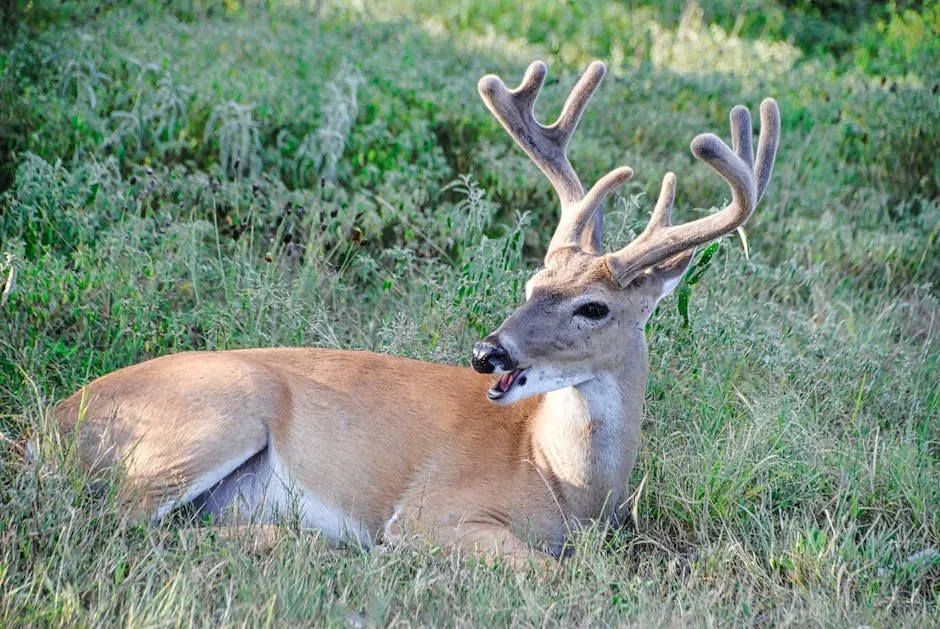
Texas’s wildlife map has never been fixed. Texas is the second-most biologically diverse state in the United States and is ranked third in the number of endemic, or unique, species, with 340 species found nowhere else in the world. That richness also makes it a complex and sensitive arena for any species on the move.
Some of the animals on this list are native species reclaiming ground they once lost. Others are newcomers reshaping ecosystems in ways that are still unfolding. Invasive species are causing economic and environmental damage throughout the state, while range-expanding natives like the mountain lion and white-winged dove tell a more nuanced story about recovery and adaptation.
What’s clear is that Texas’s landscapes are not passive backdrops. They’re active, changing systems shaped by climate, human development, and the relentless drive of animal populations to find new ground. Watching which species are expanding, and why, offers some of the clearest signals we have about where the natural world is heading next.
Worried about unexpected vet bills?
Pet insurance can cover thousands in unexpected vet costs. Get a free quote from Lemonade in under 2 minutes.
Get My Free Quote →Sponsored · Opens Lemonade.com

- The Ocean’s Deepest Creatures Hold Surprising Secrets to Longevity - June 10, 2026
- 6 Scents That Make Mosquitoes Target You First - June 10, 2026
- The Forgotten Deserts of America Where Wildlife Still Thrives - June 10, 2026