

Longevity in the animal kingdom has always fascinated scientists and nature enthusiasts alike. While humans are often impressed by reaching centenarian status, several animal species outlive the longest-lived humans by decades, if not centuries. This remarkable longevity can speak volumes about biological resilience, adaptation, and evolution. Here, we explore eight astonishing animals known for their impressive lifespans, examining what enables them to live so long.
Bowhead Whale The Arctic Giant
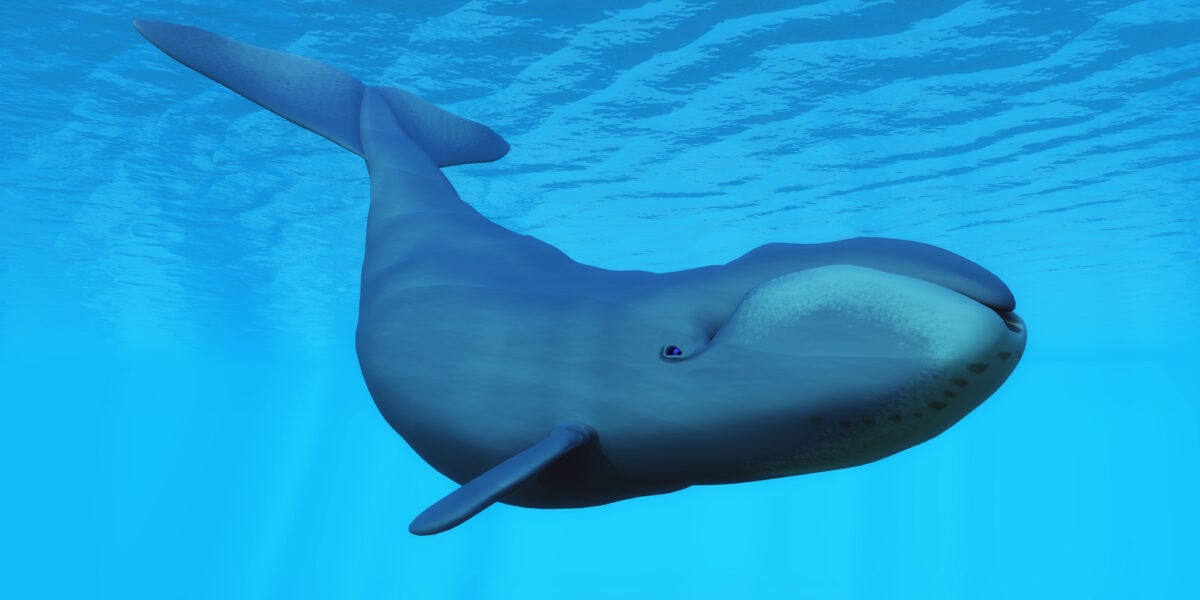
The bowhead whale is a remarkable marine mammal, typically residing in Arctic and subarctic waters. These giants of the sea can live over 200 years, with some researchers suggesting they can even reach 211 years based on growth layers in the eye. Their longevity is partly due to their slow metabolism and the cold temperatures of their habitat, which may reduce cellular damage over time. The bowhead whale’s life span offers insights into age-related diseases and longevity.
Greenland Shark The Subaquatic Elder
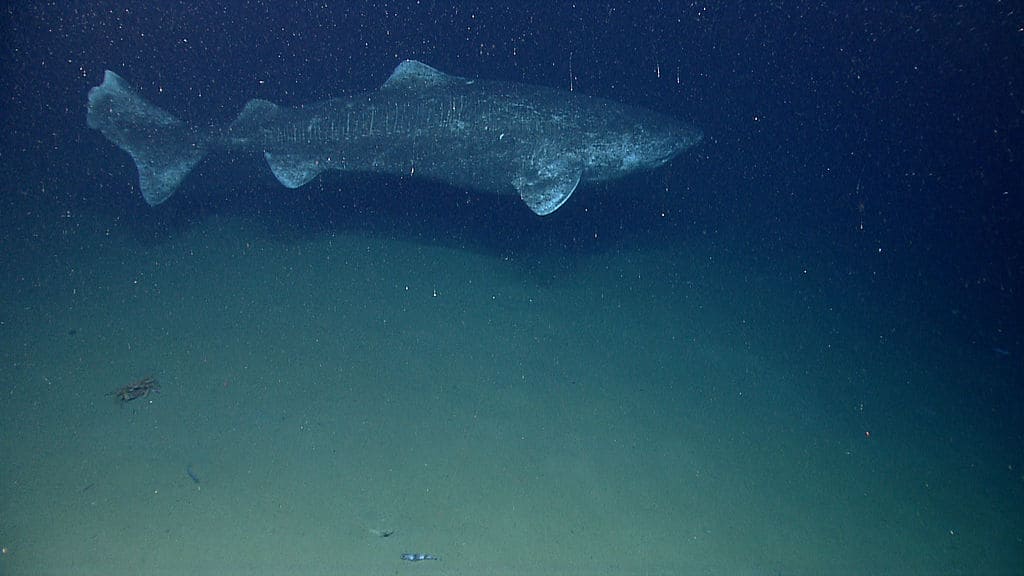
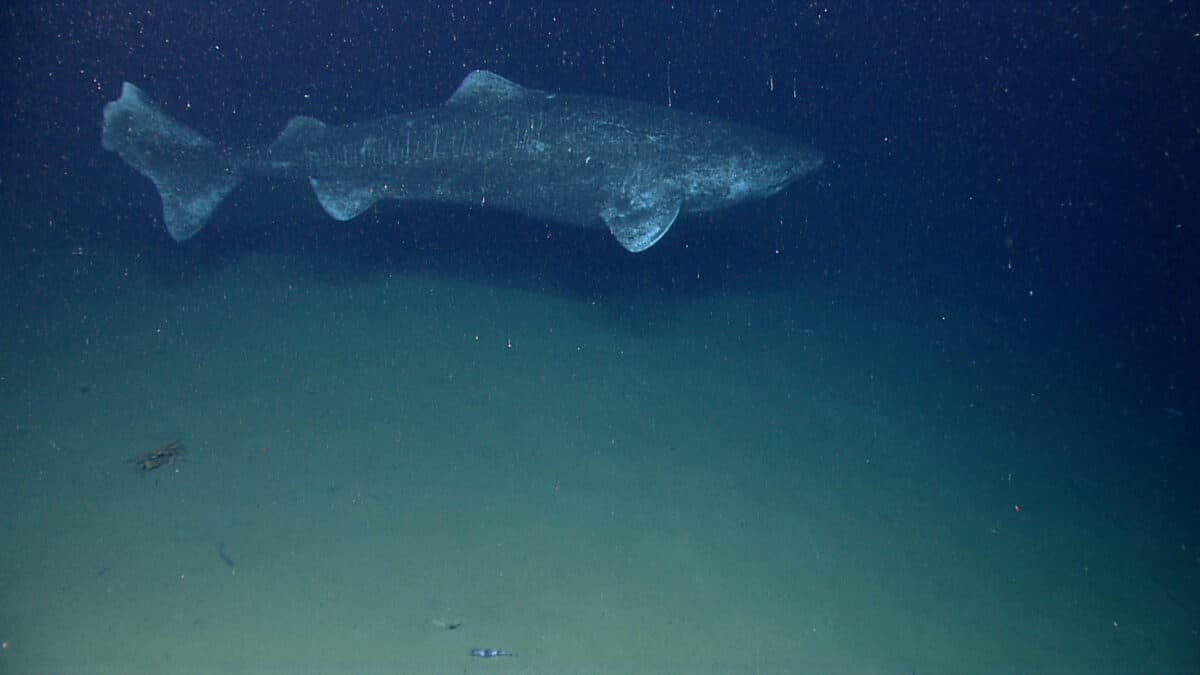
Another marine marvel, the Greenland shark, boasts a lifespan that can reach nearly 400 years, making it the longest-living vertebrate on Earth. This slow-moving predator inhabits the cold depths of the North Atlantic Ocean, where it grows at a meager rate of about 1 centimeter per year. The shark’s slow growth and cold environment contribute to its exceptional lifespan, providing researchers with invaluable data on vertebrate aging processes.
Galápagos Tortoise Evolution’s Ancient Walker

The majestic Galápagos tortoises are some of the longest-living terrestrial animals, with some individuals known to exceed 150 years of age. This longevity can be attributed to their slow metabolism, which is a common trait among many long-lived species. Thanks to their extended lifespan, Galápagos tortoises have become symbols of conservation and teach us about evolutionary biology, as they have adapted uniquely to their isolated environment.
Ocean Quahog The Timeless Bivalve
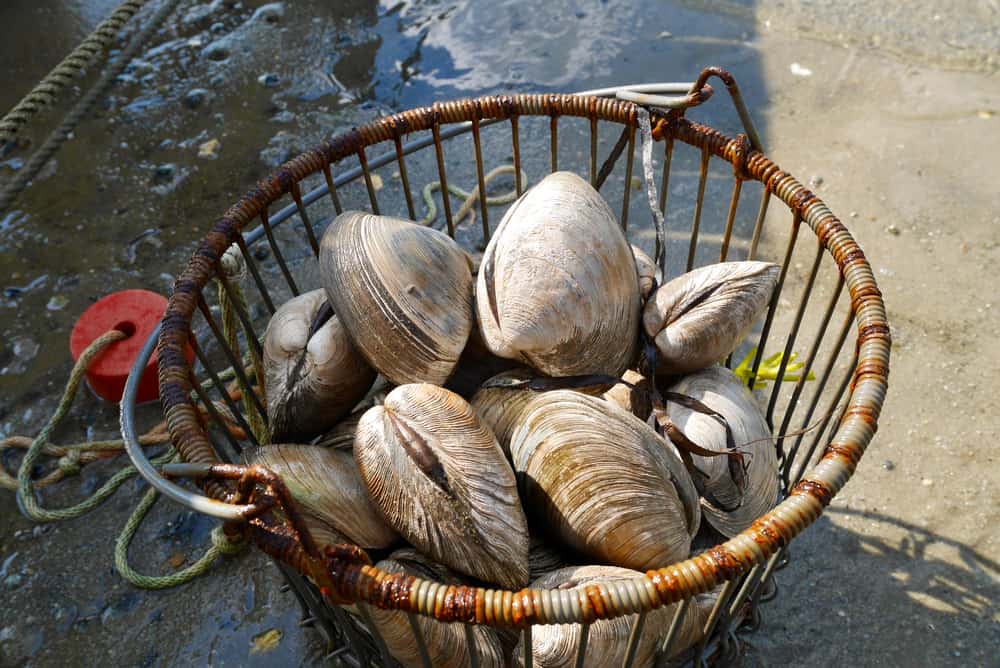
The ocean quahog, a type of clam inhabiting the North Atlantic, is considered among the planet’s oldest living creatures. These clams can live for over 500 years; the oldest known individual, nicknamed “Ming,” reached around 507 years old. Their incredible longevity is due largely to their sedentary lifestyle and the cold waters they dwell in, reducing metabolic rates and thereby slowing aging. These bivalves provide a unique record of past climates and ocean conditions over centuries.
Turritopsis dohrnii The Immortal Jellyfish

Perhaps the most intriguing of long-lived creatures is the tiny Turritopsis dohrnii, often dubbed the “immortal jellyfish.” Native to the Mediterranean Sea, it can theoretically evade death indefinitely. When threatened or injured, this jellyfish reverses its biological clock through a process called transdifferentiation, transforming cells into a younger state. While not technically immortal due to predation and other factors, its unique biological mechanism allows it to potentially bypass natural aging.
Red Sea Urchin The Thorny Survivor

Primarily found along the Pacific coasts of North America, the red sea urchin can live for more than 200 years. These echinoderms thrive in their cold, oceanic habitat, which may contribute to their extended lifespan. Their seemingly ageless tissue and regenerative capabilities lead scientists to study them for insights into human aging and cellular regeneration. Red sea urchins manage to maintain their fertility throughout their lives, defying the typical aging process.
Rougheye Rockfish The Deep-Dwelling Aged

Residing in the North Pacific Ocean, the rougheye rockfish can live up to 205 years. This long lifespan is facilitated by their deep-water habitat, which reduces exposure to predators and environmental stressors. The rougheye rockfish’s remarkable longevity is a subject of great interest to researchers studying marine biology, aging, and the potential impacts of environmental changes on sea life.
Koi Fish The Ornamental Old-Timer

Among the longest-lived freshwater fish are koi, with many individuals living over 50 years and some reportedly reaching ages beyond 200 years. Originating from Japan, these colorful ornamental fish are bred for their beauty and tranquility. Koi are renowned for their resilience and adaptability to various environments, which contributes to their longevity. The iconic koi named “Hanako” allegedly lived for 226 years, revealing the astonishing potential of these beloved fish.
Conclusion: Discovering the Secrets of Longevity
These extraordinary animals captivate scientists and the general public alike, pushing the boundaries of what we know about aging and longevity. They demonstrate how biology, environment, and evolution collaborate to create creatures with remarkable lifespans. Researching these animals not only deepens our understanding of nature but also paves the way for discoveries that might one day enhance human health and longevity. As we continue to explore these living wonders, they remind us of the profound intricacy and resilience of life on Earth.

As a little kid, I fell in love with nature, wildlife, and animals. Living in the USA, South Africa, Italy, China and Germany gave me the opportunity to discover the world's Wildlife. My favorite animals are Mountain Gorillas, Siberian Tigers, and Great White Sharks.
I'm a certified PADI Open Water Diver, went to Everest Base Camp and Trekked Gorillas in Uganda. I hold a Master of Science in Economics and Finance.
Please send any feedback to feedback@animalsaroundtheglobe.com
- 10 Animals That Embody the Zodiac Sign of Capricorn - July 21, 2026
- 25 Dangerous U.S. Lakes & Rivers Where Swimming Could Be Risky – Don’t Ignore #1 - July 21, 2026
- 13 Creatures That Survive Extreme Cold - July 21, 2026