

Stories of animals behaving oddly right before the ground starts to shake have circulated for centuries. Ancient records from Greece mention creatures abandoning their usual spots days ahead of major quakes, and similar tales keep surfacing in modern times. These observations raise a quiet question about what animals might pick up that slips past human notice.
Dogs
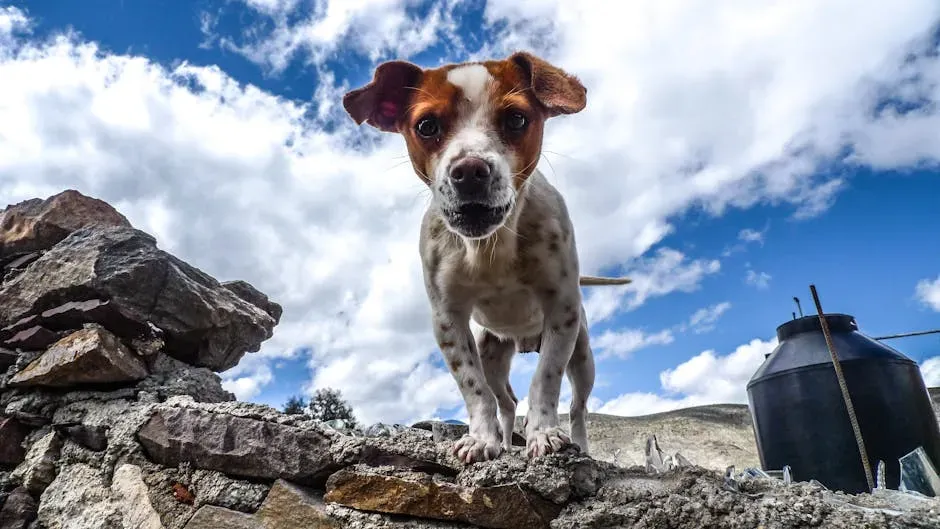
Dogs often grow restless or bark without an obvious reason in the hours or even minutes leading up to seismic activity. Their acute hearing and sensitivity to vibrations allow them to register the initial P waves that travel faster through the earth than the stronger shaking most people feel. Owners in earthquake prone regions have noted their pets pacing or seeking comfort well before any tremor registers on household items.
Studies tracking farm dogs alongside other animals show increased movement patterns that align with approaching quakes. This behavior appears more pronounced when the animals are confined together, suggesting a mix of individual sensing and group response. The exact trigger could involve subtle ground shifts or changes in the air that dogs detect through smell or touch.
Cats

Cats have a reputation for sudden nervousness or attempts to hide before earthquakes strike. Their whiskers and paws pick up faint tremors that go unnoticed by people until the main event arrives. Reports from various regions describe felines refusing to settle or leaping to higher spots in the moments preceding noticeable shaking.
Like dogs, cats seem tuned to the earliest seismic signals rather than long range forecasts. Their independent nature means these reactions stand out clearly to attentive owners. Limited tracking data supports the idea that such alertness stems from physical sensitivity rather than any mysterious foresight.
Elephants
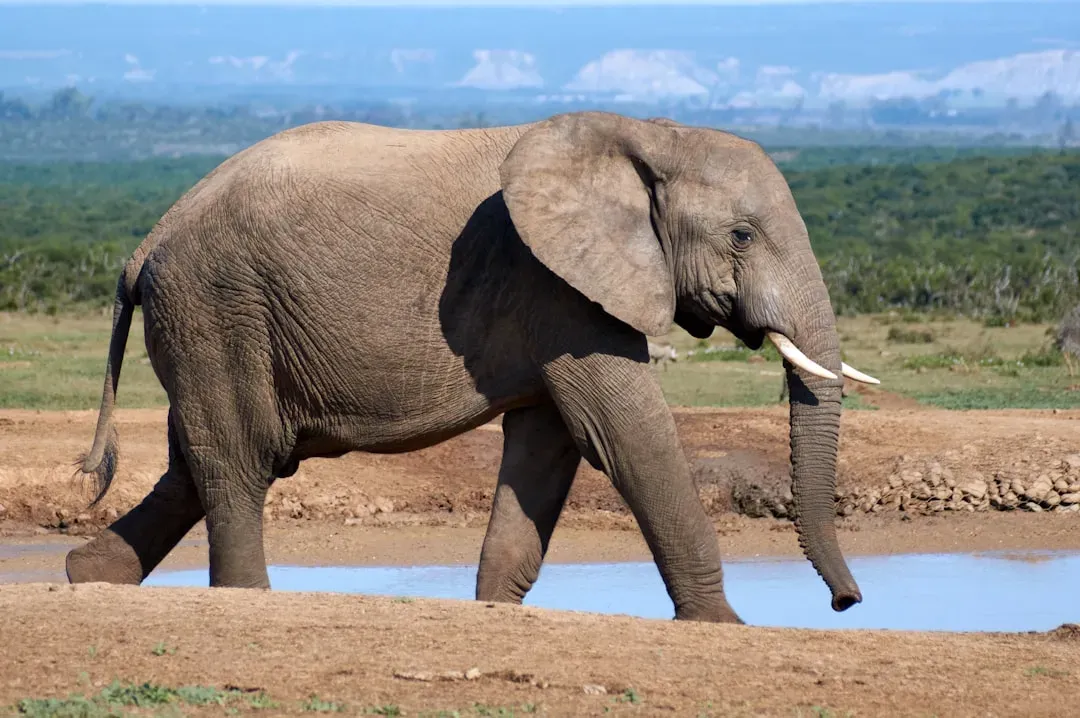
Elephants possess highly sensitive feet and trunks that register low frequency vibrations traveling through the ground. In areas near fault lines, herds have been observed shifting locations or showing agitation well before human instruments detect activity. This ability likely helps them avoid danger in their natural habitats where seismic events occur.
Researchers link this response to the animals’ capacity for detecting distant rumbles that humans cannot perceive. Observations from wildlife reserves indicate elephants sometimes move to higher ground or cluster differently in advance of tremors. Their large size and social structure amplify these early signals across the group.
Toads
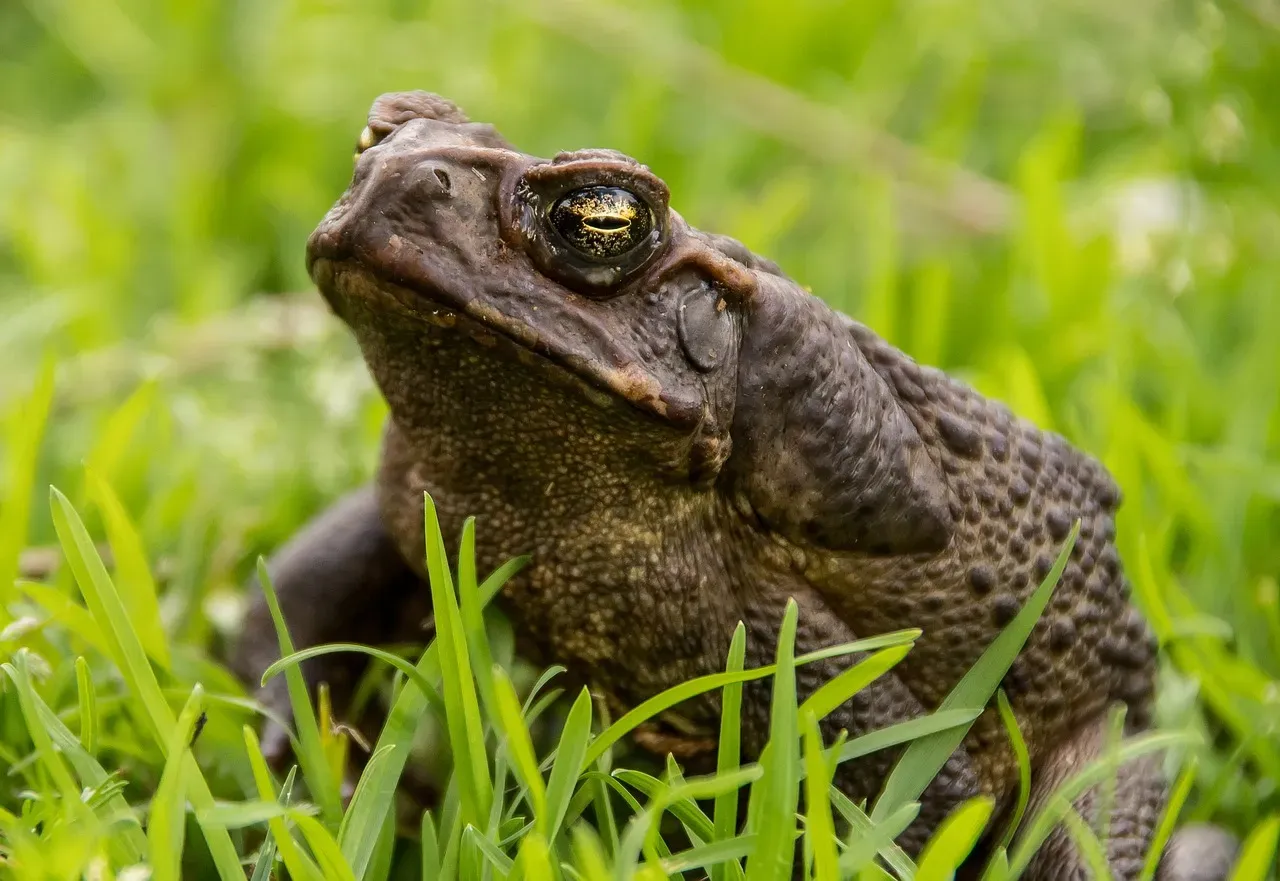
Toads near breeding sites have abandoned their usual routines days before certain earthquakes, as seen in documented cases from Italy. Changes in groundwater chemistry or electromagnetic fields may prompt them to leave spawning areas. This shift stands out because amphibians normally remain tied to specific locations during mating season.
The behavior offers one of the longer lead times reported among animals, though it remains tied to specific conditions rather than every quake. Scientists continue to examine whether these amphibians sense precursor signals through their skin or other means. Such patterns add to the broader picture of varied animal responses across species.
Snakes
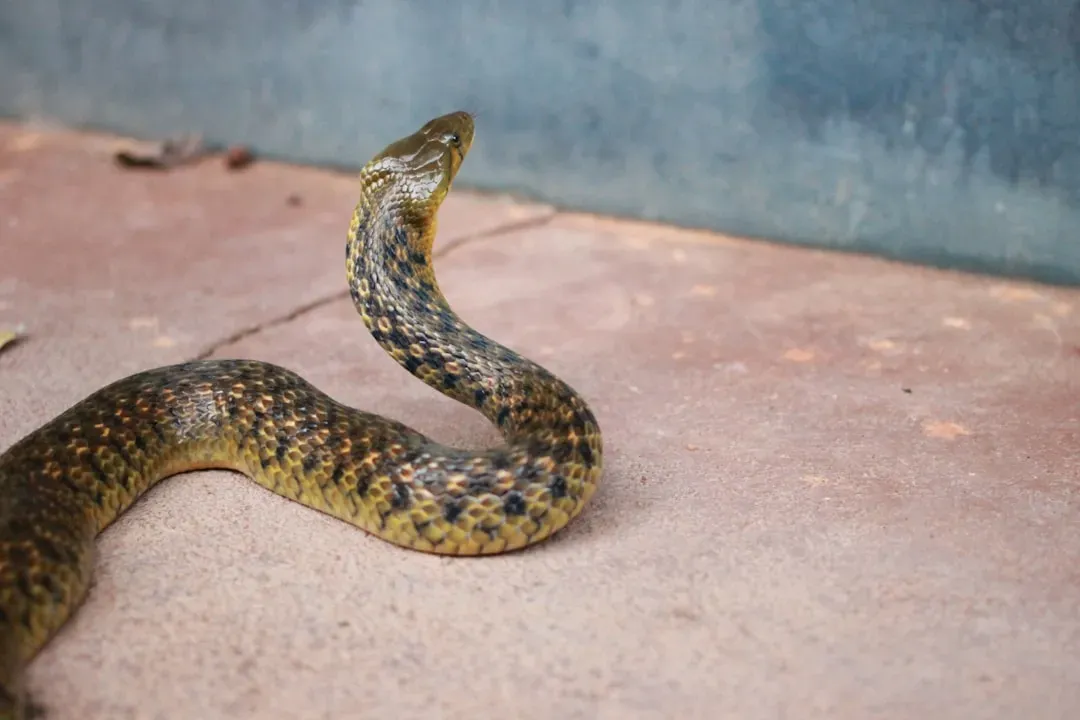
Snakes reportedly emerge from burrows or move in unusual ways in the days leading up to some earthquakes. Historical accounts from ancient times describe them leaving shelters alongside other reptiles and insects. Their ground hugging lifestyle makes them particularly attuned to subtle shifts beneath the surface.
Modern anecdotes echo these older observations, with snakes appearing more active or seeking new cover ahead of tremors. Their sensitivity probably comes from direct contact with soil vibrations that precede stronger motion. This trait fits their role as creatures that rely heavily on environmental cues for survival.
Rats
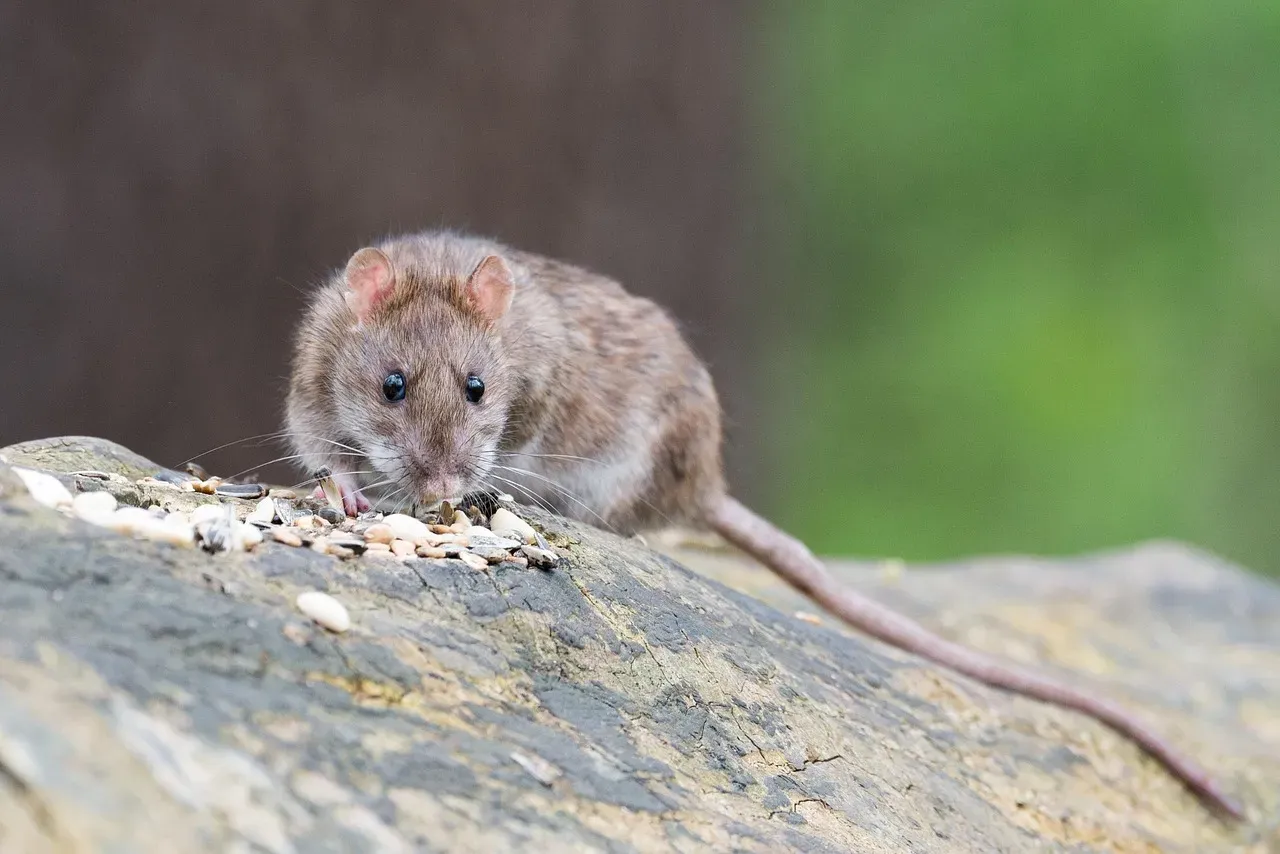
Rats have long featured in tales of fleeing homes or showing frantic activity before quakes hit. Their burrowing habits place them in constant contact with underground movements that build gradually. Early records note entire groups abandoning nests in the days preceding destructive events.
Contemporary observations in urban settings sometimes mirror these patterns, though they blend with everyday rodent behavior. The animals may detect electromagnetic changes or minor tremors that accumulate before the main shock. Their quick reactions highlight how small mammals can serve as informal indicators in seismic zones.
Cows
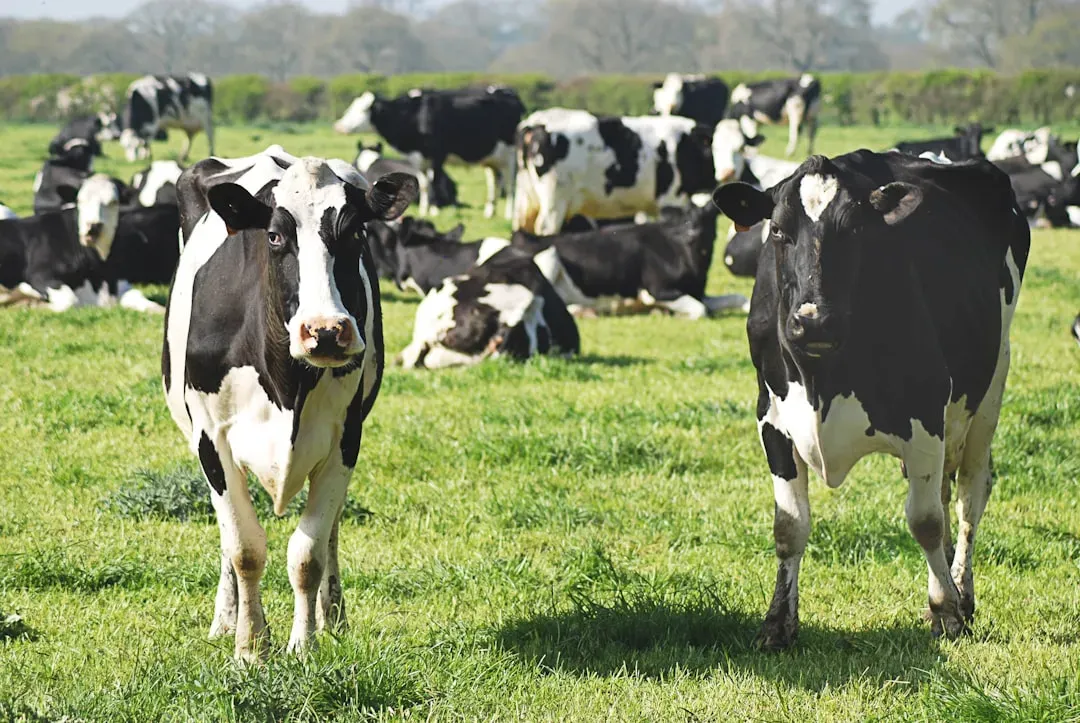
Cows on monitored farms display heightened restlessness and movement in the hours before earthquakes of moderate strength. Tracking devices attached to herds in Italy revealed spikes in activity that began earlier for animals closer to the epicenter. This response often builds through interactions among the group, with initial alerts spreading quickly.
The pattern holds more reliably when animals stay in stables rather than open pasture, pointing to stress factors that amplify sensing. Cows likely pick up on ground vibrations or associated environmental shifts through their hooves and overall alertness. Such findings come from controlled biologging efforts that separate coincidence from correlation.
Ants
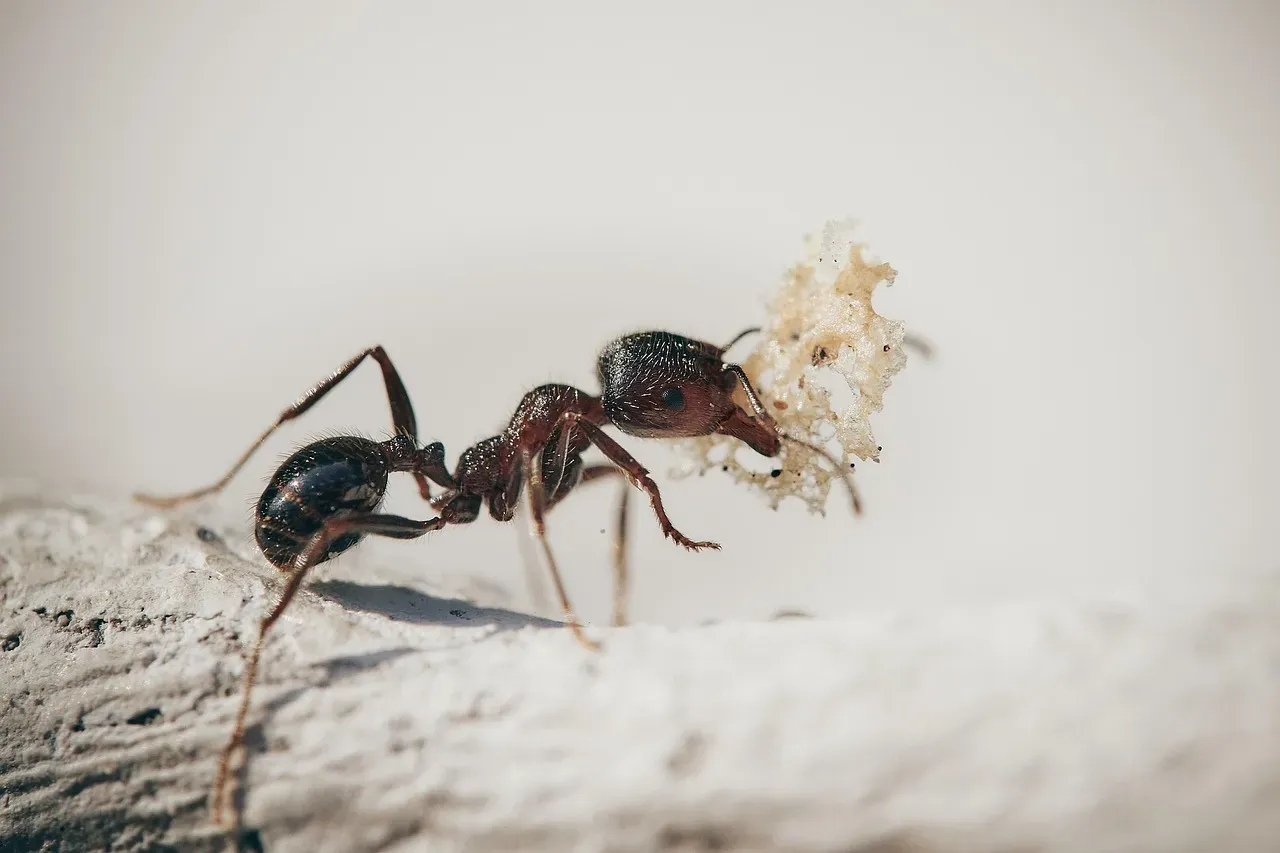
Ant colonies sometimes alter their foraging paths or nesting habits in the lead up to seismic events. Observations suggest they adjust routines hours or even longer before shaking begins, possibly reacting to changes in soil conditions or air pressure. Their collective behavior makes these shifts noticeable to researchers watching specific mounds.
Ants rely on chemical trails and physical contact that could transmit early warnings throughout the colony. Limited studies indicate these adjustments help protect the group from disruption. Their tiny size belies a sensitivity that fits into the wider range of animal responses documented over time.
While these examples show animals responding to earthquake signals in ways humans often miss, the evidence stays rooted in observation and targeted studies rather than proven prediction. Continued monitoring could reveal practical insights for early warning systems that complement technology. In the end, paying attention to the natural world around us deepens respect for the subtle connections that exist long before the ground moves.
