


As the sun sets and darkness falls, a remarkable transformation should occur in nature. Nocturnal creatures emerge, relying on the cover of darkness for hunting, mating, and navigating their world. Yet across our planet, this ancient rhythm of light and dark has been disrupted by the artificial glow of human civilization. Light pollution—the excessive or misdirected artificial light produced by human activities—has emerged as a pervasive environmental issue with profound consequences for wildlife. From sea turtle hatchlings crawling toward bright beachfront properties instead of the moon-reflected ocean to migratory birds colliding with illuminated skyscrapers, light pollution is dramatically altering ecological systems that evolved over millions of years. This article explores how our increasingly illuminated world is disorienting nocturnal wildlife and threatening biodiversity on a global scale.
The Growing Problem of Light Pollution
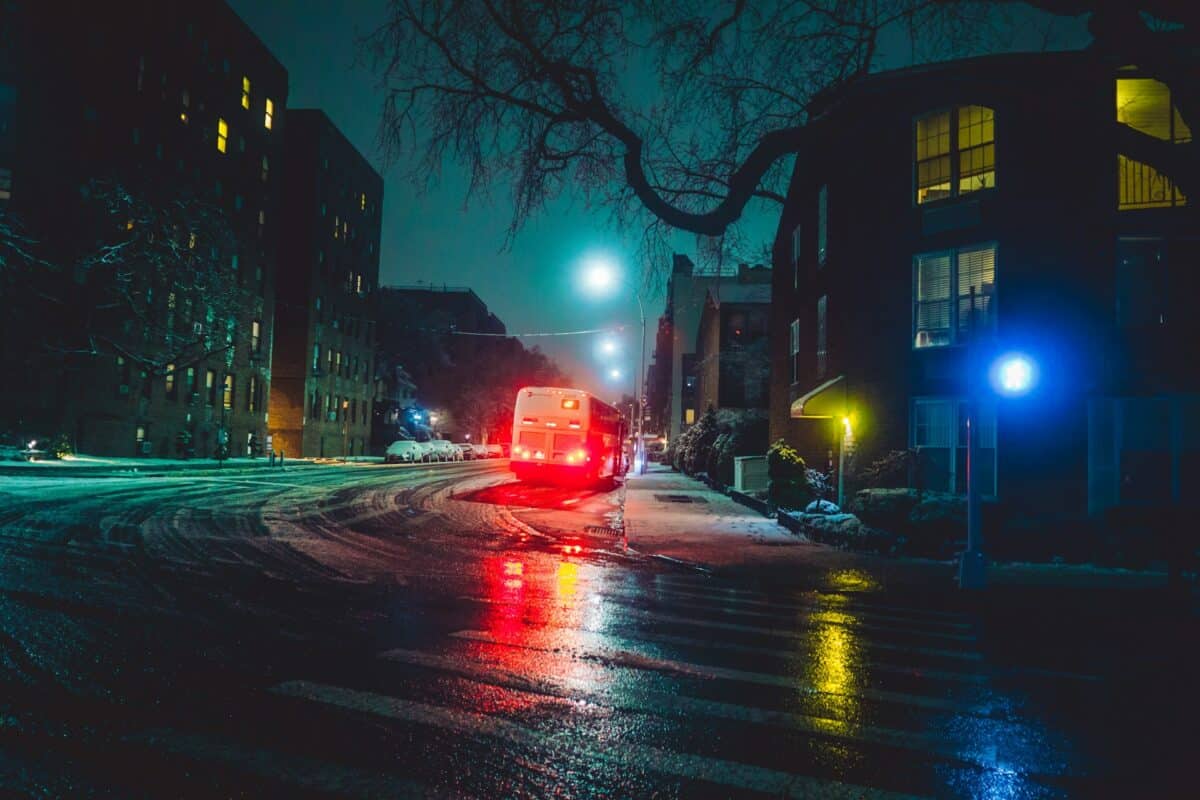
Light pollution has increased at an alarming rate over the past century, with satellite imagery revealing that more than 80% of the world’s population now lives under light-polluted skies. The rate of increase stands at approximately 2-6% annually in many countries. This artificial brightening comes from street lights, buildings, advertisements, sports facilities, and other sources that emit light upward and outward into the environment.
Scientists estimate that artificial light at night is growing in both brightness and extent by about 2% per year globally, with some regions experiencing much faster rates. The International Dark-Sky Association reports that in North America alone, nearly 99% of the population cannot experience a natural night sky due to light pollution. This widespread illumination doesn’t just obstruct our view of the stars—it fundamentally alters the environment that countless species have adapted to over evolutionary time.
The Evolutionary Context: Why Darkness Matters

For approximately 3.8 billion years, life on Earth evolved under predictable patterns of light and dark. The 24-hour cycle of day and night—our planet’s circadian rhythm—has shaped the development of virtually all living organisms. Nocturnal species, which make up about 30% of all vertebrates and over 60% of invertebrates, have developed specialized adaptations for functioning in darkness. These include enhanced night vision, acute hearing, specialized navigation abilities, and timing mechanisms that regulate behavior and physiology.
Many predators hunt at night to avoid competition, while prey species use darkness as cover from detection. Reproduction and migration are often timed to specific light conditions or phases of the moon. When artificial light disrupts this darkness, it fundamentally interferes with adaptations that have been refined over millions of years, leaving many species unable to adjust quickly enough to survive in our rapidly changing world.
Sea Turtles: Drawn Away from the Ocean

Perhaps one of the most documented victims of light pollution are sea turtles. For millions of years, hatchling sea turtles have emerged from sandy nests and instinctively moved toward the brightest horizon—historically the moon and stars reflecting off the ocean surface. Today, artificial beachfront lighting disorienting to these ancient navigators. Studies show that millions of hatchlings die annually after being lured toward coastal developments instead of the sea.
In Florida alone, which hosts approximately 90% of sea turtle nesting in the continental United States, disorientation reports document thousands of hatchlings affected each year. Even adult females can be deterred from nesting on artificially brightened beaches. Several species of sea turtles, including the loggerhead, green, and leatherback, are already endangered for multiple reasons, and light pollution compounds their struggle for survival. Conservation efforts have led some coastal communities to implement turtle-friendly lighting ordinances, but compliance and enforcement remain ongoing challenges.
Birds: Fatal Attractions to City Lights

Birds represent another major group severely affected by artificial light. Approximately two-thirds of bird species migrate at night, using celestial cues like stars for navigation. Bright city lights can disorient these migrants, causing them to circle illuminated areas until they collapse from exhaustion or collide with structures. The Fatal Light Awareness Program (FLAP) estimates that between 100 million and 1 billion birds die annually in North America alone from collisions with buildings, with light pollution being a significant contributing factor.
During a single night in October 2020, approximately 1,000 birds died after colliding with buildings in Philadelphia when migrating during poor weather conditions. Species particularly vulnerable include warblers, thrushes, and sparrows. Additionally, artificial light can alter birds’ reproductive cycles by simulating longer days, causing them to begin breeding too early or miss optimal food availability for their young. Studies have found that urban birds often sing earlier in the morning, have disrupted sleep patterns, and may experience metabolic issues related to constant light exposure.
Insects: The Disappearing Night Shift
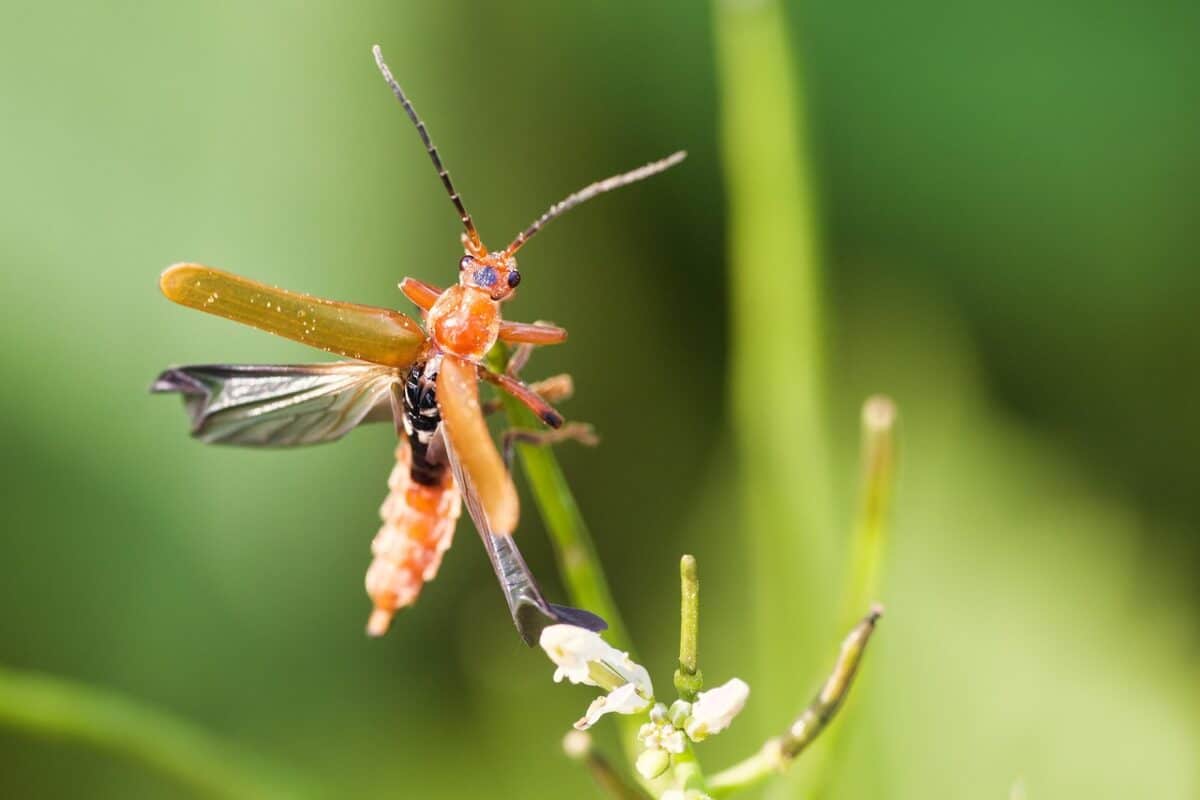
Insects form the foundation of many ecosystems, and their attraction to artificial light has been observed since the invention of the lightbulb. This phenomenon, known as positive phototaxis, can create ecological traps where insects exhaust themselves circling lights instead of feeding, mating, or pollinating plants. Research suggests that a single street light can kill up to 150 insects per night. Multiplied by the estimated 300 million street lights worldwide, this represents a staggering impact on insect populations.
A 2017 study in Germany found a 76% decline in flying insect biomass over 27 years, with light pollution considered a significant contributing factor alongside habitat loss and pesticides. Moths, which are important nocturnal pollinators, are particularly affected. Their decline impacts not only plant pollination but also reduces food availability for bats, birds, and other predators that feed on them. Some studies indicate that LED lights, while more energy-efficient, may actually worsen this problem due to their high blue light content, which is particularly attractive to many insect species.
Bats: Disrupted Feeding and Roosting Patterns

Bats, the only mammals capable of true flight, have evolved sophisticated echolocation abilities that allow them to navigate and hunt in complete darkness. For these nocturnal specialists, artificial light creates barriers in their environment that can be as disruptive as physical obstacles. Light-sensitive bat species often avoid illuminated areas entirely, effectively reducing their available habitat and feeding grounds. Research has shown that street lighting can reduce bat activity by 60% or more in some locations.
This avoidance behavior is particularly problematic as urbanization expands into natural areas. Some opportunistic bat species do exploit the insects attracted to lights, but even these bats face trade-offs: while feeding may be easier, they become more visible to predators and may experience higher stress levels. Artificial light near roosts can delay emergence times, shortening the available foraging period and potentially leading to nutritional deficits. With many bat populations already declining due to white-nose syndrome, habitat loss, and other threats, light pollution represents an additional pressure on these ecologically important mammals that provide essential services like insect control and pollination.
Amphibians: Confused Croakers
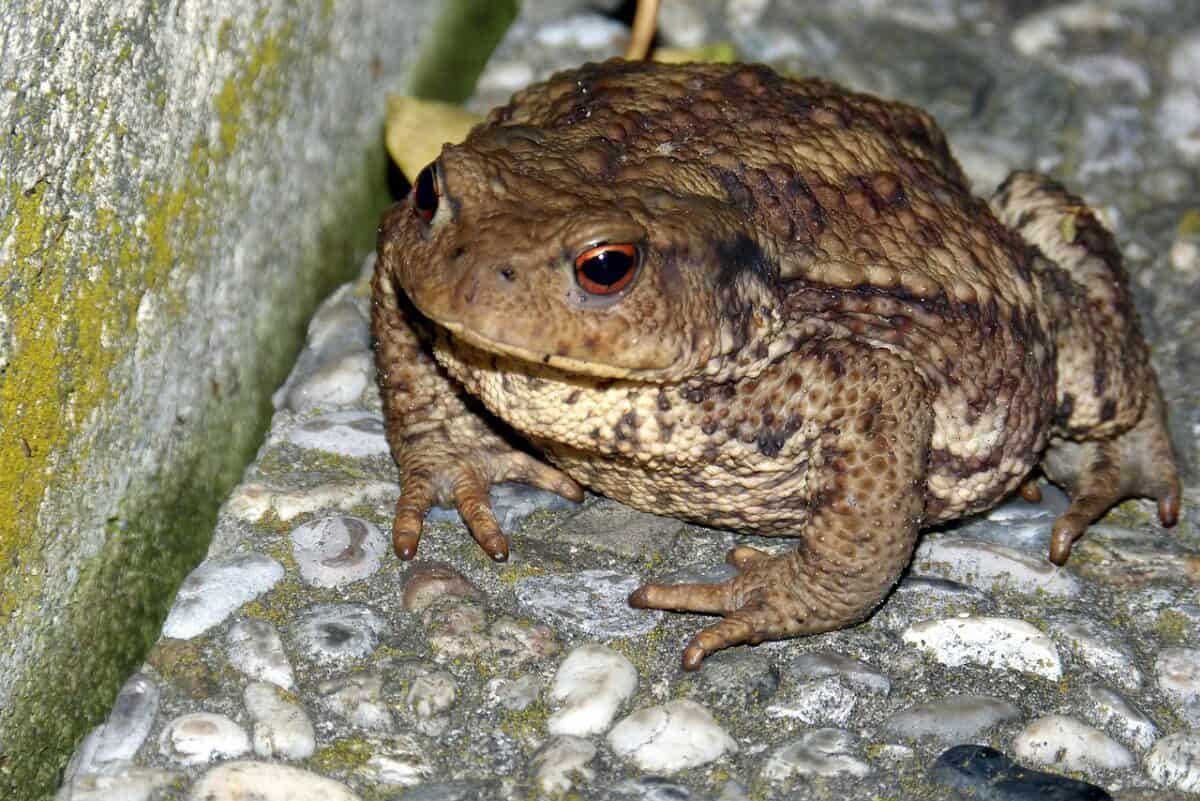
Amphibians rely heavily on the cover of darkness for protection from predators and for regulating their breeding cycles. Frogs and toads are particularly sensitive to light pollution, with research showing that artificial illumination can significantly alter their calling behavior—an essential aspect of reproduction. A study in Brazil found that male tungara frogs exposed to artificial light produced fewer, simpler mating calls and showed altered call timing.
For species that synchronize their breeding with specific light conditions, artificial illumination can disrupt entire reproductive cycles. Some amphibians become more vulnerable to predation when illuminated, while others experience disrupted feeding patterns. Additionally, artificial light can interfere with the movement of amphibians between breeding ponds and terrestrial habitats. Given that amphibians are already among the most threatened vertebrate groups globally—with approximately 41% of species at risk of extinction according to the IUCN—the added pressure of light pollution is particularly concerning. Their permeable skin and dual lifestyle make them sensitive environmental indicators, and their responses to light pollution may signal broader ecosystem impacts.
Marine Life: Light Penetrating the Depths
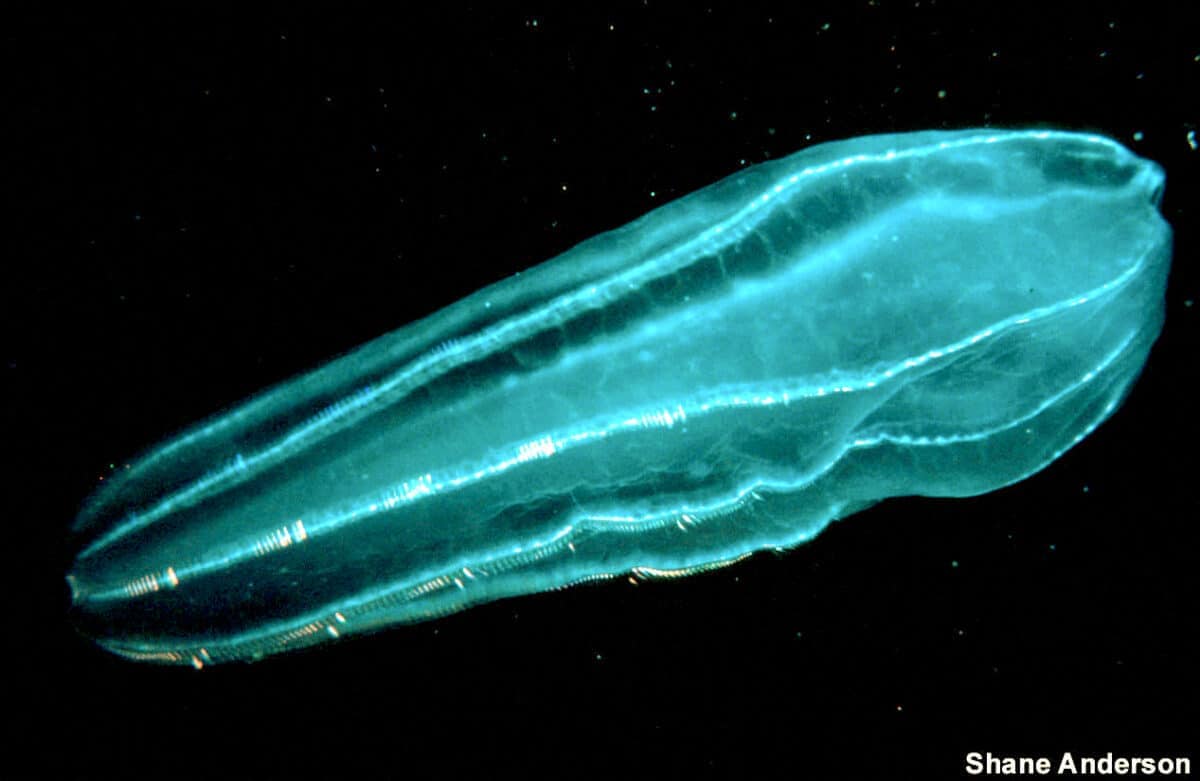
Contrary to common perception, light pollution doesn’t stop at the water’s edge. Artificial light from coastal developments, offshore structures, and even vessels penetrates marine environments, affecting organisms from the surface to surprising depths. Zooplankton, the tiny organisms that form the base of marine food webs, normally rise toward the surface at night to feed under the cover of darkness, then descend during daylight to avoid predators. Artificial light disrupts this vertical migration, potentially altering entire marine ecosystems.
Researchers have documented that artificial light can penetrate clear ocean water to depths of 30 meters or more. Coral reef systems are particularly vulnerable, as light disrupts the synchronous spawning events that many coral species rely on, which are carefully timed to lunar cycles. Fish behavior is also affected, with studies showing altered predator-prey relationships under artificial light conditions. Some predatory fish species gain an advantage in illuminated conditions, while prey species lose the protection of darkness. Even deep-sea organisms that have evolved in perpetual darkness are now threatened by the growing presence of illuminated fishing vessels, oil platforms, and underwater infrastructure.
Mammals: Nocturnal Adaptations Rendered Obsolete

Many terrestrial mammals have evolved to occupy nocturnal niches, developing specialized senses and behaviors for navigating in darkness. These adaptations—from the excellent night vision of deer to the acute hearing of foxes—are compromised by artificial light. Research on mammals shows varied responses to light pollution. Some species avoid artificially lit areas entirely, effectively experiencing habitat loss as developed areas expand. A study of urban foxes found that artificial lighting altered their feeding patterns and territory use.
Other mammals show more tolerance but experience subtle disruptions to their natural rhythms. For example, research on tammar wallabies demonstrated that even low levels of artificial light suppressed melatonin production, potentially affecting reproduction and seasonal behaviors. Predator-prey dynamics can shift dramatically in illuminated environments; prey species often become more vulnerable when their cover of darkness is removed. Even large mammals are affected—studies on moose have shown changes in movement patterns in areas with artificial light. Perhaps most concerning is evidence that artificial light disrupts the behavior of nocturnal pollinators like fruit bats, potentially affecting plant reproduction and forest regeneration in tropical ecosystems.
Circadian Disruption: When Internal Clocks Break Down
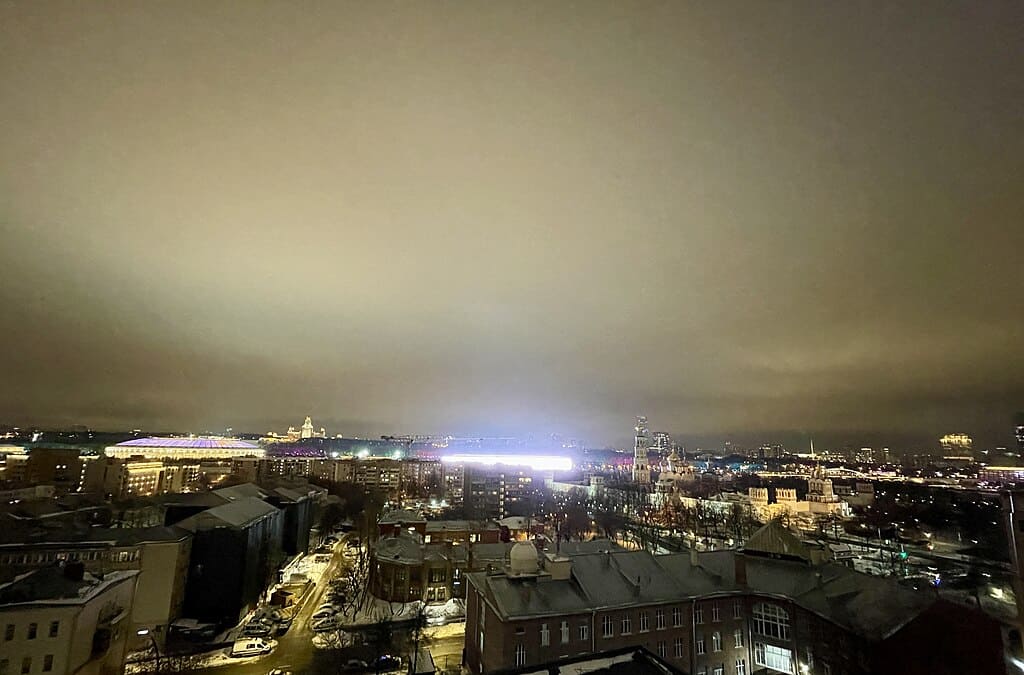
At the physiological level, light pollution disrupts the circadian rhythms that govern the internal timing of virtually all organisms. These biological clocks regulate not just sleep-wake cycles, but hormone production, immune function, feeding behavior, and countless other processes. When artificial light interferes with these rhythms, the consequences can be far-reaching. Research has shown that exposure to artificial light at night suppresses melatonin production in many species. Melatonin is not just a sleep hormone—it also functions as an antioxidant and plays roles in immune function and seasonal reproduction.
Studies on birds, reptiles, and mammals demonstrate that even brief exposure to light during normally dark periods can trigger cascading physiological responses. For nocturnal animals, these disruptions can be particularly severe, compromising their ability to hunt, navigate, and reproduce. Emerging research suggests that some species may be particularly sensitive to specific wavelengths of light—especially the blue-rich light emitted by LED technology that is increasingly used in outdoor lighting. This physiological aspect of light pollution helps explain why even relatively low levels of artificial light can have disproportionately large ecological impacts.
Solutions: Dark Sky Initiatives and Wildlife-Friendly Lighting
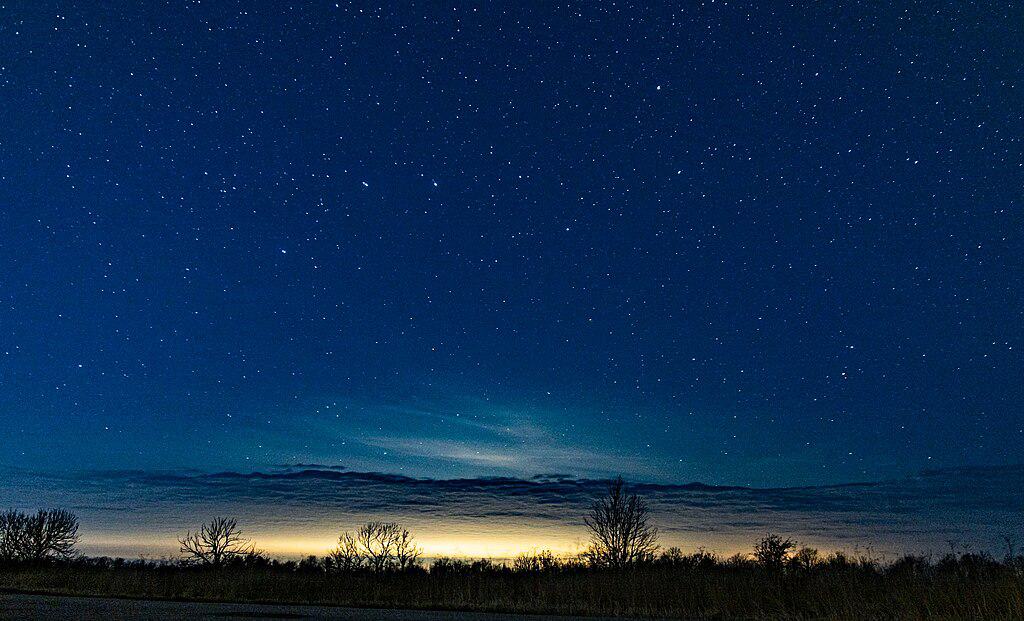
Addressing light pollution doesn’t require returning to pre-electricity darkness. Instead, thoughtful lighting design can dramatically reduce impacts on nocturnal wildlife while still meeting human needs. The most effective solutions follow several key principles: use light only when and where needed; use shielded fixtures that direct light downward rather than into the sky; use the minimum brightness necessary; and choose lighting with appropriate spectral characteristics (often warmer colors with reduced blue content).
Communities around the world have implemented successful lighting ordinances that protect both starry skies and wildlife. For example, sea turtle nesting beaches in Florida have seen hatchling disorientation decrease by up to 80% after implementing turtle-friendly lighting requirements. International Dark Sky Places, a conservation program established by the International Dark-Sky Association, has certified over 195 locations worldwide that preserve natural darkness through lighting policies. Technological solutions like motion sensors, timers, and dimmers allow for adaptive lighting that provides illumination only when needed. Many cities are now retrofitting street lights with fully-shielded LED fixtures that reduce both energy consumption and light pollution, demonstrating that economic and environmental benefits can align.
Research Challenges and Future Directions

Despite growing awareness of light pollution impacts, significant research challenges remain. Studying nocturnal wildlife requires specialized techniques and equipment, and isolating the effects of light pollution from other environmental stressors can be difficult. Many nocturnal species are inherently elusive, making baseline data on their natural behaviors challenging to collect. However, technological advances are opening new research possibilities. Camera traps with infrared capabilities now allow non-invasive monitoring of nocturnal activity. Miniaturized tracking devices help scientists follow the movements of small nocturnal animals.
Satellite imaging provides increasingly detailed maps of artificial light at global scales. Future research priorities include understanding threshold light levels that trigger behavioral changes in different species, investigating the long-term evolutionary consequences of artificial light exposure, and developing metrics to quantify “ecological darkness” as a resource. Interdisciplinary collaboration between ecologists, astronomers, urban planners, and lighting engineers is essential to translate research findings into effective policies. As artificial light continues to increase globally, particularly in developing regions, understanding and mitigating its impacts on wildlife becomes increasingly urgent.
Conclusion: Preserving the Natural Night

Light pollution represents a uniquely modern environmental challenge—one that has emerged rapidly yet can be substantially mitigated through thoughtful action. Unlike many environmental issues, solutions to light pollution can be implemented relatively quickly and often save energy and money while protecting wildlife. The disorientation of nocturnal creatures by artificial light is not merely an ecological curiosity but a significant threat to biodiversity that compounds other environmental pressures like habitat loss and climate change.
By recognizing darkness as an essential natural resource and taking steps to preserve it, we can help ensure the survival of the countless species that have evolved to thrive in the night. The choices we make about outdoor lighting—from individual homes to city infrastructure—directly impact the ability of nocturnal wildlife to persist in our increasingly illuminated world. Ultimately, restoring natural darkness where possible isn’t just about saving energy or seeing stars—it’s about preserving the intricate ecological relationships that sustain life on Earth.

From exploring the marine wonders in the Azores and witnessing the vast savannas of Kenya, to delving deep into the rich biodiversity of South Africa and traversing iconic landscapes in Australia and the US like Yellowstone, Chris's experiences are vast.
With a penchant for diving alongside sharks, the ocean holds a special place in his heart.
Through his academic insights, he champions wildlife conservation, striving with 'Animals Around The Globe' to cultivate a profound connection between humans and animals, enhancing our mutual appreciation.
Connect with him at Feedback@animalsaroundtheglobe.com.
- How Light Pollution Is Disorienting Nocturnal Wildlife - July 29, 2026
- The Real Reason Dogs Hate Fireworks - July 29, 2026
- The Grizzly That Terrorized Anchorage: Alaska’s Bear 141 Story - July 28, 2026
Leave a comment
You must be logged in to post a comment.