
#1. The turn is a deliberate defensive position, not confusion
🔥 Would you like to save this?
We'll email this post to you, so you can come back to it later!
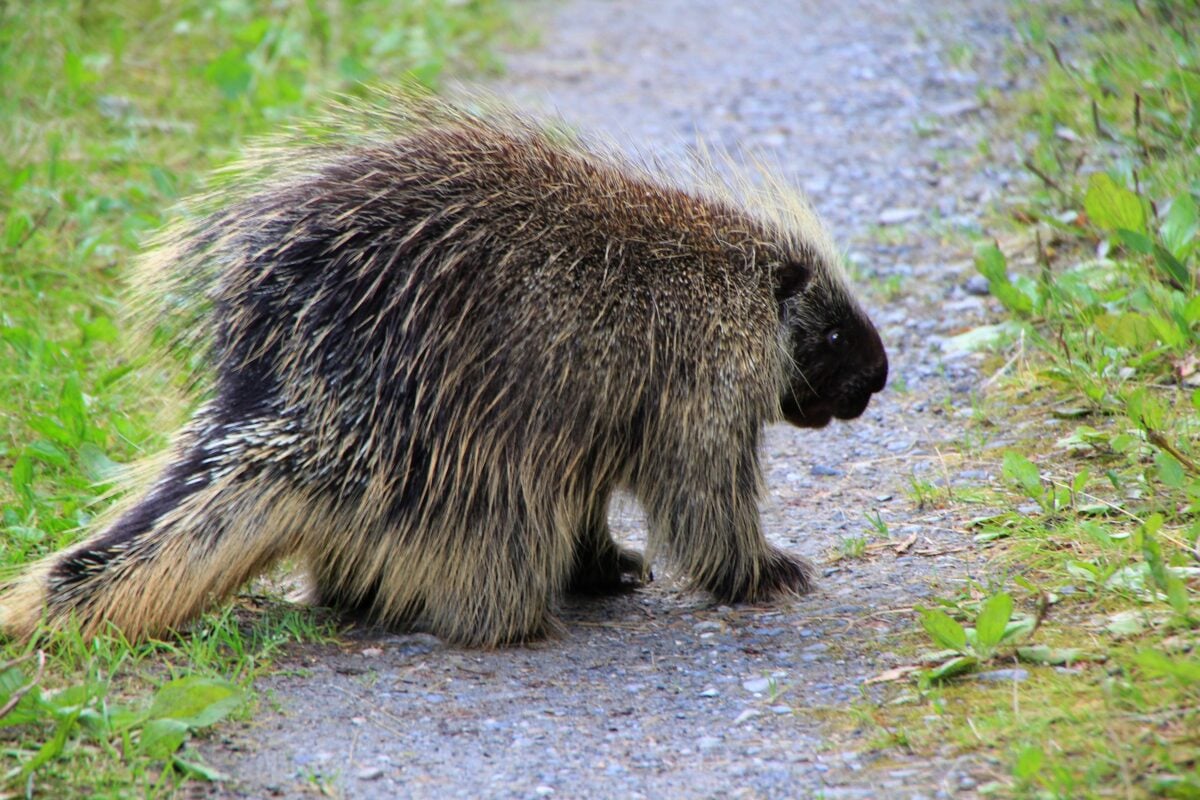
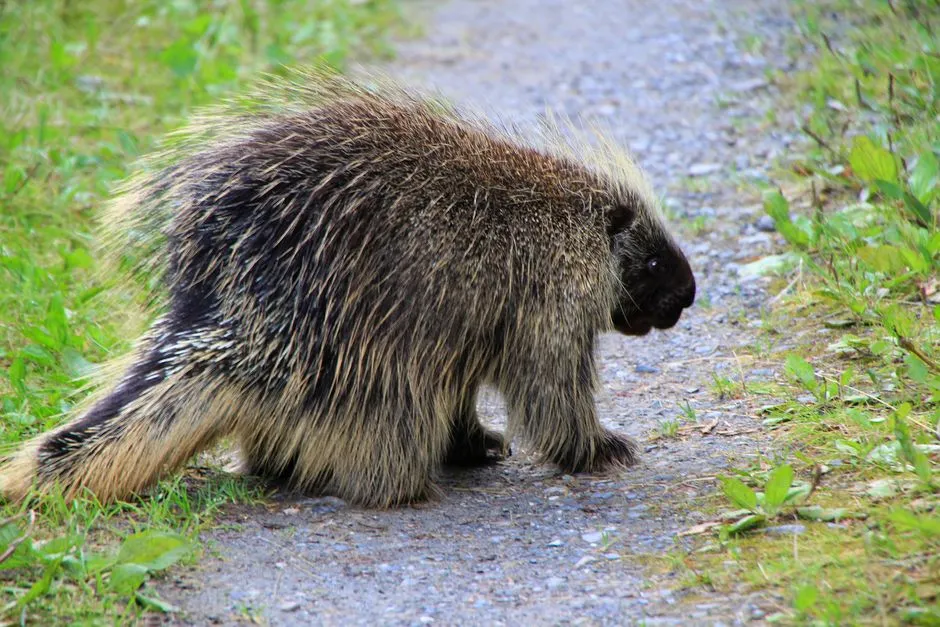
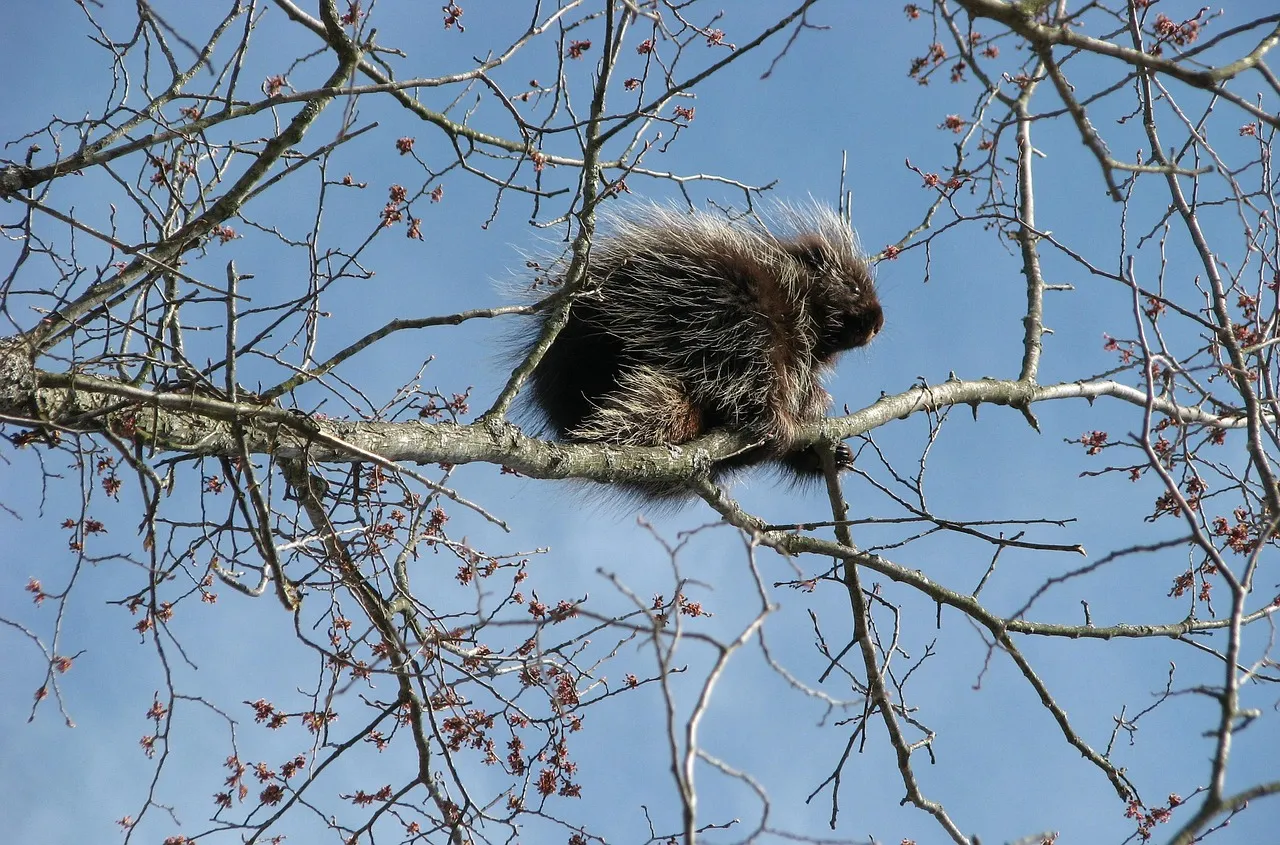
When people see a porcupine spin away from them, the instinct is to assume the animal is skittish or simply hasn’t noticed the threat yet. The opposite is true. Researchers who study porcupine behavior describe this maneuver as an escalation of defense, with the animal turning its back or side to the predator and backing into the aggressor with its sharp quills.
It’s a strategic repositioning. The porcupine is near-sighted and slow on land, so it can’t rely on speed or vision to size up a threat the way a deer might. Instead, it swaps out its most vulnerable side for its most heavily armored one, and it does this with intention, not panic.
#2. The face and belly are the soft spots worth protecting
🔥 Would you like to save this?
We'll email this post to you, so you can come back to it later!
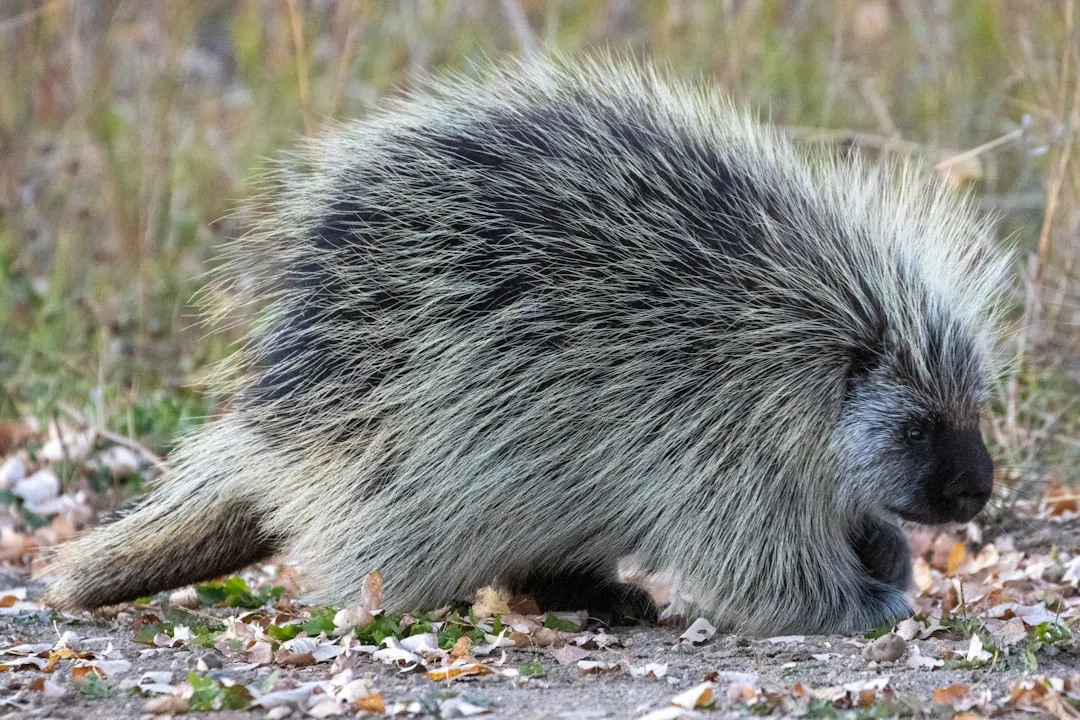
Quills don’t cover a porcupine’s entire body. They’re concentrated on the back, sides, and tail, while the belly, face, and legs are left bare. That asymmetry explains almost everything about the turning behavior.
A biologist studying the species has explained that porcupines will often try and protect their face, so that an animal has to come from the back end, because their face is vulnerable. Turning away isn’t retreat. It’s the animal repositioning its one truly unarmored region out of reach while keeping its fortified rear end aimed squarely at whatever’s bothering it.
#3. Quills rise before the animal even fully commits to the turn
🔥 Would you like to save this?
We'll email this post to you, so you can come back to it later!
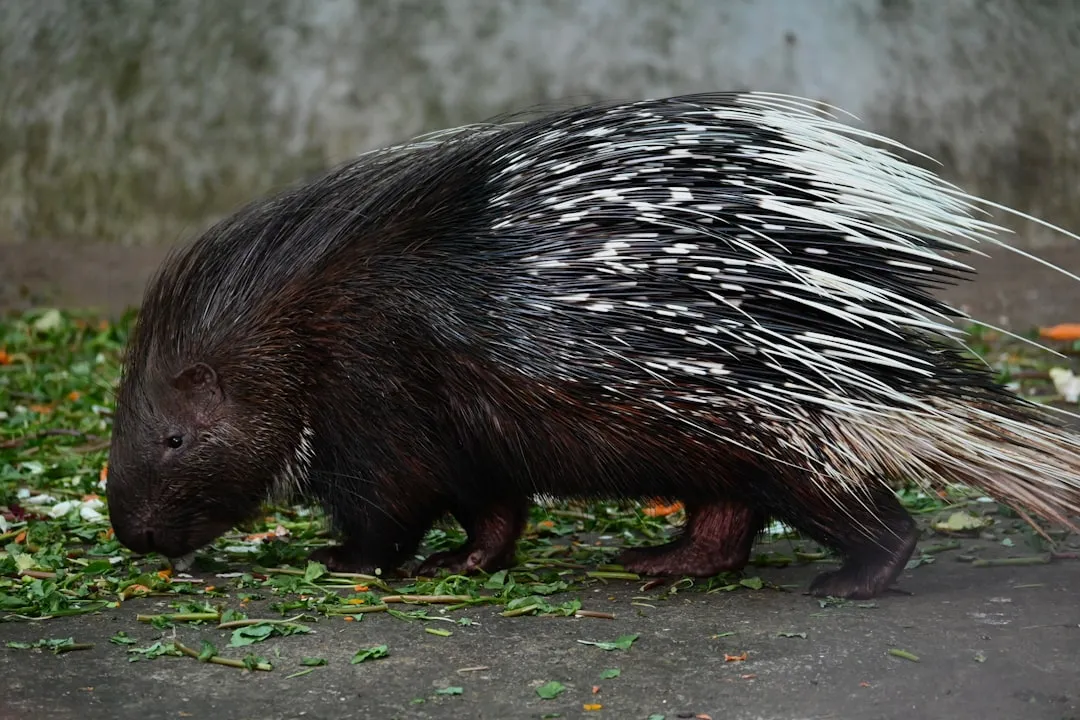
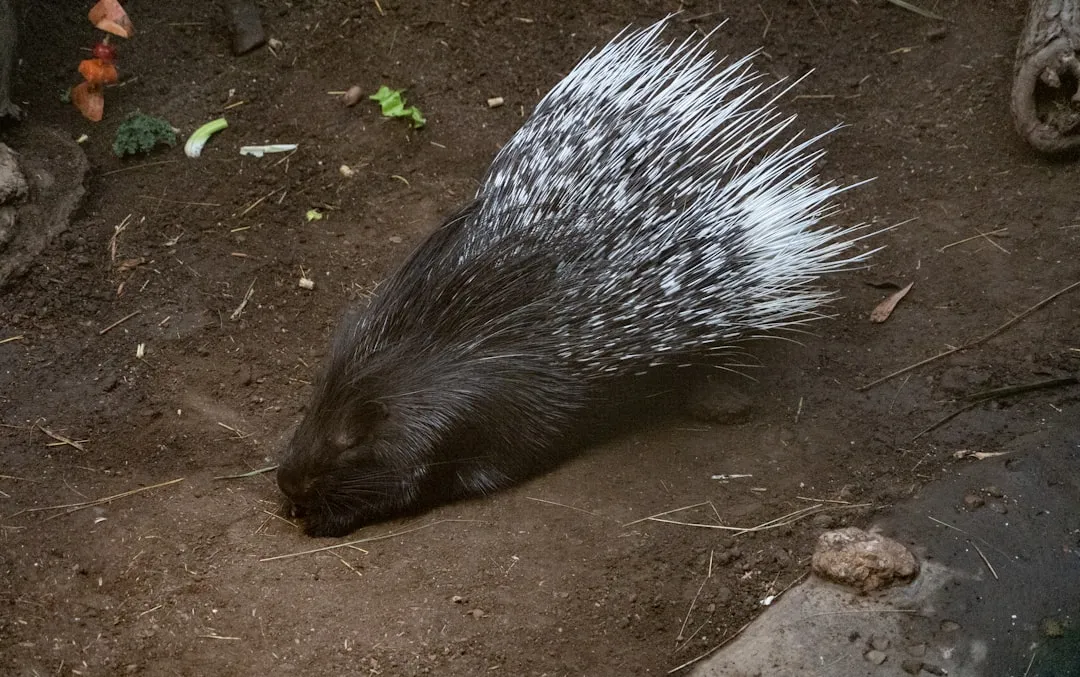
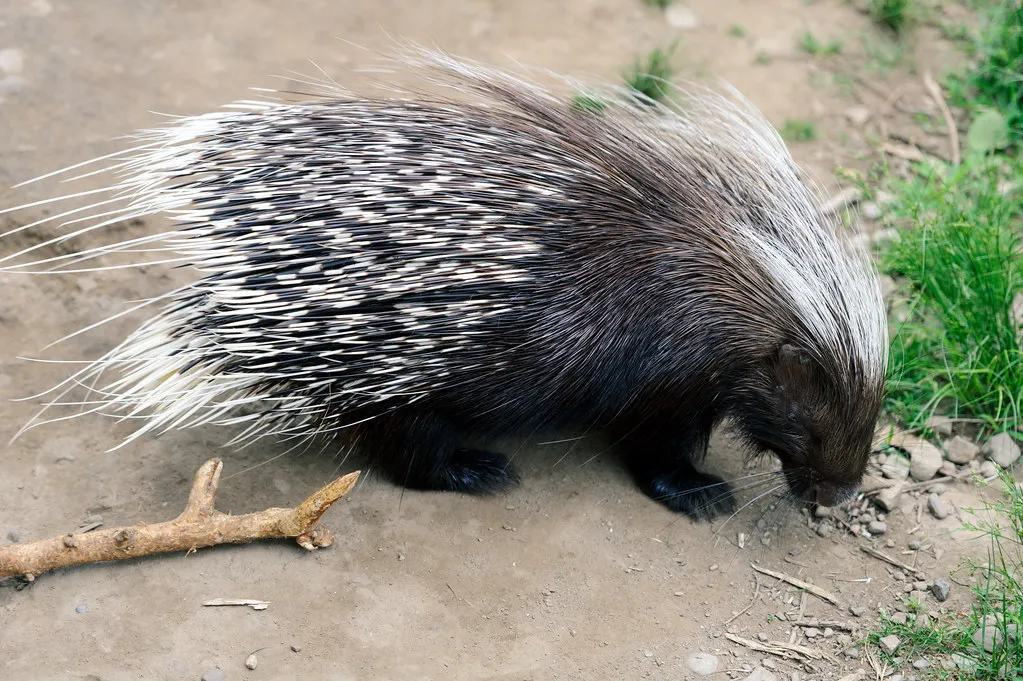
The back-turning rarely happens on its own. It’s typically paired with a physical transformation that makes the porcupine look considerably larger and more intimidating than it does at rest. When the porcupine is relaxed, the hair and quills lie flat and point backwards, but when threatened, the porcupine draws up the skin of the back to expose quills facing all directions, and it then presents its formidable bristling back.
This lifting is powered by tiny muscles at the base of each quill, the same type of muscle that makes a dog’s hackles rise or gives a startled human goosebumps. The effect is immediate and visually dramatic, turning a normally sleek looking rodent into something bristling and impossible to mistake for an easy target.
#4. The tail does most of the actual damage
🔥 Would you like to save this?
We'll email this post to you, so you can come back to it later!
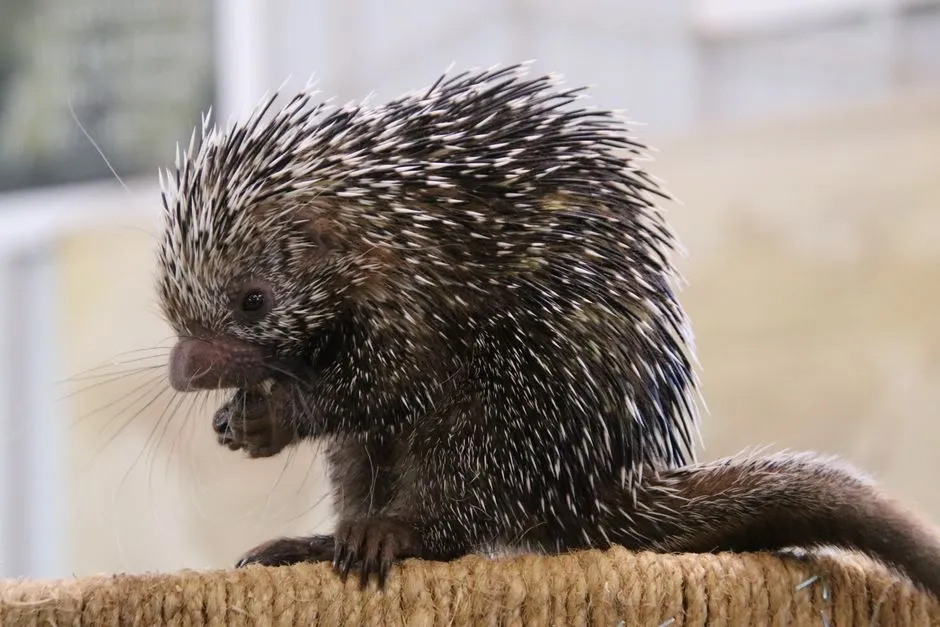
If the back-turning is the setup, the tail is the delivery mechanism. Porcupines have a thick, muscular tail covered in quills on its upper surface, and it functions almost like a separate weapon once the animal is in defensive posture.
The porcupine tries to keep its back facing the attacker and strikes back and forth with its tail. This is why animal experts consistently warn that the real danger isn’t from the porcupine approaching you. It’s from underestimating that whip-fast tail swing while standing too close behind an animal that appears to be simply standing still.
#5. Quills are never thrown, only released on contact
🔥 Would you like to save this?
We'll email this post to you, so you can come back to it later!
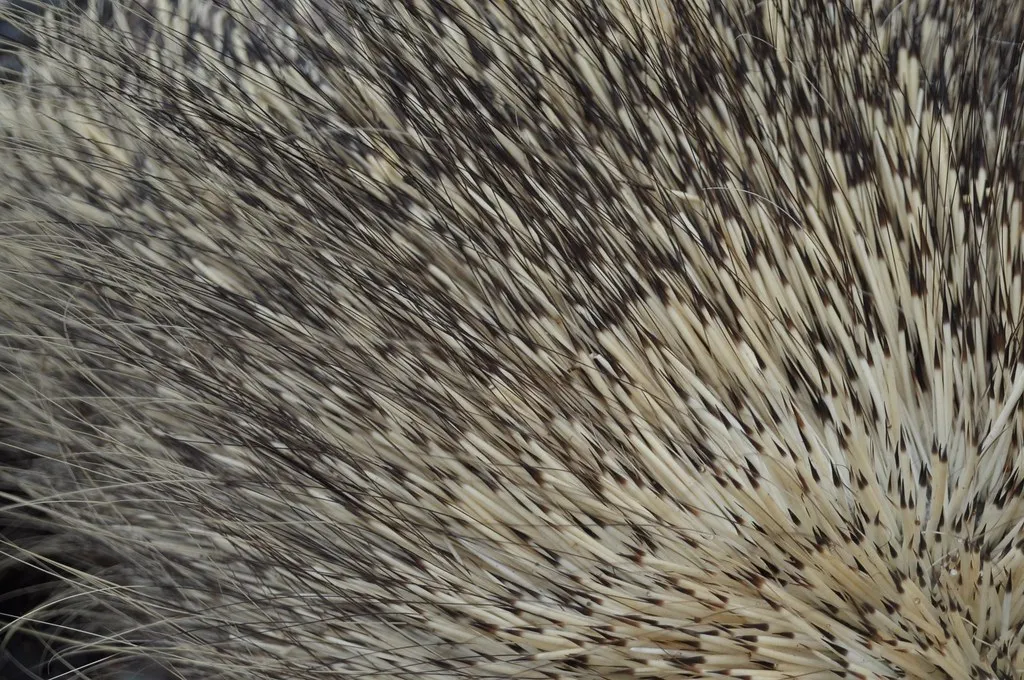
One of the most persistent myths about porcupines is that they can launch quills at a distance like tiny spears. That’s simply not how the biology works. A porcupine cannot throw its quills, but can erect them, and the quills detach easily, penetrating the skin of any animal touching this large rodent.
The turning behavior only becomes dangerous the moment actual contact happens, whether that’s a predator’s paw, a curious dog’s nose, or a hiker who gets too close while trying to get a better photo. Some people mistakenly believe the animals can shoot or throw their quills like darts, which they can’t. The quills are simply loosely attached and give way under pressure, which makes the turned back a passive trap rather than an active projectile system.
#6. Once embedded, quills are engineered to stay put
🔥 Would you like to save this?
We'll email this post to you, so you can come back to it later!
What happens after contact is where the science gets genuinely fascinating. Each quill tip is covered in microscopic backward facing barbs, and researchers studying North American porcupines found that these barbs make the quills roughly four times harder to remove once lodged, while actually requiring about half the force of a hypodermic needle to penetrate skin in the first place.
That combination, easy in and brutally hard to pull out, is precisely why the back-turning posture is such an effective deterrent. A predator that gets quilled in the face or paw isn’t dealing with a temporary annoyance. It’s carrying a barbed hair that can migrate deeper into tissue over time, sometimes with serious consequences for the animal that pressed the attack.
#7. The turn is usually the final warning, not the first move
🔥 Would you like to save this?
We'll email this post to you, so you can come back to it later!
Porcupines don’t jump straight to backing up and lifting quills the moment they sense danger. There’s a whole sequence of escalating warnings that comes first, and the turn is essentially the last stage before actual contact.
Wildlife groups note that before the quills are erected for protection, porcupines will release a pungent odor from the base of their tail to warn off any dangers nearby, and only when the threat continues do they turn their back, raise their quills and make noises. Add in tail rattling and teeth chattering, and it becomes clear that a porcupine spinning away from you has already tried several quieter ways of asking you to back off first.
The takeaway on nature’s most polite warning system
🔥 Would you like to save this?
We'll email this post to you, so you can come back to it later!

- 7 Everyday Habits That Can Make Your Senior Dog Happier - November 5, 2026
- 10 Enigmatic Structures That Continue to Puzzle Scientists Today - November 5, 2026
- 10 Strange Ruins in the Americas That Challenge What We Know About Early History - November 5, 2026