
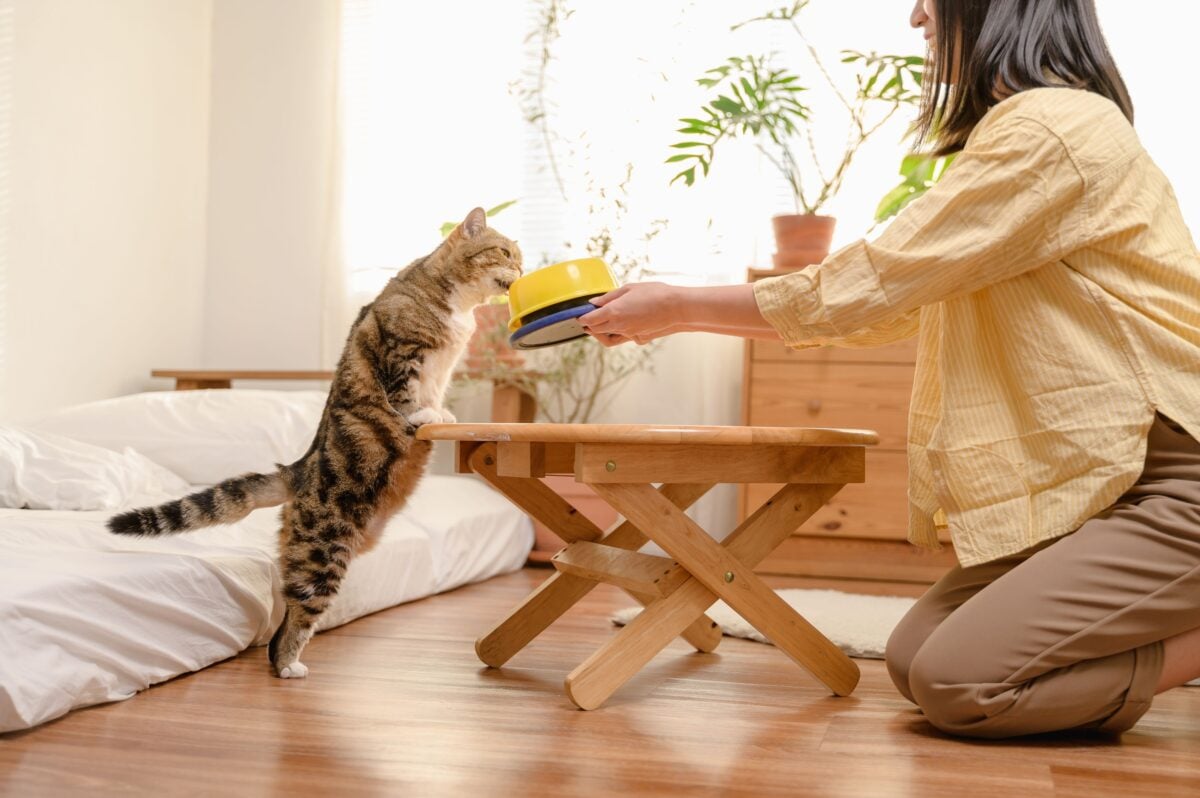
Your rescue cat cleaned its bowl on day two, so surely it’s settled in? Not even close. Eating is survival, not trust. Real settling is quieter, and it shows up as things that stop happening: the hiding, the flinching, the hissing.
Cats rarely announce that they feel safe. They just quietly drop the habits that kept them alive, one by one, usually while you’re not looking. Here are the eight clearest signs, counted down from the easiest to spot to the one owners remember for years.
#8 – Disappearing for Hours at a Time

🔥 Would you like to save this?
We'll email this post to you, so you can come back to it later!
The first habit a settled rescue drops is the one owners worry about most: vanishing.
A newly adopted cat treats hiding as a strategy, not a quirk. Under the bed, behind the sofa, inside the wardrobe, wedged into a gap you’d swear was too small. Cats are predators, but they’re also small enough to be prey, so a strange house full of big, loud strangers switches on every survival instinct they own.
Research backs up letting them hide. A 2007 shelter study found that newly arrived cats given hiding boxes showed lower stress scores and adapted faster than cats without them. Taking away the hiding place doesn’t speed up bonding. It slows it down.
As the cat settles, hiding doesn’t vanish overnight. It shrinks in stages:
- It comes out while you move around the room
- It picks a perch where it can still see you
- It uses the hiding spot for naps, not for panic
Here’s the unpopular part. Many new owners hand a rescue the whole house on day one, thinking more space means more comfort. Many behaviourists disagree and suggest starting in a single quiet room with food, water, a litter tray and somewhere to hide.
A smaller territory is easier to feel safe in, and you can widen it as confidence grows. Think of it as a base camp the cat explores from, not a cell it’s locked in.
Fast Facts
- Start with one quiet room containing food, water, a litter tray and a hiding spot
- A plain cardboard box with a cut-out entrance works as a hideaway
- Keep the litter tray well away from the food and water bowls
- Open up more rooms one at a time, once the cat starts exploring on its own
But the next change is far easier to miss than a cat crawling out from under the bed…
#7 – Jumping at Every Sound

🔥 Would you like to save this?
We'll email this post to you, so you can come back to it later!
A settled cat finally stops treating your household like a threat.
In the early days, a dropped spoon, the washing machine or a door closing can send a rescue flying. Cats hear far higher frequencies than we do, with a range commonly cited as reaching about 64 kHz compared with roughly 20 kHz for people. Your home is simply noisier to them than it is to you.
Add a history of unpredictable surroundings, and the startle response makes perfect sense. The cat isn’t being dramatic. It’s reacting to a world it hasn’t learned yet.
What changes with time is not the hearing. It’s the interpretation. The cat learns which sounds mean nothing and which sounds mean dinner. A flick of the ears replaces a full-body bolt. Then even the ear flick fades.
Watch for these signs of a cat that’s learning your home’s soundtrack:
- Ears swivel toward a noise, but the body stays relaxed
- It keeps eating or grooming through the vacuum cleaner in another room
- It looks at you when something loud happens, instead of running from you
Some cats take weeks, and some take months. Cats with unknown pasts, or those who spent time as strays, often need longer. That’s normal, and it isn’t a sign you’re doing it wrong.
The practical takeaway is dull but powerful: live normally. Tiptoeing around a cat can make ordinary noises feel more suspicious, while a calm, consistent household teaches it that nothing here is worth running from.
But what happens at the food bowl tells you even more…
#6 – Eating on the Run
🔥 Would you like to save this?
We'll email this post to you, so you can come back to it later!
A cat that trusts its surroundings stops gulping and glancing over its shoulder.
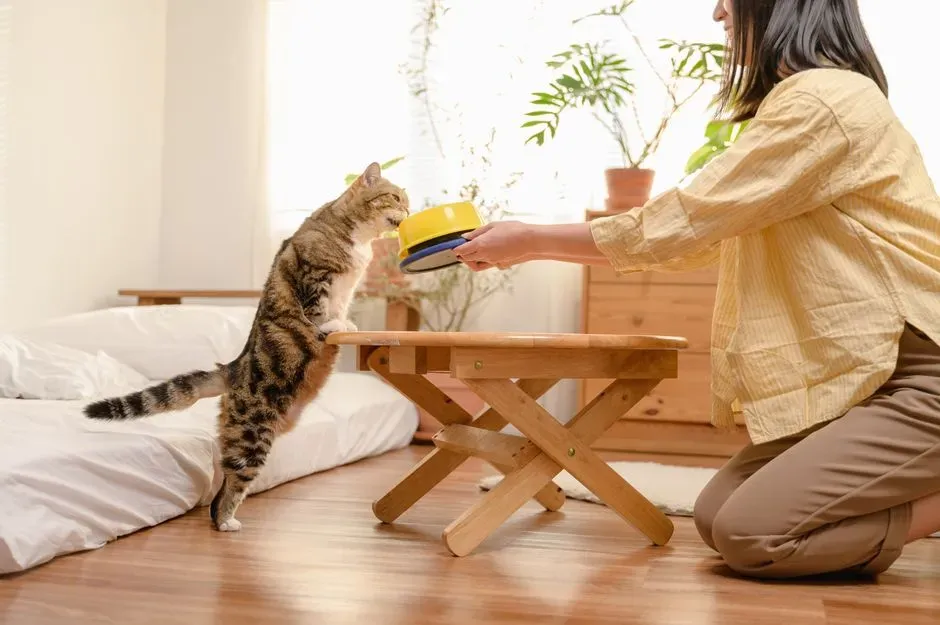
Eating is one of the most vulnerable things an animal does. Head down, senses dulled, attention on the bowl. Newly rescued cats often wait until the room is empty, some bolt their food, and others only eat in the middle of the night. It’s not fussiness. It’s risk management.
A settled cat does the opposite. It eats while you’re in the room, then while you’re standing next to it, then while you’re pottering about the kitchen. Eating in front of you is one of the earliest and clearest trust signals you’ll get, and it comes long before any lap sitting.
Appetite has a hard limit, though. A cat that refuses food for more than a day or so needs a vet call, not patience. Cats that stop eating can develop serious liver problems, so don’t assume it’s just nerves.
Feeding at set times also helps. Predictable meals turn you from “big stranger” into “the reliable one.” It’s a simple trick, and experts rate it far higher than most owners do.
Over time you’ll notice the little upgrades. The cat stops snatching and retreating, starts finishing meals in one calm sitting, and may even wander over and wait by the bowl when it hears your footsteps. That’s a cat building a picture of its day, with you in it.
At a Glance: The Bowl Trust Ladder
- Step 1: Eats only when the room is empty, or at night
- Step 2: Eats while you’re in the room, keeping its distance
- Step 3: Eats calmly with you standing close by
- Step 4: Waits by the bowl when it hears your footsteps
Next comes a change that most owners are too embarrassed to talk about…
#5 – Avoiding the Litter Box
🔥 Would you like to save this?
We'll email this post to you, so you can come back to it later!
Settling means the accidents stop, but the reason matters more than the fix.
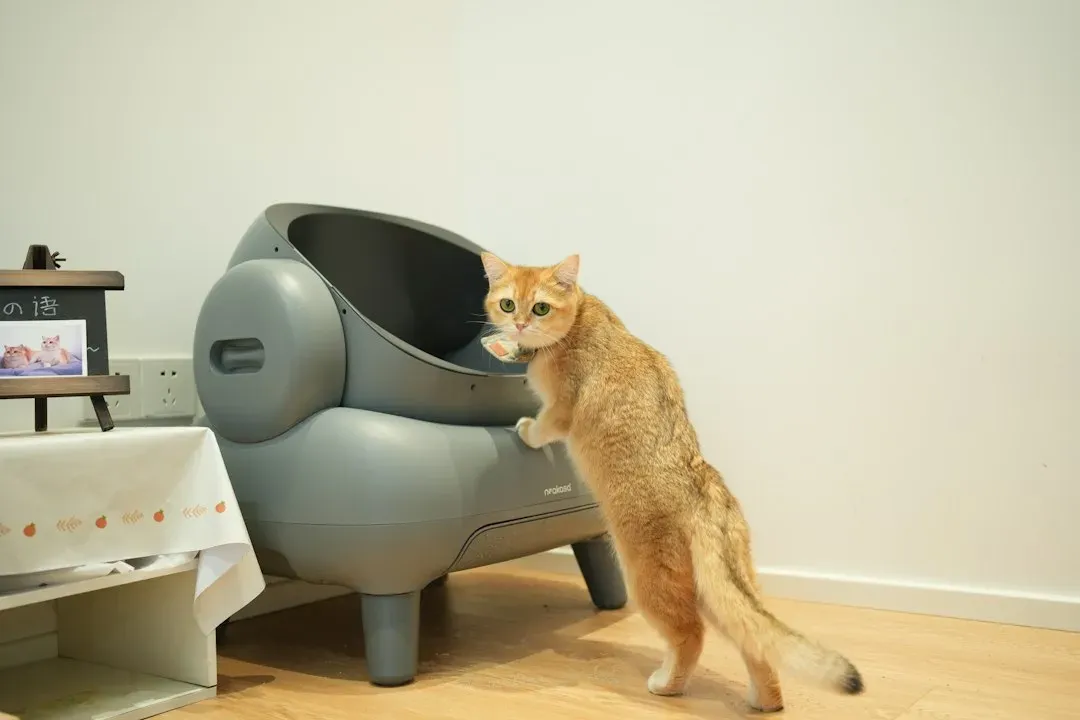
Many rescues skip the tray at first. Stress can change toileting habits, and an unfamiliar box in an unfamiliar spot is hard to trust. Cats are naturally fussy about where they go, since toileting leaves them exposed. Some won’t use a box in a busy hallway or beside a noisy appliance, and some dislike hooded boxes because they feel trapped inside.
As a cat settles, the habit normalises. It uses the box calmly, scratches properly and doesn’t dash out in a hurry. A cat that’s relaxed enough to take its time in the box is telling you it feels safe being vulnerable.
Here’s the part many guides gloss over. Toileting problems are not always behavioural. Urinary issues are a common medical cause of accidents, so repeated mistakes deserve a vet check before you blame stress.
Common fixes that help:
- A quiet, low-traffic spot with an easy escape route
- One tray per cat, plus one extra, if space allows
- A litter type similar to what the cat used before, if you know it
Punishing mistakes is the worst response, and shelter behaviourists consistently warn against it. It teaches fear, not tidiness. A cat that gets scolded doesn’t learn “use the box.” It learns “don’t go where the human can see me,” and that’s how a small problem becomes a hidden one.
But the clearest signs aren’t about toilets or food. They’re written all over the cat’s body…

Professional 7 in 1 Dog Paw Cleaner for Dogs & Cats - Includes 1 Portable Paw Washer, 1 Bath Brush
Check Price on AmazonAs an Amazon Associate, we earn from qualifying purchases.
10/7/2026 1:26 pm GMTi

Halloween Dog Collar with Bow, Orange Cute Ghost Collar,
Check Price on AmazonAs an Amazon Associate, we earn from qualifying purchases.
10/9/2026 2:43 pm GMTi

Earth Rated XL Dog & Puppy Pee Pads, Discreet Top, Max Absorbency
Check Price on AmazonAs an Amazon Associate, we earn from qualifying purchases.
10/7/2026 1:28 pm GMTi

PetSafe Oasys Pet Fountain, 1/2 Gallon (64 oz), Small Dogs & Cats
Check Price on AmazonAs an Amazon Associate, we earn from qualifying purchases.
10/8/2026 8:14 am GMTi

Dog Stairs for Bed 18" H, 4-Step Dog Steps for High Bed
Check Price on AmazonAs an Amazon Associate, we earn from qualifying purchases.
10/9/2026 2:42 pm GMTi
#4 – The Tense, Tucked Body
🔥 Would you like to save this?
We'll email this post to you, so you can come back to it later!
A settled cat finally stops making itself small.
A stressed rescue often shows it in its posture. It crouches low, tucks its paws under its body, flattens its ears and wraps its tail around itself. Whiskers may press back against the face, and the pupils may stay wide even in a bright room. It looks like a cat trying to take up as little space as possible.
Settling softens all of that. The body lengthens. The tail lifts or hangs loosely, and the ears point forward in a relaxed way. A tail held upright like a flagpole is a classic friendly greeting between cats, and many cats also use it when approaching people they trust.
Then there’s the slow blink. A 2020 study published in Scientific Reports found that cats were more likely to slow-blink back at people who had slow-blinked at them first. They were also more willing to approach an outstretched hand. It’s a small, free way to say “I’m not a threat.”
Posture signs worth noticing:
- Loose, relaxed paws instead of tucked ones
- Tail up or gently curved, not clamped down
- Eyes half-closed or blinking slowly while looking at you
Don’t force eye contact, though. A hard stare is a challenge in cat language. Glance, look away, and let the cat decide when to look back.
Quick Compare: Stressed vs Settled
- Stressed: crouched low, paws tucked, ears flat, tail wrapped tight
- Settled: body stretched out, paws loose, ears forward, tail up or relaxed
- Eyes: wide pupils and a fixed stare, versus soft, slow blinks
Body language is only half the story, though. The next sign is all about energy…
#3 – Ignoring Toys and Play
🔥 Would you like to save this?
We'll email this post to you, so you can come back to it later!
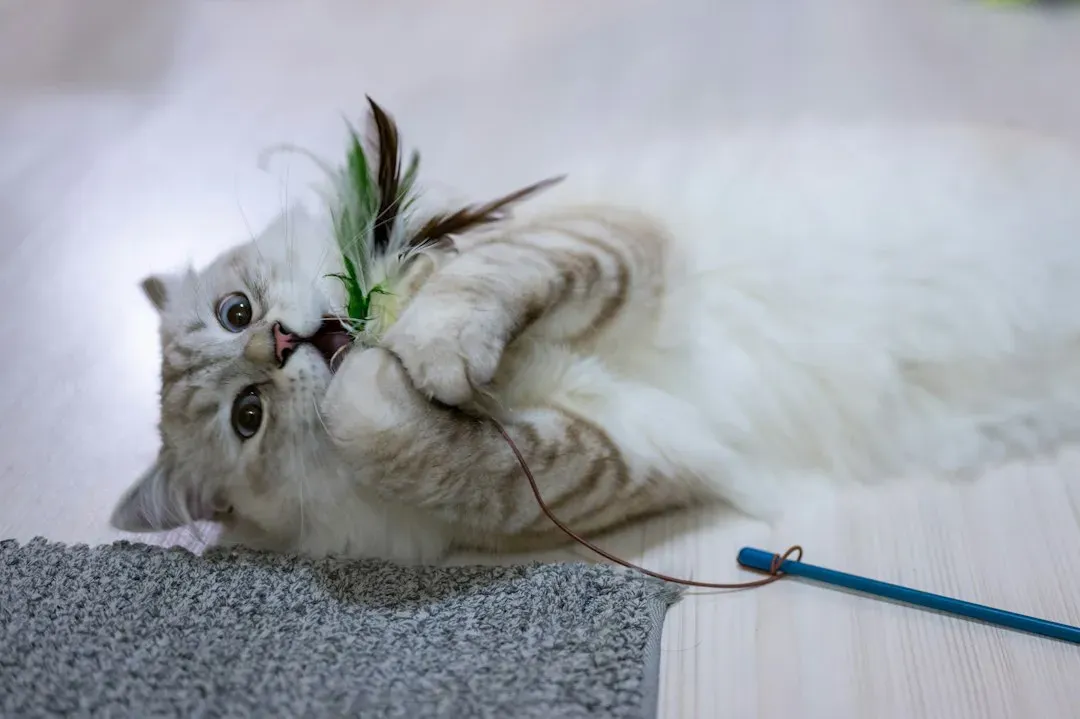
A cat that finally plays is a cat that finally feels safe.
Play isn’t a luxury for a cat. It’s rehearsal for hunting: stalk, chase, pounce, grab. That sequence requires energy and focus, and a frightened animal has neither. So a rescue that ignores every toy often isn’t bored. It’s busy staying safe.
When a cat settles, play creeps back in. At first it’s a twitch at a trailing string, or a quick bat at a toy mouse when you’ve left the room. Then it’s full pounces, zoomies at 3 a.m. and a stash of toys in odd places.
Many owners misread this late-night mayhem as bad behaviour when it’s actually one of the best signs of progress. Cats are naturally most active around dawn and dusk, so a bit of night-time chaos is partly just their body clock. It also means the cat has spare mental energy, which a stressed cat doesn’t have.
A wand toy is the best starting tool. It keeps your hands at a safe distance and lets the cat hunt “prey” without feeling cornered. Short sessions work better than long ones, and ending with a small treat completes the hunting cycle.
Play also builds the bond, but there’s a harder test. It comes when you try to touch the cat…

Hand Blown Glass Hummingbird Feeders for Outdoors Hanging, 24oz Wild Bird Nectar Feeder
Check Price on AmazonAs an Amazon Associate, we earn from qualifying purchases.
10/7/2026 1:23 pm GMTi

2 Pcs Halloween Pet Hat Bandana Set, Witch Pumpkin Costumes for Dogs
Check Price on AmazonAs an Amazon Associate, we earn from qualifying purchases.
10/9/2026 2:45 pm GMTi

Portable Dog Water Bottle Foldable Dog Travel Water Bottle
Check Price on AmazonAs an Amazon Associate, we earn from qualifying purchases.
10/7/2026 1:29 pm GMTi

Halloween Cat Costume Cloak Witch Hat Pet Accessories
Check Price on AmazonAs an Amazon Associate, we earn from qualifying purchases.
10/9/2026 2:44 pm GMTi

Air Purifiers for Home Pets Large Room Up to 3000 Ft²,HEPA Air Cleaner with Washable Double-Side Filter, PM2.5 Air Quality Monitor,15dB Sleep Mode for Bedroom Odor Dust Pollen,White
Check Price on AmazonAs an Amazon Associate, we earn from qualifying purchases.
10/8/2026 8:23 am GMTi
#2 – Hissing and Swatting When You Come Close
🔥 Would you like to save this?
We'll email this post to you, so you can come back to it later!
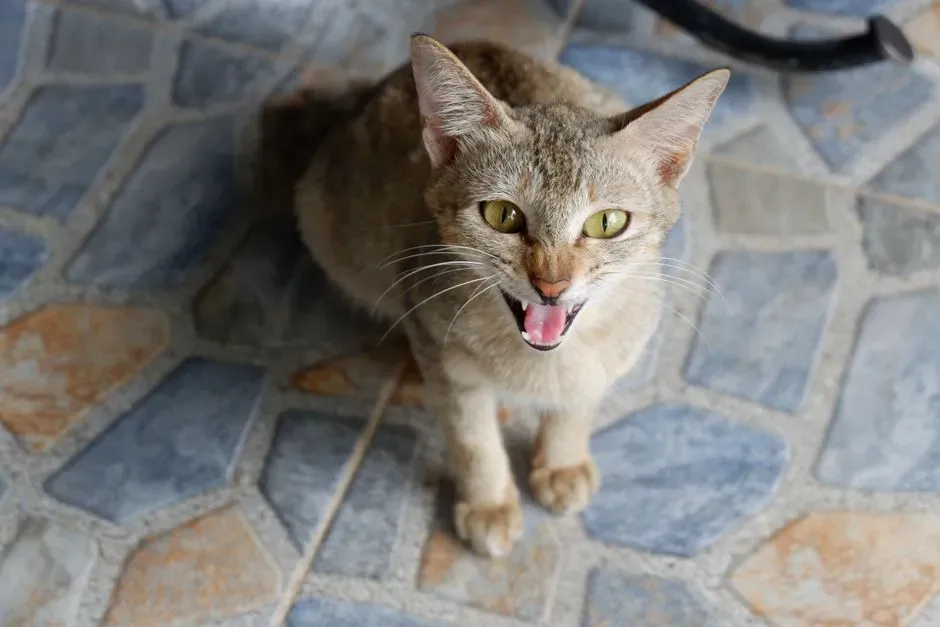
A settled cat drops the warning, because it no longer needs one.
Hissing, growling and swatting are not “aggression” in the way many people assume. They’re communication. A cat saying “back off” is giving you a polite chance to avoid something worse. Punishing that warning doesn’t remove the fear. It just removes the signal, which can lead to bites with no warning.
As trust grows, the warnings fade, but they fade at the cat’s pace. First, the hiss becomes a low growl. Then it becomes a stiff tolerance. Eventually the cat approaches, sniffs your hand and rubs against it.
Be careful here. Not every friendly gesture means “pet me.” Some cats show their belly as a sign of comfort, not an invitation, and a hand there can still earn a swat.
Safe ways to test progress:
- Offer a finger at nose height and let the cat come to you
- Stroke the cheeks and chin first, where cats have scent glands
- Stop at the first tail flick or skin ripple along the back
When a cat rubs its cheek against your hand or leg, it’s leaving its own scent on you. In cat terms, that’s marking you as part of its safe, familiar world.
Worth Knowing
- A hiss or growl means “back off,” and it’s a warning, not a verdict on you
- Stiff tolerance means the cat allows closeness but isn’t relaxed yet
- Sniffing your hand and cheek rubbing are the first real welcome signs
- A belly show can mean comfort, but it’s not always a petting invitation
The warnings go quiet, but the final sign is the one owners remember for years…

Smart Bird Feeder with Camera Solar Powered, 2K HD Live Video, 10,000+ Bird Species AI Identification
Check Price on AmazonAs an Amazon Associate, we earn from qualifying purchases.
10/7/2026 1:22 pm GMTi

Orthopedic Extra Large Dog Bed, Waterproof Washable XL Pet Bed 44"
Check Price on AmazonAs an Amazon Associate, we earn from qualifying purchases.
10/7/2026 1:32 pm GMTi

Glass Hummingbird Feeder for Outdoors Hanging, 16 oz Leak-Proof Nectar Feeder with Bee Guards & Ant Moat
Check Price on AmazonAs an Amazon Associate, we earn from qualifying purchases.
10/7/2026 1:22 pm GMTi

Glass Hummingbird Feeder for Outdoors Hanging
Check Price on AmazonAs an Amazon Associate, we earn from qualifying purchases.
10/7/2026 1:21 pm GMTi
#1 – Sleeping Out in the Open
🔥 Would you like to save this?
We'll email this post to you, so you can come back to it later!
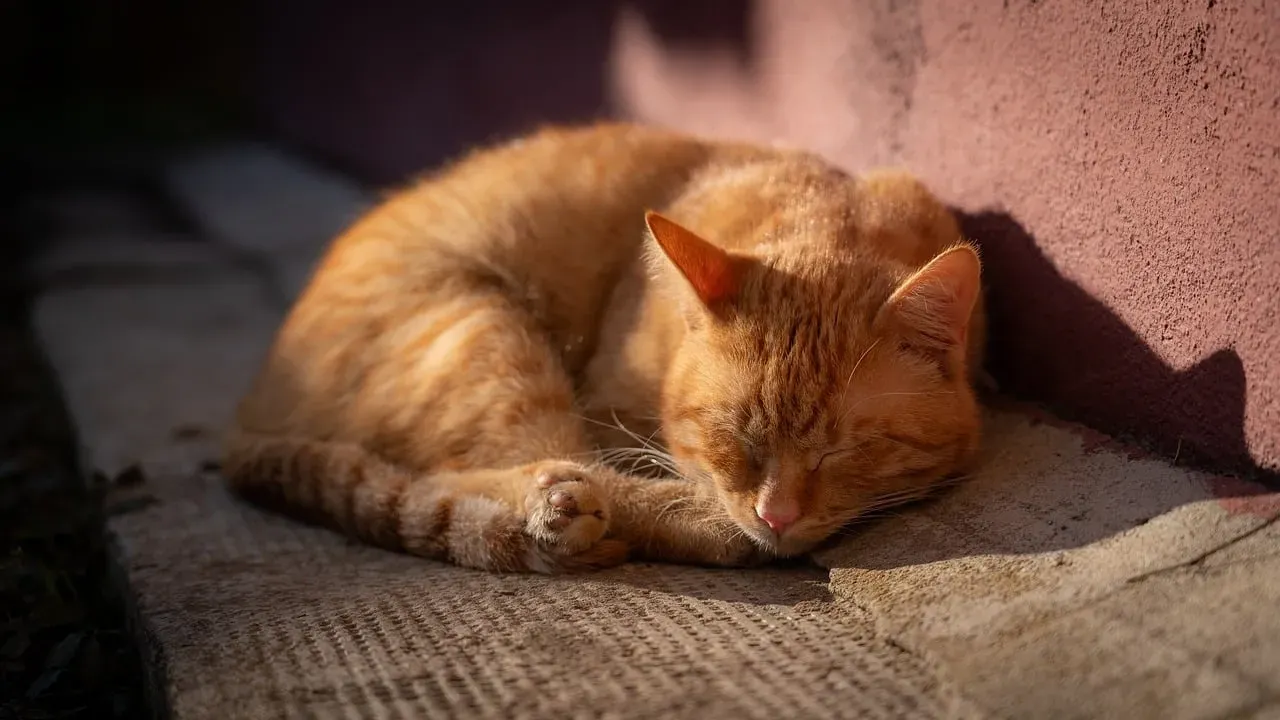
The biggest thing a settled rescue drops is its escape plan.
Cats sleep a lot, often for most of the day, and where they do it says everything. A new rescue picks hidden, enclosed or high spots with a clear view of the exits. It sleeps lightly, with ears still rotating toward sounds, ready to bolt in half a second.
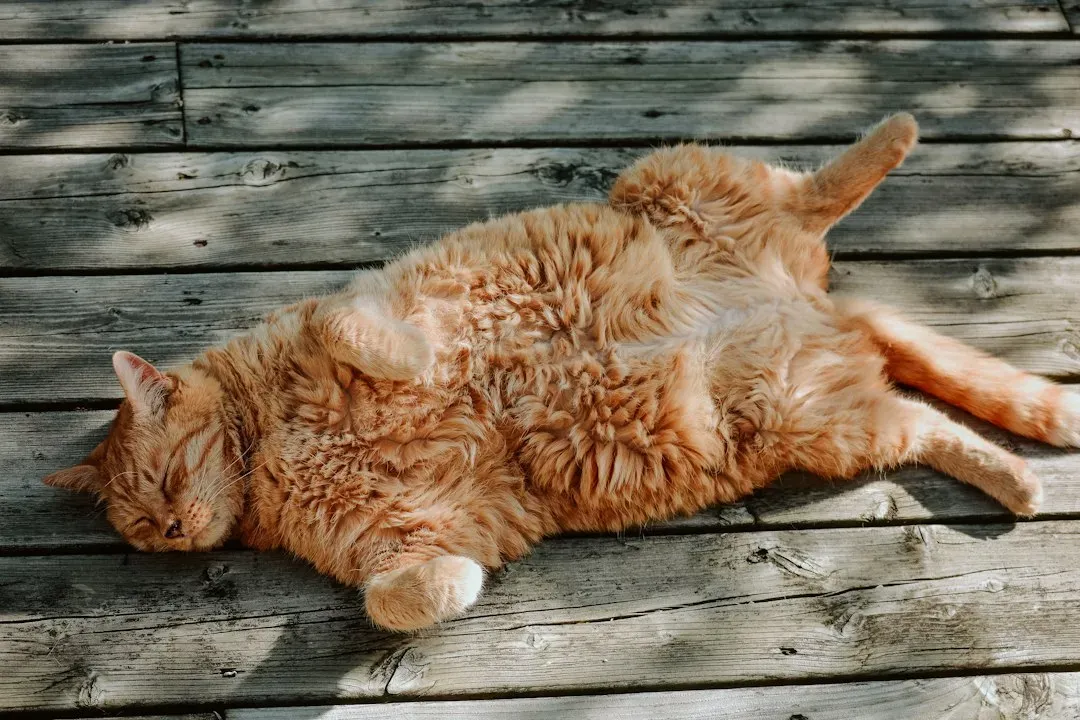
A settled cat does something much riskier. It sprawls on the sofa, stretches across your bed or sleeps in the middle of the floor. It may even sleep with its belly up and its legs splayed. A cat that sleeps deeply in a room full of people is a cat that has stopped scanning for danger.
Look for the quieter signals too. A cat that kneads a blanket, purrs while dozing, or chooses to sleep against you is showing contentment. Purring has more than one meaning, since cats also purr when stressed or in pain, so read it alongside relaxed body language.
This is what the whole process was building toward. The cat doesn’t just tolerate your home. It treats it as its home.
The Bottom Line: Settling is not a single moment. It’s a slow subtraction. The hiding shrinks, the startle fades, the body softens, the warnings go quiet, and finally the cat sleeps in the open. Food and toilet habits are the early clues. Sleep is the final verdict.
My opinion: most owners push too hard, too early. Cuddles, whole-house access and visitors on day three all feel kind but slow things down. Patience beats affection every time, because affection the cat didn’t ask for is just another thing to survive.
Which of these signs took your rescue the longest to drop?

- 8 Behaviours a Rescued Cat Drops Once It Settles Properly - November 8, 2026
- 9 Things a Well Cared For Dog Does in a Waiting Room - November 8, 2026
- 8 Shuttle and Ferry Concessions for Over 62s at Coastal Parks - November 8, 2026