
Worried about unexpected vet bills?
Pet insurance can cover thousands in unexpected vet costs. Get a free quote from Lemonade in under 2 minutes.
Get My Free Quote →Sponsored · Opens Lemonade.com
Have you ever watched your dog cock its head at a strange sound, or seen it circle three times before settling down for a nap? These behaviors might seem quirky, yet they’re actually echoes of something much deeper and wilder than most people realize. Modern dogs share a common ancestor with wolves that dates back approximately 15,000-20,000 years, and many breeds still carry genetic traces of their ancient past. Though thousands of years of domestication have softened many edges, some dog breeds have managed to preserve their primitive essence like living fossils from humanity’s earliest partnerships.
The fascinating truth is that certain breeds have retained not just the physical appearance of their wild ancestors, but also the behavioral instincts, communication patterns, and survival skills that kept their predecessors alive in harsh environments. These remarkable dogs offer us a window into what our four-legged companions were like before they became lap warmers and fetch enthusiasts. So let’s explore these eight extraordinary breeds that still carry the wild spirit of their ancestors within their modern hearts.
Siberian Husky: The Arctic’s Enduring Voice
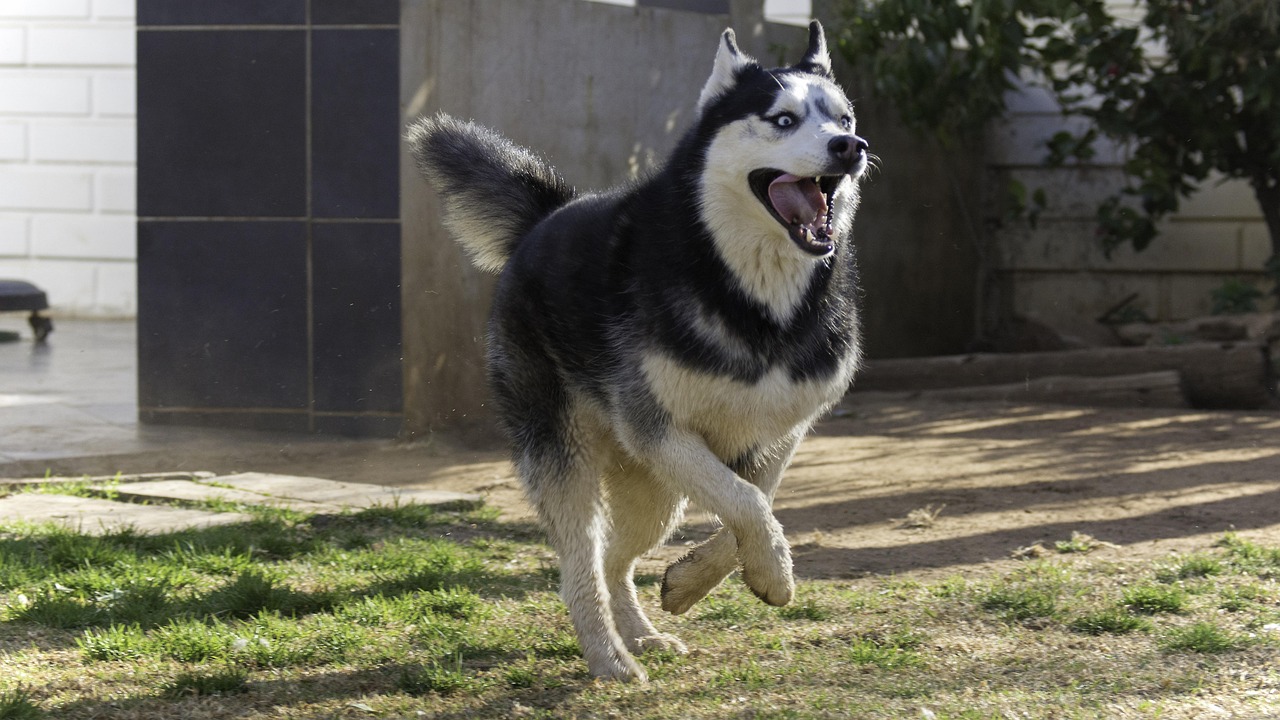
The Siberian Husky stands as perhaps the most recognizable wolf-like breed, and this resemblance runs far deeper than mere appearance. These dogs are likely what most people think of when considering wolf genetics, with their striking physical resemblance to wild animals including thick double coats and upright, pointed ears. Their piercing blue or heterochromatic eyes seem to hold the mysteries of the Arctic tundra where they were first developed by the Chukchi people thousands of years ago.
What truly sets Huskies apart from modern breeds is their remarkable vocal communication system. Like wolves, they howl more frequently than they bark, and this howling serves as communication within their pack. They exhibit typical wolf behaviors including a high prey drive and that distinctive penchant for howling. When you hear a Husky’s haunting howl echoing through the night, you’re experiencing a sound that has remained virtually unchanged for millennia.
Basenji: Africa’s Ancient Voice
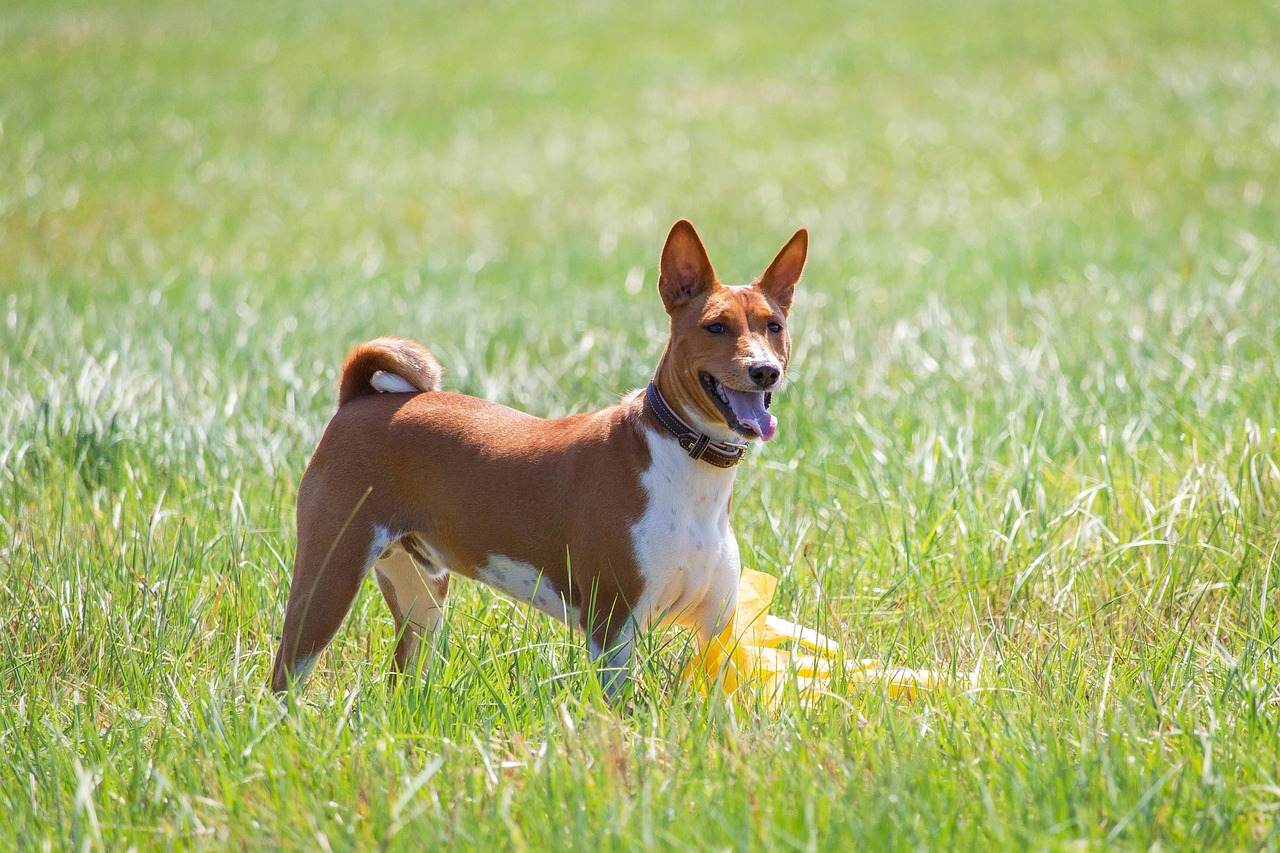
The Basenji might look nothing like the fierce wolves that roam our imagination, yet genetically speaking, they’re among the closest living relatives to our dogs’ wild ancestors. Though one look at the Basenji suggests no connection to wolves, this cat-like, barkless dog actually possesses a significant amount of DNA related to its wolf ancestors. While among the older recognized breeds, the Basenji has an ancient lineage tracing back to early domesticated dogs.
Their most distinctive wild trait lies in their unique vocalizations. They “yodel” instead of barking, which often causes them to be called “barkless dogs,” though this name is misleading as they absolutely make noise. They produce a unique yodel-like sound and are known for their cleanliness and strong hunting instincts, having been used in Africa for tracking and flushing out game. This ancient communication method connects them directly to the earliest relationships between humans and canines.
Alaskan Malamute: The Arctic Powerhouse
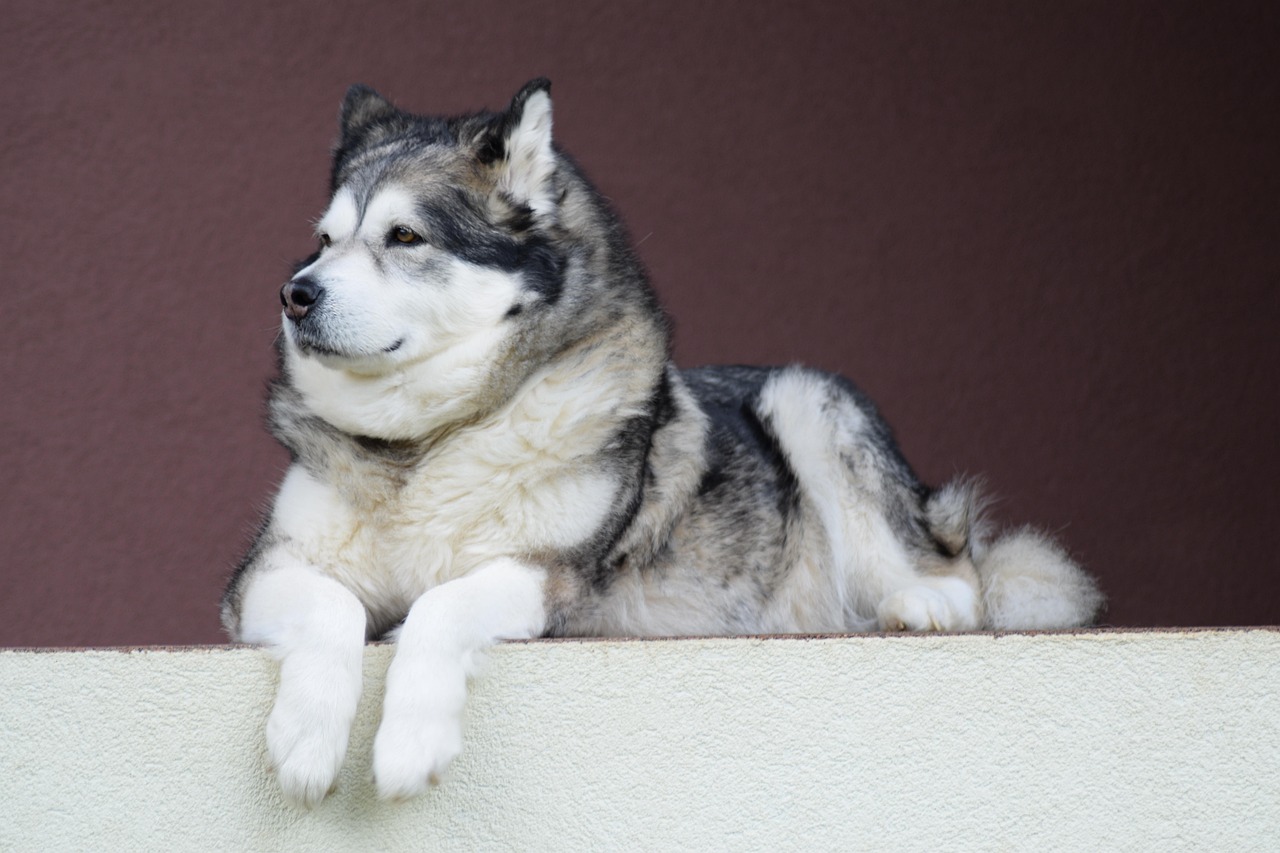
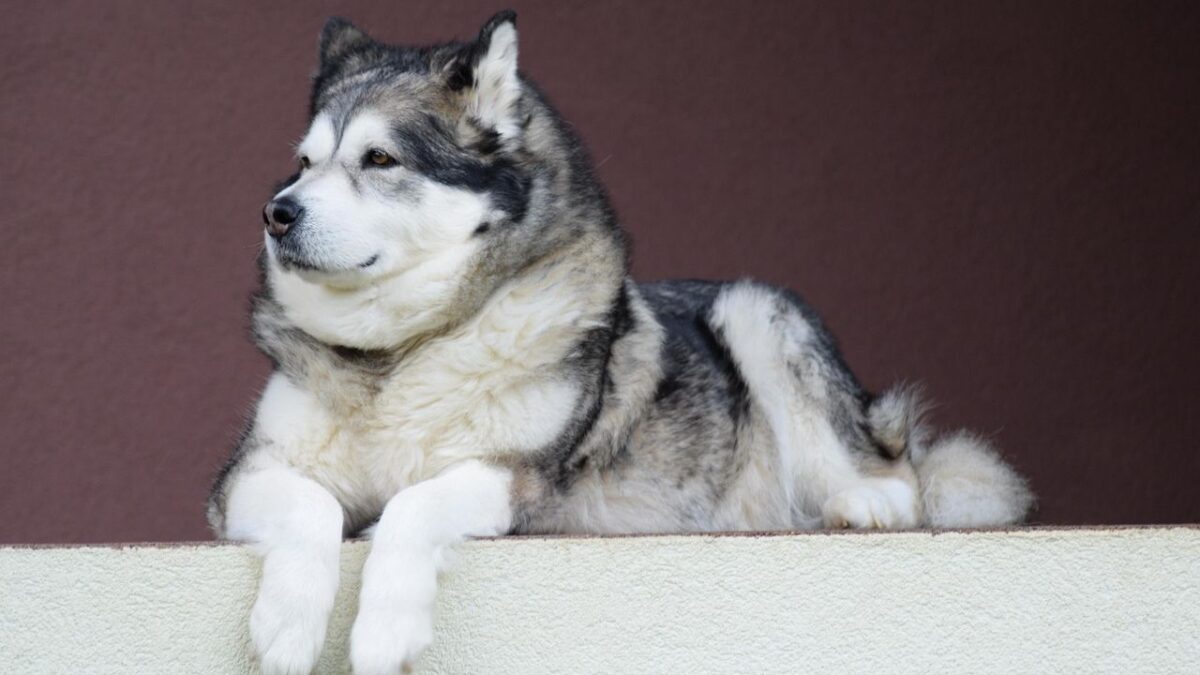
The Alaskan Malamute represents one of humanity’s oldest partnerships with canines, forged in the unforgiving Arctic environment where only the strongest survived. Among the first dogs to cross the Bering land bridge with early human populations, these dogs represent one of the oldest Arctic breeds, developed by the Mahlemut Inuit people for hauling heavy freight across vast frozen distances. Their massive build and incredible endurance speak to generations of natural selection in one of Earth’s harshest environments.
Like their wolf ancestors, Malamutes possess an independent spirit that can challenge even experienced dog owners. These aren’t just working wolf dogs; they’re symbols of Arctic endurance wrapped in a friendly package, ideal for active families who can provide companionship, space to move, and meaningful tasks. Their howling, pack mentality, and strong prey drive all echo the behaviors of their wild cousins who once roamed the frozen tundra.
Shiba Inu: Japan’s Primitive Treasure
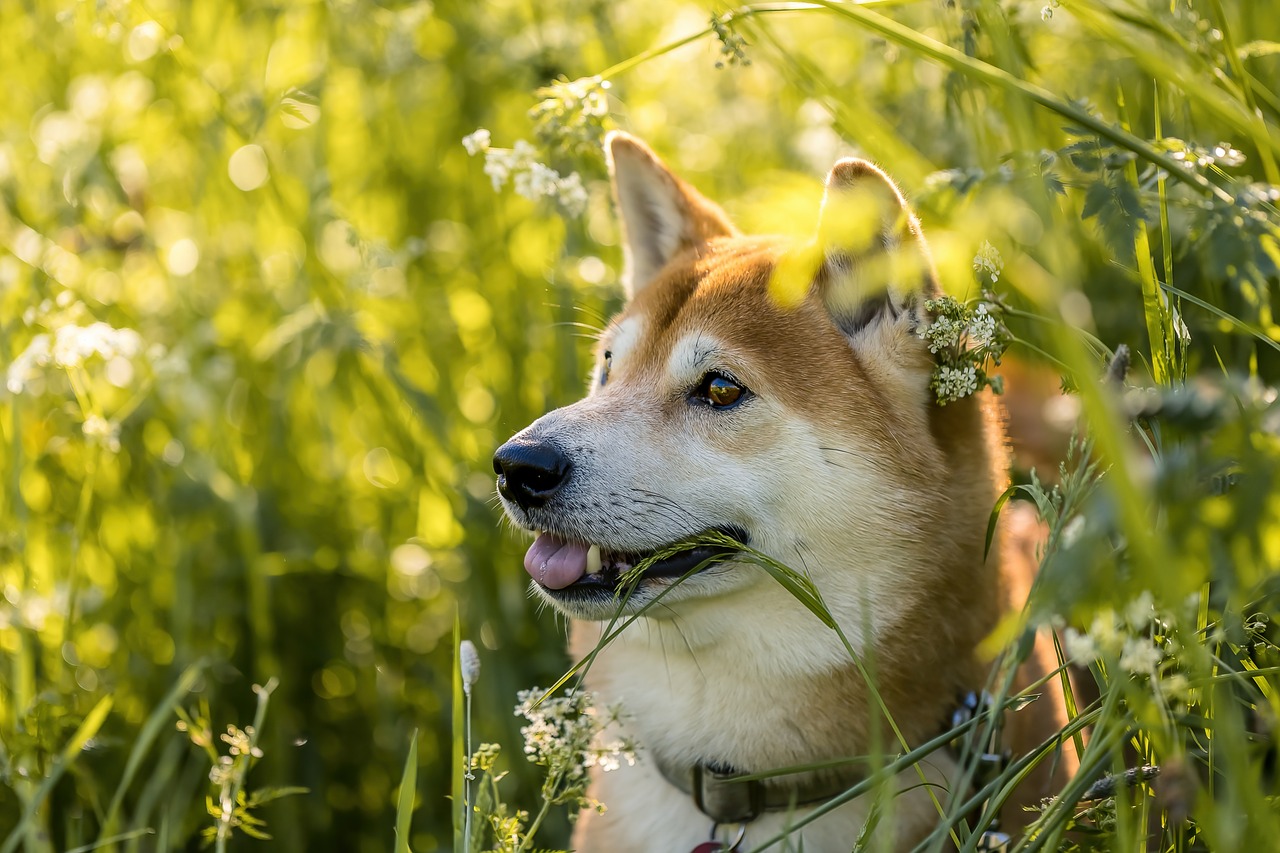
The Shiba Inu embodies the spirit of ancient Japan in a compact, fox-like package that has remained remarkably unchanged for thousands of years. This breed is kin to the Akita Inu and originated alongside other Japanese breeds, existing in Japan for as long as the Akita despite only reaching America about 60 years ago. Their alert, triangular ears and curled tail create a silhouette that could easily be mistaken for a small wolf or fox at a distance.
What makes Shiba Inus truly fascinating is their distinct communication style that sets them apart from modern breeds. The Shiba Inu is known for its unique “Shiba scream,” communicating in ways that differ from traditional barking. This ancient Japanese breed does well with alone time, displaying the independence typical of primitive breeds. Their fierce independence and strong-willed nature reflect the survival instincts that kept their ancestors alive in the mountainous regions of Japan.
Akita Inu: The Samurai’s Loyal Guardian
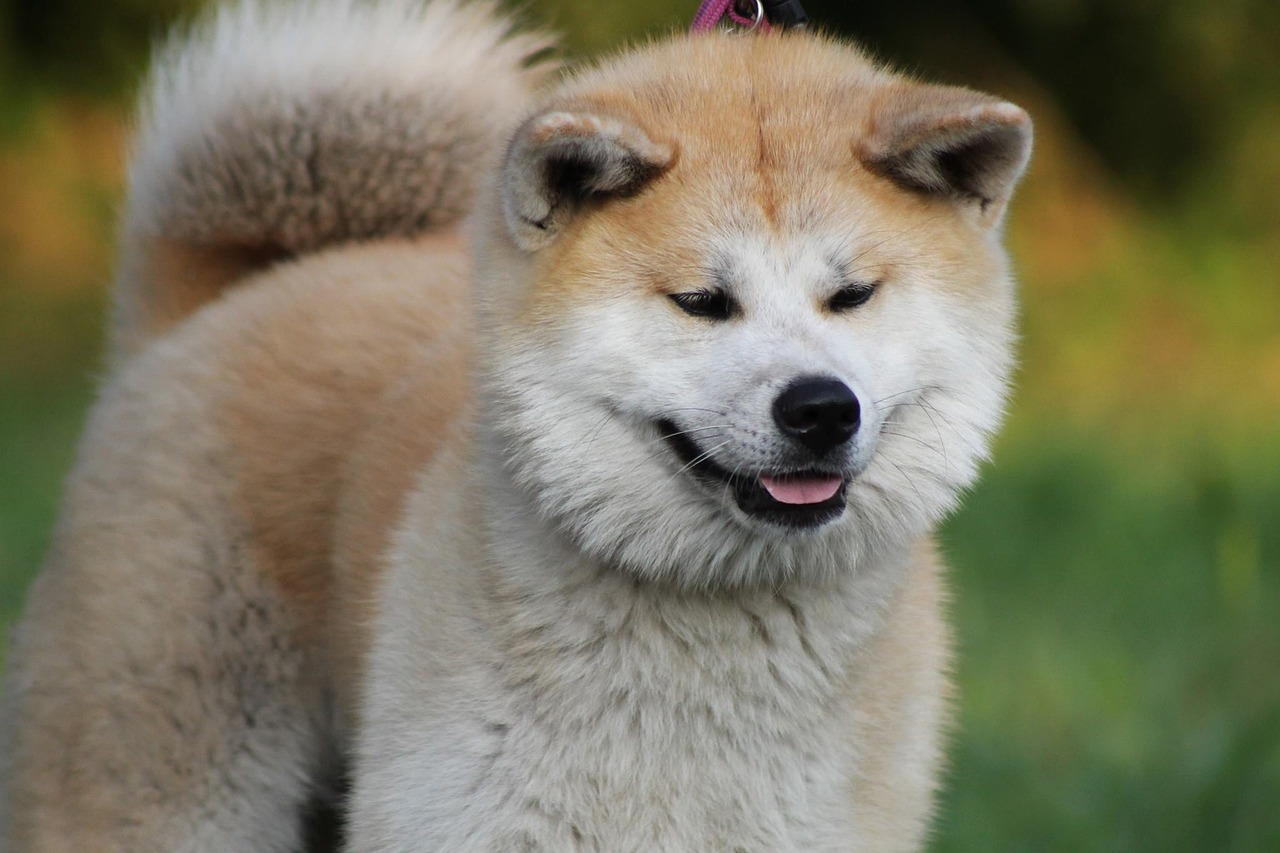
The Akita Inu carries within its powerful frame the spirit of ancient Japan and the loyalty that has made it a legend for centuries. Japan’s contribution to ancient dog lineages, the Akita carries genetic markers distinct from other Asian breeds, suggesting isolated development on the Japanese islands for thousands of years, originally bred by samurai families for hunting wild boar and bears. Their bear-like appearance and dignified bearing reflect their heritage as guardians and hunters in feudal Japan.
The Akita’s wild ancestry manifests most clearly in their fierce independence and natural guarding instincts. They can be aggressive if not properly socialized and trained, though they’re often very patient with their families, including children. The breed’s loyalty became legendary through Hachiko, who waited for his deceased owner at a train station for nearly 10 years, exemplifying their deep bonding capacity and unwavering devotion. This intense loyalty mirrors the pack bonds that were essential for survival in the wild.
Canaan Dog: The Desert Survivor
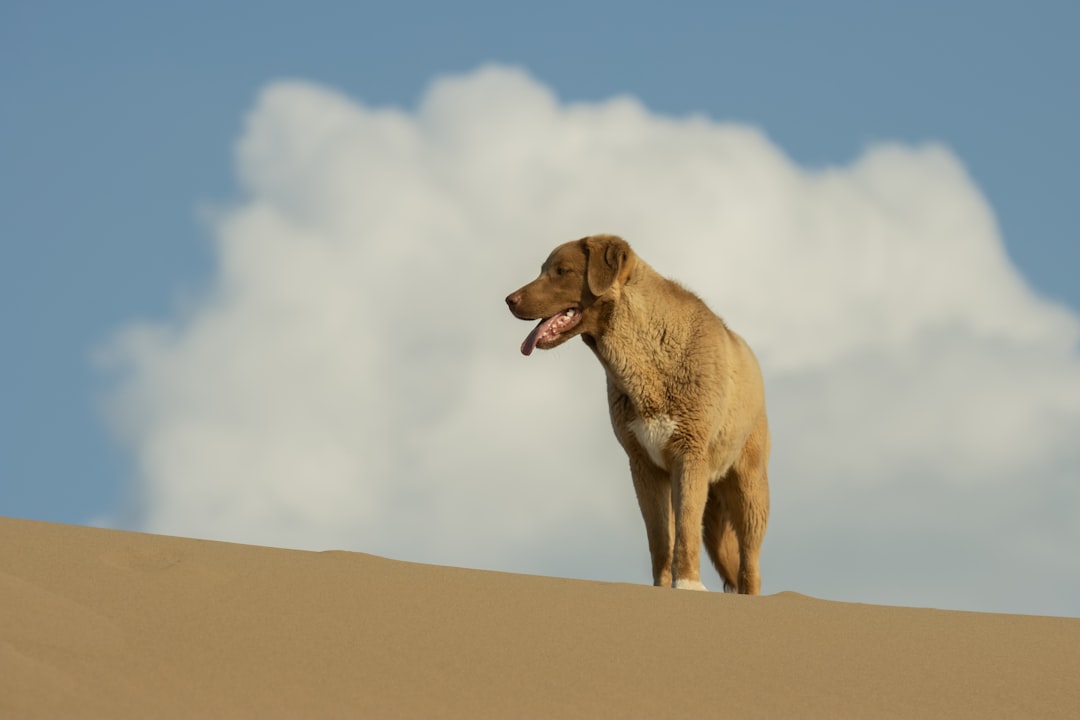
The Canaan Dog represents one of the most authentic connections to our earliest canine partnerships, having survived as a semi-wild breed in the harsh Middle Eastern desert for thousands of years. Ancient archaeological sites in Israel have yielded canine remains that resemble today’s Canaan Dog, with their short-haired, prick-eared appearance and bushy tail that curls over the back. Coming from ancient Israel, the Canaan is believed to be the dog that the Hebrews used in biblical times to guard camps and herd livestock.
Their survival instincts remain incredibly sharp, honed by centuries of living on the edge between domestication and wildness. Though not quite large enough to be effective guard dogs, they are aloof and very noisy, barking at just about anything that moves outside their territory. Territorial and protective, Canaan Dogs don’t readily accept strangers or other animals, requiring socialization training from puppyhood. This wariness of outsiders reflects the vigilance that kept their ancestors alive in the unforgiving desert landscape.
Saluki: The Royal Hunter of the Desert
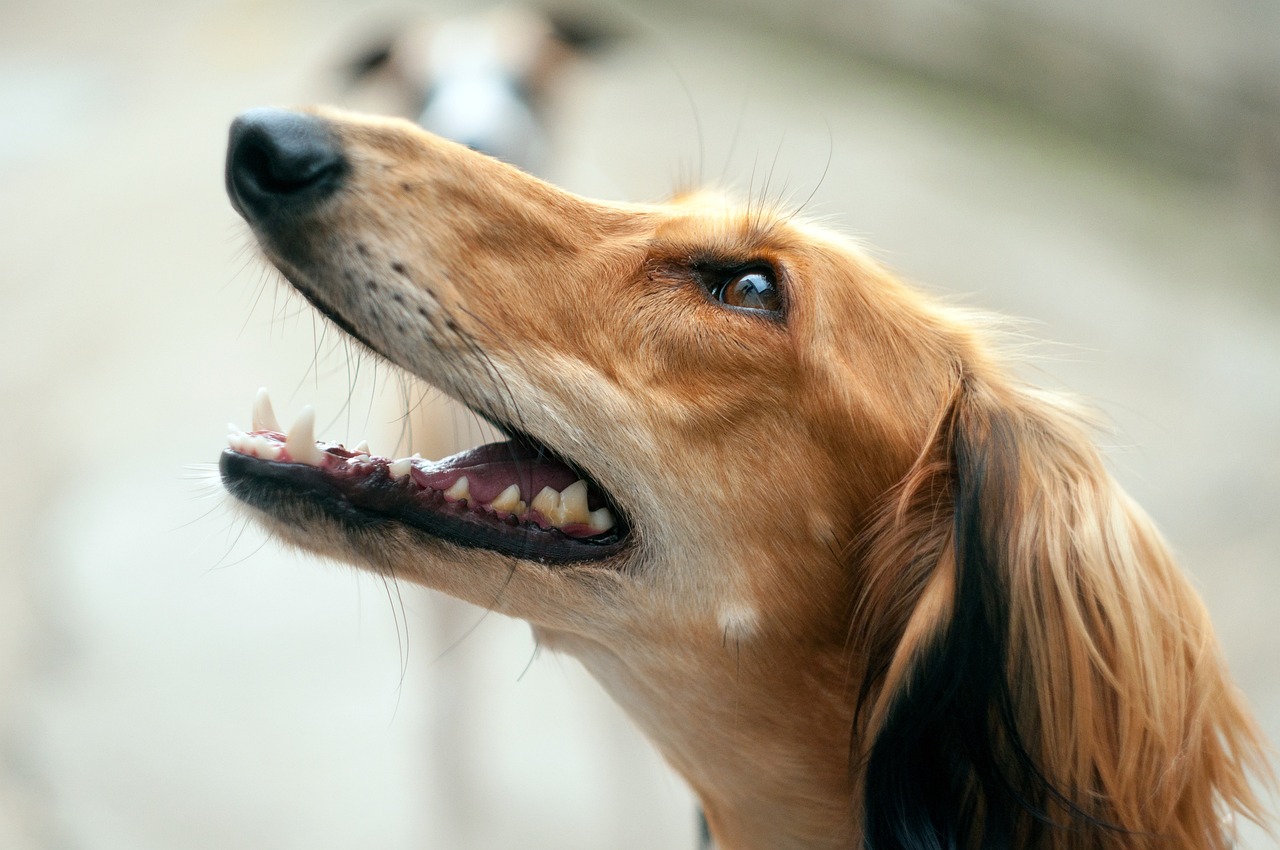
The Saluki glides through the modern world carrying the grace and speed that made it the preferred hunting companion of ancient royalty across the Middle East. Revered by ancient Egyptians and Bedouins as noble hunting dogs, Salukis date back approximately 7,000 years, with their slim build and unmatched speed making them ideal for hunting gazelles. These dogs have ancient origins, reportedly dating back thousands of years as hunting dogs for royalty.
Despite their elegant appearance, Salukis retain powerful hunting instincts that connect them directly to their wild heritage. Though the Saluki closely resembles the Afghan Hound and you would never guess it was one of the dog breeds with wolf ancestors, it is indeed one of the oldest dog breeds, believed to date back thousands of years. Modern Salukis are still admired for their grace, endurance, and loyalty. Their incredible sight-hunting abilities and independent spirit echo the desert winds where their ancestors once pursued prey across endless dunes.
Chow Chow: China’s Ancient Guardian
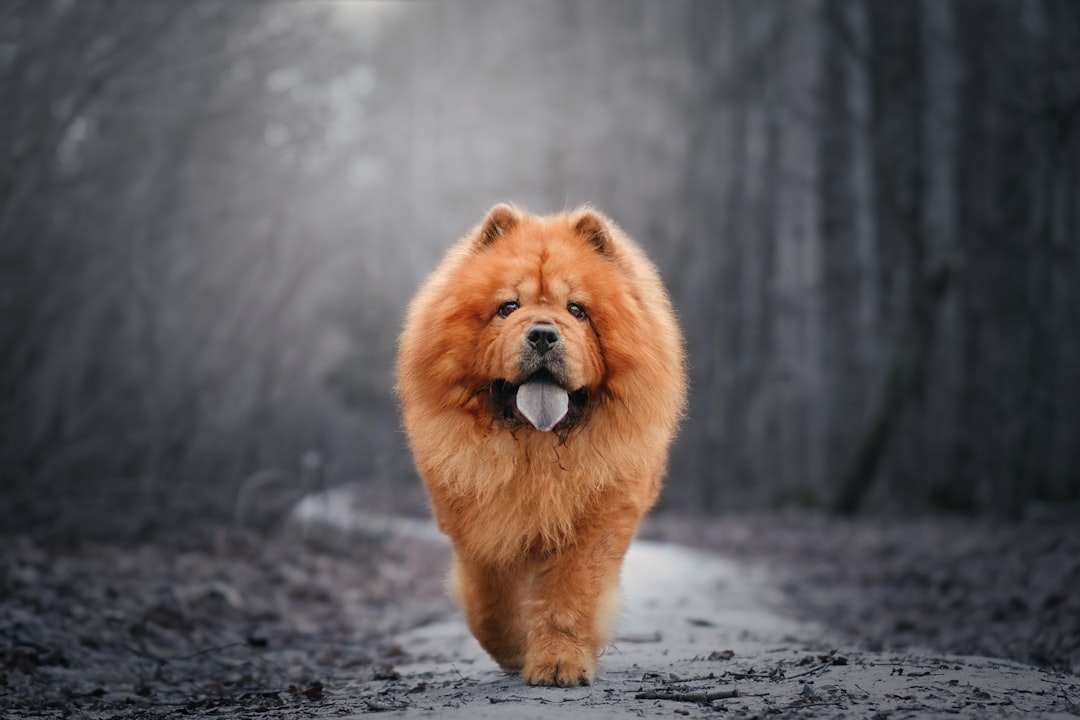
The Chow Chow stands as perhaps China’s most distinctive contribution to the world of ancient breeds, carrying physical and behavioral traits that link it unmistakably to its wild origins. Of all Chinese breeds, the Chow Chow looks most closely like its wild ancestors and is genetically ancient, considered to be one of the oldest breeds still in existence. Their lion-like mane, sturdy build, and distinctive blue-black tongue create an appearance that’s both regal and primitive.
The Chow Chow’s personality reflects the independence and aloofness that would have been essential survival traits in the wild. Asian Spitz type dogs such as the Chow Chow are known to be among the most ancient dog breeds in the world. Their natural wariness of strangers, strong territorial instincts, and tendency to bond deeply with their chosen family mirror the pack dynamics of their wolf ancestors. Unlike many modern breeds bred for constant human interaction, Chow Chows maintain the dignified self-sufficiency that kept their wild predecessors alive in ancient China.
The Living Legacy of Our Wild Past
These eight remarkable breeds serve as living bridges between our modern world and the ancient partnership that first brought wolves to human campfires thousands of years ago. Each carries within their DNA and behavior patterns the echoes of survival instincts, communication methods, and physical adaptations that sustained their ancestors through millennia of natural selection. From the Husky’s haunting howl to the Basenji’s ancient yodel, from the Saluki’s desert grace to the Chow Chow’s primitive dignity, these dogs remind us that domestication is not erasure but evolution.
In our increasingly urbanized world, these breeds offer something irreplaceable: a connection to the wild spirit that still beats within the hearts of our canine companions. They challenge us to understand that the relationship between humans and dogs is not one of complete transformation, but rather a magnificent dance between wildness and domesticity that continues to this day. What do you think about these ancient spirits living among us? Tell us in the comments.
Worried about unexpected vet bills?
Pet insurance can cover thousands in unexpected vet costs. Get a free quote from Lemonade in under 2 minutes.
Get My Free Quote →Sponsored · Opens Lemonade.com
