
Imagine a world where noon is as dark as midnight, where pressure could crush a submarine, and where the only light comes from living things that glow like tiny ghosts. That world is the deep ocean, and down there, predators have turned survival into something that looks almost alien. They have teeth that do not fit in their mouths, lures that shine like tiny lanterns, and bodies built to glide through permanent night.
I still remember the first time I saw a deep-sea documentary as a kid; it honestly felt more like science fiction than nature. The longer you look, the more you realize: the rules of life we know from beaches and coral reefs simply do not apply here. Let’s dive into eight predators that rule this endless darkness, hunting in places where the sun has literally never shone.
The Anglerfish: A Floating Lantern of Doom
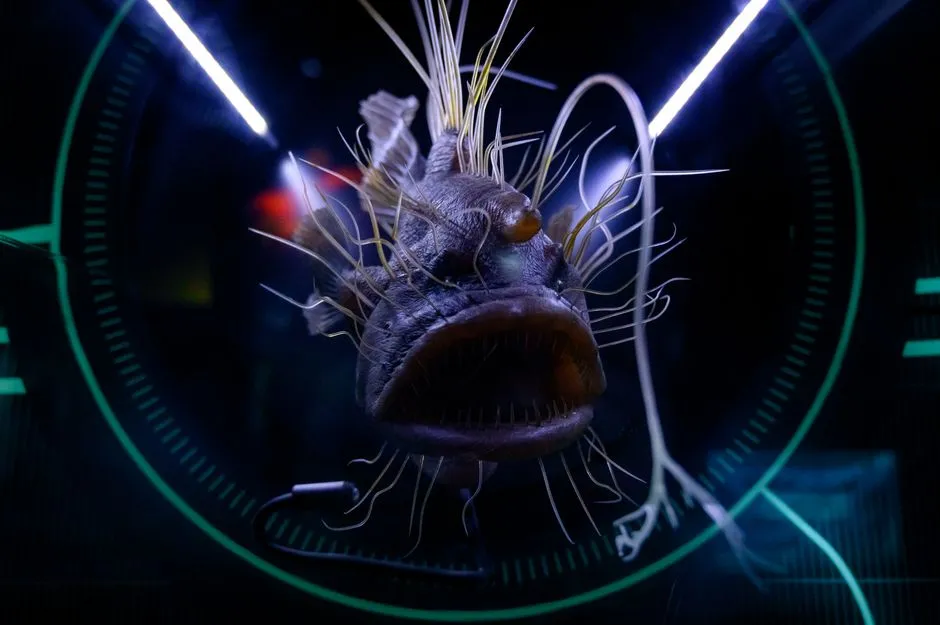
If there were a mascot for deep-sea nightmares, it would probably be the anglerfish. This predator hangs in the black water, barely moving, with a glowing lure dangling in front of its mouth like a tiny, irresistible streetlight in a deserted alley. Small fish and curious creatures swim in close to investigate the light, not realizing that it is attached to a mouth packed with long, inward-pointing teeth.
What makes the anglerfish so eerie is how perfectly it fits its world of scarcity. Food is rare in the deep sea, so instead of chasing prey and wasting energy, the anglerfish turns itself into a living trap, letting the buffet come to it. Its jaw can open absurdly wide, allowing it to swallow prey nearly its own size, like a snake in fish form. In the pitch-dark depths, that tiny glowing lure might be the last thing a victim ever sees.
Vampire Squid: The Misunderstood Shadow Hunter
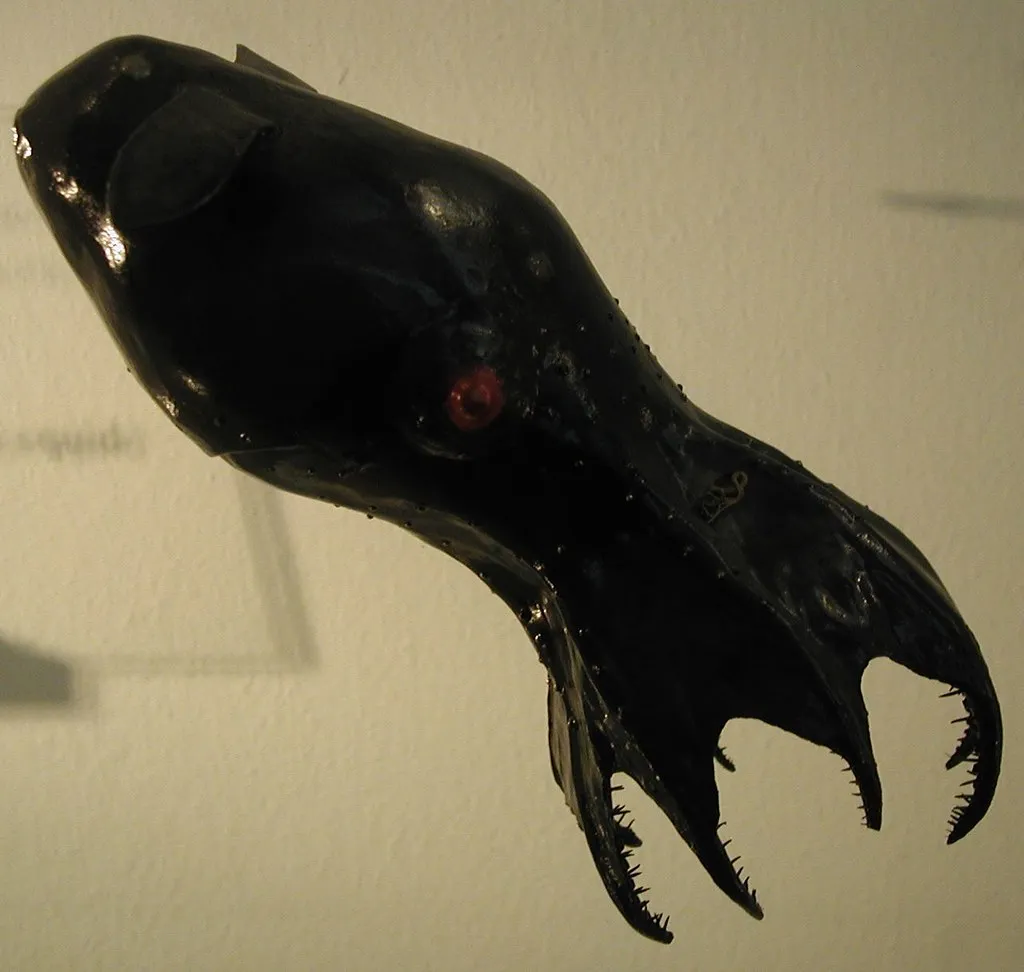
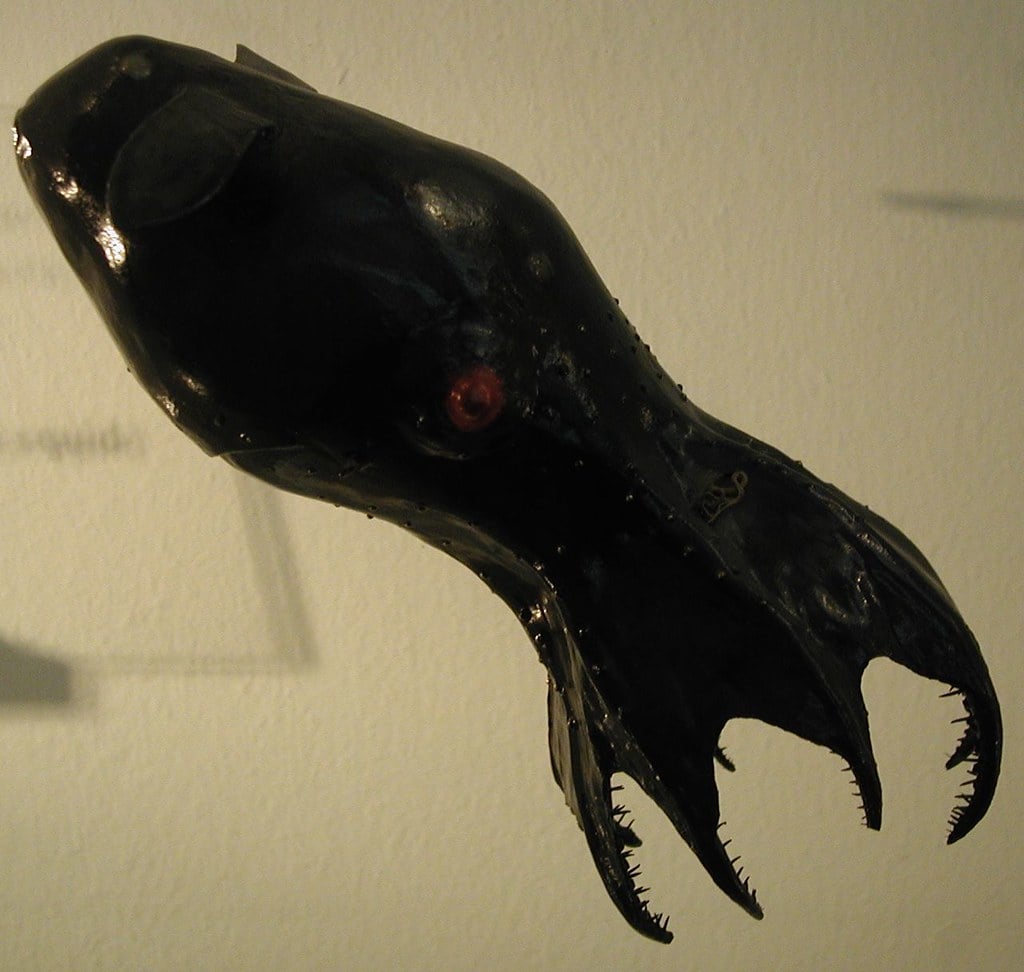
The vampire squid sounds like a horror movie monster, and honestly, it looks the part. With its dark, velvety body, creepy red eyes, and cloak-like webbing between its arms, it seems built to terrify. It lives in oxygen-poor, mid-to-deep waters where many animals simply cannot survive, drifting and hovering through a twilight zone that never truly brightens.
Despite its name, the vampire squid is not a bloodsucking brute racing around munching everything in sight. It is more of a slow-motion ambush artist and scavenger, using sticky filaments to catch sinking organic particles and tiny animals in the water column. When threatened, it flips its arms over its body, exposing spiky-looking projections and turning into a bizarre, inside-out umbrella. It is not the fiercest killer on this list, but in a realm where breathing alone is a challenge, its survival strategy is brutally efficient.
Gulper Eel: A Living, Stretchable Stomach
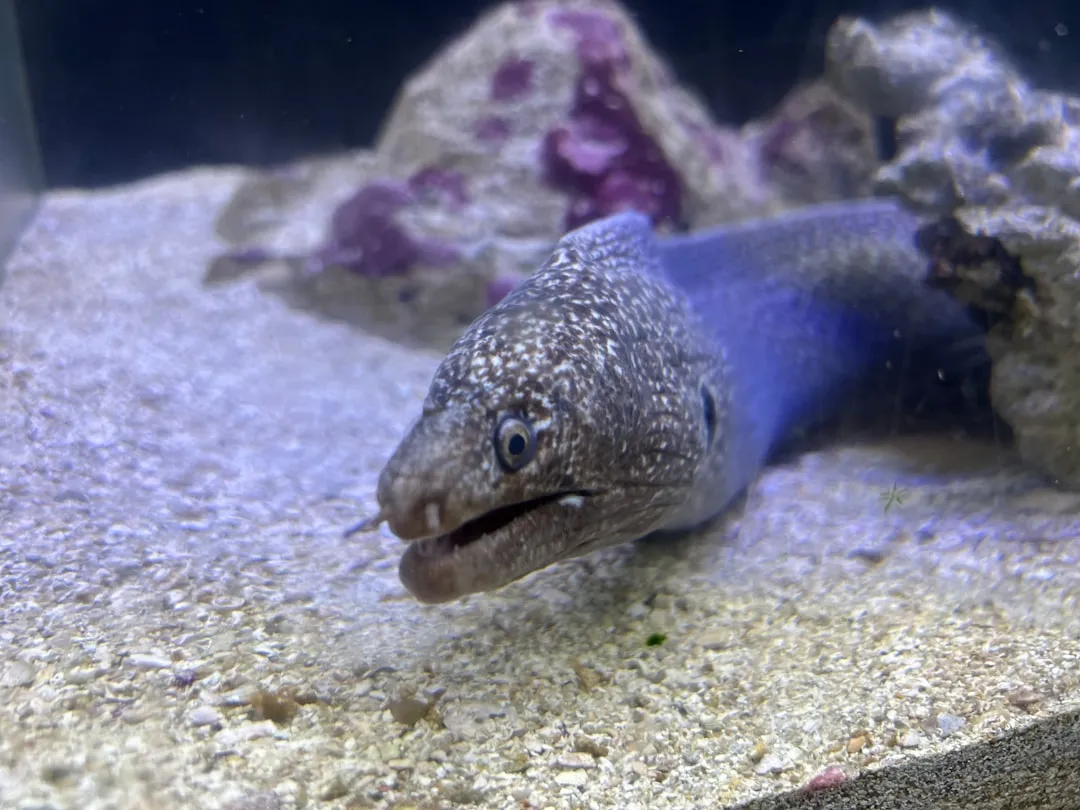
The gulper eel looks like someone sketched an eel from memory and got the proportions wildly wrong. Its head and jaw are huge, forming a balloon-like mouth that can open into a nightmarish, gaping sack, while its body trails behind in a long, whiplike tail. This massive mouth is its main weapon, a way to grab almost anything that stumbles into its path in the abyss.
In a place where meals are unpredictable, you do not want to be picky, and the gulper eel is the definition of not picky. It can swallow prey much larger than what a typical fish of its size could handle, simply because it can stretch its mouth and gut like a deep-sea shopping bag. Some species also have bioluminescent tips on their tails, which may act like subtle lures. Picture a silent, drifting balloon in the dark, suddenly snapping open and engulfing whatever unfortunate creature got too close.
Fangtooth Fish: Tiny Body, Terrifying Bite
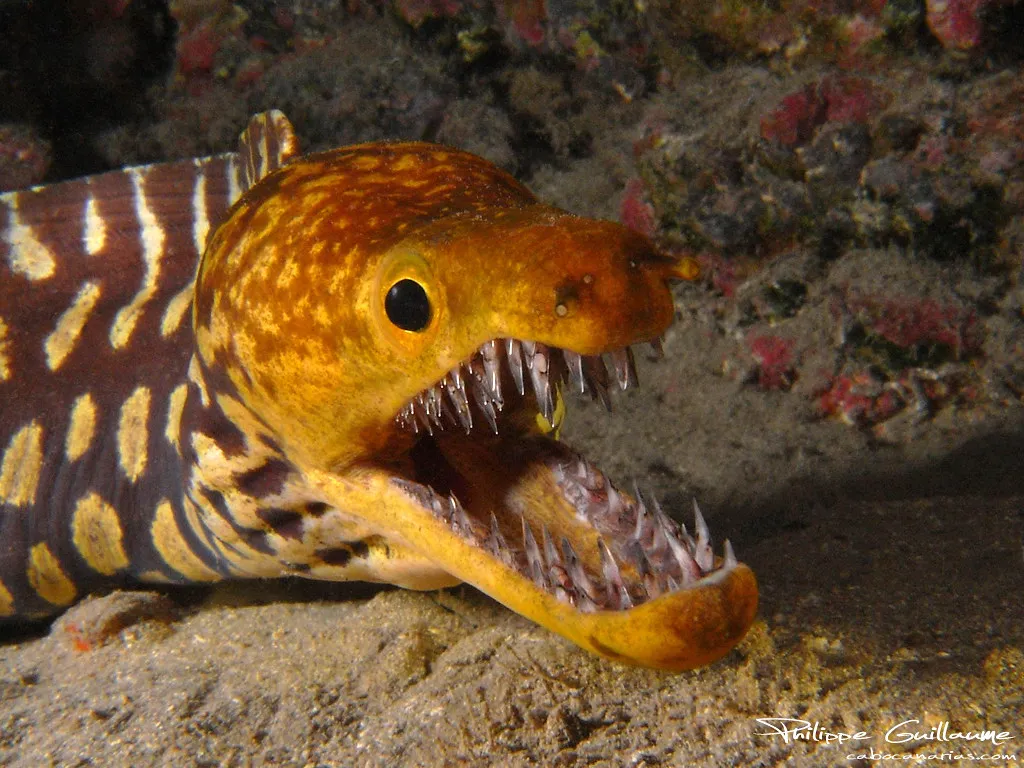
If you judged predators only by their teeth, the fangtooth might win the title outright. This fish is relatively small, but its fangs are so long that it literally has grooves in its skull to make space for them when it closes its mouth. In photos, it looks like someone shrank a monster from a fantasy novel and dropped it into the ocean’s deepest ravines.
The fangtooth roams through deep, cold waters where it hunts other fish and elusive prey that might flash past in the dark. Instead of relying on sight like shallow-water hunters, it uses heightened senses, including a refined lateral line system to detect vibrations and movement around it. Its exaggerated teeth act like a living bear trap: once they clamp down, escape is basically impossible. It proves that in the deep sea, being small does not mean you cannot be terrifying.
Giant Squid: The Elusive Titan of the Abyss
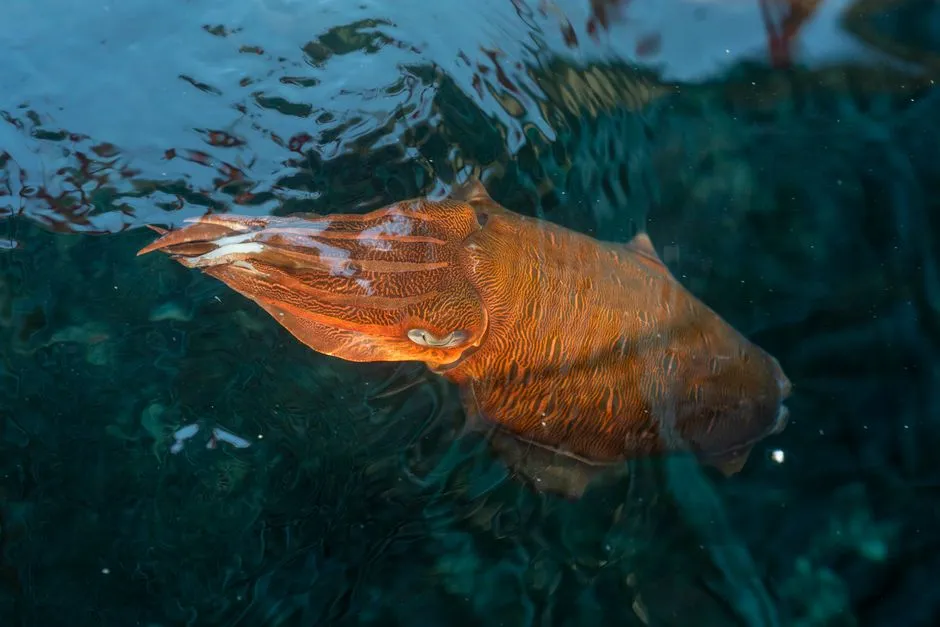
The giant squid is the ocean’s original legend, the creature sailors once blamed for sinking ships and dragging men into the deep. For generations, people saw only dead specimens washed ashore or scars on whales’ skin, and had to imagine what the living animal looked like. Today we know it is real, enormous, and still shockingly mysterious, cruising in the dark zones of the ocean far below the surface.
Armed with long feeding tentacles lined with powerful suckers, the giant squid is built to snatch fast-moving prey like deep-water fish and other squids. It has huge eyes, among the largest in the animal kingdom, giving it an edge in spotting faint silhouettes and flashes in low light. Its main rival and sometimes predator is the sperm whale, and the marks from these clashes are literal battle scars of the deep. When you realize that something this massive can stay almost invisible to us, it makes the whole deep ocean feel like unsolved myth.
Goblin Shark: The Living Fossil With a Spring‑Loaded Jaw
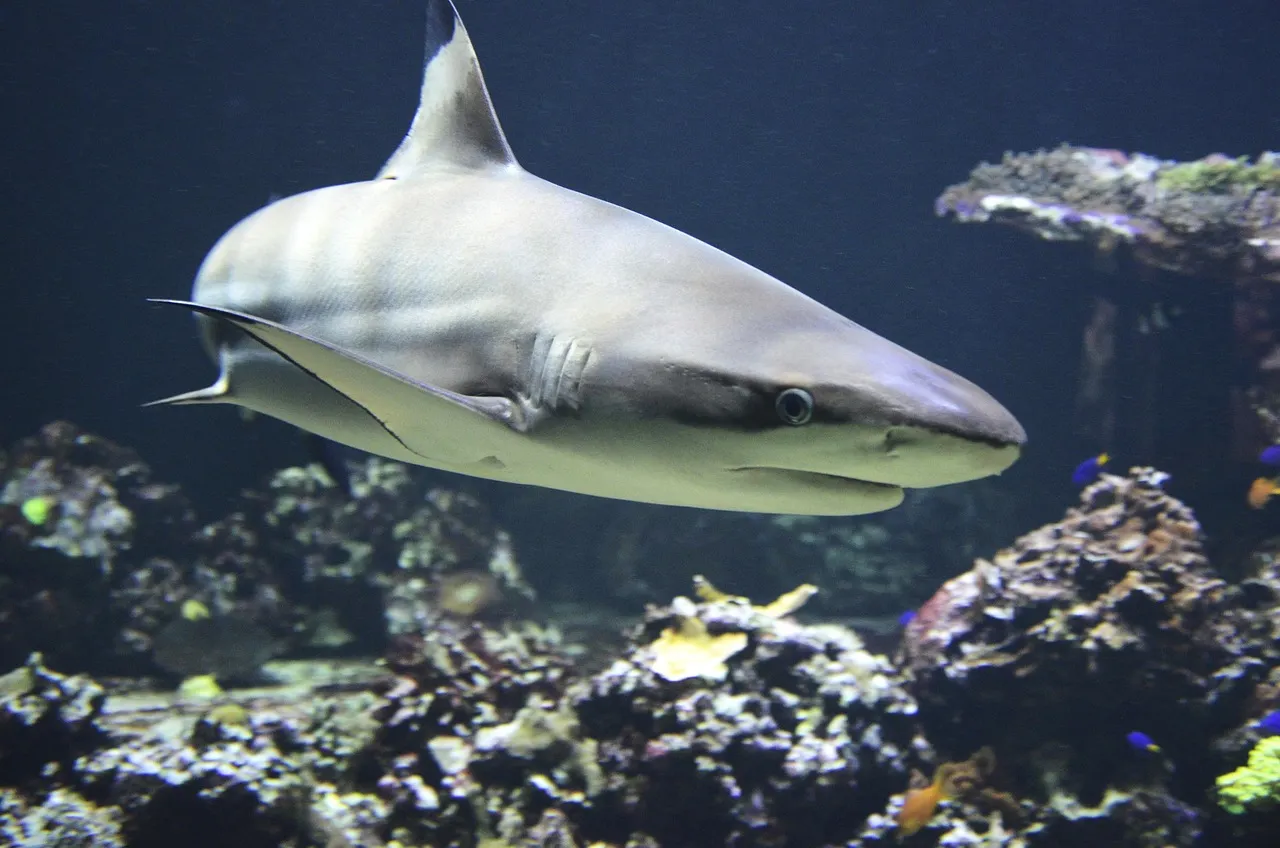
The goblin shark looks like it was designed by a creature-effects team for a sci-fi horror movie. With its long, flattened snout, pale skin, and needle-like teeth, it hardly resembles its shallow-water cousins. It is often called a living fossil because its lineage goes back tens of millions of years, surviving long after many of its relatives vanished.
What truly sets the goblin shark apart is its jaw mechanism. When it strikes, its entire jaw shoots forward in a sudden, snapping motion, almost like a spring-loaded trap thrown out of its face. This lets it grab prey quickly in the dim, deep water where visibility is terrible and reaction time matters. Watching slow-motion footage of that jaw launching out is unsettling and mesmerizing at the same time, a reminder that evolution sometimes chooses the strangest possible tools for the job.
Viperfish: The Needles-in-the-Dark Assassin
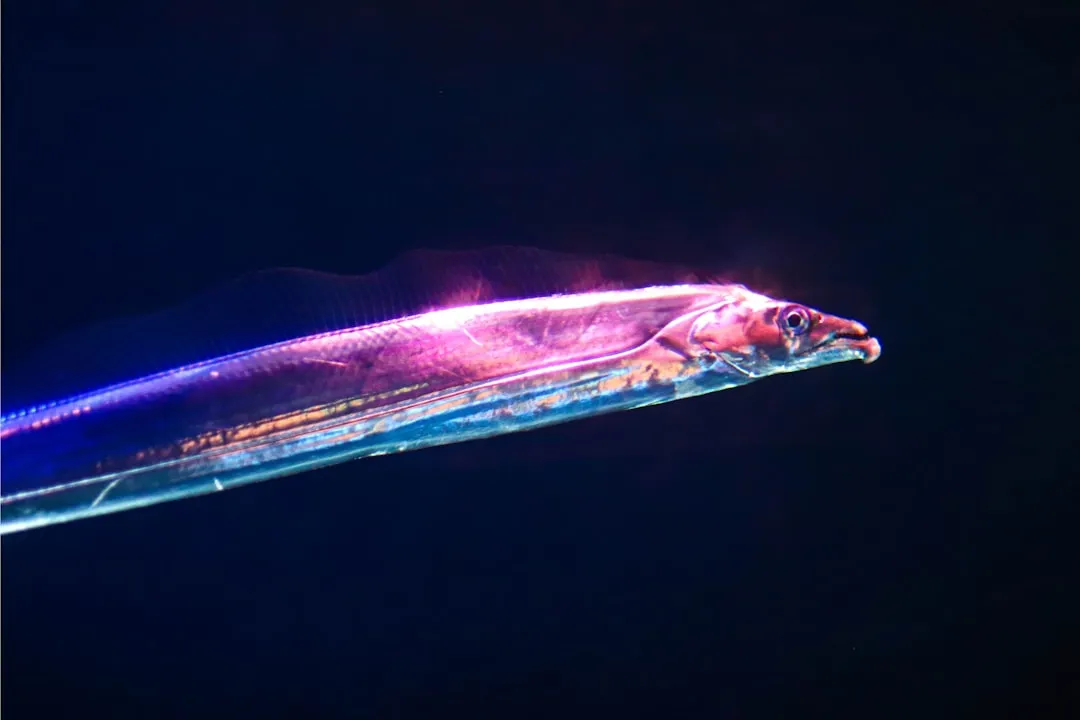
The viperfish looks like it was built from sharp angles and bad intentions. Its body is lean and torpedo-shaped, but its head is oversized, with a mouth full of long, glassy fangs that point inward like a cage. It often sports bioluminescent organs along its body and a glowing fin ray that can act as a lure in the darkness, advertising a fake promise of safety or food.
This predator strikes fast, rushing at prey with its jaws open wide, then slamming shut around whatever unfortunate animal crossed its path. In a region where day and night blur together into a permanent gloom, the viperfish uses light carefully, flicking on or off like a hunter deciding when to pull the trigger. It is one of those creatures that makes you realize just how hostile the deep sea can be: every little flash, every faint shimmer, might be hiding a mouth full of needles.
Pelican Eel: The Bizarre Balloon‑Mouthed Drifter
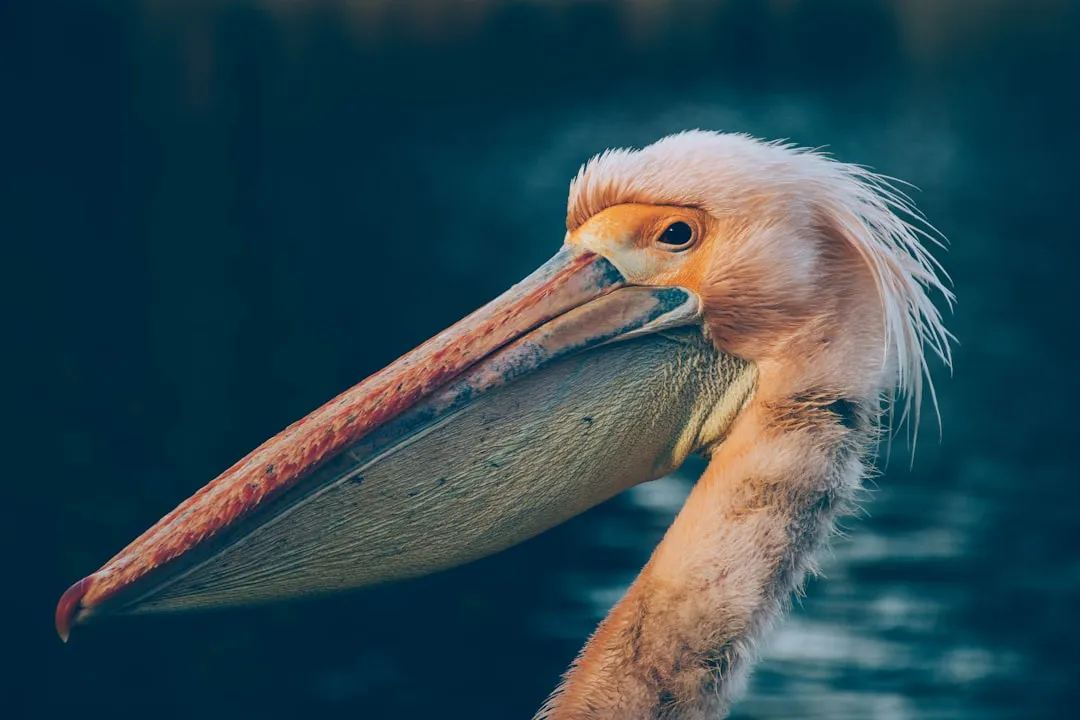
Even among deep-sea oddities, the pelican eel stands out as downright strange. Its body is thin and elastic, but its head and jaw are enormous, forming a pouch-like mouth that looks more like a bird’s beak than a fish’s. The moment it opens up, the entire front of its body turns into a kind of living net, ready to trap swarms of small crustaceans and fish.
The pelican eel is thought to be more of a slow drifter than a high-speed chaser, which makes sense when you think about how energy-starved the deep ocean really is. It may rely on sudden gulps rather than targeted precision strikes, grabbing whatever cloud of prey it can manage in a single, exaggerated bite. Some species have glowing organs at the tip of their tails, which may help attract attention in the dark, like a neon sign on an otherwise unlit street. It proves that in the deep sea, looking weird is often just another way of being perfectly adapted.
Conclusion: Predators Shaped by a World We Barely Know
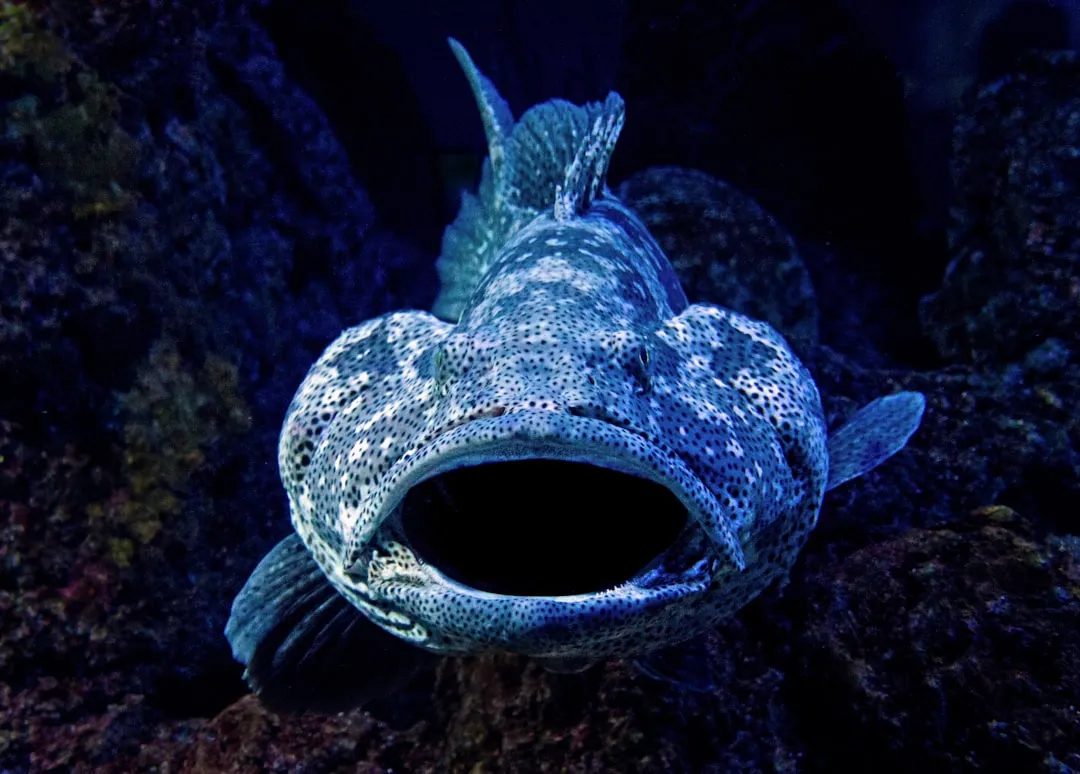
The most unsettling thing about these deep-sea predators is not just how strange they look, but how normal those shapes and strategies are for the world they live in. In a place with crushing pressure, freezing temperatures, and almost no light, evolution has written a brutal rulebook: save energy, grab every opportunity, and waste nothing. Teeth grow longer, jaws become stretchable, bodies turn into stealthy, glowing traps, and every meal might be the difference between survival and starvation.
Personally, the more I learn about these animals, the less I see them as monsters and the more I see them as survivors on hard mode. They did not choose to be nightmare fuel; they were sculpted by a planet that is far wilder and harsher than most of us ever see. And considering how little of the deep ocean we have actually explored, it is hard not to wonder what else is still out there, hunting in the dark where no sunlight has ever reached. Which of these predators surprised you the most?

- 8 Deep-Sea Predators That Hunt Where Sunlight Has Never Reached - August 23, 2026
- 9 Cat Behaviors That Look Aloof but Actually Require a Great Deal of Trust - August 23, 2026
- 8 Things Cats Do Before Choosing a New Favorite Sleeping Spot - August 23, 2026