
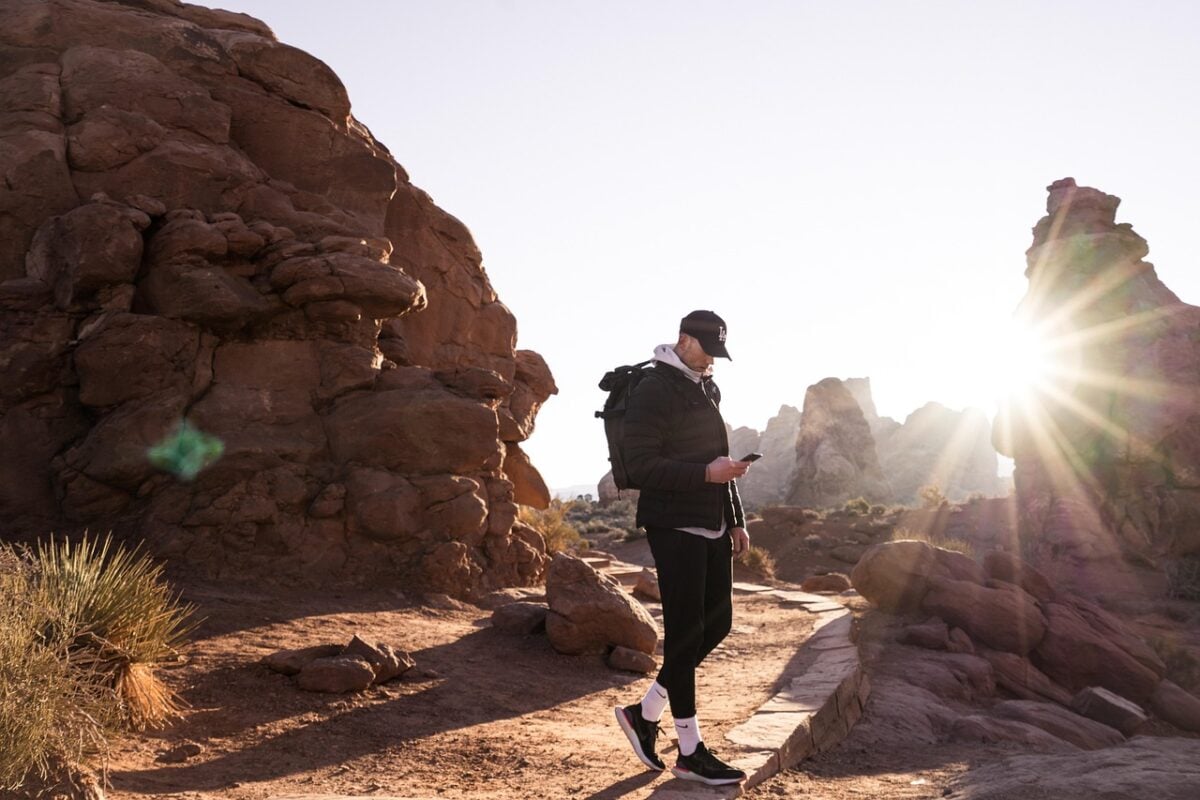
There is something both terrifying and magnetic about the words “after dark” and “desert” in the same sentence. The Sonoran Desert in Arizona is not some empty stretch of sand; it is a living maze of cactus spines, venom, heat‑soaked rocks and animals built for extremes. When people are found alive out there at night, it is never an accident. It is a mix of preparation, stubbornness, tiny smart decisions, and sometimes the kind of luck you only appreciate when the sun comes up.
I still remember my first night hike near Tucson: headlamp beam shaking slightly, every rustle in the brush sounding like a rattlesnake, and the sky so full of stars it felt like the land had vanished. It hit me then that anyone who gets stranded out there after dark is standing inside a silent countdown. In this article, we’ll walk through eight powerful reasons someone in Arizona’s Sonoran Desert might make it out alive at night – eight “survivors” in the broadest sense: skills, tools, choices and natural allies that can turn a potential tragedy into a story people tell for years.
The First Survivor: Staying Put Instead of Wandering
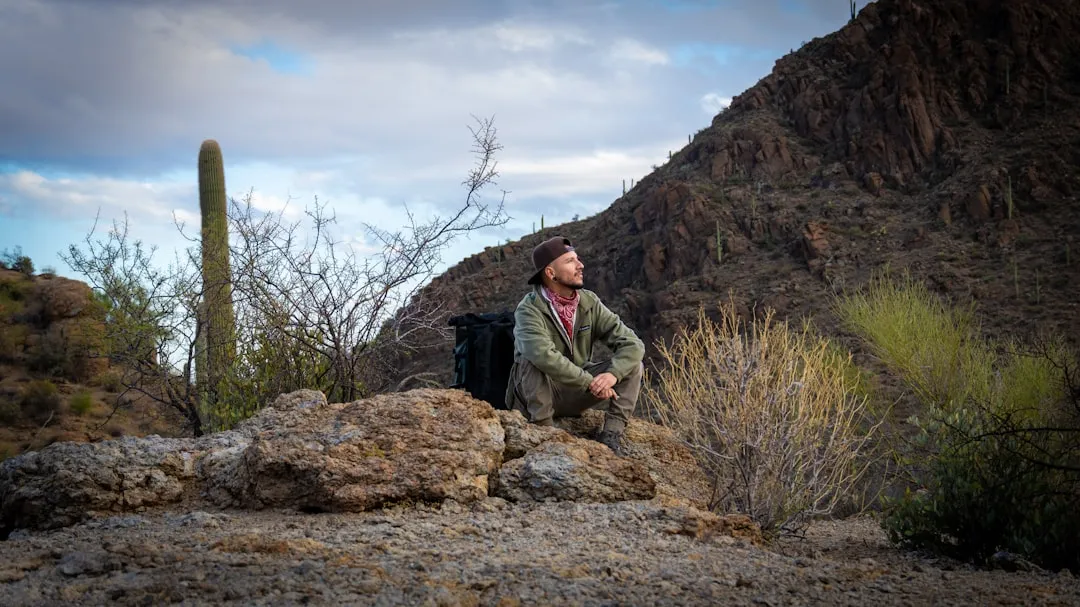
One of the most underrated survival decisions in the Sonoran Desert after dark is simply this: stop walking. When the sun drops, disoriented hikers often feel an almost panicked urge to “do something,” which usually turns into aimless wandering. In terrain broken by washes, rocky outcrops and spiky vegetation, every extra step is another chance to twist an ankle, walk off a ledge or move farther away from rescuers who are already triangulating the last known location.
Staying put is not just about sitting down and hoping for the best. It is an active strategy: find a slightly elevated, visible spot away from cacti and loose rock, mark it with a headlamp, reflective gear or even a phone screen, and focus on conserving energy and warmth. Search and rescue teams in Arizona repeatedly say that people who stop moving after realizing they are lost are more likely to be found alive. It goes against the instinct to “push through,” but in the Sonoran night, stillness often beats bravado.
The Second Survivor: Water Rationing and Heat Management
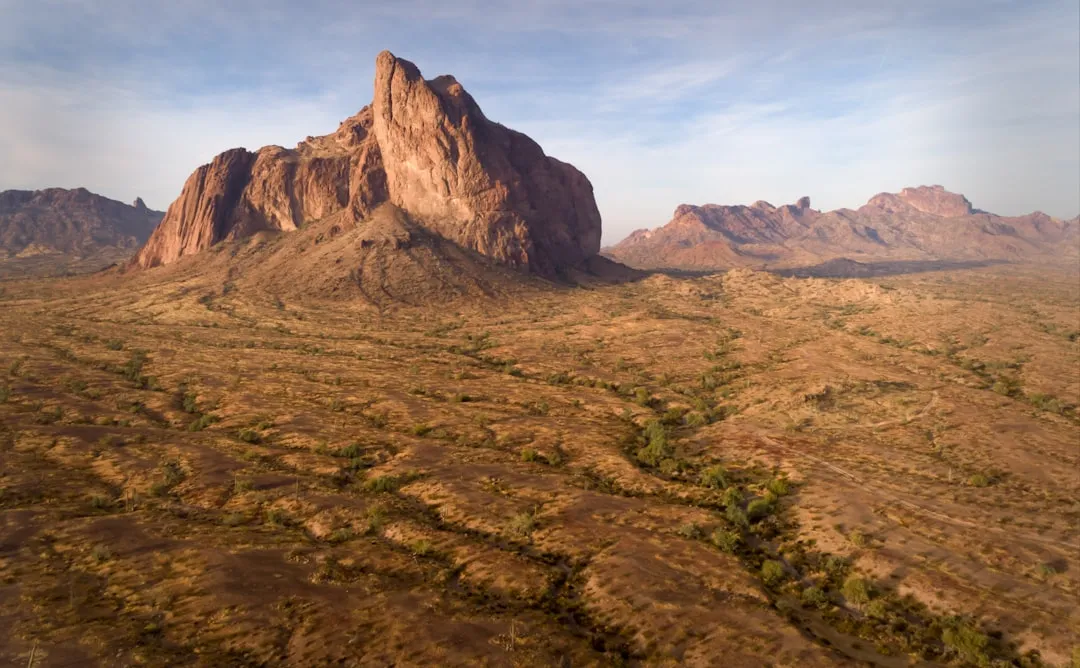
Everyone hears “hydrate, hydrate, hydrate,” but in a desert emergency that advice becomes more subtle. Gulping down all your remaining water the minute you feel terrified is a fast track to trouble. Smart survivors in the Sonoran Desert treat each mouthful like a tiny life extension – spacing sips, keeping their mouth moist, and pairing drinking with shade or rest so their body actually gets to use the moisture instead of sweating it out immediately.
Heat management does not end when the sun goes down either. Rocks and sand radiate stored heat for hours, and your body can still overheat if you are overdressed and stressed. Survivors loosen clothing to allow airflow but keep long sleeves and pants to protect from spines and insects. They avoid lying directly on hot ground and use a pack, spare clothes or even a bed of dry vegetation as a buffer. That mix of careful water use and intentional body cooling buys them time, which in desert rescue scenarios is everything.
The Third Survivor: Respecting Night Wildlife, Not Fighting It
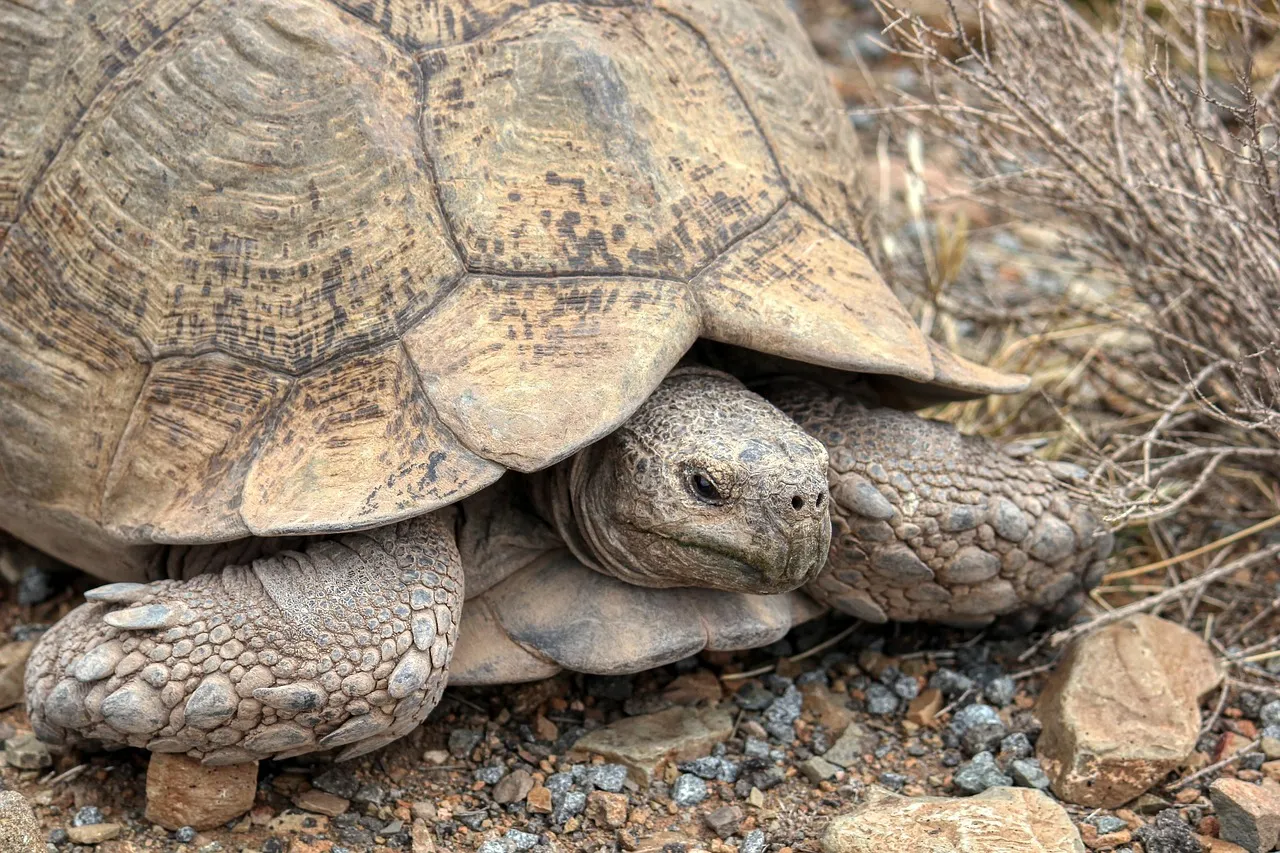
People imagine the Sonoran Desert at night as a horror movie full of rattlesnakes and scorpions lining up to attack. The reality is more nuanced: most animals out there want nothing to do with you, but they will defend themselves if you blunder into them. Survivors respect this invisible crowd. They shake out boots before putting them back on, avoid sticking hands into crevices, and use a light to scan the ground before every step or when sitting down.
That same wildlife can also be a strange kind of comfort. Hearing a coyote yip in the distance or seeing the silhouette of an owl overhead is a reminder you are not in a dead world; you are in an ecosystem that functions every single night. Survivors who keep their cool around animal sounds tend to make calmer choices overall. Instead of wasting energy on fear of every rustle, they channel that energy into real risks: staying visible, staying hydrated and avoiding injury.
The Fourth Survivor: Using Technology Without Trusting It Blindly
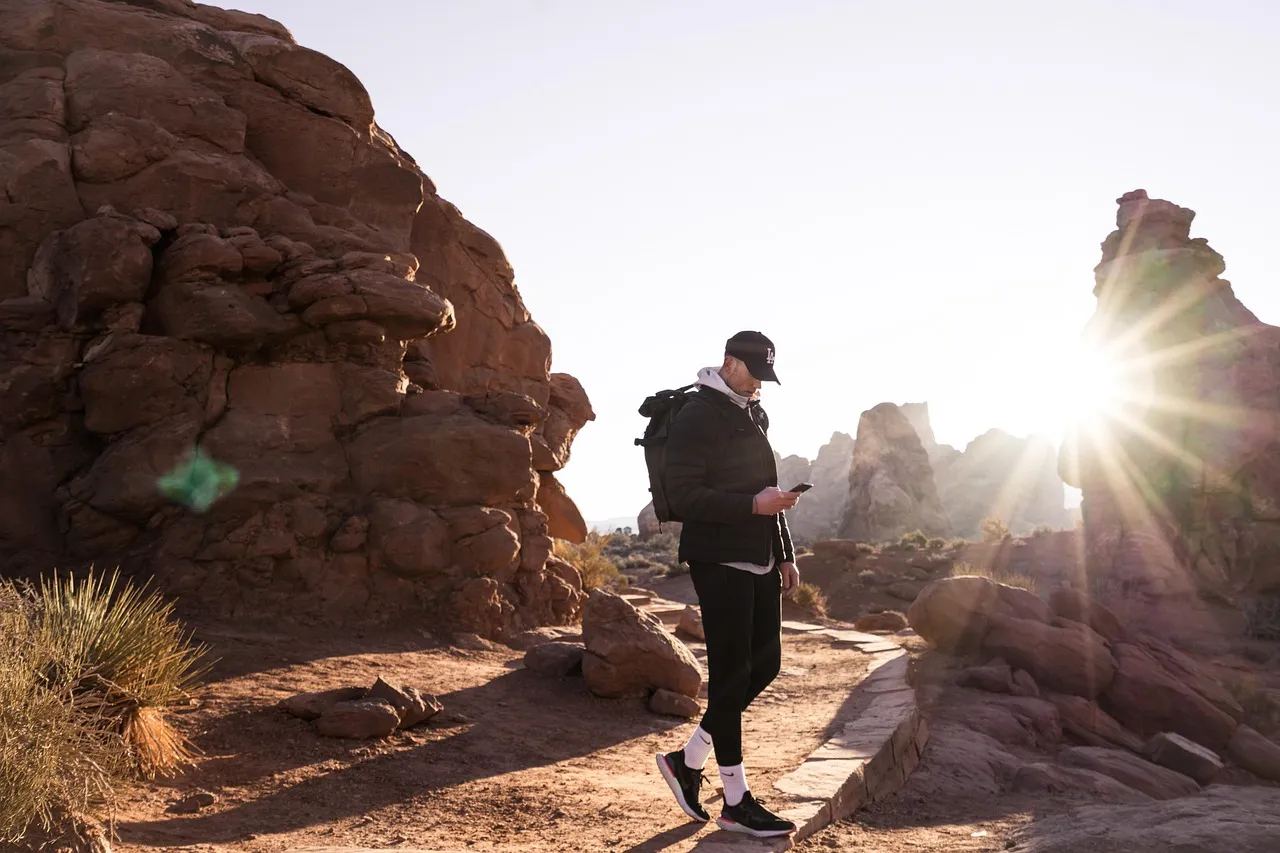
In 2026, almost nobody heads into the desert without a phone, but technology has a brutal habit of failing exactly when you need it. Signal drops in canyons, batteries drain faster in heat and cold, and map apps can lag or misread faint trails. The people who survive after dark in the Sonoran Desert do not throw their phones away; they treat them as one tool among many. They lower the screen brightness, switch to airplane mode when not calling or texting, and save battery for short, targeted check‑ins with 911 or emergency contacts.
At the same time, they do not let a blue dot on a map override their senses. If their GPS suggests a straight line that would send them over cliffs or through dense cholla fields, they are willing to ignore the app and prioritize safety. Many rescues in Arizona start with a partial phone ping that gives search teams a rough search area. Survivors who understood their phone’s limits – rather than assuming it was a magic lifeline – are often the ones who make it long enough for that vague ping to turn into a helicopter overhead.
The Fifth Survivor: Clothing That Works Like Portable Shelter
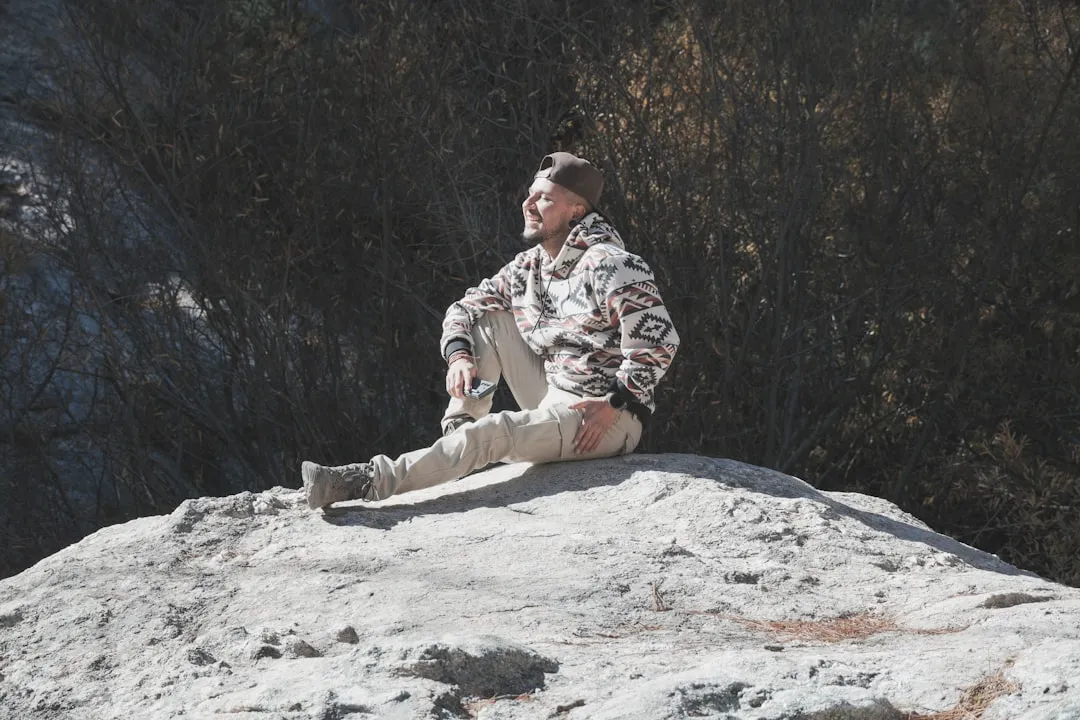
In the Sonoran Desert, what you wear can silently decide whether you make it through the night. People tend to think of the heat, but after dark temperatures can swing down hard, especially in higher or more open areas. Survivors are often the ones who started with long, light‑colored sleeves, a hat with a brim, and fabrics that breathe in the day but still trap some warmth when the breeze picks up at night. Clothing becomes a kind of mobile shelter you do not have to pitch.
Even simple items take on outsize importance: a bandana to shield the neck from sun in the late afternoon and later to cover the nose and mouth from dust, or a light jacket you almost left in the car but tossed in your pack at the last second. I have kicked myself more than once for hiking without that “extra” layer I thought I did not need. Survivors in the Sonoran after dark are usually the ones who erred on the side of over‑preparing their wardrobe, even when friends teased them for packing like they were crossing a continent.
The Sixth Survivor: Improvised Shelter and Smart Use of Terrain
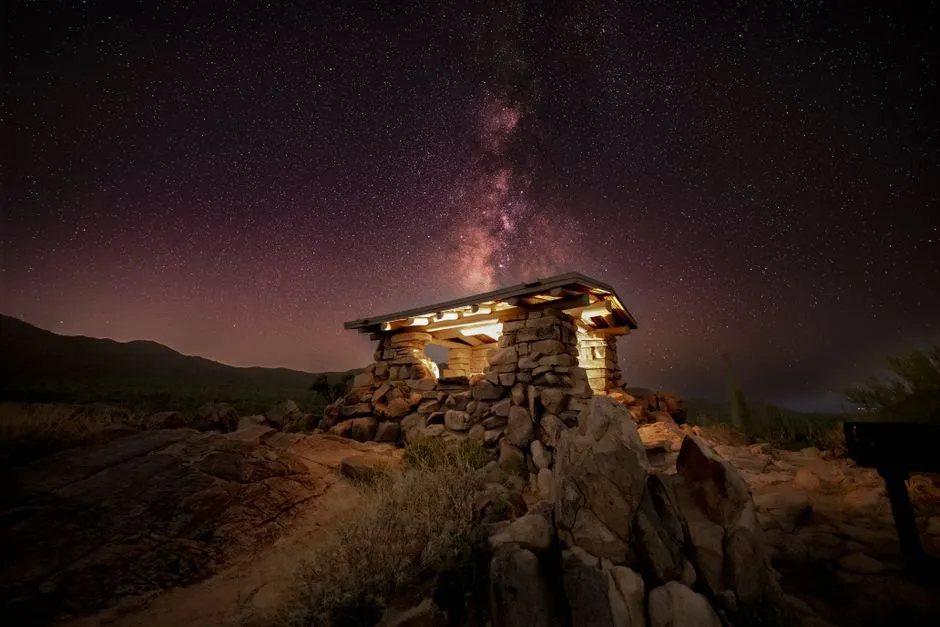
When you are stuck out there after sunset, the desert itself becomes your toolbox. Survivors look around and ask, “What can keep me off the wind, away from spines, and a bit safer if it gets colder?” They might tuck themselves behind a boulder that blocks the breeze, sit under the sparse canopy of a palo verde tree, or use a dry wash bank as a partial wall. They avoid low spots if there is any hint of storms, but in clear weather, even a shallow depression can limit wind exposure.
Improvised shelter does not have to look pretty to work. A backpack can be a pillow and windbreak. Extra clothing or even a space blanket becomes a makeshift cocoon. Survivors also keep clear of cactus clusters, especially cholla, which has a nasty habit of putting barbed segments into anything that brushes near it. It is amazing how much difference a few feet of chosen ground can make – enough to turn a miserable night into a survivable one.
The Seventh Survivor: Mental Grit and Panic Control
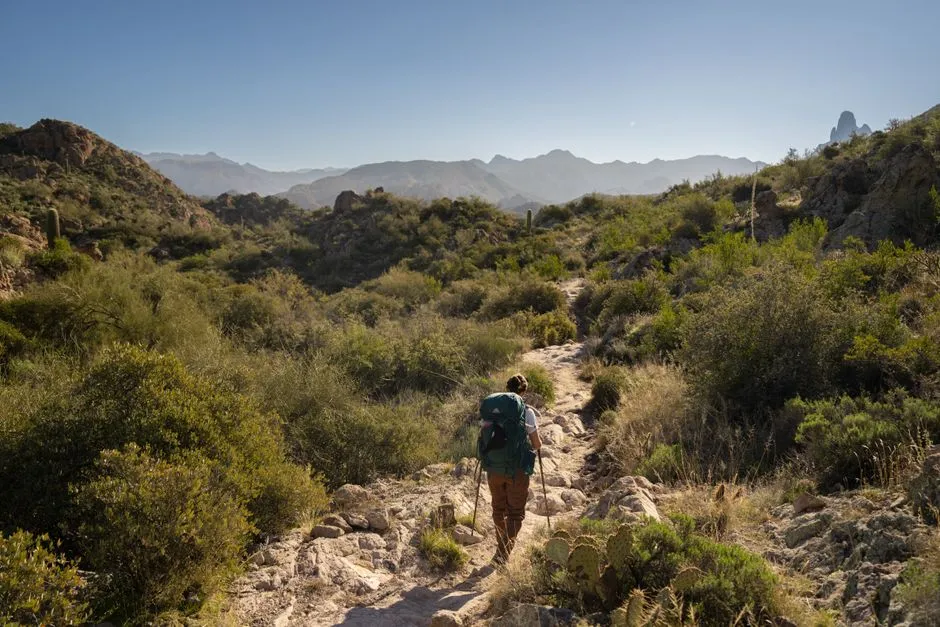
The Sonoran Desert after dark can play tricks on your mind. Distances stretch, shadows move, and silence becomes loud. People who make it through often talk about a specific moment when they realized panic was creeping in and made a conscious decision not to let it run the show. They slow their breathing, focus on one small task at a time – like organizing their pack, choosing a safe sitting spot, or planning the next call for help – instead of spinning worst‑case scenarios in their head.
Mental grit is not about pretending you are not scared; it is about being scared and acting wisely anyway. A calm person will remember to turn their phone on only periodically to check for signal, to ration water, and to avoid wandering into more dangerous terrain. A panicked person might burn through their battery, stumble in the dark and burn precious energy screaming or running. In almost every search and rescue debrief I have ever heard, mindset is the invisible survivor that either stays with you or deserts you when things go wrong.
The Eighth Survivor: Communication and Letting Yourself Be Found
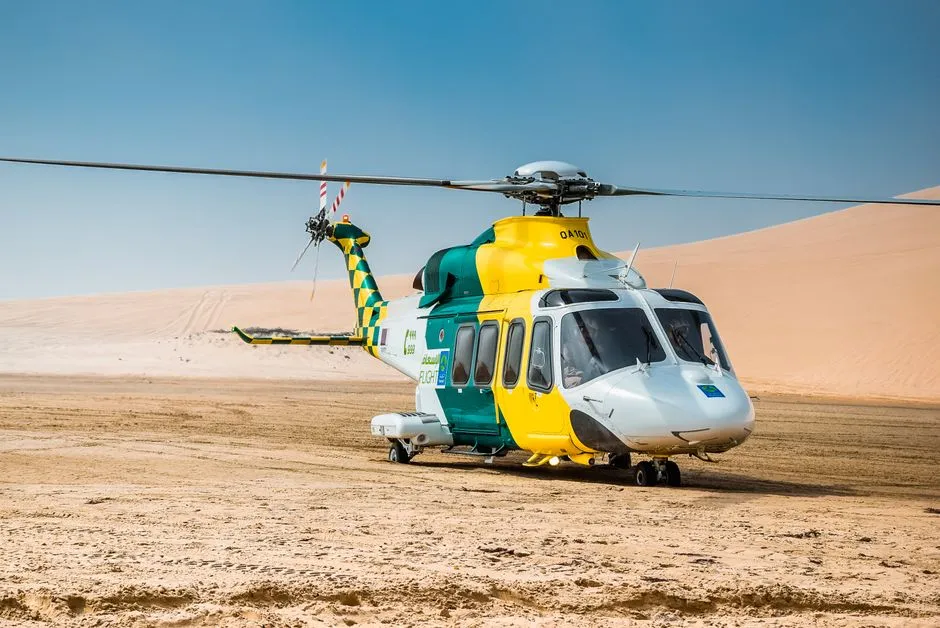
Survival in the Sonoran Desert after dark is not just about what you do once you are lost – it starts long before that. People who live to tell the story are often the ones who left a clear plan with someone: where they were going, which trailhead they would use, what time they expected to be back. When things go sideways, that simple habit gives search teams a massive head start. Once stranded, survivors keep trying for short, clear communications: a quick call to 911, a single text with location details, or even flashing a light toward the sound of a helicopter or vehicle.
Letting yourself be found sounds obvious, but many people unintentionally make it harder. They keep moving after calling for help, they pick spots hidden under thick cover, or they huddle in low, invisible drainages. Survivors think like rescuers: stay higher if possible, pick open areas when safe, create contrast with the landscape using bright clothing or reflective gear, and use light or sound in short, repeated bursts rather than frantic, random noise. In a landscape as vast as the Sonoran Desert, being findable is its own powerful form of survival.
Conclusion: The Desert Remembers Who Respects It
When you hear that eight people were found alive in Arizona’s Sonoran Desert after dark, it is tempting to chalk it up to pure luck. But if you look closer, you usually find the same patterns: someone chose to stay put, someone rationed water, someone used their phone wisely instead of desperately, and someone refused to let panic write the ending. Survival in that landscape is not a miracle; it is the sum of a hundred small, smart decisions made under pressure.
My honest opinion is that we romanticize the desert while underestimating it at the exact same time. The Sonoran is beautiful enough to make you cry at sunset and unforgiving enough to kill you by sunrise if you treat it like a theme park. The real lesson from every group found alive out there is painfully simple: respect the environment, plan like things can go wrong, and learn a few basic survival habits before you ever step onto the trail. If you ever end up staring at that endless desert sky after dark, which of these “survivors” do you want already on your side?

- 8 Desert Survivors Found in Arizona's Sonoran Desert After Dark - August 23, 2026
- 7 Ocean Animals That Survive Pressure Strong Enough to Crush Ordinary Equipment - August 23, 2026
- 8 Deep-Sea Predators That Hunt Where Sunlight Has Never Reached - August 23, 2026