

Most people who’ve ever been nipped by a dog weren’t attacked by a stranger’s animal. They were bitten by one they knew, often one they owned or lived with. That fact alone tends to catch people off guard. The idea that the dog sleeping on your couch could one day break the skin seems almost unthinkable, yet the data paints a sobering picture.
Dogs bite more than 4.5 million people annually, and a surprising proportion of those incidents happen on familiar ground. Only half of dog bites occur on the dog owner’s property, while a full 77 percent of the biting dogs belong to a friend or the victim’s family. This isn’t a story about rogue animals. It’s a story about mismatched expectations, undertrained dogs, and breeds whose instincts have never fully caught up with suburban life.
Breed alone does not determine aggression. Owner behavior, training, and neglect are the leading factors in most severe and fatal attacks. Still, patterns do emerge in the data, and certain breeds appear in incident reports far more consistently than others. Understanding why matters more than pointing fingers.
#1 Pit Bull Terrier
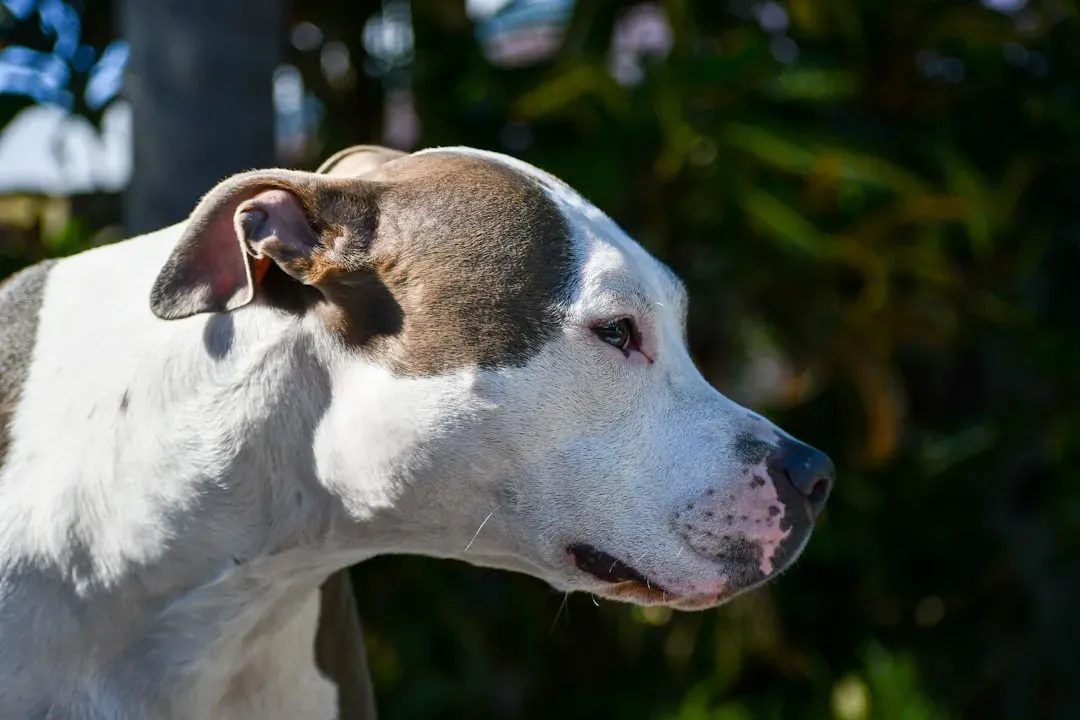
No breed generates more debate in dog bite discussions than the Pit Bull, and the statistics are hard to ignore. According to data from the World Animal Foundation, Pit Bulls have the greatest frequency of bites at roughly 66 percent. That figure represents a disproportionate share when you consider that Pit Bulls represent only about 7 percent of the overall dog population.
According to reported statistics, Pit Bulls are 2.5 times more likely to bite multiple areas of the body during an attack, 2.7 times more likely to initiate attacks off their owner’s property, and 31 percent more likely to attack strangers compared to other breeds. These figures point to a breed whose instincts, when left unmanaged, can escalate quickly.
The reason Pit Bulls appear so frequently in severe and fatal attack reports is likely because they are often kept in certain high-risk environments and owned by individuals who may use them for fighting or have involvement in violent situations. Aggressive Pit Bulls, in many cases, are a direct reflection of their experiences.
#2 Rottweiler
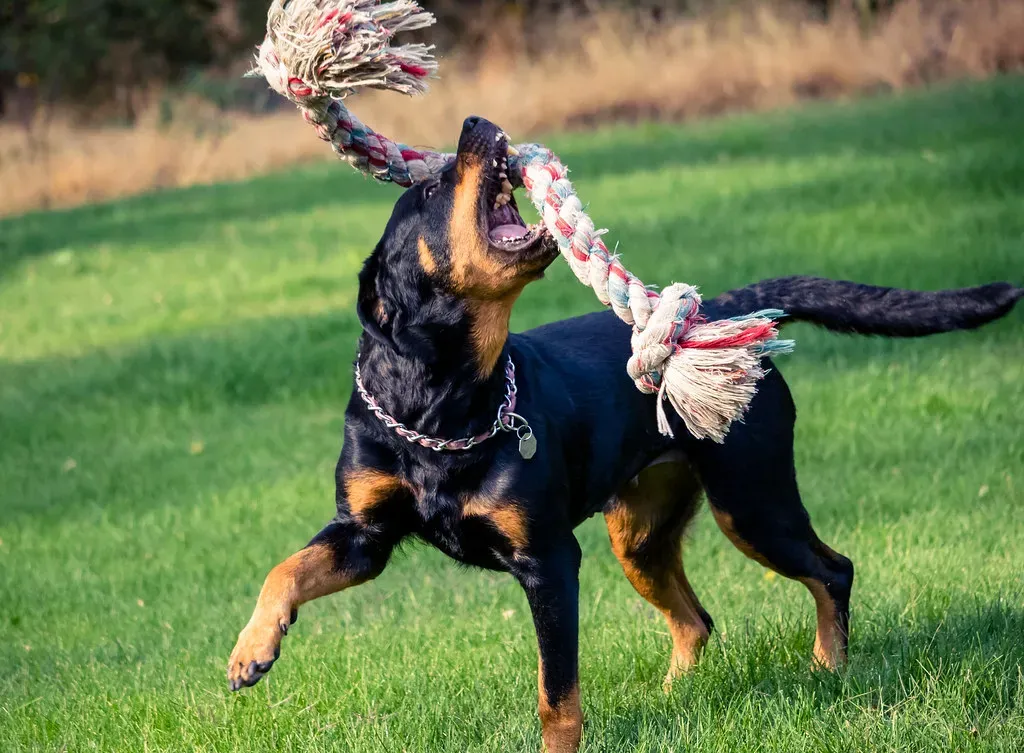
Rottweilers are powerful, confident dogs with a history rooted in guarding and herding livestock. That working heritage hasn’t disappeared. Originally developed for guarding and herding, they can become territorial if not properly socialized, and they may react aggressively when provoked or threatened.
Rottweilers are frequently cited in dog attack statistics. One JAVMA study found that Rottweilers were responsible for about 10 percent of dog bite-related fatalities, making them the second most common breed involved in such incidents. That’s a considerable share for a single breed.
With a responsible owner who invests in training and leadership, a Rottweiler can be a wonderful, dependable companion. Without it, their strength and protective nature can become a serious liability. The gap between a well-handled Rottweiler and a neglected one is genuinely significant.
#3 German Shepherd
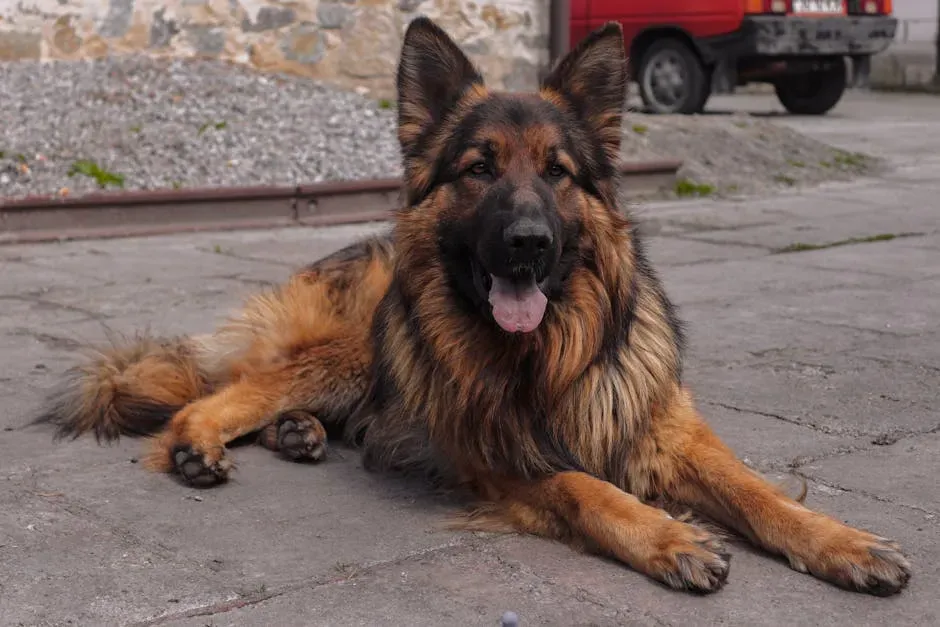
German Shepherds are perhaps the most trusted working breed in the world. They serve as police K-9s, search and rescue dogs, and therapy animals. Yet that protective intelligence has a flip side that owners sometimes underestimate. German Shepherds are renowned as loyal police K-9s and dedicated search-and-rescue dogs, but they are statistically linked to serious incidents, with 20 deaths attributed to them between 2005 and 2019.
A bored German Shepherd can become anxious, destructive, or aggressive. Incidents often occur when their protective instincts are not properly channeled through training or when they lack adequate socialization and activity. They’re not a dog that does well left alone in a yard with nothing to do.
Some attacks from German Shepherds come from fear-based reactions. When they are undertrained or poorly treated, their protective instincts may become unpredictable. That’s the core challenge with this breed. They’re deeply capable dogs, but that capability cuts both ways.
#4 Chow Chow

Chow Chows look deceptively cuddly, with their lion-like mane and plush coats. The temperament underneath that fluffy exterior is something else entirely. The Chow Chow possesses a dignified, aloof temperament that is often compared to that of a cat. This ancient breed is fiercely loyal to its family but remains reserved and suspicious of strangers.
Chow Chows are distinctive dogs with a lion-like mane and an aloof demeanor. They have a notable record in bite statistics, having severely harmed 61 people including 37 children and 18 adults over 32 years. That’s a sobering number for a breed that many people still treat as a novelty pet.
Chow Chows don’t enjoy rough play and often react poorly to teasing or uninvited contact. For this reason, they aren’t ideal for families with young children unless trained extensively from puppyhood. They are intelligent and strong-willed, traits that don’t make them ideal dogs for first-time pet parents.
#5 Doberman Pinscher

Dobermans were engineered for one job: protection. A 19th century German tax collector named Karl Friedrich Louis Dobermann reportedly bred them specifically as personal guard dogs, and that instinct is still very much alive in the modern breed. A Doberman’s temperament is typically intelligent, alert, and fiercely loyal to their family. They are courageous and can be highly protective. However, they can also be wary of strangers if not properly socialized from a young age.
Once bred and used as guard dogs, Dobermans can be very protective of their owners and property. Their strong protective instinct can lead to aggressive responses, including biting. Most incidents involve perceived threats to their home or person, not unprovoked aggression.
Dobermans need a strong leader and consistent training to channel their protective instincts positively. With proper guidance, they are confident, obedient, and make excellent family members. Without it, their natural wariness and power can become problematic. That contrast defines the Doberman experience entirely.
#6 Siberian Husky
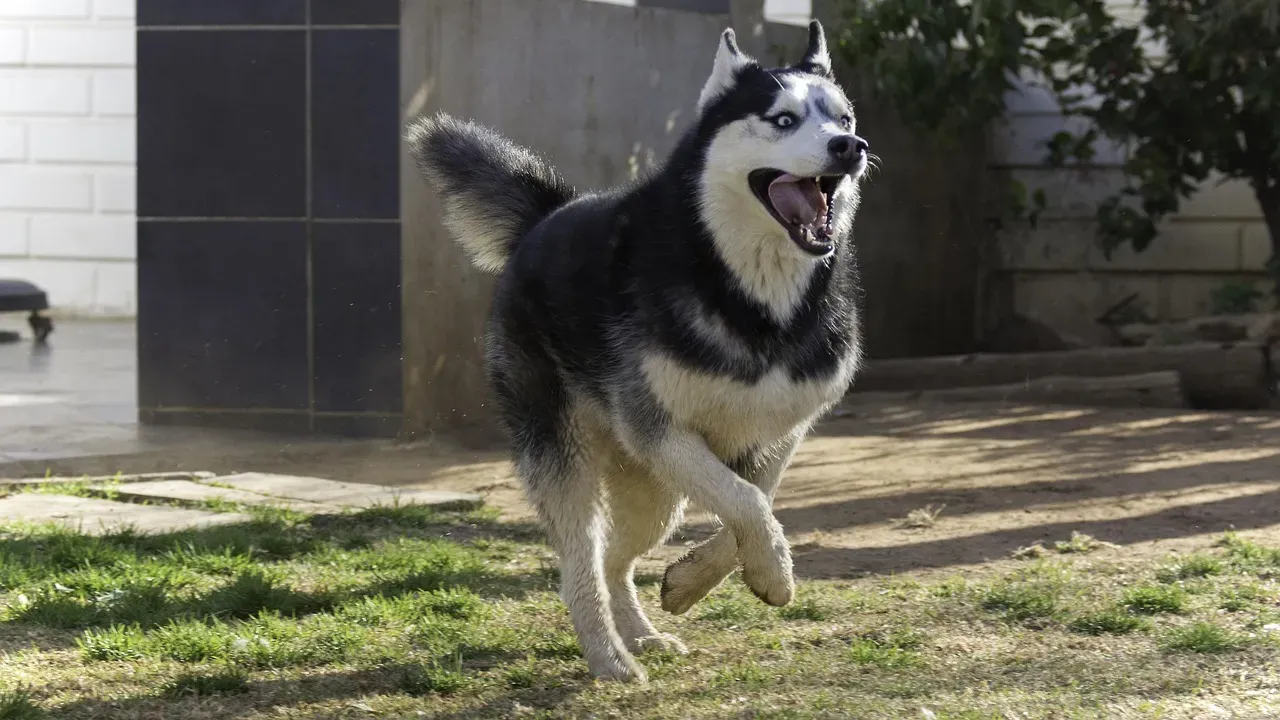
Huskies are one of the more surprising entries on this list for many people. They’re known as playful, sociable dogs, and that reputation is largely deserved. The problem arises when their high energy and prey drive aren’t properly managed. Siberian Huskies have been responsible for 26 deaths between 2014 and 2020, a figure that often shocks people unfamiliar with the breed’s history as a working sled dog.
Huskies were bred for endurance, independence, and pack behavior in extreme environments, not for quiet apartment living. That mismatch between original purpose and modern home life is where bite incidents tend to originate. Certain breeds are frequently mentioned due to their size, strength, and historical roles in guarding or protection, which can sometimes lead to aggressive behavior if not properly managed.
Risk is shaped by factors such as environment, training, supervision, and owner behavior, and Huskies in particular suffer when any of those factors fall short. Undersocialized or under-exercised Huskies can redirect their energy into defensive or predatory behaviors that their owners never anticipated.
#7 Jack Russell Terrier
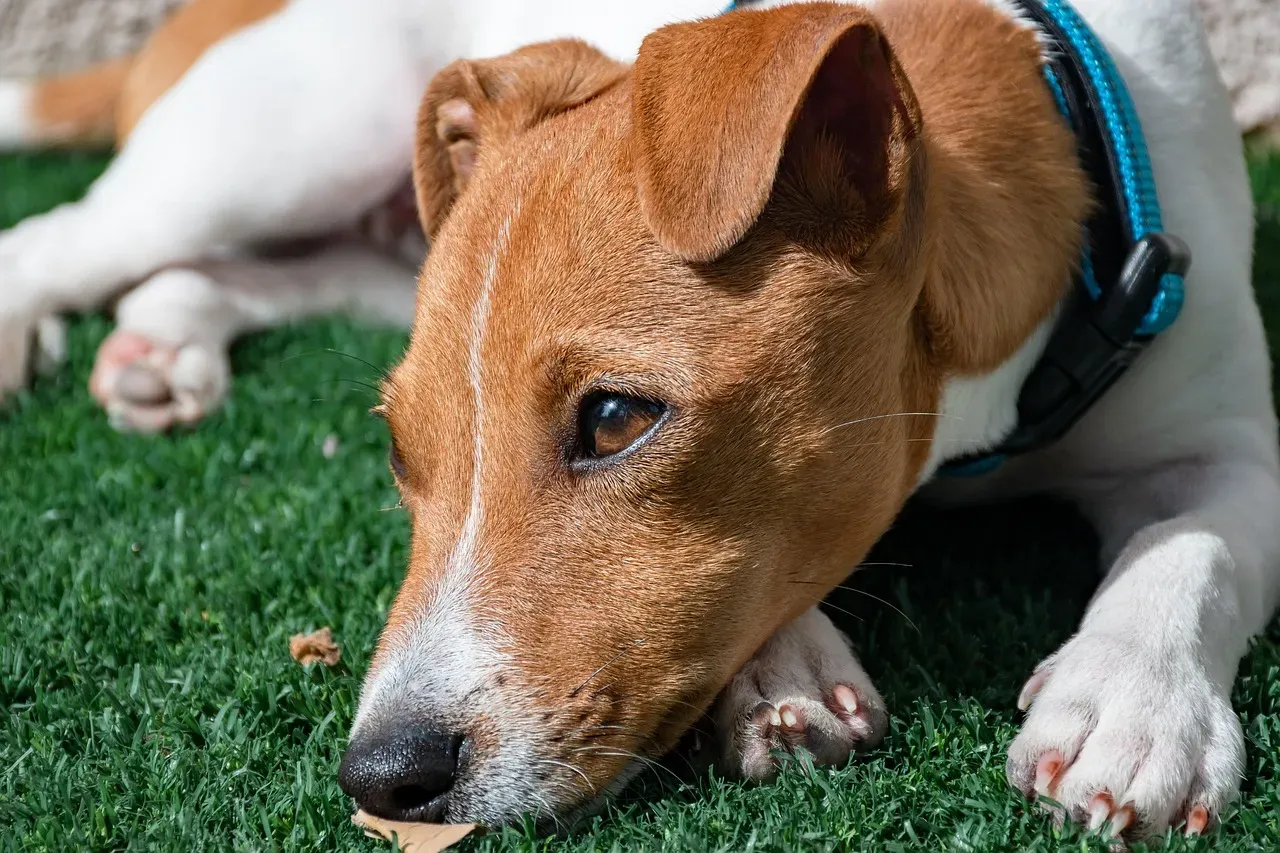
Jack Russell Terriers are small dogs with an oversized sense of confidence, and that combination is more dangerous than it sounds. According to the American Veterinary Medical Association, the breeds most frequently represented in serious biting incidents include Jack Russell Terriers alongside far larger breeds, which speaks to how misleading size can be when assessing bite risk.
Terriers were originally bred to hunt and kill small animals, often working independently underground where they couldn’t rely on human direction. That bold, tenacious character translates into a dog that doesn’t easily back down when challenged. Research from the University of Pennsylvania revealed that smaller breeds like Dachshunds and Chihuahuas exhibit higher rates of aggressive behavior, a pattern that applies equally to Jack Russells.
Media bias and reporting patterns contribute to certain breeds being associated with higher levels of attack rates. Often, big dogs who attack are more likely to be reported than smaller dogs who attack. This means Jack Russell bites are almost certainly undercounted in formal statistics, making the breed’s actual frequency higher than records suggest.
#8 Wolf Hybrid
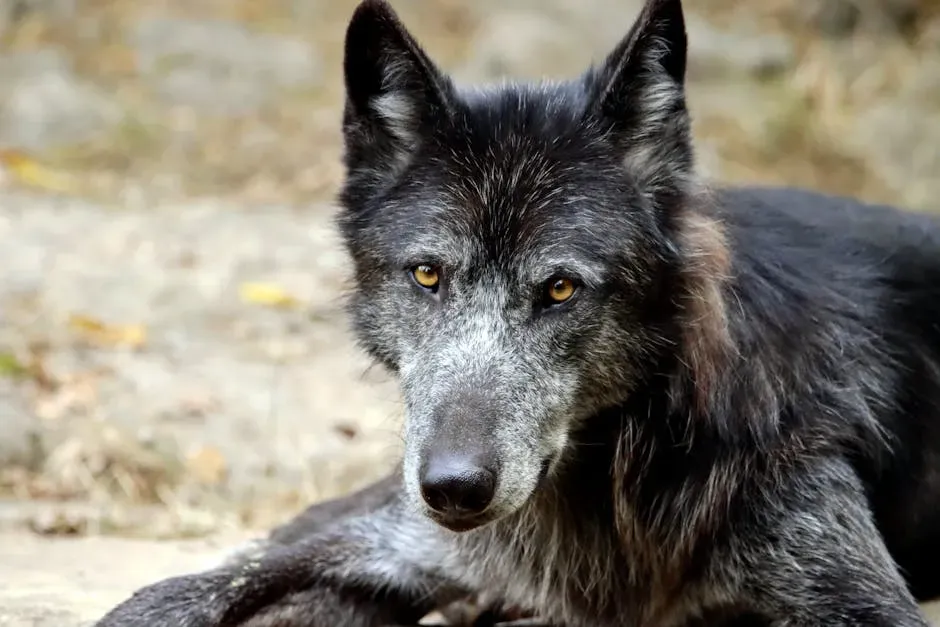
Wolf Hybrids occupy a unique and genuinely unsettling category. They aren’t fully domesticated in the way that centuries of selective breeding have shaped other dogs. Wolf Hybrids are known for unpredictable behavior and fatal incidents. Their behavior can swing between the traits of a domestic dog and the instincts of a wild predator, often without clear warning signs that even experienced owners recognize.
The unpredictability is the defining risk. Unlike purpose-bred dogs whose behavioral tendencies have been refined over generations, Wolf Hybrids carry a genetic wildcard that makes consistent training genuinely difficult. A dog’s behavior is not solely determined by its breed. Factors such as training, socialization, environment, and individual temperament play significant roles. With Wolf Hybrids, all of those factors are harder to influence and harder to predict.
Many states in the U.S. restrict or outright ban Wolf Hybrid ownership for this reason. The appeal of owning an animal that looks like a wild wolf is understandable, but the practical reality of living with one safely demands a level of expertise, space, and commitment that most households can’t realistically provide.
What the Data Actually Tells Us
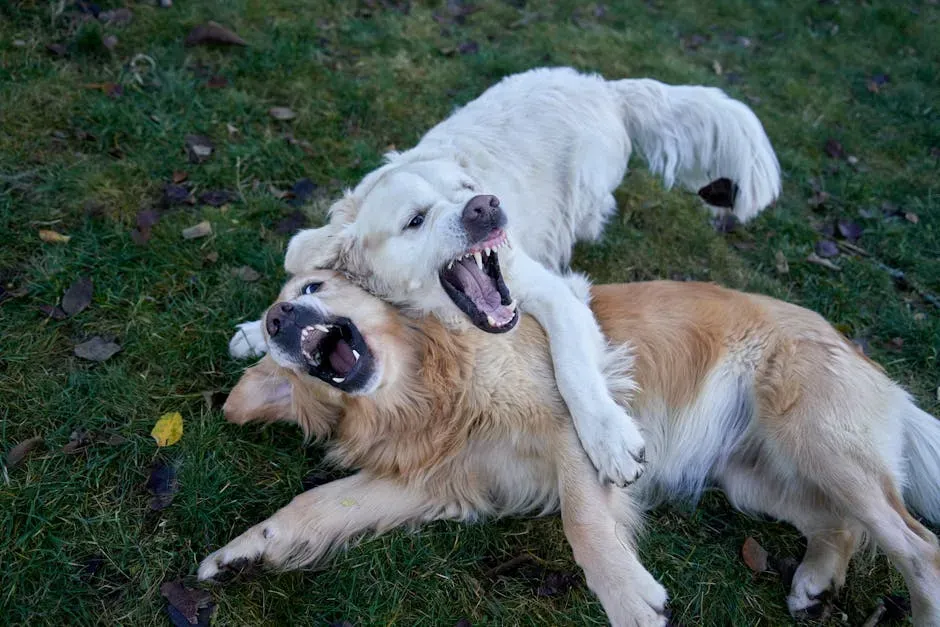
It’s worth stepping back from the breed-by-breed breakdown and looking at what the research consistently confirms. Since 2016, more than 80 different breeds and mixed breeds have been reported in fatal dog attacks, demonstrating that no single breed is uniquely responsible. The list above reflects patterns in incident reports, not a verdict on any individual dog.
Between 60 and 80 percent of U.S. dog bites happen from unneutered male dogs. Unneutered dogs are 2.6 times more likely to bite people and other dogs. That’s a more reliable risk factor than breed alone, and it’s one that owners can actually act on.
Adults living in homes with two or more dogs are five times more likely to be bitten than those without dogs. Proximity and familiarity are the common threads running through most owner bite incidents. The dog you trust the most is also the one with the most access to you.
The breeds on this list aren’t bad dogs. They are, in most cases, powerful or instinct-driven animals that reward investment and suffer in neglect. Breed alone doesn’t define aggression. Owner responsibility, training, socialization, and proper restraint do. That remains the most important takeaway regardless of which breed happens to be sleeping on your floor tonight.

- 8 Fascinating Facts About the Andean Condor – The Giant Bird of South America - July 19, 2026
- 12 Common Mistakes Pet Owners Make That Can Harm Their Beloved Animals - July 19, 2026
- Why Mangroves Are Vital to Florida’s Coast - July 19, 2026