

Every autumn, a familiar scene plays out in parks and backyards all over the world. A small, wide-eyed creature darts across the lawn, clutching something between its paws, then digs a frantic little hole and disappears. You’ve watched it happen. You may have even laughed at the idea that it will never find that nut again.
But here’s the thing. That assumption, charming as it is, turns out to be only part of the story. Science has a lot more to say about what squirrels are actually doing, and honestly, some of it is jaw-dropping. So let’s dive in.
The Survival Strategy Behind the Burying
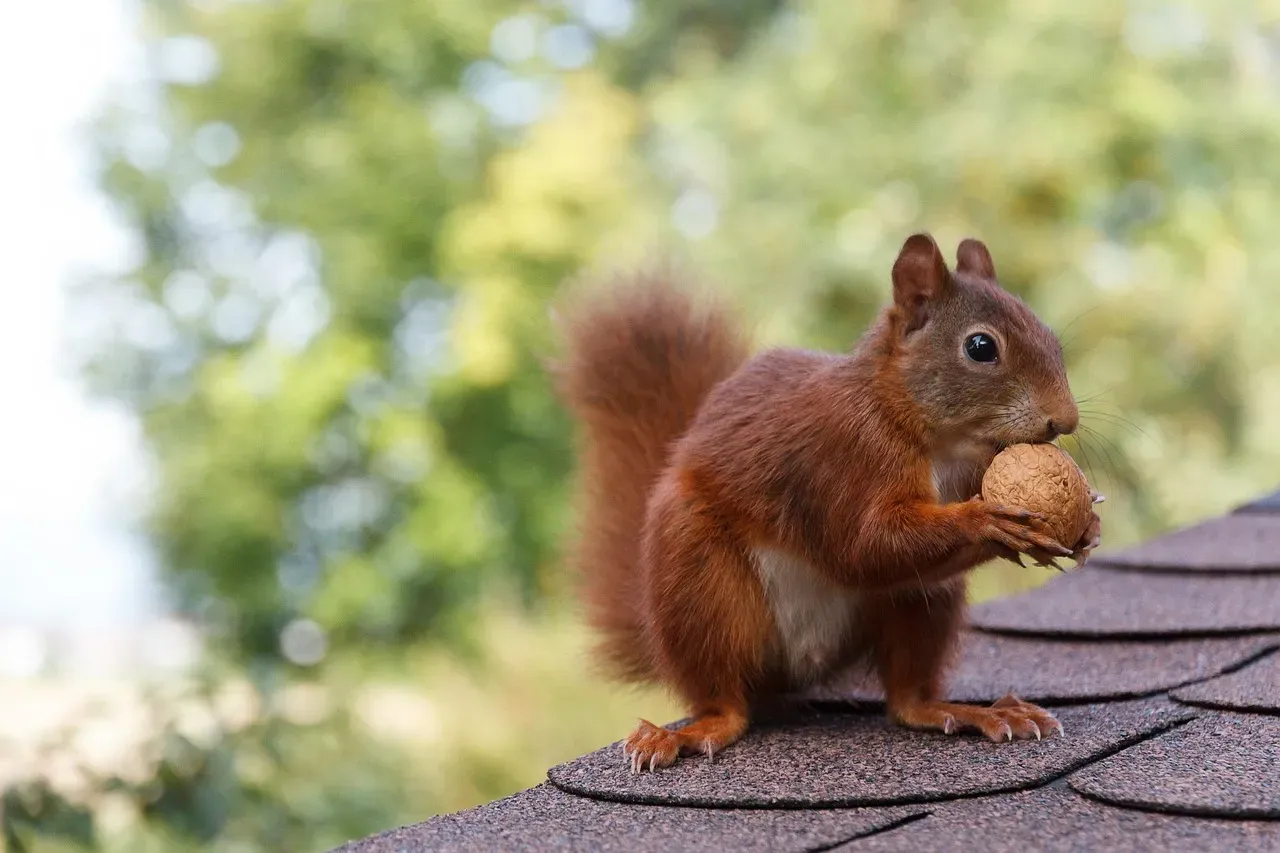
Picture this: it’s the dead of winter, snow blankets the ground, and absolutely nothing edible is growing anywhere. What do you eat? For a squirrel, the answer was decided months earlier, buried under someone’s rose garden. Squirrels hide nuts as preparation for cold weather when otherwise food will be scarce.
Squirrels bury nuts out of necessity. During the fall, as food sources become scarce, they rely on their cached nuts to sustain them through the long winter when plants and trees no longer produce fruits and seeds. Think of it like the world’s most dedicated meal-prep routine. No fridge required.
Although it might look like a mad dash to survive the winter, the frantic vibe masks some meticulous preparation. A single squirrel can bury up to 3,000 nuts in a season in a process known as caching. It can store nuts across dozens of locations and even spatially organize them by type. That’s not scatter-brained behavior. That’s strategy.
Do Squirrels Actually Forget, or Is That a Myth?
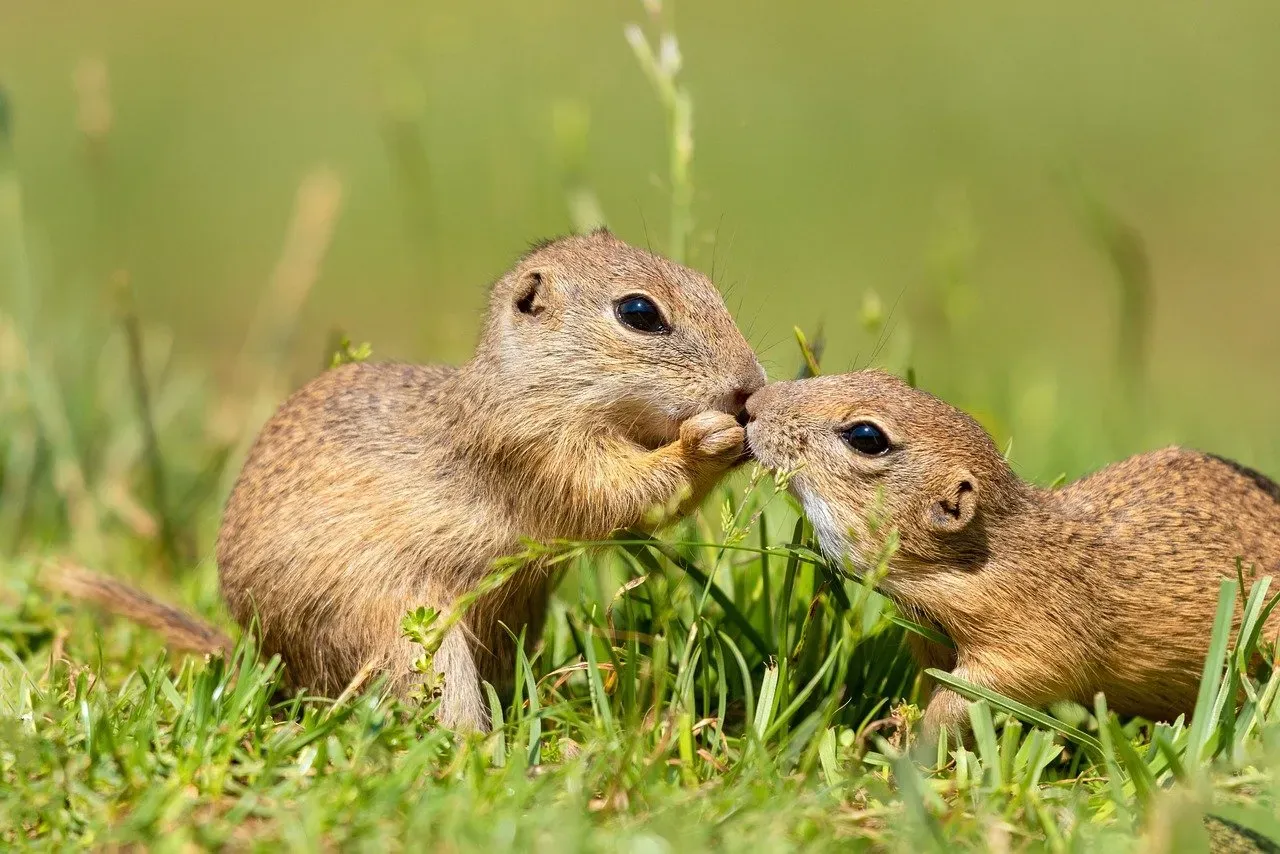
Let’s be real, the whole image of the forgetful squirrel is almost too perfect. A tiny creature burying its lunch and then completely blanking on the location feels relatable, even endearing. It used to be thought that squirrels just absent-mindedly buried nuts in the hopes of sniffing some out in the future, whether they were the ones they buried or not.
Turns out, that’s a serious underestimation. Although each squirrel’s own caches were close to the caches of other squirrels, the squirrels retrieved significantly more nuts from their own sites than from sites used by other squirrels, after all delays. The retrieval accuracy of the squirrels under these conditions indicates that while grey squirrels can locate buried nuts by their odour, they can also remember the individual locations of nuts they have buried.
Still, it’s not a perfect system. While it’s almost certain that squirrels indeed forget some subset of the nuts that they bury over a nut-burying season, it’s not clear whether these are truly forgotten or simply abandoned in favour of food that is easier to recover. Interesting distinction, isn’t it? Maybe squirrels aren’t forgetful. Maybe they’re just selective.
The Astonishing Power of Spatial Memory
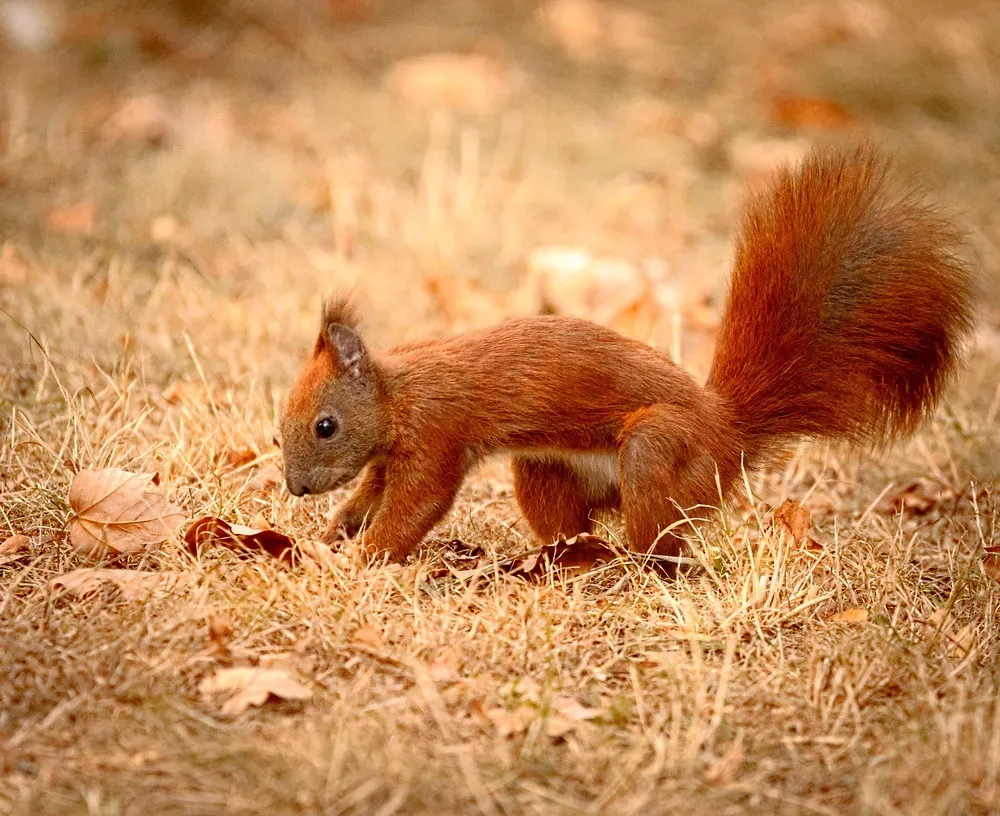
Here’s where it gets genuinely fascinating. Squirrels don’t just wander around sniffing the ground hoping to stumble upon their buried treasure. They use something far more sophisticated. Scientific studies have shown that squirrels use a combination of spatial memory and visual landmarks to remember where they have buried their nuts. This means they memorize locations based on the layout of their surroundings, such as trees, rocks, and other notable features.
Squirrels seem to have a good spatial memory, which helps them relocate their caches, although it has been suggested that memory guides the squirrel to the area and scent guides the squirrel to the specific location of the cache over the final few centimetres. It’s a two-step navigation system, almost like using Google Maps to get to the neighborhood, then trusting your nose to find the front door.
The hippocampus of squirrels is larger than that of similar species that don’t hide their food. Scientists suggest this may be due to neuroplasticity, or the brain’s ability to adapt and change over an organism’s lifetime in response to environmental changes. In other words, their brains are physically shaped by the demands of remembering thousands of hiding spots.
The Clever Art of “Chunking” Their Stash
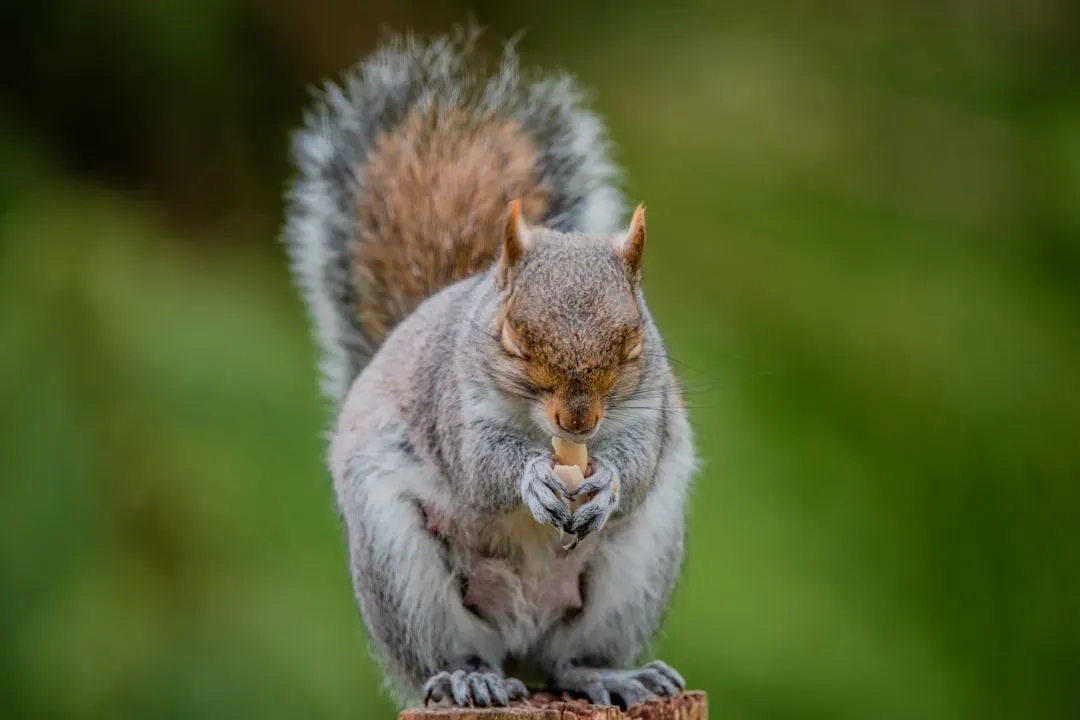
I know it sounds crazy, but squirrels essentially use the same memory trick that students use when studying for exams. It’s called chunking, and researchers have found clear evidence of it in squirrel behavior. It seems that squirrels are capable of “spatially chunking,” that is, placing nuts of the same type into individual caches that are separate from those belonging to another type, and this process may help the squirrels remember the locations of each cache more easily.
A 2017 study involving fox squirrels and a pile of four different types of nuts showed that the squirrels were able to sort the nuts and bury them one at a time, placing nuts of one species near one another while burying nuts of another species a short distance away. Think of it like sorting your clothes by color before putting them in drawers. It makes finding them later dramatically easier.
Fox squirrels stockpile at least 3,000 to 10,000 nuts a year and, under certain conditions, separate each cache into quasi “subfolders,” one for each type of nut. Subfolders. In the ground. These creatures are operating like a filing system with fur.
Deception, Competition, and Fake Burials
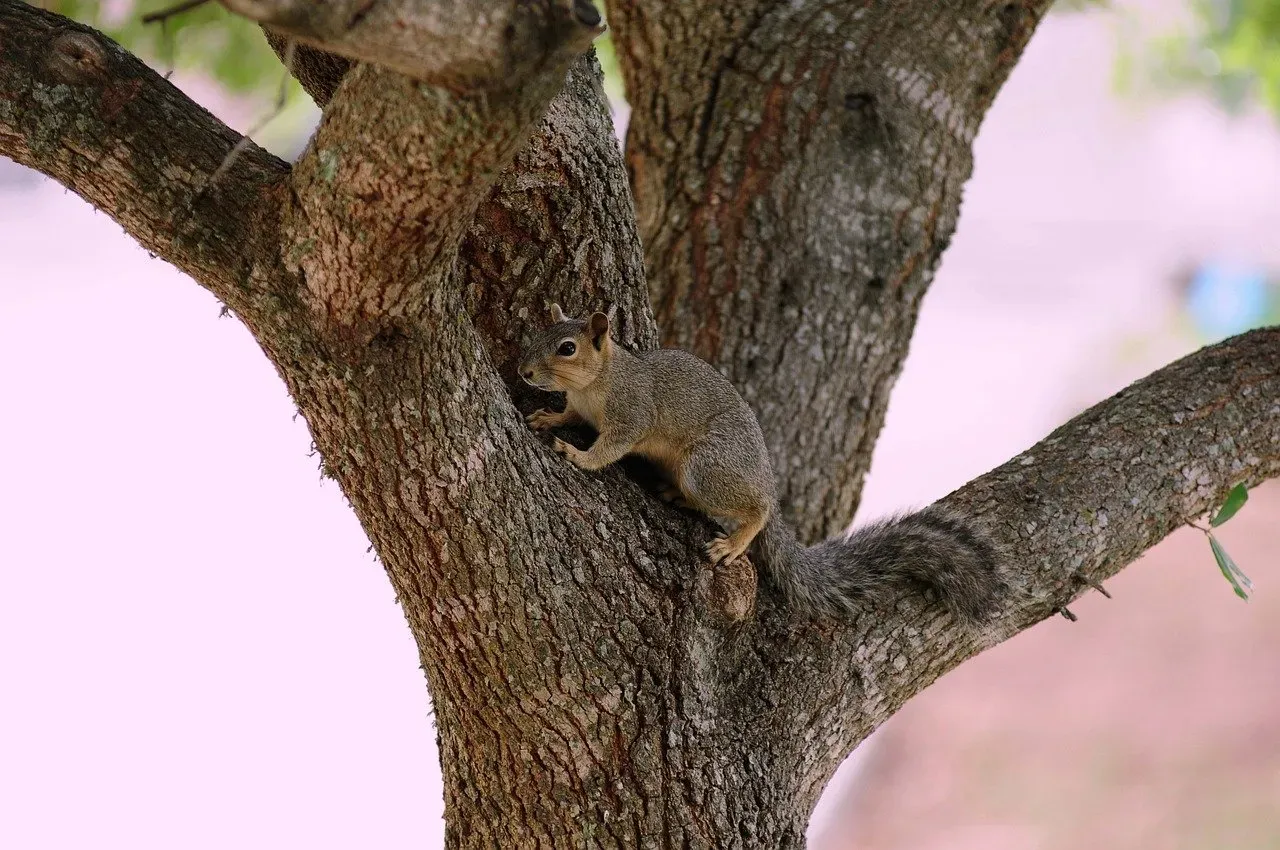
If all of this wasn’t impressive enough, squirrels have another trick up their sleeve that genuinely surprised me when I first read about it. They lie. Deliberately. Squirrels also engage in a behavior known as “deceptive caching.” This means they sometimes pretend to bury food but actually hide it elsewhere. This trick is used to throw off potential thieves, showing just how clever these animals can be.
Where and how carefully a squirrel chooses to bury a nut is influenced by a variety of factors, including the landscapes, type of food, and the whereabouts of other squirrels. Indeed, a squirrel will make false caches if it thinks it’s being watched. There is something almost unsettlingly human about that. Performing a whole burial routine just to mislead a rival. Academy Award material, honestly.
Some gray squirrels have a quirky habit of revisiting their burial sites, where they’ll paw through the overgrowth and then carefully rearrange the leaves. Sometimes squirrels will even excavate and then rebury their nuts. They are actively reinforcing their memory and keeping competitors guessing at the same time.
When Forgetting Becomes a Gift to the Forest
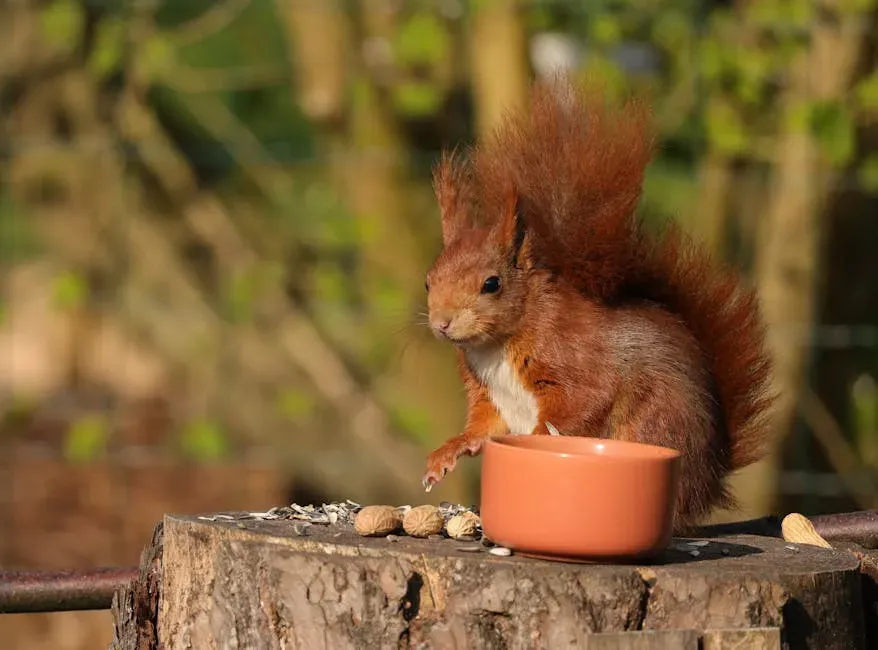
Now, for the nuts that do get genuinely forgotten, here’s the plot twist that changes everything. Those lost nuts are not wasted at all. A study done at the University of Richmond cites that squirrels fail to recover up to nearly three quarters of the nuts they bury. This misplacing of so many acorns, the study says, is likely responsible for oak forest regeneration. When squirrels misplace these buried acorns they allow for these seeds to eventually grow into full oak trees!
The squirrels’ habit of widespread caching is also important to the growth of the forest, as it allows the genetic information to spread far. A squirrel burying a nut in one corner of the forest and forgetting it is, in ecological terms, doing the same job as a professional forester. The scale is stunning.
Forgotten nuts and acorns grow into trees, so squirrel absentmindedness produces some ecological benefits. It’s almost poetic. The tiny creature that couldn’t remember where it put its lunch becomes one of nature’s most important tree planters.
Conclusion
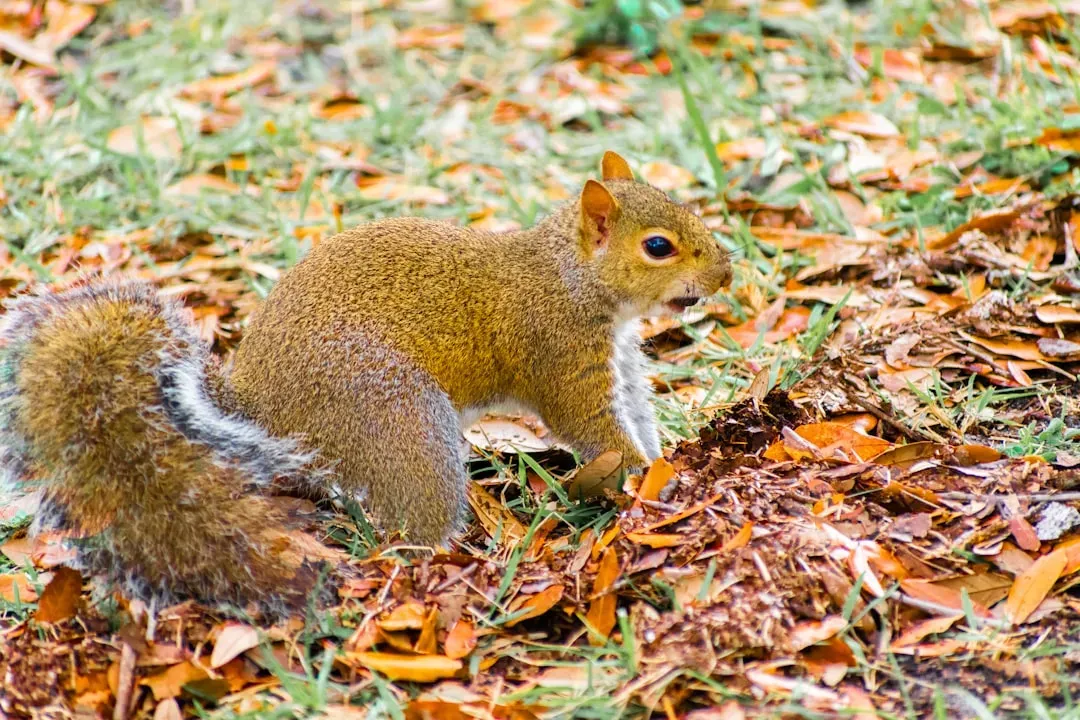
So the next time you watch a squirrel digging furiously in someone’s garden, try to see it differently. That small animal is running a remarkably sophisticated operation, one involving spatial cognition, memory strategies shared with humans, and even deliberate deception. It forgets some nuts, yes. However, even that forgetting turns out to be one of the most important ecological services in temperate forests around the world.
Research has shown that squirrels create a cognitive map to remember where these nut stashes are. Believe it or not, this research on squirrels is helping us learn more about the human brain and spatial memory. What started as a question about a seemingly ditzy little rodent has led scientists toward insights into how memory works in all mammals, including us.
The squirrel isn’t forgetful. It’s a forest architect with a gift for misdirection, operating on instincts that took millions of years to perfect. The real question is, how many things in nature do we laugh at before we understand them? What do you think? Tell us in the comments.

- Why Veterinarians Say If Your Cat Sleeps With Their Back to You, It's the Highest Form of Trust in Feline Behavior - July 20, 2026
- Animal Science Says Ravens Remember Human Faces for Years and Warn Other Ravens About Dangerous People - July 20, 2026
- Marine Biology Says When Dolphins Suddenly Go Silent in Open Water It's Not Rest – They've Detected a Predator You Cannot See and Their Survival Strategy Reveals How They Read Danger - July 20, 2026