
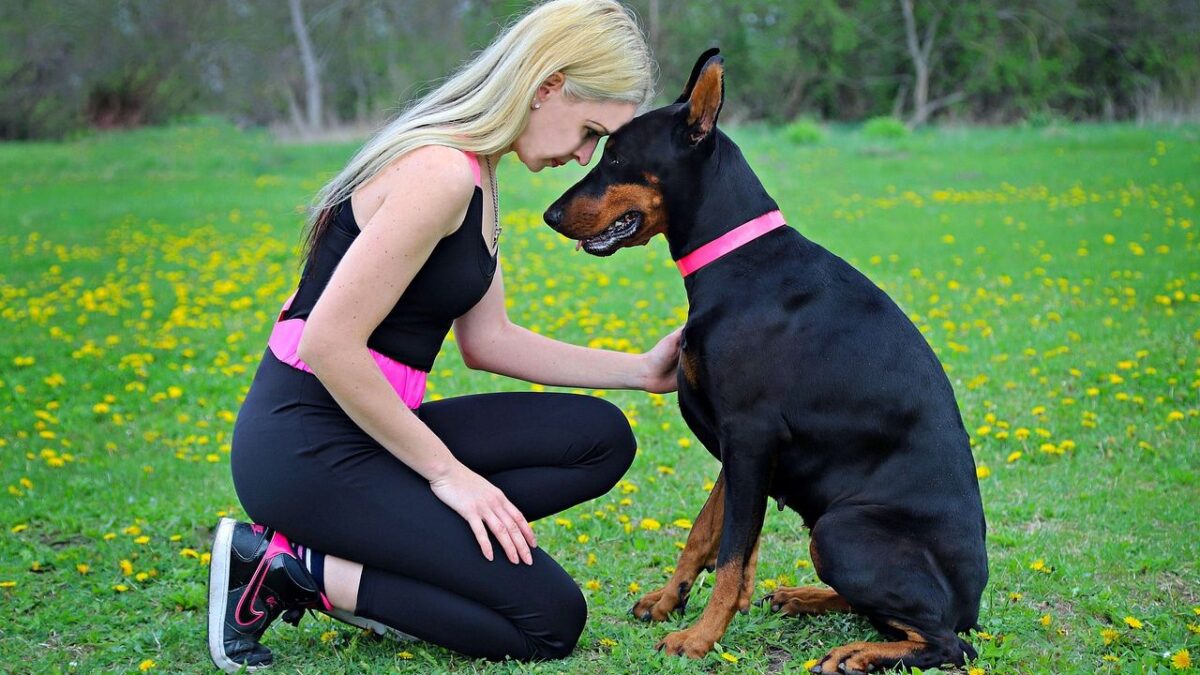
Most dogs are friendly. They’ll wag their tail at the mailman, charm a stranger at the park, and curl up next to whoever happens to sit on the couch. Then there are the others. The ones who find their person and, from that moment on, treat the rest of the world as background noise.
Dogs that tend to bond with one person are often referred to as “one-person dogs.” Even in a multi-person household, these dogs tend to pick a favorite person, to whom they stick like glue. It’s a connection that goes far beyond training or routine. While some dogs, such as Golden Retrievers, are friendly and outgoing with everyone they meet, other breeds are known for being a bit more selective. These dogs often develop a strong emotional attachment and bond to their family, or one specific person in their family, and may be wary or aloof with others. If you’ve ever wondered which breeds are hardwired for that kind of devotion, read on.
#1: Akita
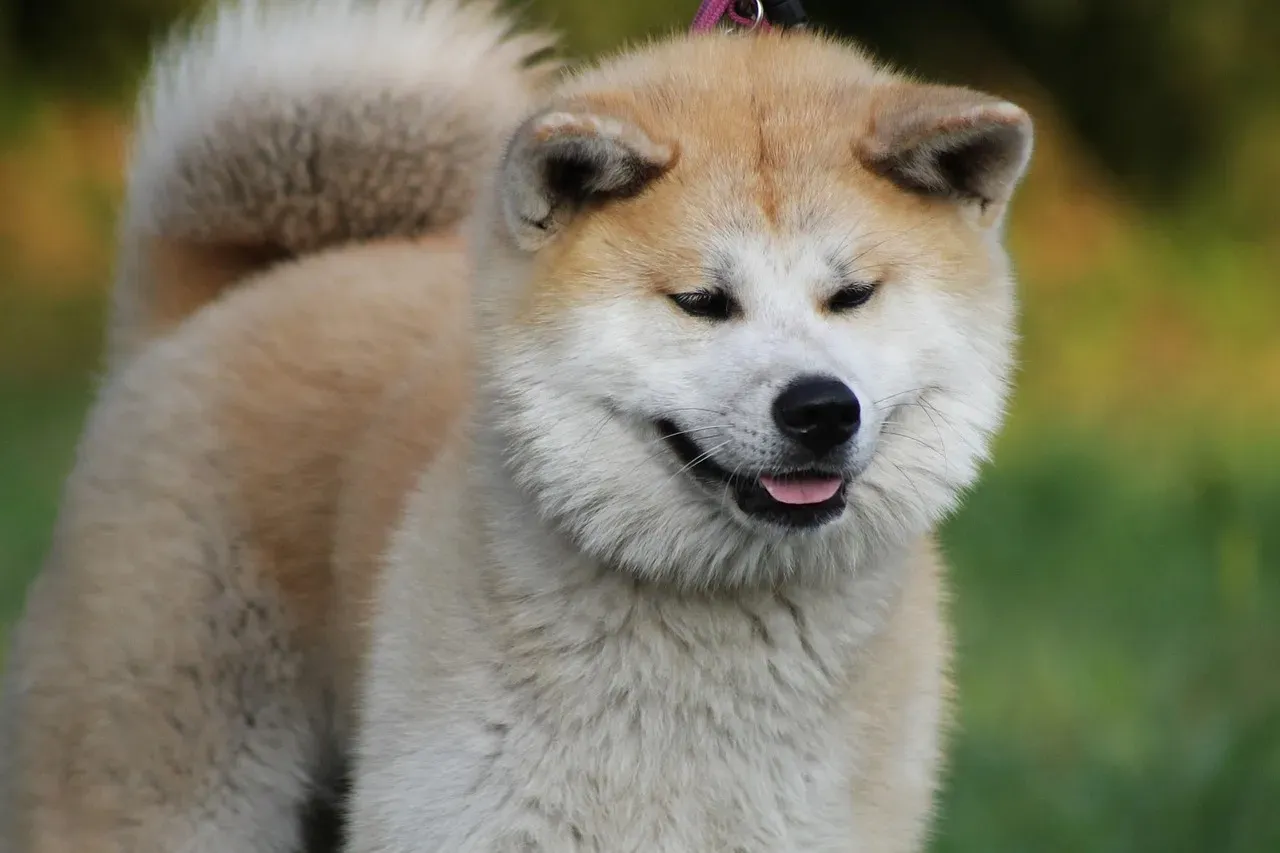
There is perhaps no breed whose reputation for singular loyalty is more deeply embedded in history than the Akita. Akitas are famously loyal dogs who often bond very closely with one person or family and favor them with their strong protective instinct. These dogs were originally bred in Japan as guard and hunting dogs, and they’re known for their courage and unwavering loyalty.
If you want a dog that forms a serious bond and means it, the Akita belongs in the conversation. This breed is known for deep loyalty, especially toward the person it trusts most. An Akita may live with a whole family, but in many homes, one person becomes the center of that dog’s attention. That bond often shows up in quiet watchfulness, steady presence, and a strong sense of protectiveness.
The story of Hachiko, the Akita who waited every day for his owner at a train station, even years after his owner’s passing, still moves people to tears today. Akitas are naturally protective, often forming an unbreakable bond with the person they see as their leader. They’re reserved with strangers but affectionate and almost gentle with their chosen one. Early socialization matters here, though. Akitas greatly benefit from early and consistent training, as their protectiveness can incline them toward dog aggression and territoriality.
#2: German Shepherd
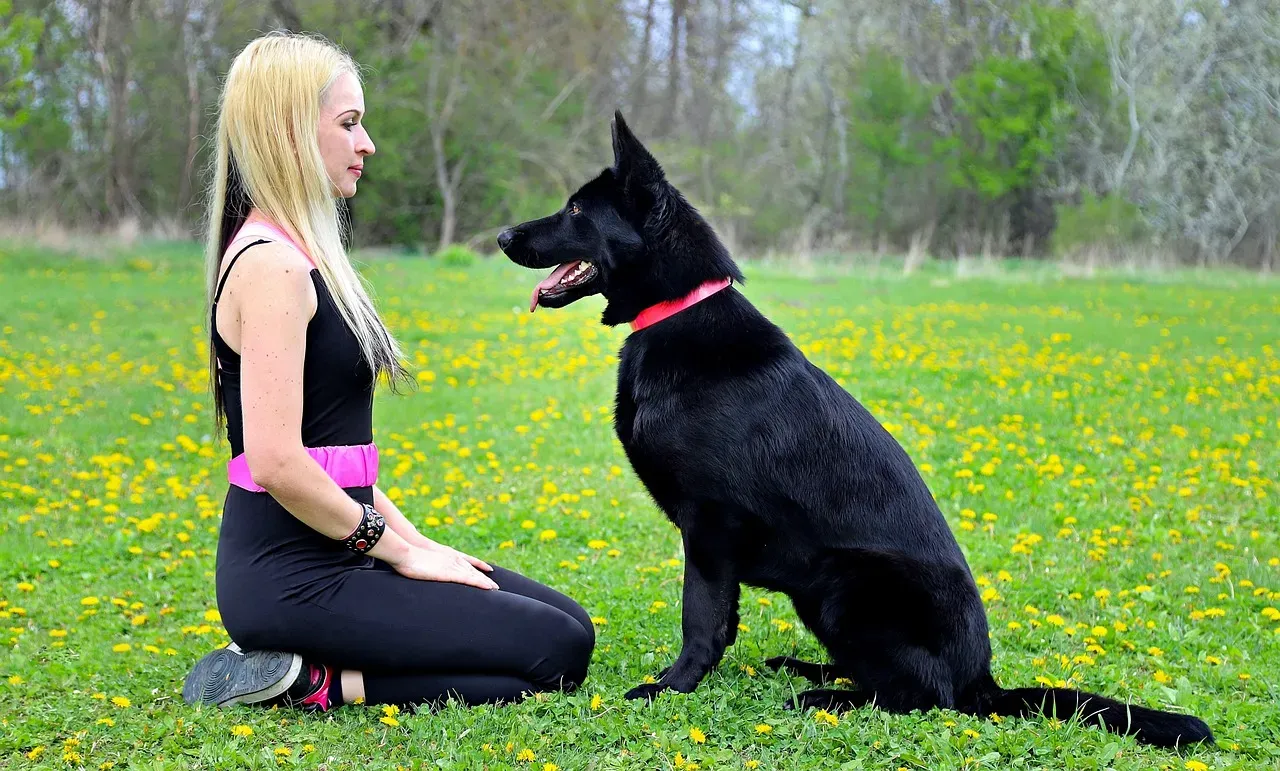
German Shepherds often form a special bond with one primary person, usually the one most engaged in their care. However, they’re capable of building relationships with other family members too, displaying affection and loyalty across the household. That distinction is worth noting. Their loyalty isn’t exclusionary so much as it’s prioritized.
Developed originally for herding and guarding sheep, German Shepherds often form a very strong bond with a single owner. They are naturally loyal, strongly attached to, and fiercely protective of their one person. They love to please their owners, and while they are slightly aloof compared to some other breeds, they will definitely be happiest when in your presence. Their combination of intelligence and emotional attunement makes them one of the most versatile one-person dogs in the world.
Though celebrated for roles in police, military, and search-and-rescue work, German Shepherds have an unexpected emotional side. Despite their commanding presence, they’re deeply sensitive to their owners and may become overly attached. Give one purpose and consistent engagement, and the bond that follows is genuinely remarkable.
#3: Doberman Pinscher
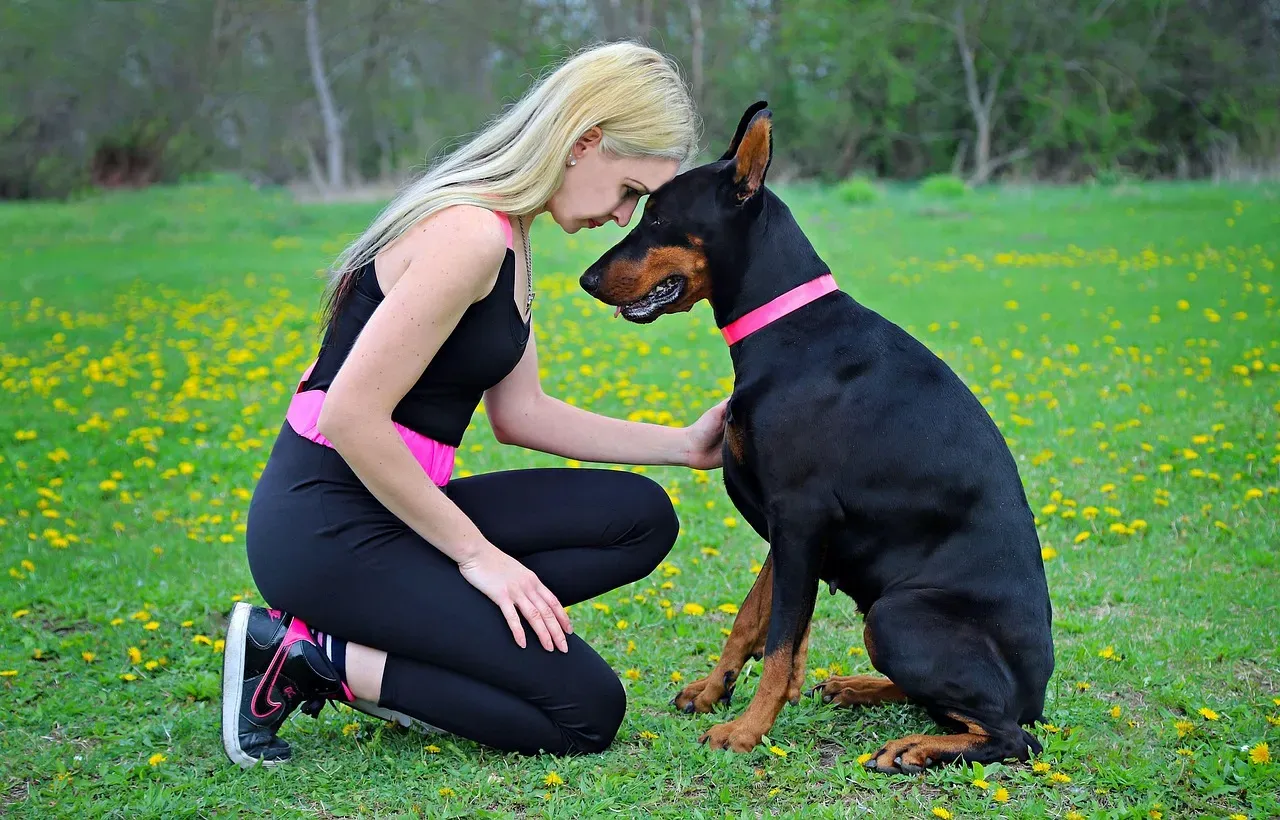
Dobermans are often deeply tuned in to their people, and many of them form a powerful attachment to one person in particular. They are intelligent, aware, and usually very interested in what their chosen human is doing. If you live with one, you will often notice that they are not randomly hovering. They are tracking you on purpose, staying close because that is where they feel they belong.
What sets Dobermans apart is their emotional sensitivity combined with their intelligence. They’re quick learners who respond well to fair, consistent training, and that responsiveness creates a feedback loop of mutual respect. The bond deepens through structure and trust. Dobermans need to know the rules and boundaries, and when you provide that framework, they relax into devoted companionship.
Some Doberman Pinschers bond only to one person. Originally bred as guard dogs, Dobermans are known for their loyalty and tendency to form a strong bond with a single person. A Doberman that trusts you can be incredibly loyal, affectionate, and steady. This breed also needs time, guidance, and confident leadership. They are sensitive to poor handling and tend to do best when the relationship is clear and consistent.
#4: Australian Cattle Dog
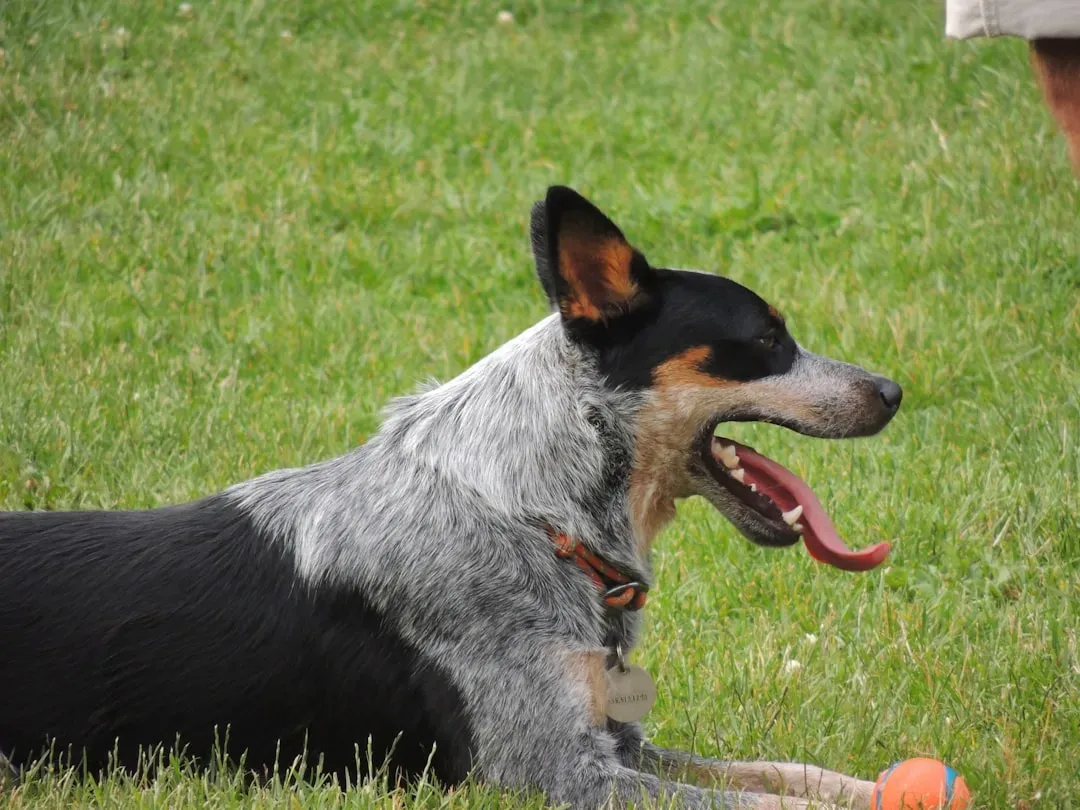
The Australian Cattle Dog is famous for attaching hard to one person and staying that way. This breed was developed to work closely, think independently, and stay keyed in to the person giving direction. In a home, that often turns into a dog that chooses one owner as the main point of contact and keeps a close eye on them all day.
Australian Cattle Dogs are tough, energetic, and emotionally intense. Bred to work closely with one handler, they often develop an unbreakable bond with a single person. They’re happiest when they have a job to do and someone to do it with. Their loyalty is practical, watchful, and deep – they follow you like a shadow, often resting only when you do.
This breed is suspicious of strangers and can be very aloof. Your ACD may not allow strangers or new people near you, whether or not you want it. That fierce possessiveness is simply part of who they are. These dogs are sharp, active, and not usually content with being treated like decoration. They want engagement, consistency, and a job, even if that job is staying involved in your day. Once an Australian Cattle Dog bonds with you, that connection can be extremely strong.
#5: Chihuahua
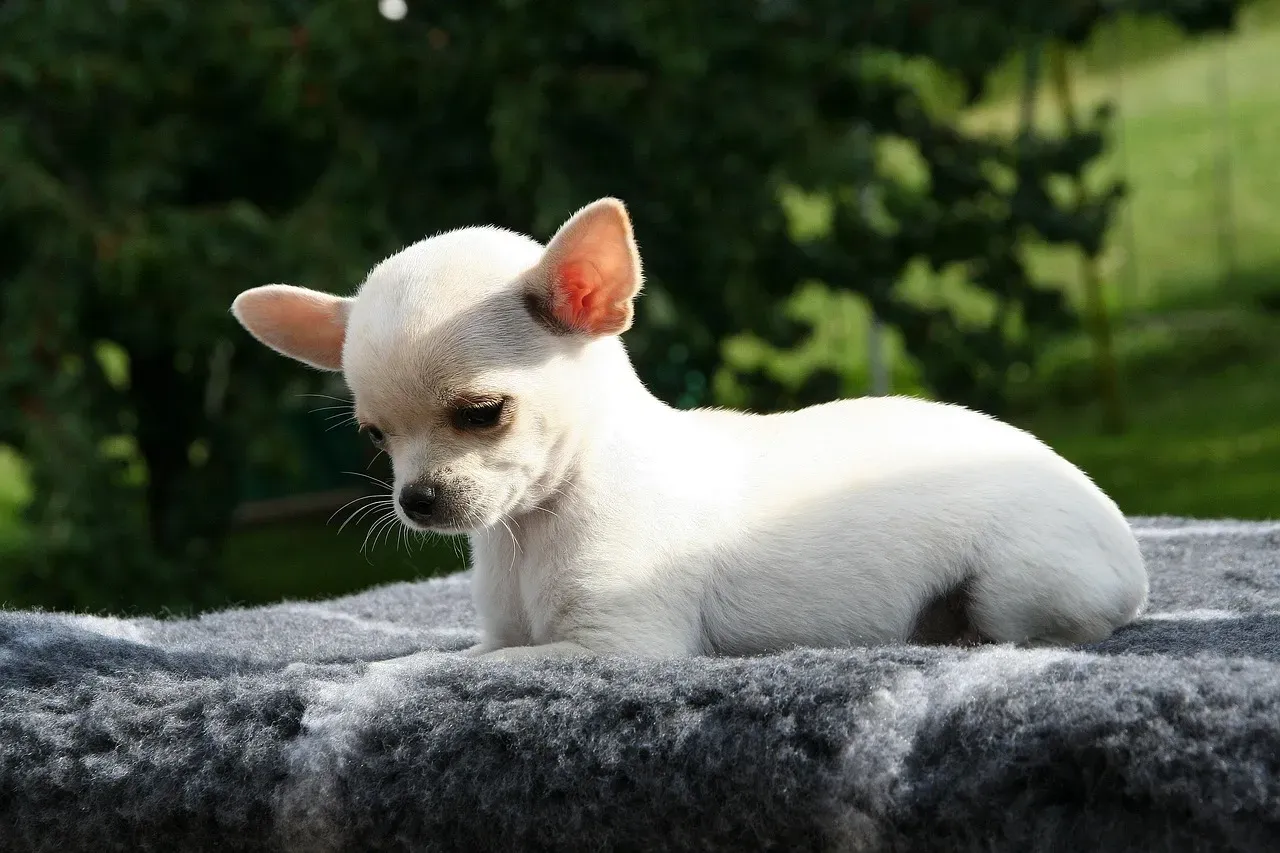
A tiny dog with a larger-than-life personality, the Chihuahua is known for its capacity for devotion to a single person. Chihuahuas tend to bond with one person and can treat all other people like foes. Despite their small size, Chihuahuas are fiercely loyal and protective. These tiny dogs were originally bred as companions, often kept close as lap dogs for warmth and protection, and this close physical relationship with their humans naturally fostered a strong, exclusive bond.
A lot of people underestimate how strongly a Chihuahua can bond, but owners of the breed already know better. These little dogs often pick one person and stick to them with surprising intensity. They may tolerate or even like other people, but there is usually one human they follow more closely, trust more deeply, and look to first. Size has nothing to do with how serious that attachment can become.
Your Chihuahua may even become jealous and act aggressively towards people or other animals that it perceives as a threat to its relationship with you. Chihuahuas aren’t very good with young children, as jealousy is a big part of their personality. With proper socialization, however, that intensity transforms into a singular devotion that’s hard to replicate in any other breed.
#6: Shiba Inu
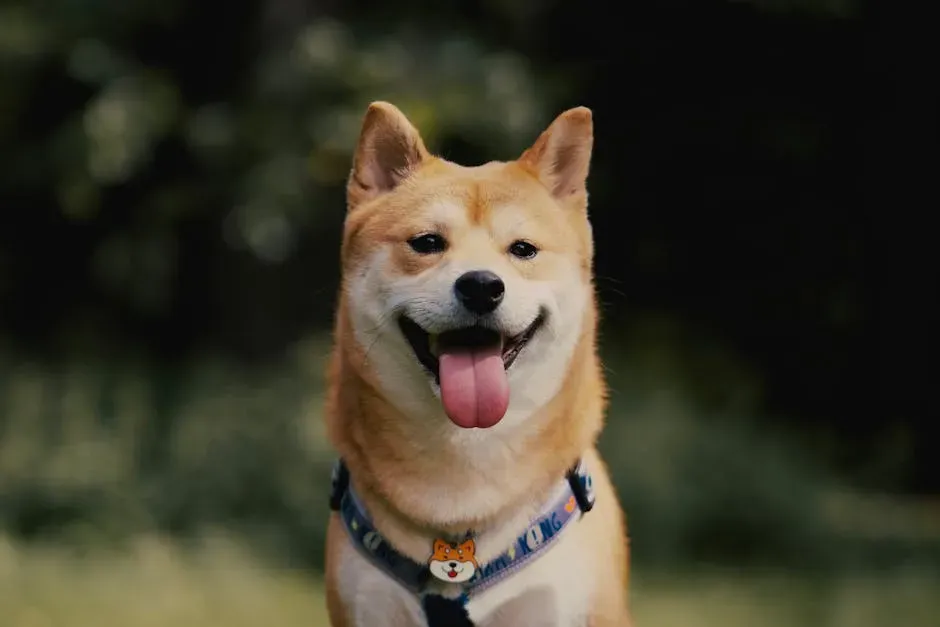
The Shiba Inu is another Japanese breed that tends to bond closely with one person. These spirited, fox-like dogs are independent and intelligent but often choose a single human to trust and follow. Shibas can be reserved with strangers and even other family members, making them a classic example of a one-person dog breed.
Shiba Inus have a reputation for being aloof. They rarely give their trust to more than one person. When they do bond, it’s deep and lasting. These dogs often ignore commands from anyone but their main human. Their loyalty is strong, and they may even show some jealous or watchful behaviors if others try to get close.
The Shiba Inu is one of Japan’s oldest and smallest native breeds. You can trace its origins back over 3,000 years. These dogs were originally bred for hunting in the mountainous regions of Japan. That ancient working heritage still shapes the Shiba’s personality today. Consistent training and positive reinforcement are key if you want a Shiba Inu to be more social. However, their loyalty to their chosen person is part of their charm.
#7: Vizsla

The Vizsla has earned the “Velcro dog” label for a reason. This breed is known for wanting close, near-constant contact with its person, and many Vizslas form especially deep bonds with one individual. They do not usually want to be parked across the house while life goes on elsewhere. If they can, they would rather stay close enough to watch you move, follow you room to room, and rest right beside you.
The Vizsla is often called a “Velcro dog” for good reason – they stick close to their favorite human, rarely wanting to be apart. Bred as hunting companions in Hungary, Vizslas thrive on close human contact and quickly form intense bonds. Their loyalty is expressed in affectionate nuzzles, constant companionship, and a tendency to follow their person everywhere. This breed is happiest when included in every aspect of family life, and their devotion can feel almost overwhelming at times.
Vizslas are active, sensitive, and very people-oriented, which means they do poorly when ignored or left emotionally disconnected. They need exercise, involvement, and a real relationship. When they get that, they tend to attach with full commitment. If you want a companion that genuinely participates in your life rather than just living alongside it, the Vizsla delivers that completely.
#8: Basenji
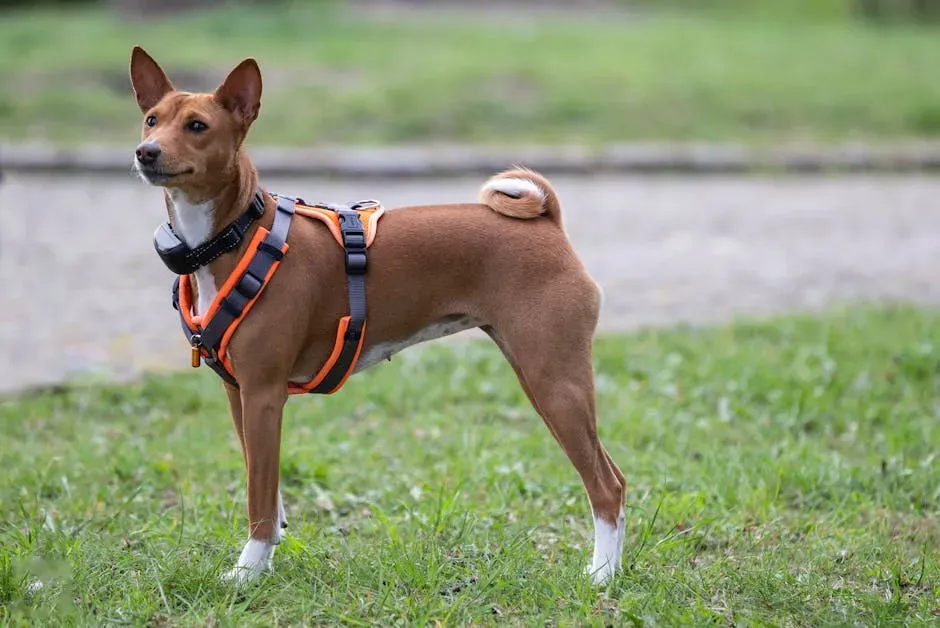
Nicknamed the “barkless dog,” the Basenji communicates devotion through quiet companionship. These independent dogs usually bond with one specific person, often ignoring others around them, offering a loyal yet uniquely subtle closeness. Their bond isn’t loud or demonstrative. It’s quiet, deliberate, and surprisingly deep.
Basenjis are clever, independent, and sometimes hard to read. They’re not very social with strangers and may choose to bond closely only with the person who understands them best. These dogs can be picky about affection, brushing off others’ advances and giving all their attention to their favorite human. In daily life, a Basenji will curl up only with their person and may not come when called by anyone else.
Hailing from Africa, this ancient dog is famous for being bark-free. It relies on yodels and other sounds to communicate. One thing people often overlook about this breed is their independence. A Basenji is not the type of dog that constantly seeks attention; they are okay with being left alone, although they form strong bonds with their owners. That combination of self-sufficiency and selective devotion makes the Basenji one of the more intriguing one-person dogs you’ll ever encounter.
What Makes a Dog Bond With Just One Person?
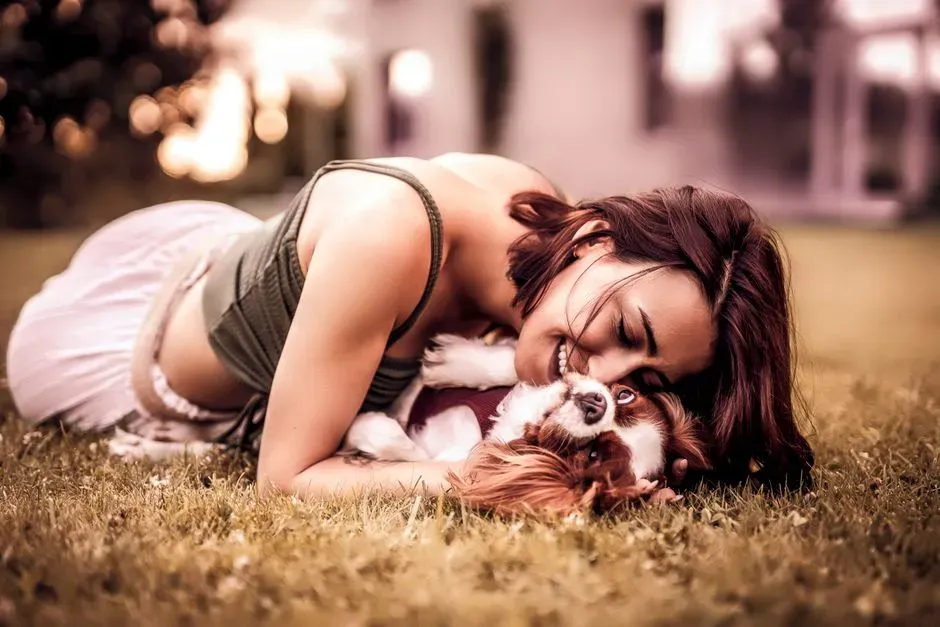
Dogs bred for herding and guardian work tend to have the highest likelihood of bonding with one person, since their work relies on a close connection with a single human partner. That includes breeds like Akitas, Australian Cattle Dogs, Border Collies, Chihuahuas, Chow Chows, Dobermans, German Shepherds, and Shetland Sheepdogs. The pattern isn’t random. It’s rooted in purpose.
Besides breed, individual temperament and socialization during puppyhood can play a large role in whether a dog displays this trait. It’s especially important to practice independence training and socialization with these breeds, as they may also be prone to issues such as separation anxiety when apart from their person. The bond, in other words, comes with real responsibility on both sides.
A loyal, one-person dog requires a loyal owner, devoted bonding time, and lots of affection. Without this, they can become distressed, turning to destructive behavior. They may also develop separation disorders. Having a loyal and attached dog is an honor and a privilege that comes with great reward and great responsibility.
There’s something quietly extraordinary about being chosen by a dog that doesn’t choose easily. These breeds don’t scatter their loyalty broadly. They invest it fully, in one person, for life. That’s not a limitation. For the right owner, it’s the whole point.

- 15 Animals and Wildlife that Start with B - July 30, 2026
- Virgo, Here’s a Tidy, Low-Maintenance Dog for You - July 30, 2026
- 10 Beautiful US National Parks Where Rare Animals Are Protected - July 30, 2026