


Dogs, as descendants of wolves, are inherently social creatures that thrive on companionship. This pack mentality makes many canines naturally inclined to form bonds not just with humans but with other animals as well. However, just like humans, dogs have distinct personalities, preferences, and instincts that can influence their ability to coexist peacefully with other species. Some breeds have been specifically developed for their gentle temperaments and adaptability, making them excellent companions for multi-pet households.
Understanding which breeds typically get along well with other animals and which may require more careful introduction or supervision can help pet owners create harmonious households. While individual personality always plays a significant role, breed tendencies offer a helpful starting point when considering adding a dog to a home that already has other pets. This article explores eight dog breeds known for their friendly disposition toward other animals and three breeds that may require special consideration due to their natural instincts.
Golden Retrievers: The Ultimate Family-Friendly Companions

Golden Retrievers consistently rank among the most adaptable and friendly dog breeds when it comes to interacting with other pets. Originally bred as hunting companions, these dogs possess a gentle mouth and a patient temperament that makes them exceptionally good with other animals. Their natural desire to please their human family members often extends to accepting other household pets as part of their pack. Golden Retrievers typically show remarkable restraint and gentleness, even with smaller animals like cats, rabbits, or birds.
Research has shown that Golden Retrievers score extremely high on trainability and low on aggression scales, making them ideal for multi-pet households. Their adaptable nature means they can learn appropriate behaviors around different species, from respecting a cat’s personal space to playing gently with smaller dogs. Early socialization can further enhance these natural tendencies, creating a dog that views all household members—furry, feathered, or otherwise—as friends rather than prey or competition.
Labrador Retrievers: Friendly Disposition for Multi-Pet Homes

Similar to their Golden cousins, Labrador Retrievers bring an exceptionally friendly and adaptable temperament to homes with multiple pets. These dogs were bred to work closely with both humans and other animals, particularly in hunting situations where cooperation was essential. This background has produced a breed that typically shows remarkable patience with other species. Labs are known for their good-natured personality and high emotional intelligence, allowing them to read and respond appropriately to the body language of other animals.
Their gentle mouths—developed for retrieving game without damage—translate well to careful interactions with smaller pets. Labrador Retrievers also possess an enviable combination of playfulness and restraint, making them ideal companions for households with cats, smaller dogs, or even pet birds. Their natural tendency to form strong social bonds extends beyond humans to include other animals, often resulting in heartwarming friendships across species. With proper introductions and supervision, Labs typically integrate seamlessly into multi-pet households.
Beagles: Pack Animals That Welcome New Friends

Beagles have a long history as pack hunters, which has endowed them with a naturally sociable disposition toward other animals. These medium-sized hounds were bred to work in groups, tracking rabbits and other small game, which has resulted in a breed that generally enjoys the company of other dogs. This pack mentality often translates well to accepting non-canine pets as part of their social group. Beagles typically show curiosity rather than aggression when meeting new animals, approaching with a wagging tail rather than bared teeth.
Their moderate energy level and playful nature make them compatible with a wide range of other pets, from fellow dogs to cats and even smaller household pets with proper introduction. Beagles are particularly known for forming strong bonds with cats when raised together from a young age. Their size—not too large to intimidate smaller animals but robust enough to handle play with larger pets—puts them in a sweet spot for multi-pet households. The beagle’s cheerful, adaptable temperament makes them an excellent choice for families looking to create harmony among diverse animal companions.
Cavalier King Charles Spaniels: Gentle Souls and Cross-Species Companions

Cavalier King Charles Spaniels embody gentleness in the canine world, making them exceptional companions for households with multiple pets. These elegant spaniels were bred specifically as companions rather than working dogs, resulting in a breed with minimal prey drive and maximum affection. Their sweet, patient temperament translates beautifully to interactions with other animals, whether they be fellow dogs, cats, or even smaller pets like rabbits or guinea pigs. Cavaliers typically approach other animals with curiosity and friendliness rather than dominance or aggression.
Their moderate energy level means they’re playful enough to engage with active pets but not so boisterous as to frighten timid animals. Many Cavalier owners report that their dogs form particularly close bonds with household cats, often sleeping curled up together and engaging in mutual grooming. This breed’s natural gentleness, combined with their adaptable nature, makes them ideal for homes with diverse pet populations. The Cavalier’s innate desire for companionship means they not only tolerate other pets but actively seek their friendship, creating heartwarming cross-species bonds that enrich the household.
Bichon Frises: Cheerful Companions to All

The Bichon Frise brings a joyful, friendly presence to multi-pet households with their naturally sociable temperament. These fluffy white dogs were historically bred as companion animals rather than hunters or workers, resulting in minimal prey drive and maximum sociability. Their playful yet gentle nature makes them excellent companions for other dogs, cats, and even smaller pets when properly introduced. Bichons typically approach other animals with curiosity and friendliness, displaying little of the territorial behavior seen in some other breeds.
Their small size also works in their favor when it comes to inter-species relationships, as they’re less intimidating to cats and smaller pets than larger dog breeds might be. Bichons are known for their adaptability and emotional intelligence, often seeming to understand the boundaries and comfort levels of their animal housemates. Many Bichon owners report their dogs forming special friendships with household cats, sharing sleeping spaces and engaging in play. Their non-shedding coat is an added bonus for multi-pet households, as it minimizes the amount of dog hair that might otherwise cling to other pets.
Collies: Herding Instincts Turned to Gentle Protection
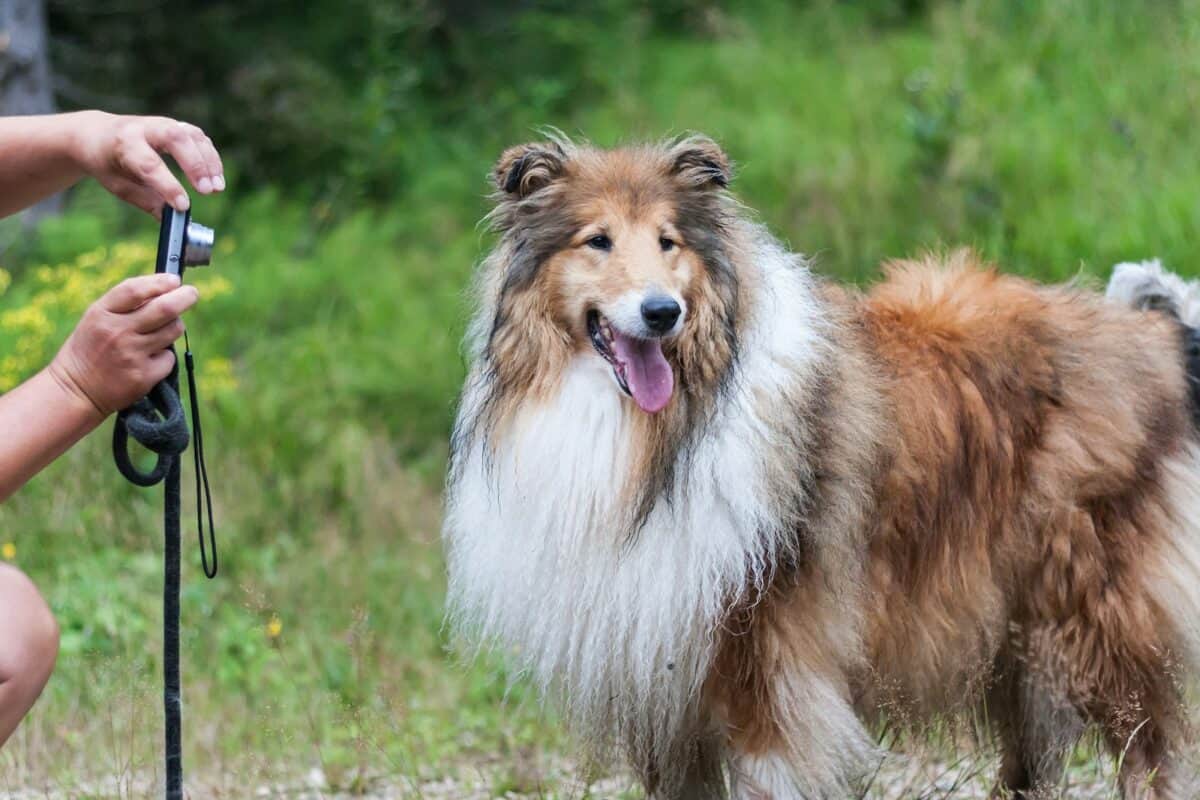
Collies, both rough and smooth varieties, bring a gentle protective nature to homes with multiple pets. Originally bred as herding dogs, these intelligent canines have an instinct to care for other animals rather than hunt them. This translates beautifully to household dynamics, where Collies often take on a watchful, nurturing role with smaller pets. Their herding background gives them a natural understanding of body language and movement patterns, allowing them to interact appropriately with different species. Collies typically show remarkable patience with other animals, rarely displaying aggression even when provoked.
Their moderate energy level and highly trainable nature make them adaptable to various household compositions. Collies can learn to respect a cat’s independence while still engaging playfully with more active pets. Many Collie owners report their dogs developing protective behaviors toward smaller household pets, intervening in rough play between other animals or alerting humans when another pet seems distressed. This natural tendency to nurture rather than dominate makes Collies exceptional additions to multi-pet households. Their legendary intelligence allows them to understand and adapt to the complex social dynamics of homes with diverse animal companions.
Pugs: Small Dogs with Big Hearts for Other Animals

Pugs bring a unique combination of playfulness and laid-back attitude that works beautifully in multi-pet households. These compact companions were bred specifically to be lap dogs and house pets rather than working dogs, resulting in minimal hunting instincts and maximum sociability. Their easygoing nature means they typically accept other animals without jealousy or territoriality issues that can plague some breeds. Pugs generally approach new animal friends with their characteristic enthusiasm and curiosity, quickly establishing comfortable relationships with cats, other dogs, and even smaller pets.
Their moderate energy level allows them to engage in play with more active pets without overwhelming timid animals. Many Pug owners report that their dogs seem particularly drawn to cats, often forming close sleeping partnerships and play relationships. Their small size also works in their favor when interacting with non-canine pets, as they present less of a physical threat than larger breeds might. Pugs’ natural adaptability and social nature make them excellent “bridge” animals in households with multiple species, often helping to facilitate relationships between other pets that might otherwise remain distant or wary of each other.
Basset Hounds: Easygoing Nature Perfect for Multiple Pets

Basset Hounds may have been bred for hunting, but their laid-back, gentle nature makes them surprisingly good companions for other household pets. These low-energy dogs typically approach life with a relaxed attitude that extends to their interactions with other animals. Their non-threatening demeanor—characterized by slow movements and a generally calm presence—makes them less intimidating to cats and smaller pets than more energetic or dominant breeds. Bassets rarely display aggression toward other animals, preferring peaceful coexistence to confrontation.
Their pack-hunting heritage means they’re naturally inclined to form social bonds with other animals. Many Basset owners report their dogs developing special relationships with household cats, often sharing sunny spots for napping or cuddling together during colder weather. While they do have a strong sense of smell and some prey drive, these instincts typically remain manageable in home environments, especially when the Basset is raised alongside other pets from a young age. Their patience and tolerance make them excellent companions in households with multiple pets of different species, where they often serve as the easygoing mediator in the family’s animal dynamics.
Jack Russell Terriers: High Prey Drive Challenges

Jack Russell Terriers, while beloved for their intelligence and spirited personality, present significant challenges in multi-pet households due to their intense prey drive. Bred specifically to hunt foxes and other small animals, these terriers possess an ingrained instinct to chase and capture smaller, fast-moving creatures. This natural drive can make cohabitation with cats, rabbits, hamsters, or birds extremely problematic and potentially dangerous. Even well-trained Jack Russells may find it difficult to overcome these powerful instinctual behaviors when confronted with the quick movements of smaller pets.
Their high energy level and tenacious nature compound these challenges, as they rarely tire of pursuing potential “prey.” While early socialization and consistent training can improve their behavior around other animals, Jack Russell owners should maintain realistic expectations about the breed’s limitations. Successful integration into multi-pet households typically requires careful management, separate spaces, and constant supervision during interactions. Some individual Jack Russells may eventually learn to accept specific cats or other pets they’re raised with from puppyhood, but the breed as a whole is generally better suited to homes where they are either the only pet or live with other dogs of similar size and temperament.
Greyhounds: Racing Instincts vs. Household Harmony

Greyhounds present a fascinating paradox when it comes to multi-pet households. Despite their gentle, typically calm house manners, these dogs were bred for centuries to chase small, fast-moving animals—a trait that can make cohabitation with cats, rabbits, or other small pets challenging. Their sighthound instincts trigger an immediate chase response when they detect quick movement in their peripheral vision, a reaction that bypasses their normal gentle temperament. This “switch” from docile companion to pursuing hunter can happen instantaneously and with little warning, making supervision essential in mixed-pet environments.
Interestingly, many retired racing Greyhounds can learn to live peacefully with cats and other small animals, particularly when introduced through careful, controlled processes and when the Greyhound has been tested for “cat-friendliness” by adoption groups. Success often depends on the individual dog’s personality and history. Some Greyhounds never develop reliable recall once they’ve locked onto a moving target, while others can learn to inhibit their chase response with proper training. Potential Greyhound owners in multi-pet households should work closely with reputable rescue organizations that assess each dog’s compatibility with other animals rather than assuming all members of this breed will present the same challenges.
Siberian Huskies: Pack Animals with Strong Prey Drive

Siberian Huskies embody another complex duality when it comes to interactions with other pets. These strikingly beautiful dogs are naturally pack-oriented and often form strong bonds with other dogs, enjoying the companionship and social structure reminiscent of their wolf ancestors. However, this same wolf heritage also endows them with a powerful prey drive that can make cohabitation with smaller pets problematic. Huskies typically view small, quick-moving animals as potential prey rather than family members, creating significant risks for cats, rabbits, birds, and other small household pets.
Their independent nature and challenge with reliable recall compound these concerns, as Huskies are notorious for following their instincts regardless of training or commands. While exceptions exist—particularly when a Husky has been raised from puppyhood alongside specific cats or other small animals—the breed generally requires careful management in multi-pet households. Successful integration typically involves maintaining separate spaces, using secure barriers, and providing constant supervision during any interactions. Potential Husky owners should carefully consider whether they can safely accommodate both these magnificent dogs and smaller pets in the same household, recognizing that the breed’s natural instincts may create insurmountable challenges to peaceful coexistence.
Creating Harmony: Keys to Successful Multi-Pet Households
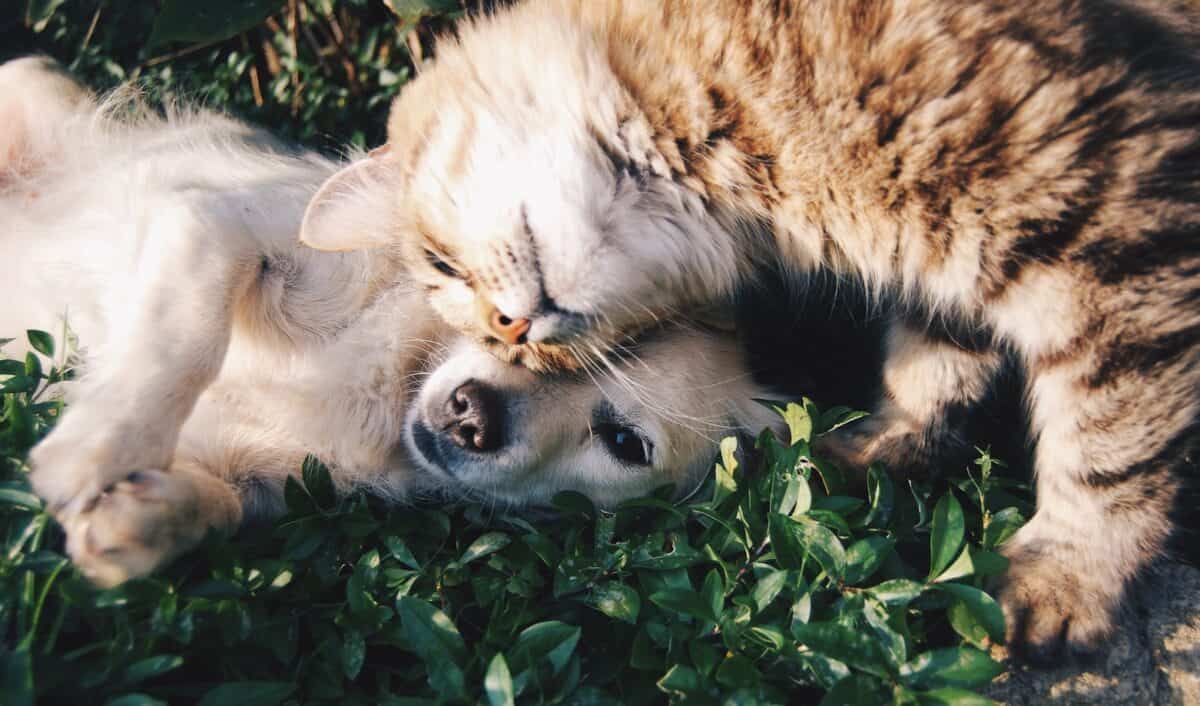
Understanding breed tendencies provides valuable insight when creating multi-pet households, but it’s merely the starting point rather than the definitive predictor of success. Individual personality, early socialization, training, and proper introduction techniques all play crucial roles in establishing peaceful coexistence between dogs and other pets. Even breeds with typically strong compatibility may require patient, gradual introductions and consistent reinforcement of appropriate behaviors. Conversely, breeds with higher prey drives can sometimes overcome their instincts through careful management and positive reinforcement training, especially when introduced to other pets as puppies.
Creating separate spaces, respecting each animal’s need for territory, providing species-appropriate enrichment, and ensuring equal attention can further enhance household harmony. Professional guidance from trainers or behaviorists specializing in multi-species households can be invaluable for navigating challenging dynamics. Remember that relationships between pets, like those between humans, develop over time and require ongoing nurturing. With thoughtful preparation, realistic expectations, and commitment to positive training methods, many households can successfully integrate dogs with various other animal companions, creating enriching relationships that benefit all members of the family—human and animal alike.

From exploring the marine wonders in the Azores and witnessing the vast savannas of Kenya, to delving deep into the rich biodiversity of South Africa and traversing iconic landscapes in Australia and the US like Yellowstone, Chris's experiences are vast.
With a penchant for diving alongside sharks, the ocean holds a special place in his heart.
Through his academic insights, he champions wildlife conservation, striving with 'Animals Around The Globe' to cultivate a profound connection between humans and animals, enhancing our mutual appreciation.
Connect with him at Feedback@animalsaroundtheglobe.com.
- Why Spiders Don’t Get Stuck in Their Own Webs - July 20, 2026
- What Scientists Found in a 10,000-Year-Old Beehive - July 20, 2026
- This Spider Builds Fake Decoys of Itself - July 20, 2026