
Worried about unexpected vet bills?
Pet insurance can cover thousands in unexpected vet costs. Get a free quote from Lemonade in under 2 minutes.
Get My Free Quote →Sponsored · Opens Lemonade.com
Most people who discover a cockroach in their home immediately think something is terribly wrong with their cleanliness. Honestly, that reaction is understandable. Nobody wants to imagine sharing their space with one of the planet’s most resilient, ancient, and frankly disturbing creatures. The thing is, cockroaches aren’t really judging your hygiene. They’re following primal survival instincts.
Three things that cockroaches are always searching for are food, water, and shelter. That’s it. That’s the entire mission. Think of them less like uninvited guests and more like tiny, armored survivalists executing a checklist. The scary part? Many of our most ordinary daily habits are quietly ticking every single box on that list. Let’s dive in.
Leaving Dirty Dishes in the Sink Overnight
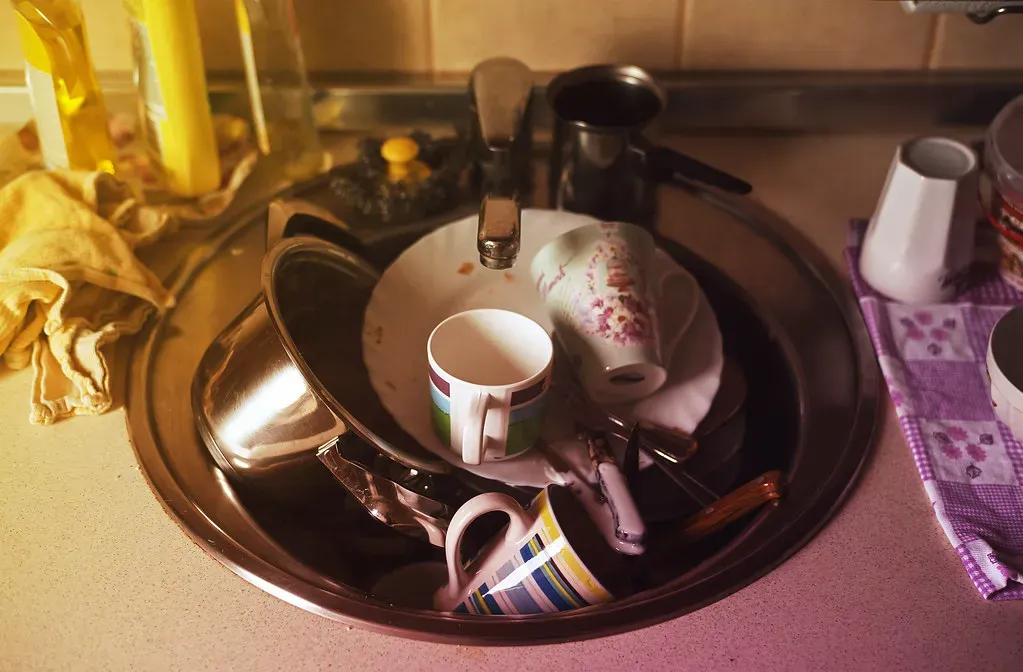
Let’s be real – after a long day, the last thing anyone wants to do is scrub dishes. But that pile in the sink is practically rolling out the welcome mat for cockroaches.
These pests thrive on the residual food particles and moisture found in the sink when dirty dishes are left there overnight. It’s basically a two-for-one deal: food and water in one spot. Like a cockroach version of a drive-through.
Perhaps the most common source of food for cockroaches is dirty dishes. After a long day at work, you may not have the energy to wash the dirty dishes in the sink. However, if you leave these dishes overnight, you are inviting cockroaches to a feast. Even the residue in a drinking glass is enough to get their antennae twitching.
The fix is almost embarrassingly simple. Rinse and stack, or better yet, wash before bed. It takes five minutes but it removes one of a roach’s favorite nightly resources.
Storing Food in Flimsy or Unsealed Packaging
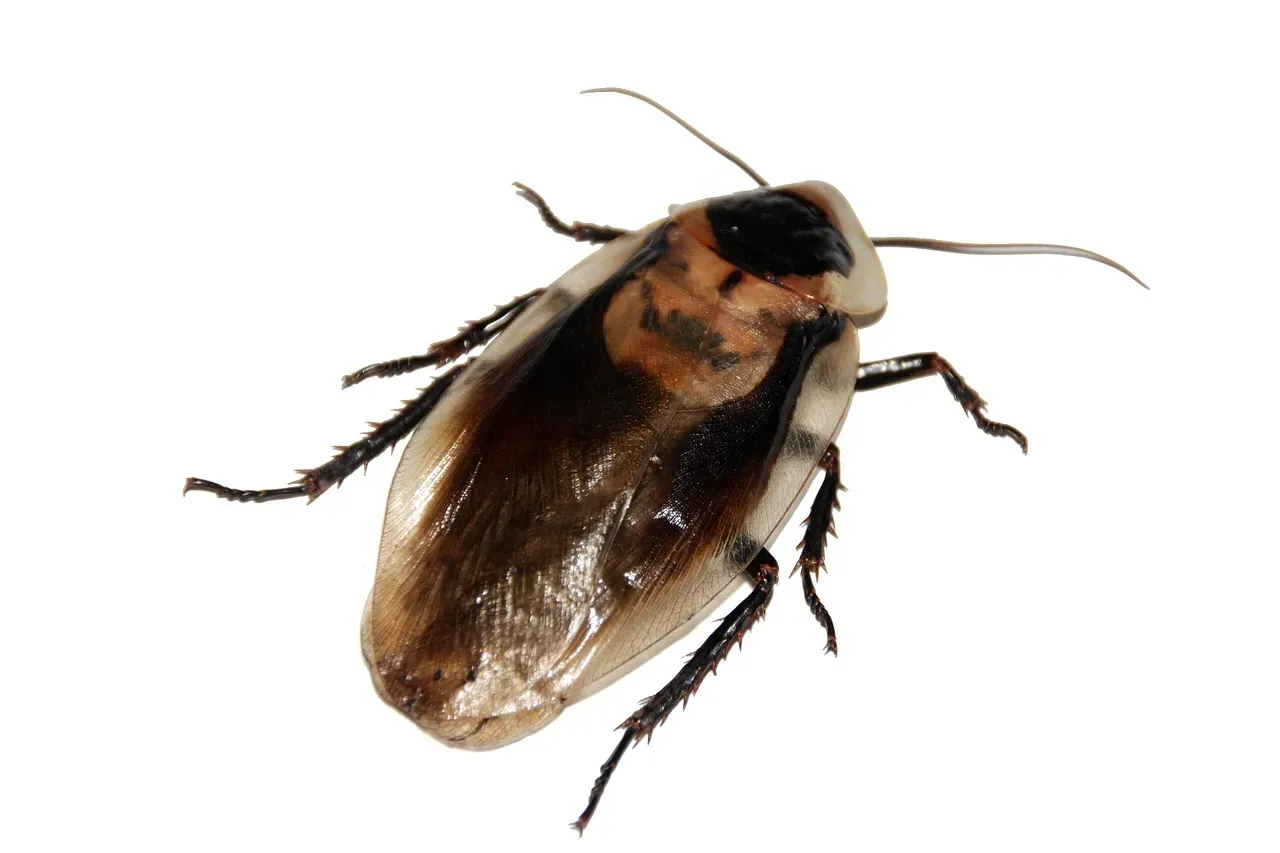
Here’s the thing that surprises most people: cockroaches don’t need an open bag of chips sitting on the counter to find a meal. They’re far more resourceful than that.
Cockroaches can easily chew through paper or plastic packaging to get to starchy treats. That box of pasta or bag of rice shoved to the back of your pantry? Not as safe as you think. The packaging is essentially decorative to a determined roach.
Starchy foods like bread, cereals, and pasta are highly attractive to cockroaches. These pests can chew through packaging to get to these foods, making it essential to store them in airtight containers. The scent alone travels through the air and draws them in before they even see the food source.
Switching to glass jars or thick, sealed plastic containers can make a surprisingly dramatic difference. It’s one of those small habits that acts like a big roadblock.
Ignoring Leaky Pipes and Dripping Faucets
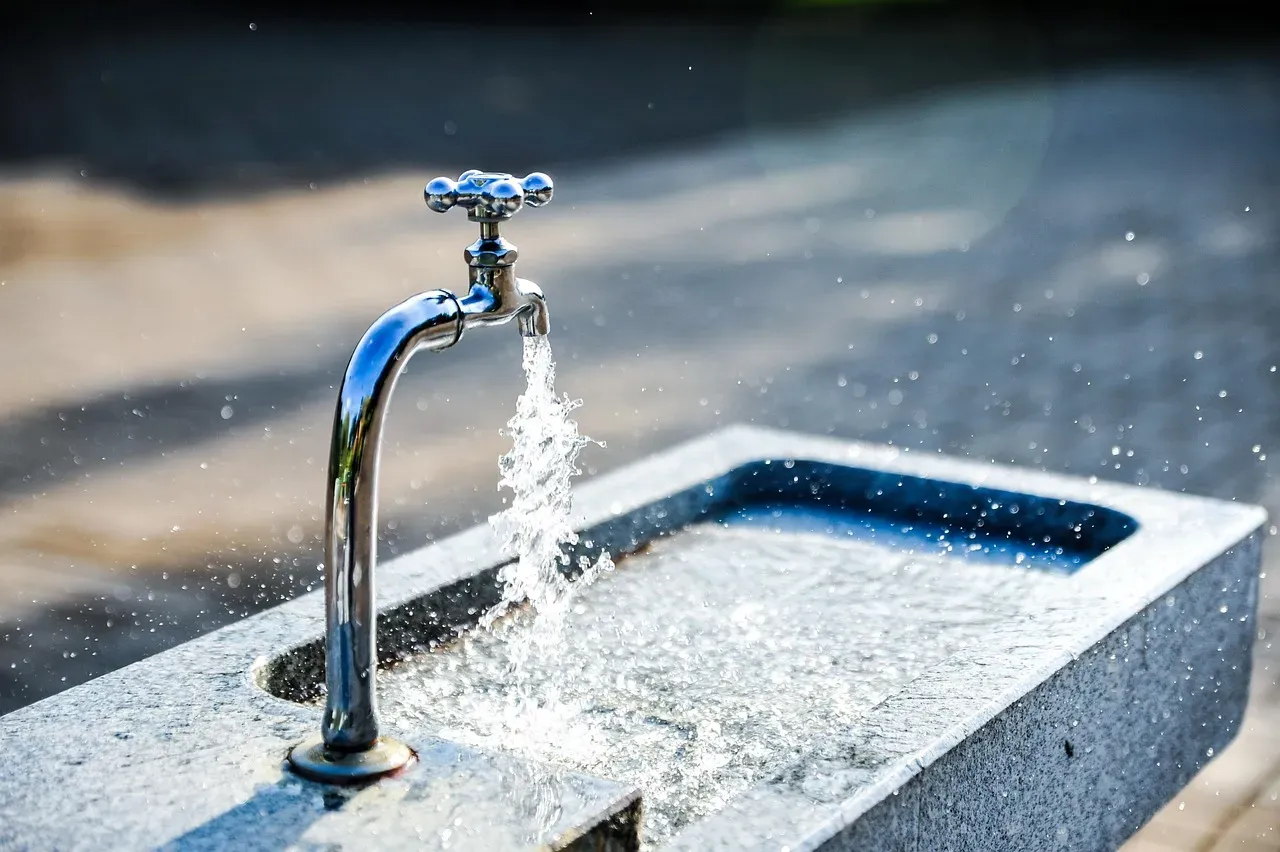
Water might be even more critical to cockroaches than food. Most people don’t realize just how little moisture these insects need to survive and thrive inside a home.
Cockroaches can survive without food for a month, but can only survive for one week without water. That changes the equation significantly. A dripping faucet or a slow leak under the sink is not a minor annoyance – it is an active water source keeping a colony alive.
Roaches are drawn to leaky faucets, damp sponges, sweaty pipes, and condensation around your HVAC system. Bathrooms, laundry rooms, and under-sink areas are common hotspots. These are areas most of us rarely think to check, yet they can be silently sustaining an entire roach population.
Even small amounts of water, like those found in overwatered garden beds, flower pots, or damp kitchen sponges, can attract cockroaches. Honestly, even the wet sponge sitting by your kitchen sink counts. It’s worth fixing that drip you’ve been putting off for weeks.
Leaving Pet Food Out Around the Clock
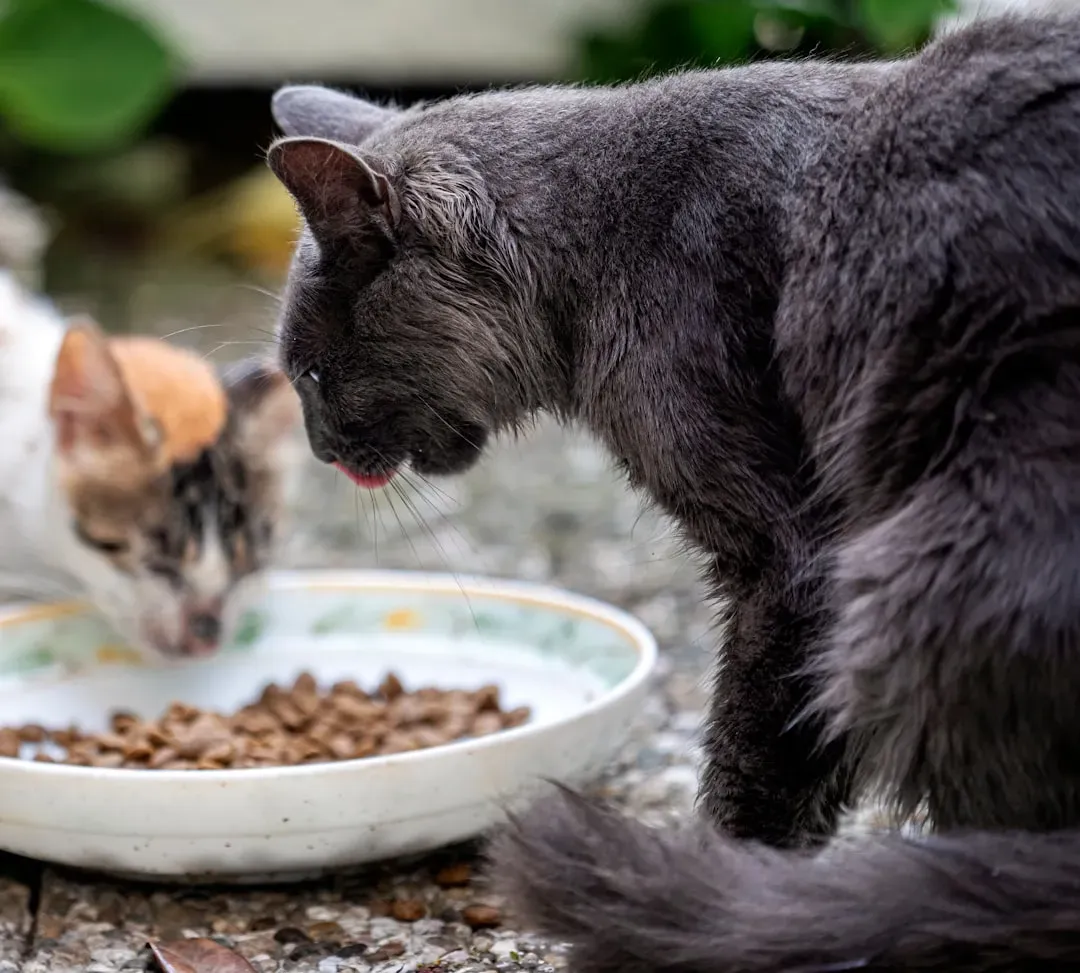
Pet owners, this one is for you – and it’s probably not something your vet ever warned you about.
Pet food left out at night is one of the most common roach attractants. Even dry kibble gives roaches enough food to survive. Think about it: a bowl of dry food sitting on the kitchen floor overnight is, from a cockroach’s perspective, an unguarded buffet with zero competition.
A pet’s water bowl is a pool of bliss to a thirsty roach. Sitting right next to it is a free buffet of kibble. So you’re essentially providing both water and food in one convenient corner. The roach couldn’t have planned it better.
It’s essential to store pet food in sealed containers and to clean up any spills or crumbs immediately. By feeding your pets at specific times and removing any uneaten food promptly, you can reduce the likelihood of attracting cockroaches to your home. Scheduled feeding times are better for your pet’s health anyway, so this is genuinely a win-win habit to build.
Letting Clutter Accumulate Indoors
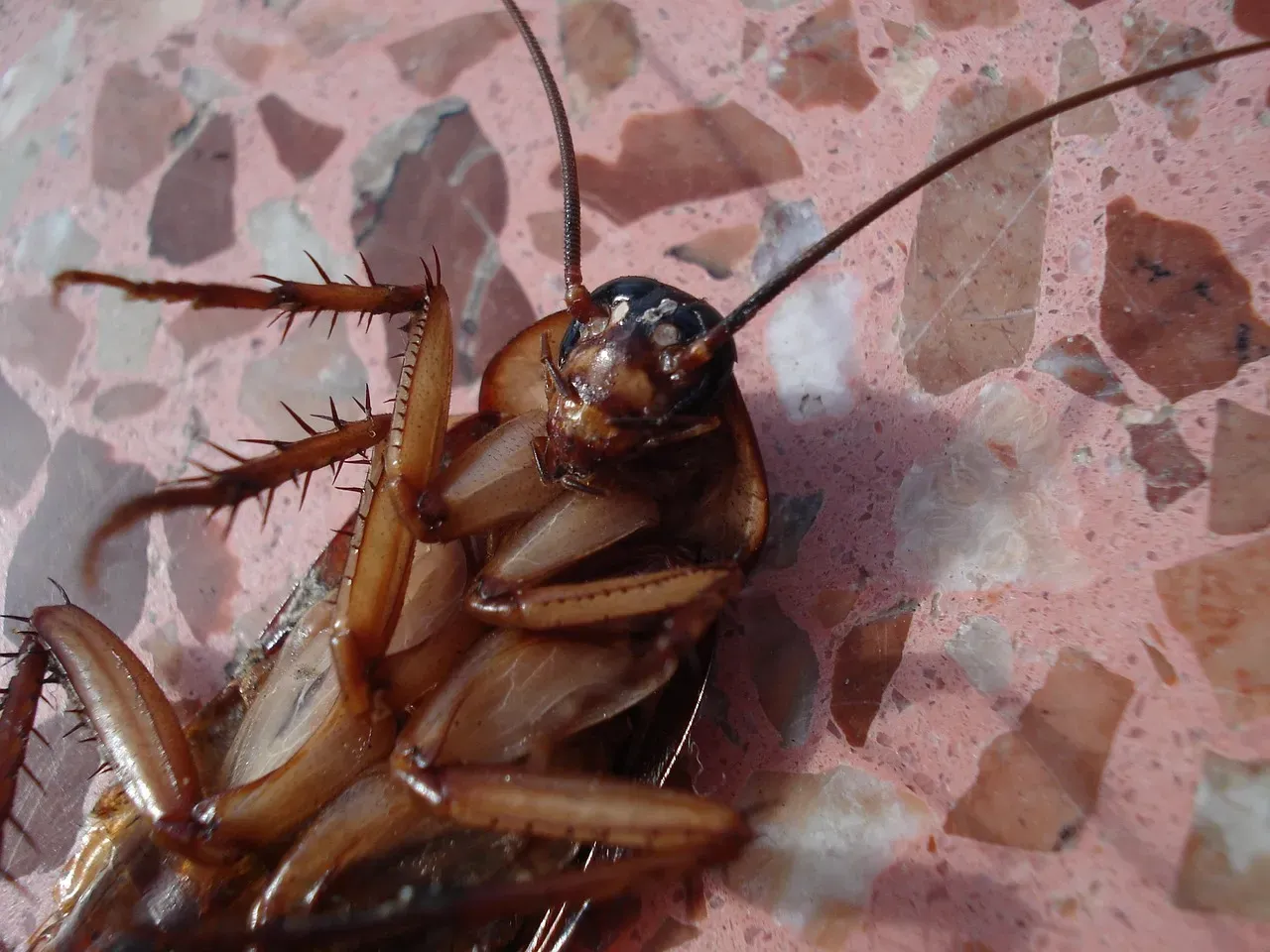
Clutter and cockroaches have a relationship that most homeowners completely overlook. It’s not just about aesthetics; clutter is literally architecture for these pests.
A cluttered home provides the perfect environment for cockroaches to hide and breed. If you have boxes, clothes, toys, and other belongings in a disorganized setting, you create the perfect place for pests. Think of each stack of items as a potential roach apartment building, complete with dark hallways and hidden rooms.
Cockroaches hide in gaps and crevices in walls as well as within clutter. If you have a pile of cardboard or wood, cockroaches are likely to pick that as their home. Cardboard deserves special attention here. Cockroaches use chemical signals called pheromones to communicate with each other. According to pest control research, roaches prefer porous surfaces like cardboard and wood because these materials soak up their scent trails.
So that pile of flattened Amazon boxes in the corner isn’t just an eyesore. It’s practically a roach resort, complete with chemical communication signals inviting more tenants. Decluttering regularly is a surprisingly powerful pest control move.
Keeping Overflowing or Uncovered Trash Cans
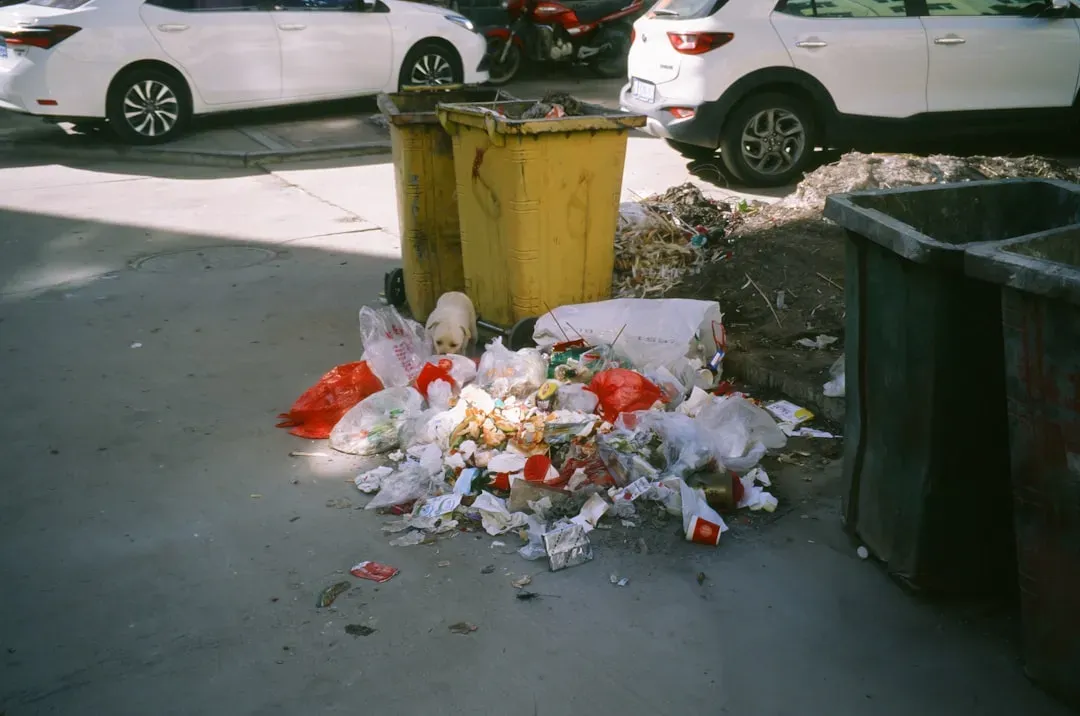
I know it sounds obvious, but the number of households running an overflowing kitchen bin is genuinely staggering. Your garbage can is one of the richest food sources in your entire home from a cockroach’s perspective.
Garbage cans that are open or overflowing are a common target. The combination of food residue, organic decay, and moisture creates an irresistible signal for roaches. It’s essentially a dinner bell that rings 24 hours a day.
Overripe or rotting fruits and vegetables emit strong odors that attract cockroaches. These foods are easier for cockroaches to digest, making them particularly appealing. The decomposition process releases gases and odors that can draw cockroaches. Your garbage bin, if left open or infrequently emptied, becomes an odor beacon broadcasting to every roach within range.
Garbage can be a major draw for cockroaches. Ensure that trash cans have tight-fitting lids and are emptied regularly. Keep outdoor garbage bins away from the house and clean them periodically to remove any food residues. Tight lids, regular emptying, and occasional bin cleaning are habits that pay off far beyond aesthetics.
Neglecting Cracks, Gaps, and Entry Points
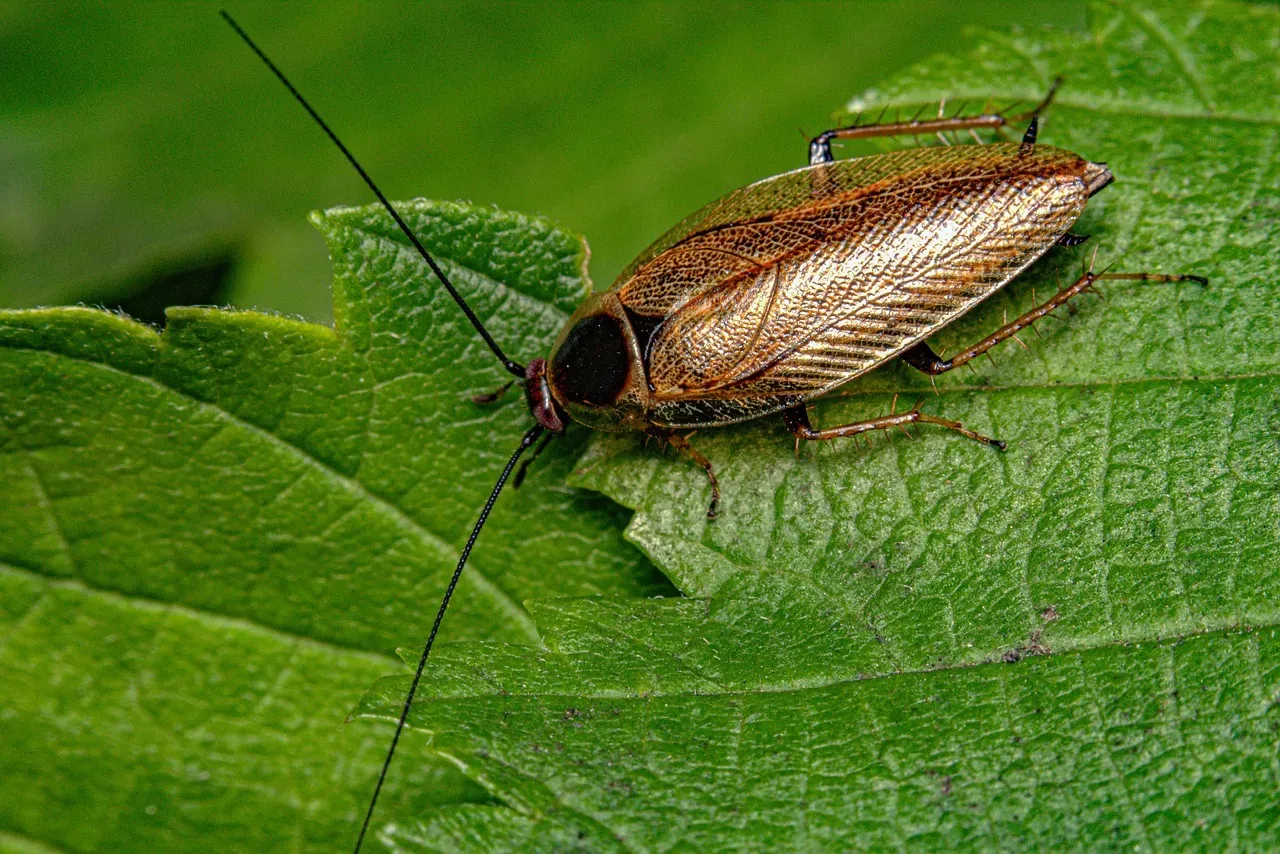
This habit is less about what happens inside and more about what you’re passively allowing from outside. Many homeowners simply never think about the tiny gaps and cracks that line their walls, doors, and pipes.
Roaches have an uncanny knack for finding even the tiniest of openings to sneak into homes. Cockroaches can compress their bodies to fit through minuscule gaps. It sounds almost cartoonish, but it’s completely real. Their flattened, flexible bodies are evolutionary masterpieces designed for exactly this purpose.
Your home’s ventilation systems and drain pipes, especially in bathrooms and kitchens, can become highways for cockroach invasion. These pests often navigate through sewer systems and can climb up into homes via drains. Most people never think about their drain pipes as potential entry points. It’s a genuinely unsettling detail.
You might unknowingly usher cockroaches into your home. They can hitch a ride inside cardboard boxes, grocery bags, or other packages, transitioning from stores or warehouses directly to your living spaces. Sealing visible gaps with caulk and inspecting packages before bringing them inside are two habits that dramatically reduce that invisible front door you may not have known existed.
Allowing Warm, Humid Indoor Conditions to Build Up

It’s hard to say for sure which single habit is the most dangerous, but allowing warm, humid conditions to persist indoors might be the sneakiest of them all. It doesn’t feel like negligence. It just feels like comfort.
While pests can be present all year round, they truly thrive in warm, humid conditions. Summertime, especially in areas with high humidity, sees a surge in cockroach activity. If your home maintains these conditions, it can inadvertently become a cockroach haven. Your cozy, climate-controlled home is, in many ways, exactly the environment these creatures have been biologically engineered to exploit.
Moisture can build up in a house with poor ventilation, especially one without exhaust fans and dehumidifiers. Bathrooms that steam up without ventilation, kitchens without proper extraction, and basements with no airflow are all quietly dialing up the humidity that roaches love.
Cockroaches are ectothermic, relying on external heat sources to regulate their body temperature. They are naturally drawn to warm areas, particularly during colder months. This preference for warmth can lead them to invade homes in search of comfortable living conditions. Running exhaust fans, using dehumidifiers in problem areas, and fixing ventilation are some of the most underrated anti-roach strategies most homeowners never even consider.
The Bigger Picture: Your Habits Are Your Defense
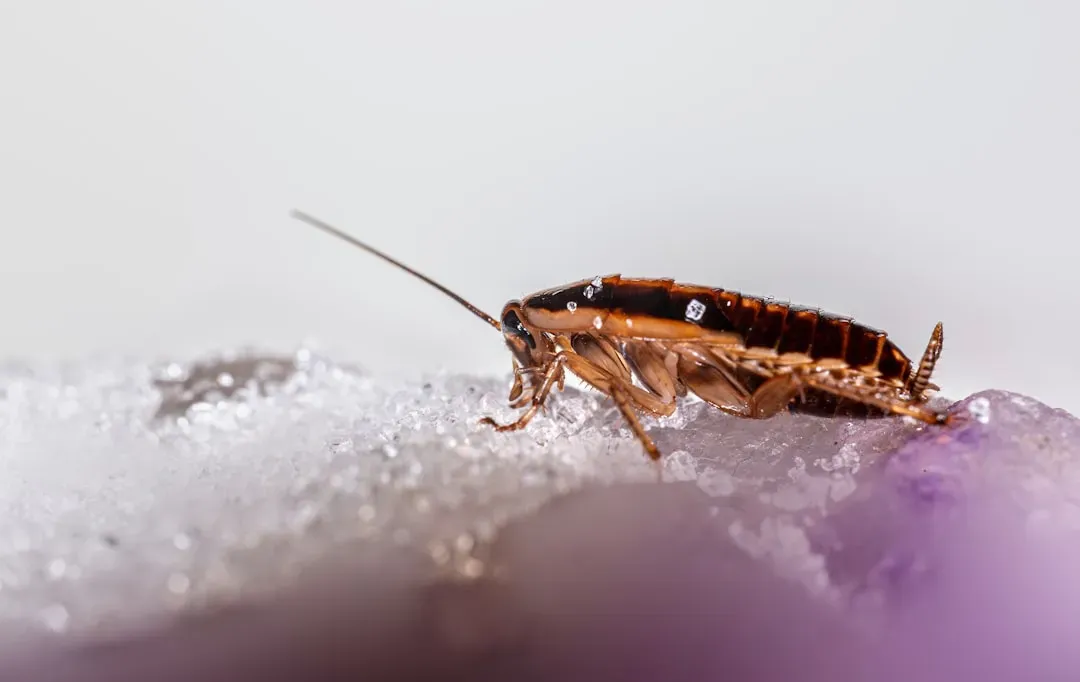
Here’s a fact that should genuinely stop you in your tracks: cockroach infestations don’t just bring creepy crawlers – they fill homes with allergens and bacterial toxins that can trigger asthma and allergies. A 2025 study from NC State University confirmed exactly that, showing the real health cost of letting these pests take hold. This isn’t just a comfort issue. It’s a health issue.
One of the most common misconceptions is that cockroaches only infest dirty or cluttered spaces. The truth is, roaches aren’t judging your home’s cleanliness – they’re following their survival instincts. What they’re truly after is access to food, water, and shelter. That reframe is important. You don’t need a dirty home to have a roach problem. You just need a few of the habits listed above running on autopilot.
The good news is that every single habit on this list is completely changeable. Fix the leak. Seal the pantry. Empty the bin. These aren’t dramatic lifestyle overhauls. They’re small, boring adjustments that collectively build a home that cockroaches simply don’t want to be in.
Remove any one of the core survival elements – food, water, or shelter – and you cut your risk of a problem. Remove all three, and you’ve essentially locked the door. So take a look around your home today with fresh eyes. Which one of these eight habits are you unknowingly keeping alive? The answer might surprise you more than finding the roach itself.
Worried about unexpected vet bills?
Pet insurance can cover thousands in unexpected vet costs. Get a free quote from Lemonade in under 2 minutes.
Get My Free Quote →Sponsored · Opens Lemonade.com
