
Worried about unexpected vet bills?
Pet insurance can cover thousands in unexpected vet costs. Get a free quote from Lemonade in under 2 minutes.
Get My Free Quote →Sponsored · Opens Lemonade.com
You open your kitchen cabinet first thing in the morning, reach for your cereal, and then you see them. A trail of ants, marching with the kind of confident determination that makes you wonder if they’ve actually been living there longer than you have. It’s one of the most universally annoying household moments known to humankind.
Here’s the thing though. You don’t need a cabinet full of chemical sprays or a call to the exterminator to fight back. Nature, in its quietly brilliant way, has already handed you the tools. Certain everyday smells are absolutely unbearable to ants, and the best part? Most of them are already sitting in your pantry right now. Let’s dive in.
Why Smells Work So Powerfully Against Ants

Ants do not have noses. Instead, they detect scent through very sensitive chemoreceptors on their antennae. Think of it like a highly specialized GPS system built entirely around smell. It’s elegant, really. Until you use that weakness against them.
Ants communicate and navigate using pheromone trails. When a scout ant finds food, it leaves a scent trail for other ants to follow. This is why you often see lines of ants marching back and forth from a food source.
Strong scents interfere with these trails. When ants lose the trail, they lose direction. This confusion pushes ants away from certain areas. Honestly, it’s almost poetic. The very thing they rely on to survive becomes their undoing.
Peppermint: The Smell Ants Simply Cannot Handle
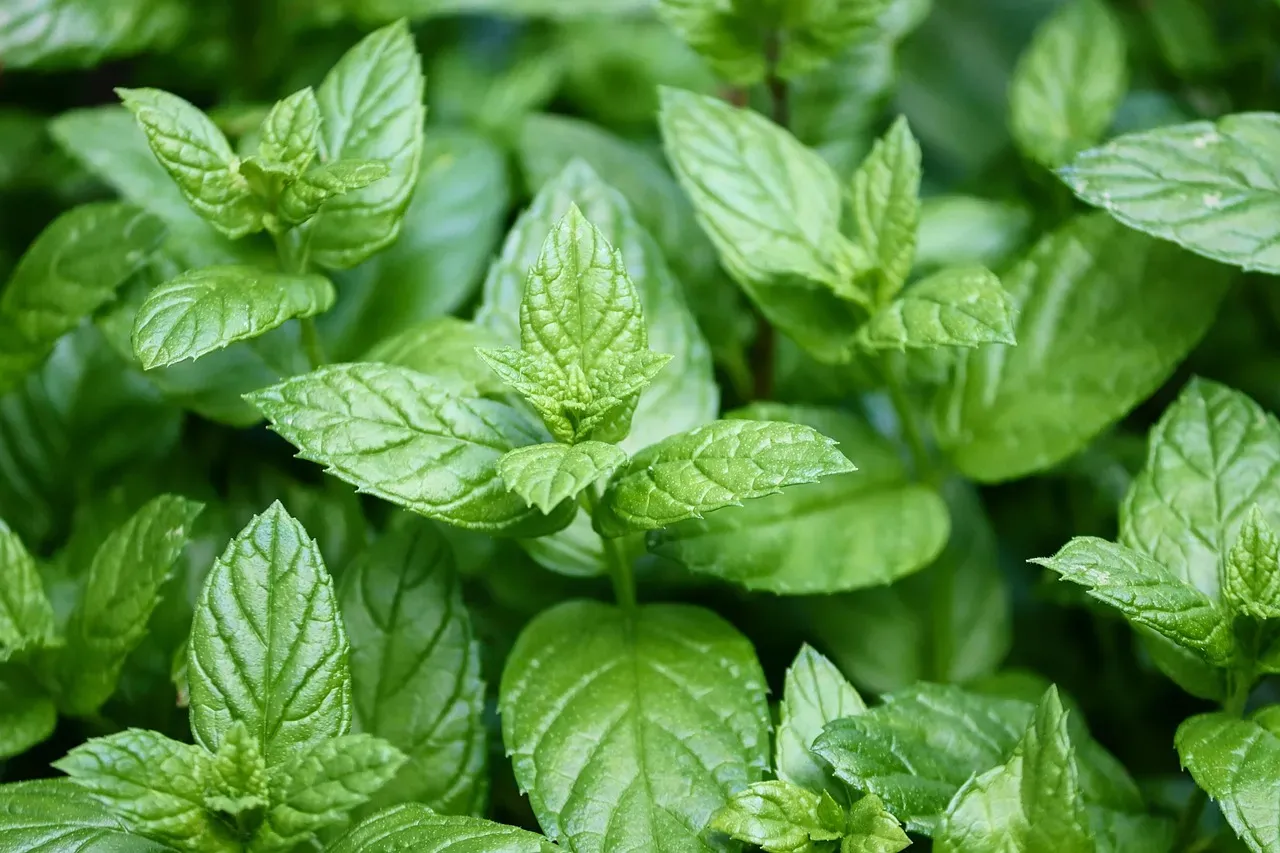
If there is one smell that reigns supreme in the natural ant-repellent world, peppermint is it. I think this one surprises people the most, because to us it smells clean and refreshing. To an ant, it’s basically a disaster zone.
Two of the major chemical compounds found in peppermint oil are terpene and menthol. These are each natural fumigants, meaning that the plant has evolved these compounds specifically to repel insects and rodents.
Peppermint oil’s scent can mask the pheromone trails ants rely on, making it harder for foragers to return to food, water, or shelter. Because ants rely so heavily on those scent signals, even a small disruption can throw off their movement and scatter activity along the trail. Mix around 10 to 20 drops in water, spray it along baseboards and entry points, and reapply every few days for best results.
White Vinegar: The Kitchen Staple With Hidden Superpowers
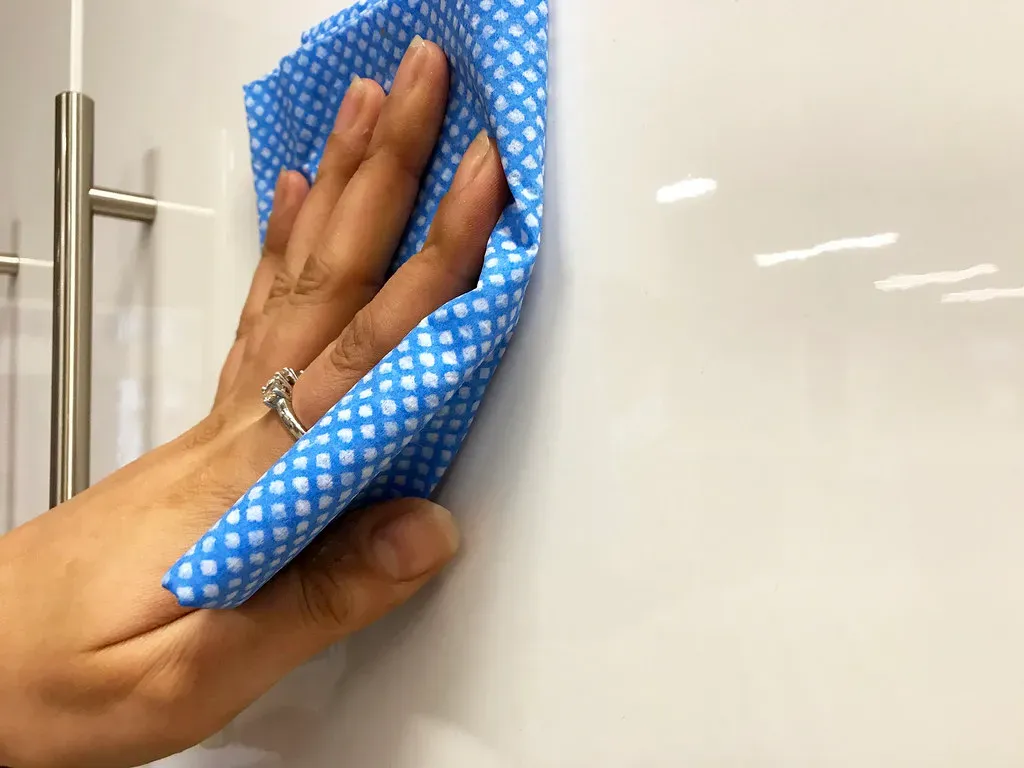
White vinegar is probably already under your kitchen sink, doing nothing more exciting than occasionally cleaning your coffee maker. Time to put it to much better use. There are few things an ant dislikes more than the strong smell of white vinegar. Ants hate vinegar because it erases their pheromone trails and confuses their sense of direction.
Vinegar serves as an excellent cleaning method, removing food residues that attract ants. By using vinegar to clean countertops and floors, individuals not only deter ants but also create a less inviting environment for them. It’s doing double duty. That’s efficiency.
Mix a solution of half vinegar and half water. Use this mixture to wipe down kitchen counters, clean the floor, and other surfaces. The smell dissipates for humans within minutes. For the ants? The disruption to their trail can last much longer.
Cinnamon: The Spice That Does More Than Flavor Your Latte
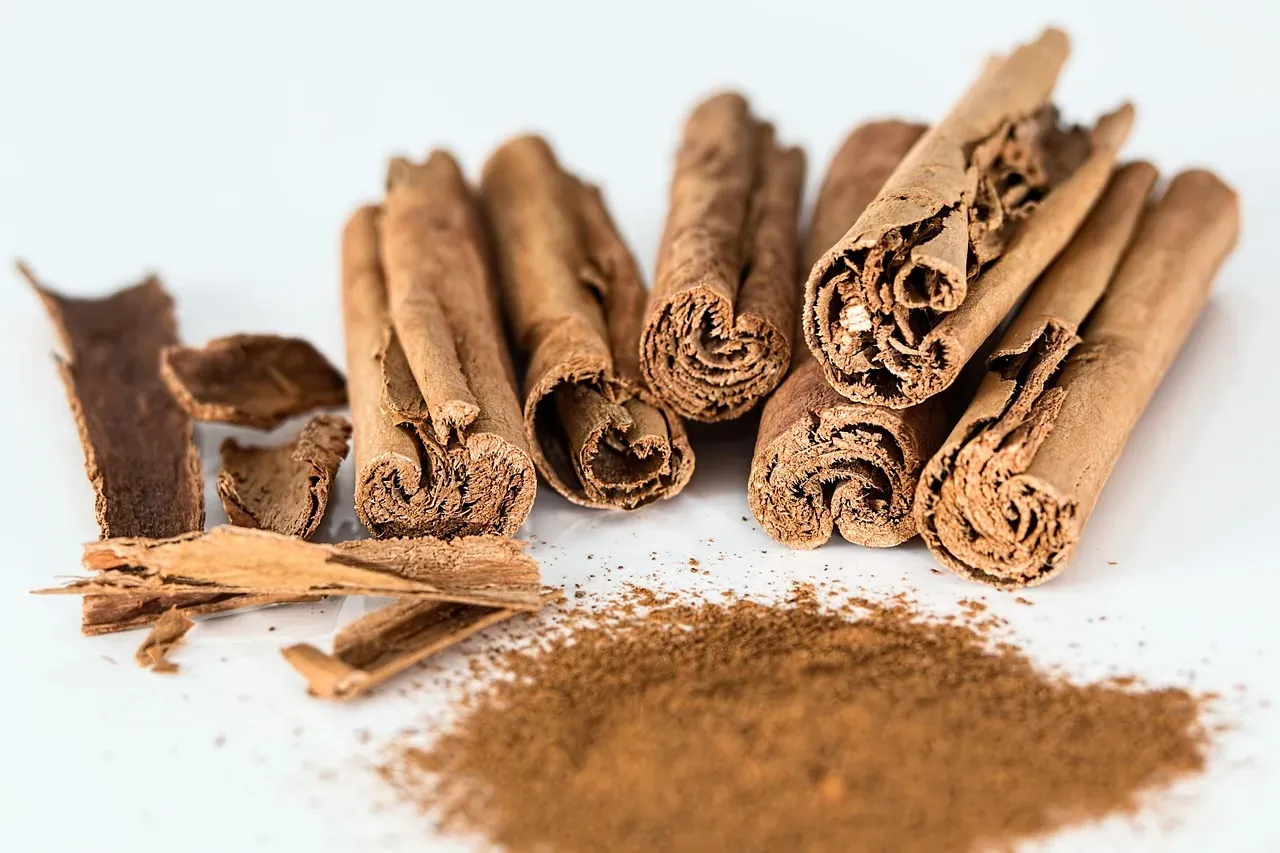
Cinnamon smells like comfort to most people. Warm kitchens, holiday baking, Sunday mornings. Ants, on the other hand, want absolutely nothing to do with it. The reason goes deeper than just a strong smell.
Cinnamon oil is often discussed as a natural ant repellent because its strong scent, driven largely by cinnamaldehyde, can interfere with how ants orient themselves and move through an area. Ground cinnamon can even suffocate ants by clogging the spiracles they use to breathe. That’s a level of effectiveness that honestly sounds a bit dramatic, but it’s real.
Ground cinnamon, cinnamon essential oil, and cinnamon sticks can all be effective repellents. Sprinkling cinnamon powder or using cinnamon essential oil near entry points can help prevent ants from entering your home. It’s worth noting, however, that concentrated cinnamon essential oil is far more potent than simply dusting ground spice from your kitchen shelf.
Citrus Peels and Lemon Juice: Don’t Throw Those Peels Away
Next time you squeeze a lemon or peel an orange, pause before you toss those scraps in the bin. You’re holding a surprisingly effective ant deterrent in your hand. Citrus peels, particularly from oranges and lemons, contain oils that are unappealing to ants.
Citrus peels, such as those from oranges, lemons, and grapefruits, can be used to deter ants from entering your home. The strong citrus scent is not only unpleasant for ants but also helps mask the smell of food that might otherwise attract them.
Spraying diluted lemon juice around entry points and nests can create a hostile environment for ants, discouraging them from entering homes. As an added bonus, citrus peels can also help repel other pests, such as mosquitoes and flies. Honestly, for a free byproduct of your breakfast, that’s a pretty remarkable return.
Lavender: Beautiful, Calming, and Absolutely Terrifying to Ants

Lavender is one of those smells that makes most people feel instantly at ease. There’s something almost magical about it. But while it promotes calm in humans, lavender does not have the same calming effects on ants, as they do not possess the olfactory receptors or cognitive responses that humans have to its scent.
Lavender essential oil wreaks havoc on ants’ chemical receptors. It causes confusion and makes it difficult for them to find food. This is why they will keep their distance from the scent. It’s a bit like playing loud, chaotic noise through their communication system.
Plant lavender near your home’s foundation or around your garden to keep ants at bay. Use lavender essential oil to create a spray or sachets to place near entry points in your home. Placing small lavender sachets inside kitchen cabinets is a particularly elegant solution. It smells wonderful and it works.
Tea Tree Oil: The Powerhouse Most People Overlook

Tea tree oil tends to get most of its reputation for its skin care and antiseptic benefits. But here’s the thing: it deserves far more recognition as an ant fighter. Like most essential oils, tea tree oil is a great natural repellent for ants. To use it, mix a few drops into a plastic spray bottle and spray in the area where you see ants. The strong scent of tea tree oil will keep ants away quickly.
Another method is to soak cotton balls in tea tree oil and place them around entry points in the home. Ants won’t like the smell, and lots of other insect pests won’t appreciate it either. Simple, cheap, and surprisingly powerful for something that costs just a few dollars a bottle.
It’s hard to say for sure which single oil performs best across all ant species, but tea tree is consistently ranked among the most effective. While a single essential oil can be effective, combining oils can enhance their repellent properties. A powerful blend is peppermint and tea tree oil mixed in equal parts for a potent spray.
Coffee Grounds: Your Morning Brew Is Their Worst Nightmare
Let’s be real. Coffee is practically sacred in most kitchens. The idea that something so beloved by humans could double as an ant repellent feels almost too good to be true. Many people find the smell of coffee delightful, but ants definitely do not. These insects find the scent repellent.
After brewing your morning coffee, sprinkle the coffee grounds around the outside of your house or any other location you want to be ant-free. Bonus: coffee grounds are good for many flowerbed and garden plants. So they repel pests and feed your garden at the same time. Zero waste, maximum impact.
Place used coffee grounds near window sills, doorways, or along cracks where ants tend to appear. Other scents like coffee grounds and certain herbs can help keep ants at bay. Just replace the grounds every few days as they dry out and lose their potency. It’s the kind of effortless hack that makes you feel quietly brilliant.
Garlic: The Pungent Guardian of Your Kitchen
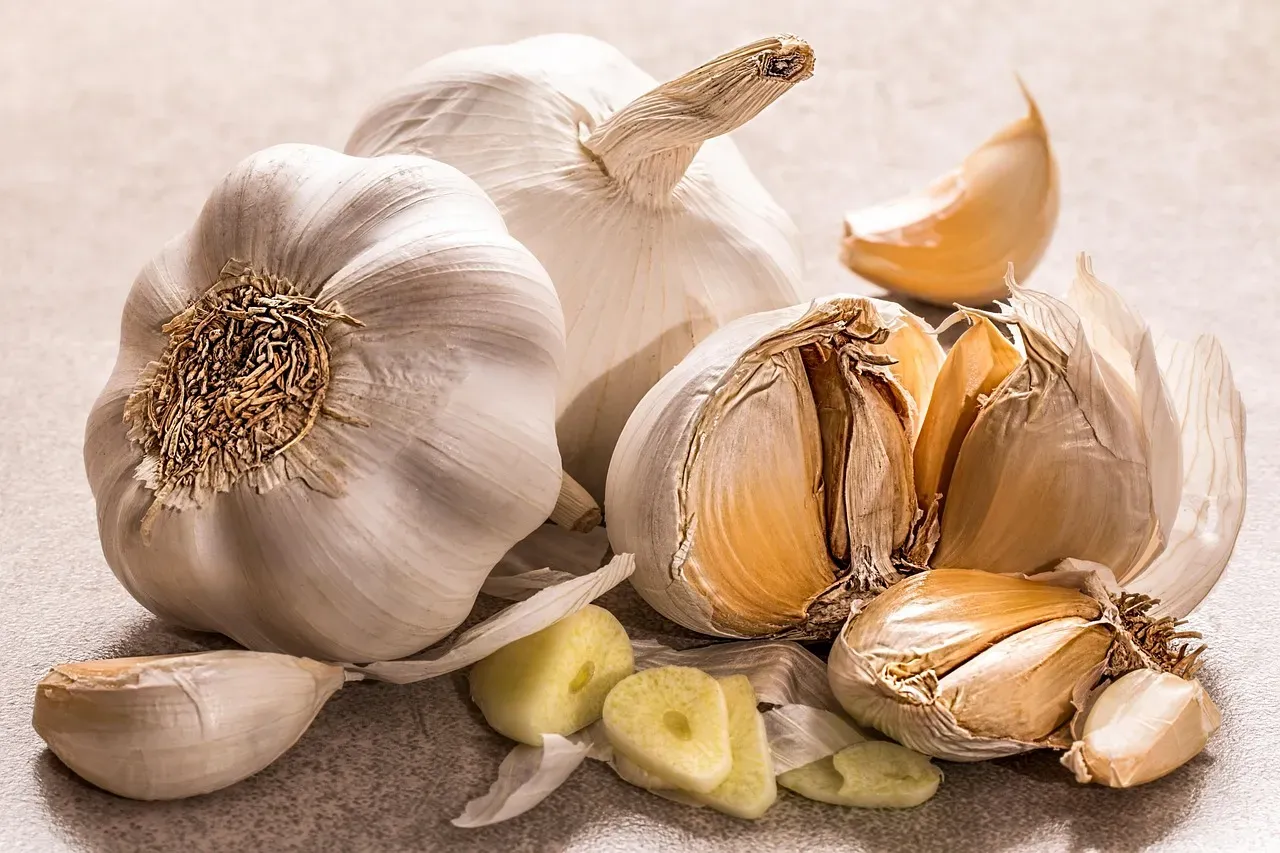
Garlic might be the most polarizing smell on this entire list. People either love it or they find it overwhelming. Ants, with absolutely no hesitation, fall firmly into the second camp. Garlic has gained recognition as an effective natural repellent against ants, largely due to its potent odor. The strong smell of garlic disrupts the ants’ scent trails, making it difficult for them to navigate and communicate.
Garlic’s potent odor confuses ants’ navigation and communication, making it an effective natural repellent. You can place a few cloves near trouble spots, or even rub a cut clove along the edges of windowsills and door frames. It sounds a little unconventional, but it genuinely works.
Strong-smelling herbs such as garlic, black pepper, and bay leaves are known to repel ants effectively. These methods are particularly appealing for their non-toxic nature, making them ideal for homes seeking pet-friendly or child-safe options for ant control. That last part matters a lot, especially if you have young children or curious pets roaming the kitchen.
A Final Word on Keeping Your Kitchen Ant-Free
The smells listed above are genuinely effective, but it’s worth keeping expectations grounded. Each of these natural scent solutions can help deter ants, but they are short-term fixes that require reapplication, and effectiveness may vary. Think of them as part of a broader strategy rather than a one-time cure.
Natural remedies temporarily disrupt ants but do not eliminate nests. Once the scent fades, ants rebuild pheromone trails. If the nest remains active, ants return quickly. So combine scent-based deterrents with good kitchen hygiene, sealed food containers, and blocked entry points for the best results.
The good news is that you likely already have several of these tools within arm’s reach. Peppermint oil, white vinegar, a lemon, a cinnamon stick. Your kitchen might already be your most powerful weapon against these tiny invaders. The question is whether you’ll use it before that next morning trail appears across your counter. What would you try first?
Worried about unexpected vet bills?
Pet insurance can cover thousands in unexpected vet costs. Get a free quote from Lemonade in under 2 minutes.
Get My Free Quote →Sponsored · Opens Lemonade.com
