
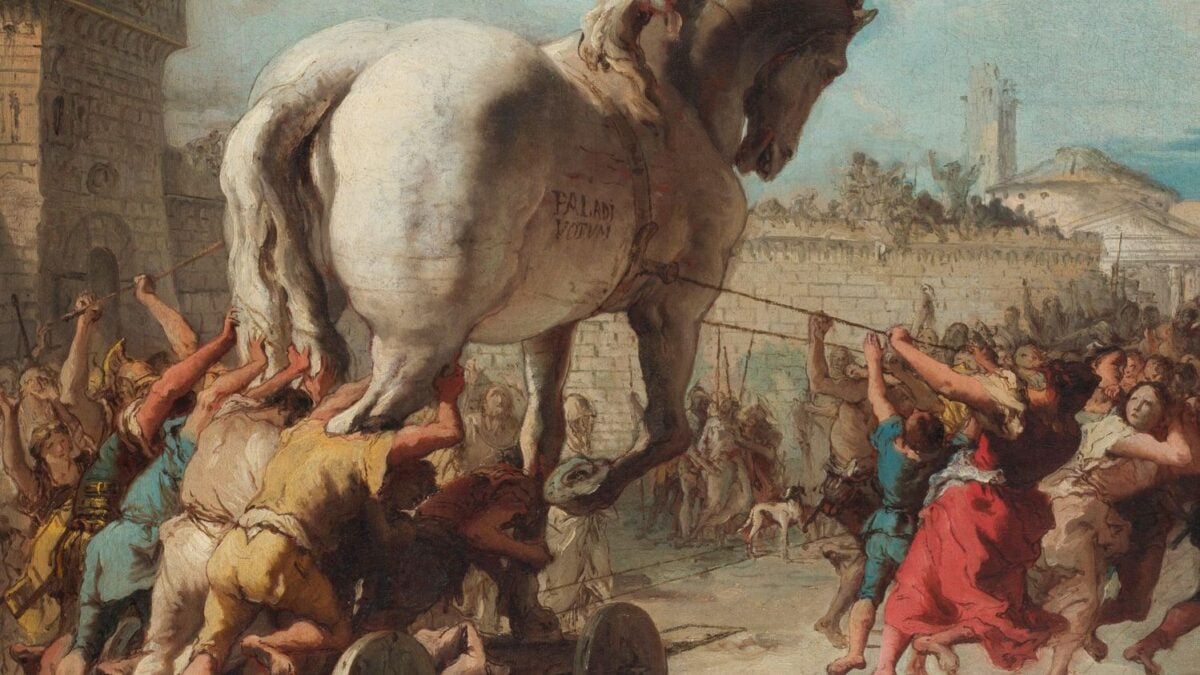
You’ve probably heard of the Trojan Horse and Helen of Troy, but what about the actual city where this legendary drama supposedly unfolded? Troy isn’t just a figment of ancient storytelling. It’s a real place, sitting atop a mound in modern Turkey, where layer upon layer of civilization tells stories that go back thousands of years.
What makes this site so captivating isn’t just the myth. It’s the fact that archaeologists have been digging here for over 150 years, uncovering treasures, fortifications, and evidence of cultures that thrived long before Homer ever put stylus to papyrus. From strategic trade routes to catastrophic destructions, Troy has it all. Let’s explore some of the most fascinating facts about this ancient wonder.
Troy Wasn’t Just One City But Nine Different Settlements Stacked on Top of Each Other
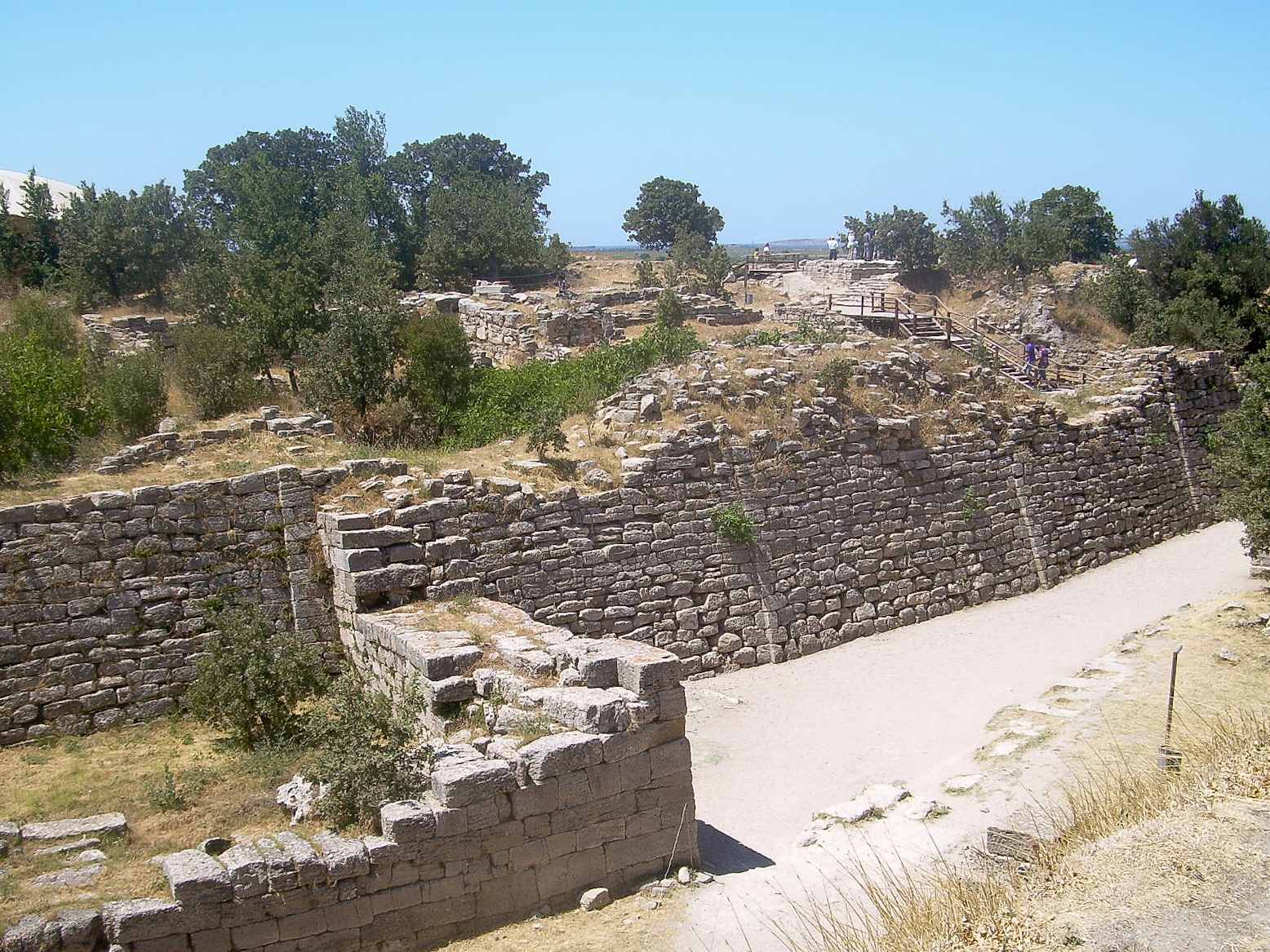
Troy was repeatedly destroyed and rebuilt during its 4000 years of occupation, resulting in the site being divided into nine archaeological layers. Archaeologists refer to these layers using Roman numerals, Troy I being the earliest and Troy IX being the latest. Each layer represents a different era, like pages in a history book stacked vertically rather than side by side.
These layers resulted from Troy being repeatedly destroyed, usually by fire or earthquake, with new settlers simply levelling the debris and building on top of it rather than removing the ruins. Recent discoveries have even identified a layer called Troy 0, which pushes the city’s origins back even further. Think of it like a giant archaeological layer cake, except instead of frosting, you’ve got ancient pottery shards and crumbling walls.
The City Was First Settled Around 3600 BC, Making It Older Than Many Civilizations
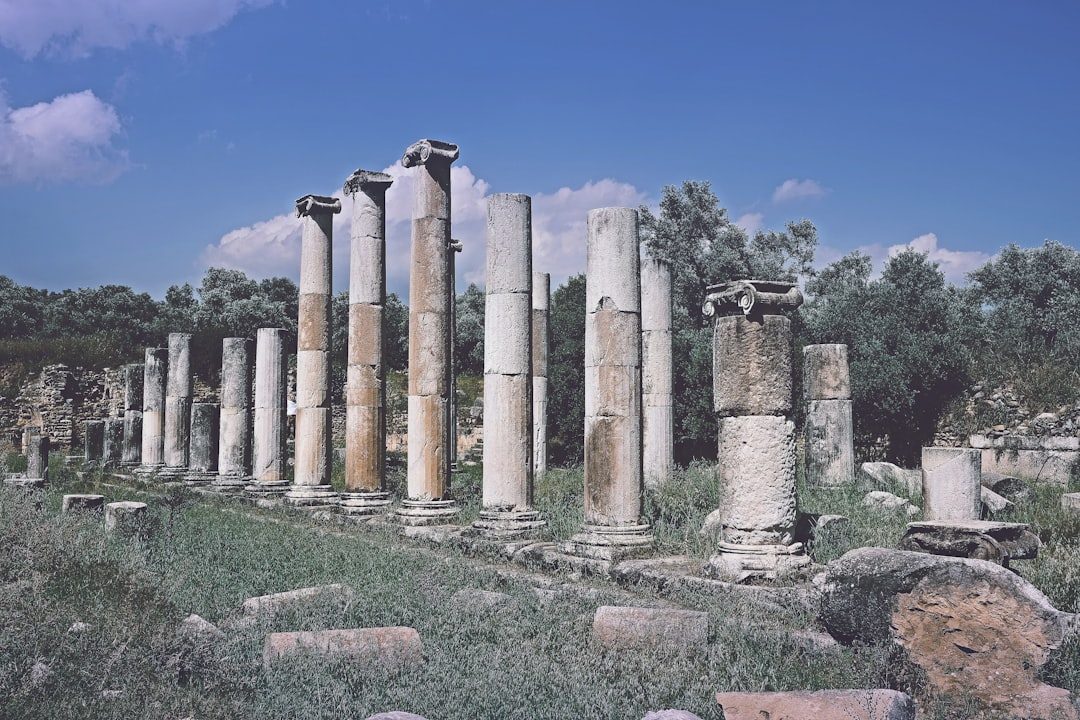
Troy was first settled around 3600 BC and grew into a small fortified city around 3000 BC. To put that in perspective, this predates the construction of Stonehenge and even the earliest Egyptian pyramids. Latest discoveries indicate that the city was first established around 3,500 BC, meaning the settlement dates back an astonishing 5,500 years.
The earliest settlers chose their location wisely. The first humans to settle on the site did so in the early Bronze Age from around 3000 BCE, choosing the western end of a ridge on a fertile plain between two rivers. This wasn’t random luck. They needed water, fertile soil, and a defensive position, and this spot offered all three. It’s hard to say for sure, but those early inhabitants probably had no idea their humble settlement would become one of history’s most famous cities.
Troy’s Strategic Location Made It Fabulously Wealthy and Dangerously Vulnerable
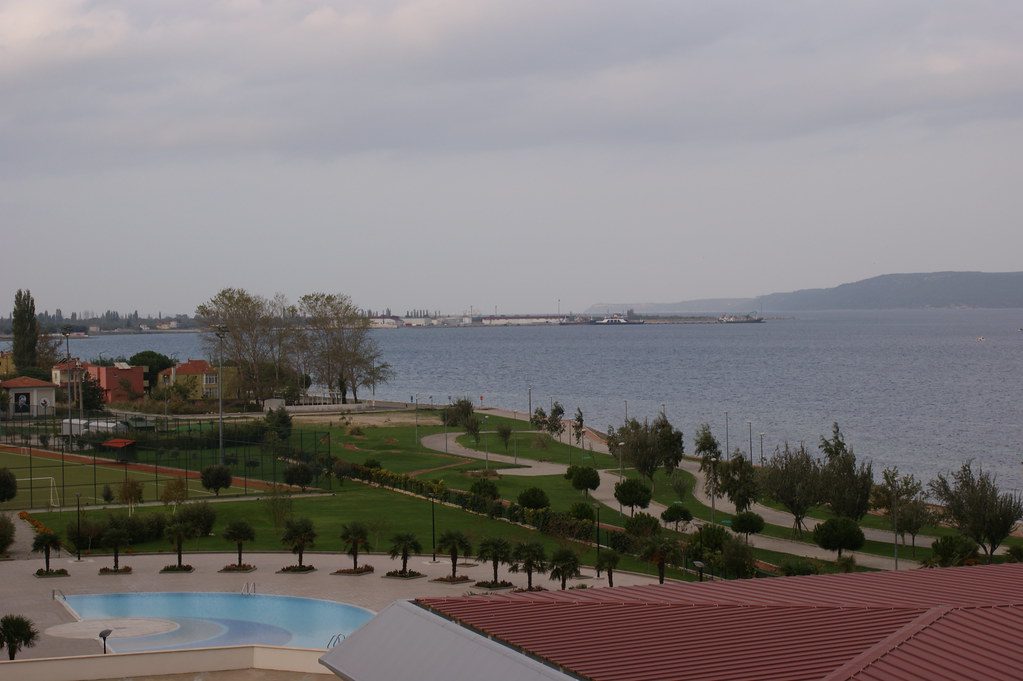
Ancient Troy commanded a strategic point at the southern entrance to the Dardanelles, a narrow strait linking the Black Sea with the Aegean Sea via the Sea of Marmara. It occupied a strategic position on the Dardanelles, a narrow water channel that connects the Aegean Sea to the Black Sea, enabling the city and its inhabitants to flourish, especially during the Bronze Age.
Troy occupied a strategic location commanding the entrance to what is now the Dardanelles, and whoever held Troy would control the traffic along that busy commercial route. Imagine collecting tolls on a major highway, except instead of cars, you’ve got merchant ships loaded with goods from distant lands. This made Troy incredibly rich but also made it a target. Wealth attracts attention, and not always the friendly kind.
Heinrich Schliemann Rediscovered Troy in the 1870s but Almost Destroyed It in the Process
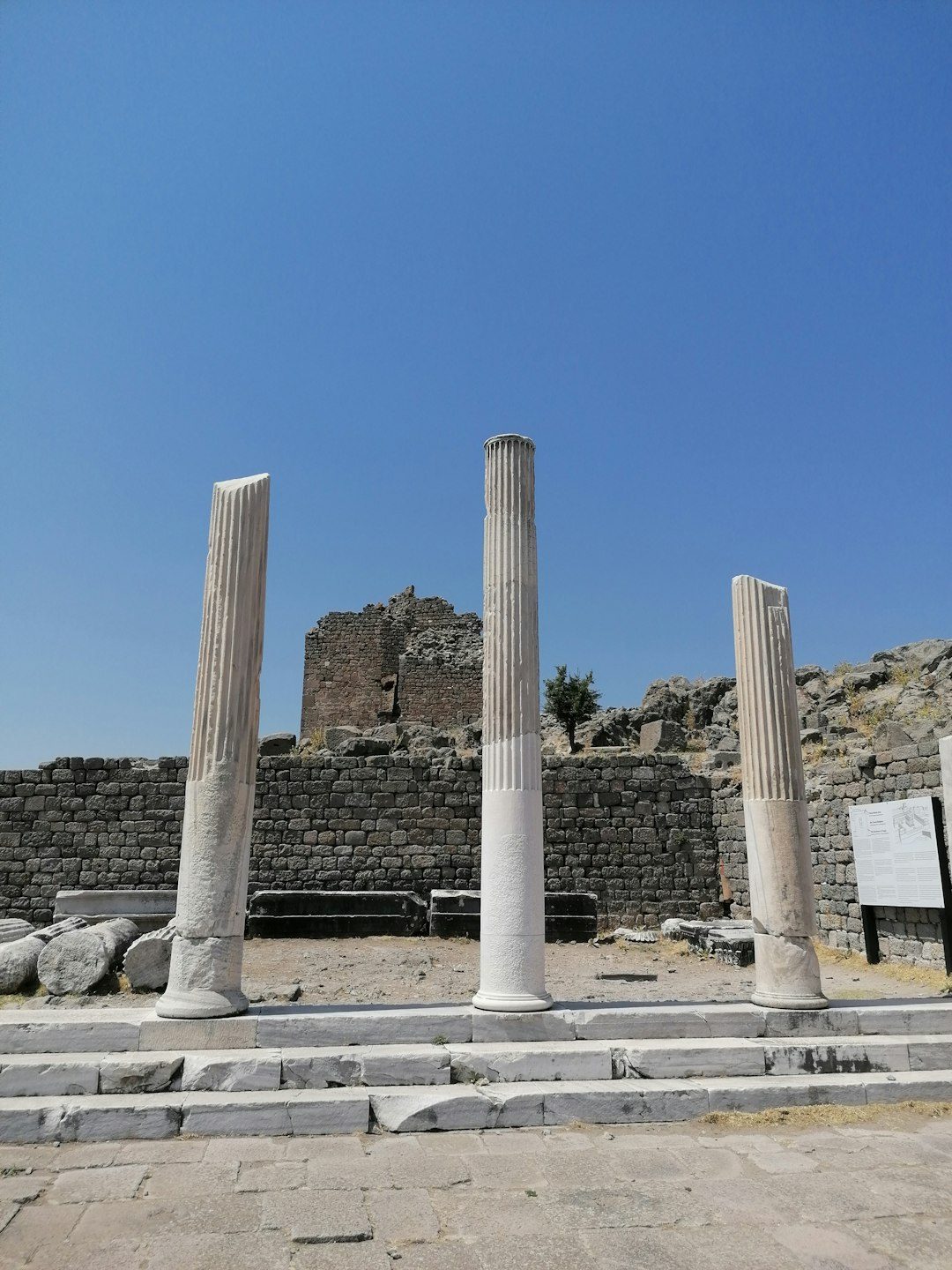
The first excavations at the site were undertaken by the famous archaeologist Heinrich Schliemann in 1870. Schliemann was convinced that Homer’s Troy was real and set out to prove it, which he did. In a layer near the bottom, he unearthed an astonishing cache of goblets, shields, diadems, bracelets, necklaces, thousands of gold beads and hundreds of other objects, claiming that the treasure confirmed the site was Homeric Troy.
The problem? In his eagerness, Schliemann famously hacked a huge trench through the site, almost certainly destroying vital clues to the city’s history. His methods were rough by modern standards. Honestly, he was more treasure hunter than archaeologist. The jewelry and other artifacts he found at Troy II dated to between 2500 and 2300 B.C., about 1,000 years earlier than the agreed upon time of Homeric Troy. Still, his discovery put Troy on the map and sparked more than a century of systematic excavation.
The Real Troy of the Trojan War Was Likely Troy VI or Troy VIIa
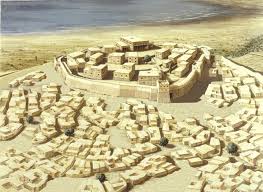
Studies revealed that the mound contains not just one but nine Troys, with archaeologists considering Troy VI as the likeliest candidate for Homer’s Troy. This city dates from around 1700 to 1250 B.C., and its citizens lived in dynamic times. Troy VI is the period most visible today at the site and is the most likely candidate for the besieged city of Homer’s Trojan War.
Troy VIIa displayed evidence of warfare, including burned structures and human remains, aligning with the supposed timeline of the Trojan War. Troy appears to have been destroyed around 1180 B.C., probably by a war the city lost, with evidence of a conflagration, some skeletons, and heaps of sling bullets. Recent excavations in 2025 have uncovered even more evidence. Turkish archaeologists discovered thousands of 3,500-year-old sling stones and weapons that may finally prove Homer’s epic Iliad was based on real events. The mounting evidence is pretty compelling.
Troy Had Massive Fortification Walls That Would Have Impressed Any Ancient Army
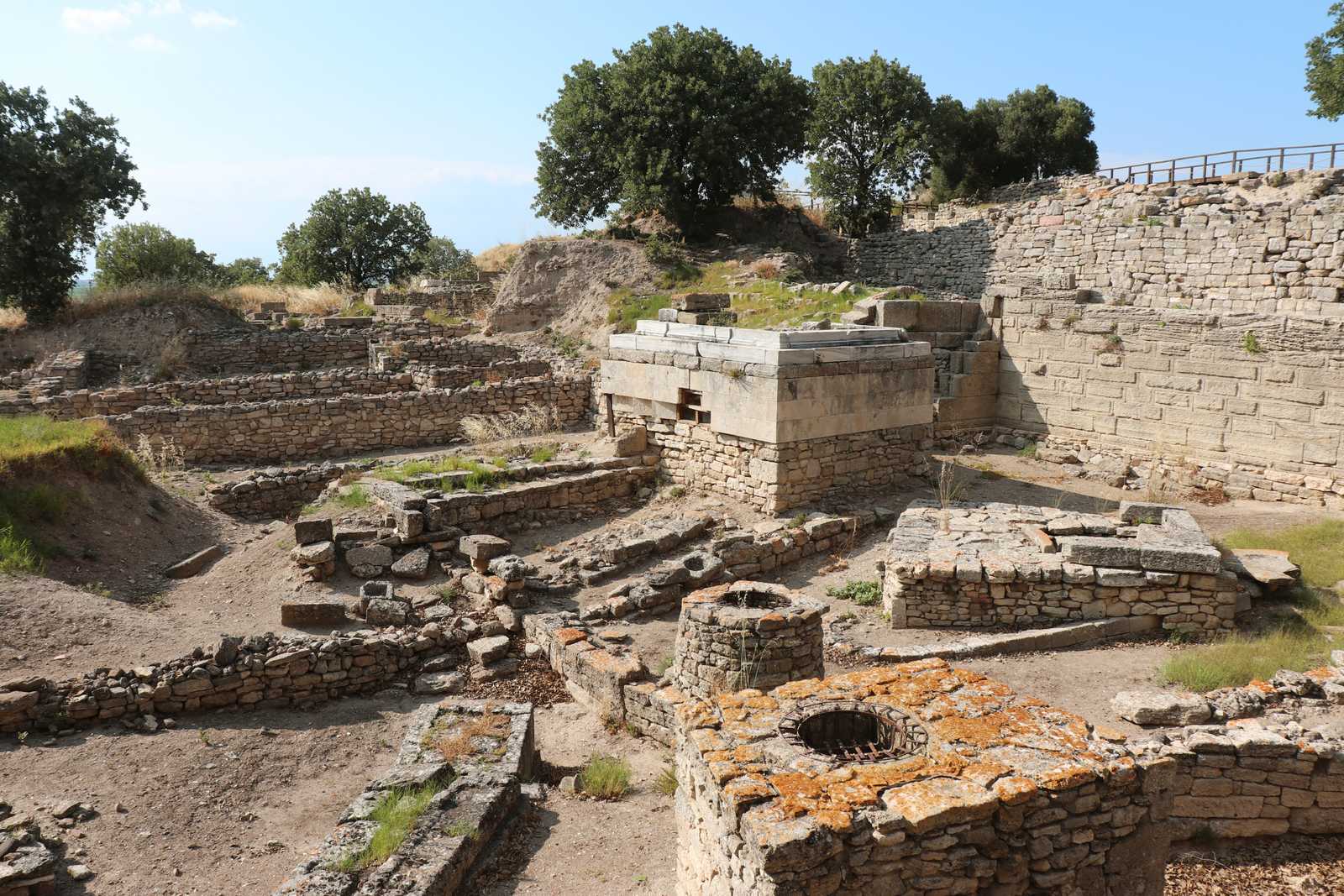
The archaeological site of Troy has impressive fortification walls 5 metres thick and up to 8 metres high constructed from large limestone blocks. These walls included several towers and would have once been topped by a mud brick and wood superstructure, with closely fitting stonework sloping inwards, certainly fitting the Homeric description of ‘strong-built Troy’.
Troy I was one of the most heavily fortified sites in the region during the early Bronze Age, with limestone walls that stood over 11.5 feet high and reached a thickness of almost 10 feet. These weren’t decorative walls. They were built to withstand sieges, battering rams, and everything else that hostile armies could throw at them. The city learned from bitter experience that in the ancient world, strong walls meant survival.
Troy Was Known by Different Names to Different Peoples Throughout History
Other names for Troy include Hisarlik in Turkish, Ilios as used by Homer, Ilion in Greek, and Ilium in Roman. In Classical Greek, the city was referred to as both Troia and Ilion or Ilios, with metrical evidence suggesting the latter was originally pronounced Wilios, as suggested by Hittite records which refer to a city in northwest Anatolia called Wilusa or Truwisa.
Hittite tablets mention a place called Wilusa, located in western Anatolia between 1400 and 1200 B.C., and most scholars now believe this is a direct reference to Troy, as Wilusa is very similar to the Greek word Ilios or Ilion. The shifting names reflect the different empires and cultures that knew of Troy’s importance. It’s fascinating how one place can have so many identities across time.
Troy Is Now a UNESCO World Heritage Site Visited by Thousands Every Year
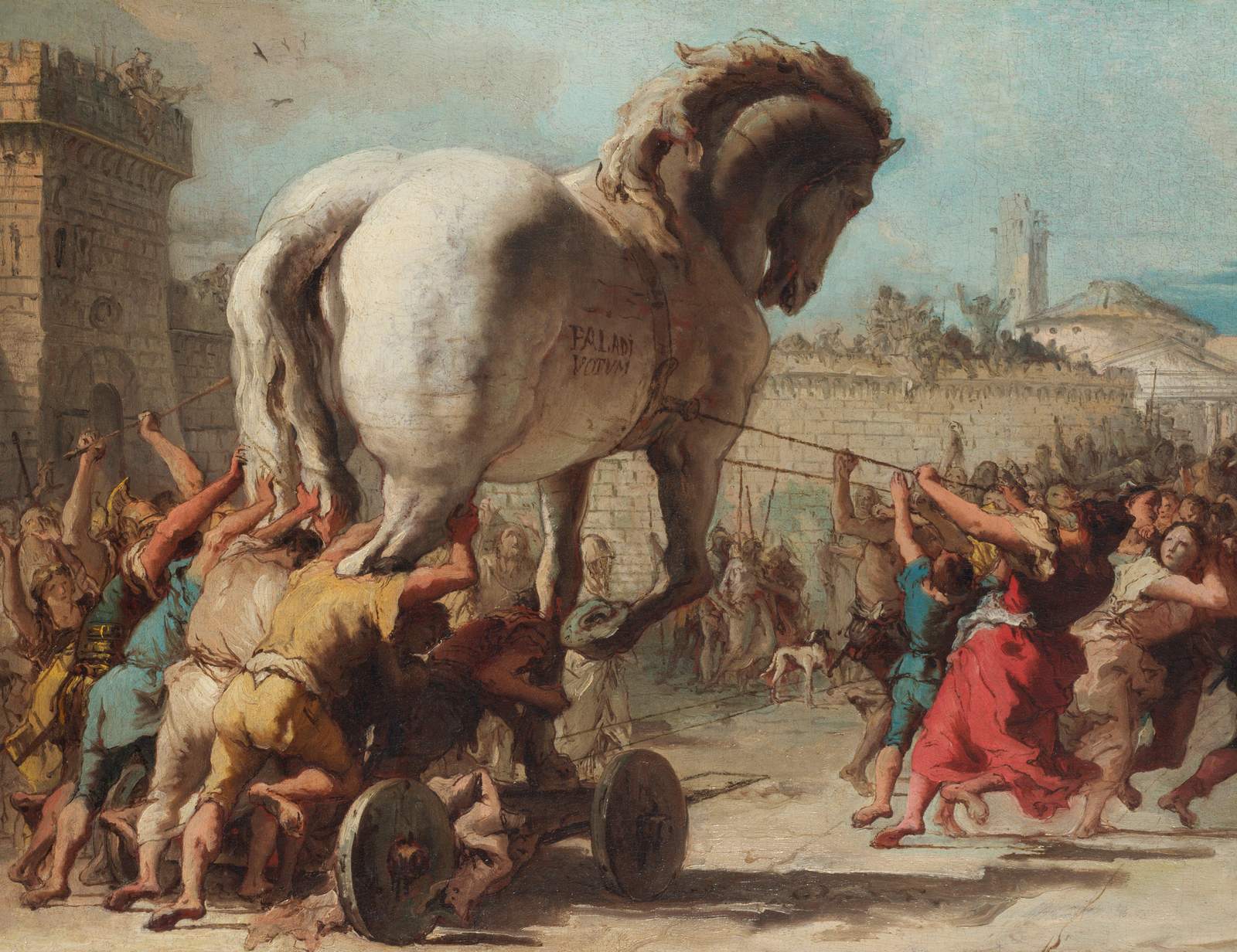
The ruins of Troy were enrolled as a UNESCO World Heritage site in 1998. Troy, with its 4,000 years of history, is one of the most famous archaeological sites in the world. Now a UNESCO World Heritage Site, Troy also boasts a museum opened in 2018 to accommodate hundreds of visiting tourists to the ruins every day.
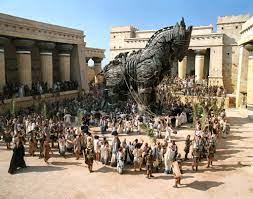
In the square at the site’s entrance is a large wooden horse monument, with a ladder and internal chambers for use of the public. Visitors can walk the ancient paths where warriors once marched, climb inside a replica of the famous Trojan Horse, and stand where kings and queens once ruled. Due to its mythological, historical and archaeological importance, Troy was declared a Historical National Park together with its surroundings in 1996. The site continues to reveal its secrets to archaeologists and inspire wonder in everyone who visits.
Conclusion: A City That Refuses to Be Forgotten
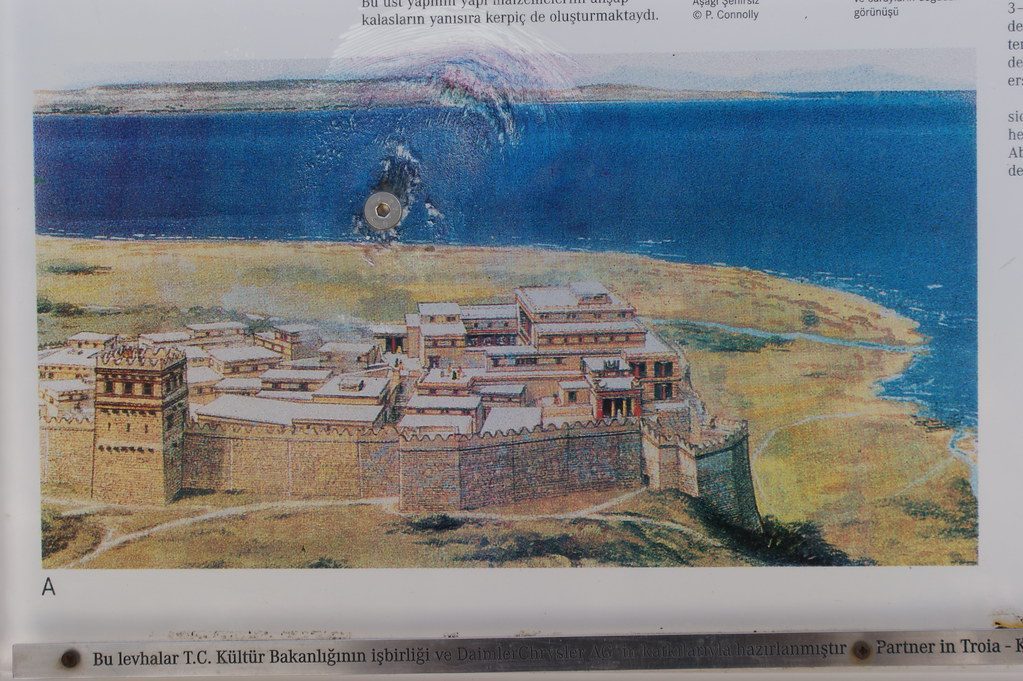
Troy stands as a bridge between myth and reality, between the epic poems of Homer and the hard evidence uncovered by modern archaeology. What started as a legendary tale has been proven to be rooted in a genuine place with genuine history. The city’s multiple layers tell us that civilizations rise and fall, but their stories endure.
The ongoing excavations continue to uncover new evidence, reshaping our understanding with every discovery. From its earliest settlement over 5,000 years ago to its inclusion as a World Heritage Site, Troy remains one of humanity’s most compelling archaeological treasures. Whether the Trojan War happened exactly as Homer described may never be fully known, but the city that inspired the story is very real indeed.
What’s your take on the Troy legend? Does archaeology make the myths more or less fascinating? Tell us what you think in the comments.

- Animal Psychology Says If You See a Large Gathering of Crows in Your Yard at Dawn It Is a Sign of Complex Social Behaviour – and the Cognitive Power Required for It Belongs to an Elite Group of Species - July 14, 2026
- 10 Fascinating Facts About American Crows That Changed How Scientists See Birds - July 14, 2026
- Zoology Says the Reason Elephants Return to the Bones of Their Dead Is Rooted in Mourning – It Is a Sign of Deep Social Memory and an Emotional Life Highly Unusual for Mammals - July 14, 2026