
Deep beneath the Pacific Ocean’s surface lies a realm untouched by time – a vast expanse of water that hasn’t mingled with the upper layers for over a millennium. This ancient, stagnant layer, known as the “shadow zone,” harbors life forms uniquely adapted to its extreme and unchanging conditions.
Unveiling the Pacific’s Shadow Zone
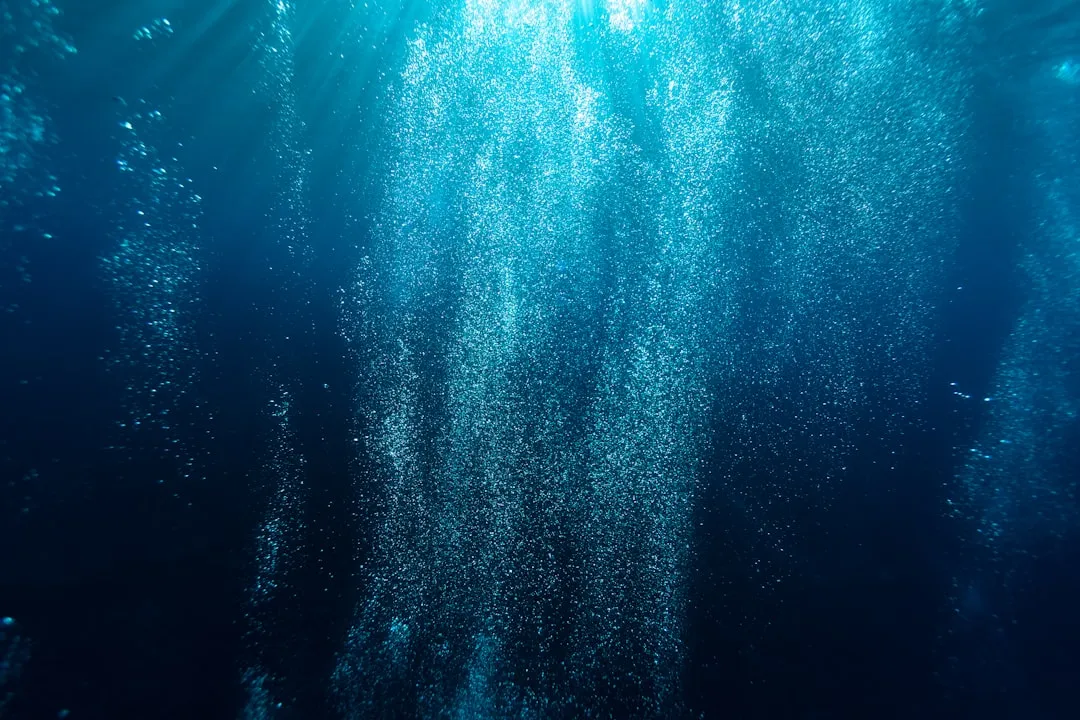
Imagine a colossal body of water, suspended in near-total stillness, isolated from the dynamic currents above and below. This is the reality of the shadow zone, a region approximately 2 kilometers beneath the Pacific’s surface, where water has remained largely undisturbed for over a thousand years. The unique topography of the ocean floor and minimal vertical mixing contribute to this phenomenon, creating a sanctuary of ancient waters.
The Science Behind the Stagnation
The persistence of this unmixed layer is primarily due to the ocean’s structural features. The seafloor’s shape and the distribution of geothermal heat sources create a barrier to vertical water movement. As a result, the water within this shadow zone remains trapped, preserving its composition and temperature over centuries. This isolation has profound implications for oceanic circulation and nutrient distribution.
Life in the Depths: Adaptations to Extreme Stagnation
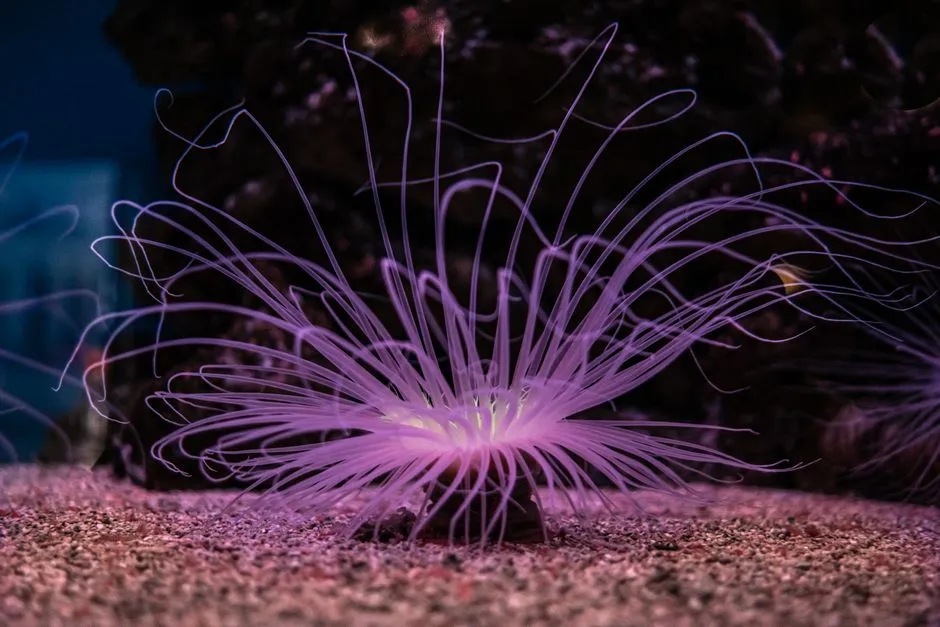
Despite the harsh conditions – complete darkness, high pressure, and limited nutrients – life thrives in the shadow zone. Organisms here have evolved remarkable adaptations. For instance, certain deep-sea fish possess gelatinous bodies and lack swim bladders, allowing them to withstand immense pressures. Bioluminescence is another common trait, enabling communication and predation in the pitch-black environment.
Microbial Marvels: The Base of the Food Chain

Microorganisms form the foundation of the shadow zone’s ecosystem. These extremophiles can metabolize sulfur and other inorganic compounds, a process known as chemosynthesis, to produce energy. This ability supports a diverse range of life forms, from tiny invertebrates to larger predators, all intricately linked in this isolated food web.
Giant Tubeworms: Architects of the Deep
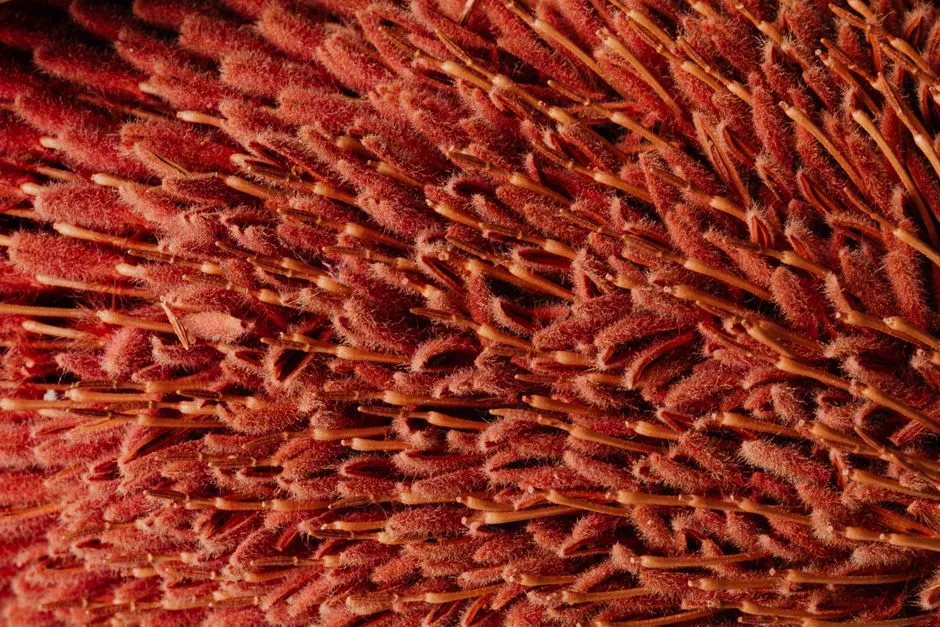
Among the most fascinating inhabitants are the giant tubeworms. These creatures lack mouths and digestive systems; instead, they rely on symbiotic bacteria within their bodies to convert sulfur from hydrothermal vents into organic molecules. This unique adaptation allows them to thrive in an environment devoid of sunlight and traditional food sources.
Implications for Climate Science
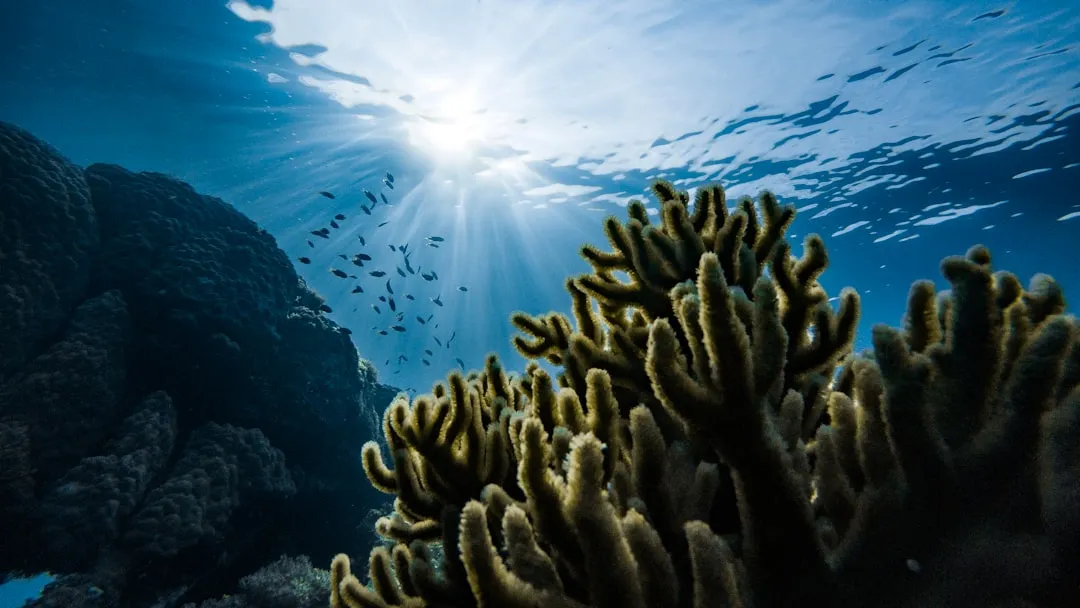
The shadow zone’s isolation means it acts as a reservoir for carbon and nutrients, influencing global climate patterns. Understanding how these ancient waters interact with the rest of the ocean is crucial for predicting climate change impacts. Studying this stagnant layer provides insights into the ocean’s role in carbon sequestration and its response to environmental shifts.
Exploring the Uncharted: The Future of Deep-Sea Research
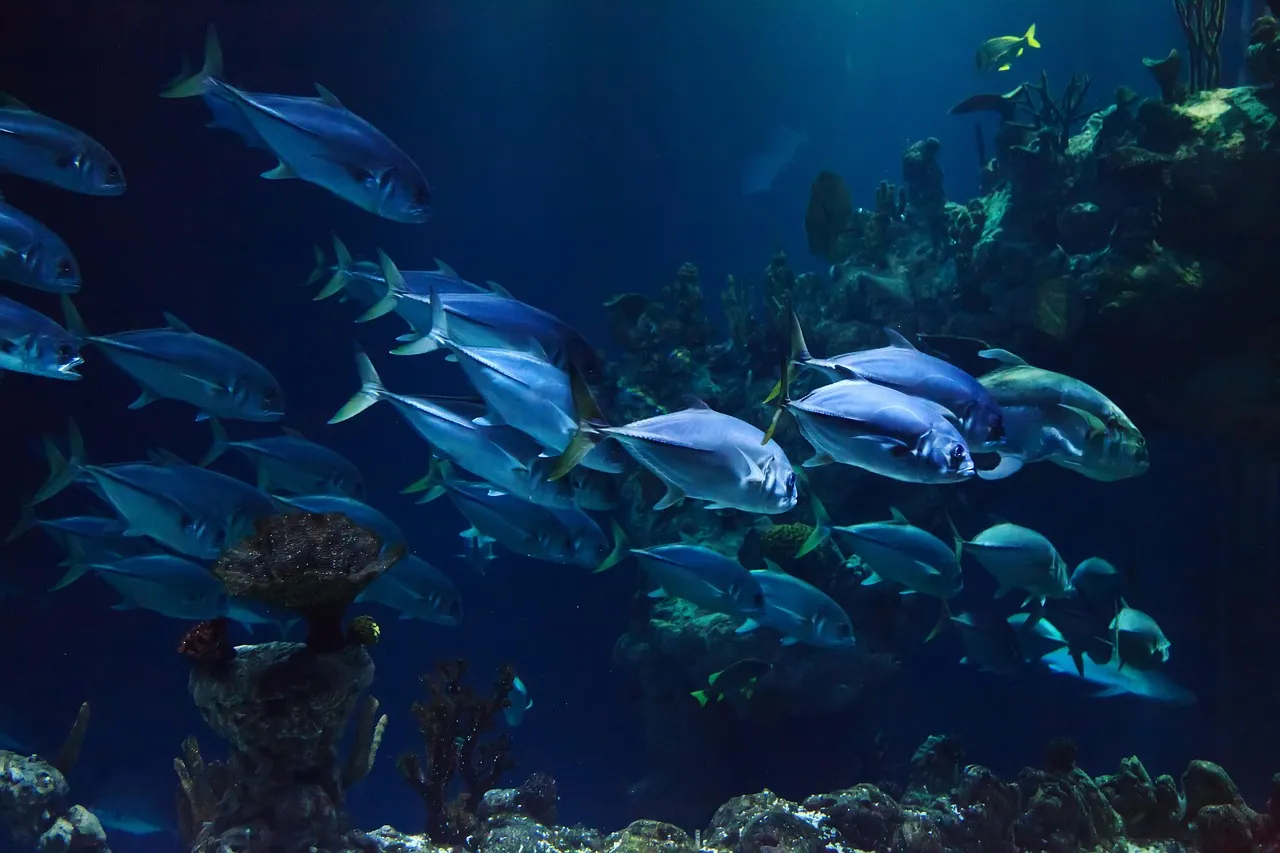
Advancements in technology are enabling scientists to delve deeper into the shadow zone, uncovering its secrets. Remotely operated vehicles and deep-sea submersibles are capturing high-resolution images and samples, shedding light on the biodiversity and geological features of this hidden world. Continued exploration promises to reveal more about the resilience of life and the complexities of oceanic systems.
The Pacific’s shadow zone serves as a testament to nature’s ability to adapt and endure. Its study not only enriches our understanding of marine biology but also underscores the importance of preserving these ancient ecosystems. As we continue to explore the depths, we are reminded of the vastness of the unknown and the wonders that await discovery.

- Zoology Says the Reason Elephants Return to the Bones of Their Dead Is Rooted in Mourning – It Is a Sign of Deep Social Memory and an Emotional Life Highly Unusual for Mammals - July 14, 2026
- Oceanography Says There Is a Layer of Water in the Pacific That Has Not Mixed With the Surface in Over a Thousand Years — and the Life in It Is Highly Adapted to Extreme Stagnation - July 14, 2026
- The Big Cat Each Zodiac Sign Would Be – and the One Trait That Makes the Match Exact - July 14, 2026