
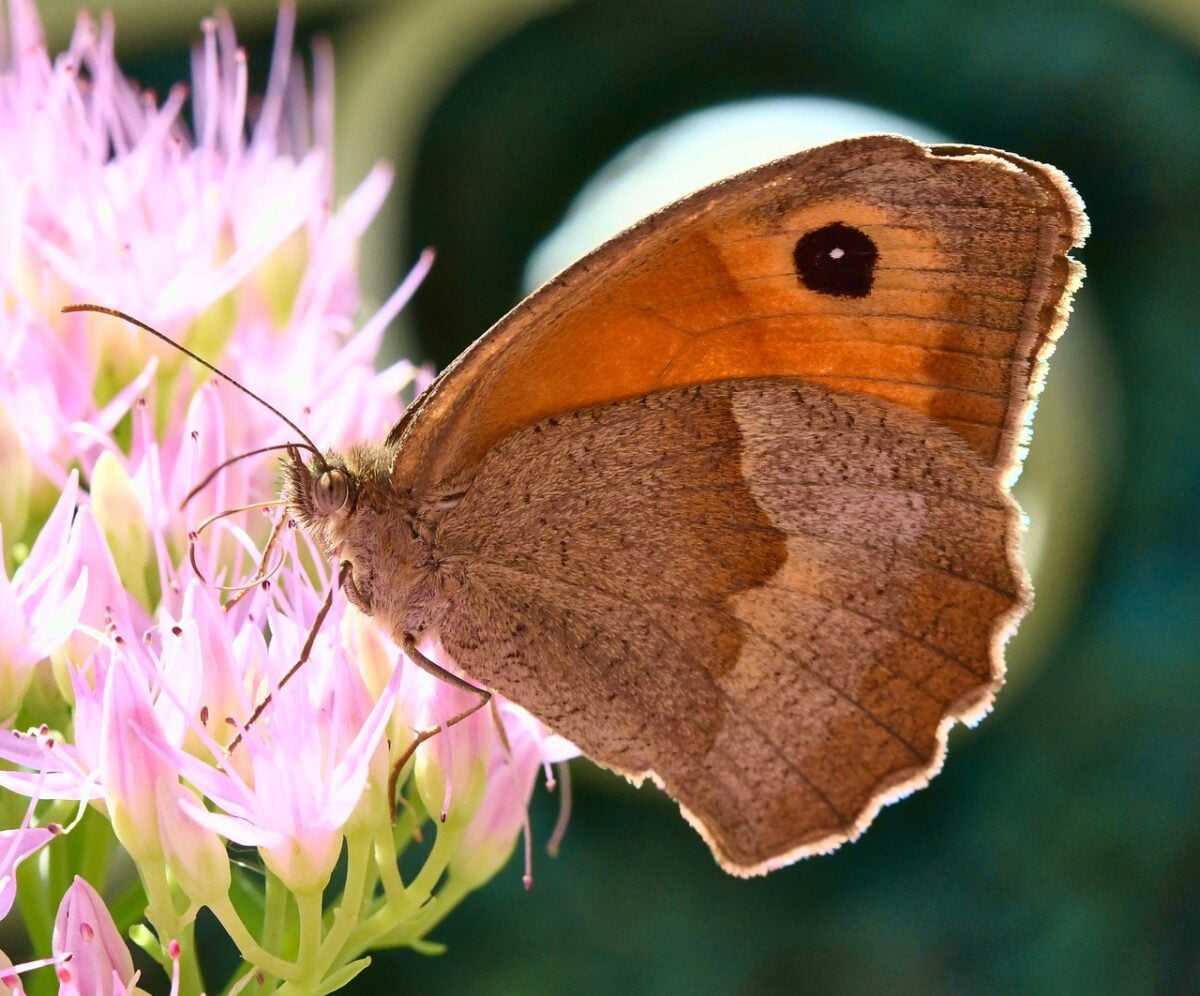
Walk into a truly alive garden and you can almost hear it: the low hum of bees, the flutter of butterfly wings, the quiet buzz of tiny lives at work. That sound is more than just background noise; it’s the heartbeat of a healthy ecosystem. Without pollinators, most of the fruits, veggies, and flowers we love would simply never appear.
The good news is you don’t need acres of land or a perfectly manicured landscape to help. A small backyard, a balcony, even a front stoop can become a haven for bees, butterflies, moths, beetles, and other pollinating visitors. Let’s walk through eight powerful garden features that don’t just look beautiful, but actually help pollinators survive, feed, and flourish.
1. Layered Planting Beds Packed With Native Flowers
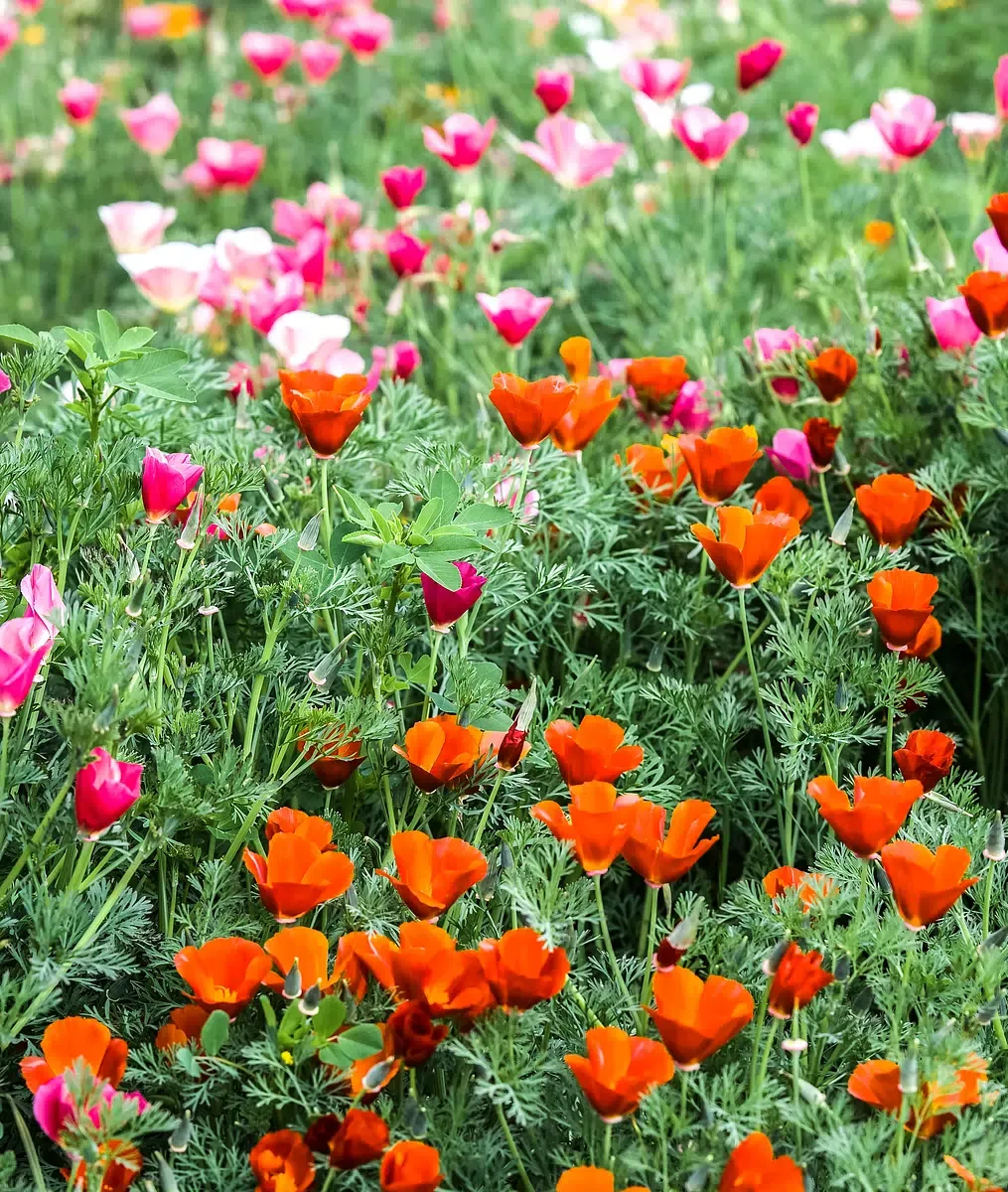
Here’s the part many people find surprisingly emotional: when you switch from random pretty plants to layers of native flowers, your garden suddenly fills with life you did not know was missing. Native plants have evolved with local pollinators, which means their bloom timing, flower shape, and nectar composition are often exactly what those insects need. Think of natives as the home-cooked meal pollinators recognize, rather than the unfamiliar takeout offered by many ornamental exotics.
A layered bed means you’ve got tall plants in the back, medium-height in the middle, and low growers at the front, all mixing shrubs, perennials, and annuals. This structure creates more “real estate” for feeding and shelter, like a three-story apartment block instead of a single-level house. When you mix spring, summer, and fall bloomers in these layers, you’re basically running an all-season buffet, not just hosting a one-week festival when the lilacs bloom and then everything goes quiet.
2. A Continuous Bloom Calendar From Early Spring To Frost
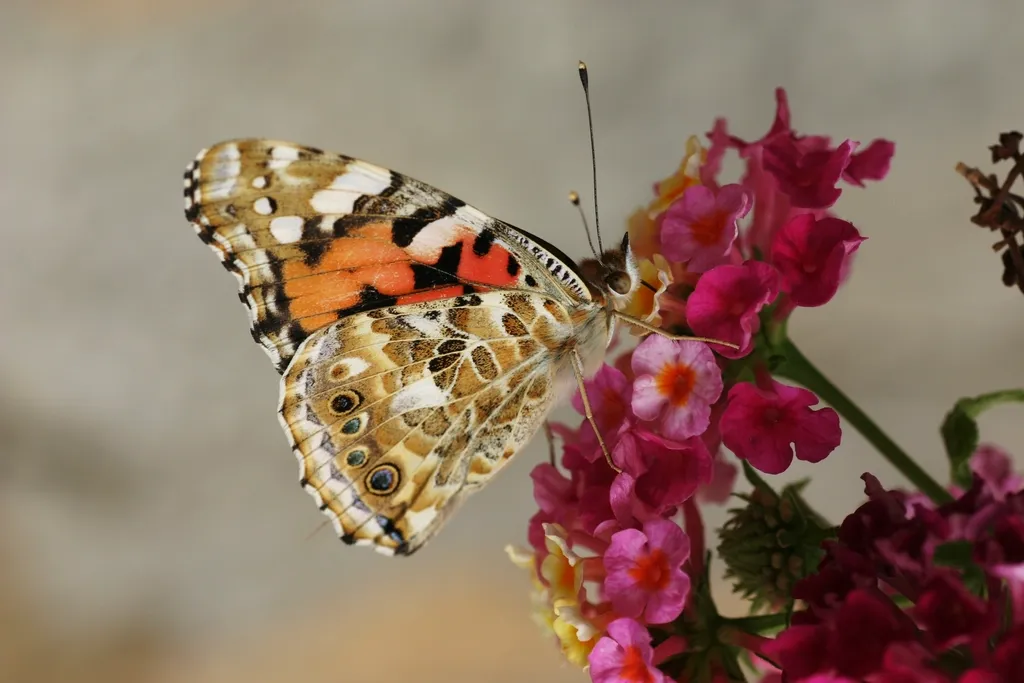
One of the biggest mistakes well-meaning gardeners make is planting only for peak summer color. Pollinators do not work that way; they wake up hungry in early spring and many of them are still foraging well into fall. If your garden goes from nothing, to explosion, to nothing again, the gaps can actually make life harder for pollinators that rely on a steady, predictable food supply.
Instead, think of your garden like a well-planned concert lineup: you want opening acts, headliners, and a graceful closing performance. Early in the season, look to bulbs and early-blooming natives; in high summer, mix in bold, nectar-rich showstoppers; and for fall, add asters, goldenrods, and other late bloomers that keep the party going when most gardens are fading. When you do this intentionally, you’ll notice something magical: your garden has movement and life for months, not just a couple of weekends.
3. A Pesticide-Free, “Imperfect” Lawn Or Groundcover
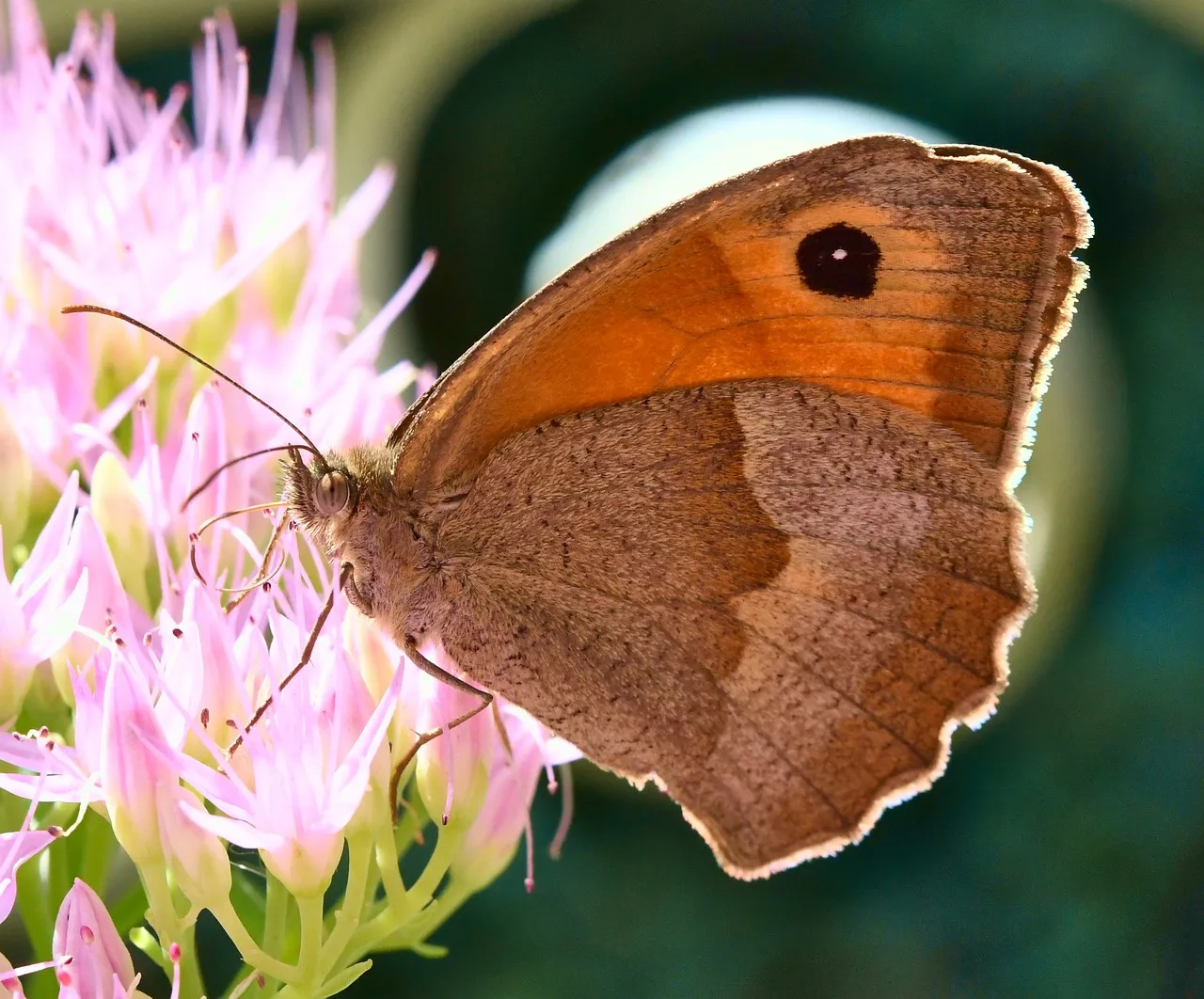
This one can feel radical if you grew up believing a lawn should look like a golf course. For pollinators, a uniform green carpet treated with herbicides and insecticides is closer to a desert than a paradise. Those harsh chemicals don’t distinguish between pests and beneficial insects, and over time they strip the garden of the very creatures that keep it balanced and alive.
Allowing clover, violets, self-heal, and other small flowering plants to mingle with your grass turns a sterile lawn into a quiet pollinator feeding station. You can still keep it tidy with mowing, just raise the mower height a bit and skip the chemical weed killers. If you want to go further, replace sections of lawn with low-growing groundcovers or flowering meadows. It might look “messier” than the traditional suburban ideal, but that bit of imperfection is exactly what bees and butterflies are desperately searching for.
4. Water Stations And Muddy Spots For Drinking And Nesting
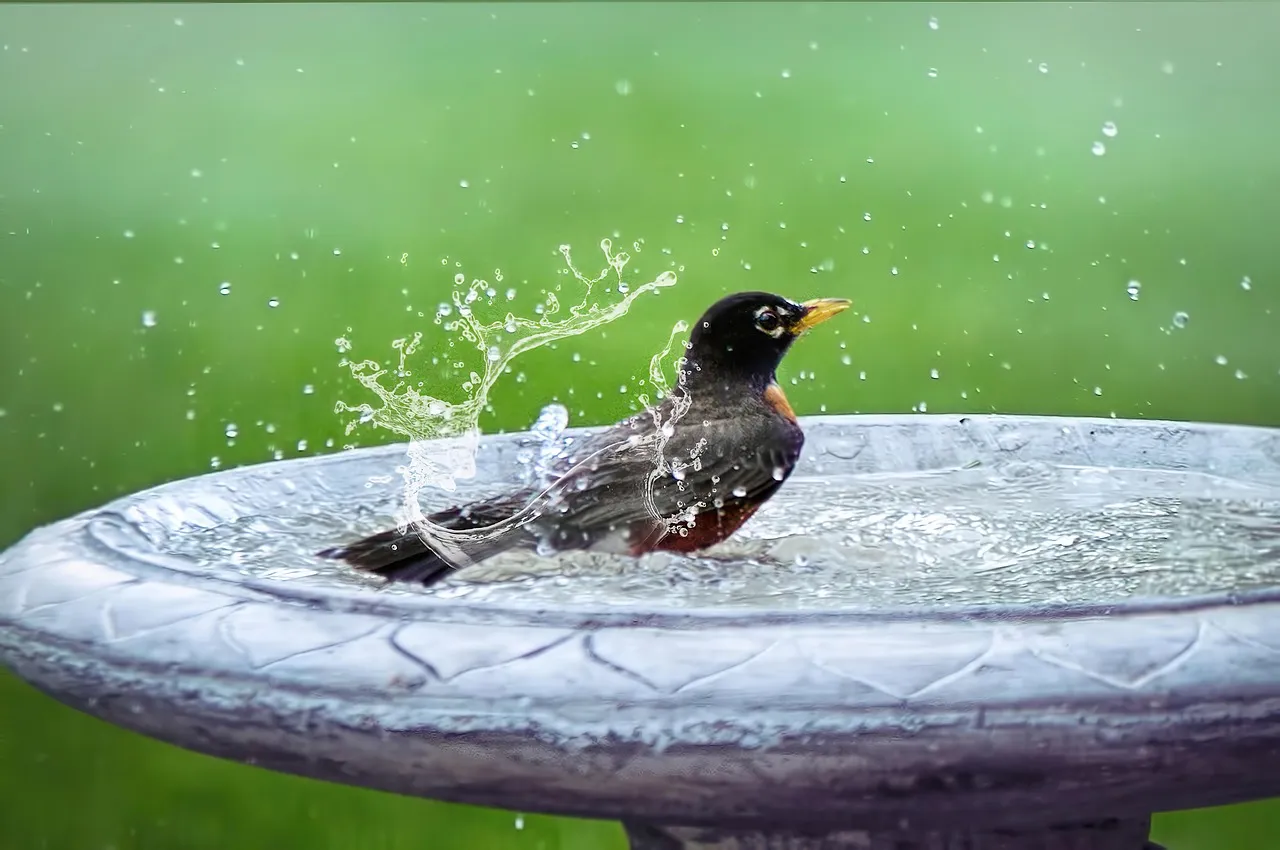
We tend to focus so much on flowers that we forget something basic: pollinators get thirsty. Bees, butterflies, and even wasps need access to clean, shallow water. A simple saucer or shallow dish filled with water and a few stones for landing spots can become a lifesaving oasis. Birdbaths can help too, as long as the water stays shallow enough for insects to safely drink and you refresh it regularly.
Beyond drinking, some species actually need mud to build their nests or get essential minerals. A small muddy patch, a damp corner of the garden, or a shallow, gently used “puddle” area can quietly support a surprising variety of pollinators. It won’t look glamorous in garden magazines, but that rough little spot can do more ecological good than a dozen perfectly edged flower beds.
5. Sunny, Undisturbed Nesting Sites For Native Bees
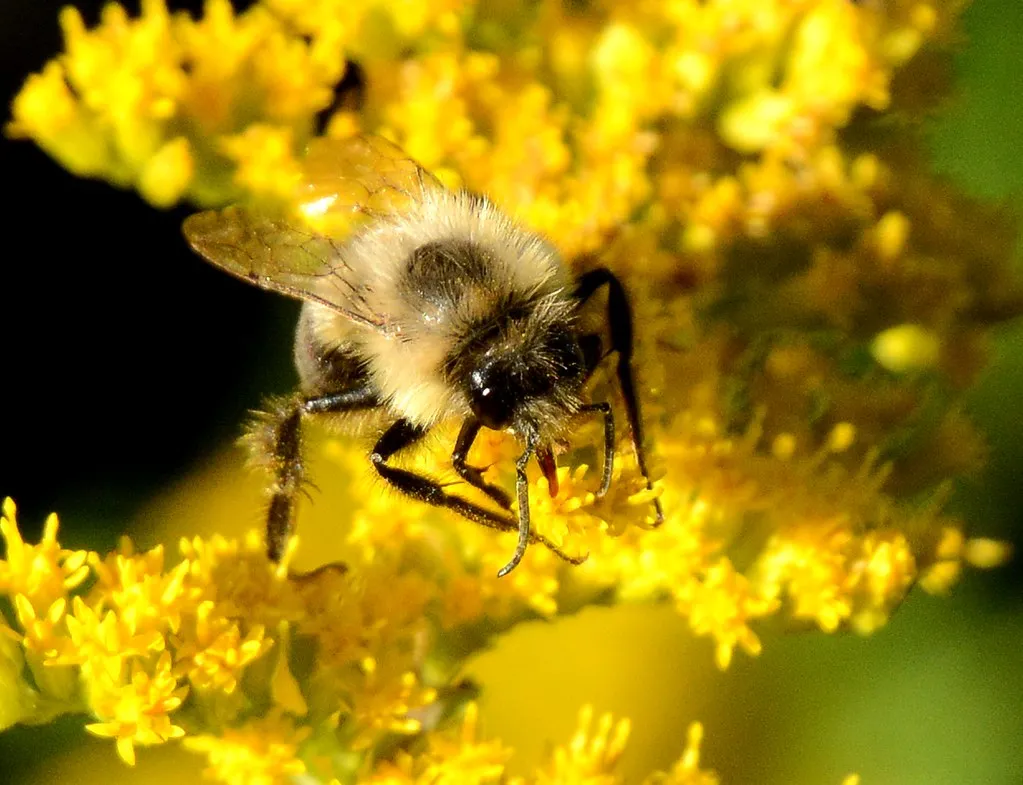
Many people assume all bees live in hives like honeybees, but a huge number of native bees are solitary and nest in the ground or in hollow stems. When we mulch every inch, rake every leaf, and keep soil constantly disturbed, we unintentionally erase their homes. To really help, you need to make peace with a little wildness and accept that bare ground is not a flaw; for many native bees, it is prime real estate.
Create sunny, undisturbed patches of bare or lightly vegetated soil where you do not dig, till, or stomp around. Let some flower stems stand through winter so stem-nesting bees can use the hollow interiors. If you love the idea of bee hotels, place them thoughtfully in a sunny, sheltered area and keep them clean, but do not rely on them as your main strategy. The most powerful thing you can do is let parts of your garden stay a bit unstyled, and see that as intentional habitat instead of neglect.
6. Diverse Flower Shapes, Colors, And Heights
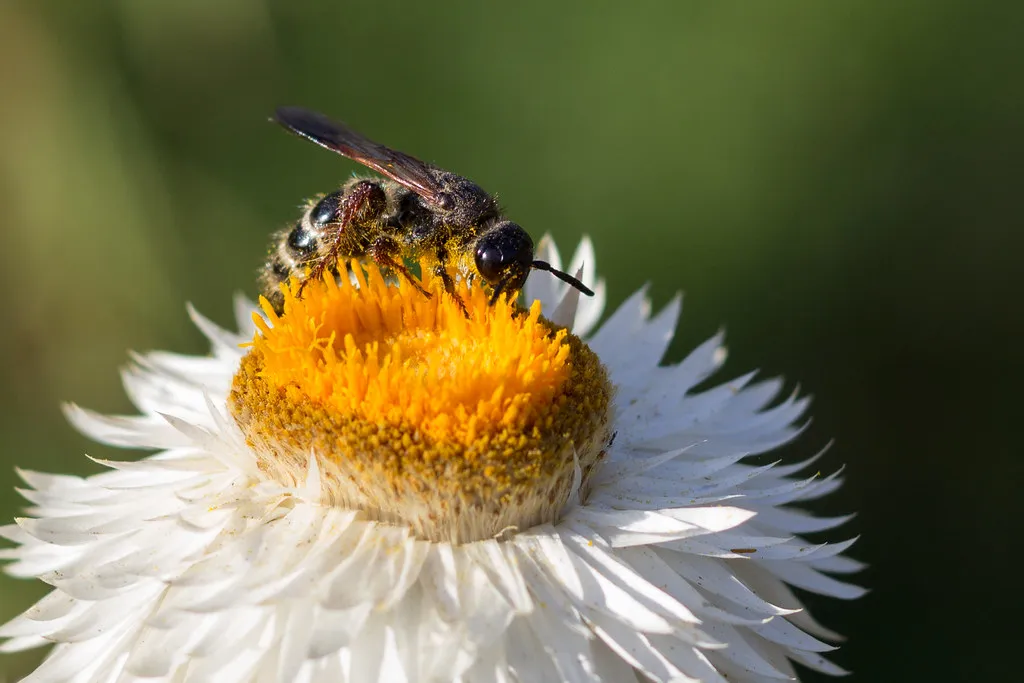
Different pollinators are like different customers at a food truck fair: they all have their own preferences and physical abilities. Long-tongued bees and hummingbirds can reach nectar deep inside tubular flowers, while short-tongued bees and many flies need shallow, open blooms. Butterflies like wide landing platforms, moths might visit pale, night-blooming flowers, and beetles often crawl into bowl-shaped blossoms. When your garden offers only one type of flower, you are essentially putting up a sign that says “only some of you are welcome.”
To truly support a wide range of pollinators, mix flower shapes and colors the way a painter mixes textures on a canvas. Add spikes, daisy forms, clusters, umbels, bells, and tubes, in a range of colors that stand out in your light conditions. Stagger plant heights so pollinators can move vertically as well as horizontally, which also helps them hide from predators. A visually rich, structurally layered garden is not just gorgeous to look at; it is functionally richer for every insect that visits it.
7. Shrubs, Trees, And Hedges As Shelter And Food Sources
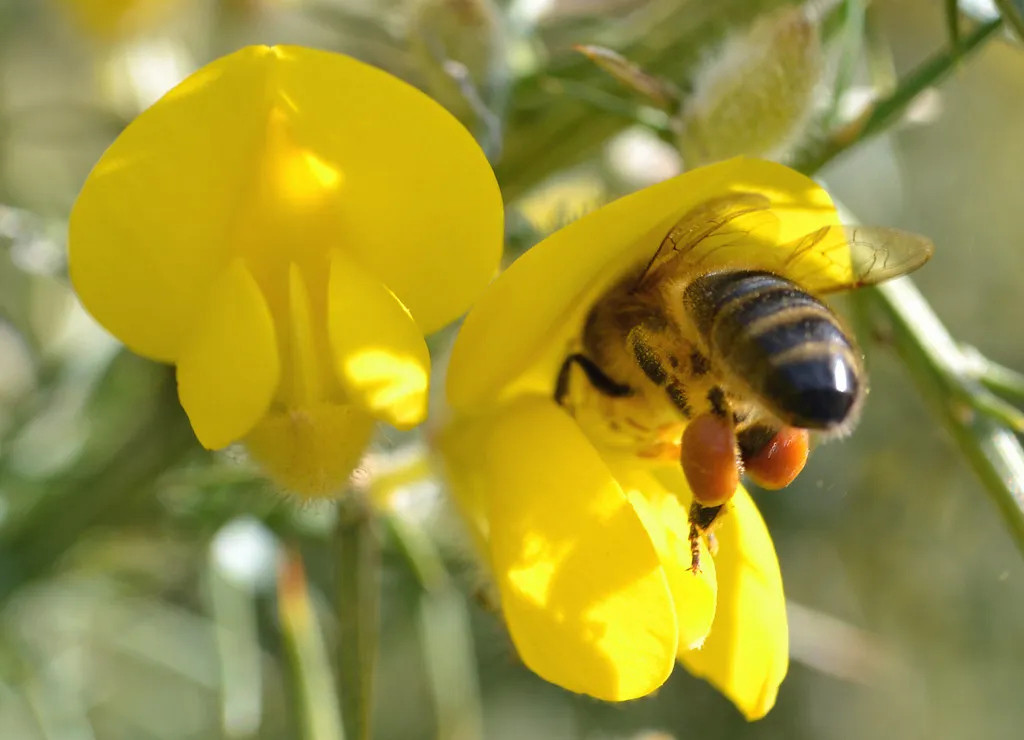
We tend to think of pollinator gardens as low flower beds, but shrubs and trees quietly carry a huge portion of the workload. Flowering trees and large shrubs can produce massive quantities of nectar and pollen in a short period, offering a crucial resource when smaller plants are still waking up or winding down. Early-blooming trees, especially, can mean the difference between survival and starvation for bees emerging from winter.
Beyond food, woody plants create shelter from wind, rain, heat, and predators. A mixed hedge can function like a miniature forest edge, giving pollinators safe corridors to move through the garden and places to rest and overwinter. When you plant layered shrubs and small trees along fences or property lines, you not only block views and define space; you also build a living backbone for your pollinator habitat. It is the kind of feature most people underestimate until they see how much life gathers around it.
8. A “Messy Corner” Left To Go Wild
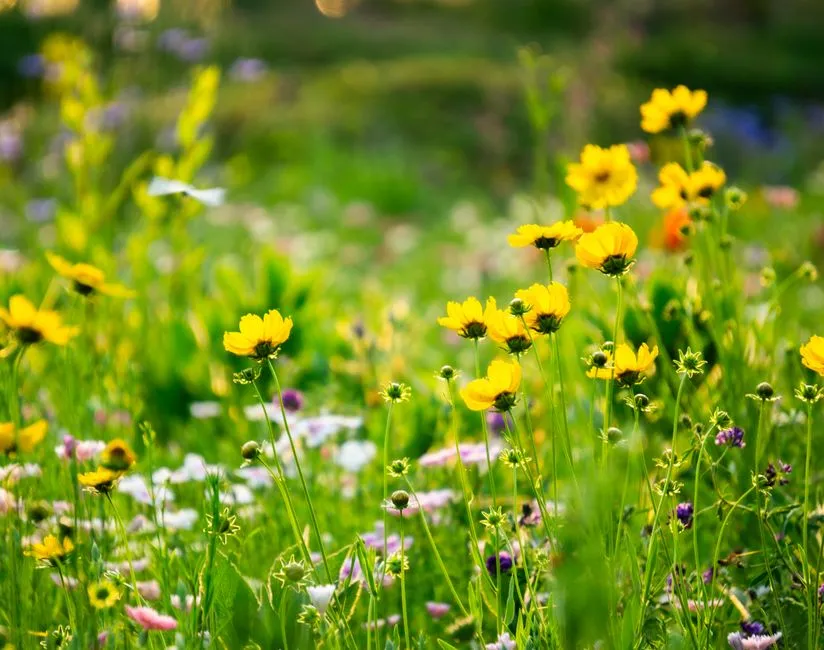
Every truly pollinator-friendly garden I have seen has at least one thing in common: there is always a corner that looks a little wild. Maybe it is a tucked-away side yard, the back of a border, or an awkward slope no one wants to mow. When you let that area be less controlled – leaf litter left in place, seed heads standing, fallen branches slowly decaying – you create a refuge where insects can nest, overwinter, and live out their full life cycles without constant disturbance.
This goes against the tidy-yard mentality a lot of us were taught, and I remember feeling nervous the first time I intentionally left an area “unfinished.” But that so-called mess quickly turned into the most interesting part of the garden, full of spider webs, hovering bees, and tiny beetles going about their mysterious lives. If neighbors raise an eyebrow, you can frame it as a designated wildlife zone or even add a small sign explaining its purpose. In a world that often polishes nature into something sterile, choosing to keep one corner wild is a quietly defiant act – and pollinators love you for it.
Conclusion: A Garden That Chooses Life Over Perfection
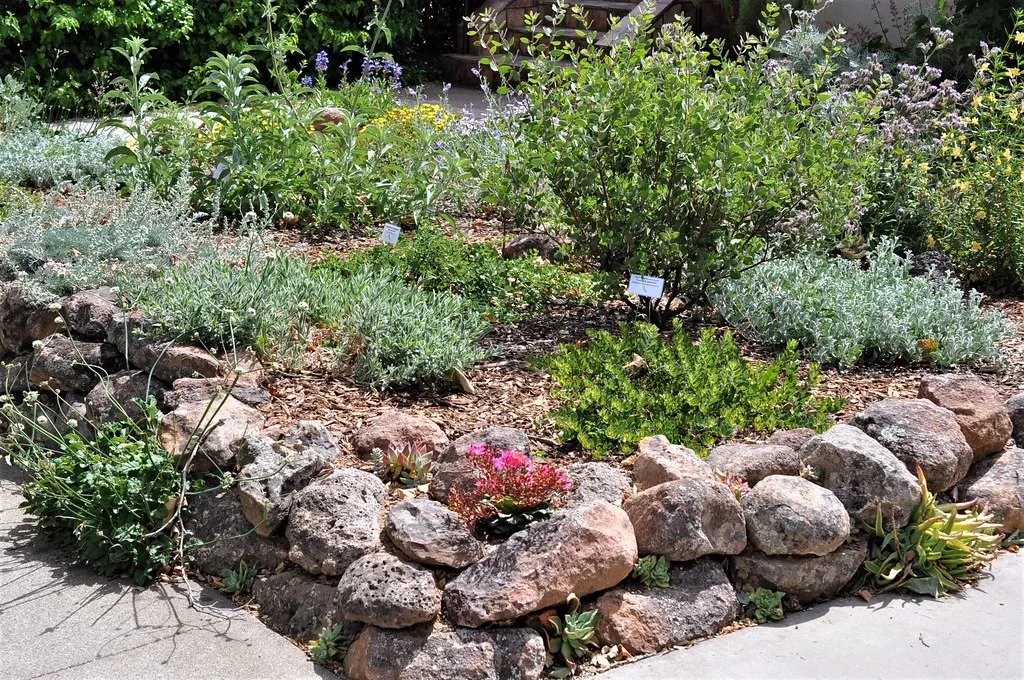
When you put all these features together – layered native beds, a steady bloom calendar, chemical-free groundcovers, water and mud, nesting sites, diverse flowers, sheltering shrubs, and a deliberately wild corner – you are doing more than decorating your outdoor space. You are making a clear statement about what matters. You are choosing life over a sterile kind of perfection, and that choice ripples out far beyond your property line in the form of healthier pollinator populations and more resilient local ecosystems.
From my own experience, the moment a garden really changes is not when the last plant goes in, but when you realize you are no longer gardening just for yourself. You are gardening in partnership with the bees, butterflies, beetles, and even the slightly alarming wasps that keep everything in balance. It is messier, yes. It is less controlled. But it is also more honest, more alive, and, frankly, a lot more interesting. So if you had to pick just one feature to start with, which would you be brave enough to add first?
