
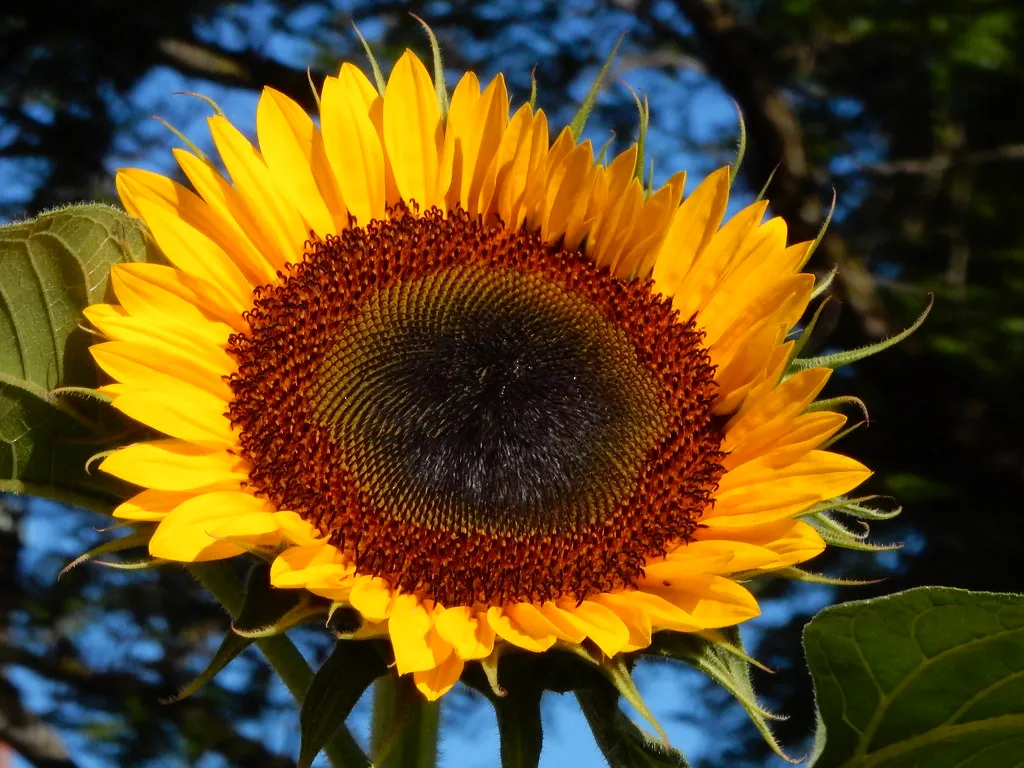
#1 Sunflowers (Helianthus species)
🔥 Would you like to save this?
We'll email this post to you, so you can come back to it later!
Sunflowers are often called the king of seed flowers, and that reputation is earned. The king of seed flowers is the sunflower, an easy-to-grow annual best planted in full sun near windows where you can watch songbirds fuel up for migration. The seed heads mature into dense, geometric spirals packed with oil-rich seeds that birds seem able to spot from a distance.
Sunflowers benefit many seed-eating birds, including cardinals, grosbeaks, finches, sparrows and more. They’re also a two-for-one deal in the garden. Their compound flower heads are packed with pollen, so hummingbirds may stop by as well. Leave the dried heads standing through fall instead of cutting them back, and you’ll get weeks of steady bird traffic for free.
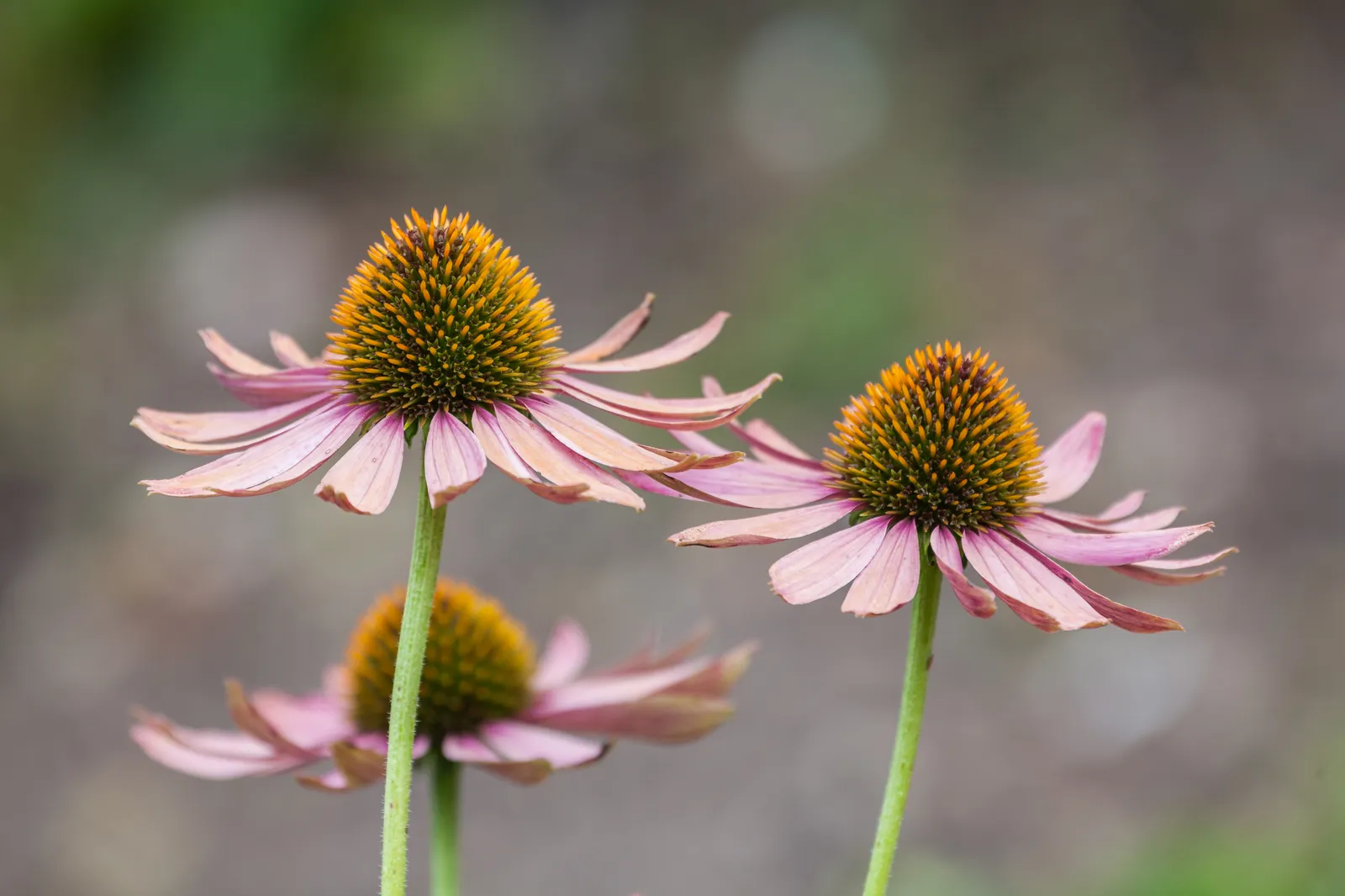
#2 Purple coneflower (Echinacea purpurea)
🔥 Would you like to save this?
We'll email this post to you, so you can come back to it later!
Coneflowers are a native perennial that gardeners plant for the flowers and birds finish off for the seeds. Songbirds feed on the dry seed, and goldfinches in particular eat the seeds as fast as they ripen. The cone-shaped centers hold their seeds in place even after the petals drop, which makes them easy targets for birds perching directly on top.
This plant has quietly become a favorite among people who garden specifically for wildlife. No garden should be without Echinacea purpurea, not least for its long-lasting seedheads beloved by chickadees, blue jays, house finches and American goldfinches. Because the seed heads persist well into winter if left unclipped, coneflowers extend the feeding season far past the point when most other flowers have finished blooming.
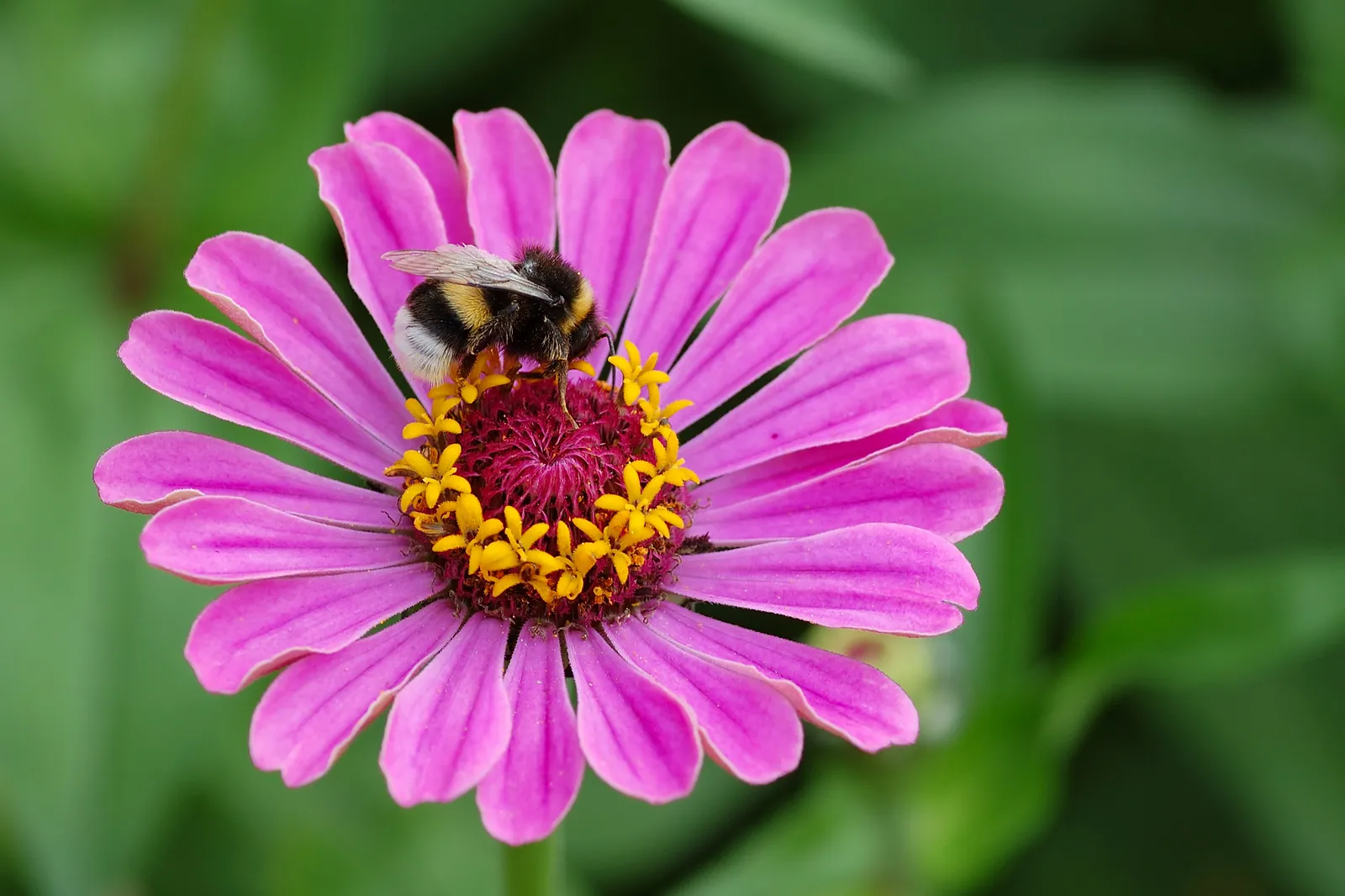
#3 Zinnias (Zinnia elegans)
🔥 Would you like to save this?
We'll email this post to you, so you can come back to it later!
Zinnias look like they belong on a seed packet cover, all bold color and tidy petals, but the real action happens once those petals start to fall. Goldfinches perch on zinnias’ sturdy stems to eat the flowers’ seeds, and these colorful, fast-growing annuals are something anyone can grow. Gardeners who watch closely often notice scattered petals on the ground before the seeds have even fully ripened, a telltale sign that finches have already moved in.
One curious wrinkle that longtime zinnia growers report is that birds sometimes seem picky about color, favoring red blooms over others in the same bed, though this isn’t a hard rule so much as an anecdotal pattern worth watching for in your own garden. Their heat and drought tolerance further makes zinnia an ideal plant for many yards, which means you get a reliable bloom and a reliable food source without much fuss. Skip deadheading in late summer and you’ll trade a bit of tidiness for a genuine bird show.
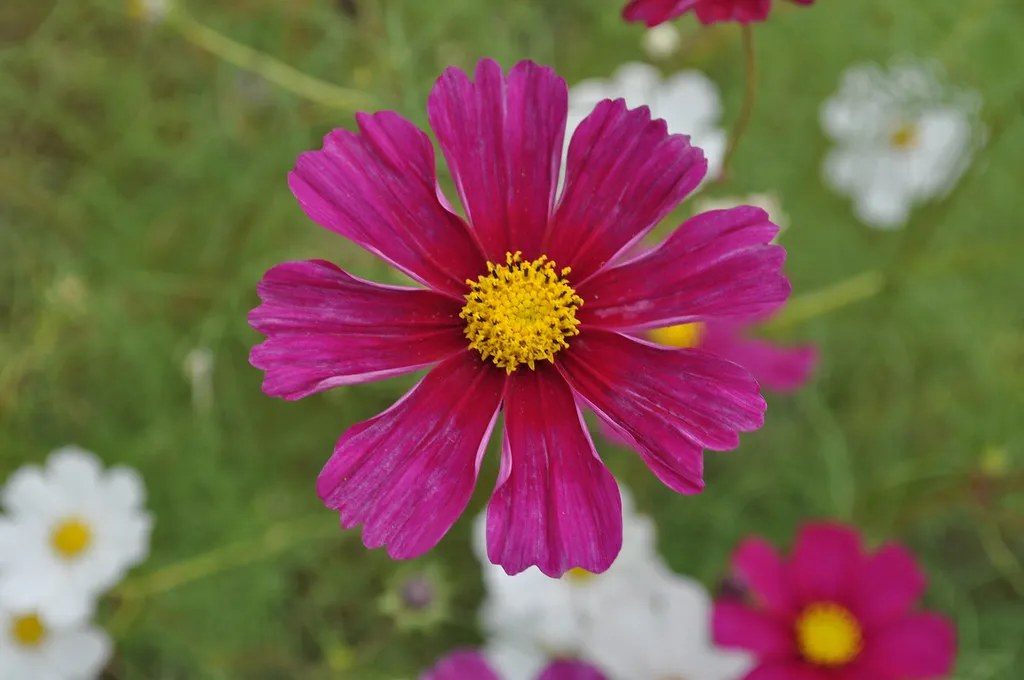
#4 Cosmos (Cosmos bipinnatus)
🔥 Would you like to save this?
We'll email this post to you, so you can come back to it later!
Cosmos has an airy, almost weedy charm, with thin stems that sway easily in the wind. That looseness works in the birds’ favor. With their open structure, cosmos flowers allow goldfinches easy access to their seeds, meaning less effort spent prying and more time actually eating.
The seed heads dry into small, spiky clusters that several species find appealing beyond just goldfinches. Cosmos are easy to grow and a great source of nectar for butterflies, and their seeds are consumed by a number of birds including white-throated sparrows, mourning doves and American goldfinches. Because cosmos often self-seeds readily, a single planting can produce a returning patch of bird food for several years running.
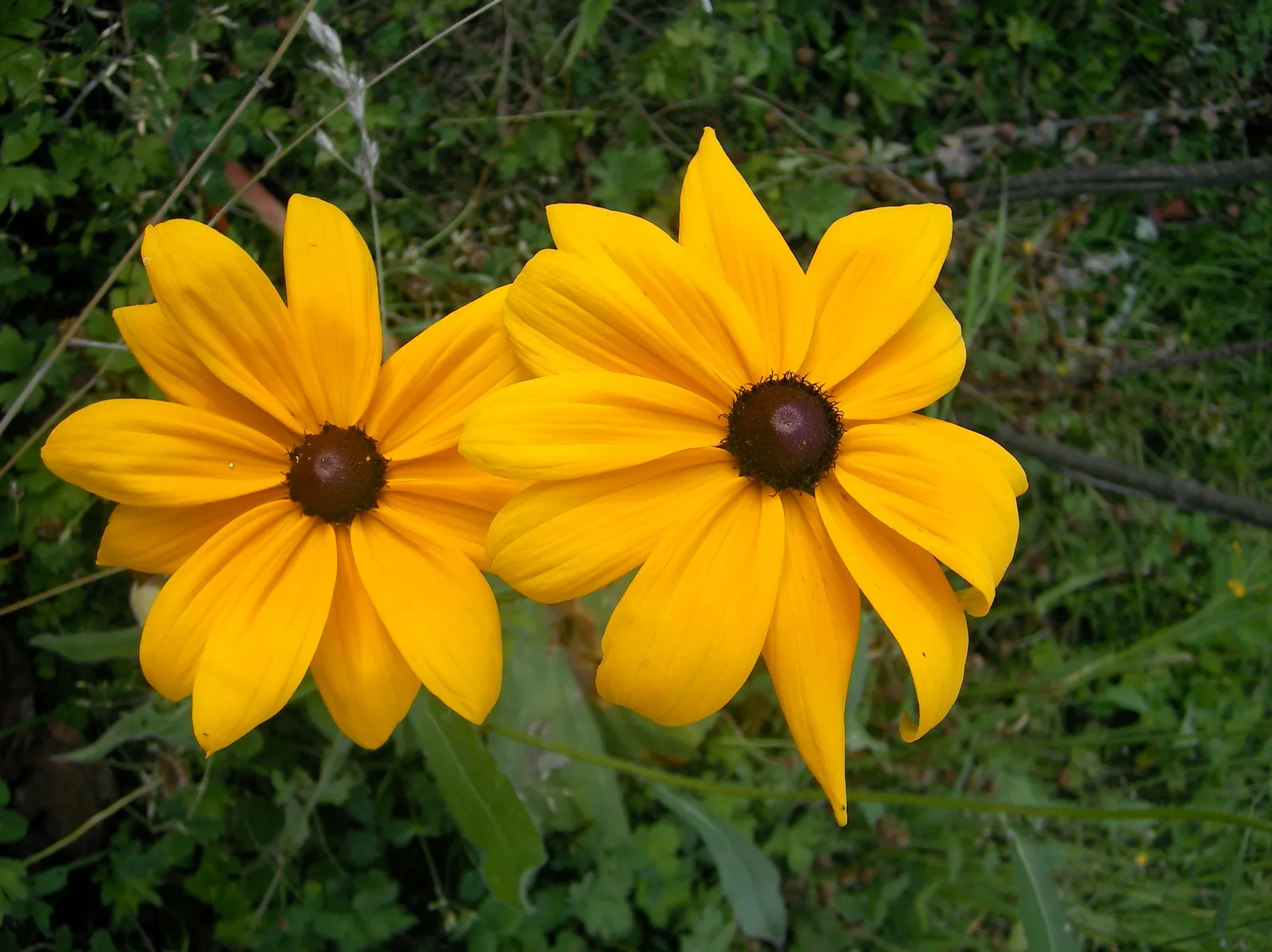
#5 Black-eyed Susan (Rudbeckia hirta)
🔥 Would you like to save this?
We'll email this post to you, so you can come back to it later!
Black-eyed Susans are one of the most forgiving native flowers you can grow, tolerating poor soil and dry spells while still producing generous seed heads. Once the golden petals fade in early fall, the dark central cone dries out and hardens, holding tightly packed rows of seeds. At the beginning of fall, black-eyed susans start drying up and forming hard seeds, which bring in all sorts of birds, especially goldfinches, cardinals, nuthatches, and chickadees.
One detail worth knowing if you’re planting specifically for birds is that not every variety cooperates equally. Daisies are a good start to a garden for the birds because each flower will hold scores of seeds for foraging goldfinches, and all-American native daisies include black-eyed Susans, though it’s worth avoiding the Goldsturm cultivar, which rarely sets seed. Stick with straight species or older heirloom varieties if seed production is the goal.
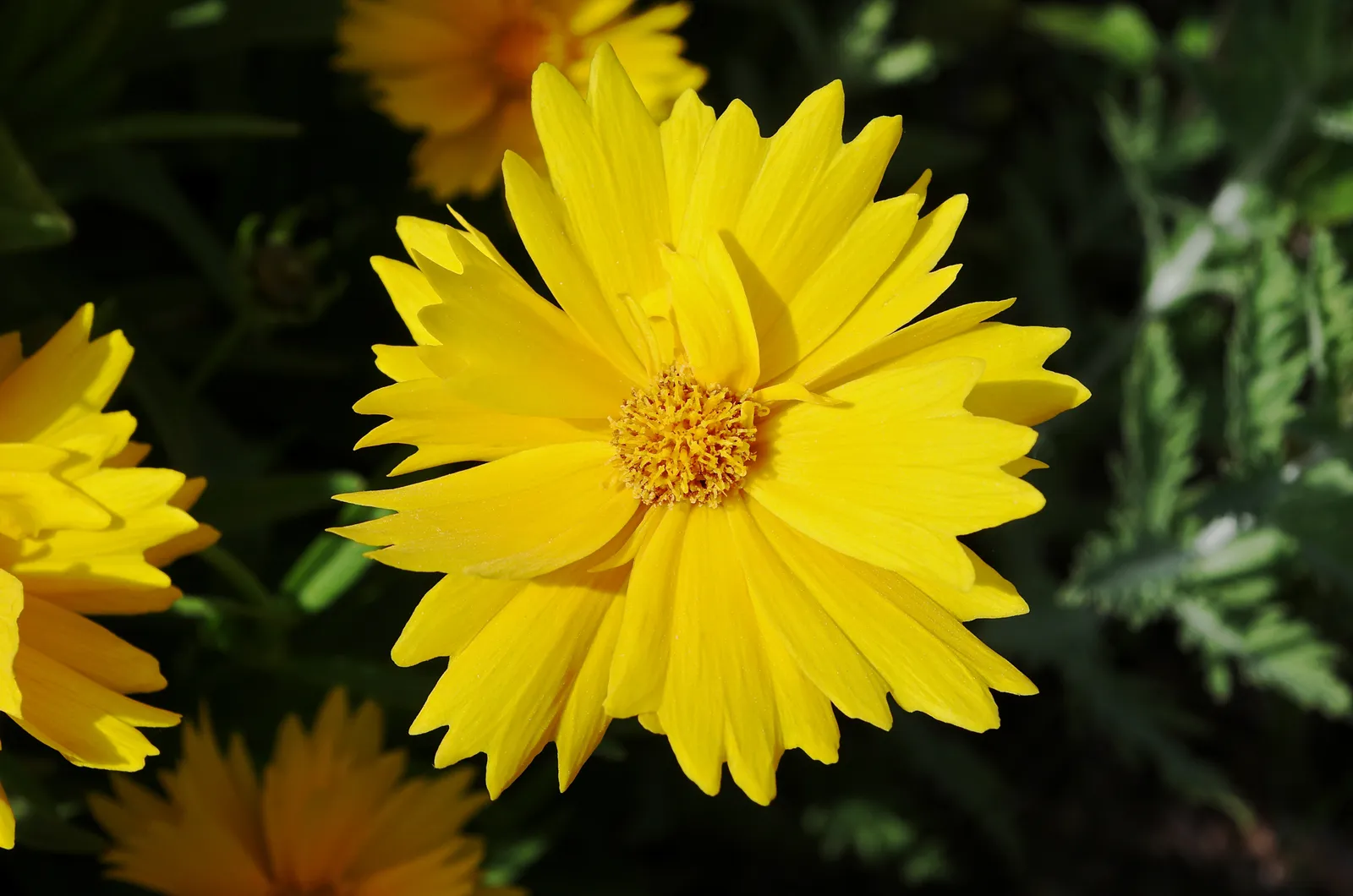
#6 Coreopsis (Coreopsis species)
🔥 Would you like to save this?
We'll email this post to you, so you can come back to it later!
Coreopsis, often called tickseed, is one of those plants that quietly does a lot of work without demanding much attention. It blooms for months, tolerates drought, and produces small but abundant seeds that several bird species rely on. Its nectar-rich blooms appeal to hummingbirds and butterflies, while the seeds provide food for sparrows, chickadees, finches and other seed-eating birds.
The flower heads themselves are small compared to a sunflower or coneflower, but that’s part of the appeal for smaller birds. Coreopsis’s small, bright flowers attract goldfinches with their abundance of seeds, and because the plant tends to bloom in flushes, it can offer a rolling supply of seed rather than one single harvest window. Planting a drift of coreopsis alongside taller plants like sunflowers gives you feeding options at multiple heights.
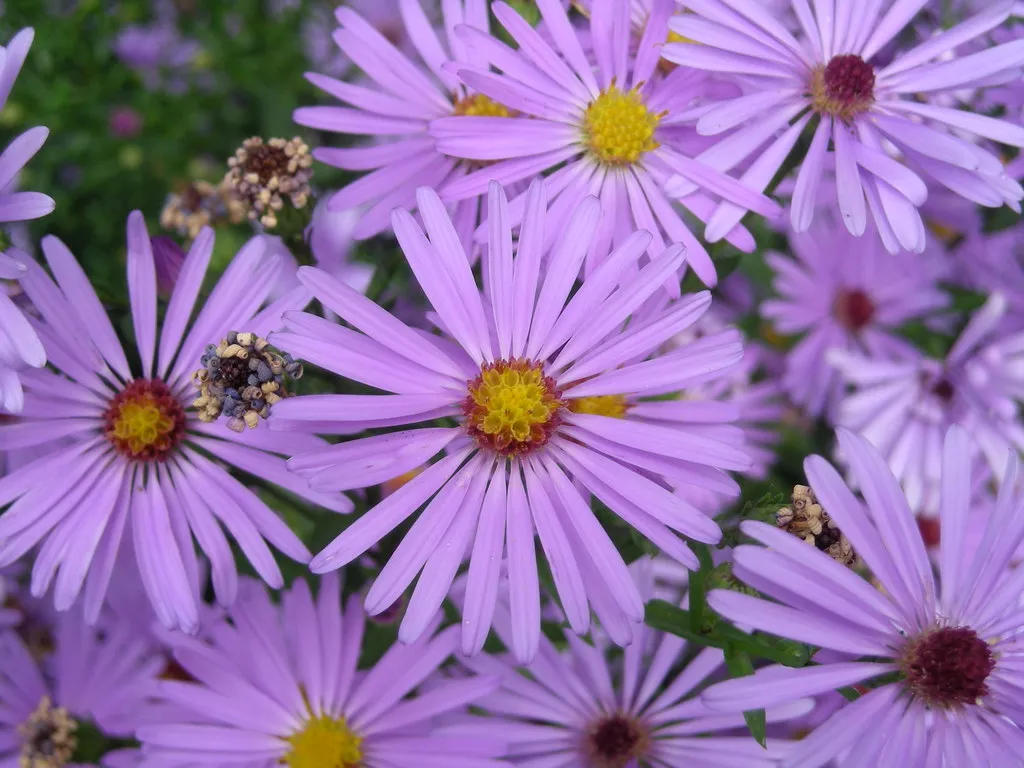
#7 Asters (Symphyotrichum species)
🔥 Would you like to save this?
We'll email this post to you, so you can come back to it later!
Asters carry the feeding season into the part of the year when most other flowers have already checked out. Blooming in late summer and fall, they fill an important gap right as birds are either fueling up for migration or bracing for winter. Their late-season blooms offer critical nectar for pollinators and seeds for birds as they prepare for migration.
Compared to sunflowers or coneflowers, aster seeds are tiny, almost dust-like, but that doesn’t stop birds from working the flower heads methodically. Asters produce small seeds that attract finches, sparrows, and other small birds during the colder months. Left standing through winter, aster stalks can become one of the last natural seed sources available before spring growth resumes.
#8 Amaranth (Amaranthus species)
🔥 Would you like to save this?
We'll email this post to you, so you can come back to it later!
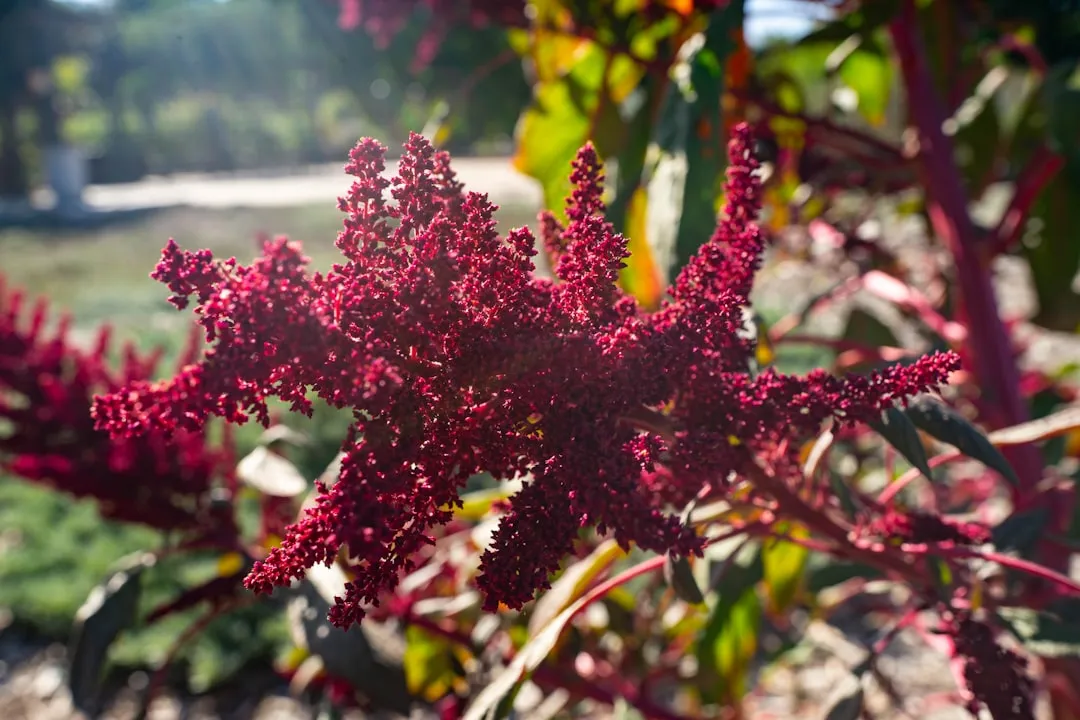
Amaranth tends to surprise gardeners who plant it mostly for its dramatic, tassel-like flower spikes and only later realize what’s happening underneath. The plumes dry into dense clusters loaded with tiny seeds, similar in principle to millet, and birds treat them as a late-season buffet. It’s listed among the go-to picks for gardeners specifically trying to grow their own birdseed, alongside black-eyed Susan, sunflowers, and asters.
What makes amaranth distinct from the others on this list is sheer volume. A single mature plant can produce an enormous quantity of seed, far more than a coneflower or zinnia head could hold, which makes it useful in a garden that’s feeding a lot of birds or a lot of different species at once. It’s not native to most North American regions the way coneflowers or black-eyed Susans are, so it’s best treated as a supplemental annual rather than the backbone of a wildlife garden.
Final thoughts on planting for the birds
🔥 Would you like to save this?
We'll email this post to you, so you can come back to it later!

- 7 Everyday Habits That Can Make Your Senior Dog Happier - November 5, 2026
- 10 Enigmatic Structures That Continue to Puzzle Scientists Today - November 5, 2026
- 10 Strange Ruins in the Americas That Challenge What We Know About Early History - November 5, 2026