
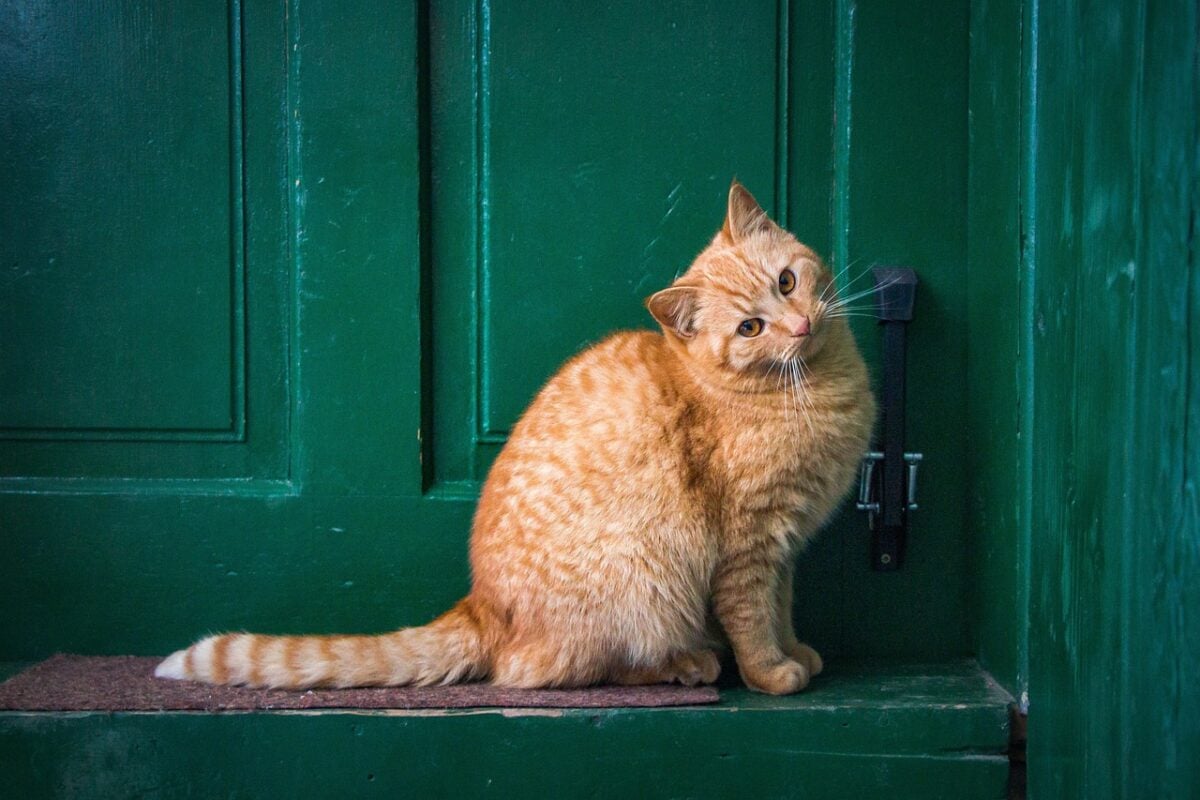
#1 The Doorway Pause as a Survival Instinct
🔥 Would you like to save this?
We'll email this post to you, so you can come back to it later!
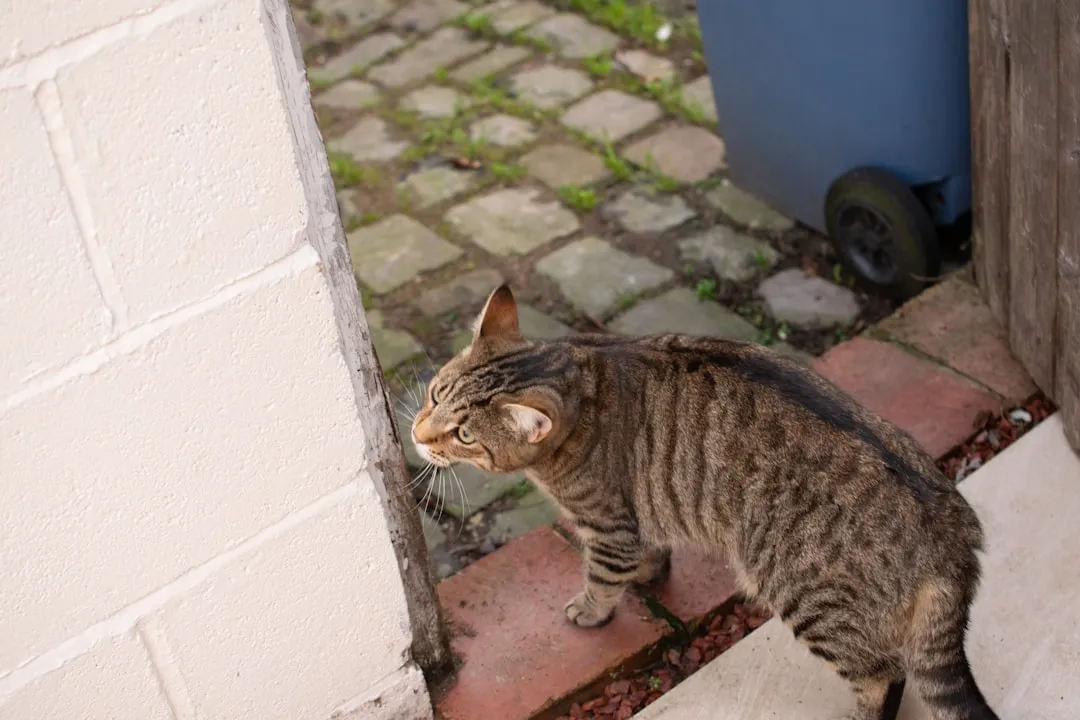
Cats evolved as both predator and prey, which means their brains are wired to treat transitions between spaces as moments of genuine risk. A doorway is a chokepoint, a place where visibility narrows and escape routes shrink, and in the wild an animal that barrels through such spots without checking first does not tend to live very long. That instinct did not disappear just because your cat sleeps on a heated blanket and eats from a bowl twice a day.
Domestication softened a lot of feline behavior, but it did not rewrite the core threat assessment system that governs how cats move through their environment. Researchers who study companion animal behavior note that cats retain many of the same vigilance patterns seen in their wild relatives, even in low risk indoor settings. The pause at the door is essentially an ancient habit playing out in a modern living room, a brief check-in before committing to a space where the cat cannot yet see everything.
#2 Reading Body Language: What the Pause Really Looks Like
🔥 Would you like to save this?
We'll email this post to you, so you can come back to it later!
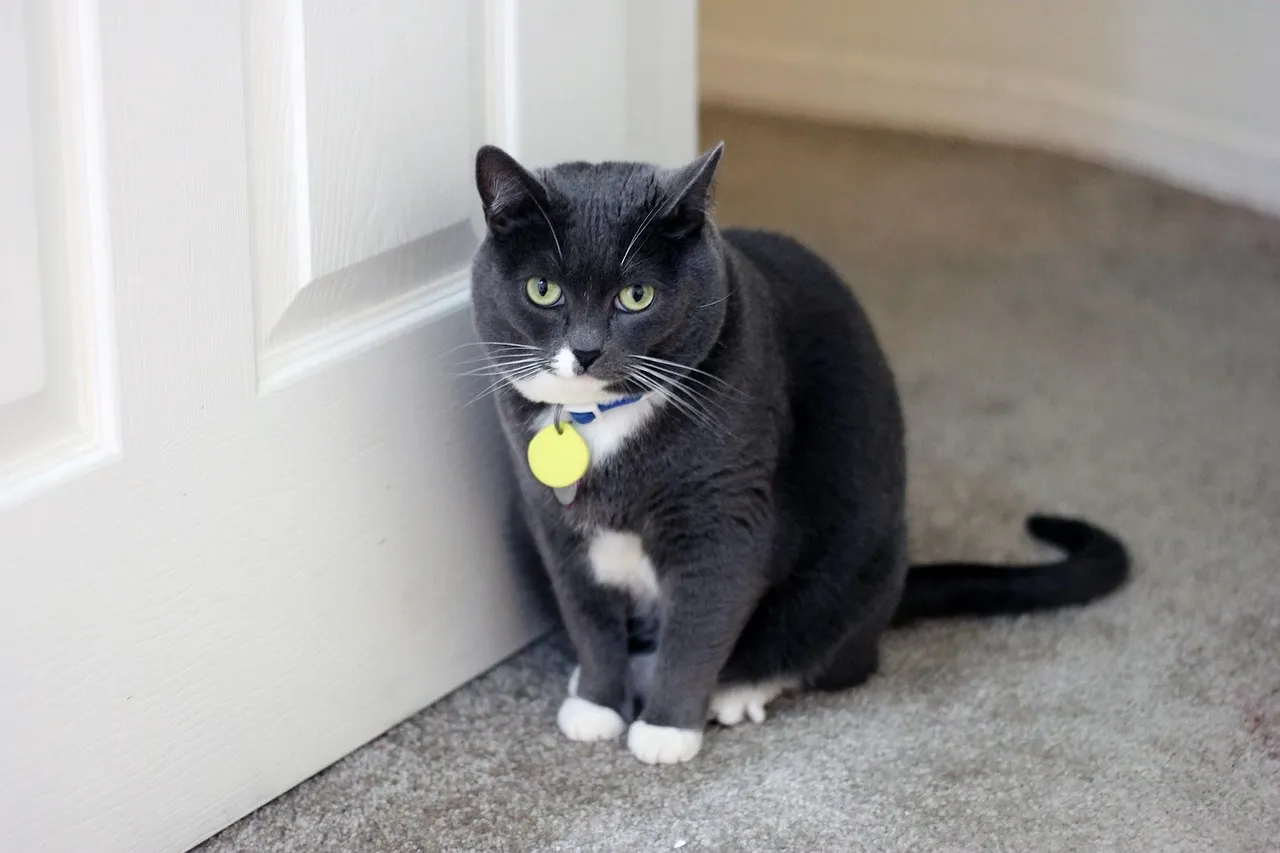
Not every doorway stop means the same thing, and the details matter. A cat with relaxed ears, a loosely held tail, and slow blinking is typically doing a casual scan, gathering information without any real alarm. Contrast that with a cat whose ears are pinned sideways, whose body is low, and whose tail is puffed or thrashing, which signals genuine uncertainty or stress rather than simple curiosity.
Whiskers forward and pupils moderately dilated usually point to interested assessment rather than fear. If the pause stretches on for many seconds and the cat’s weight shifts backward rather than forward, that often indicates real hesitation about entering. Learning to read these small signals gives owners a much clearer picture of whether their cat is simply being thorough or actually feels uneasy about what is on the other side of that door.
#3 Scent and the Threshold: Why Cats Sniff Before Stepping In
🔥 Would you like to save this?
We'll email this post to you, so you can come back to it later!
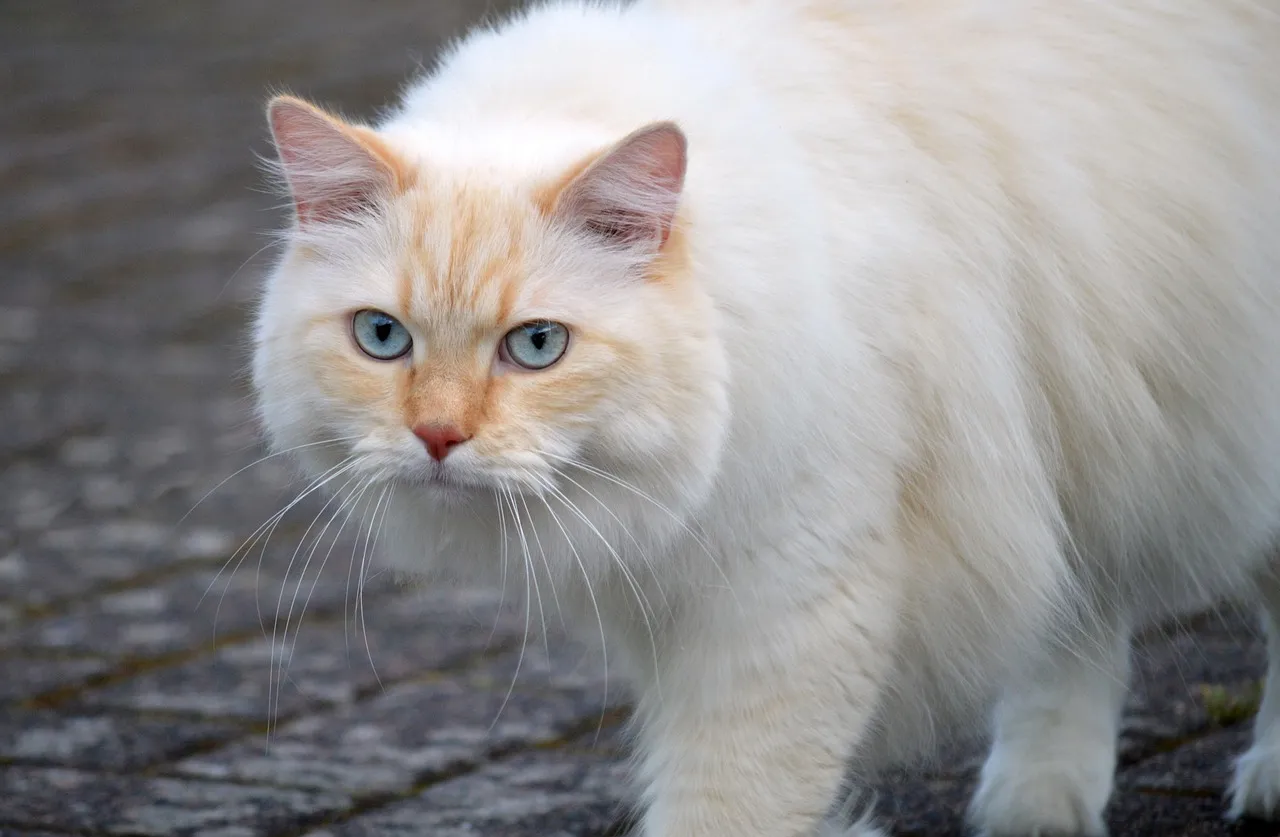
A cat’s nose carries an enormous amount of information, and doorways happen to be scent hotspots because they collect traces of everyone and everything that has passed through recently. Before committing to a room, a cat is often running a quick olfactory check, picking up on unfamiliar smells, other animals, cleaning products, or even shifts in your own scent caused by stress or illness. This is not a minor detail to them the way it might be to us. Scent marking also plays into this pause, since many cats will rub their cheeks against door frames precisely at these transition points to leave their own signal behind. A pause in the doorway can double as both a sensory check and a subtle territorial ritual, two behaviors layered into the same few seconds. It is one reason cats sometimes freeze more noticeably after a room has been cleaned, rearranged, or visited by a stranger, since the usual scent map has been disturbed.
#4 Vision and Vigilance: How Cats Scan a Room
🔥 Would you like to save this?
We'll email this post to you, so you can come back to it later!
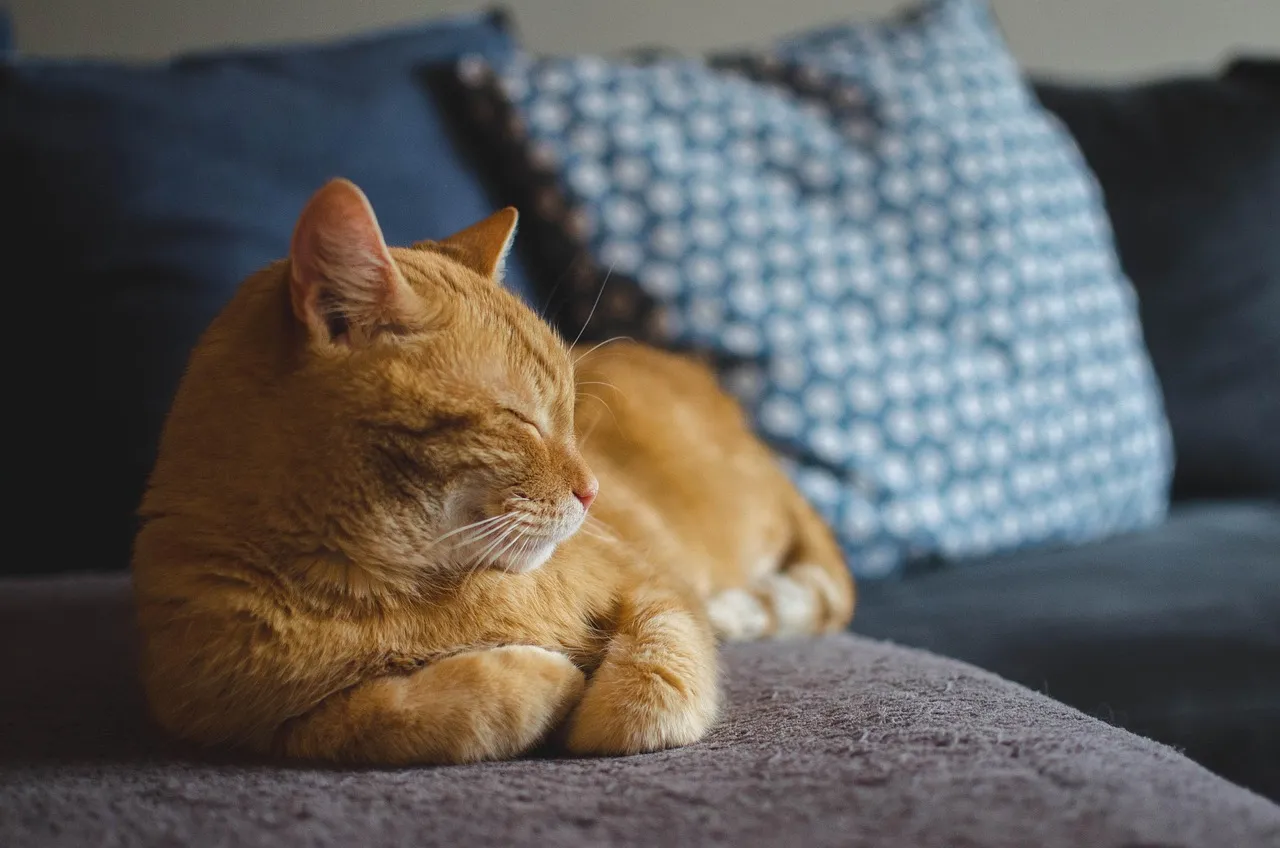
Cats have wide peripheral vision but comparatively weaker depth perception up close, which means a doorway pause often functions as a visual sweep before deeper commitment. Standing still allows the cat’s eyes time to detect any movement in the room, since feline vision is especially tuned to catch motion rather than fine static detail. A stationary object rarely draws much attention, but even a slight shift, like a curtain moving or another pet stirring, will register almost instantly.
This scanning behavior explains why the pause tends to be longer in rooms with more furniture, more shadows, or more places where something could be hiding. Open, brightly lit spaces generally get a much shorter hesitation, since there is simply less for the cat’s visual system to process before feeling confident. The doorway freeze, in this sense, is less about suspicion and more about efficient use of a sensory system built for spotting small changes.
#5 Social Assessment: Is the Pause About You?
🔥 Would you like to save this?
We'll email this post to you, so you can come back to it later!
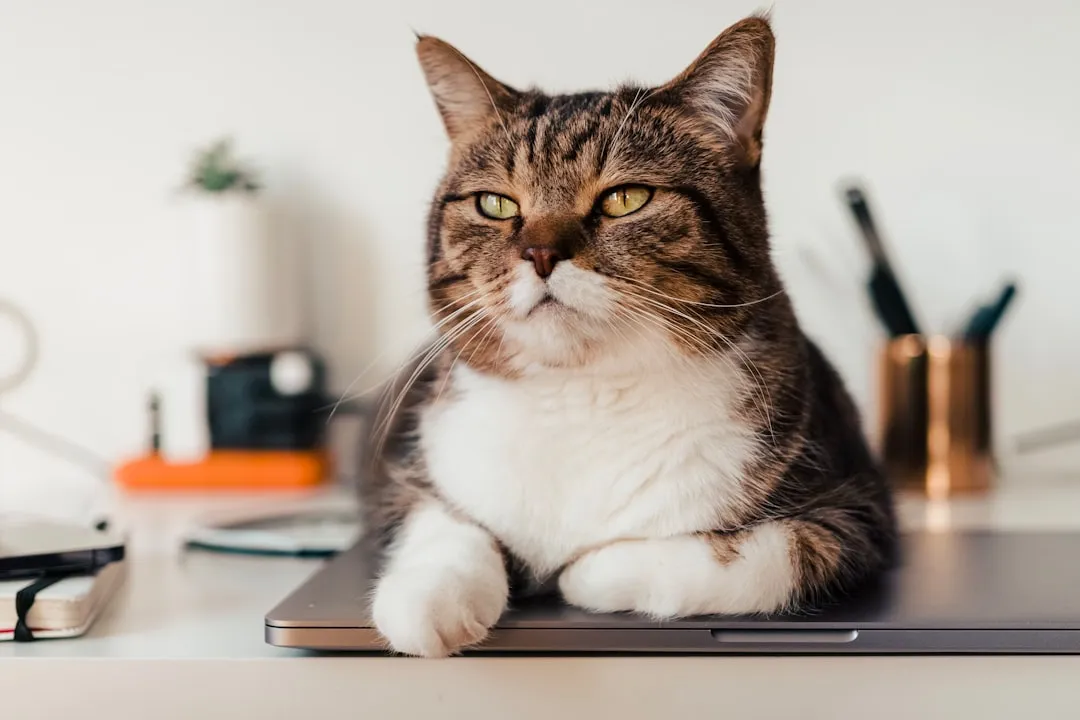
When a cat pauses while looking directly at a person standing in the room, there is often a social layer to the behavior on top of the environmental scan. Cats are known to reference human facial expressions and body posture in ambiguous situations, a behavior researchers sometimes describe as social referencing. Tense shoulders, a raised voice, or sudden movement from a person can all factor into whether the cat decides the room feels welcoming right now.
This does not mean every doorway pause is a judgment of your mood, but cats are surprisingly attuned to shifts in human tone and energy. A cat that hesitates, watches your face for a moment, and then relaxes and approaches is often doing a quick read of whether you are safe to be near right now. It is a small reminder that cats are paying closer attention to us than their reputation for aloofness usually suggests.
#6 Individual Differences: Confidence, Age, and Past Experience
🔥 Would you like to save this?
We'll email this post to you, so you can come back to it later!
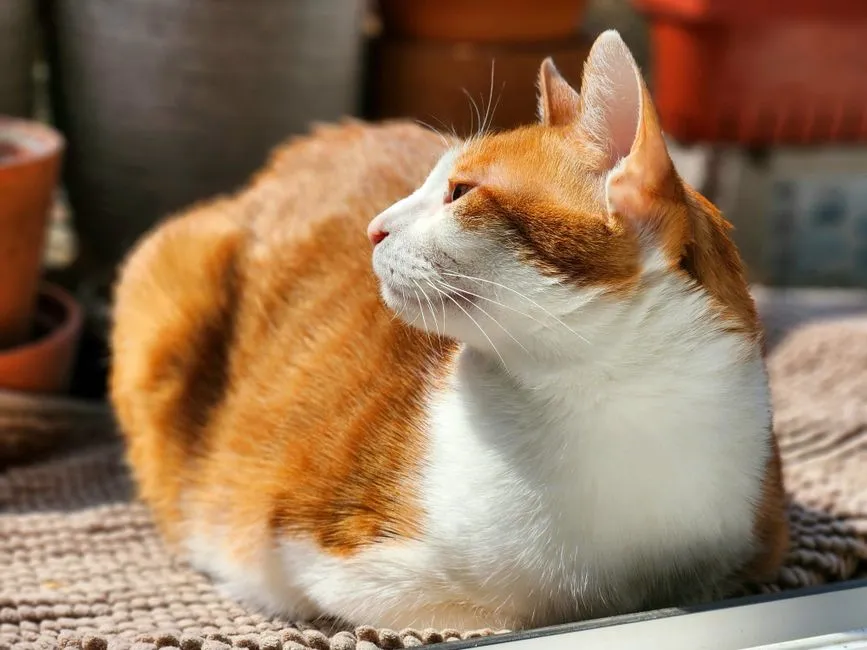
Not all cats pause equally, and personality plays a real role in how pronounced this behavior looks day to day. Confident cats with stable routines and few past negative experiences tend to have shorter, almost token pauses, more habit than genuine hesitation. Cats with a history of stress, rehoming, or unpredictable environments often show longer and more visibly cautious pauses, since their baseline expectation of safety is different.
Age and health also shape this pattern in ways that are worth watching for. Older cats or those with early sensory decline may pause longer simply because processing visual or auditory information takes a bit more time. A sudden increase in doorway hesitation in a cat that never used to do this can sometimes be worth mentioning to a veterinarian, since it may reflect changes in vision, hearing, or joint comfort rather than pure behavioral choice.
#7 What Owners Can Do to Ease the Transition
🔥 Would you like to save this?
We'll email this post to you, so you can come back to it later!
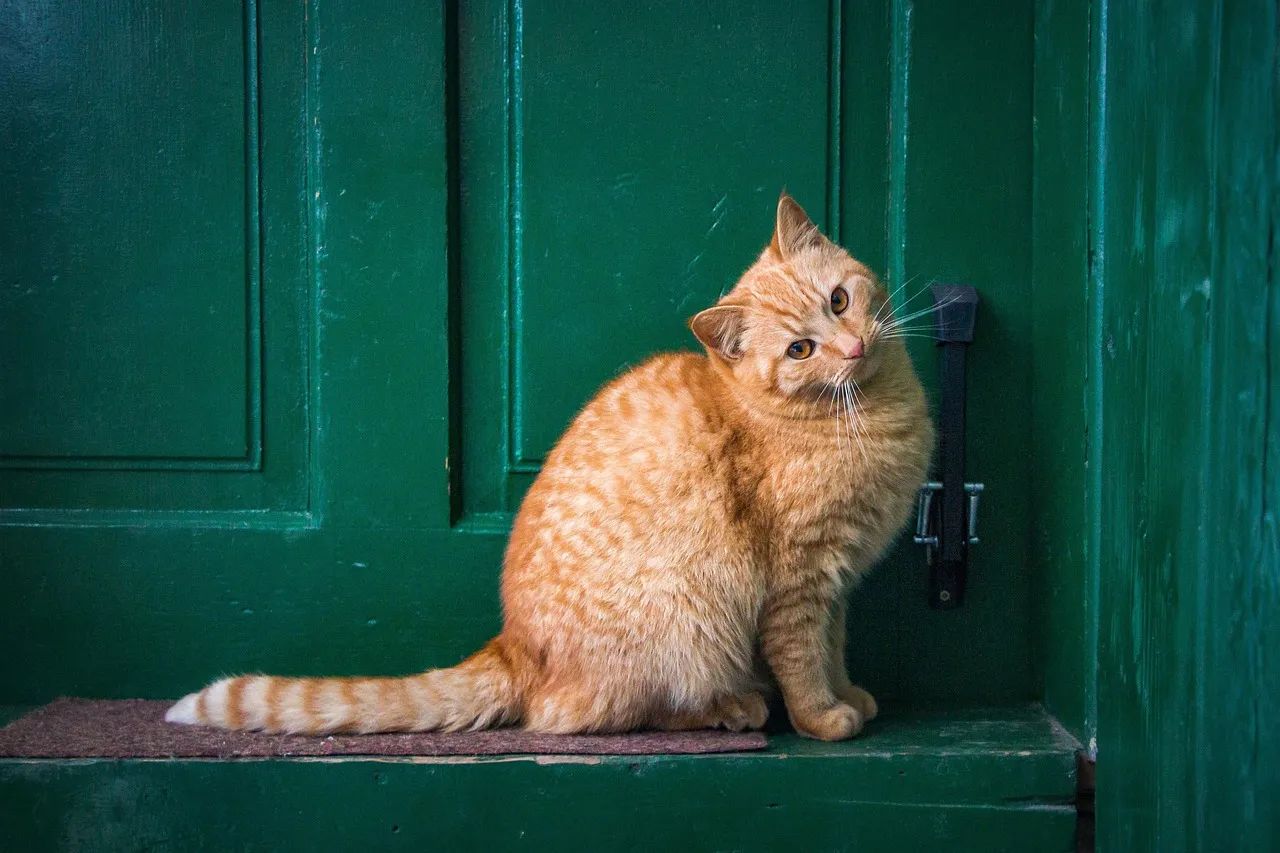
Understanding the doorway pause as information gathering rather than defiance changes how most owners respond to it, usually for the better. Rushing a hesitant cat, reaching toward it, or making sudden noise during that pause tends to backfire, reinforcing the idea that the moment really was risky. A calmer approach is to simply wait, let the cat finish its scan, and allow the decision to move forward happen on its own timeline.
Consistency in the home environment also reduces how often these pauses turn into longer hesitations. Keeping furniture placement relatively stable, avoiding sudden strong scents near entryways, and maintaining predictable daily routines all give a cat less to reassess each time it crosses a threshold. Small adjustments like these will not eliminate the pause entirely, since it is a hardwired behavior, but they can noticeably shorten it over time.
Final Thoughts
🔥 Would you like to save this?
We'll email this post to you, so you can come back to it later!
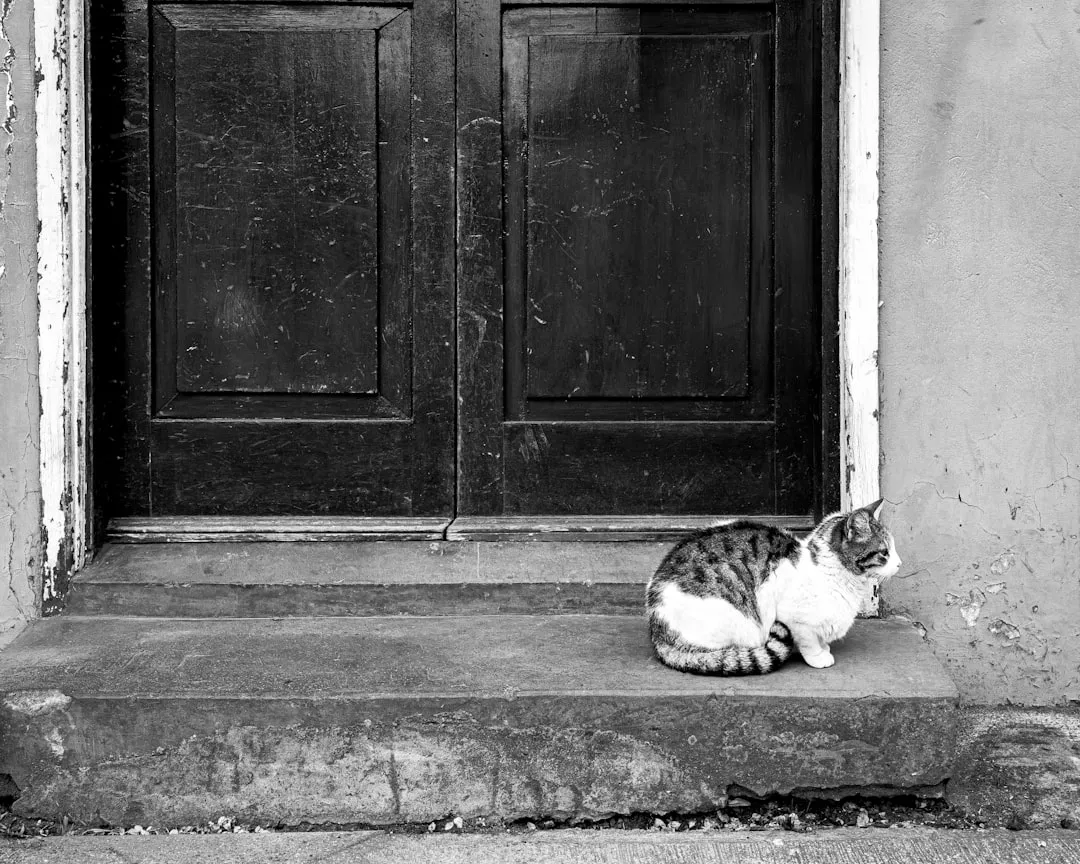
There is a temptation to read every cat behavior as either meaningless quirk or hidden emotional signal, and the doorway pause sits somewhere more interesting than either extreme. It is a genuine piece of cognitive work, a quick but real assessment of scent, sight, sound, and even human mood, compressed into a few seconds most people barely notice. Owners who dismiss it as random are missing a small window into how much sensory processing their cat is doing constantly, mostly out of sight.
My own take is that this behavior deserves more attention than it usually gets, precisely because it is so easy to overlook. A cat that pauses and studies a room before entering is not being difficult or standoffish, it is being appropriately careful in a way that has kept its species alive for a very long time. Respecting that pause, rather than rushing past it, is a small but genuine way to understand a cat on its own terms.

- 8 Fascinating Facts About Owls You Never Knew - November 5, 2026
- 10 Plants That Repel Mosquitoes in Texas - November 5, 2026
- What Egyptian God Are You According to Your Zodiac Sign - November 5, 2026