
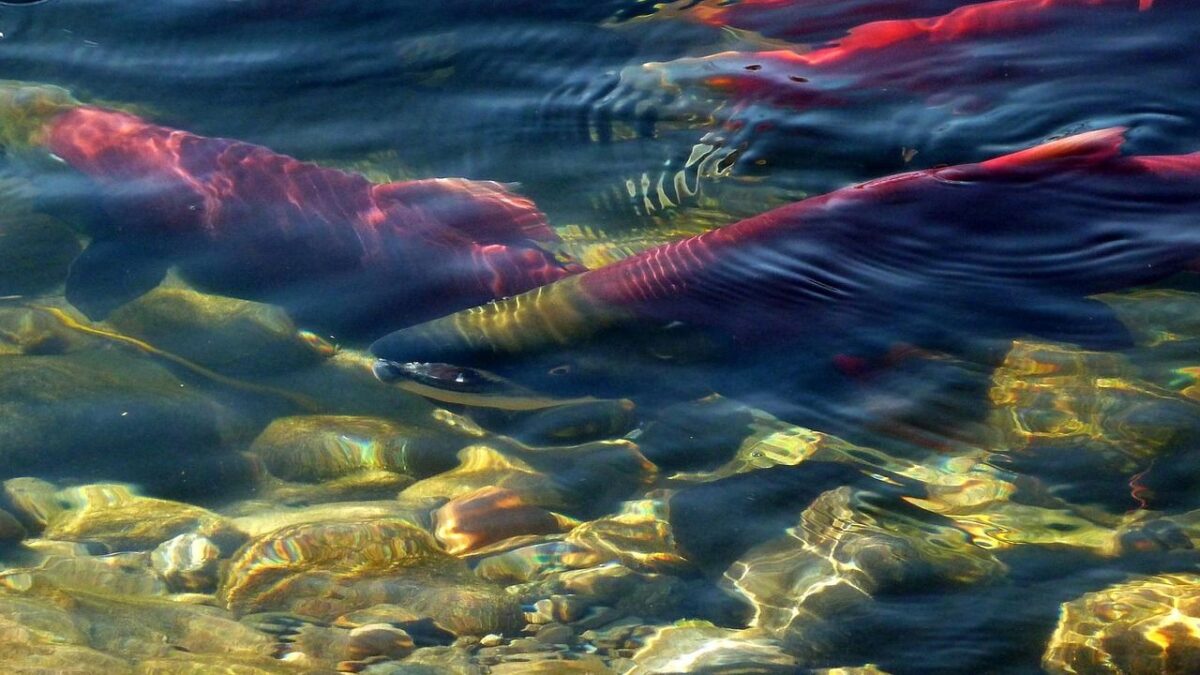
Picture thousands of creatures moving in synchronized waves across vast landscapes, a phenomenon that has repeated itself for countless generations. These journeys represent some of nature’s most spectacular displays, happening right here on our continent. From delicate butterflies riding cold fronts to massive whales tracing ancient coastal paths, these migrations remind us that Earth still holds moments of pure wonder.
What’s truly fascinating is that you don’t need to travel to Africa or the Arctic Circle to witness these marvels. North America hosts some of the planet’s most impressive animal movements, and they’re more accessible than you might think. Whether you’re positioned along a river in Nebraska or scanning the Pacific from a California headland, these natural events unfold on a scale that leaves even seasoned wildlife enthusiasts awestruck.
Monarch Butterflies Make Their Epic Journey South
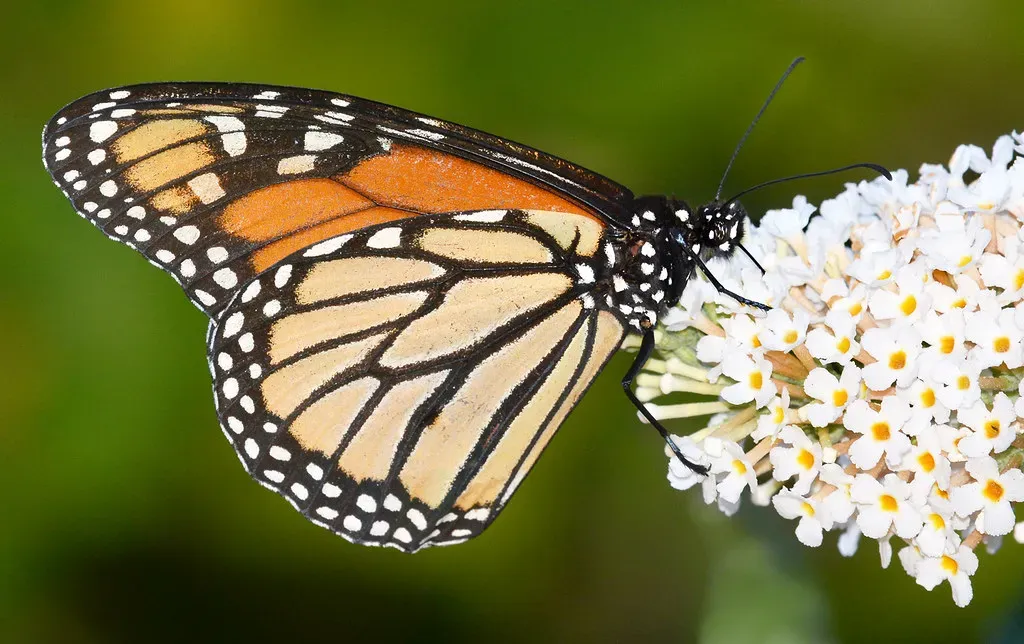
Every fall, millions of these delicate orange and black creatures embark on a 3,000-mile voyage from the northern United States and Canada to overwintering grounds in central Mexico. It’s hard to believe something so fragile can undertake such an ambitious trek.
What makes this migration truly extraordinary is that no single butterfly completes the entire round trip, as it takes four generations of monarchs to complete the annual cycle, with each new generation continuing the journey. Think about it for a moment. These insects somehow inherit an internal map they’ve never personally traveled.
The Stonington Peninsula, particularly the cedar trees and lands surrounding the Peninsula Point Lighthouse, becomes the stopping-off point for thousands of monarchs during peak migrating season. In the North Carolina Smoky Mountains, you can get a glimpse from September through early October.
The timing depends on seasonal patterns, yet falling temperatures and shrinking daylight generally prompt butterflies in the northernmost states of the Lower 48 to start their migrations by late August. I find it incredible that these tiny creatures respond to environmental cues with such precision.
Sadly, there’s a concerning reality behind this beauty. Monarch populations have declined by approximately 80% over the past two decades due to habitat loss, pesticide use, and climate change. Witnessing their migration now feels more urgent than ever.
Gray Whales Navigate the Pacific Coast
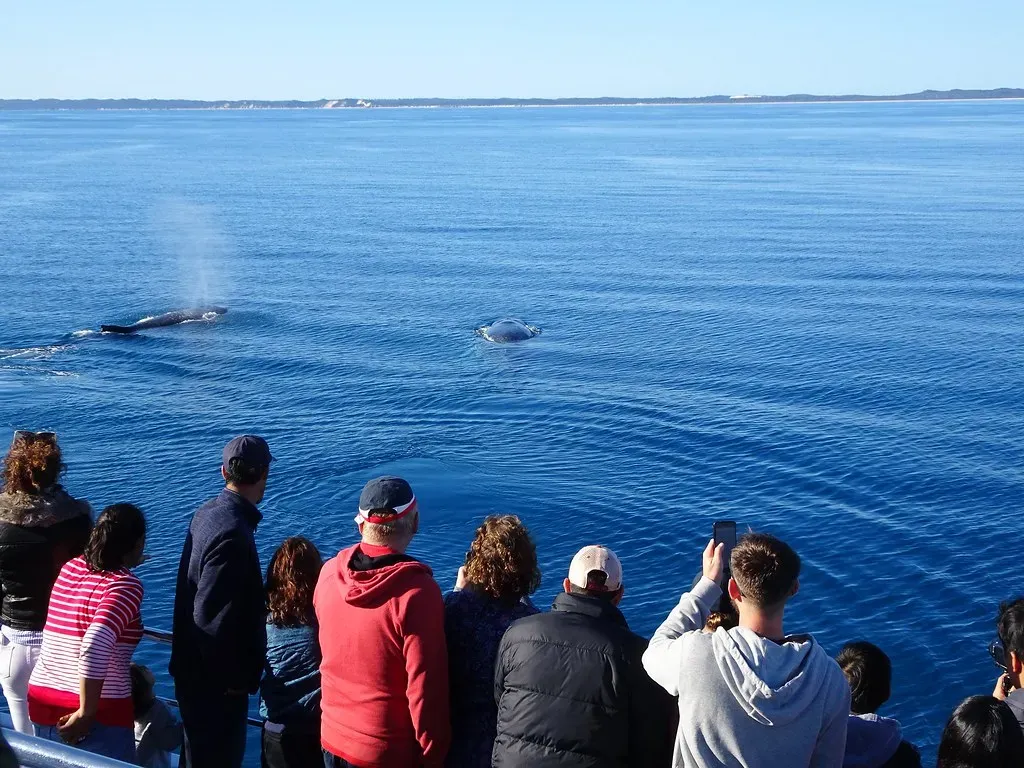
Every year, gray whales undertake one of the longest migrations of any mammal, traveling 12,000 miles round-trip from their feeding grounds in the Arctic to calve and breed in the Baja lagoons, and then back again. That’s roughly equivalent to crossing the entire United States three times.
These massive creatures follow a predictable coastal route that makes them relatively easy to spot. Gray whales begin to leave their Arctic feeding grounds in September, migrating south along the coastline to breed and calve in Baja California, Mexico, traveling at approximately 5 miles per hour and averaging about 75 miles a day.
January through March is an ideal time to see migrating gray whales along the California coast, with whales traveling both northward and southward. You can witness them from numerous vantage points without even boarding a boat. Point Reyes projects an impressive 10 miles into the ocean, giving you a unique opportunity to catch a closer glimpse of the migration than most places.
The northbound journey often feels more intimate. On their northern migration they swim close to shore, with their babies on the shore side, and this is often when the best viewing can take place because they are moving more slowly because of their young calves.
There’s a sobering side to this spectacle, though. The population has dropped almost 40 percent along the California coast, with starving whales washing ashore as they struggle to find food in the Arctic, likely due to climate change.
Caribou Trek Across Arctic Tundra
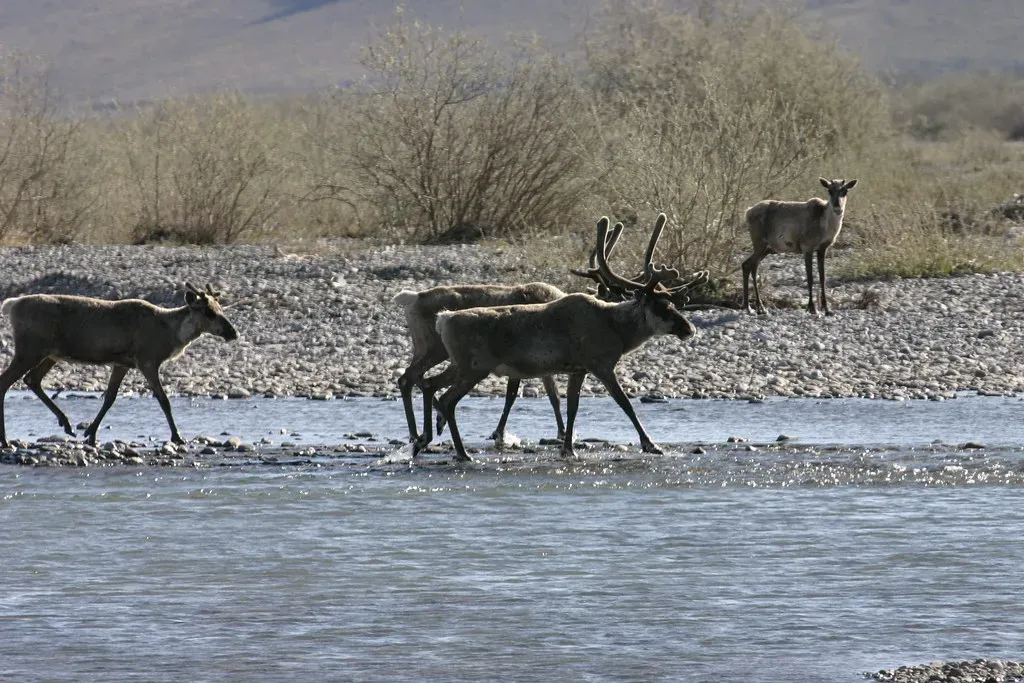
This “ecotype” of caribou migrates hundreds of miles each spring, moving toward the continent’s northern coast, where they birth their young. Honestly, few terrestrial journeys rival the sheer endurance these animals display.
In northwest Alaska, caribou travel up to 2,737 miles per year. That number still astounds me every time I read it. The start of the spring migration each year is generally synchronized among all herds across the continent, with this coordinated departure in March or April depending primarily on large-scale climate cycles.
The caribou’s journey isn’t just about finding food. One of the main purposes of migration is to minimize exposure to predation, especially during calving when young animals are particularly vulnerable, as migratory barren-ground caribou tend to aggregate during calving and calve synchronously.
The arrival of caribou at their calving grounds, however, is much more staggered and depends on weather conditions during the previous summer, namely whether it was a warm and windless summer that favors insects. Nature operates with a complexity that scientists are only beginning to understand.
The Porcupine herd migrates across the Arctic National Wildlife Refuge in Alaska and into Canada’s Yukon and Northwest Territories, covering over 1,500 miles annually. Witnessing thousands of these animals moving together across the tundra ranks among Earth’s most primal sights.
Sandhill Cranes Gather Along the Platte River
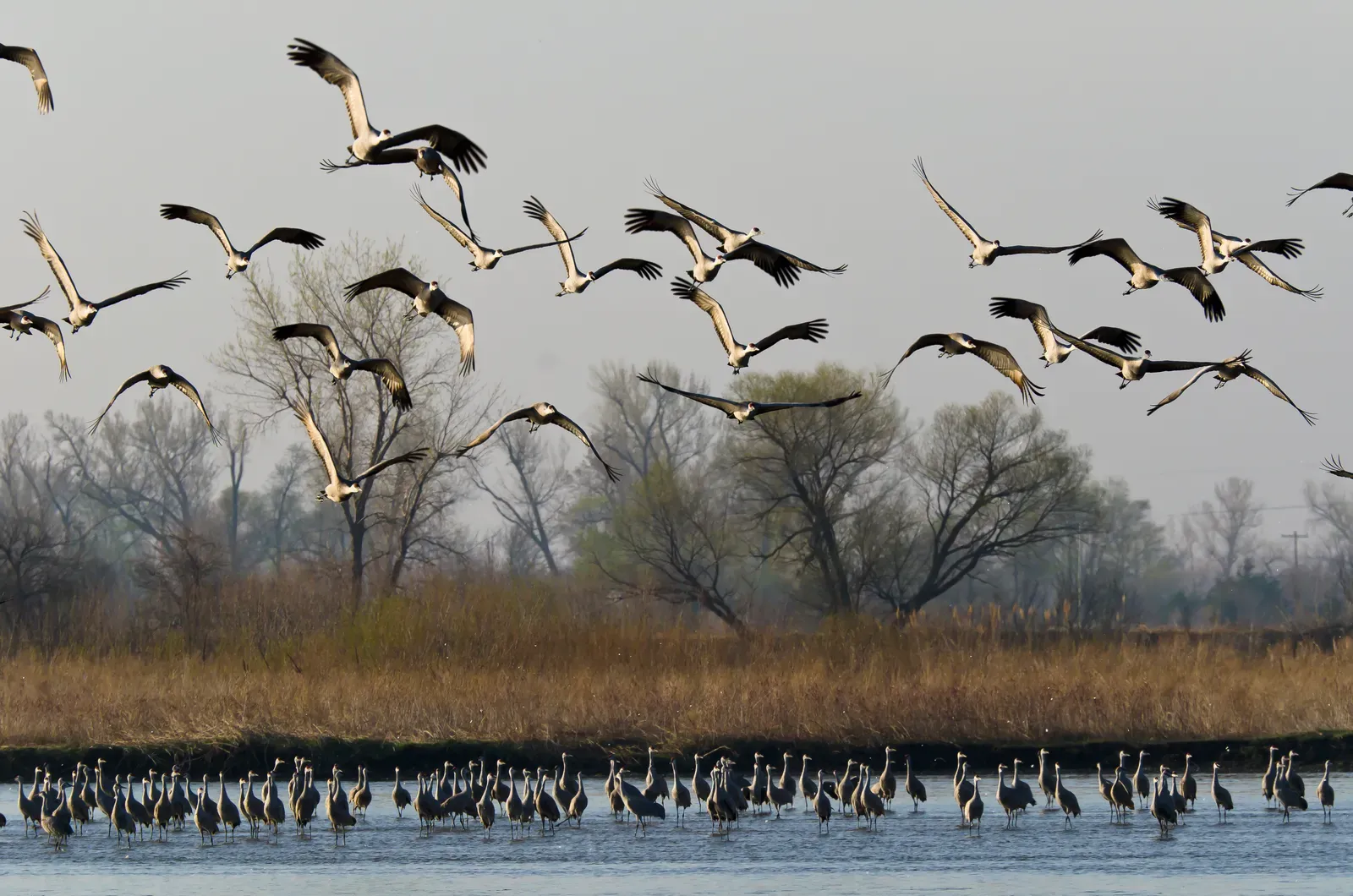
Each spring, more than 1,000,000 sandhill cranes converge on the Platte River in central Nebraska as they migrate north to their nesting grounds, drawing visitors from across the country and across the world. Let me tell you, the sound alone is unforgettable.
Approximately 80% of the world’s sandhill crane population over 600,000 birds stops here during their migration between northern breeding grounds in Canada, Alaska, and Siberia and wintering areas in the southern United States and Mexico. Nebraska essentially becomes a massive refueling station.
The spectacle peaks at specific times. Visit in March to see the most cranes, as the peak of the gathering occurs during the second half of the month. Every year from mid to late February to mid April, one million Sandhill Cranes migrate on the Platte River Valley in order to ‘fuel up’ before resuming their northward migration.
The shallow braided channels of the Platte provide safe roosting sites, while nearby cornfields offer essential nutrition, and during peak season in March, tens of thousands of these elegant gray birds create a spectacular dawn and dusk spectacle. Their distinctive rolling calls can echo for miles across the plains.
From mid-February through early April about a million sandhill cranes stage here, feeding in cornfields and wet meadows by day and roosting in the shallow flowing waters of the Platte River at night. The morning liftoff creates clouds of birds that briefly obscure the sky.
Bison Move Through Yellowstone
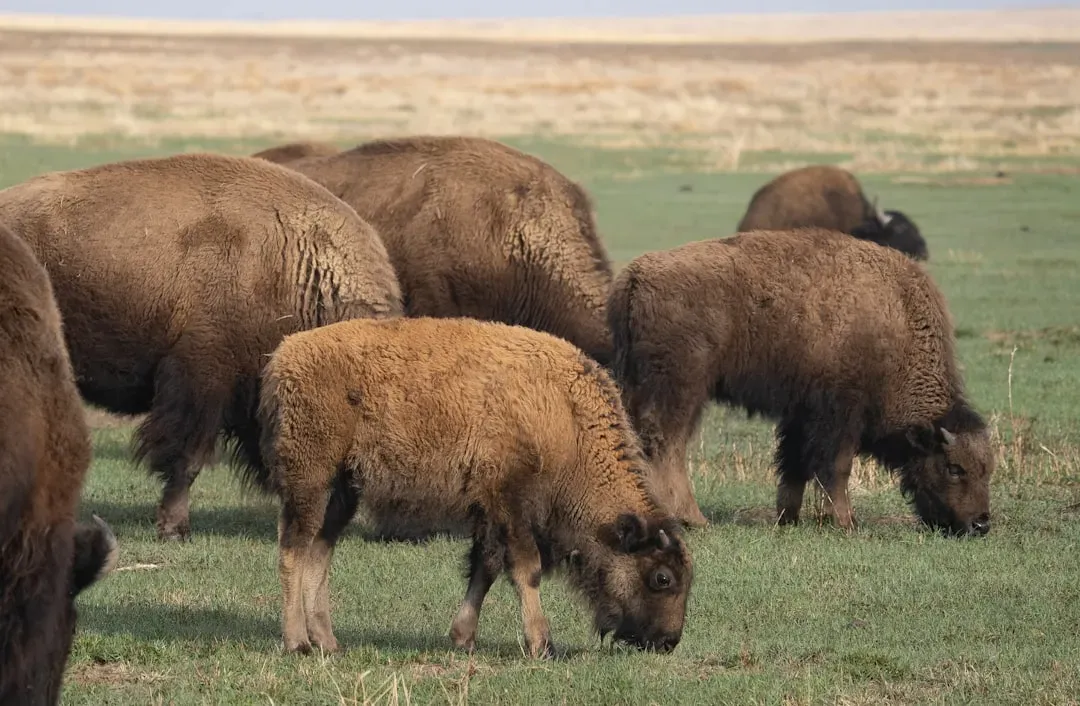
While no longer undertaking the vast continental movements of their ancestors, some American bison herds still maintain seasonal migrations within protected areas like Yellowstone National Park, representing one of the few remaining examples of large ungulate migration in North America. It’s a shadow of what once was, yet still powerful to witness.
Each spring, Yellowstone’s approximately 5,000 bison move from lower elevation valleys to higher mountain meadows, following the growth of nutritious grasses, with their migration covering elevational changes of up to 3,000 feet across distances of 30 to 50 miles. They move as their ancestors did, guided by ancient instinct.
The timing aligns with seasonal shifts. The migrating bison of Yellowstone National Park typically move from December through March. Watching these massive animals trudge through snow-covered valleys offers a glimpse into a North America that existed before European settlement.
This movement creates a ripple effect throughout the ecosystem, as bison grazing patterns influence plant composition, nutrient cycling, and habitat conditions for numerous other species. Their presence shapes the entire landscape around them.
There’s something deeply moving about seeing bison migrate, even within the confines of a national park. These animals once covered the Great Plains in herds numbering in the millions, and their restricted movements today serve as both celebration and reminder of what we’ve lost.
Elk Navigate Mountain Terrain
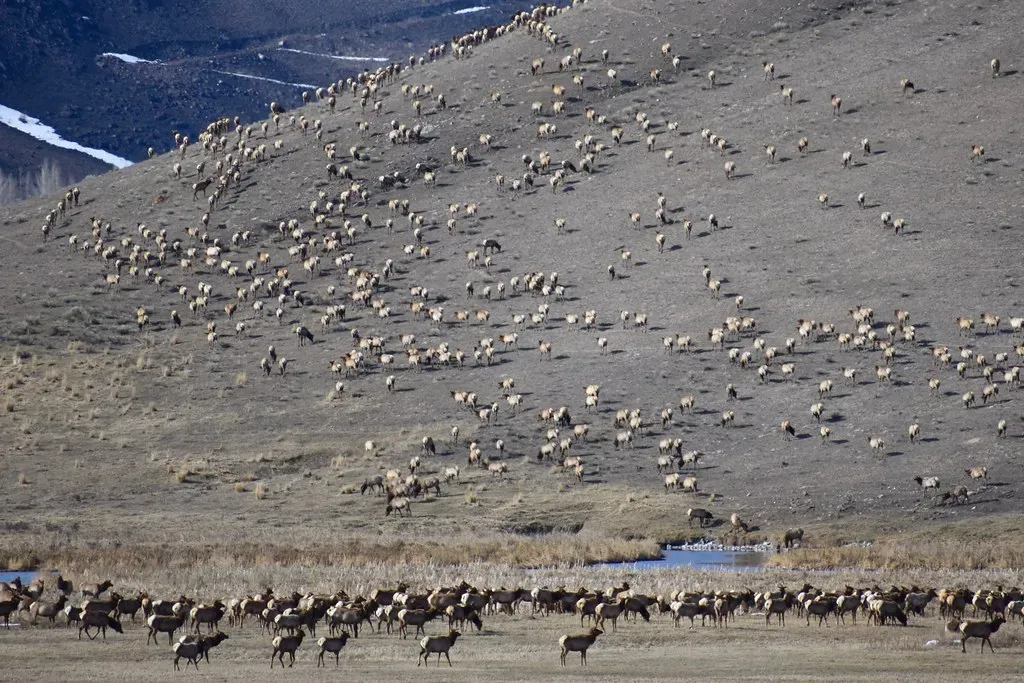
The annual elk migration in Yellowstone National Park occurs from late October to early December and April to May. These movements follow the rhythm of mountain seasons, with elk seeking lower elevations when harsh winter conditions arrive.
The elk don’t migrate for trivial reasons. They’re following food availability and seeking escape from deep snow that makes foraging nearly impossible. As autumn approaches and temperatures drop, herds begin moving from high alpine meadows down to valleys where conditions remain more manageable.
Spring brings the reverse journey. As snowpack melts and fresh vegetation emerges at higher elevations, elk gradually work their way back up the mountains. The timing varies based on weather conditions, which means some years witness earlier or later movements.
Yellowstone provides an excellent opportunity to observe these migrations without extensive planning. Drive through Lamar Valley or the northern range during peak movement periods, and you’ll likely encounter herds crossing roads or grazing in meadows. The sight of hundreds of elk streaming across a mountain slope captures something essential about wild places.
The bulls, with their impressive antlers, often bugle during autumn migration, adding an acoustic dimension to the visual spectacle. It’s nature’s way of announcing that breeding season has arrived, and the sound resonating through mountain valleys stays with you long after you’ve left.
Salmon Run Up Pacific Coast Rivers
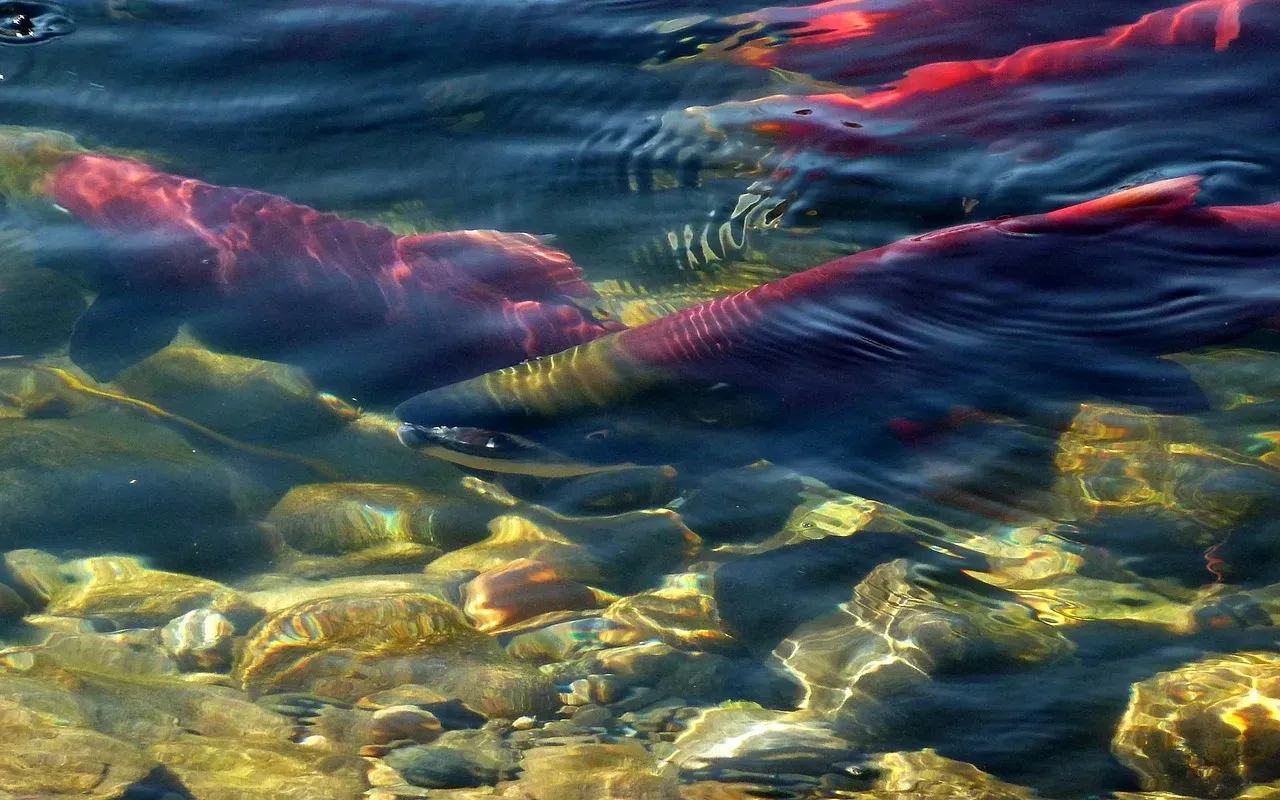
The salmon run in British Columbia occurs in early to mid-October, with the next dominant year being 2026. These fish undertake one of nature’s most determined journeys, swimming upstream against powerful currents to spawn in the same waters where they were born.
The salmon migration represents more than just fish swimming. It’s a fundamental ecological event that feeds bears, eagles, wolves, and countless other species. When salmon return in massive numbers, entire ecosystems respond with increased activity.
British Columbia’s rivers become highways of silver bodies fighting their way upstream. The fish leap waterfalls, navigate rapids, and exhaust themselves in their singular drive to reproduce. Many will die shortly after spawning, their bodies providing nutrients that enrich the river systems.
Timing depends on species and location. Different salmon varieties return at different times throughout late summer and fall. This staggered arrival means prime viewing opportunities can extend across several weeks or even months in particularly productive river systems.
The spectacle attracts not just wildlife enthusiasts but also bears, which gather along riverbanks to feast on the abundant protein source. Watching massive grizzlies pluck salmon from rushing water adds an extra layer of drama to an already impressive natural event.
Ladybugs Converge on California Mountains
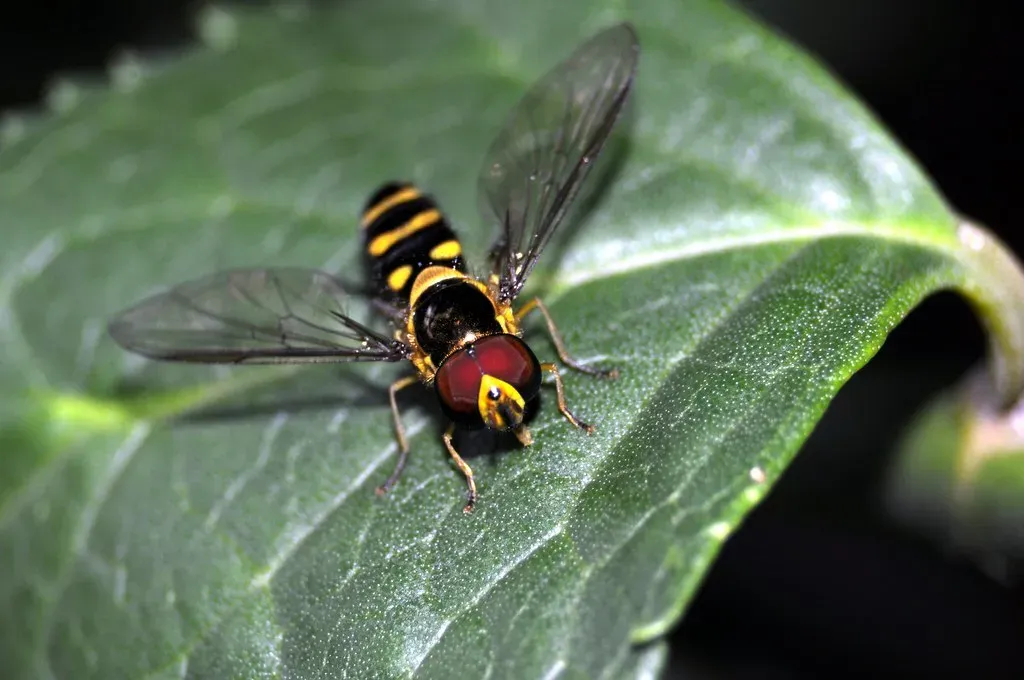
Ladybug migration in California occurs in November. These tiny beetles undertake journeys that rarely receive the attention given to larger migrations, yet their movements involve astronomical numbers.
Ladybugs don’t migrate for breeding purposes like many species. They’re seeking shelter for winter in massive aggregations. Thousands, sometimes millions, cluster together on tree trunks and rocks in specific mountain locations. The concentration provides warmth and protection during cold months when food becomes scarce.
California’s coastal mountains host some of the most impressive gatherings. Certain groves become traditional overwintering sites used year after year. The beetles arrive in autumn, blanket entire tree sections in orange and black, then become relatively inactive until spring temperatures trigger their dispersal.
Finding these aggregations requires local knowledge or guidance, as the sites aren’t always well-marked or easily accessible. The tiny size of individual insects means even massive colonies can be overlooked by casual hikers passing nearby.
When spring arrives, the ladybugs disperse back to lower elevations where they resume hunting aphids and other garden pests. Their winter clustering represents a survival strategy refined over countless generations, turning vulnerability into strength through sheer numbers.
Conclusion: Witnessing Nature’s Great Movements
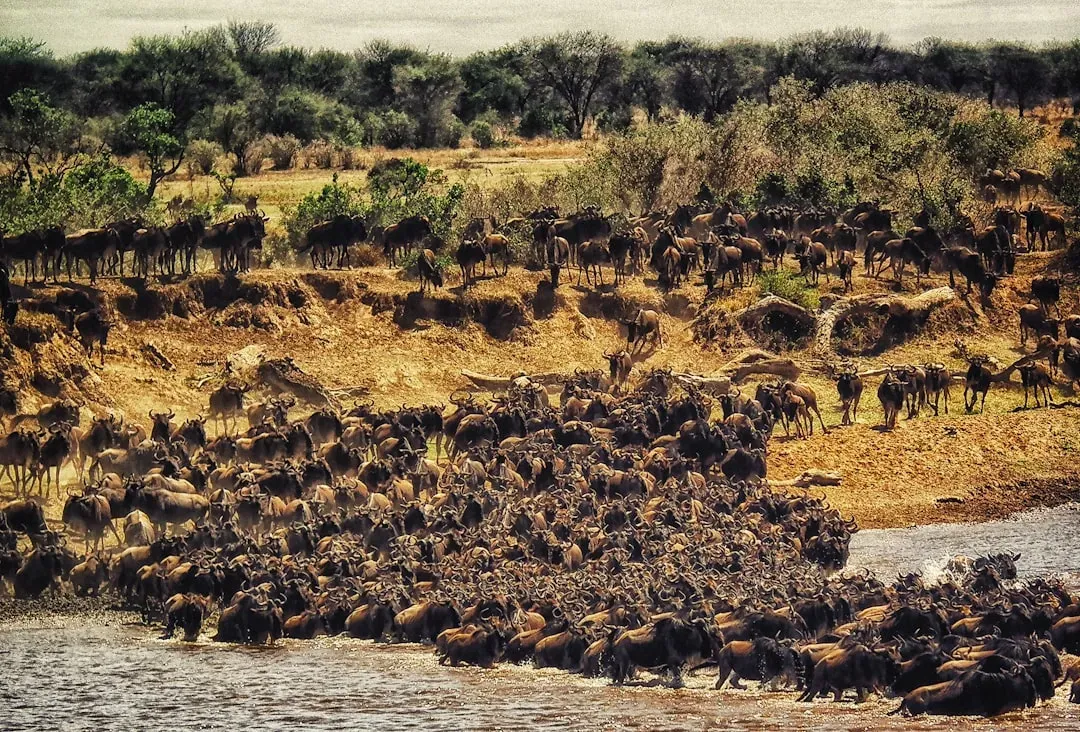
These migrations connect us to rhythms older than human civilization. They’ve repeated annually for millennia, driven by instincts we’re only beginning to understand. Each journey represents triumph over incredible obstacles, from tiny butterflies crossing entire continents to massive whales navigating thousands of miles of open ocean.
What strikes me most about these migrations is their accessibility. You don’t need expensive equipment or exotic travel plans. A drive to Nebraska, a walk along the California coast, or a visit to Yellowstone can place you directly in the path of one of Earth’s great wildlife spectacles.
Yet many of these migrations face unprecedented challenges. Climate change, habitat loss, and human development threaten routes that have remained unchanged for countless generations. Witnessing these events now carries both joy and responsibility.
Have you experienced any of these migrations firsthand? Which one would you most want to see?

- 14 Signs the Backyard Birds That Left Your Yard Are Quietly Coming Back - July 21, 2026
- 12 Cat Breeds Vets Refuse To Recommend to First Time Owners - July 21, 2026
- 6 US States With the Most Alligators - July 21, 2026