

Picture yourself standing where history and nature intertwine in ways that most travelers never experience. America holds countless secrets beyond the famous landmarks, where wildlife roams through places steeped in centuries of human stories. These hidden gems offer something truly special for animal lovers who crave both historical depth and incredible wildlife encounters.
From ancient cave systems that sheltered indigenous peoples and their animals to forgotten refuges where endangered species found sanctuary, these remarkable sites blend conservation history with living wildlife experiences. They’re waiting for curious souls who understand that the best animal encounters happen where respect for both past and present creates magic.
Slaughter Canyon Cave – Where Ancient Artists Celebrated Wildlife
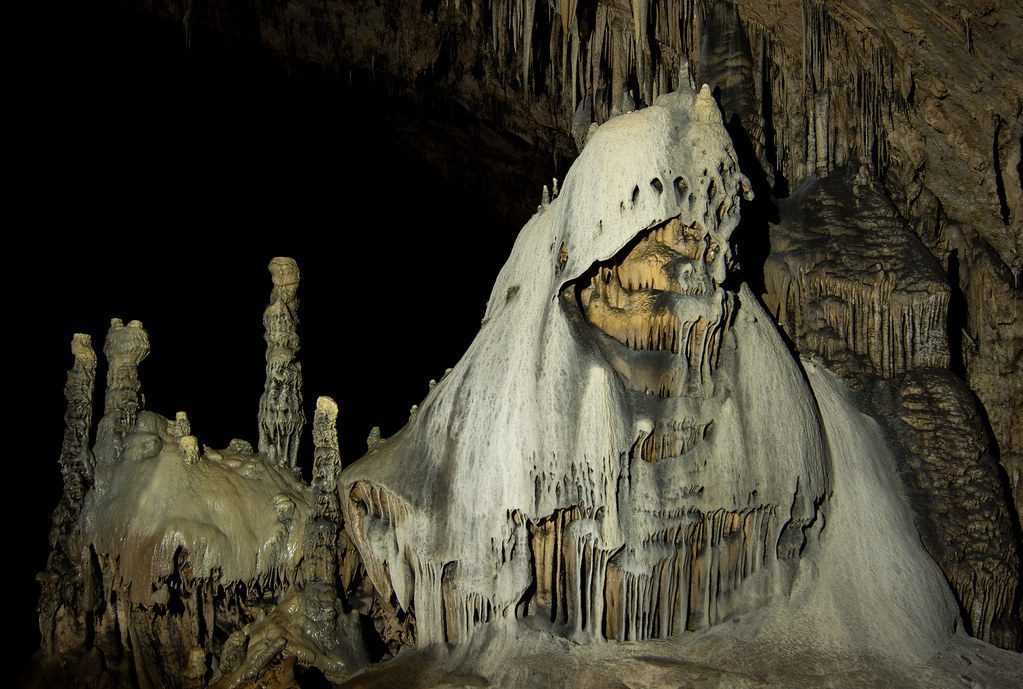
Deep within New Mexico’s Carlsbad Caverns National Park lies a treasure that few visitors ever see. Slaughter Canyon Cave contains one of the Southwest’s most significant collections of prehistoric pictographs dating back approximately 1,000 years, created by the ancient Mogollon culture, with paintings rendered primarily in red ochre depicting geometric patterns, handprints, and animal figures that likely held spiritual significance.
Unlike the main tourist sections of Carlsbad Caverns, this cave has no artificial lighting or paved pathways, helping preserve these delicate artworks from deterioration, with the National Park Service offering limited guided tours where visitors must use handheld lights to navigate the darkness, much like the indigenous artists did a millennium ago. You’ll witness firsthand how our ancestors celebrated their connection to wildlife through art. The experience feels deeply personal, like stepping into an ancient sanctuary where humans and animals shared sacred space.
DeSoto National Wildlife Refuge – Civil War Treasures Meet Modern Conservation
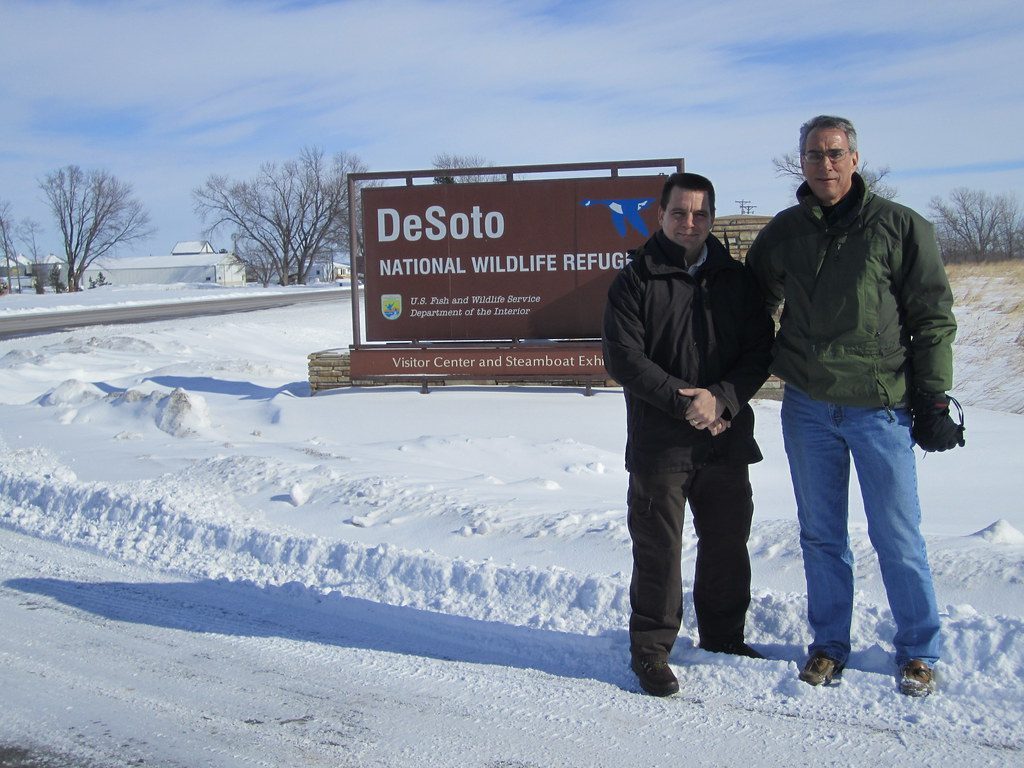
At DeSoto National Wildlife Refuge in Iowa and Nebraska, visitors can see a remarkable historical exhibit devoted to the Steamboat Bertrand, which in 1865 sank in the Missouri River loaded with Civil War-era cargo, was found buried on the refuge in 1968 with provisions remarkably intact, including bottled brandied cherries and peaches now displayed in the exhibit.
This site brilliantly demonstrates how conservation efforts preserve both cultural artifacts and animal habitats. Today, ducks, geese, swans and waterfowl of all kinds are plentiful at national wildlife refuges along North America’s four migratory bird flyways, with refuges being vital to the Prairie Pothole Region which has been called “the duck factory of America.” Your visit here connects Civil War history with active wildlife conservation, showing how tragedy can transform into hope.
Great Dismal Swamp National Wildlife Refuge – Underground Railroad Wildlife Haven
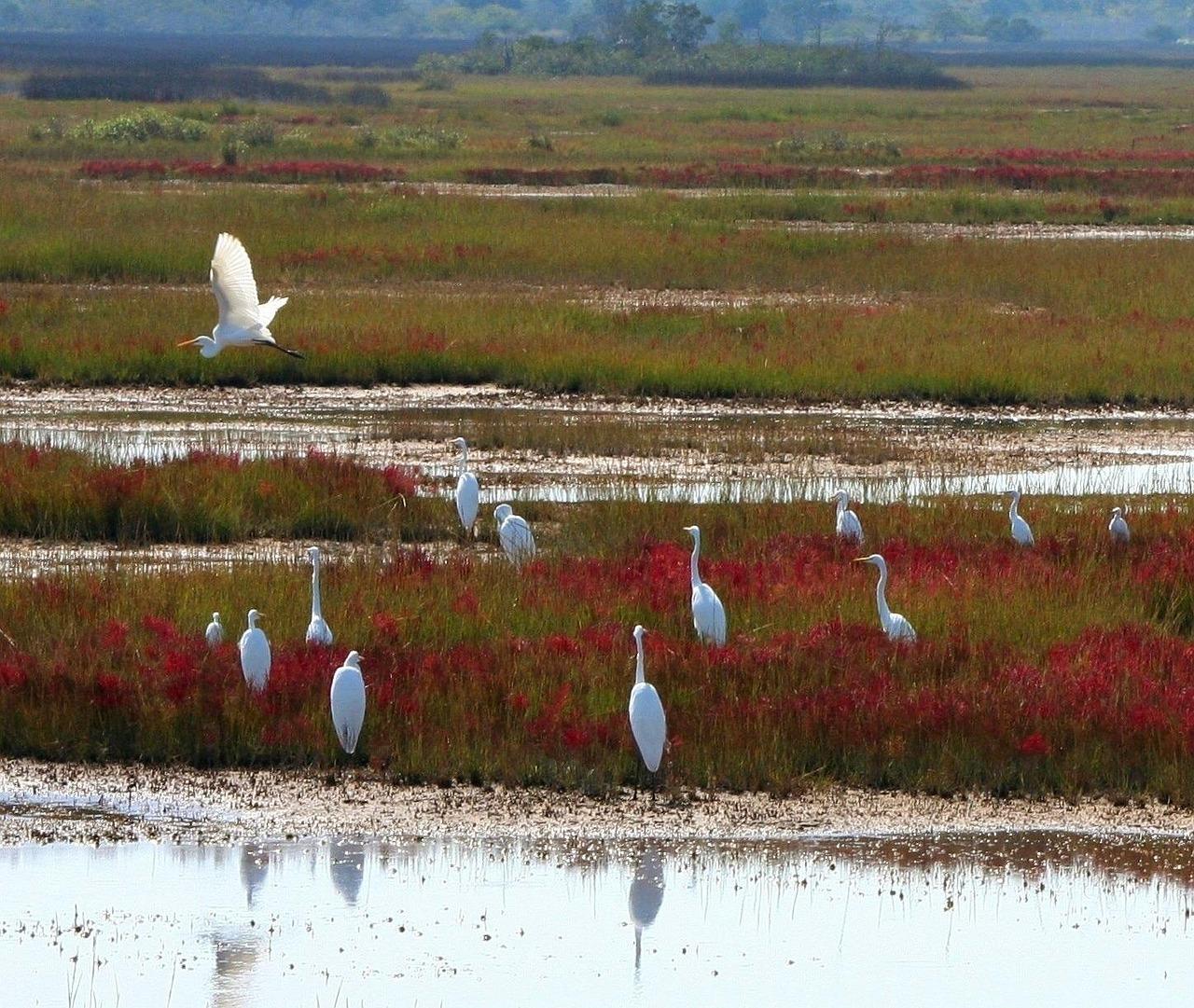
Interpretive panels at Great Dismal Swamp National Wildlife Refuge in Virginia recount how for decades in the 1700s and 1800s, the swamp sheltered a community of African Americans who fled from slavery, and the community was also a stop on the Underground Railroad.
The same wetlands that provided sanctuary for freedom seekers now protect countless wildlife species. This freshwater forested wetland ecosystem supports diverse wildlife including black bears, white-tailed deer, and bobcats, with many visitors coming to view its rare wildlife, including 350 documented species of birds. Walking these trails, you’ll understand how the landscape that offered human refuge continues protecting vulnerable creatures today.
Pahranagat National Wildlife Refuge – Sacred Petroglyphs in Wildlife Territory
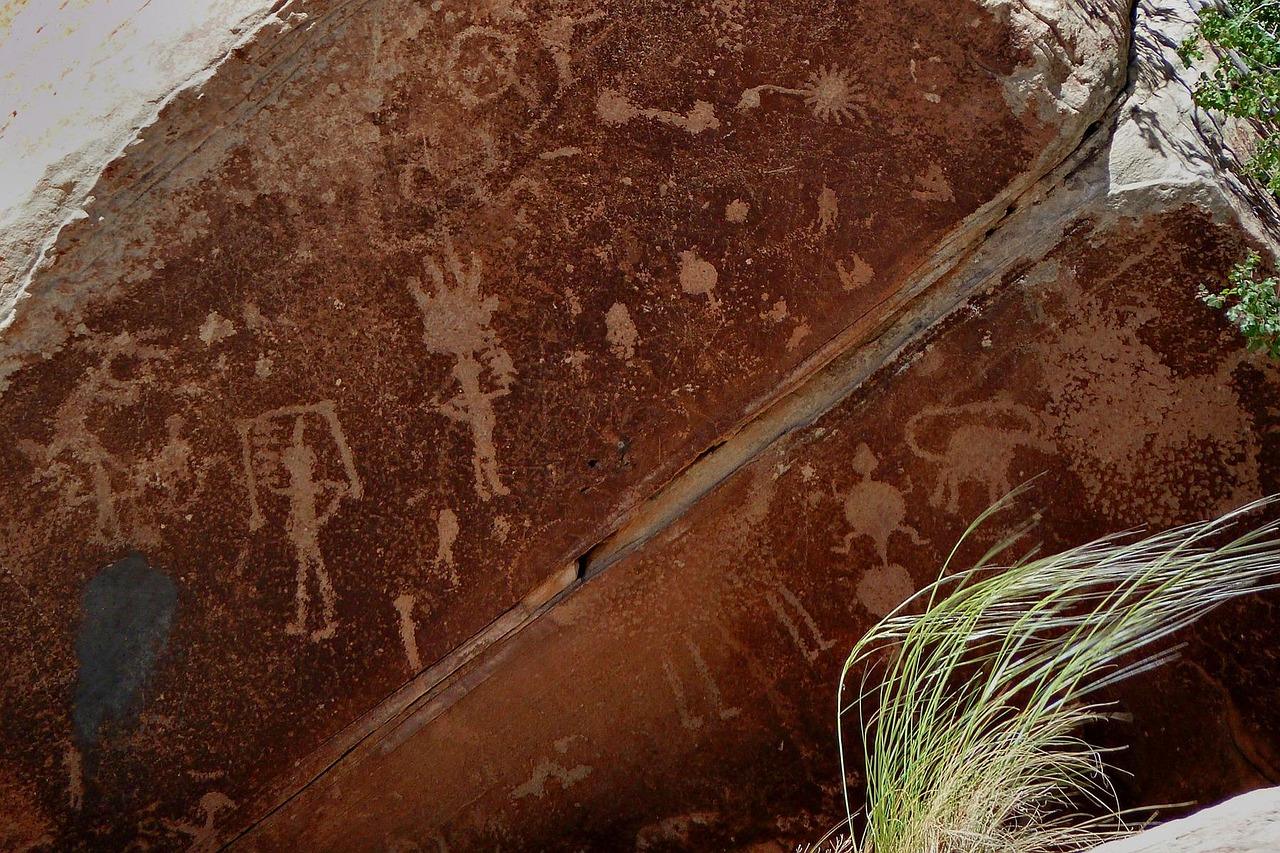
Pahranagat National Wildlife Refuge in Nevada conserves rock writings known as petroglyphs that are sacred to the Nuwuvi people, with many historic sites and artifacts having deep meaning to Native American tribes and other groups, requiring visitors to respect cultural sensitivities when visiting refuge sites.
These ancient symbols share space with desert-adapted wildlife that has survived here for millennia. The refuge demonstrates how indigenous peoples understood the deep connections between spiritual practices and animal conservation. Desert bighorn sheep can be sighted throughout the American Southwest, including the Grand Canyon and the Mojave and Sonoran deserts where you can encounter a desert-adapted subspecies of bighorn, with Utah prairie dogs, the rarest and smallest of the five species, found at places like Bryce Canyon National Park. Your presence here honors both cultural heritage and ongoing wildlife protection.
Sandy Point National Wildlife Refuge – Pre-Columbian Archaeology Meets Marine Life
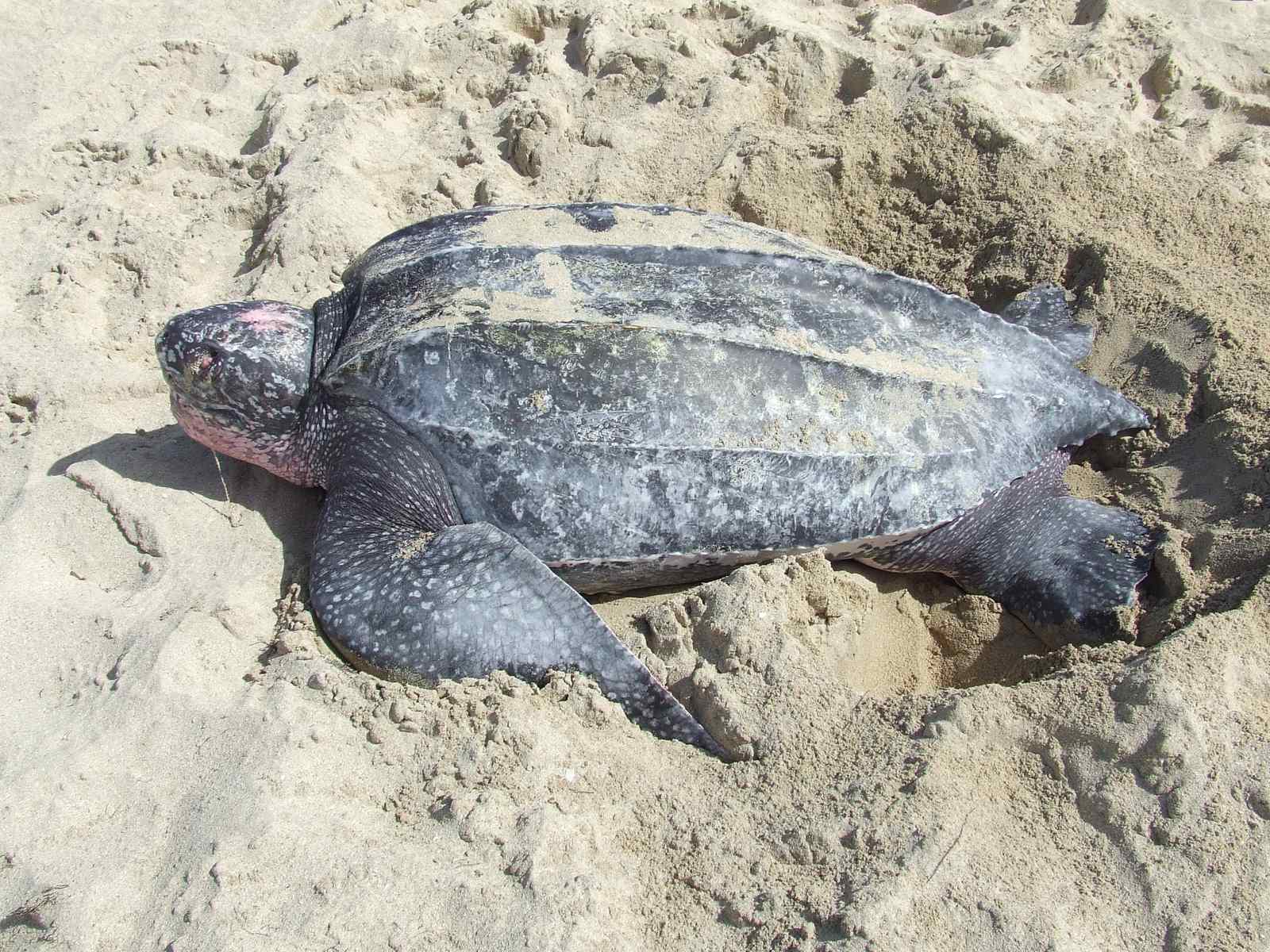
Sandy Point National Wildlife Refuge on St. Croix in the U.S. Virgin Islands conserves the Aklis site, an important pre-Columbian archaeological site in the Caribbean region. This tropical refuge connects ancient Caribbean cultures with modern marine conservation efforts in ways that feel almost mystical.
At this location with four marine ecosystems – mangrove forest, the Bay, the Keys and coral reefs – that provide habitat for a diversity of wildlife, including threatened animals like the West Indian Manatee, American crocodile, sea turtles and peregrine falcon, visitors can boat, camp or fish, with the Maritime Heritage Trail being the only underwater archaeological trail in the National Park System. Snorkeling here means swimming through living history where pre-Columbian peoples once thrived alongside the same marine species you’ll encounter today.
Wichita Mountains Wildlife Refuge – Bison Conservation Birthplace
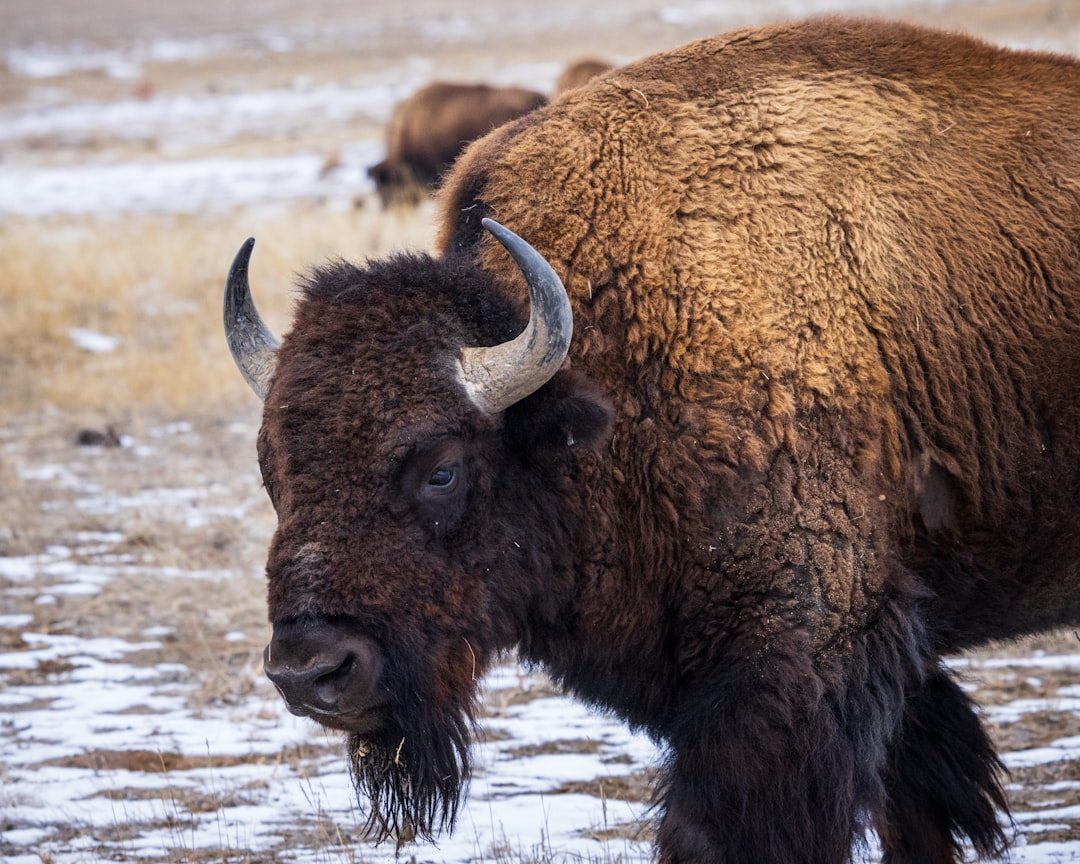
Under leadership from the New York Zoological Society, 15 bison were shipped to live in the wild at Wichita Forest Reserve and Game Preserve in Oklahoma, the preserve being home of the Wichita people and later the Kiowa and Comanche tribes, becoming a precursor to present-day Wichita Mountains Wildlife Refuge, with the transfer of bison becoming an important milestone in the nation’s efforts to save animals from extinction.
The bison is our national mammal, with millions once roaming North America, but by the 1800s only a few hundred were left after settlers pushed bison to near extinction, though since then bison have recovered and can now be seen at locations including Oklahoma’s Wichita Mountains Wildlife Refuge. Standing among these massive creatures, you’re witnessing one of conservation’s greatest success stories where Native American lands became the foundation for wildlife recovery.
Seney National Wildlife Refuge – From Logging Devastation to Wildlife Paradise
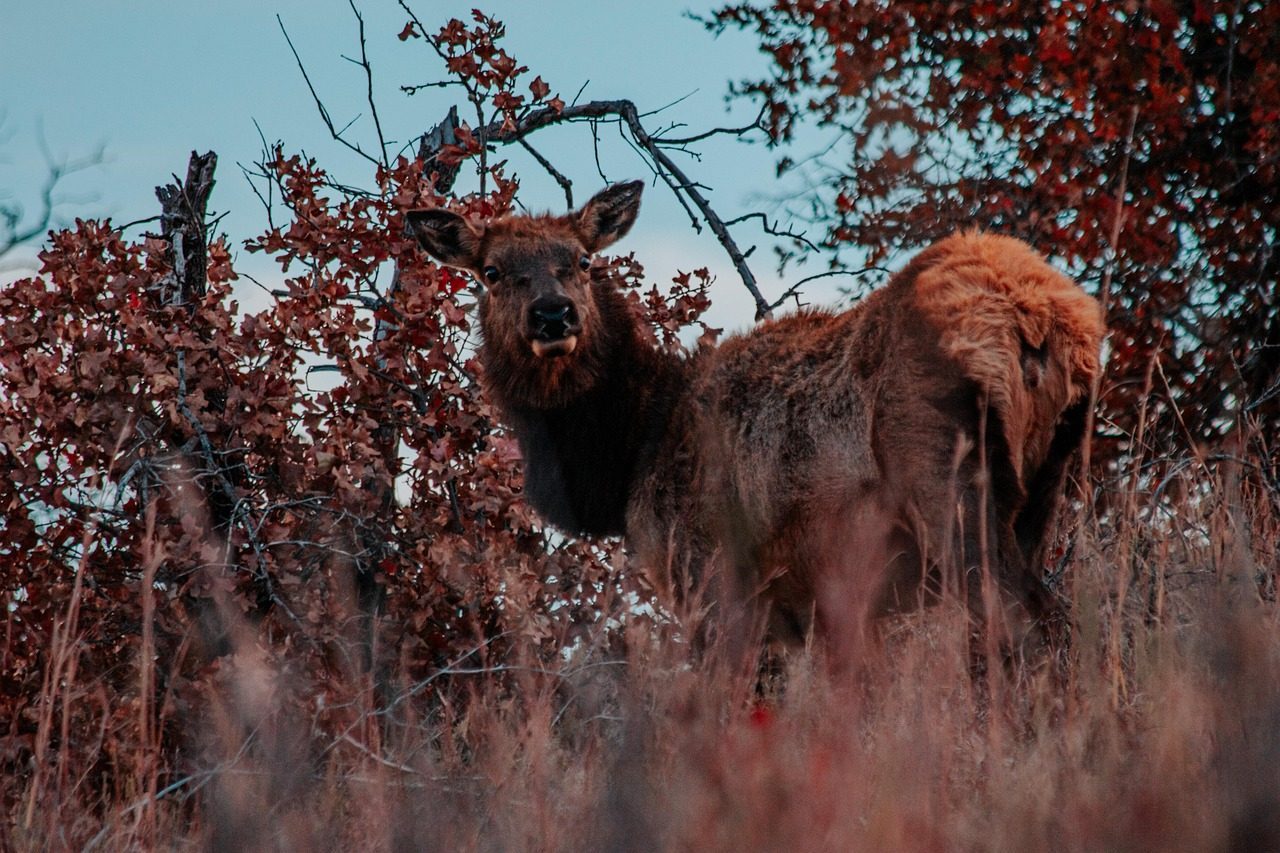
Settlers on Michigan’s Upper Peninsula tried for decades to tame the land through logging, burning, draining and farming, but nature beat them all back, with peace found in 1935 when Seney National Wildlife Refuge was established, and now over 95,000 acres provide habitats to migratory birds and other wildlife.
Visitors can explore on foot, bikes, and by kayak, spotting birds and taking incredible pictures. This transformation from ecological disaster to wildlife haven shows nature’s remarkable resilience when given proper protection. You can expect serendipitous sightings of countless species ranging from black bears and white-tailed deer, to coyotes, raccoons, skunks, otters, foxes, and occasional moose, plus 338 bird species including predatory peregrine falcons, bald eagles, kestrels, hawks, herons, and some 23 recorded species of warbler. The area proves that even the most damaged landscapes can become wildlife sanctuaries.
Key Deer National Wildlife Refuge – Miniature Deer in Paradise
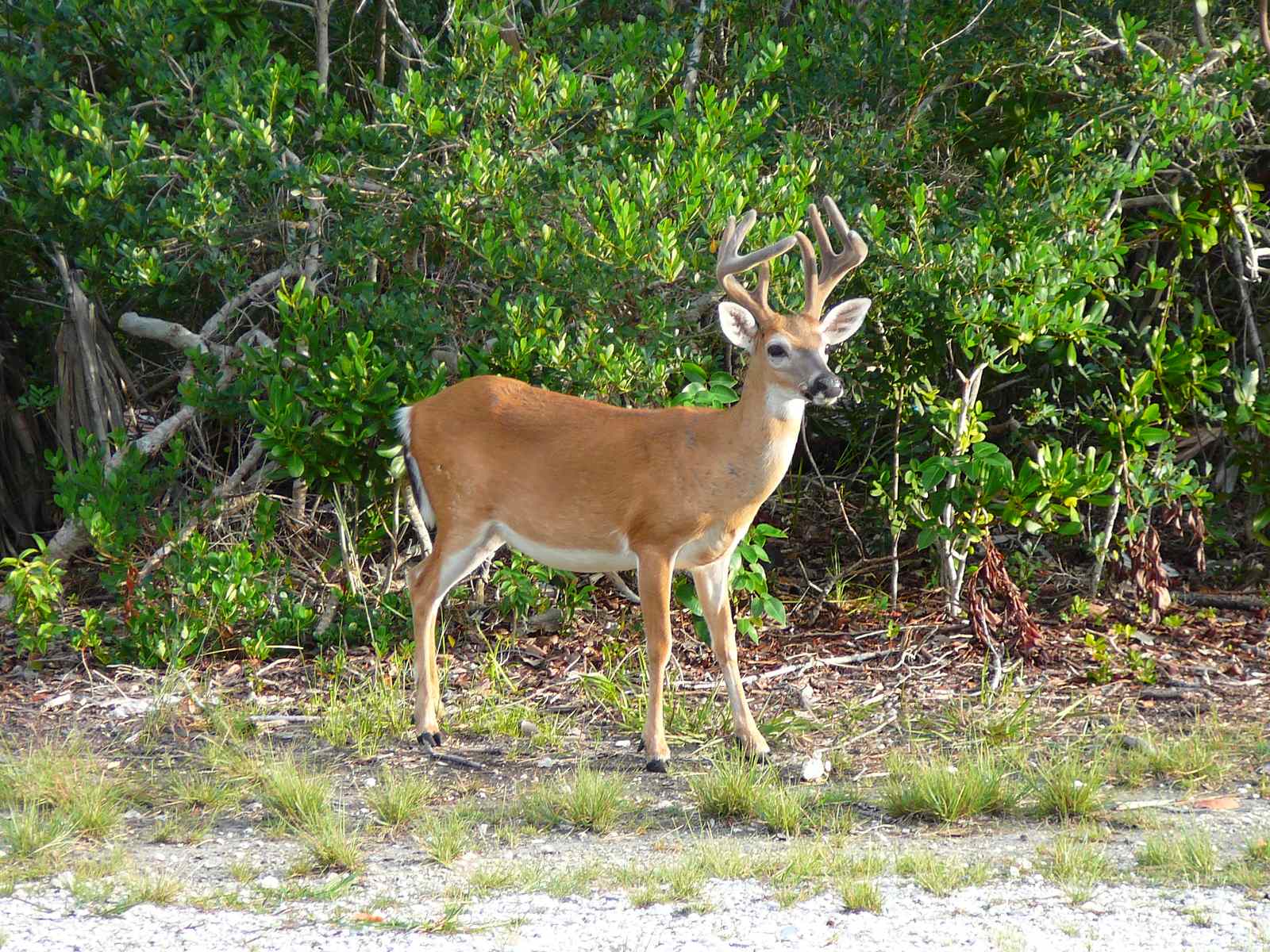
Visitors can relax and enjoy gorgeous sunrises while imagining warm air, gentle waves, soft bird calls and miniature deer slowly prancing by at Key Deer National Wildlife Refuge, established in 1957 to protect and preserve Key deer and other wildlife resources in the Florida Keys, currently consisting of approximately 9,200 acres including pine rockland forests, tropical hardwood hammocks, freshwater wetlands, salt marsh wetlands, mangrove forests and absolutely stunning views.
These tiny deer, found nowhere else on Earth, represent successful conservation in one of America’s most unique ecosystems. The surrounding waters are home to various sea turtle species and manatees, where manatees and sea turtles create magical moments for patient observers.
Conclusion
These extraordinary sites remind us that America’s greatest treasures often hide in plain sight, waiting for those who understand that wildlife and history share the same sacred ground. Each location offers proof that conservation and cultural preservation walk hand in hand, creating experiences that touch both heart and mind.
These places need our support and visitation to continue their vital work. Every entrance fee, every respectful visit, every shared story helps ensure these remarkable sites survive for future generations of both animals and animal lovers. What fascinates you most about these hidden connections between history and wildlife? Share your thoughts in the comments.
