
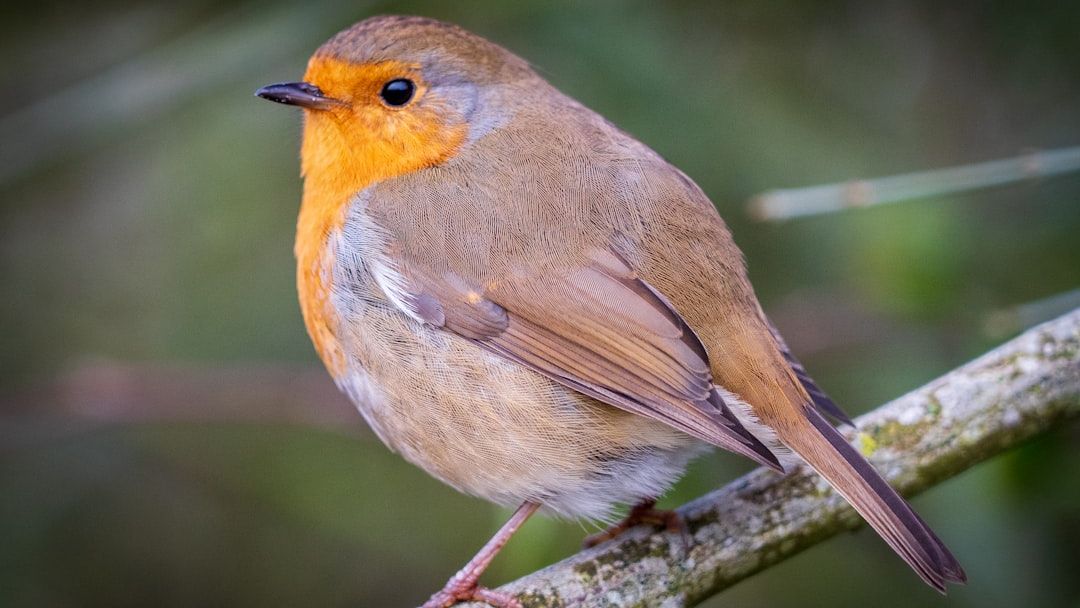
The American Robin is one of those birds almost everyone recognizes. It hops across lawns, signals the return of spring, and generally goes about its business in plain sight. Familiarity, though, can be misleading. Most people know the orange chest and the cheerful song, but stop right there.
Scratch a little deeper, and this common bird turns out to be genuinely surprising. From underground hearing abilities to accidental intoxication, the American Robin has a private life that most school lessons never touch.
They Can Hear Earthworms Underground
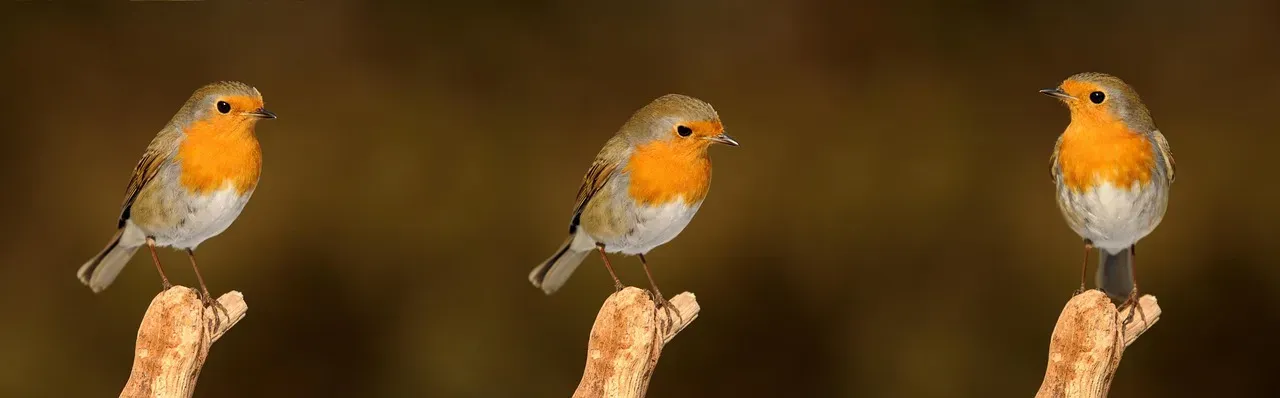
The classic image of a robin tilting its head to one side on a lawn looks almost comical, like a bird deep in thought. The reality is more impressive. In addition to hunting visually, the American Robin has the ability to hunt by hearing, and experiments have shown it can actually find earthworms underground simply by using its listening skills.
The species uses auditory, visual, olfactory, and possibly vibrotactile cues to find prey, though vision remains the predominant mode of prey detection. The head-tilting posture appears to bring one ear closer to the ground, allowing the bird to pick up the faint sounds of soil movement below.
It’s a quiet, efficient hunting method that most people overlook entirely, watching only for the dramatic lunge and pull that comes after.
They Sometimes Get Drunk on Berries
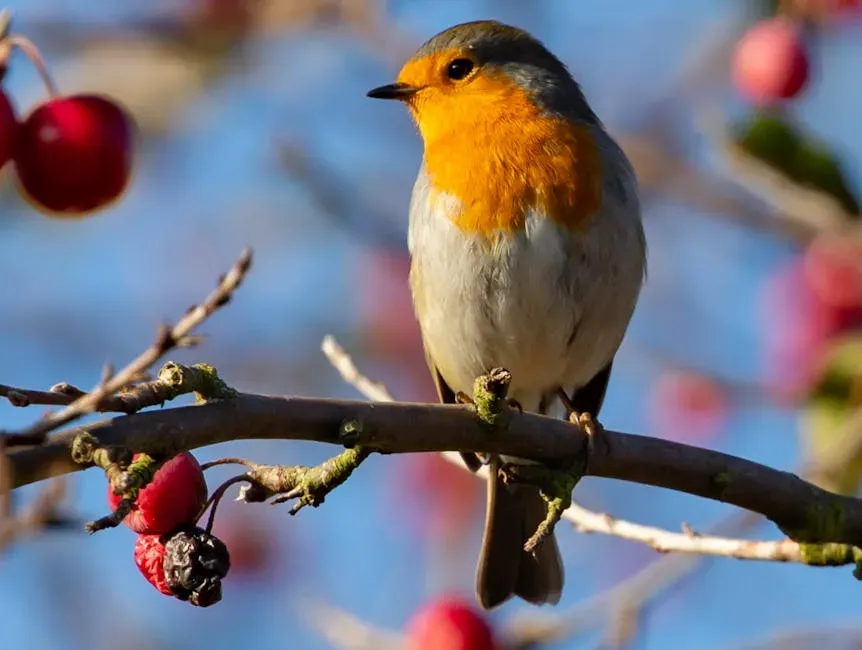
This one tends to stop people mid-sentence. Robins eat a lot of fruit in fall and winter, and when they eat honeysuckle berries exclusively, they sometimes become intoxicated. It isn’t just honeysuckle either.
Robins will flock to fermented Pyracantha berries, and after eating sufficient quantities will exhibit intoxicated behavior, such as falling over while walking. The fermentation of overripe berries produces low levels of alcohol, enough to visibly affect a bird of this size.
It’s not a survival strategy, just an occasional side effect of a winter diet heavy on fruit. Reports of tipsy robins staggering across lawns are genuine, not folklore.
Not All of Them Actually Migrate
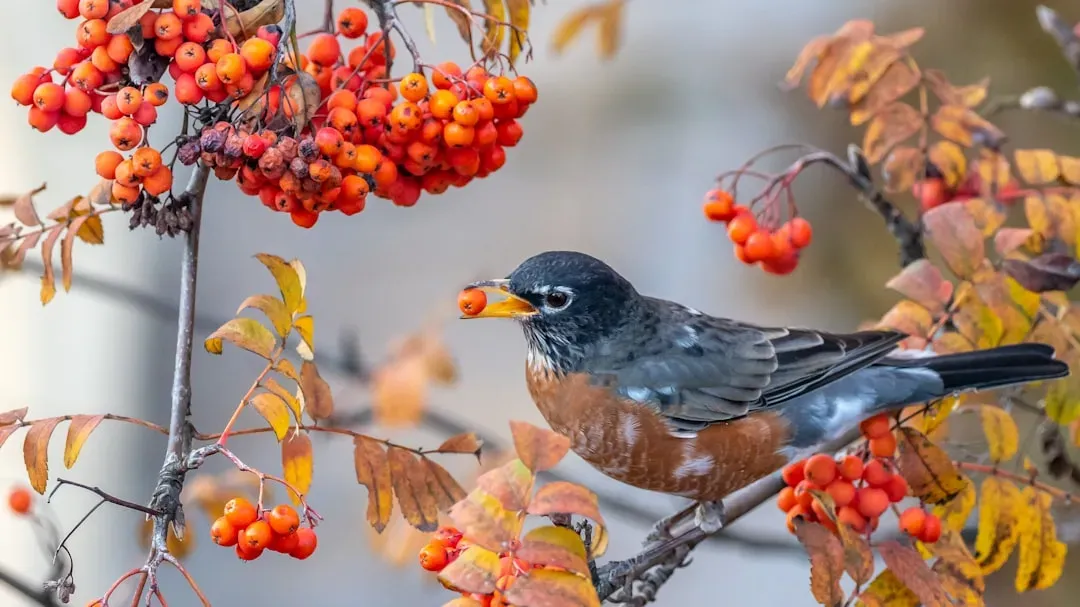
The robin’s reputation as a herald of spring is deeply ingrained in North American culture. The reality is more complicated. Although robins are considered harbingers of spring, many American Robins spend the whole winter in their breeding range, but because they spend more time roosting in trees and less time in yards, people are much less likely to see them.
With the breakup of flocks before the nesting season, when northerners see their “first robin of spring,” it may actually be a bird that has wintered only a few miles away, not one that has just arrived from southern climates. That sighting people celebrate may be a local bird simply shifting its habits.
Robins that do migrate can cover impressive distances, with records showing some birds have traveled up to 3,000 miles, from Iowa to Alaska, during their spring migration. The range of behavior within a single species is remarkable.
Their Famous Blue Eggs Have a Specific Scientific Explanation
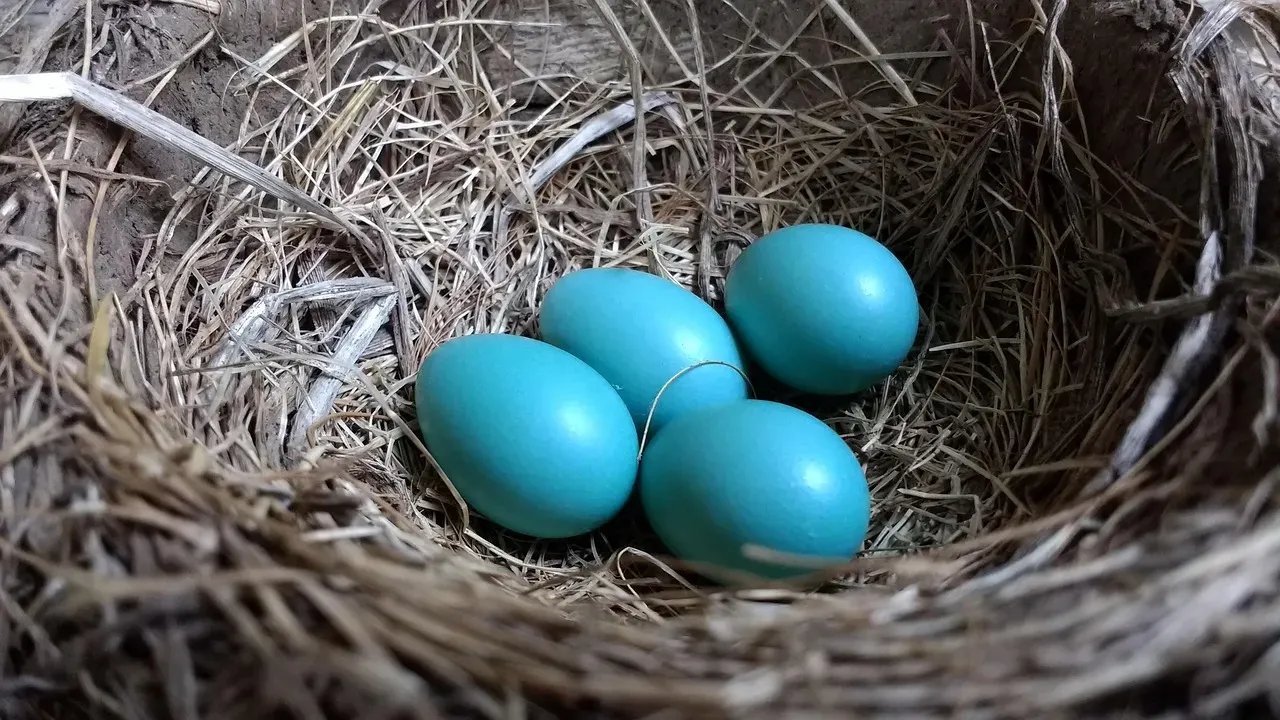
“Robin’s egg blue” has become a color in its own right, used in paint palettes and home decor. The reason those eggs are blue is genuinely interesting biology. The blue-green color itself comes from biliverdin, a pigment applied in the shell gland just before the egg is laid.
According to a study published in 2016 in The American Naturalist, birds like robins that typically nest in somewhat open nests within forests or other leafy places evolved towards having darker eggshells because the pigment protects the egg’s interior from dangerous UV radiation, while also allowing the eggs to absorb more light, causing them to heat up more quickly and leading to faster embryonic development.
Faster development means a shorter window of vulnerability. It’s a small evolutionary advantage, quietly embedded in that beautiful color.
They Eat on a Daily Schedule
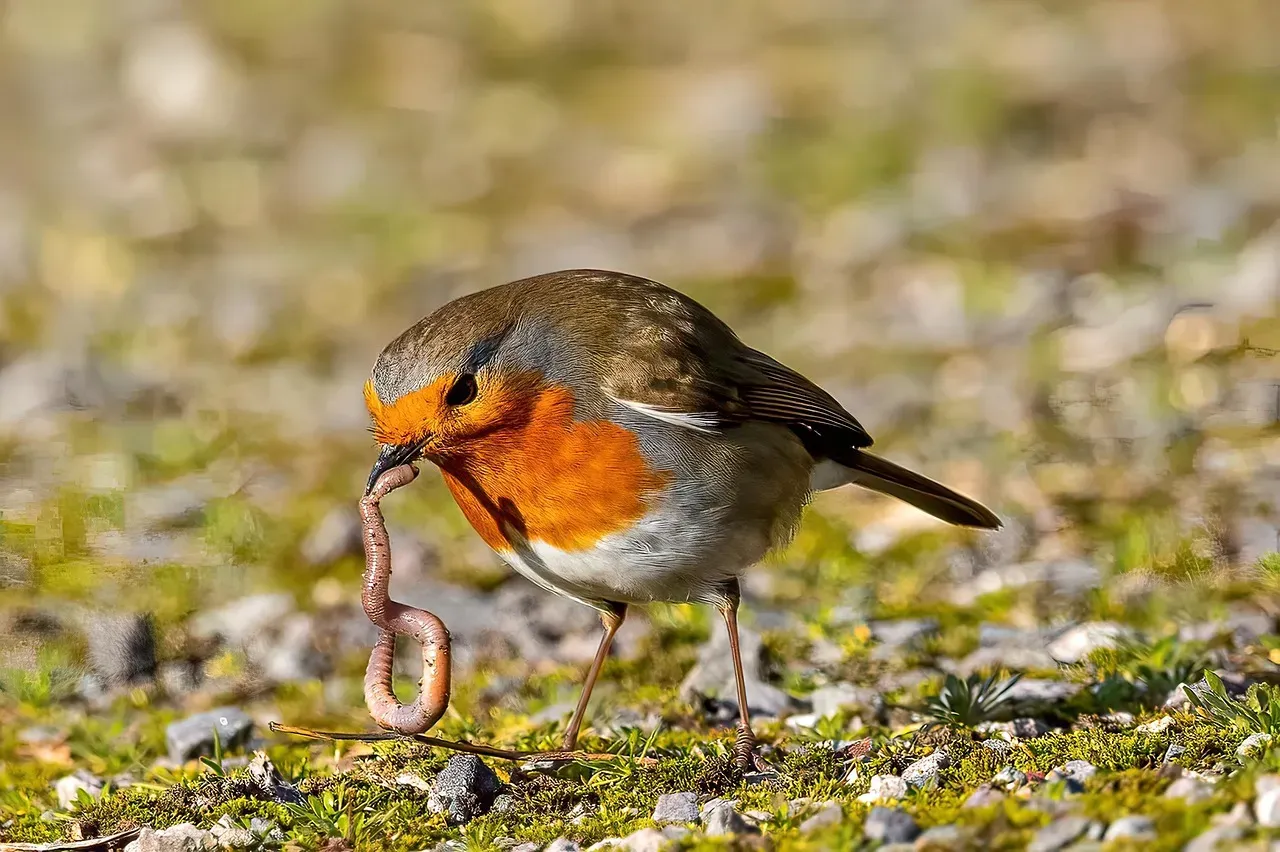
Robins don’t just eat whenever they’re hungry. There’s a distinct structure to their feeding day that researchers have documented. Robins eat different types of food depending on the time of day, consuming more earthworms in the morning and more fruit later in the day.
This split diet reflects both opportunity and biology. Earthworms are more accessible in cool, moist morning soil, while fruit remains available throughout the afternoon regardless of temperature. The diet generally consists of around 40 percent small invertebrates, mainly insects, such as earthworms, beetle grubs, caterpillars, and grasshoppers, and 60 percent wild and cultivated fruits and berries.
Few backyard birds are this methodical about meal timing. It’s the kind of behavioral detail that turns an ordinary lawn sighting into something more worth watching.
Winter Roosts Can Reach Staggering Numbers
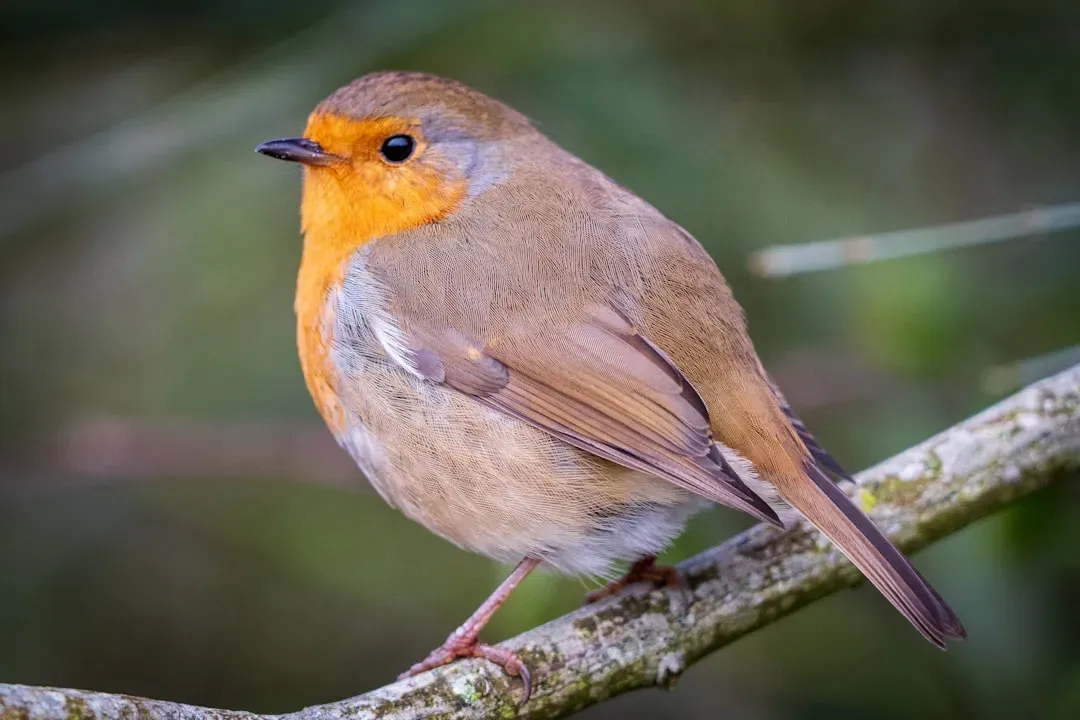
Robins are so strongly associated with solitary lawn-hopping that their winter social life comes as a real contrast. American Robins form large groups especially in the fall and winter, and these groups can contain up to 250,000 individuals, with foraging in groups allowing them to more easily locate and defend feeding areas.
The American Robin is active mostly during the day, and on its winter grounds it assembles in large flocks at night to roost in trees in secluded swamps or dense vegetation, with those flocks breaking up during the day when the birds feed on fruits and berries in smaller groups.
These enormous roosts largely go unnoticed because they tend to gather in wooded areas away from suburban yards. The solitary garden bird of summer becomes something else entirely once the temperatures drop.
The Female Builds the Nest Alone, Using Her Own Body as a Mold
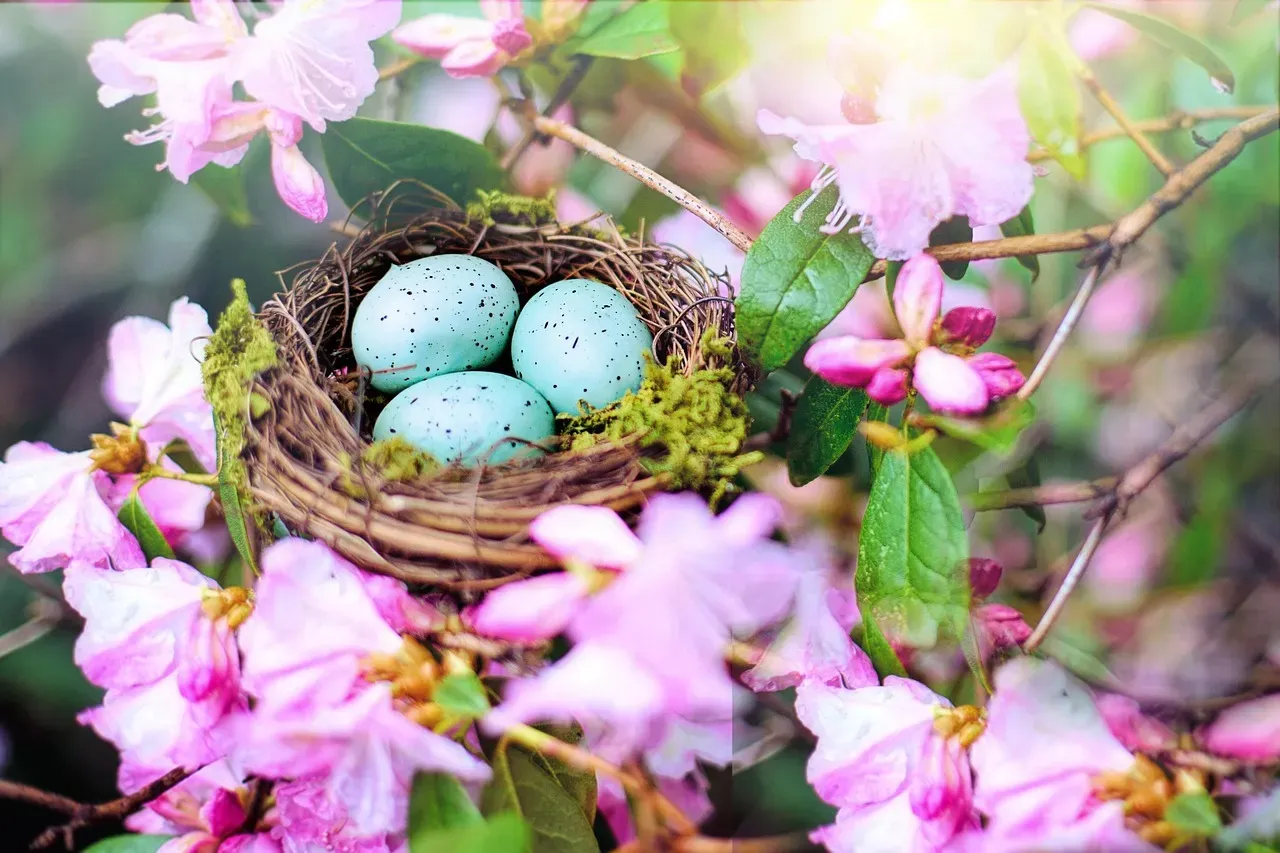
Nest-building in many bird species is a shared task. In robins, it falls almost entirely to the female, and the technique she uses is more precise than it might look. Females build the nest from the inside out, pressing dead grass and twigs into a cup shape using the wrist of one wing, with other materials including paper, feathers, rootlets, or moss. Once the cup is formed, she reinforces the nest using soft mud gathered from worm castings, then lines it with fine dry grass.
The mud layer is the key structural element, hardening into a dense, durable shell around the soft inner lining. The complete nest typically takes about two to six days to build, and robins rarely reuse the same one.
A new nest for each brood means the female may complete this entire process two or even three times in a single season. That’s a significant construction effort, repeated from scratch each time.
They Served as an Early Warning System for Pesticide Contamination
Robins have an unexpected role in environmental science, one that emerged from a dark chapter in the history of chemical use. These birds went through a rough patch when DDT use was rampant in the mid-1900s, and robins were among the first avian species found to be affected by the use of this pesticide, with scientists recording mass mortality events as a result. After the 1972 ban on DDT, their populations quickly recovered.
Because the robin forages largely on lawns, it is vulnerable to pesticide poisoning and can serve as an indicator of chemical pollution. Their dependence on lawn-dwelling invertebrates places them directly in the path of whatever chemicals are applied to the soil.
Urbanization and its associated light and noise pollution are now affecting these birds in new ways, with bright lights making city robins sing their morning songs much earlier than dawn, and their songs becoming more high-pitched to overcome the din of traffic. A bird that once told us about soil contamination is now reflecting something about urban noise as well.
Conclusion
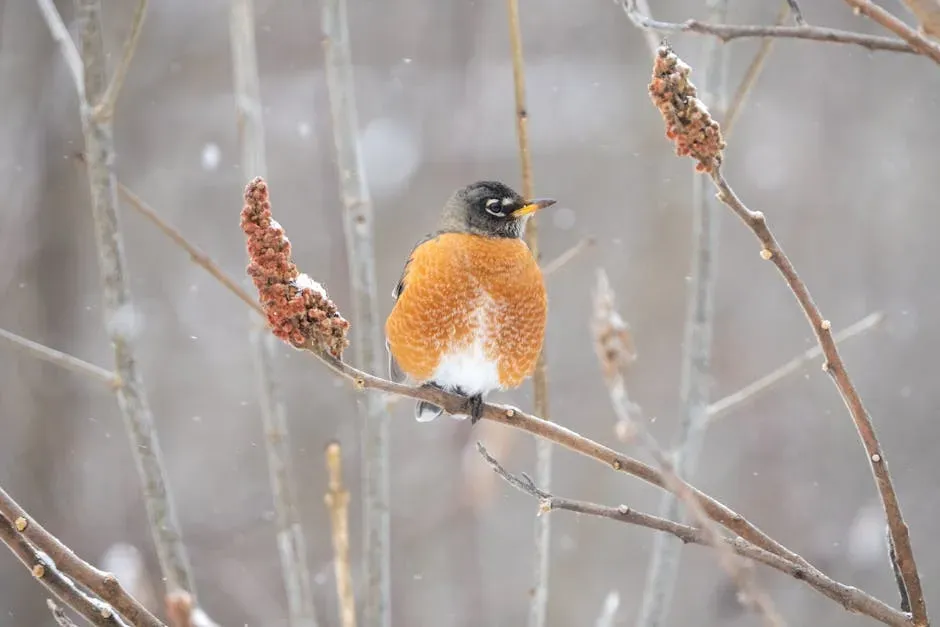
The American Robin is not a complicated or exotic creature, and that’s partly why it gets taken for granted. It lives close to people, tolerates suburban yards, and shows up reliably each year. But that familiarity has a way of obscuring what’s actually going on.
A bird that schedules its meals, listens for prey through soil, forms massive winter roosts, and adapts its song to urban noise levels is doing far more than hopping around a lawn. The details are there for anyone patient enough to look.
Common doesn’t mean ordinary. The robin is a good reminder of that.
