
The United States is, honestly, one of the most geologically staggering places on the entire planet. Beneath the familiar highways, above the quiet prairies, and deep inside mountain ranges lies a secret world of rock, lava, salt, and stone that most people never get to see. Some of these formations took millions of years to build. Others seem so bizarre that they defy any reasonable explanation on first glance.
Think you’ve already seen America’s best natural wonders? Think again. There is a whole layer of the country that tourist brochures rarely mention, and it’s far stranger and more spectacular than anything you’d expect. So let’s dive in.
The Sailing Stones of Racetrack Playa, Death Valley, California
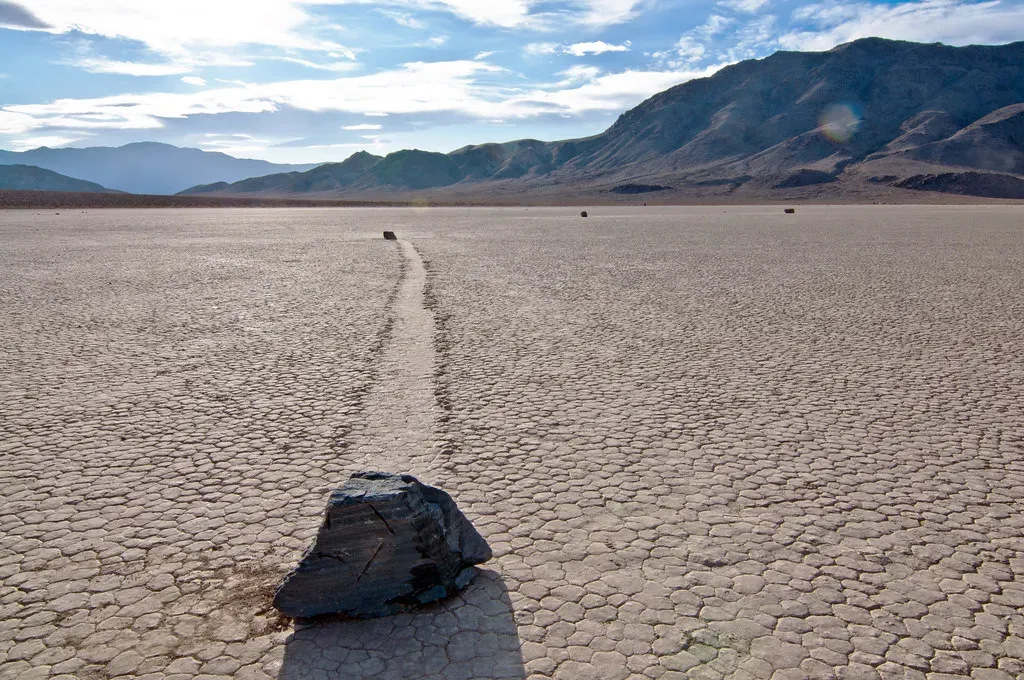
Few things in nature are quite as unsettling as a rock that moves on its own. The Sailing Stones of Racetrack Playa in California’s Death Valley National Park are a geological mystery that baffled scientists for decades. These large rocks, some weighing hundreds of pounds, move across the dry lakebed without any human or animal intervention, leaving long trails behind them.
Recent research suggests that a combination of thin ice sheets and wind might be responsible for this phenomenon, but the exact process remains a subject of scientific curiosity. Imagine waking up in a frozen desert one morning to find a boulder the size of a small car has drifted sideways overnight. It sounds absurd. Yet it happens.
The barren, isolated landscape of Death Valley, combined with the mysterious movement of these stones, gives the area an alien-like quality. The playa’s cracked, parched surface adds to the surreal effect, making it one of the most unusual and enigmatic places in the United States.
Devils Tower, Wyoming: The Lone Giant of the Plains
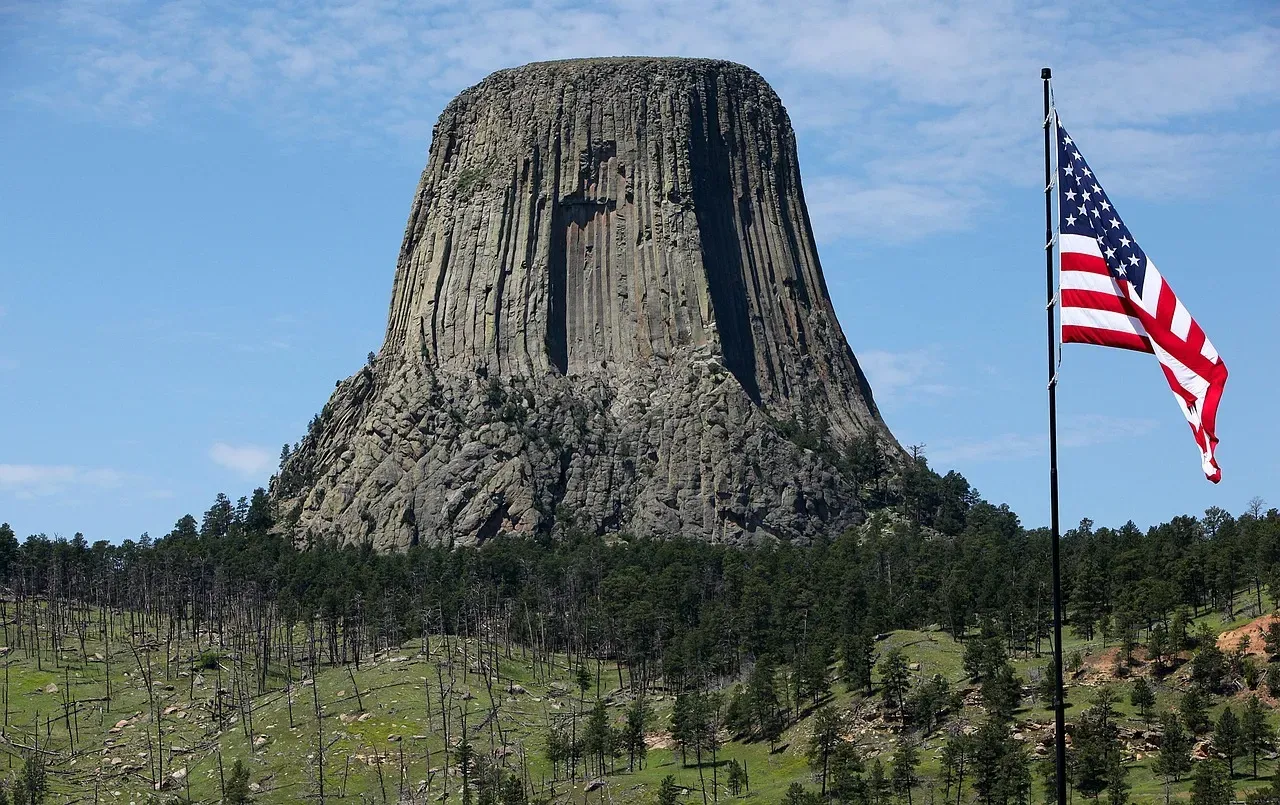
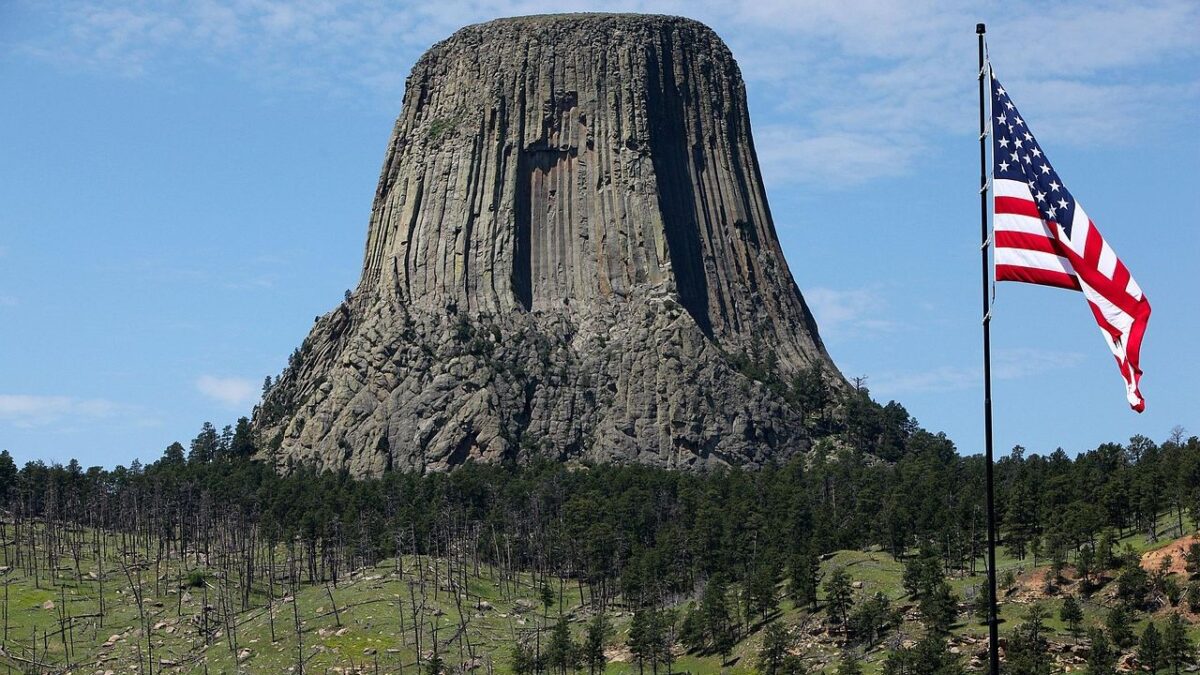
This solitary 867-foot column of lava rock sits in the middle of rolling forest and ranch land in northeastern Wyoming. Towering above the treetops, it looks as if it had been dropped from space or pushed skyward by some great underground force. I think most people who see it for the first time genuinely believe it cannot be natural. It really does look engineered.
For roughly 95 percent of its existence, the entire block lived belowground, formed by molten lava that welled up into a layer of sedimentary rock 50 million years ago. Starting about one or two million years ago, rain and snowmelt slowly washed away the surrounding sandstone, siltstone, and shale, leaving the much sturdier mass behind.
The flat-topped columns that run down its sides look hand-carved, like some colossal ancient craftsman took a chisel to it. Sacred to multiple Native American tribes, Devils Tower carries a weight of history and legend that matches its physical dominance over the landscape perfectly.
Goblin Valley State Park, Utah: Nature’s Strangest Playground
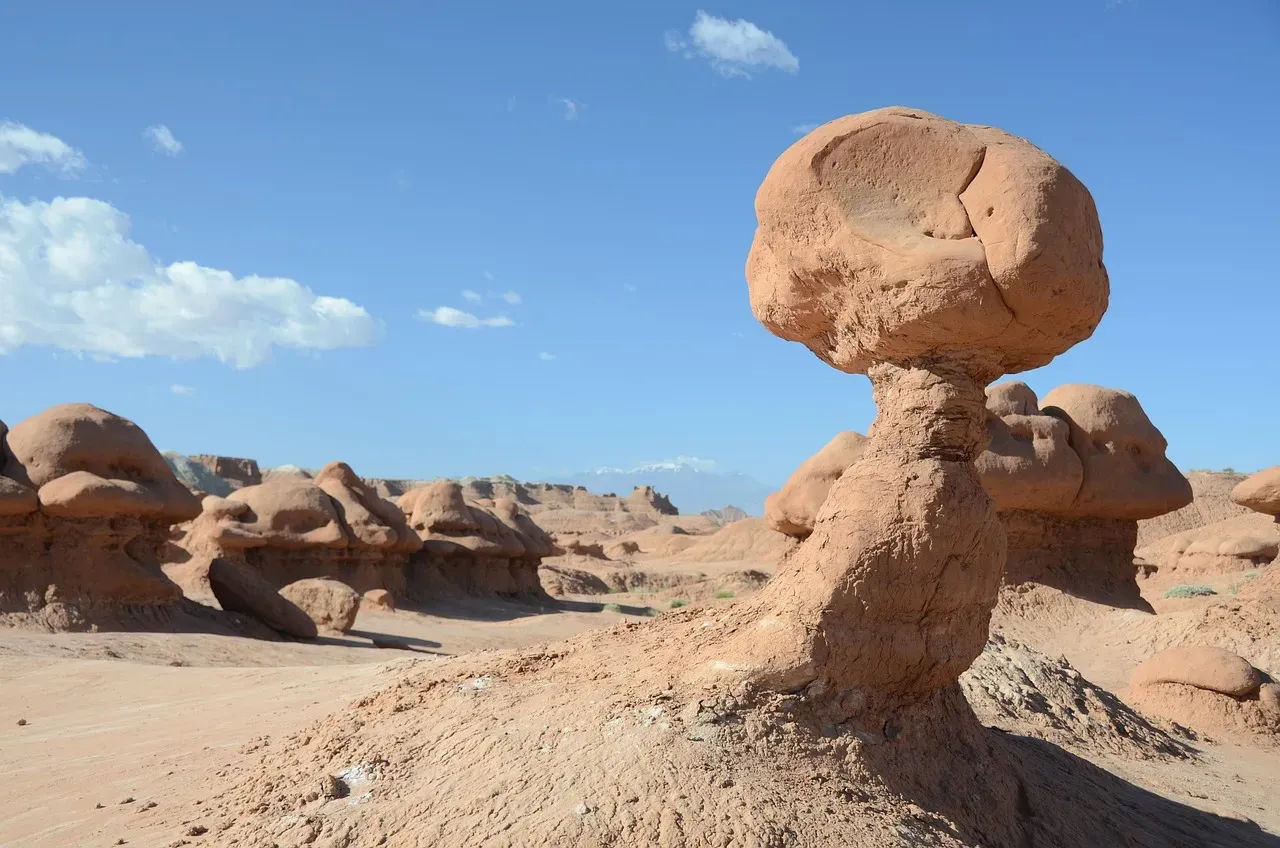
If you were to describe Goblin Valley to someone who’d never seen it, they’d probably assume you were describing the set of a science fiction movie. Goblin Valley in southern Utah is home to some of the most bizarre rock formations on Earth. Thousands of mushroom-shaped sandstone rocks, known as “goblins,” fill the valley, creating a surreal and alien-like landscape.
These strange formations were shaped over time by the slow and uneven erosion of sandstone and siltstone, leaving behind a valley filled with clustered rock structures and surrounded by towering pinnacles. The result is something that looks less like geology and more like a fever dream.
What makes Goblin Valley so remarkable is that there are no designated trails – you’re free to roam, climb, and explore wherever you want. It’s like nature’s version of a playground, with little passageways, alcoves, and hidden “rooms” formed by clusters of goblins. Let’s be real: very few places on Earth let you feel quite this small and this free at the same time.
Mammoth Cave, Kentucky: The World’s Longest Cave System
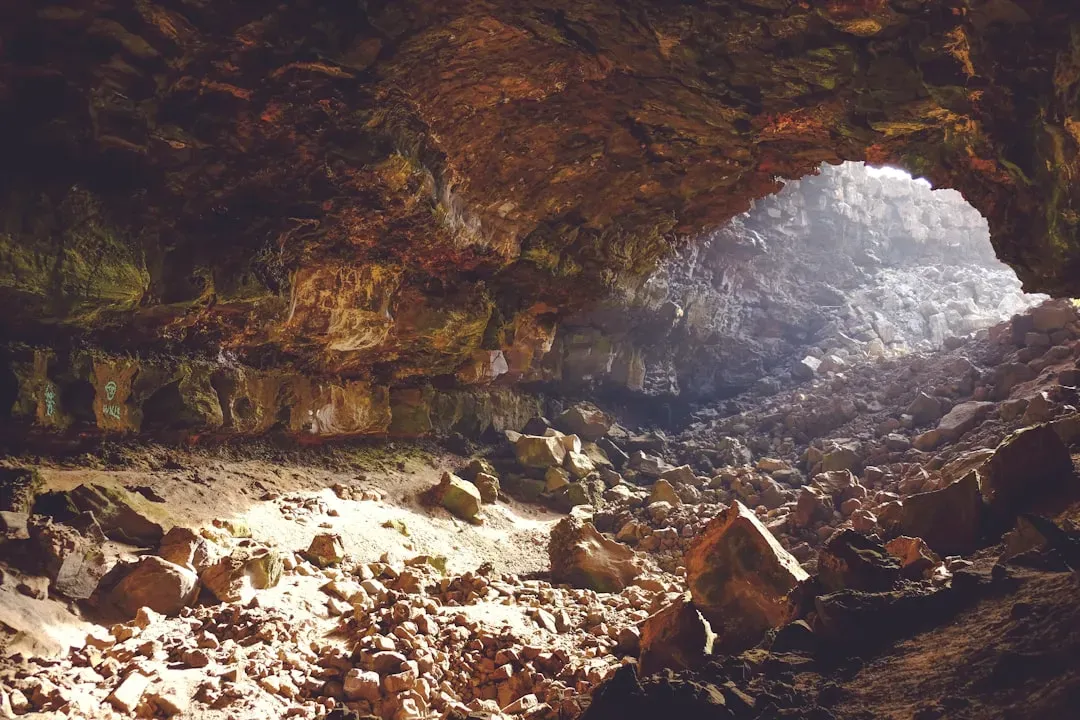
Here’s the thing about Mammoth Cave in Kentucky. It doesn’t just hold the record as the longest cave in the United States. It is the longest known cave system anywhere on Earth. No other known cave comes close. About 360 miles have been surveyed so far, and geologists estimate the cave system’s total length is around 1,000 miles. One thousand miles. Underground.
The cave runs through 350-million-year-old limestone, composed partly of shells deposited when Kentucky was at the bottom of a shallow sea. A wide river later replaced that sea and left a layer of sandy sediment on top of the limestone. Over millions of years, rivers and rainwater seeped through and eroded the limestone, creating the caves.
You can see all the classic cave features here: stalactites, stalagmites, crystals of gypsum, blind fish, narrow passages, and so-called “bottomless pits.” It’s a cathedral of stone, and most of it remains completely unexplored to this day.
The Wheeler Geologic Area, Colorado: The Forgotten Monument
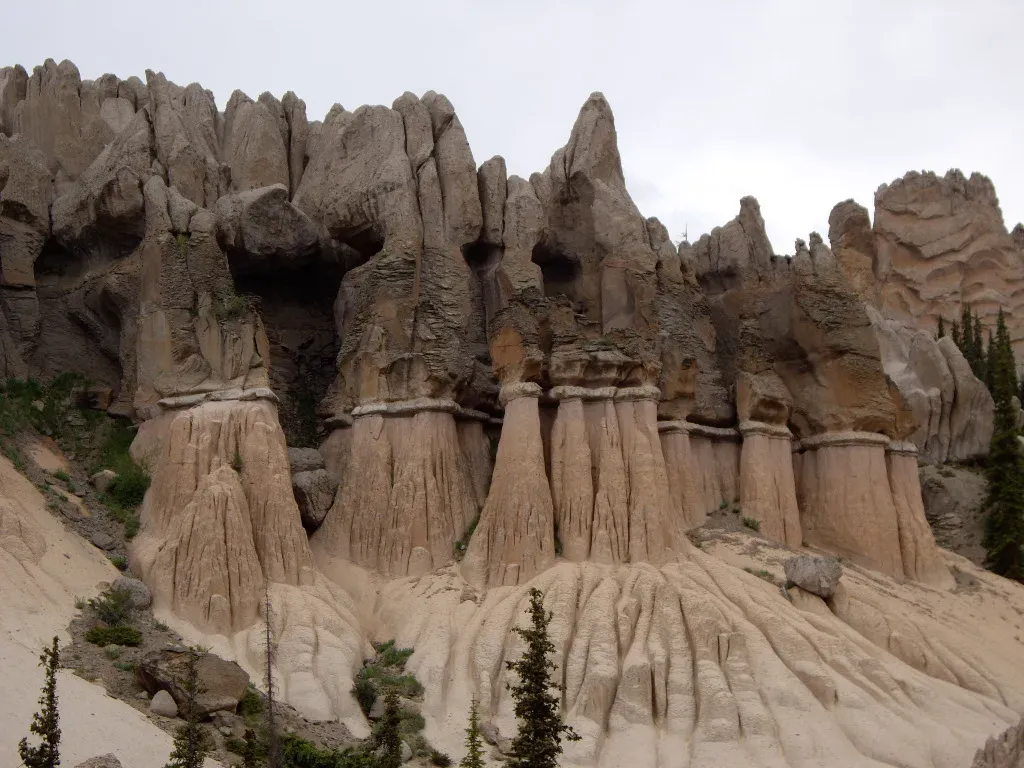
Most people have never heard of the Wheeler Geologic Area in Colorado, and that’s precisely why it belongs on this list. The Wheeler Geologic Area was once designated as Colorado’s first national monument. When the site was demoted to national forestland in 1950, its incredible landscape fell off the tourist map into relative obscurity. Demoted. As if anything about it deserved that.
The 25-million-year-old volcanic ash spires and hoodoos marking the 60-acre geological area are just as spectacular as they were when visitors were more frequent. The towering rock formations, which blossom from one of the largest volcanic eruptions the Earth has ever known, continue to be shaped by wind, rain, and snow into ever more precise shapes across the mountainside.
Getting there requires serious effort, which is part of the charm. While a rough 14-mile, four-wheel-drive-only road will take you straight to the formations, the seven-mile hike along the East Bellows Creek Trail or Wason-Wheeler Trail will be far more rewarding. Honestly? The difficulty is worth every step.
The Lost Sea, Tennessee: America’s Largest Underground Lake
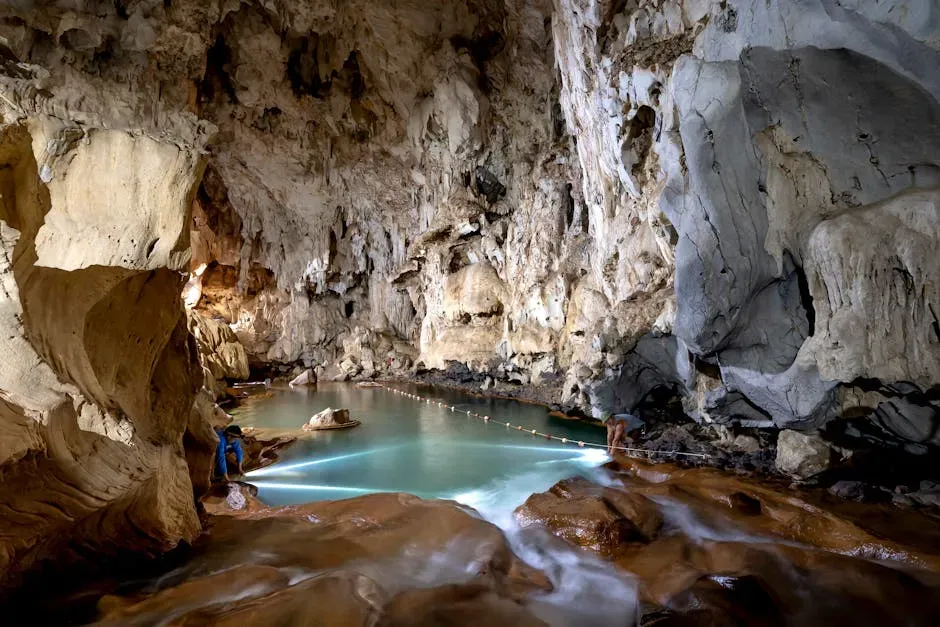
Tennessee is not the first place most people associate with geological drama. Yet beneath the quiet foothills of the Appalachians lies something extraordinary. Located 140 feet below ground in Sweetwater, Tennessee, lies the largest underground lake in the United States, known as the Lost Sea. This lake is part of the elaborate Craighead Caverns cave system, which hosts an abundance of gemstones and a rich ancient history.
Think of it like this: you descend into the earth, walk through darkened cavern passages, and then suddenly emerge at the edge of a vast, glowing lake with no ceiling visible above you. It is disorienting in the best possible way.
Explorers discovered the fossils of a prehistoric jaguar within the cave, and visitors have also found arrowheads and pottery belonging to the Cherokee Tribe. The place carries layers of time in the most literal sense, every one of them stranger than the last.
Craters of the Moon, Idaho: A Lunar Landscape in Your Own Backyard
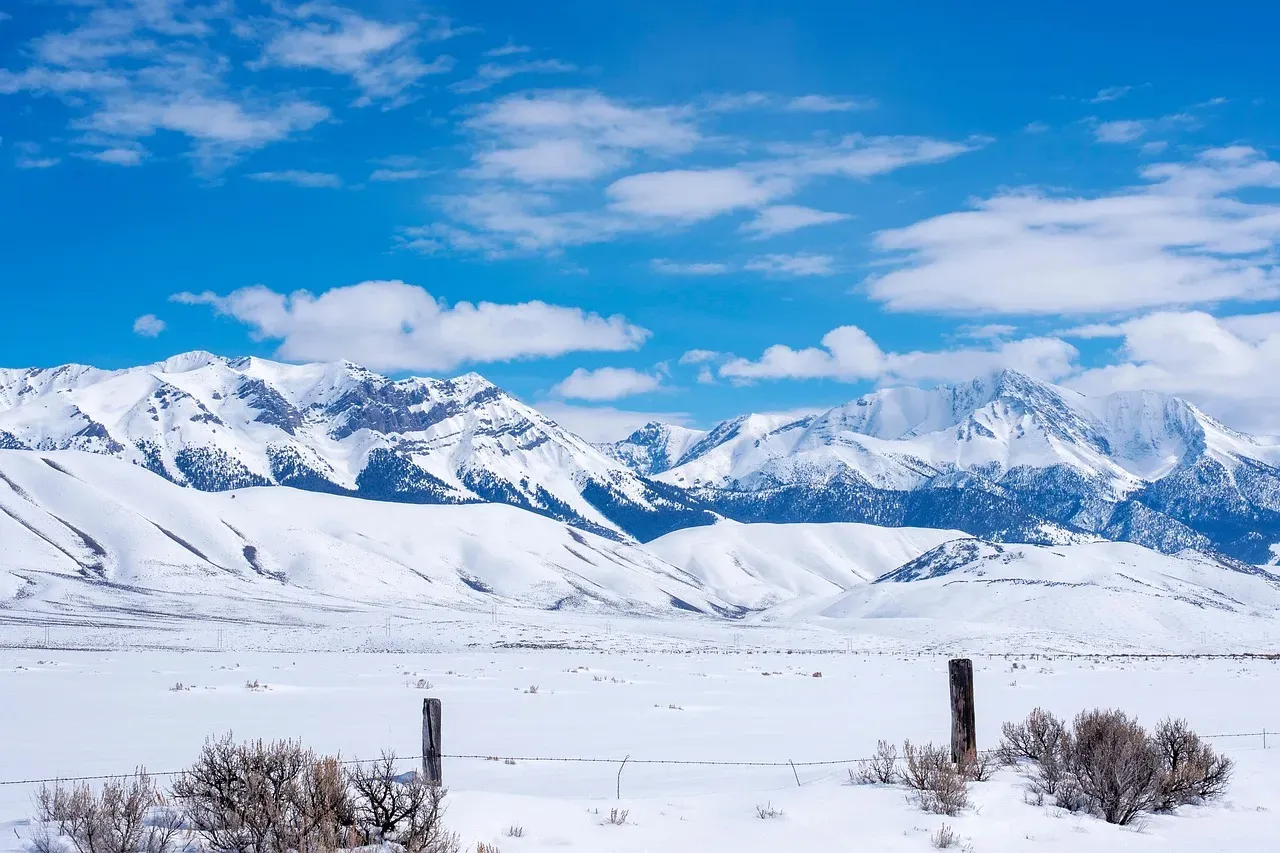
Idaho doesn’t always get the attention it deserves when it comes to geological spectacle, but Craters of the Moon National Monument changes that conversation immediately. Boasting 618 square miles of nothing but lava, Craters of the Moon contains nearly every volcanic rock formation possible: cinder cones, lava rivers, lava tubes, spatter cones, tree molds, and nearly endless lava beds.
Between 2,000 and 15,000 years ago, molten lava repeatedly broke through a series of cracks in the earth’s crust, known as the Great Rift of Idaho, flowing out in smooth, ropy streams for as much as 45 miles before hardening. Occasionally, chunks of rock blasted out with explosive force, creating a patchwork of jagged boulder fields.
Craters of the Moon is the country’s only dark-sky preserve, with unparalleled views of the Milky Way every cloudless night. A landscape that looks like the moon by day and reveals a galaxy overhead by night. It’s hard to think of any place more otherworldly in the continental United States.
The Badlands of South Dakota: Fossils, Fire, and Ancient Seas
The Badlands contains some of the world’s most bizarre and alien-looking landscapes, classic examples of badland topography. The poorly consolidated bedrock, consisting of loose sediment and volcanic ash, is quickly eroded by infrequent rainstorms. The resulting mud mounds, spires, and ridges resemble miniature mountain ranges.
Over millions of years, the Badlands dramatically changed from a sea to a subtropical forest, to an open savannah. In 2010, a visitor found a perfectly preserved sabre-tooth tiger skull, though any fossils found today should now be reported to a ranger. Every inch of the ground here is a chapter in a story that is almost too long to comprehend.
Today, the old craggy rocks attract fossil hunters and hikers and are an ideal location to spot wildlife such as prairie dogs and American Bison. As the skies over the Badlands are exceptionally dark, visitors can even see the Milky Way as well as constellations of stars, and the park even supplies telescopes. It’s a raw, humbling, unforgettable piece of America that rewards everyone who takes the time to slow down and truly look.
Conclusion: The Earth Is Still Talking – Are You Listening?
There is something deeply moving about standing at the edge of a formation that took fifty million years to reveal itself. These eight geological wonders are not just scenic backdrops for photographs. They are the planet’s autobiography, written in rock, lava, ice, and salt across a continent that never stops surprising.
What strikes me most is how many of these places go quietly unvisited while crowds pile into the same five landmarks year after year. The Racetrack Playa, the Wheeler Geologic Area, the Lost Sea – they are hiding in plain sight, waiting for curious people willing to look just a little beyond the obvious.
The United States is vast and ancient and strange in ways that no map can fully capture. So the next time you plan a trip and reach for the familiar, consider going somewhere that makes you feel genuinely small. The Earth has been building these wonders for longer than human language has existed. The least we can do is show up and pay attention. Which one of these would you visit first?
