
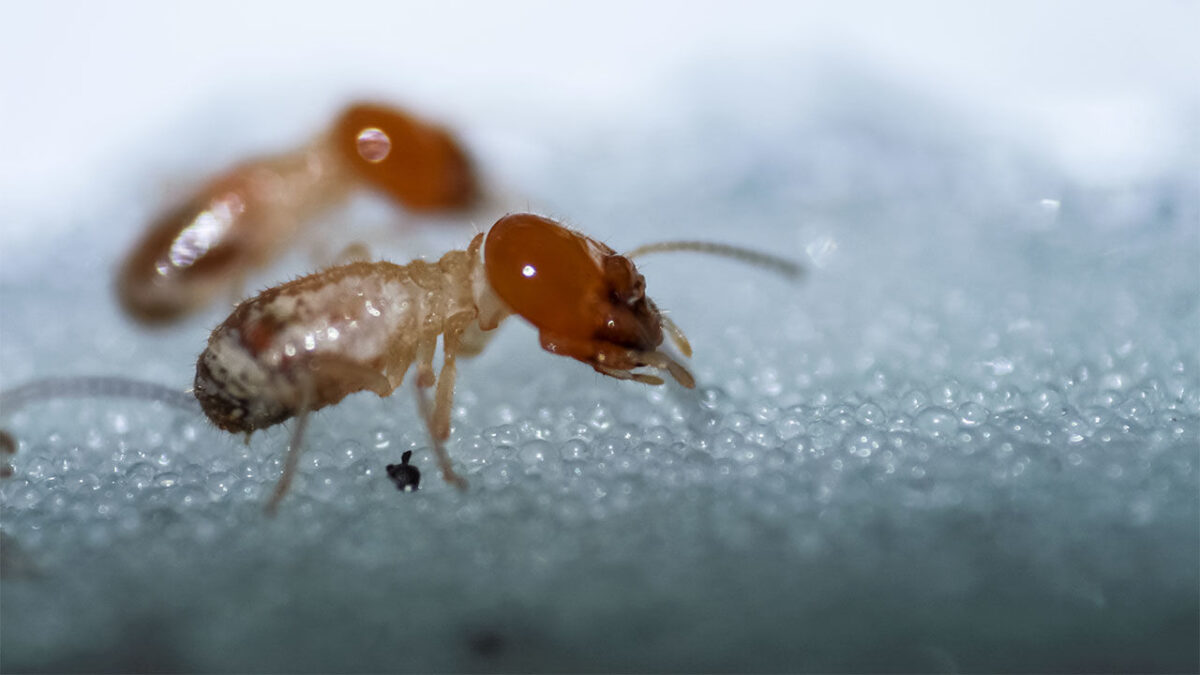
You probably never think about termites until you discover damage to your home. These tiny pests quietly chew away at wooden structures, causing thousands in repairs if left unchecked. What many homeowners don’t realize is have a highly sensitive sense of smell. They rely on pheromones to communicate and navigate, which makes certain strong scents their worst nightmare.
Natural repellents offer a safer, chemical-free way to protect your property. These scents won’t completely eradicate an established colony, but they work brilliantly as preventive measures. Let’s explore the specific aromas that send termites running in the opposite direction.
Clove Oil: The Most Potent Termite Deterrent
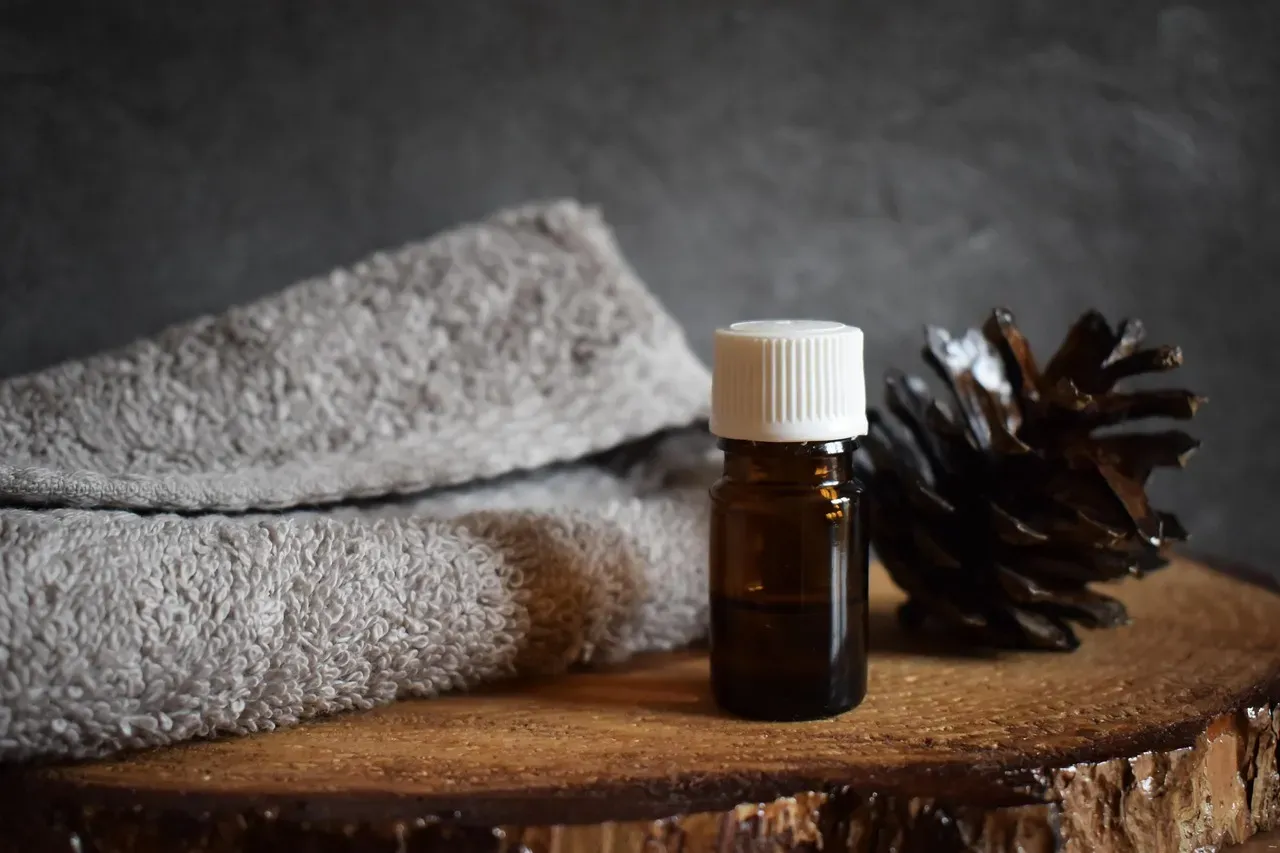
Clove bud was one of the most promising essential oils that showed the most potent anti-termite activity among the plant essential oils tested. This isn’t just folklore either. The secret lies in eugenol, a natural compound found in cloves that disrupts the nervous system of termites.
Clove essential oil contains eugenol, a compound with natural insecticidal properties. This active ingredient disrupts the nervous system of termites, ultimately leading to their demise. The spicy, warm aroma might remind you of holiday baking, yet for termites it’s absolutely unbearable. You can place whole cloves in small mesh bags near wooden furniture, or mix clove essential oil with water and spray it along baseboards. The scent works double duty by also repelling ants and mosquitoes from your space.
Tea Tree Oil: Nature’s Multi-Purpose Weapon

Here’s something interesting about tea tree oil. Tea tree oil, renowned for its effectiveness, makes it a potent insect repellent. Termites cannot endure the sharp and medicinal aroma of tea tree oil, which serves as a repellent for them. The oil has antifungal properties too, which means it protects damp wood from both rot and termite damage simultaneously.
Tea tree oil is the most effective among essential oils for this purpose. Mix roughly ten to fifteen drops with a cup of water, then spray it into wall joints, wooden frames, and any crevices where termites might sneak in. The sharp scent interferes with their pheromone trails, leaving them confused and unable to coordinate with their colony.
Lemongrass: A Citrus Punch They Can’t Handle
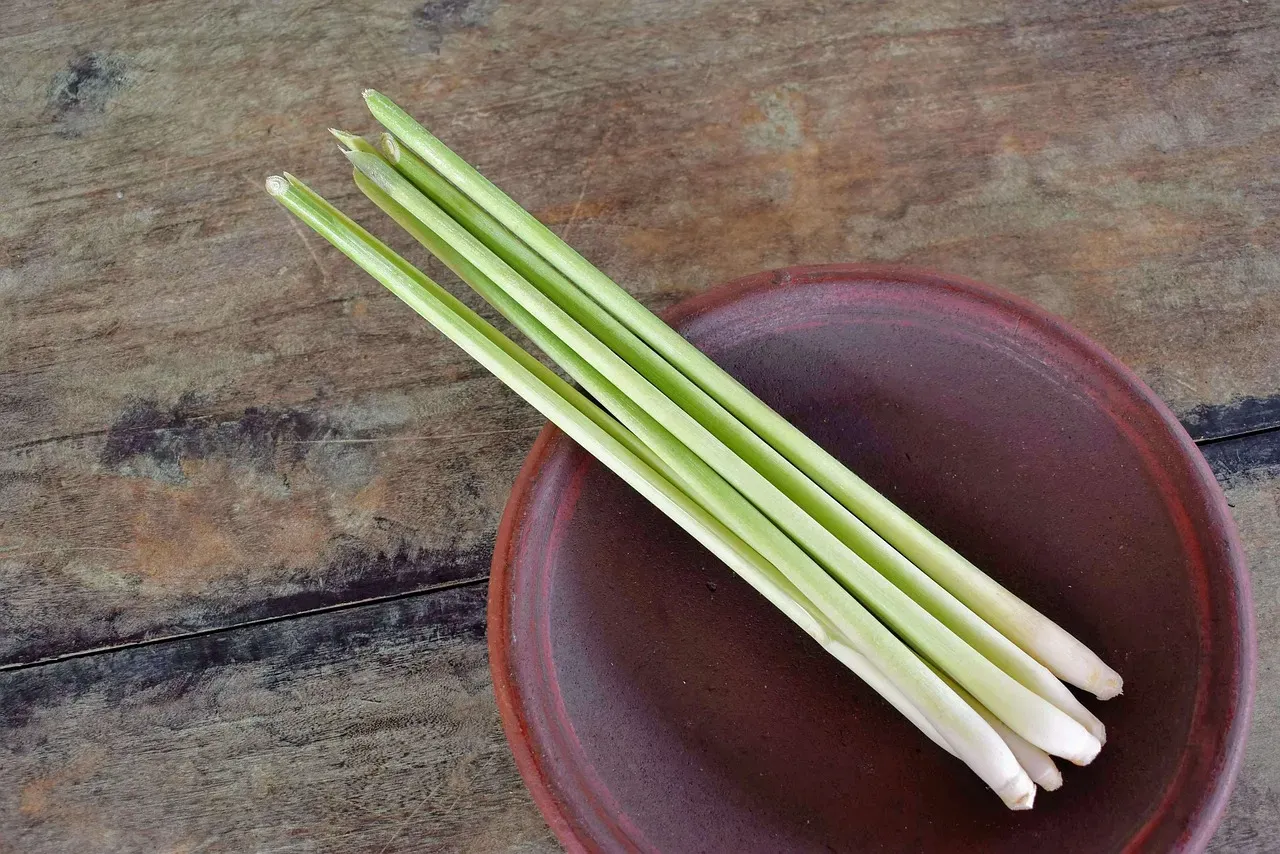
The combination of citral and geraniol, found in lemongrass, makes it effective for termite repellent performance. Scientists have discovered that lemongrass oil performs at least as well as various artificial repellents in laboratory tests. That’s actually impressive when you consider how much safer this natural option is compared to harsh chemicals.
The fresh, citrusy scent is pleasant for humans but absolutely repulsive to termites. You can grow lemongrass plants around your home’s foundation for continuous protection. Alternatively, add a few drops of lemongrass essential oil to water in a spray bottle and apply it to wooden surfaces weekly. The aromatic compounds mask the scent trails termites follow, essentially making your home invisible to their scouting parties.
Garlic: Not Just for Vampires Anymore
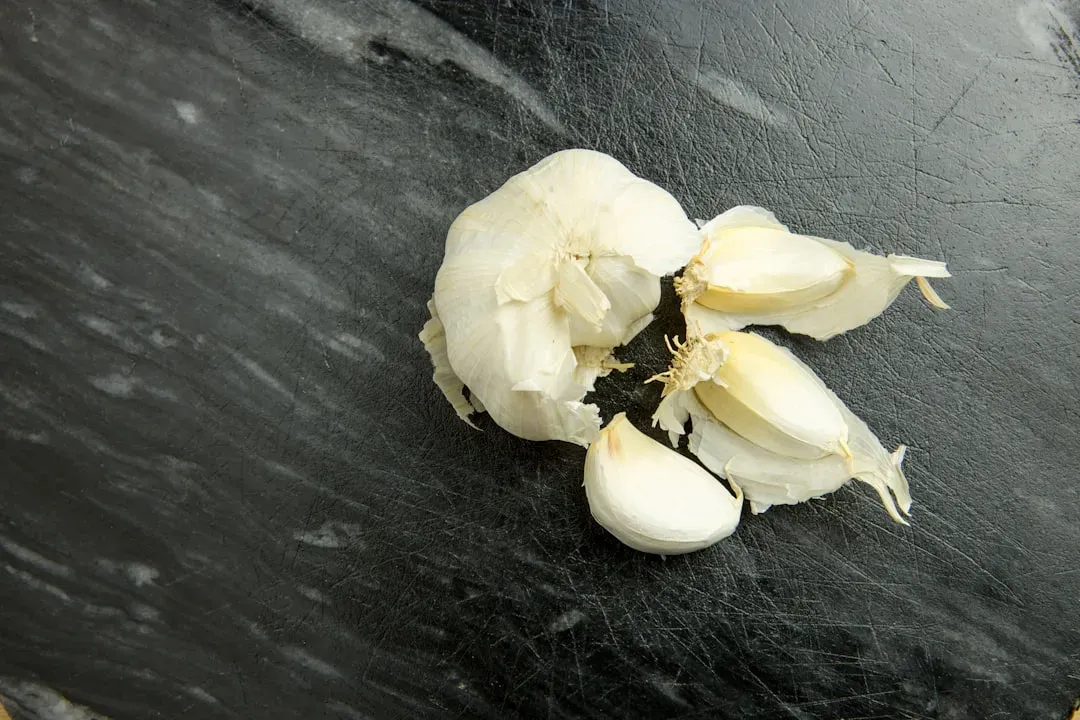
Let’s be real, garlic’s pungent smell can be overpowering. The compound allicin, activated by crushing garlic, produces a scent in garlic cloves. Termites’ scent trails as well as their communication become disrupted because of this pungent chemical. It’s fascinating how this kitchen staple doubles as a powerful pest deterrent.
Termites die within 24 hours when exposed to a garlic extract. You can chop fresh garlic bulbs into small pieces and scatter them near entry points where termites typically appear. Another method involves mixing garlic juice with water and spraying the solution along wooden surfaces. The sulfur-rich compounds in garlic are so intense that termites will avoid treated areas completely, sometimes even abandoning nearby colonies.
Vetiver Oil: The Long-Lasting Guardian

Most people haven’t heard of vetiver oil, yet it’s incredibly effective. Vetiver oil proved the most effective repellent because of its long-lasting activity. This earthy, grassy-scented oil comes from the roots of a tropical grass and has remarkable staying power compared to other essential oils.
Vetiver oil decreased termite tunneling activity at concentrations as low as 5 micrograms per gram of sand. Tunneling and paper consumption were not observed when vetiver oil concentrations were higher than 25 micrograms per gram of sand. The oil creates an invisible barrier that termites absolutely refuse to cross. Apply it to soil around your foundation or mix it into sand near wooden structures for months of protection without frequent reapplication.
Orange Oil: The Toxic Citrus Surprise

Orange oil contains something called d-limonene, which sounds harmless enough. Orange Oil (D-limonene): Found in orange peels, this natural oil destroys termite exoskeletons and messes with their eggs. It actually dissolves the waxy coating on termite bodies, causing them to dry out and die.
The bright, fresh citrus scent appeals to humans but spells disaster for termites. Unlike other repellents that simply chase them away, orange oil actually kills termites on contact while simultaneously repelling others from entering treated zones. Spray it directly into wood where you suspect termite activity, or use it as a preventive measure along window sills and door frames. Honestly, it’s one of the few natural options that works both as a deterrent and an exterminator.
Rosemary: The Fragrant Kitchen Herb with Hidden Powers
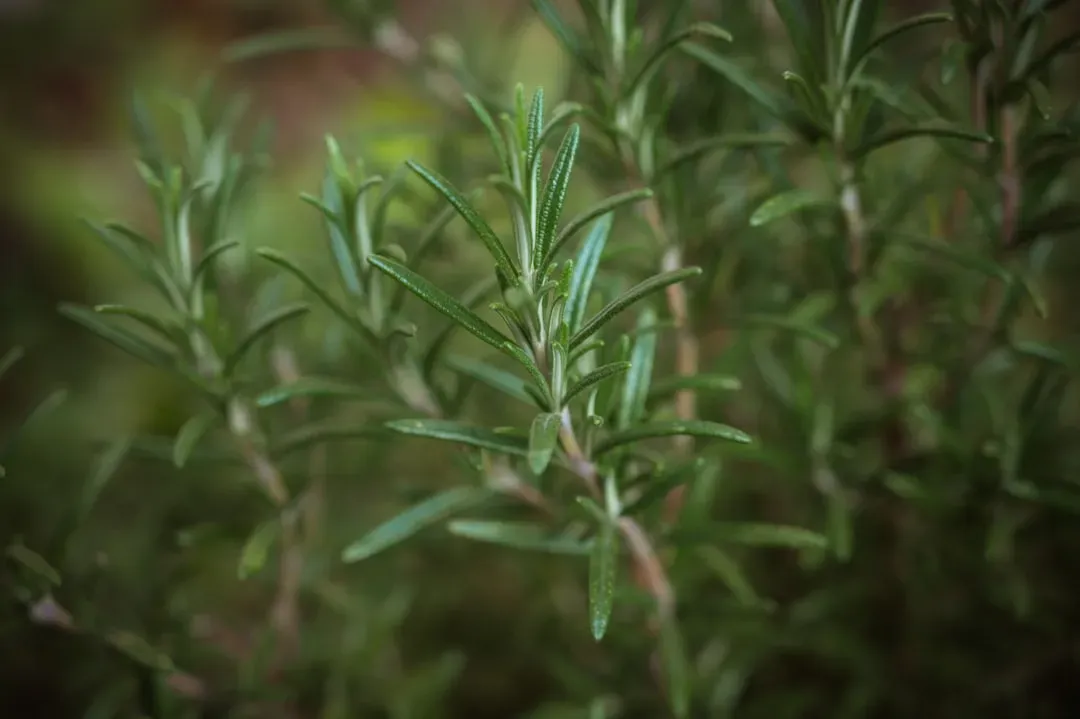
The pungent fragrance of rosemary leaves prevents termite attraction because they dislike this aromatic plant. This Mediterranean herb does more than flavor your roasted potatoes. It belongs to the mint family, and all plants in this family share that characteristic square stem and intensely fragrant leaves when crushed.
You can plant rosemary around your home’s perimeter, especially near wooden siding or decks. The bonus? Rosemary also attracts beneficial insects to your garden! These predators feed on termites and other pests, creating a natural defense system. For indoor protection, use rosemary essential oil mixed with water as a spray. The herbal aroma makes your home smell wonderful while keeping termites firmly outside where they belong.
Mint: The Overwhelming Freshness
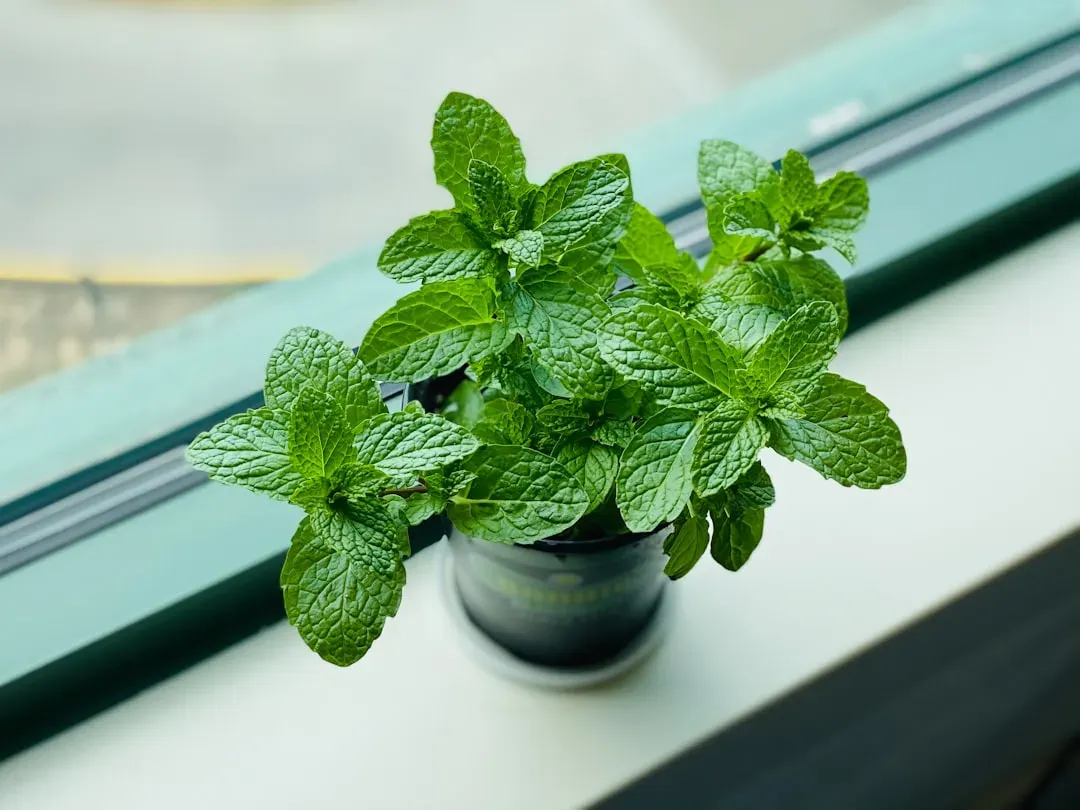
The scent of live mint plants is strong even for humans. What might be a refreshing smell to us is overwhelming and painful for termites. The powerful menthol compounds in mint species create an olfactory assault that termites simply cannot tolerate.
Peppermint, spearmint, catnip, and other mint varieties all work effectively. Plant them near firewood storage buildings or around the foundation of your home. The intense fragrance creates a protective barrier that few termites will dare to cross. Just be warned that mint spreads aggressively, so plant it separately from other gardens. Cut it back several times yearly to encourage fresh, fragrant growth that maintains its termite-repelling strength.
Conclusion
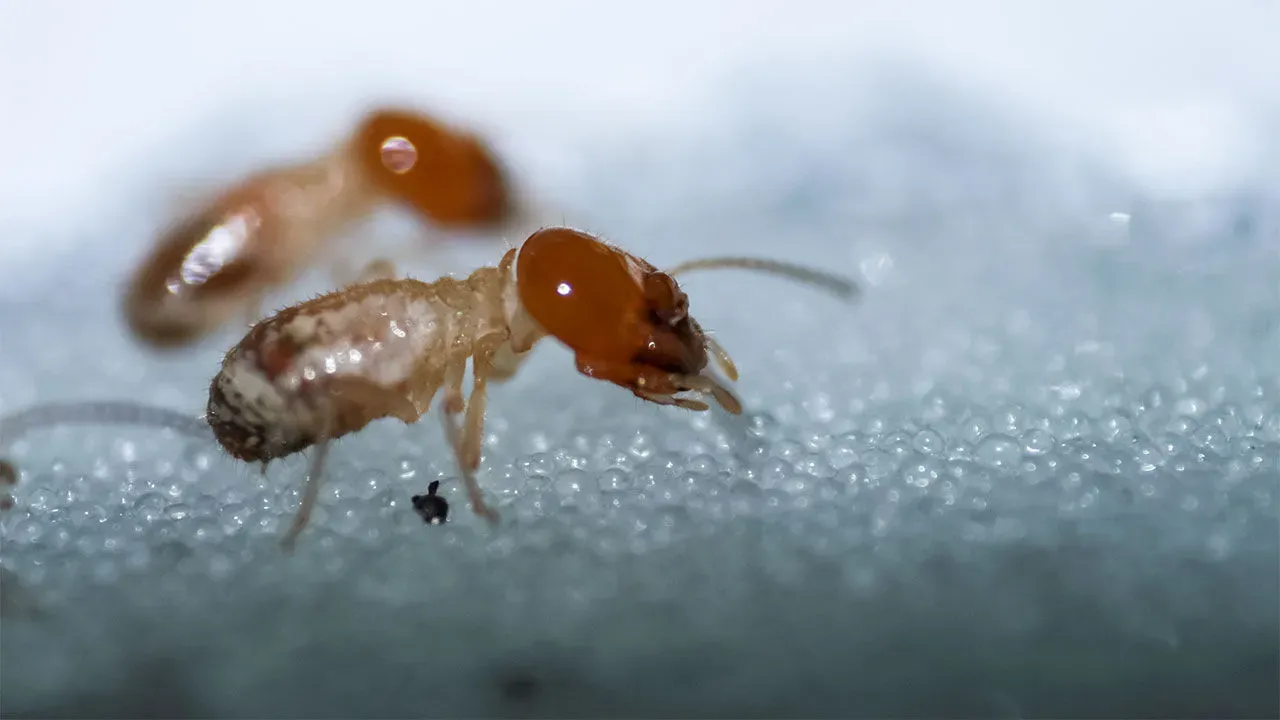
These eight scents offer a natural, eco-friendly approach to protecting your home from termite damage. From the powerful punch of clove oil to the refreshing barrier of mint, each option provides unique benefits without exposing your family to harsh chemicals. Remember that while these scents work excellently as preventive measures and deterrents, they won’t eliminate an existing colony completely.
The best strategy combines these natural repellents with regular home inspections and proper moisture control. Plant fragrant herbs around your foundation, spray essential oil mixtures on vulnerable wooden surfaces, and stay vigilant for early signs of infestation. What’s your experience with natural pest control? Have you tried any of these methods around your home?

- Why Wolves Were Reintroduced to Yellowstone - July 15, 2026
- The Resurgence of America’s Wild Horses: A Symbol of Freedom and Hope - July 15, 2026
- 10 Cat Breeds That Tolerate Dogs Surprisingly Well - July 15, 2026