
Most people rearrange their whole lives the moment a pet walks through the door. The couch gets covered. The good rug disappears into a closet. A plastic food bowl ends up wedged between the refrigerator and the wall, somehow. Sound familiar?
The truth is, creating a genuinely pet-friendly home doesn’t require sacrificing your personal style or constantly cleaning up chaos. It requires a different kind of thinking – one where your pet’s comfort and your home’s function actually work together rather than against each other. There’s a version of your home where both you and your animals truly feel at ease, and the gap between where things are now and where they could be is smaller than you’d expect.
#1: Choose Flooring That Can Actually Handle the Life You Live
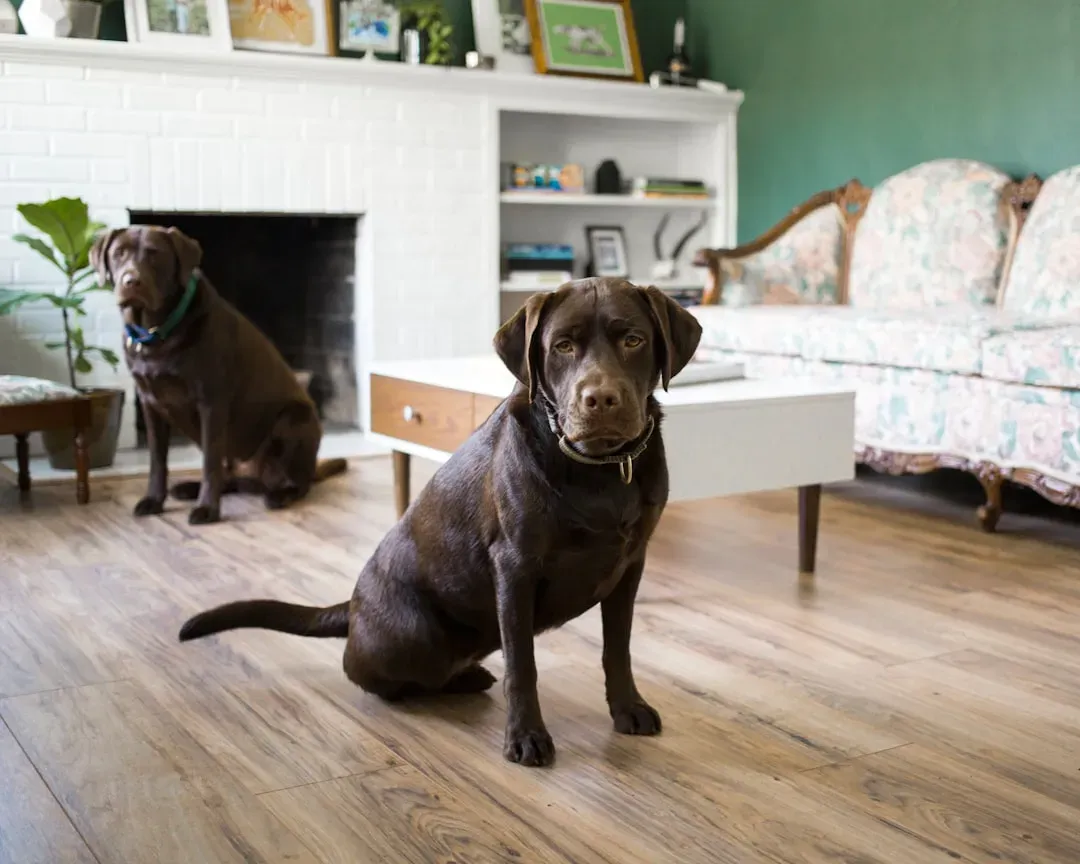
Flooring is where pet-friendly home design either succeeds or quietly falls apart. It’s essentially the first line of defense against pet-related damage, since claws can scratch delicate surfaces, and accidents or spills can lead to stains and odors if materials aren’t chosen carefully. This isn’t just about aesthetics – it’s about practicality and long-term peace of mind.
Hardwood may look appealing, but it’s prone to scratches and moisture damage. Carpet traps pet hair and stains easily, requiring frequent deep cleaning. A better option is waterproof luxury vinyl flooring, which combines durability with aesthetic appeal, resisting scratches and moisture while mimicking the look of hardwood or stone. The visual payoff is real – you don’t have to give up a beautiful floor to get one that actually holds up.
Many vinyl planks come with textured or non-slip surfaces to provide better traction for paws. Vinyl is also a relatively softer, warmer surface compared to tile or wood, which means it’s more comfortable for dogs to walk or lounge on. From an owner’s perspective, vinyl is easy to clean and maintain – regular sweeping and the occasional mop will keep it looking new. For older pets or those with joint issues, cork floors are an excellent option, as cork’s natural cushioning provides a comfortable surface for pets to walk and rest on.
#2: Create a Dedicated Space Your Pet Can Call Their Own
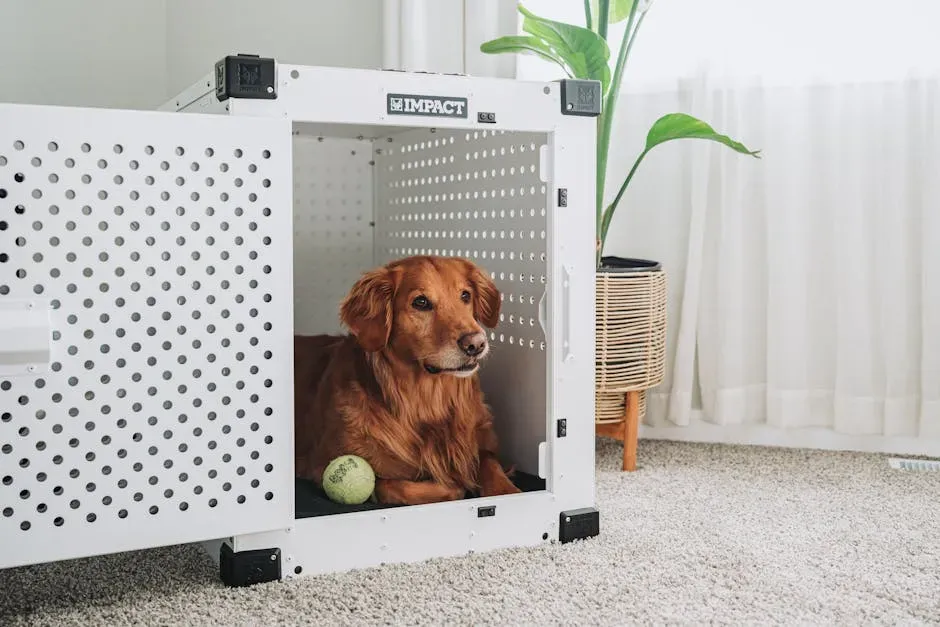
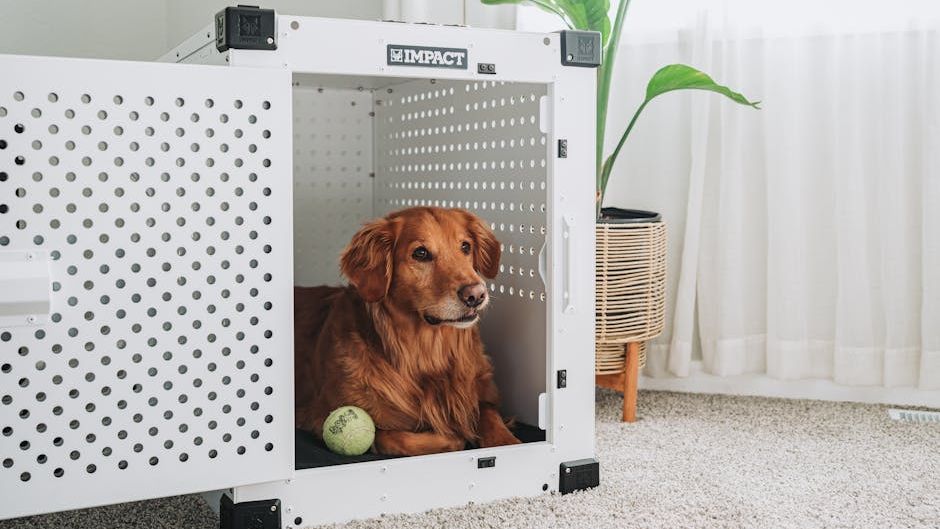
Like anyone else in your household, your pet deserves a place to retreat when they need space. Creating a dedicated area – such as a cozy bed, crate, or designated room – helps establish a sense of security and comfort for your pet. It’s a safe haven where they can keep their toys and relax when they feel overwhelmed by household activities.
Soft bedding or a sound machine are great additions to help block out stressful noises like fireworks or thunderstorms. If your pet struggles with anxiety, consider making this space slightly enclosed to give them an added sense of safety. The psychological benefit of a personal retreat is genuinely significant for animals – it’s not just a cute addition to the home, it’s a functional one.
You can designate specific areas of your home for your pets, such as a cozy pet bed in the living room or a feeding station in the kitchen. By creating dedicated spaces for your pets, you can help them feel more secure and comfortable while also minimizing clutter and mess in other areas of your home. Incorporating stylish pet furniture and accessories that complement your home decor – such as modern pet beds or sleek feeding bowls – keeps things looking cohesive.
#3: Select Furniture Materials That Work With Your Pet, Not Against Them

Furniture takes some of the hardest wear in a pet-friendly home, yet it’s often an afterthought. Furniture materials need to be tough enough to handle sharp claws and shedding fur. Leather, while durable, can be prone to scratches. Woven fabrics like tweed and chenille attract pet hair and can be difficult to clean. A smarter choice is microfiber or synthetic performance fabrics, which resist stains, are easy to wipe clean, and don’t trap hair as easily.
Slipcovers add another layer of protection, allowing for quick washing when needed. Choosing furniture with metal or coated wooden legs can also prevent pets from chewing or scratching soft materials. These aren’t compromises – they’re practical choices that extend the life of your furniture considerably.
Embracing multi-functional design elements that serve both you and your pets is also worthwhile. Choose furniture with built-in storage compartments for storing pet toys, treats, and supplies. Opt for stylish pet-friendly rugs that double as comfortable lounging spots for your pets, and incorporate versatile pet gates or pens that can be easily adjusted to accommodate different areas of your home. Smart furniture choices let style and function coexist without constant compromise.
#4: Pet-Proof Your Home Against Hidden Hazards

A lot of potential dangers in a home are invisible until something goes wrong, which is exactly why proactive safety matters so much. Pet-proof your home by securely storing household chemicals, medications, and plants that may be toxic. Conceal or secure electrical cords, and use baby gates to limit access to areas you’d rather keep off-limits.
Many pets, especially puppies and kittens, love to chew on things, including electrical cords. Tucking away exposed wires using cord protectors or hiding them behind furniture can prevent chewing. You can also use bitter spray on cords to deter pets from gnawing on them, which reduces the risk of electric shocks or accidents. It’s a small effort with a genuinely serious payoff.
Foods including chocolate, grapes, raisins, onions, garlic, avocados, alcohol, and xylitol – found in sugar-free products – are among the most toxic foods for pets. Keeping these stored out of reach, in closed cabinets or elevated pantry areas, is a non-negotiable step. Creating designated spaces for your pet to eat, sleep, and play will help them feel more comfortable and secure, while keeping potentially harmful items out of reach. Consider using baby gates to restrict access to certain areas, and pay close attention to household plants as some can be toxic to pets.
#5: Choose Your Houseplants Wisely
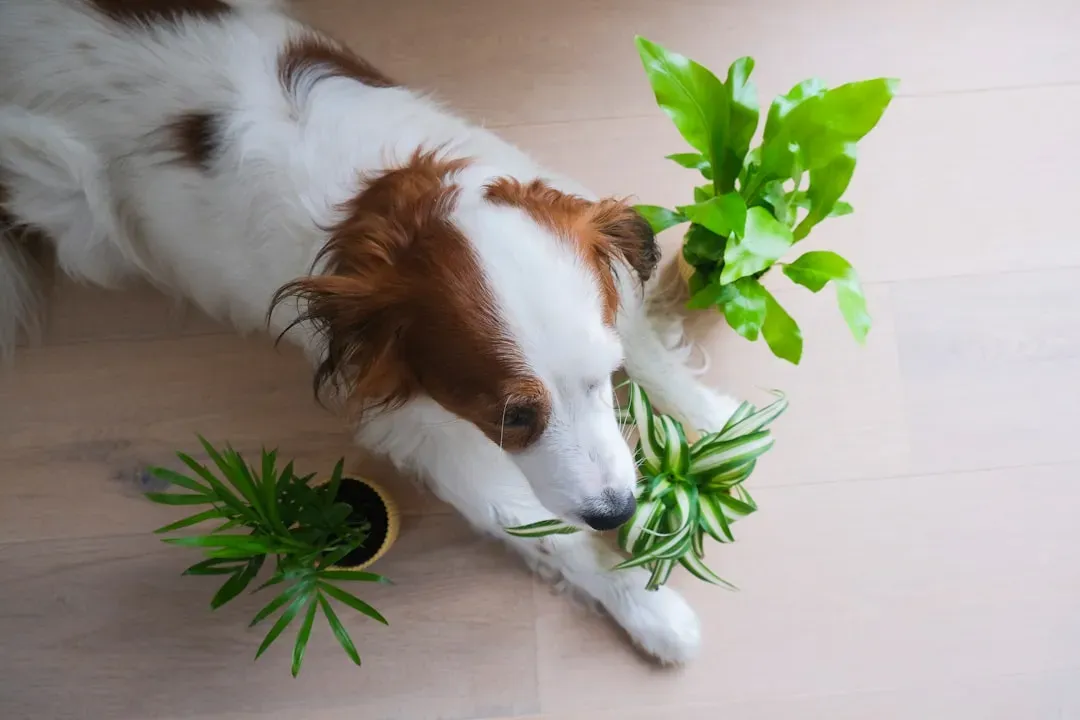
Indoor plants have had a serious cultural moment over the past several years, and understandably so. They bring warmth, color, and a sense of calm to a room. The problem is that many of the most popular varieties are quietly dangerous to pets. While indoor plants can add beauty and life to your home, it’s essential to be aware of their potential toxicity to our furry friends. Certain plants can be harmful or even fatal to pets, especially cats and dogs, and understanding which plants are safe and which to avoid is crucial for ensuring a pet-friendly environment.
Common toxic plants include sago palms, lilies, azaleas, and tulips. Even some houseplant staples you might not suspect are problematic. With over 300 varieties, aloe is a popular indoor plant but unsafe for pets. If ingested, aloe can cause vomiting, lethargy, and diarrhea. Lilies are one of the most toxic houseplants for cats – ingesting even a small amount or licking a bit of pollen off their coat can cause kidney failure and death.
The good news is there are genuinely beautiful alternatives. Opting for pet-friendly greenery like spider plants, Boston ferns, or areca palms will brighten up your home and keep your pets safe from accidental poisoning. Before bringing a new plant home, consulting the ASPCA Toxic and Non-Toxic Plants List ensures it is safe for your pet. A little research upfront prevents a genuinely frightening situation down the road.
#6: Set Up a Dedicated Feeding and Storage Station
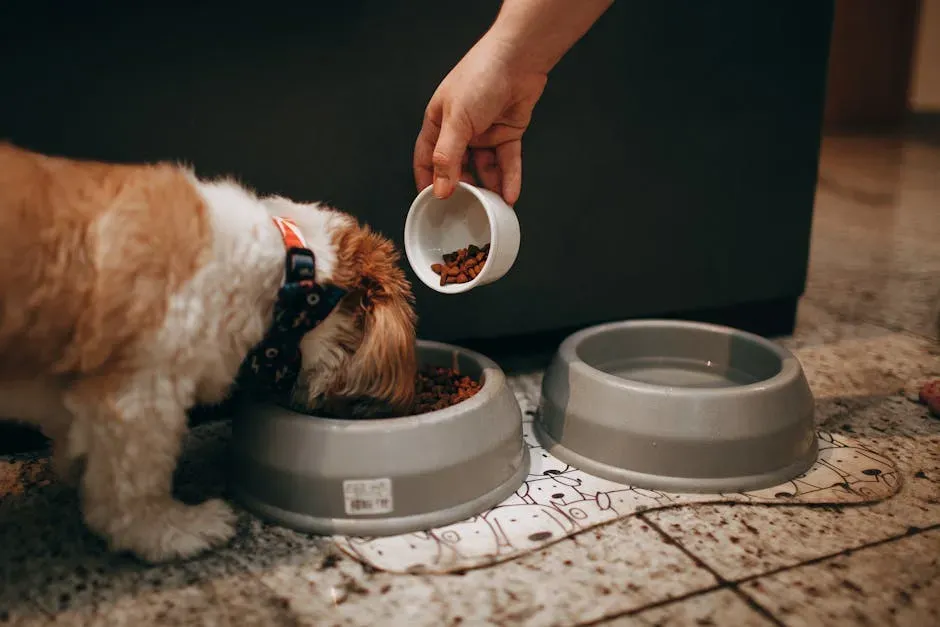
The feeding corner of most pet-owning homes is, frankly, a mess. A bowl here, a bag of kibble there, leashes hanging off door handles. There’s a much better way. Giving dogs and cats their own space in the kitchen with a built-in or purchased pet feeding station is increasingly popular. The most convenient options are all-in-one units with spots for elevated pet bowls, a drawer for pet food storage, and even room for a water fountain. Installing a pet feeding station to fit your animal’s specific needs ensures it will accommodate all your furry friends while blending with the rest of your home’s decor.
To prevent water and food from spilling and spreading all over the kitchen floor, placing a small mat or tray under pet food dishes and water bowls is a practical move. Consider incorporating a built-in pet feeding station into a bottom cabinet or drawer for a cleaner, more integrated look. It’s one of those upgrades that feels minor but dramatically improves daily life.
Setting up a designated area near your door for leashes, pet wipes, and paw towels makes it easy to clean up muddy paws before your pet enters the house and keeps everything you need for walks in one spot. A small storage bin or hooks can keep things tidy and within reach. An organized entryway simplifies outings and keeps your home cleaner. The difference between a chaotic entry and a calm one is often just a few hooks and a consistent system.
#7: Build an Indoor Play and Enrichment Zone

Mental stimulation is as important to a pet’s wellbeing as physical exercise, and yet it’s the part most homes completely ignore. Creating designated indoor play areas for your pets to engage in physical activity and mental stimulation is a meaningful step. Setting up scratching posts, climbing towers, and interactive toys keeps your pets entertained and engaged. For cats, consider installing wall-mounted shelves or cat trees for vertical exploration and exercise.
Easing pet anxiety during periods of change is also worth considering. Pets, especially dogs and cats, are highly attuned to changes in daily patterns. Significant adjustments – like moving, starting a new job, or changing your routine – can cause anxiety. Showing your pet extra love during these transitions and introducing a new food puzzle or toy can make a meaningful difference.
Loud noises like thunderstorms, fireworks, or household appliances can cause anxiety in pets. Creating a quiet, safe space for them to retreat to when they feel scared – complete with a cozy bed and familiar smells – provides real comfort. White noise machines or calming music can also help drown out sudden noises, and keeping a calm environment overall helps reduce stress for your furry friend.
#8: Keep Up a Regular Cleaning and Grooming Routine
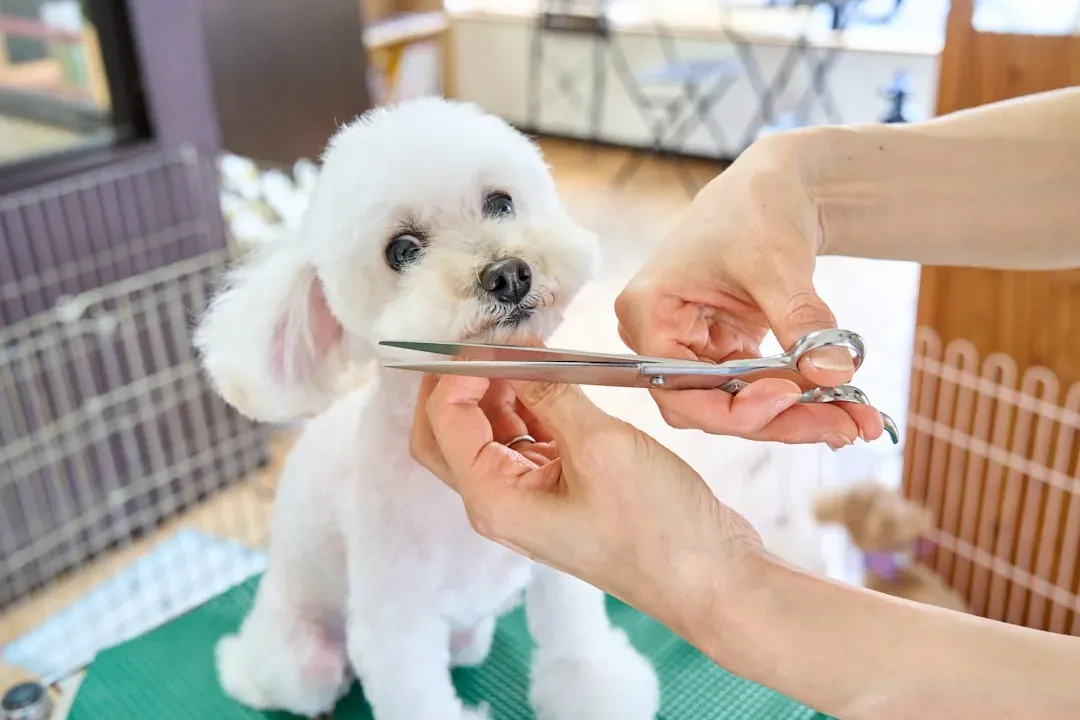
A pet-friendly home isn’t a set-it-and-forget-it project. The most beautifully designed space will still struggle if the maintenance side is ignored. Even with the perfect flooring and fabrics, staying on top of regular cleaning is key. Pet hair can carry natural oils that attract dirt, so investing in a high-quality vacuum makes a big difference. It’s one of those household purchases that tends to pay for itself quickly.
The cleaner you keep your pet, the longer your house will stay clean. Trimmed nails protect floors and furniture from scratches, while routine brushing and bathing reduce shedding before it spreads through the house. The cleaner and more comfortable your pet is, the less time you’ll spend on deep cleaning. These two routines – home cleaning and pet grooming – are genuinely connected.
Regularly cleaning and maintaining your home creates a healthy and hygienic environment for both you and your pets. Vacuuming and sweeping floors regularly removes pet hair, dander, and debris. Washing pet bedding, blankets, and toys frequently prevents the buildup of allergens and bacteria. Using pet-safe cleaning products to clean and disinfect surfaces ensures that your home remains clean and odor-free.
A Home That Works for Everyone
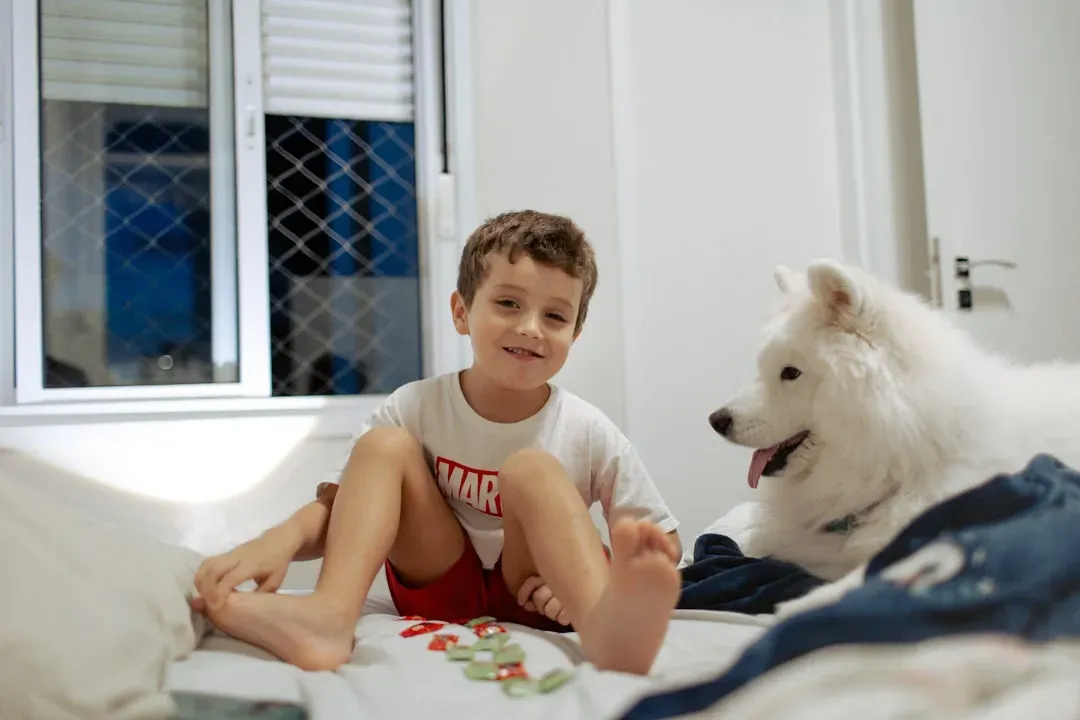
Here’s an honest opinion: most pet-unfriendly homes aren’t the result of not caring enough – they’re the result of never sitting down and thinking through the space from your pet’s perspective. Once you do that, the changes become obvious. The flooring choice matters. The plant in the corner matters. The feeding station tucked behind the refrigerator could be replaced by something that actually works.
None of these eight steps require a major renovation or a huge budget. Most are about intention – deciding that the animals living in your home deserve the same thoughtful design consideration as the humans do. When you get that balance right, something genuinely shifts. The home feels calmer, more organized, and oddly more welcoming for everyone who walks through the door, regardless of how many legs they have.
A pet-friendly home isn’t a compromise. It’s the whole point.
