


In the extreme environments of our planet, from the icy depths of polar seas to the frost-covered mountain peaks, certain remarkable creatures have evolved extraordinary survival mechanisms. Among these adaptations, perhaps none is more astonishing than the ability of some animals to endure complete freezing of their bodies, only to thaw and continue living as if nothing happened. This seemingly miraculous capability, known as cryobiosis, defies our conventional understanding of life and death. These remarkable animals effectively pause their metabolic processes during freezing, protecting their cells from the typically fatal damage caused by ice crystal formation, and then resume normal functioning when conditions improve. From tiny tardigrades to certain frogs and insects, these freeze-tolerant organisms offer fascinating insights into the resilience of life and hold potential keys to advances in medical preservation techniques, space travel, and understanding the very limits of life itself.
The Science of Surviving Freezing
When most living organisms freeze, ice crystals form within their cells, puncturing cell membranes and causing fatal damage. However, freeze-tolerant animals have evolved remarkable mechanisms to prevent or manage this destructive process. These adaptations typically involve the production of specialized chemicals that act as natural antifreeze compounds, known as cryoprotectants.
These substances lower the freezing point of bodily fluids and minimize ice formation inside cells, directing ice to form instead in less damaging extracellular spaces. Additionally, some animals can rapidly remove water from their cells before freezing, significantly reducing the potential for damaging ice crystal formation. During this frozen state, metabolism effectively comes to a standstill—a condition known as suspended animation—allowing these creatures to endure without energy consumption until more favorable conditions return.
The Wood Frog: North America’s Freeze-Tolerant Amphibian

The wood frog (Lithobates sylvaticus) stands as perhaps the most well-studied vertebrate with freeze-tolerance capabilities. Native to North America, these remarkable amphibians can survive having up to 65-70% of the water in their bodies frozen solid during winter. As temperatures drop in autumn, wood frogs begin producing massive amounts of glucose and urea in their livers, which serve as natural cryoprotectants.
When freezing occurs, their hearts stop beating, blood no longer flows, and breathing ceases entirely. To human observers, they appear completely dead—hard as rocks and showing no signs of life. Yet when spring arrives and temperatures rise, the frogs gradually thaw from the inside out over 8-12 hours. Their hearts begin beating again, blood flow resumes, and they hop away to begin breeding as though nothing extraordinary happened. This cycle can be repeated multiple times throughout a wood frog’s lifetime, making them true masters of cryobiosis among vertebrates.
Tardigrades: The Ultimate Survival Champions

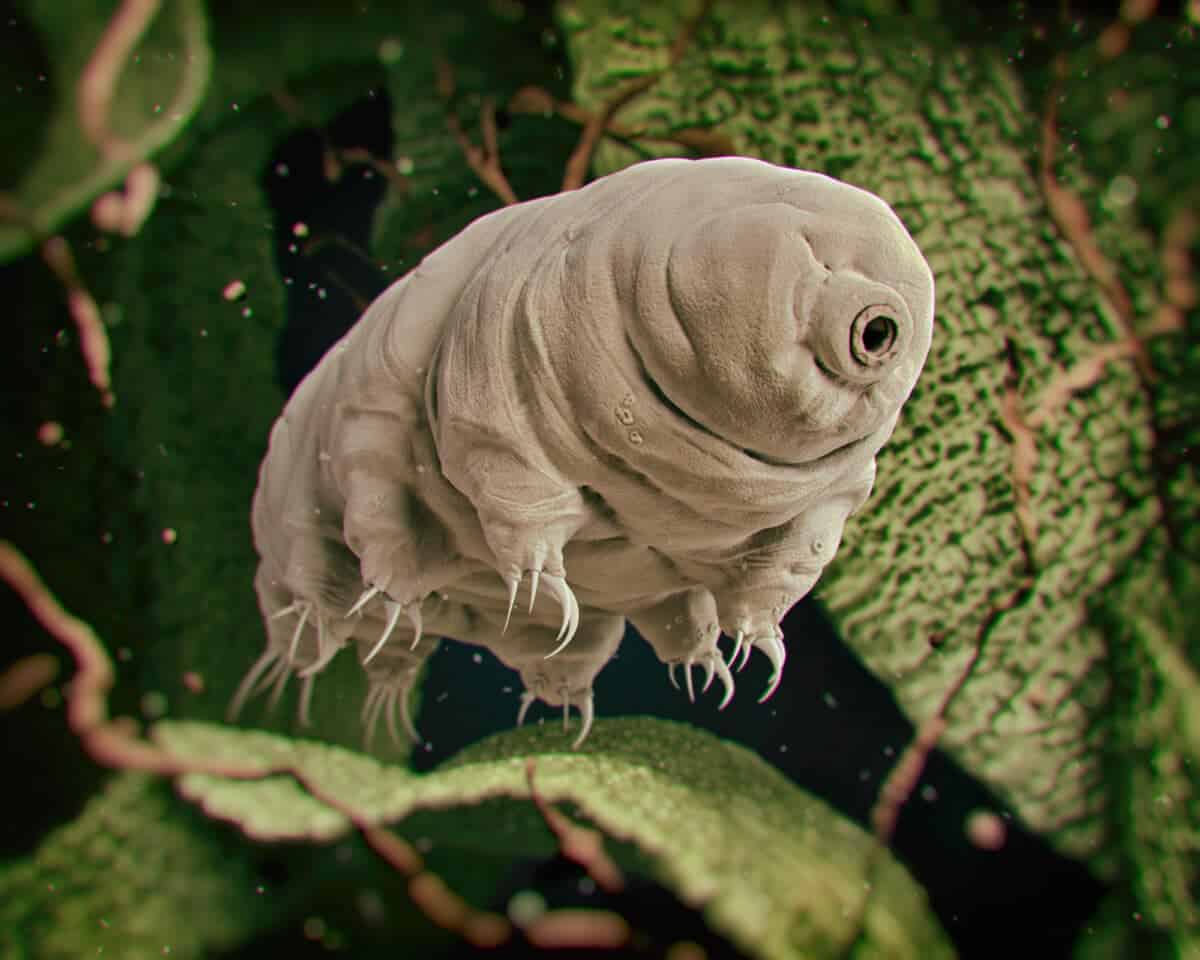
Tardigrades, commonly known as water bears or moss piglets, are microscopic eight-legged animals that have become famous for their extraordinary survival capabilities. These tiny creatures, typically less than 1mm in length, can survive not only freezing but also boiling temperatures, radiation levels thousands of times higher than what would kill humans, the vacuum of space, and decades without food or water.
When facing freezing conditions, tardigrades enter a state called cryptobiosis, where they expel almost all water from their bodies and produce trehalose—a sugar that protects their cell membranes. They curl into a dehydrated ball called a “tun” state, reducing their metabolic activity to near zero. In this condition, tardigrades have been frozen to -458°F (-272°C), just above absolute zero, and successfully recovered after thawing. Research has documented tardigrades surviving in this suspended animation state for up to 30 years, making them perhaps the most resilient animals on Earth.
Arctic Ground Squirrels: Supercooling Specialists
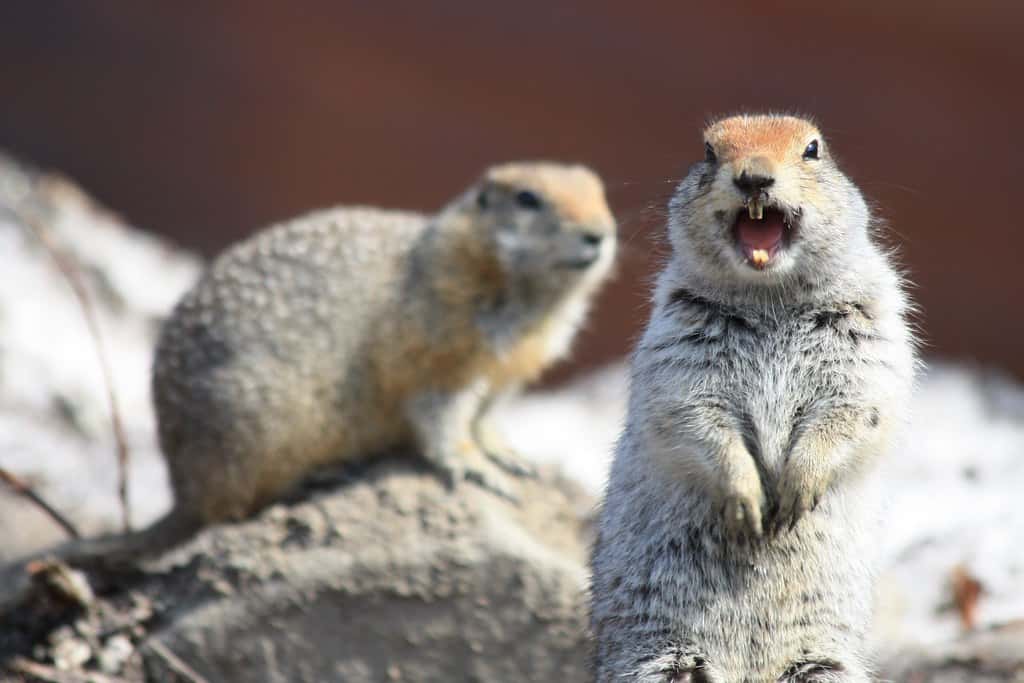
Arctic ground squirrels (Urocitellus parryii) employ a fascinating variation of freeze-tolerance called supercooling during their winter hibernation. Unlike wood frogs, these mammals don’t allow their bodies to freeze solid, but they can allow their body temperature to drop below the freezing point of water without actually freezing—a remarkable physiological feat. During hibernation, their body temperature can plummet to as low as 26.6°F (-3°C), the lowest known body temperature for any hibernating mammal and below the freezing point of water.
This supercooled state is maintained through specialized proteins that prevent ice crystal formation in their bloodstream. Their heart rate drops from 200-300 beats per minute to just 3-10, and they take only a few breaths per minute. This extreme energy conservation allows them to survive the harsh Arctic winter without eating for up to eight months. When spring arrives, they gradually rewarm their bodies through a process of shivering and metabolic heat production, eventually returning to normal activity.
Frozen Insects: From Alaska to Antarctica
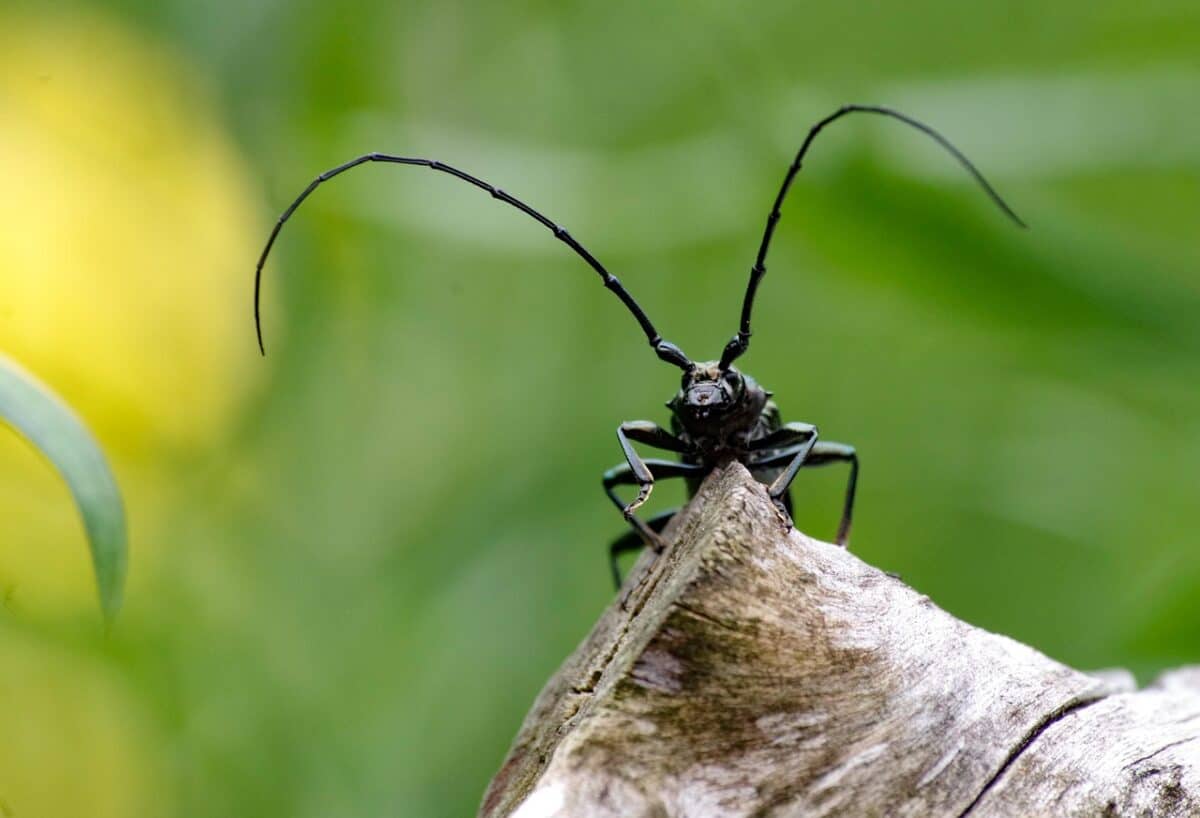
Numerous insect species have evolved impressive freeze-tolerance mechanisms to survive extreme cold. The Alaskan beetle Cucujus clavipes puniceus can endure temperatures as low as -100°F (-73°C) by producing antifreeze proteins and removing nearly all water from its cells—a process called cryoprotective dehydration. Similarly, the Antarctic midge (Belgica antarctica), the continent’s only native insect, survives being 70% dehydrated and having 65% of its body fluids frozen.
These midges produce heat shock proteins and antioxidants that protect their cellular components during freezing. Even more remarkably, certain gall moth larvae can survive repeated freeze-thaw cycles and temperatures as low as -320°F (-196°C) when plunged into liquid nitrogen. The larvae of the goldenrod gall moth (Epiblema scudderiana) survive winter by replacing the water in their cells with glycerol, essentially using the same compound found in automotive antifreeze to protect their tissues from freeze damage. These insect adaptations represent some of the most extreme cold-tolerance mechanisms in the animal kingdom.
Painted Turtle Hatchlings: Frozen Newborns

The painted turtle (Chrysemys picta) demonstrates one of the most remarkable examples of freeze tolerance in reptiles, particularly in its hatchlings. After emerging from eggs in late summer or early fall, these baby turtles often remain in their shallow nests through winter rather than attempting to reach water. As temperatures drop, hatchlings can survive having up to 50% of their body water converted to ice. Their hearts stop beating, and they show no signs of respiration or movement.
Like wood frogs, they produce glucose as a cryoprotectant, but uniquely, their brains are especially protected from freeze damage. Studies have shown that painted turtle hatchlings can survive freezing at temperatures as low as 23°F (-5°C) for more than 72 hours with no apparent harmful effects. Even more impressively, they can endure multiple freeze-thaw cycles throughout a single winter. This adaptation allows painted turtles to extend their range farther north than any other American turtle species, demonstrating how freeze tolerance can provide significant evolutionary advantages.
Frozen Fish: Antifreeze in the Blood
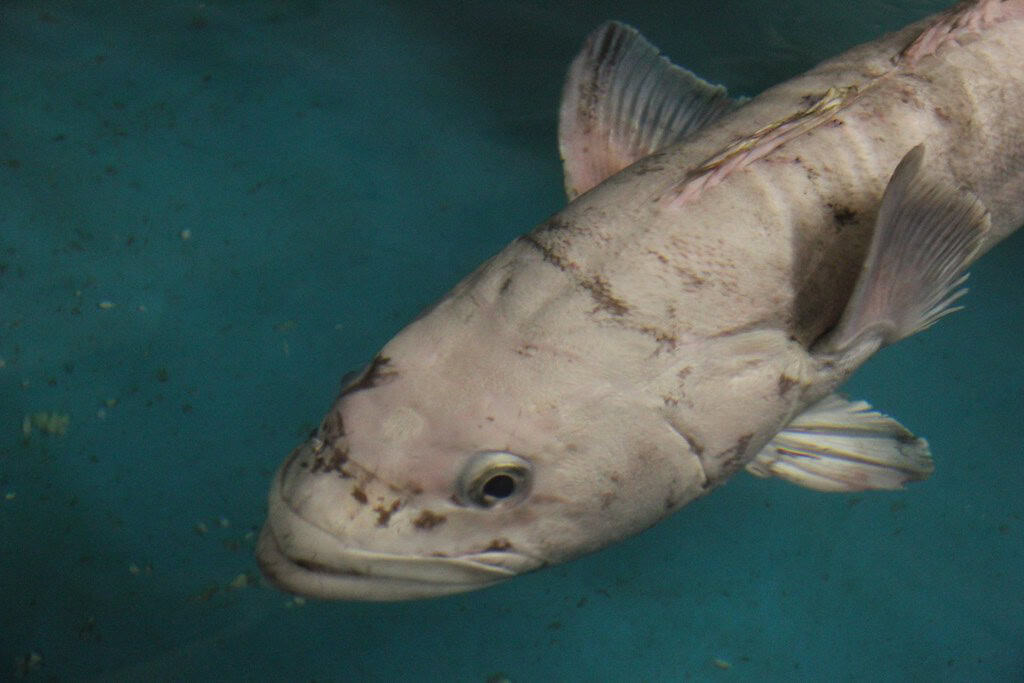
Several species of fish living in polar and subpolar waters have evolved specialized adaptations to survive in water temperatures that would normally cause their blood and tissues to freeze. While not truly freeze-tolerant in the sense of surviving being frozen solid, these fish produce antifreeze proteins (AFPs) or antifreeze glycoproteins (AFGPs) that lower the freezing point of their bodily fluids.
Antarctic notothenioid fishes, including the Antarctic toothfish (Dissostichus mawsoni), can thrive in waters as cold as 28.8°F (-1.8°C)—below the normal freezing point of fish blood. Their antifreeze proteins work by binding to nascent ice crystals, preventing them from growing larger and becoming destructive. Even more remarkably, the Arctic blackfish (Dallia pectoralis) can survive being frozen into solid ice blocks for weeks at a time by producing high concentrations of glucose and urea in its tissues. The evolutionary development of these antifreeze compounds represents one of the most clear-cut examples of adaptation to extreme environments in vertebrate animals.
The Common Eastern Garter Snake’s Winter Survival

The common eastern garter snake (Thamnophis sirtalis) demonstrates a limited but significant freeze tolerance capability. These widespread North American reptiles survive winter by hibernating in communal dens below the frost line, but they can occasionally be caught in freezing conditions. Research has shown that garter snakes can survive having approximately 40% of their body water converted to ice for periods up to 24 hours.
During freezing, their hearts stop beating, and all measurable metabolic functions cease. They accomplish this feat by rapidly producing glucose and glycerol as cryoprotectants when their bodies detect the onset of freezing. Unlike some other freeze-tolerant species, garter snakes show a graduated response—their cells remain partially active even at temperatures approaching freezing, allowing them to quickly produce protective compounds when needed. This adaptation provides a safety margin that helps garter snakes survive unexpected cold snaps or when they cannot reach deep enough hibernation sites, contributing to their status as one of North America’s most successful and widespread reptile species.
Cellular Mechanisms Behind Freeze Tolerance

The cellular mechanisms enabling freeze tolerance involve sophisticated biochemical processes that protect critical cellular structures. At the molecular level, freeze-tolerant animals typically employ three primary strategies: preventing intracellular ice formation, managing cell volume during freezing and thawing, and protecting cellular components from oxidative damage. Specialized proteins, often called ice-binding proteins or ice-structuring proteins, control ice crystal growth by binding to embryonic ice crystals and preventing their expansion into harmful configurations.
Additionally, these animals produce molecular chaperones—proteins that help other proteins maintain their proper three-dimensional structure during freezing stress. Perhaps most importantly, they manage the significant challenge of cell volume regulation. As ice forms in extracellular spaces, remaining unfrozen fluids become highly concentrated, drawing water out of cells through osmosis. Without protective mechanisms, this would cause lethal cell shrinkage and protein denaturation. Freeze-tolerant species combat this by producing osmolytes like glycerol and trehalose that maintain cellular volume and protect proteins and membranes from dehydration damage.
Human Applications: Medicine and Cryonics

The remarkable adaptations of freeze-tolerant animals have inspired significant research in human medicine and cryonics. One crucial application lies in organ preservation for transplantation. Currently, donated organs remain viable for only hours outside the body, severely limiting transplant opportunities. Researchers are studying the natural cryoprotectants produced by wood frogs and other freeze-tolerant species to develop better preservation solutions that could extend organ viability for days or even weeks.
In trauma medicine, these same compounds could potentially allow “suspended animation” techniques, where severely injured patients might be temporarily placed in a hypothermic state to extend the window for life-saving interventions. Beyond immediate medical applications, the study of natural freeze tolerance informs cryonics—the controversial practice of preserving human bodies at extremely low temperatures in hopes of future revival. While current human cryopreservation relies on vitrification rather than freezing, the cellular protection mechanisms of naturally freeze-tolerant animals provide valuable insights into preventing damage during temperature transitions and long-term preservation.
Climate Change Threats to Freeze-Tolerant Species

Despite their remarkable adaptations to extreme cold, many freeze-tolerant species face significant threats from climate change. These organisms have evolved precise timing mechanisms for their freeze-tolerance cycles, often triggered by specific environmental cues like day length or temperature patterns. As climate change creates more erratic weather patterns, these animals may initiate freeze protection mechanisms at inappropriate times or fail to properly prepare before sudden cold snaps.
For example, wood frogs depend on a gradual temperature decrease in autumn to trigger glucose production; unexpectedly rapid temperature fluctuations can leave them unprepared for freezing. Similarly, painted turtle hatchlings face increased mortality when winter brings repeated freeze-thaw cycles rather than sustained cold. Arctic and Antarctic species with freeze-tolerance adaptations face perhaps the greatest threat as polar regions warm at rates exceeding global averages. The specialized adaptations that made these species so successful in extreme environments may become evolutionary disadvantages in a rapidly warming world, potentially leading to population declines or even extinctions among these remarkable cold-adapted organisms.
Conclusion: Life’s Remarkable Resilience

The extraordinary ability of certain animals to survive freezing and thawing stands as one of nature’s most remarkable adaptations, pushing the boundaries of what we consider possible for living organisms. From microscopic tardigrades to wood frogs, these creatures demonstrate life’s incredible resilience and adaptability in the face of extreme environmental challenges. Their specialized biochemical mechanisms—producing cryoprotectants, managing cell volume, and preventing destructive ice formation—represent millions of years of evolutionary refinement that continues to inspire scientific research across multiple fields.
As we deepen our understanding of these freeze-tolerance mechanisms, we may unlock new possibilities in medicine, space exploration, and biotechnology. Yet these same remarkable species also serve as indicators of ecosystem health and climate stability, with their specialized adaptations potentially becoming vulnerabilities in our rapidly changing world. The study of freeze-tolerant animals not only expands our understanding of biological possibilities but also reminds us of the delicate balance that sustains life’s most extraordinary adaptations.

From exploring the marine wonders in the Azores and witnessing the vast savannas of Kenya, to delving deep into the rich biodiversity of South Africa and traversing iconic landscapes in Australia and the US like Yellowstone, Chris's experiences are vast.
With a penchant for diving alongside sharks, the ocean holds a special place in his heart.
Through his academic insights, he champions wildlife conservation, striving with 'Animals Around The Globe' to cultivate a profound connection between humans and animals, enhancing our mutual appreciation.
Connect with him at Feedback@animalsaroundtheglobe.com.
- A Bear Journey Through The USA: 18 Best Bear Photos from 18 US States - July 19, 2026
- Elephant Matriarchs Know Every Waterhole for Miles - July 19, 2026
- Top 10 Dinosaur Relatives Still Roaming Earth Today - July 19, 2026