
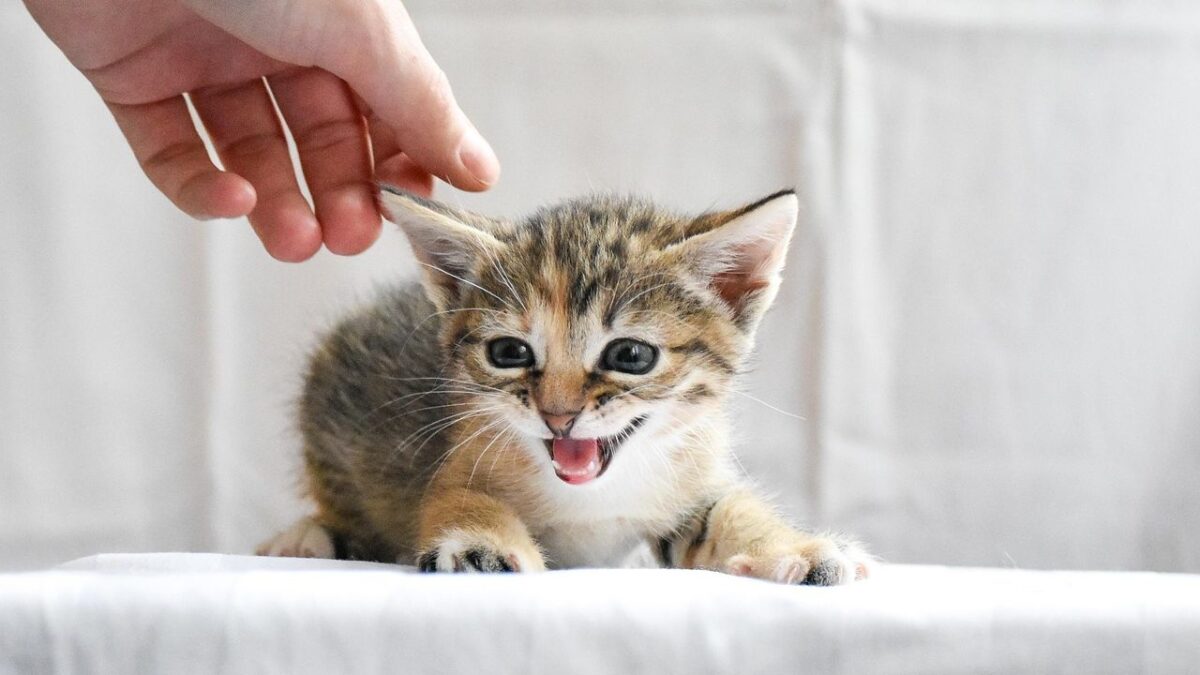
Cats rarely announce discomfort the way people might expect. Their vocal range includes subtle shifts that owners often overlook until something feels off.
Paying closer attention to these variations can reveal when a cat needs help, even if the behavior looks familiar at first glance.
The Prolonged, Low Pitched Yowl
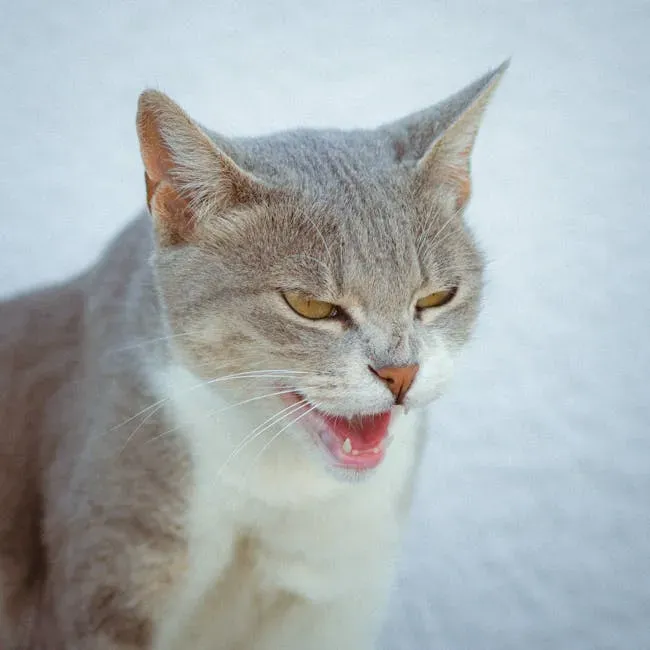
A drawn out yowl often starts deep in the throat and lingers longer than a typical call. This sound tends to repeat in steady intervals rather than coming in short bursts.
Owners notice it most when a cat moves after resting or tries to settle into a new position. The tone carries a strained quality that differs from the brighter notes used during play or greeting.
The Guttural Growl That Builds Slowly
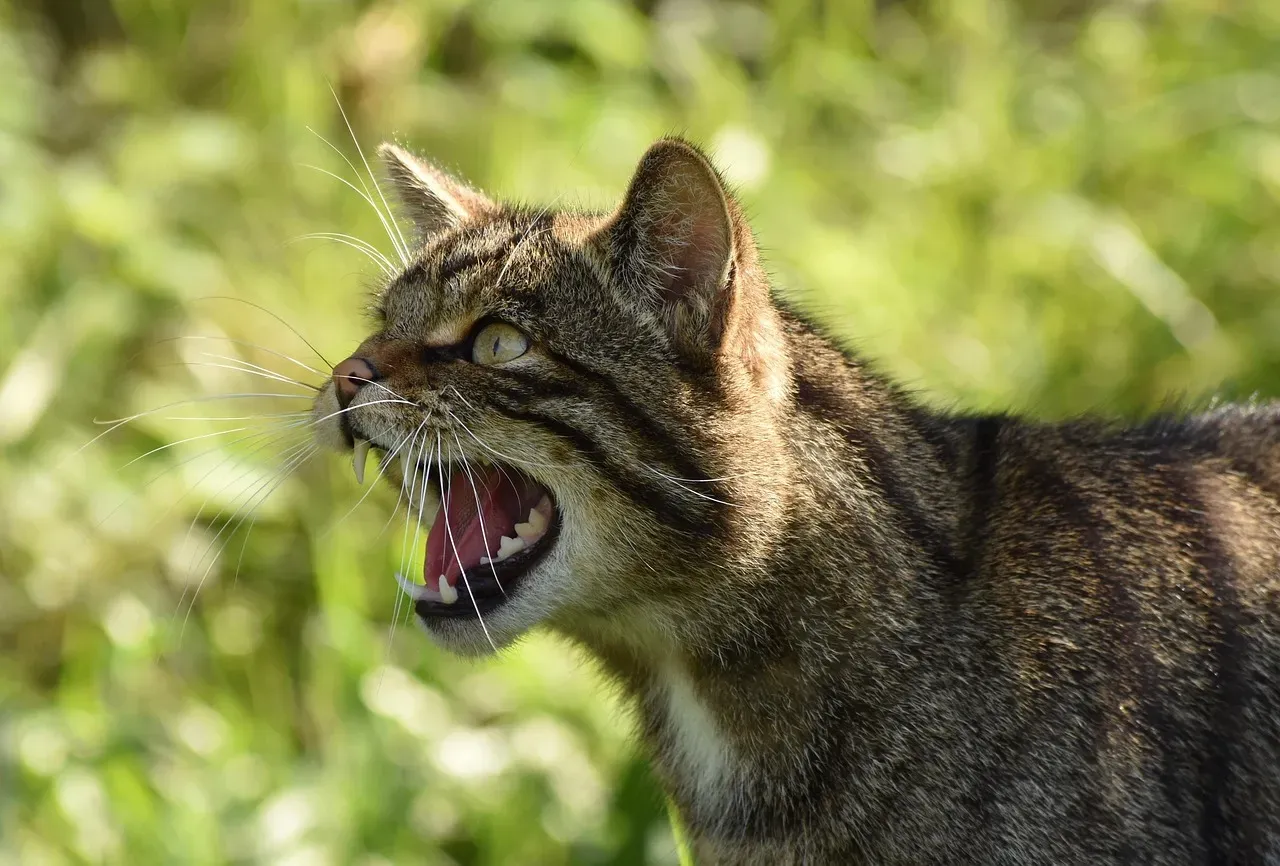
Growls in cats can begin as a low rumble and gradually increase in volume. They usually accompany tense body language such as flattened ears or a twitching tail.
This vocalization appears when pressure on a sore area becomes too much to ignore. It serves as a warning that the cat prefers to be left alone while the discomfort lasts.
The Sharp, Sudden Hiss With Extra Force
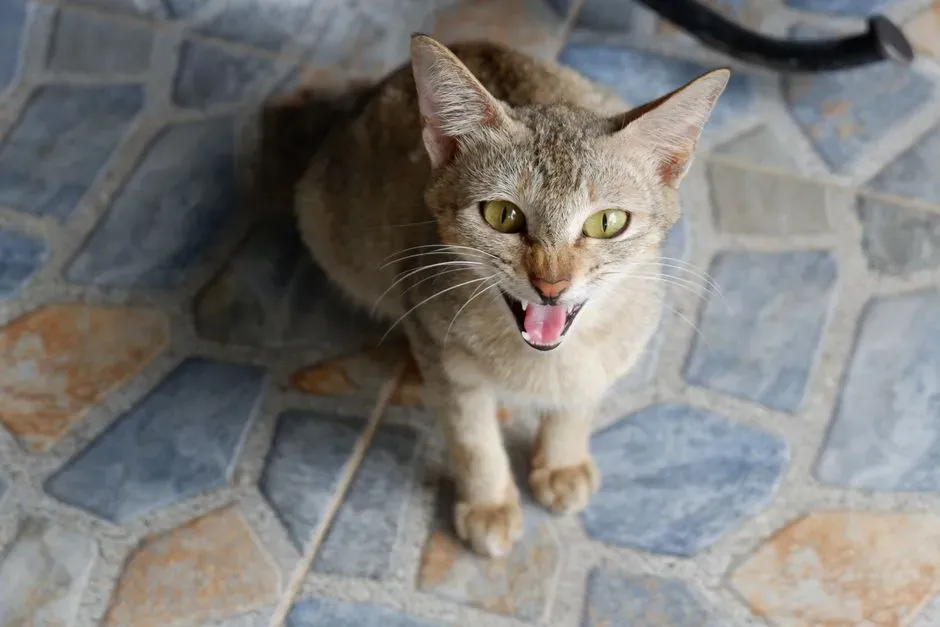
A hiss under normal circumstances stays brief and defensive. When pain enters the picture the sound gains extra intensity and may repeat quickly.
Cats produce this version when touched near an injury or when attempting to jump onto a surface that now feels difficult. The hiss often comes paired with a quick retreat rather than a standoff.
The Raspy Wheeze That Replaces Normal Breathing Sounds
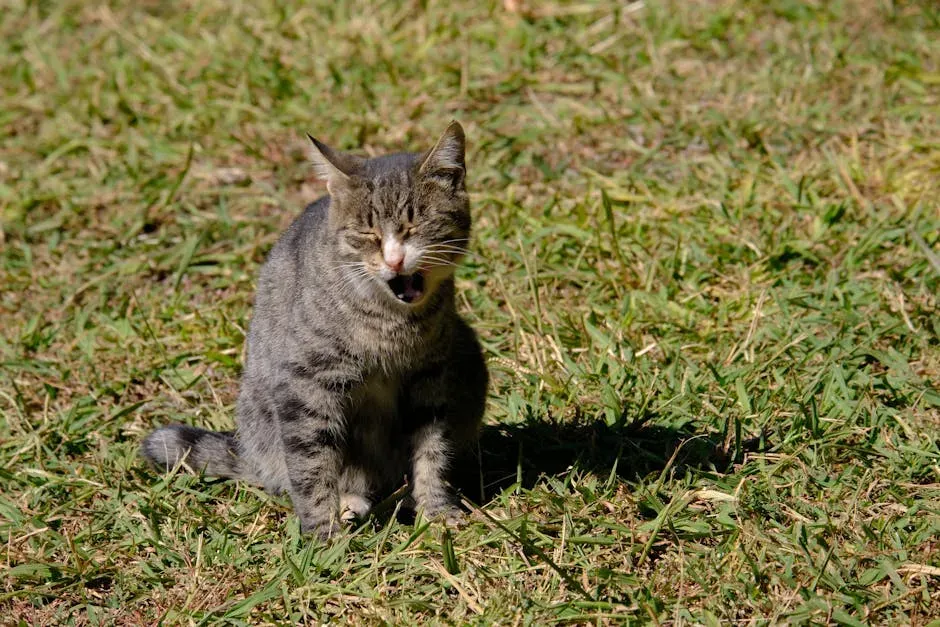
Some cats shift to a raspy wheeze when chest or abdominal discomfort interferes with easy breathing. The noise carries a rough edge that stands out during quiet moments.
It tends to appear after activity or when the cat lies down in certain positions. Owners describe it as sounding like the cat is working harder than usual just to move air.
The Soft, Repetitive Moan During Rest
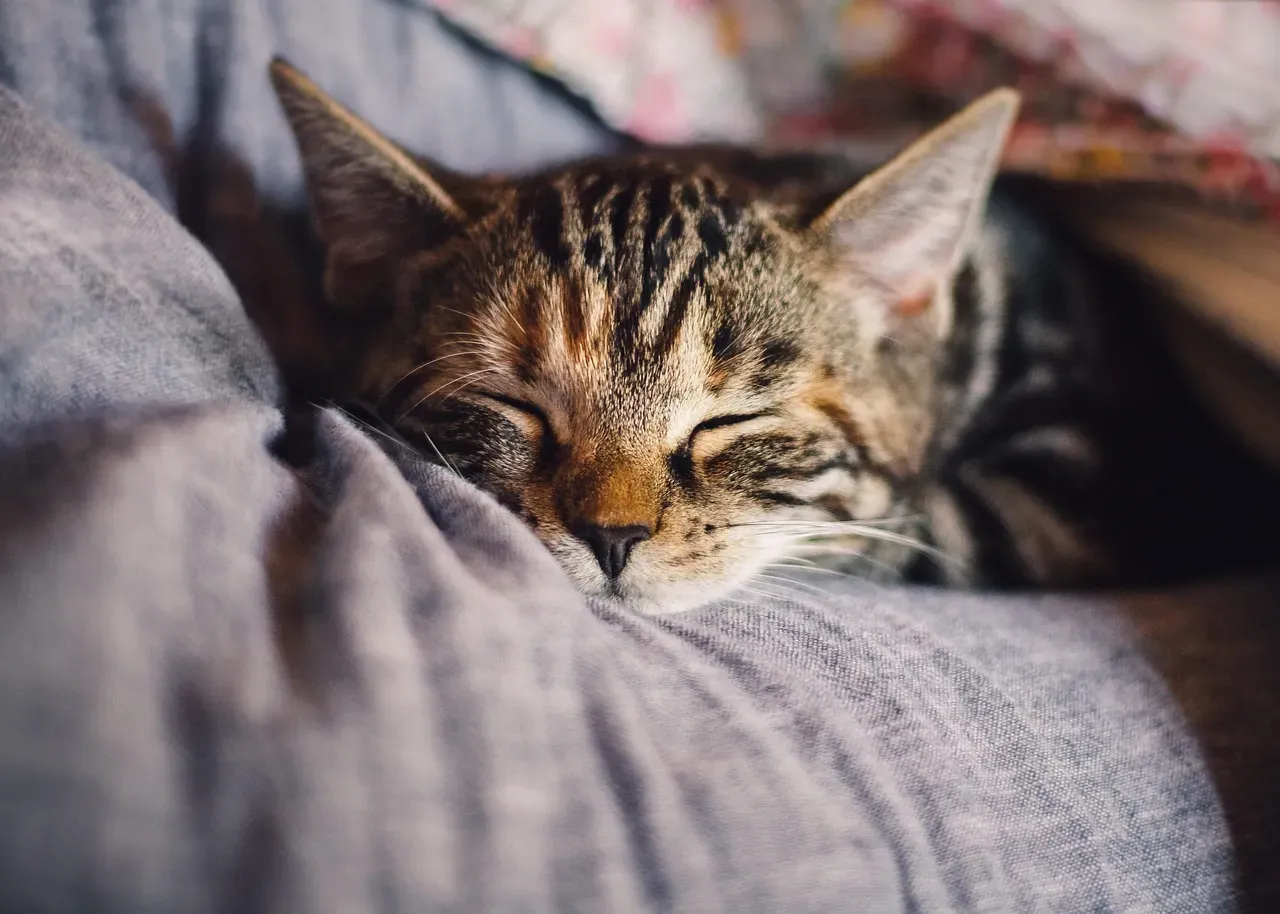
A quiet moan can slip out while a cat rests or shifts position in sleep. The sound stays low and rhythmic rather than loud or attention seeking.
It often surfaces in older cats or those recovering from minor strains. The moan stops once the cat finds a more comfortable spot or wakes fully.
The High Pitched Chirp That Turns Distressed
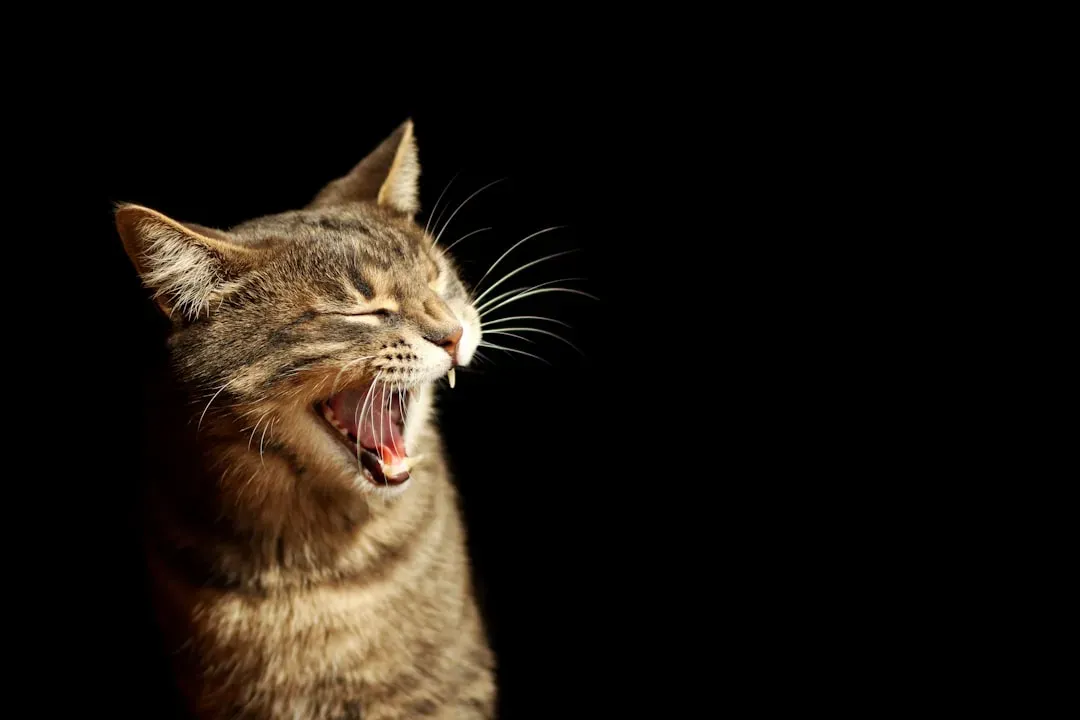
Chirps usually signal interest or excitement during hunting play. When pain is present the same short sound gains a higher, thinner quality and repeats without clear purpose.
Cats may produce it while trying to navigate familiar spaces that suddenly feel challenging. The tone lacks the bright energy heard in healthy interactions.
The Drawn Out Scream During Sudden Movement
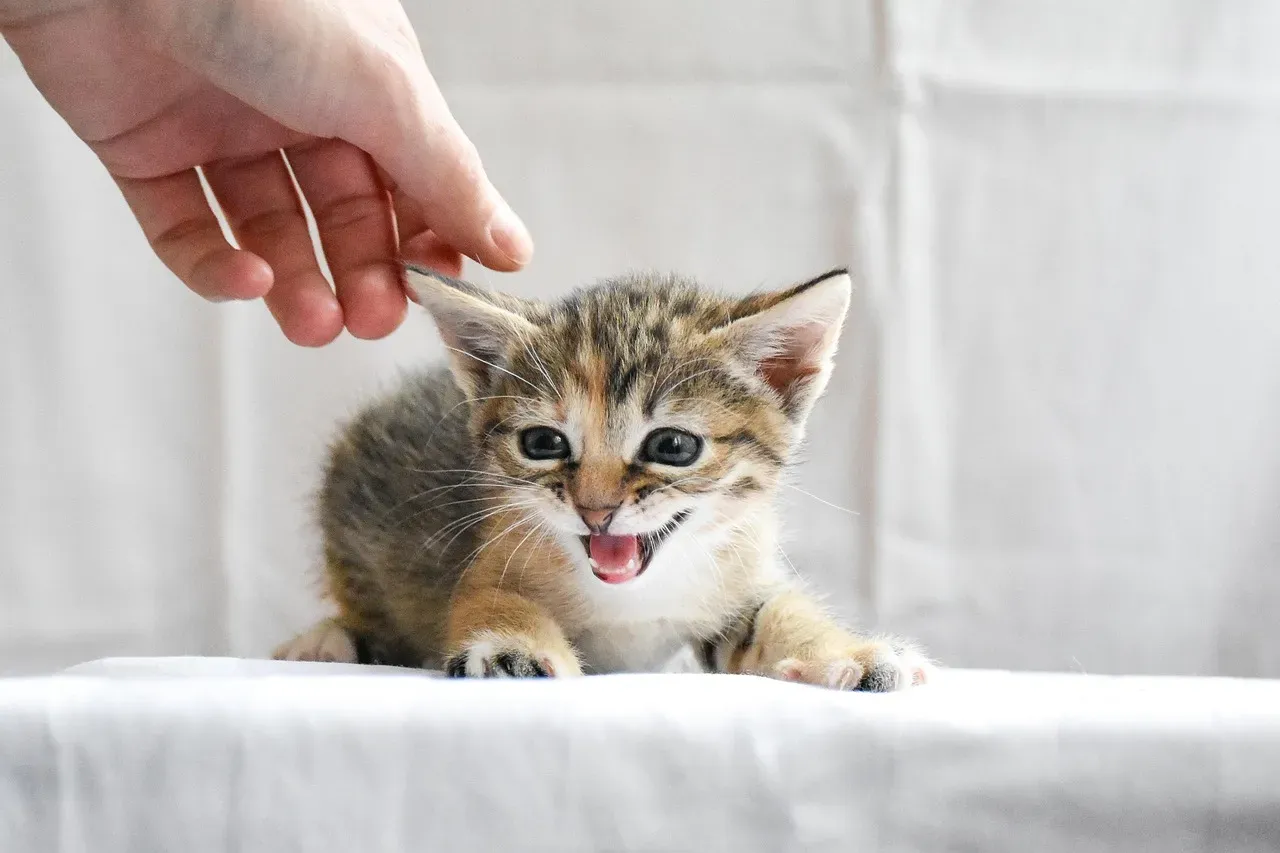
A scream emerges when a cat experiences sharp discomfort from quick motion. The sound cuts through the air with urgency and stops once the movement ends.
It differs from playful vocal bursts by its abrupt start and the way the cat freezes afterward. Owners often hear it during attempts to climb or stretch after long periods of stillness.
The Unusual Purr That Lacks Its Usual Rhythm
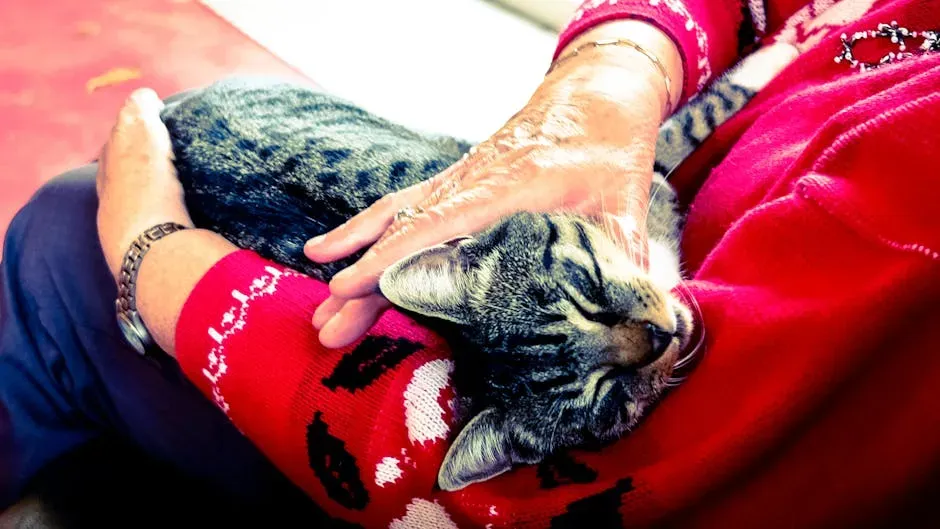
Purring sometimes continues even when a cat feels unwell as a form of self soothing. The version tied to pain tends to sound uneven or interrupted by pauses.
It appears alongside other signs such as reduced appetite or reluctance to move. The purr may persist longer than expected once the cat settles into a resting spot.
Listening closely to these shifts gives owners a practical way to notice changes early. Regular check ins with a veterinarian remain the surest step when any new sound persists. A cat that feels heard through attentive care often recovers more comfortably than one whose signals go unnoticed.
