
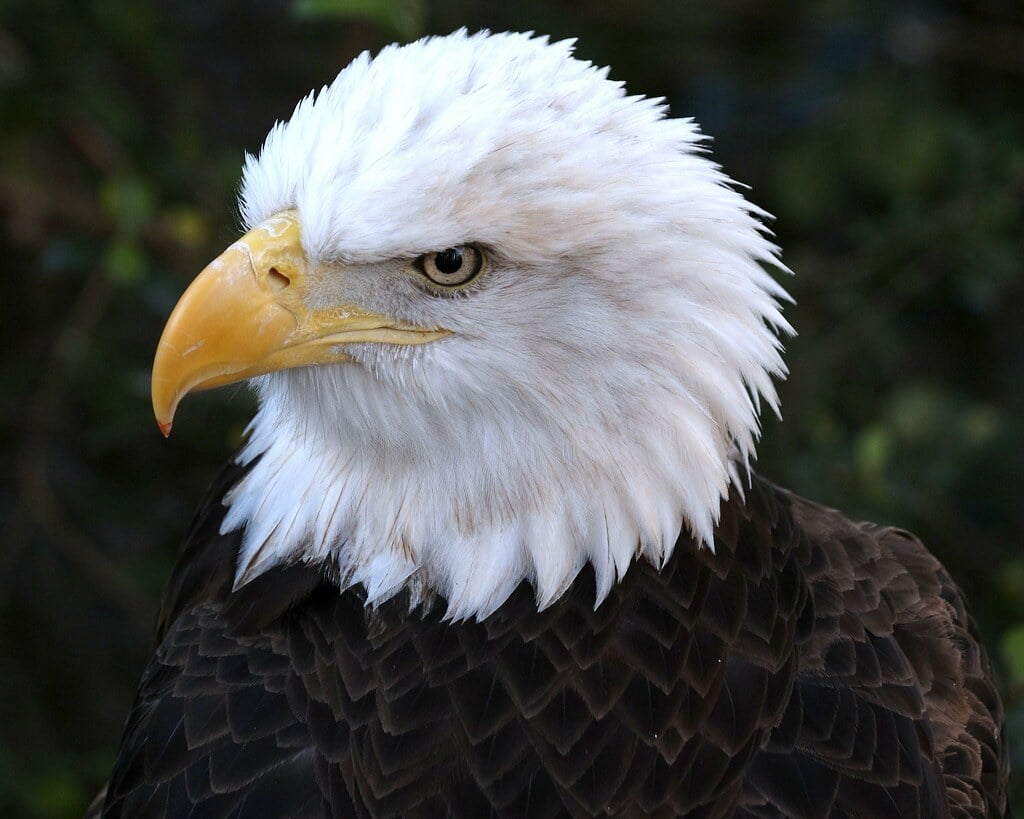
If you have ever seen a bald eagle’s nest up close, you know it feels almost unreal. These massive stick fortresses can weigh as much as a small car and sit in places that seem both exposed and perfectly chosen at the same time. It’s easy to assume eagles just slap a pile of branches into a tree and call it home, but their decisions are far from random.
Before a bald eagle commits to a nesting site, it quietly runs through a kind of instinctive checklist: height, safety, water, food, wind, human disturbance, and more. The bird might not think about it in words the way we do, but the behavior is surprisingly methodical. Once you understand what they are looking for, landscapes start to look different, and you can almost predict where an eagle might settle long before it brings in the first stick.
#1: A Strong, Reliable Foundation High Off the Ground
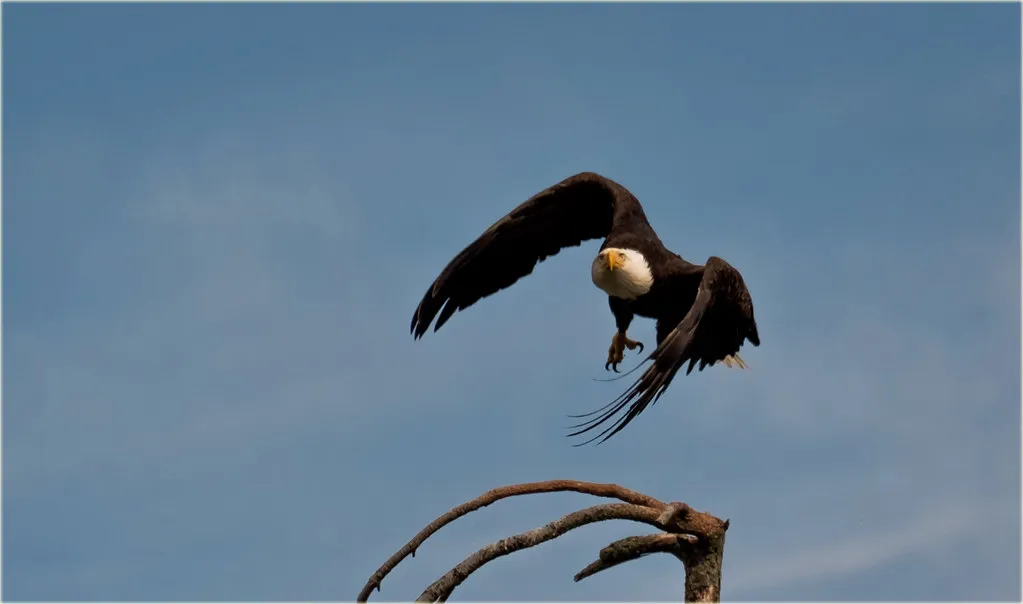
One of the first things a bald eagle “checks” is whether a site can physically hold the enormous weight of a nest year after year. They favor tall, mature trees with thick, sturdy branches that fork into a natural platform, usually well above the ground. These older trees offer something like a built-in scaffold, letting eagles weave in large sticks without the nest wobbling or collapsing over time.
Height is not just about a good view; it is a life-or-death safety feature. The higher the nest, the harder it is for ground predators like raccoons to reach eggs or chicks. From that elevation, adults can launch into flight easily, see threats at a distance, and bring in prey more efficiently. When you look up at a towering pine or cottonwood and feel your neck strain, that is often exactly the kind of spot a bald eagle has in mind.
#2: Close, Clear Access to Water and Food
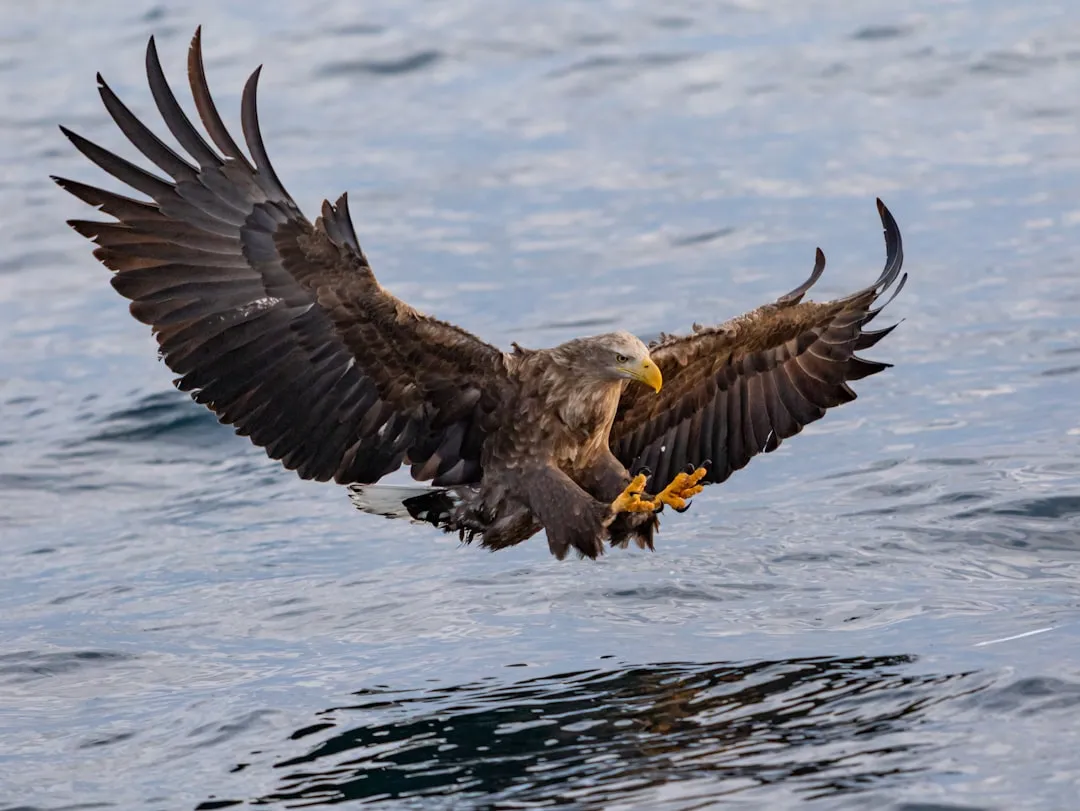
Bald eagles are strongly drawn to lakes, rivers, reservoirs, and coastal areas, and that is no coincidence. Fish make up a big part of their diet, especially during nesting season when adults need to feed rapidly growing chicks. A nest site that is within easy flying distance of a good fishing area means shorter trips, more frequent meals, and less energy burned on each hunting run.
They also seem to notice how accessible that water is from the air. Open shorelines, broad river bends, and ice-free channels are easier hunting grounds than cluttered, overgrown wetlands. A pair will often choose a nest site where they can lift off, glide a short distance, and immediately start scanning for ripples or floating fish scraps, like a built-in drive-through restaurant right below the nursery.
#3: Minimal Human Disturbance and Noise
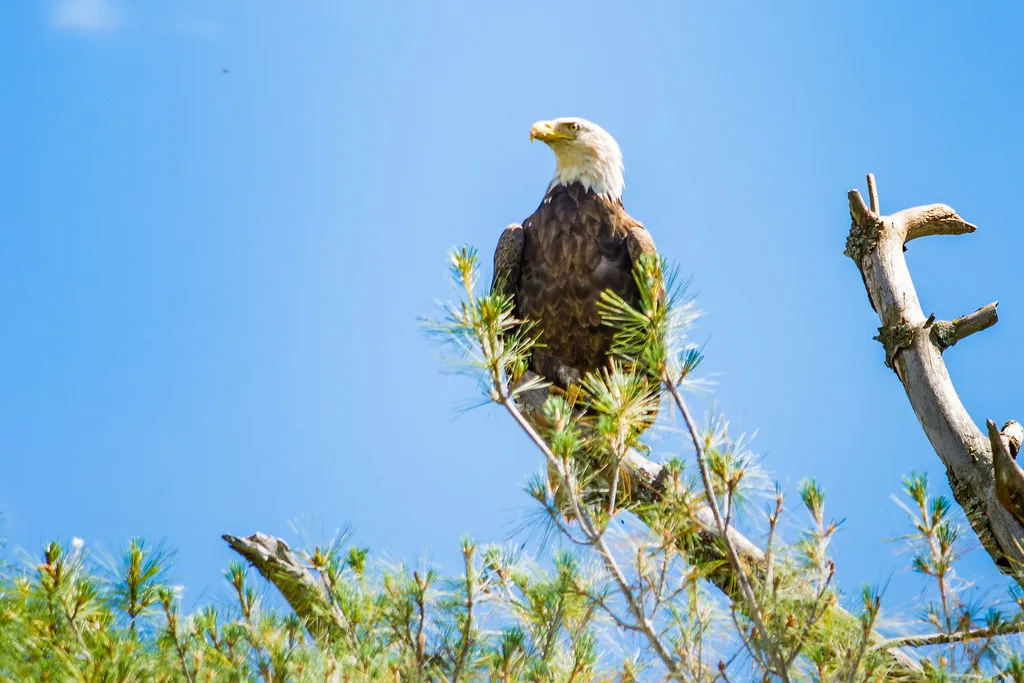
Despite their bold, regal image, bald eagles can be surprisingly sensitive to human activity near their nests. They tend to avoid loud, unpredictable disturbances like constant boat traffic, construction noise, or heavy use trails directly below potential nest trees. Repeated flushing from the nest can lead to failed breeding attempts, so eagles benefit from choosing spots where people are more of a distant background than a daily disruption.
That said, they are not completely shy of humans, and that is where things get interesting. In some areas, bald eagles now nest near roads, marinas, or even within view of houses, as long as the disturbance is relatively steady and predictable. What they seem to notice most is the pattern: a quiet road or a small neighborhood can be acceptable, while a constantly changing worksite with cranes, bangs, and shouting can be enough to push them to look elsewhere.
#4: A Wide, Commanding Field of View
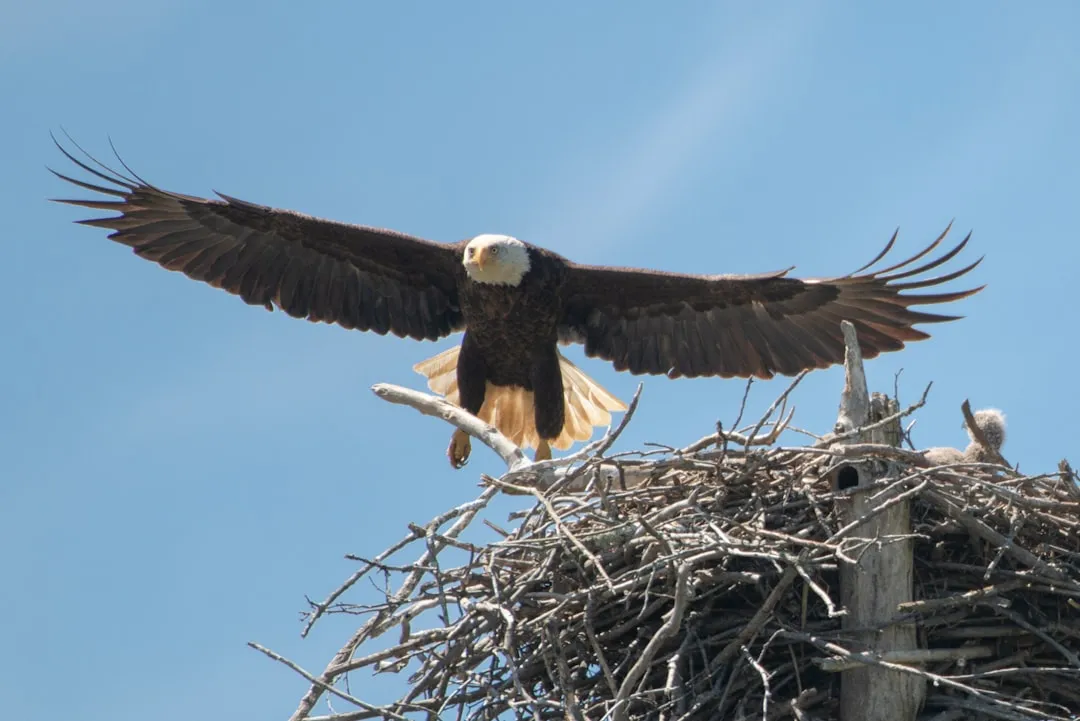
Eagles are visual specialists, so a nest site that offers a sweeping view of the surrounding landscape is a big advantage. From a high perch with few obstructions, an adult can monitor approaching threats, track other eagles and predators, and keep an eye on feeding areas. This is especially important during incubation and chick-rearing, when one bird often stays near the nest while the other hunts.
Look at a typical eagle nest tree and you will often notice it stands a bit apart from the densest clusters of vegetation or extends above the surrounding canopy. That slight isolation gives the nesting pair a near-360-degree panorama, almost like living in a watchtower. In a way, eagles are picking the penthouse apartment with the best view in the entire forest, because that view can literally keep their young alive.
#5: Protection From Wind, Weather, and Harsh Exposure
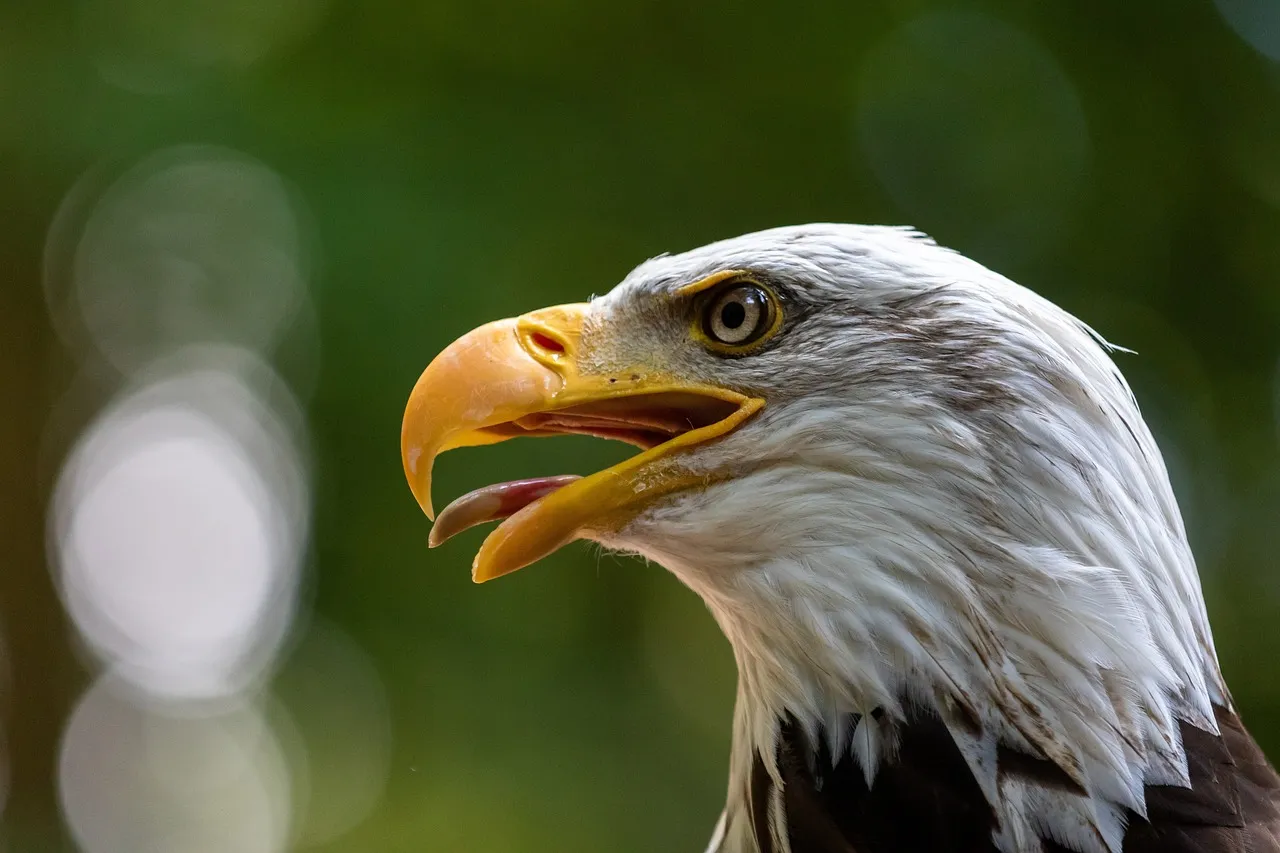
A giant nest on a high tree sounds like an easy target for storms, and sometimes it is. Bald eagles seem to compensate by selecting sites where surrounding trees or landforms offer at least some buffer from the worst wind. Even in relatively exposed spots, they often choose branches that are slightly sheltered by the trunk or supported in a way that reduces swaying during strong gusts.
They also appear to notice how the nest will face sun and weather through the nesting season. In colder climates, some sites may get a bit more winter sun and be shielded from icy prevailing winds. In hotter regions, partial shade and airflow can help keep chicks from overheating. They are not meteorologists, but over countless generations, nest placement has been shaped by what actually survives repeated storms and seasons.
#6: Space and Structure for a Massive, Expanding Nest
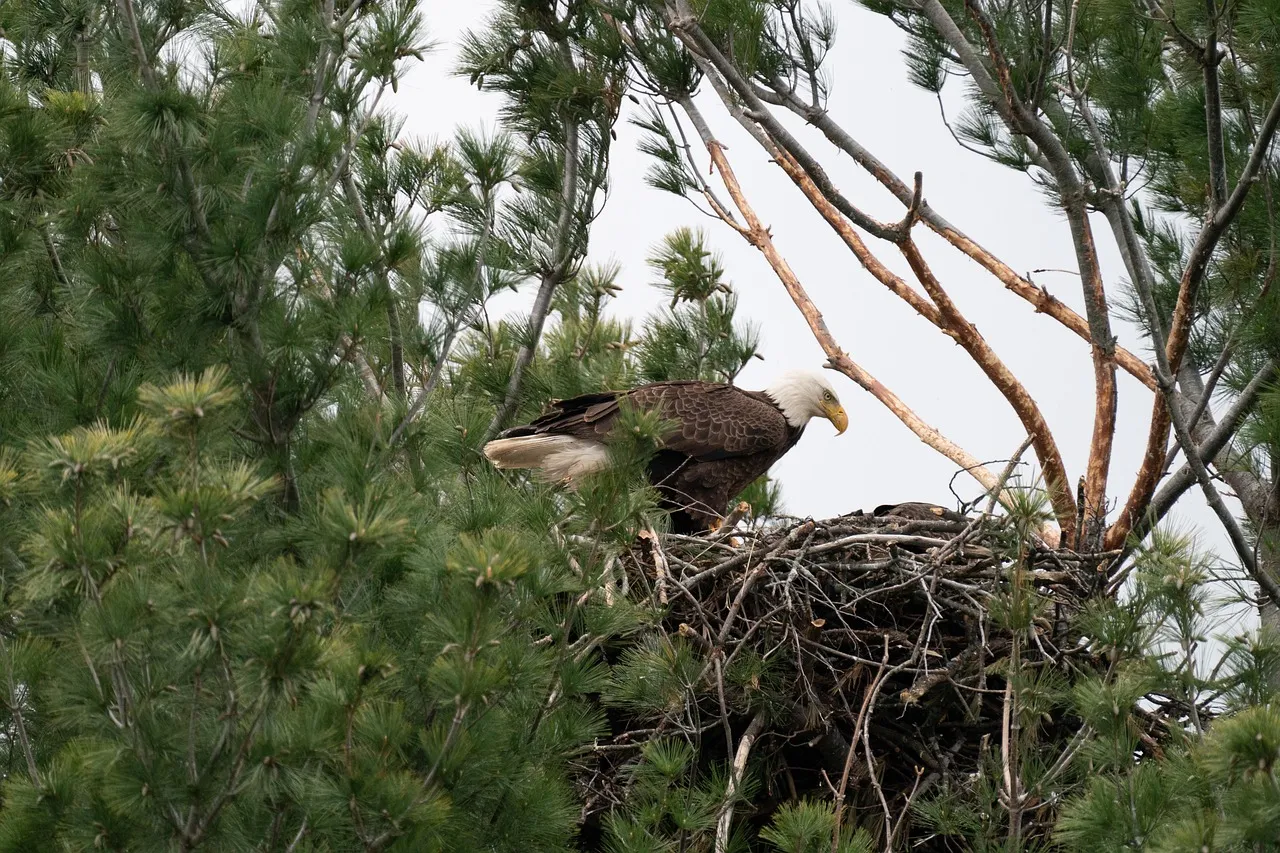
Bald eagle nests are not one-season projects; they are long-term construction sites that can grow thicker and wider year after year. When an eagle pair scopes out a location, they are effectively choosing both a present-day platform and future real estate. A tight cluster of small branches might work for a one-time nest, but a broad fork in a large trunk gives them room to expand and reinforce the structure over many breeding seasons.
This need for growth room also affects how close they build to other large branches or obstacles. They seem to favor spots where they can keep adding sticks outward and upward without quickly running into major limitations. Over time, that nest becomes a huge, layered bowl of sticks, grass, and softer materials, turning a simple branch junction into a multi-story family home that can be used and modified for years.
#7: Safe Distance From Rival Eagles and Other Predators
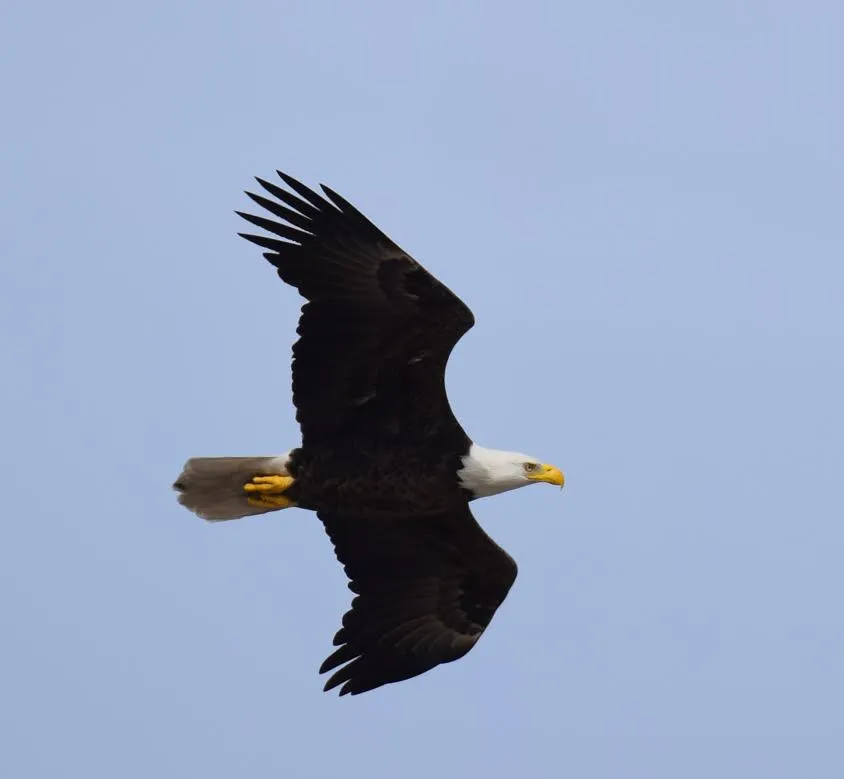
Bald eagles are territorial, especially around nest sites, and they pay attention to where other pairs are already established. A nest too close to another active territory can lead to constant aerial skirmishes, stress, and even injuries. By choosing a spot with a bit of breathing room, a pair reduces the daily energy cost of defending their home, leaving more time for hunting and chick care.
They also seem to factor in broader predator risks. Areas with heavy populations of nest-raiding mammals or large, aggressive birds can be less attractive unless the structural defenses of the chosen tree are exceptional. In practice, that means an eagle might ignore a seemingly good tree if it sits in a pocket of habitat where intruders can reach the nest more easily, and instead pick a more remote or awkwardly placed tree that offers a safer buffer zone.
#8: Stable Surroundings That Promise Long-Term Use
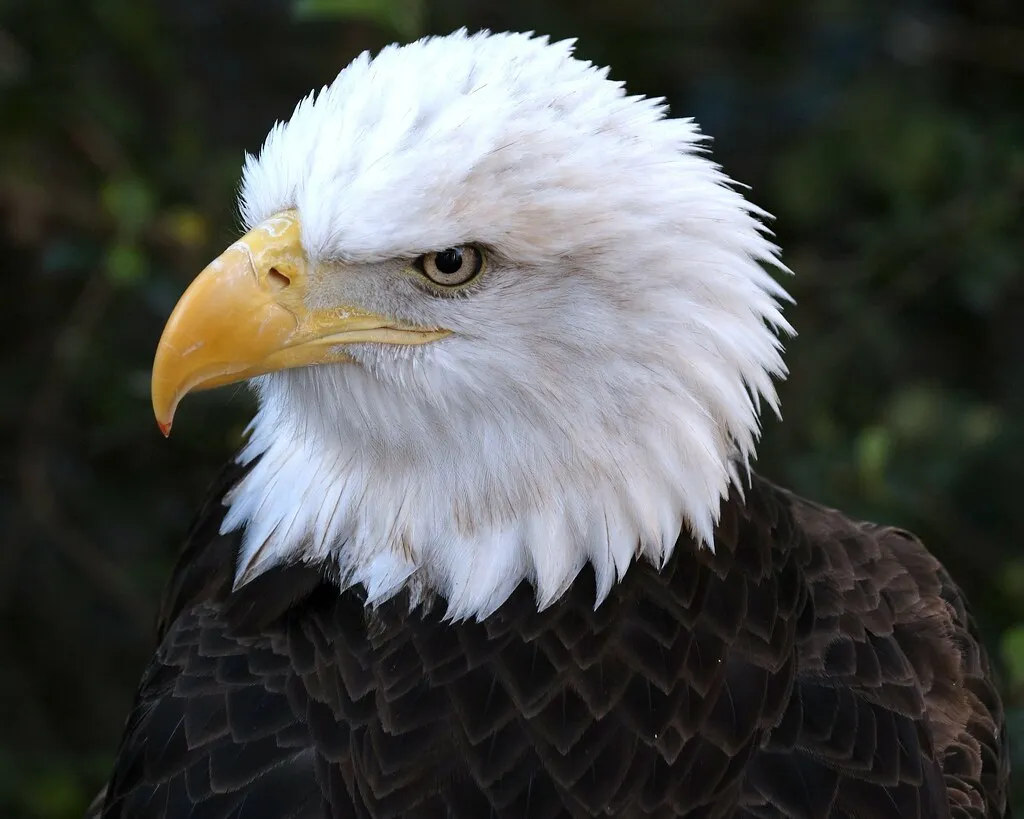
The final piece of the puzzle is long-term stability. A nest is an investment, and bald eagles often reuse and add to the same nest for many years. They are more likely to commit to sites where the surrounding habitat feels consistent: a water body that does not dry up seasonally, a forest that is not being heavily logged, or a shoreline not constantly reshaped by development. Stability means predictability, and predictability makes raising young less risky.
From a human perspective, this is where our choices matter most. When we protect large trees, maintain buffers along shorelines, and limit disruptive activity near known territories, we help create exactly the kind of reliable environment eagles are “looking” for. In my view, that is part of why we are seeing bald eagles return to more regions: we finally started giving them landscapes where a nest can last, not just for one season, but for a generation.
Conclusion: Eagles Choose With Instinct, We Decide What They Find
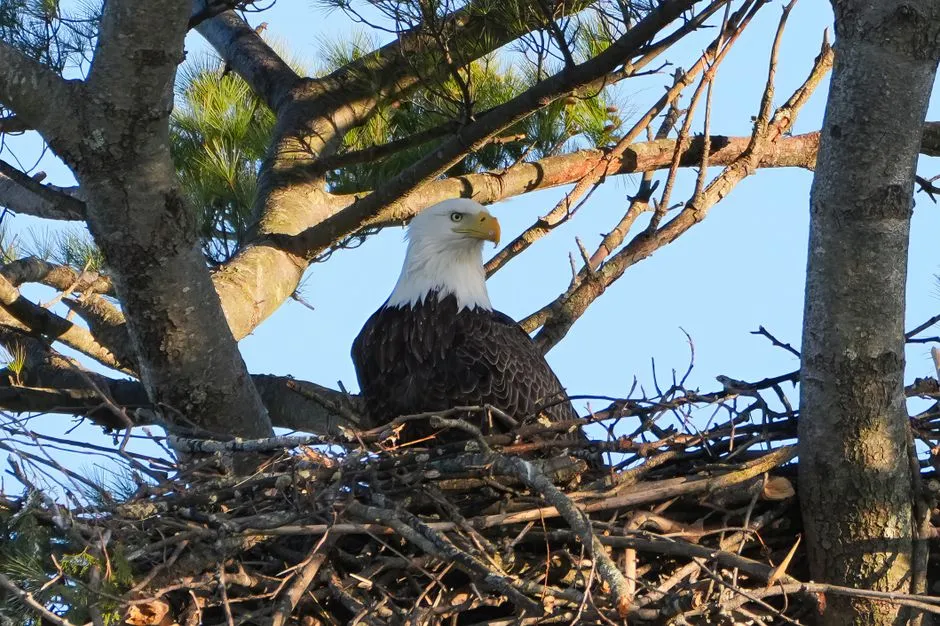
Once you see how deliberate a bald eagle’s nesting choices really are, it becomes hard to call them mere birds on a branch. They are reading the landscape with a kind of inherited wisdom: weighing height against shelter, food against disturbance, view against exposure, and short-term opportunity against long-term security. The nest you spot from a highway or a lakeshore is not an accident; it is the end result of a checklist refined over countless successful and failed attempts across generations.
Personally, I find it humbling that these birds are effectively grading the habitats we create, accepting some places and quietly rejecting others. Every abandoned tree line, every quiet cove, every preserved old-growth giant is a potential green light in an eagle’s search for a home. If they keep coming back and building bigger nests, it is a sign we are getting something right. The real question is: when a bald eagle scans your local landscape, would it see a place worth nesting in, or a place to fly past?

- 12 Cat Breeds That Are Night Owls and Keep Owners Awake at 2 A.M. - July 28, 2026
- 13 Tender Signs a Horse Is Grieving a Rider It Lost - July 28, 2026
- The Hidden Dangers of Leaving Your Dog Unsupervised in the Yard - July 28, 2026