
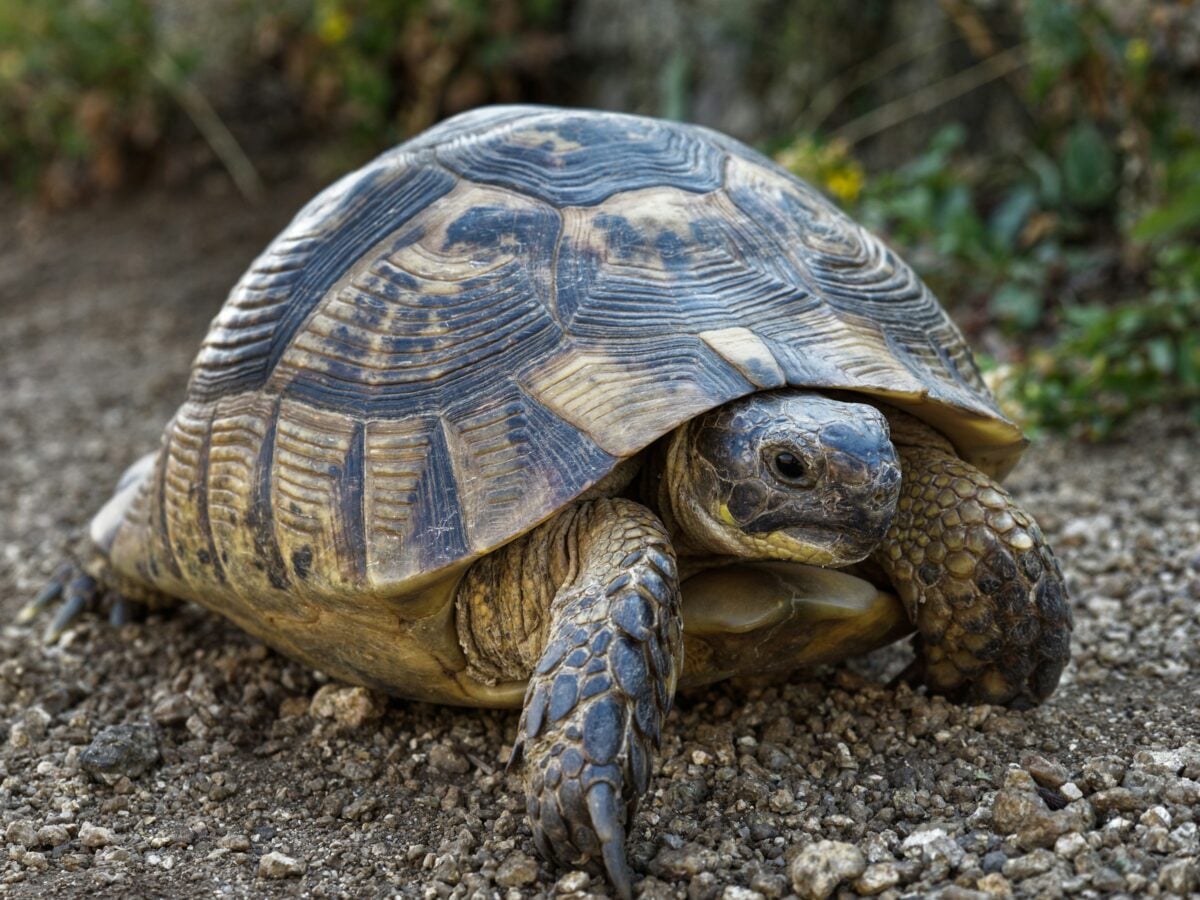
Picture a summer hike in 2050 where the woods are quiet, the sky feels oddly empty, and the animals you grew up seeing in storybooks exist mostly in old photos and dusty museum displays. That sounds dramatic, but for several species in the United States, this is not some distant sci‑fi warning – it is a very real possibility if we do not get serious about protecting habitats and cutting the pressures we are putting on them.
Some of the animals on this list are already famous for being in trouble; others might surprise you because they still feel “common enough.” But that is how extinction creeps up on us: slowly, then all at once. Let’s walk through ten US animals that could slip out of the wild by mid‑century if we do not change course – and why they are worth fighting for.
1. Florida Panther: A Ghost of the Swamps
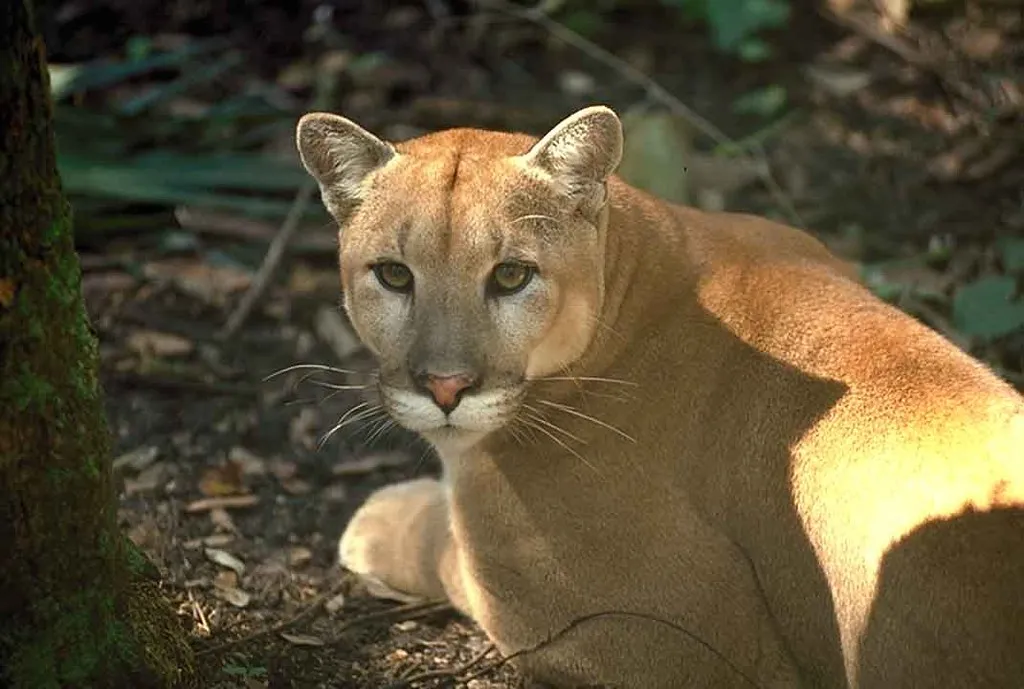
The Florida panther is already clinging to survival with a wild population that likely fits into a single small town, mostly in south Florida. These big cats have been boxed in by highways, suburbs, and sprawling developments that slice their habitat into disconnected patches, making it harder for them to find mates and safe territory. Many are killed by vehicle strikes each year, a brutal reminder that our road maps often matter more than theirs.
Without stronger land protections and serious wildlife crossings, the Florida panther risks becoming a ghost story by 2050. Climate change adds another punch, with rising seas and stronger storms threatening low‑lying habitats in the Everglades and nearby areas. When one species needs such huge ranges to thrive, every lost acre of forest or wetland pushes it a little closer to disappearing from the wild completely.
2. North Atlantic Right Whale: The Giant on a Collision Course
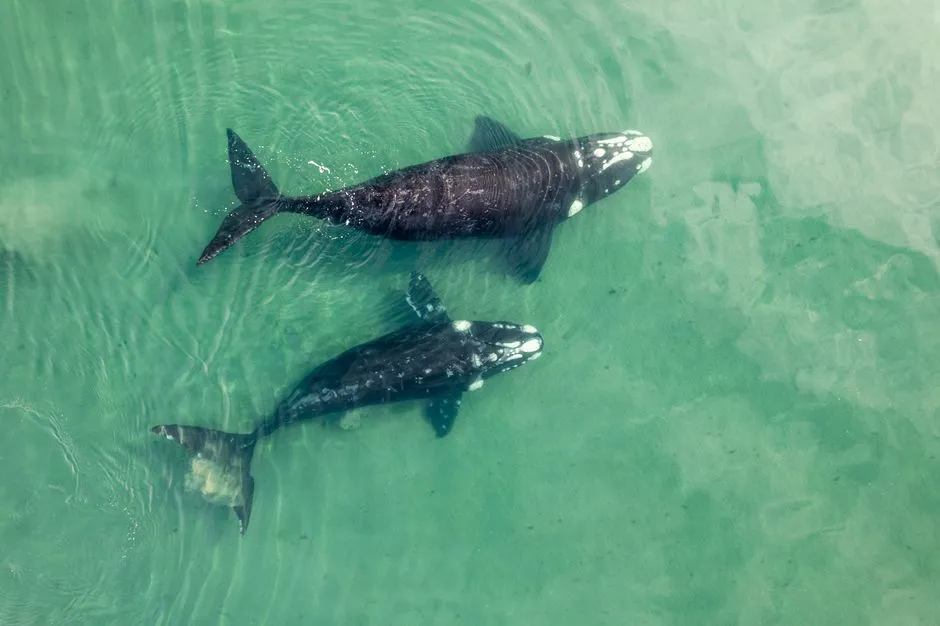
It is almost surreal that one of the largest animals on Earth could vanish from our coasts in a single human lifetime. North Atlantic right whales migrate along the eastern seaboard of the United States, and modern life has turned that route into an obstacle course of ship strikes and fishing gear entanglement. These whales reproduce slowly, and losing even a few individuals each year is enough to push the species toward a cliff edge.
By 2050, we could be talking about right whales the way we talk about mammoths – huge, awe‑inspiring, and gone – unless protections get stricter and more consistently enforced. Slower ship speeds, rerouted shipping lanes, and fishing gear that reduces entanglement risks are all on the table, but they only work if governments and industries decide this species is worth the inconvenience. If we do not, future kids might only “see” right whales in digital recreations instead of wild oceans.
3. Monarch Butterfly: The Iconic Migrant on the Edge
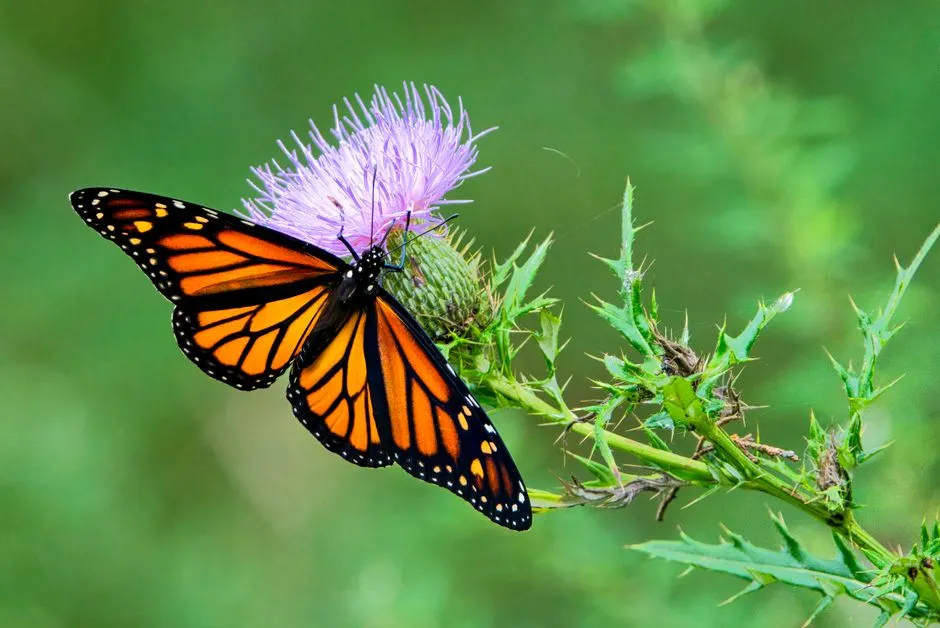
The monarch butterfly feels so familiar that it is hard to imagine it vanishing from US backyards and fields. Its orange‑and‑black wings are basically a symbol of migration itself, yet both the eastern and western North American populations have dropped dramatically over the past few decades. Habitat loss, pesticide use, and the decline of milkweed – the only plant monarch caterpillars can eat – have all hammered their numbers.
Without more pollinator‑friendly landscapes, the wild monarch migration we marvel at each year could shrink into a scattered, fragile remnant by 2050. The scary part is that this is not just about one pretty butterfly; monarchs are a visible sign of how we treat grasslands, farms, and roadside habitats in general. If we cannot save a species that literally wants to visit our gardens, what does that say about the creatures with no charismatic wings and no fan club?
4. Loggerhead Sea Turtle: Ancient Mariners in a Hotter World
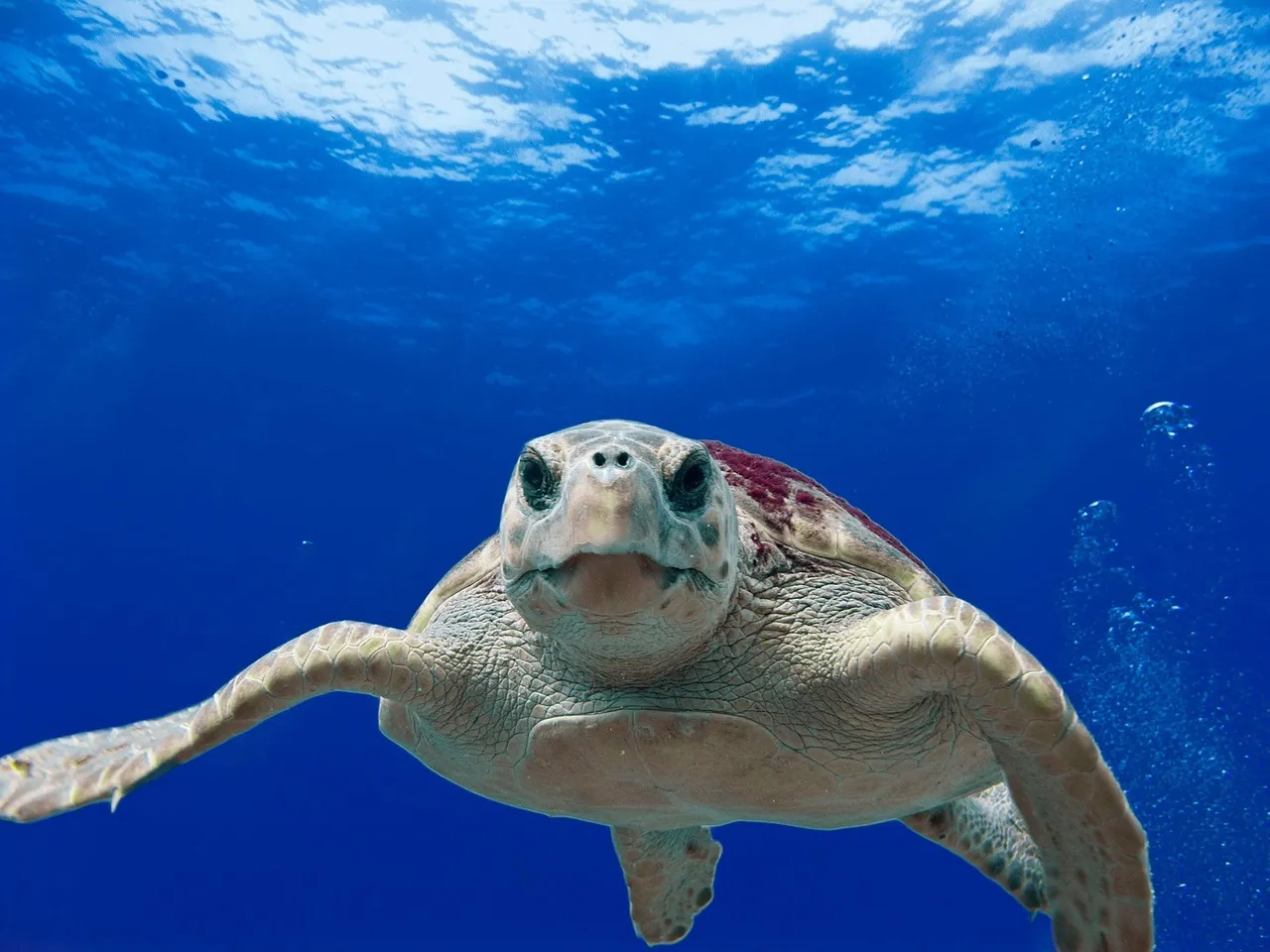
Loggerhead sea turtles have been nesting on US beaches for millennia, long before there was a United States to speak of. They face a gauntlet of threats: beachfront development that eats up nesting sand, bright artificial lights that confuse hatchlings, fishing gear that accidentally drowns them, and warming oceans that alter their food sources. On top of that, rising sand temperatures can skew the sex ratio of hatchlings because turtle sex is influenced by incubation heat.
If current trends continue, by 2050 many US loggerhead nesting sites could be heavily diminished or functionally lost. We may still have sea turtles in human care and in a few scattered strongholds, but the broad, wild nesting events people love to see could be rare memories. Strengthening coastal protections, redesigning fishing gear, and managing light pollution are all doable steps, yet they demand that we value long‑lived, slow‑breeding animals over short‑term beachfront profits.
5. Red Wolf: America’s Most Endangered Wild Canid
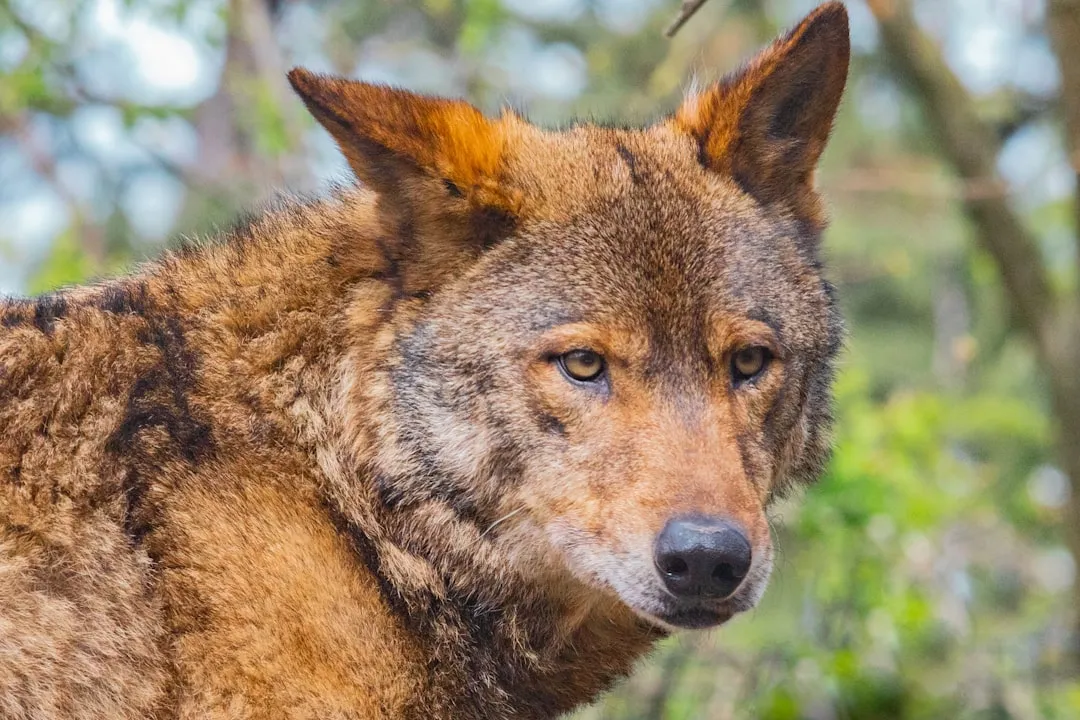
The red wolf once roamed large swaths of the southeastern United States, but habitat loss, hunting, and interbreeding with coyotes shrank it down to one of the rarest wild canids on the planet. Today, only a small number live in the wild, mostly in North Carolina, with more in captive breeding programs. This is a species that has been brought back from functional extinction once already, only to slide back toward the edge because protections softened and local tolerance waned.
By 2050, without strong commitments to reintroduction and coexistence, red wolves may survive only in zoos and captive facilities. To me, that is a chilling thought: an entire native wolf species reduced to carefully managed enclosures instead of wild territories. Whether red wolves remain in the wild will say a lot about how we handle conflict between people and predators, and whether we see carnivores as nuisances or essential pieces of living ecosystems.
6. Polar Bear (US Arctic Populations): Living on Thinning Ice
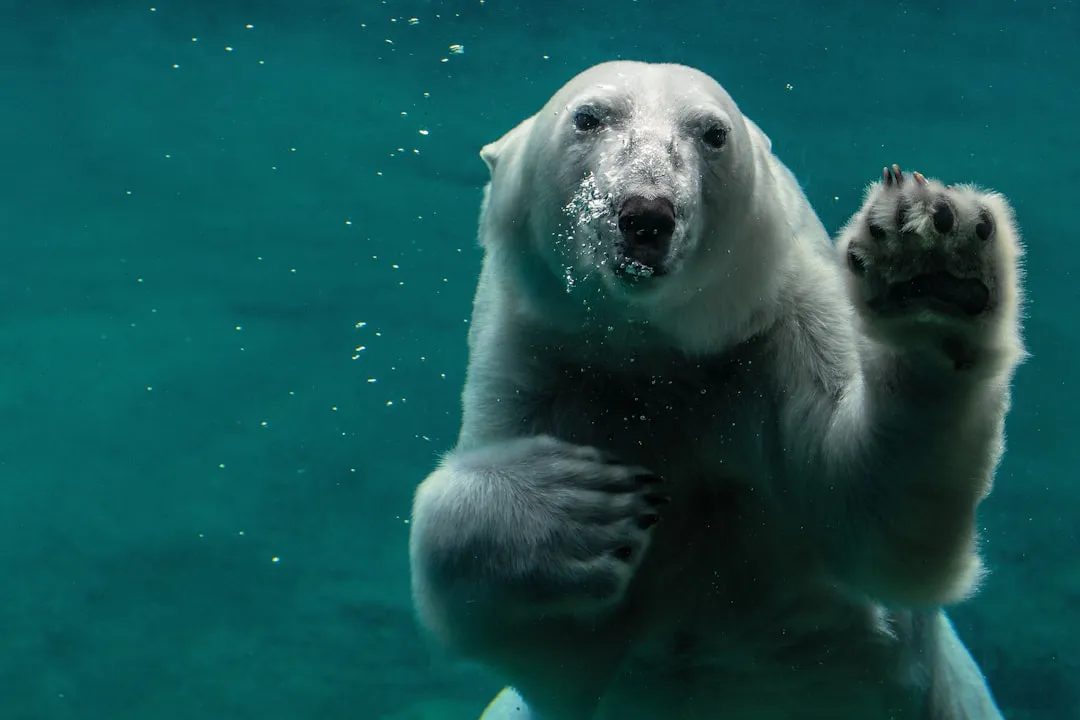
Polar bears might feel like a distant, Arctic story, but US populations in Alaska are directly tied to decisions made far from the ice. Their lives are built around sea ice – they use it to hunt seals, travel, and raise young. As warming temperatures shrink and thin that ice, polar bears are forced to swim longer distances, spend more time on land with less food, and burn through their fat reserves.
By 2050, some US polar bear subpopulations could be severely reduced or functionally gone from parts of their historic range if greenhouse gas emissions are not cut more sharply. This is one of those species where “stronger protection” is inseparable from climate policy; no amount of local regulations can save an animal whose entire platform is melting from under its paws. Future generations may know polar bears largely as symbols in climate reports instead of wild beings occupying real, frozen coastlines.
7. Whooping Crane: A Fragile Dance Between Wetlands and People
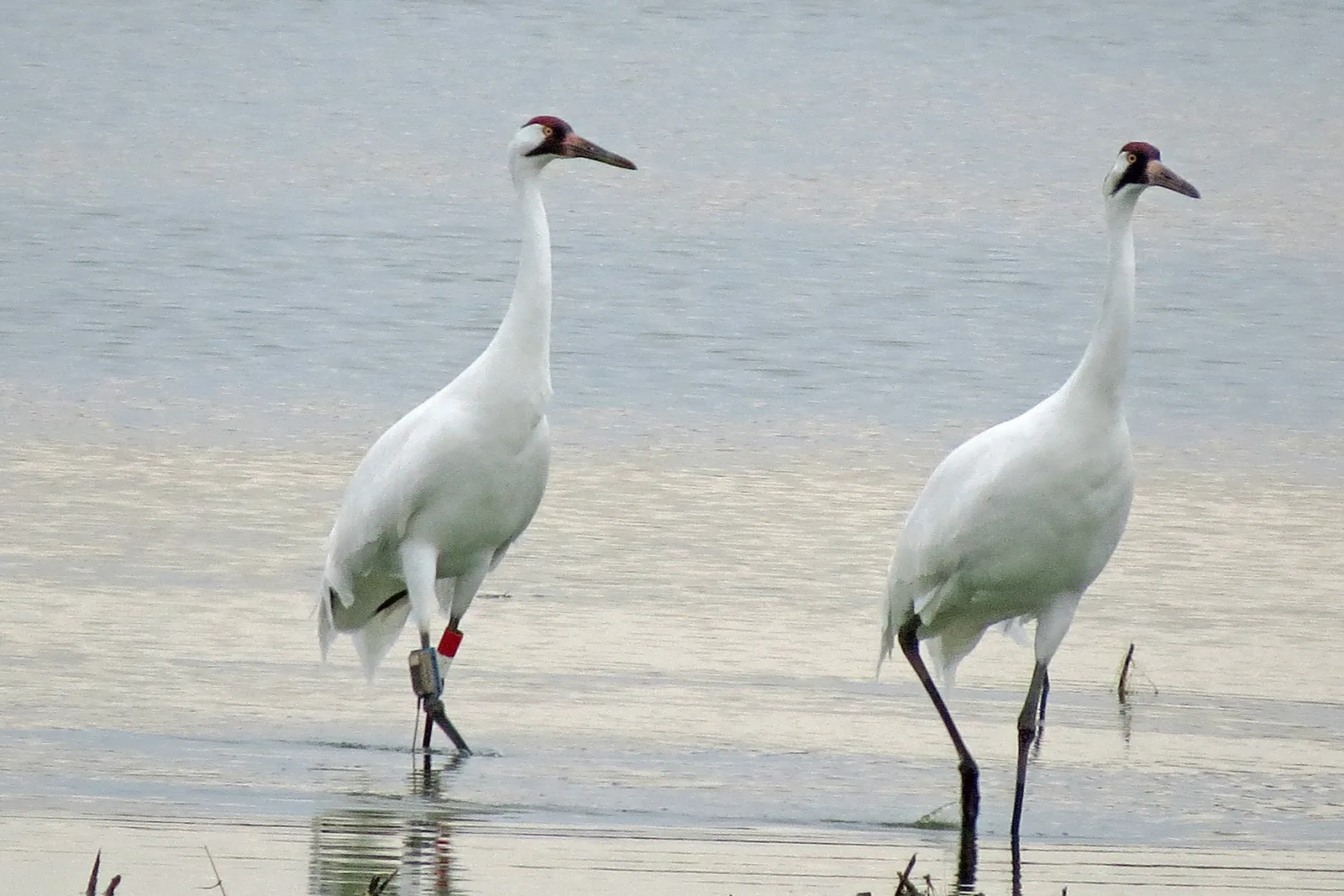
The whooping crane is a conservation comeback story that is still painfully fragile. From a shockingly low number in the twentieth century, intensive efforts have built up small, slowly growing populations that migrate through and winter in parts of the United States. But the bird’s survival remains tied to a shaky balance of protected wetlands, careful management, and public tolerance along its migratory corridors.
By 2050, without ongoing protection of wetlands from development, pollution, and water diversion, this tall, elegant bird could slip back toward the brink. A few bad years of drought, disease, or habitat loss in key areas could erase decades of progress. It is a reminder that conservation success is not a one‑time victory; it is more like keeping a delicate dance going in a crowded room full of moving chairs, competing priorities, and noisy distractions.
8. Hawaiian Monk Seal: Island Survivor Facing Rising Seas
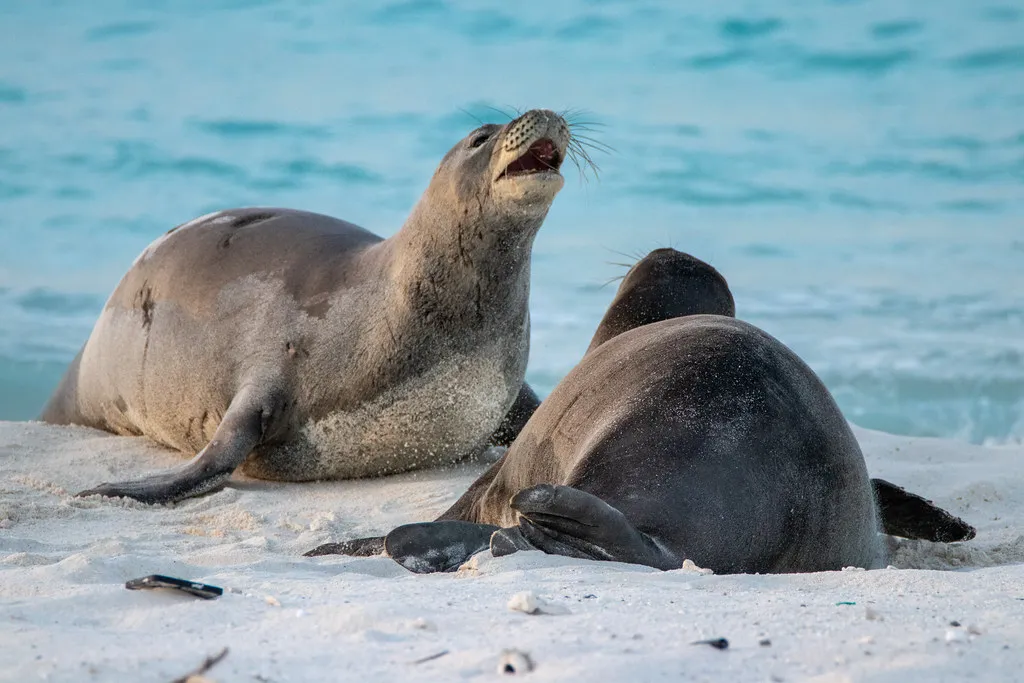
The Hawaiian monk seal is one of the only seal species that lives entirely in tropical waters, and it is also one of the rarest. Found only in Hawaii, it faces a mix of threats most mainland animals never encounter all at once: shrinking beaches from sea level rise, entanglement in marine debris and fishing gear, disease outbreaks, and conflicts with people over fishing spots. For an animal that needs quiet, safe places to rest and nurse pups, every lost stretch of sand matters.
By mid‑century, if sea levels continue to rise and human pressures are not eased, some of the monk seal’s key haul‑out and pupping areas could be damaged or gone. Conservation programs have helped, but they are racing both time and tide. It is not hard to imagine a future where the only monk seals most people ever see are rescue cases in rehabilitation centers, rather than wild animals hauling out on remote, sun‑bleached beaches.
9. Desert Tortoise: A Slow Lifer in a Fast‑Changing Desert
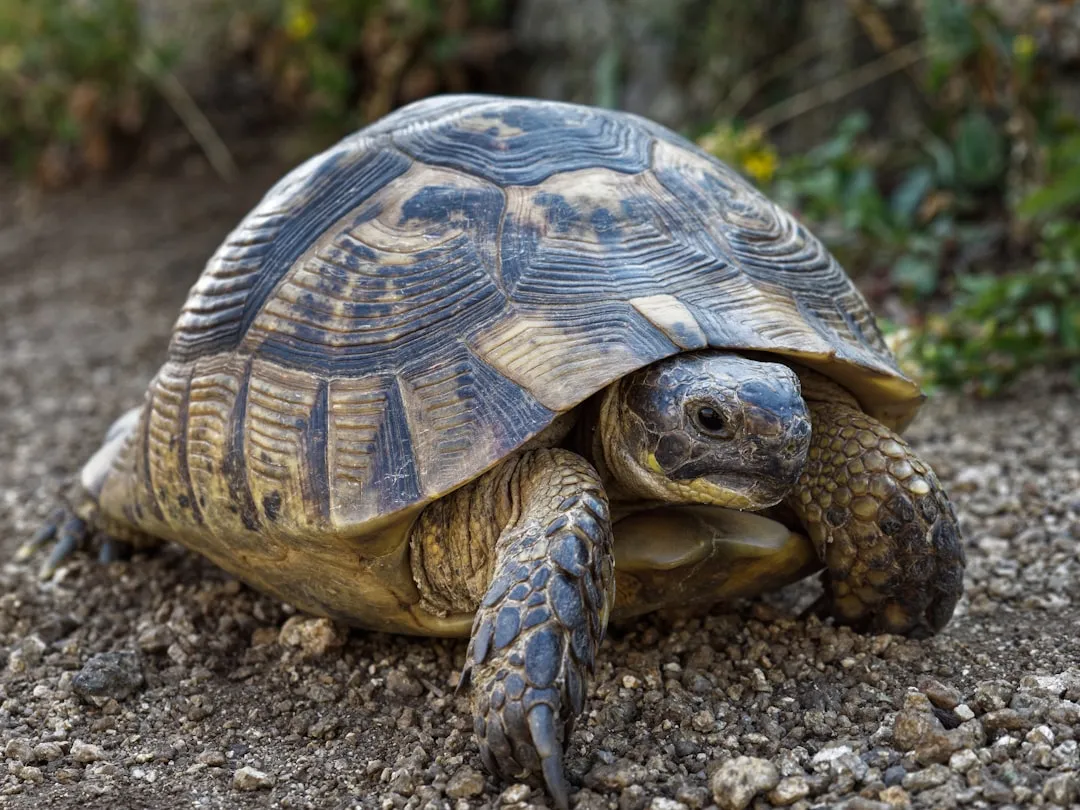
The desert tortoise, found in the Mojave and Sonoran deserts of the southwestern United States, lives life in slow motion. Individuals can survive for many decades, spending much of their time in burrows to escape extreme heat. Urban sprawl, massive solar installations, off‑road recreation, and invasive grasses that fuel hotter wildfires are transforming their landscape faster than this slow‑breeding reptile can adapt.
By 2050, some local desert tortoise populations could be gone or fragmented into isolated pockets that are too small and scattered to remain viable. Once that happens, even well‑meaning rescue and relocation efforts can struggle to keep a functioning wild population going. It is a strange kind of irony: in our rush to build a cleaner energy future and new desert communities, we risk erasing one of the region’s oldest, toughest survivors unless we plan more carefully.
10. Southern Resident Killer Whales: Culture on the Brink
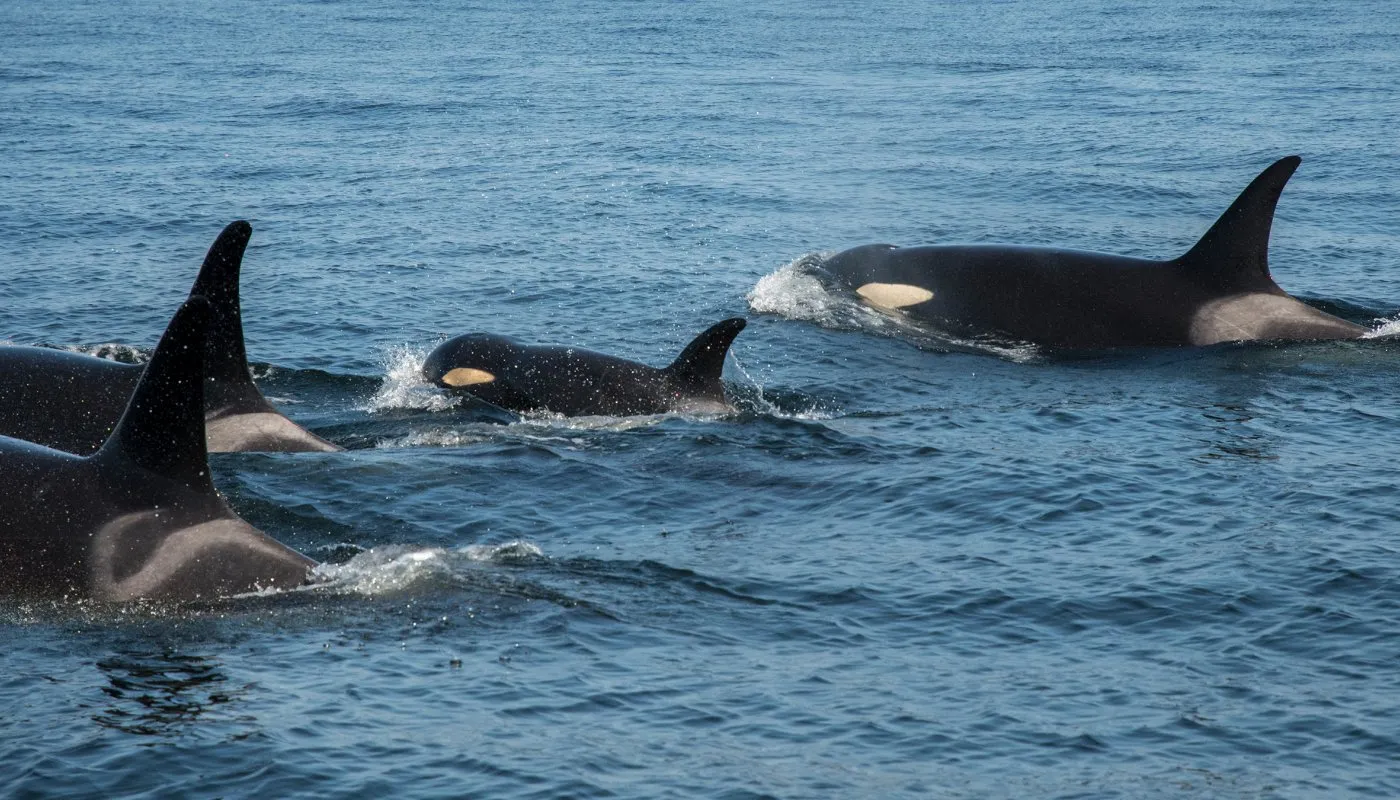
The Southern Resident killer whales that live mostly in the Pacific Northwest and occasionally range along the US West Coast are more than just another marine mammal group. They have distinct calls, hunting traditions, and family structures that scientists recognize as a unique cultural population. Their biggest problems are a decline in their primary prey – Chinook salmon – along with underwater noise and pollution that disrupt their ability to hunt and communicate.
By 2050, if salmon runs continue to weaken and noise and toxins are not reduced, this small, tightly knit population could fade from US waters. That would not just be the loss of individual animals; it would be the disappearance of a culture that has existed for countless generations in these coastal ecosystems. In my view, letting them slip away would be a sign that we are willing to accept quieter, emptier seas in exchange for convenience, rather than doing the hard work of restoring rivers and rethinking how we use ocean space.
Conclusion: Choosing What We Want Our Wild Future to Look Like
Looking at this list, what hits me hardest is that none of these animals are doomed by biology; they are mostly threatened by our choices. Habitat destruction, climate change, pollution, and overuse of land and sea are not random accidents – they are policy decisions, investment decisions, and cultural habits. By 2050, we will either have doubled down on the idea that wild animals and wild places are non‑negotiable parts of a healthy country, or we will be the generation that quietly let them slip away.
Stronger protection is not just about more laws on paper; it is about acting like these species matter as much as new highways, beachfront hotels, and short‑term economic gains. We have enough science to know what needs to happen – protect key habitats, cut emissions, reduce bycatch and collisions, and give these animals room and time to recover. The real question is whether we are willing to live with slightly less convenience so future kids can live in a world where Florida panthers still prowl, monarchs still migrate, and whales still surface off our coasts. When you imagine the American outdoors in 2050, which version would you rather hand down?

- 8 Ways Prairie Restoration Is Bringing Native Animals Back - July 27, 2026
- 7 Reasons Black Bears Are Returning to Missouri - July 27, 2026
- 7 Species Returning to States Where They Disappeared Generations Ago - July 27, 2026