

You know that eerie moment when your cat suddenly freezes, ears twitching, eyes huge, staring at absolutely nothing? The room is quiet to you, but to them it’s like someone just cranked the volume. That tiny pause, that slow head turn, the sudden sprint down the hallway for no visible reason – it can feel almost supernatural, like they’re tuned into a secret radio station you’ll never hear.
Cats can detect much higher frequencies than humans, and they’re wired to react to the faintest rustle, buzz, or squeak. What looks like weird, dramatic behavior is actually a finely tuned survival system in action. Let’s walk through the surprisingly specific things cats do when they hear sounds you cannot detect – and what those mysterious reactions are really telling you.
1. The Sudden Freeze-And-Scan Moment

One second your cat is grooming or napping, and the next they’re statue-still, whiskers forward, body tense, eyes locked on some invisible point. That freeze is not random drama; it’s your cat’s brain switching from chill mode to full-on threat assessment in a heartbeat. They’re taking a mental snapshot of the environment to pinpoint exactly where that tiny sound came from.
In the wild, that split-second pause could mean the difference between catching a mouse or becoming a meal. Even in your living room, their instincts do not care that the “predator” is probably just a loose vent or a squeaky pipe. When you see that freeze-and-scan, what you are really witnessing is millions of years of feline evolution booting up, just because something barely audible crackled three rooms away.
2. Hyper-Focused Ear Twitches and Rotations
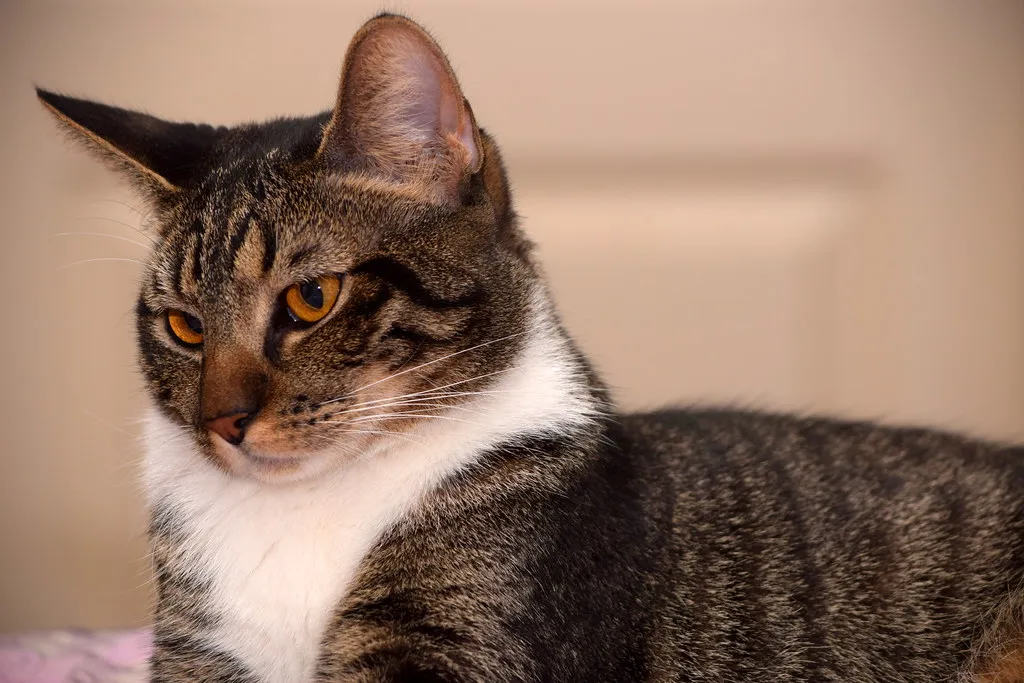
If you watch closely, you’ll notice your cat’s ears seem to move almost independently, like tiny satellite dishes trying to lock onto a signal. Cats can rotate their ears far more than humans can move ours, and they use dozens of small muscles to finely adjust the angle. When they hear a noise you cannot, their first response is often micro-twitches and slow ear rotations rather than big dramatic moves.
This is your cat triangulating. By shifting each ear slightly, they can figure out both the direction and the approximate distance of the sound source with surprising precision. It might be a bug in the wall, a faint squeak from outside, or the hum of a device changing pitch. To you it is silence, but to them it is coordinates, and their ears are doing tiny, highly technical calculations in real time.
3. The Slow, Stalking Head Turn
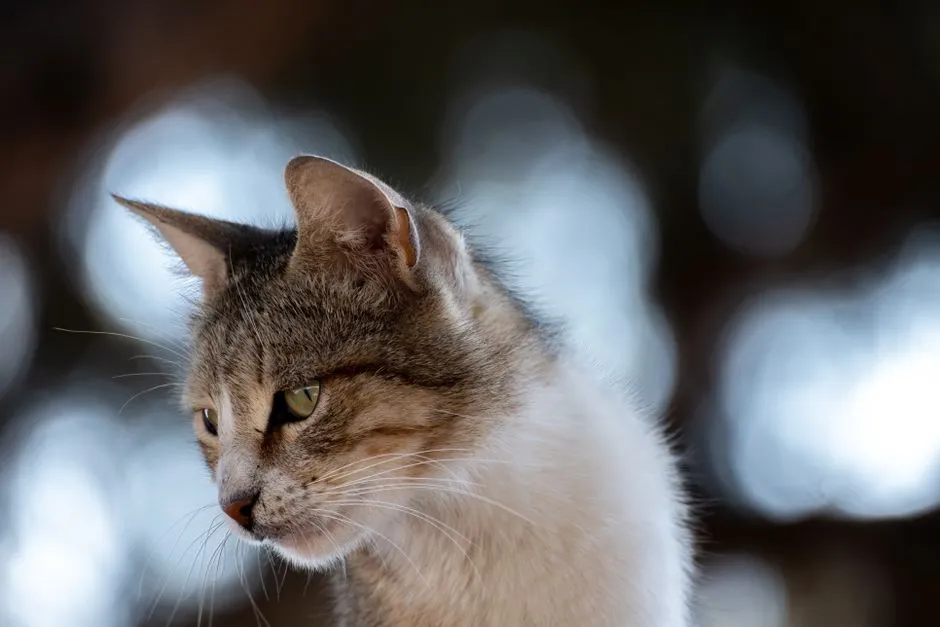
There is something almost unsettling about the way a cat will slowly turn its head toward nothing you can see. No jump, no flinch – just a careful, measured rotation like they are watching something move across the room in slow motion. That is them following an invisible sound trail, mapping where they think the source is going or shifting.
The head turn is usually paired with narrowed eyes and a slightly forward-leaning body, like they are halfway between curiosity and suspicion. They are not only hearing a sound; they are building a story about it: What is it? Is it prey, threat, or just background noise? That calm, eerie tracking is basically their version of investigative journalism, only with better hearing and worse bedside manner.
4. The Sudden Sprint or Pounce Toward “Nothing”
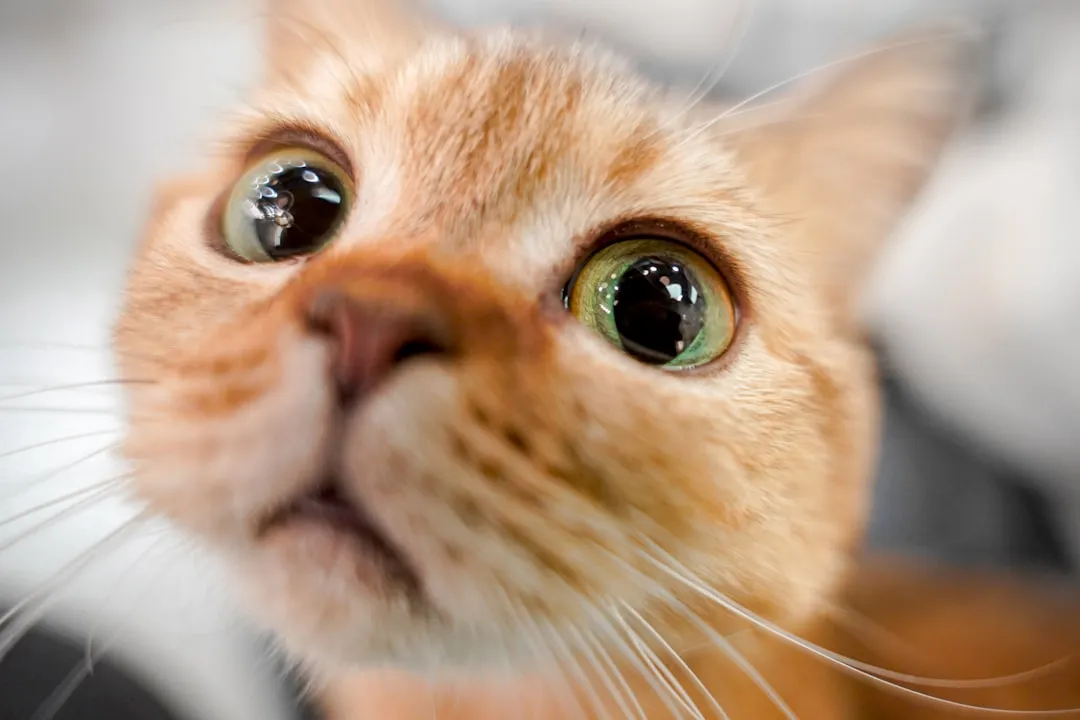
Every cat owner has watched their cat explode off the couch and chase down an empty hallway like they just saw a ghost. In reality, they probably heard something move behind the drywall, under the floor, in the heating system, or outside the window. To them, that faint scuttle or high-pitched squeak is as loud and urgent as someone knocking on your front door.
Sometimes that sprint ends in a full-on pounce at a corner, vent, wall, or random patch of floor. It looks ridiculous because you see nothing there. But in your cat’s mind, this is hunting practice – or the real thing. They are treating that tiny sound as a target, rehearsing the skills they would need to catch dinner in the wild. When they proudly walk away afterward like they saved the house from imminent doom, they kind of believe they did.
5. The Creepy Stare at Walls, Corners, and Ceilings
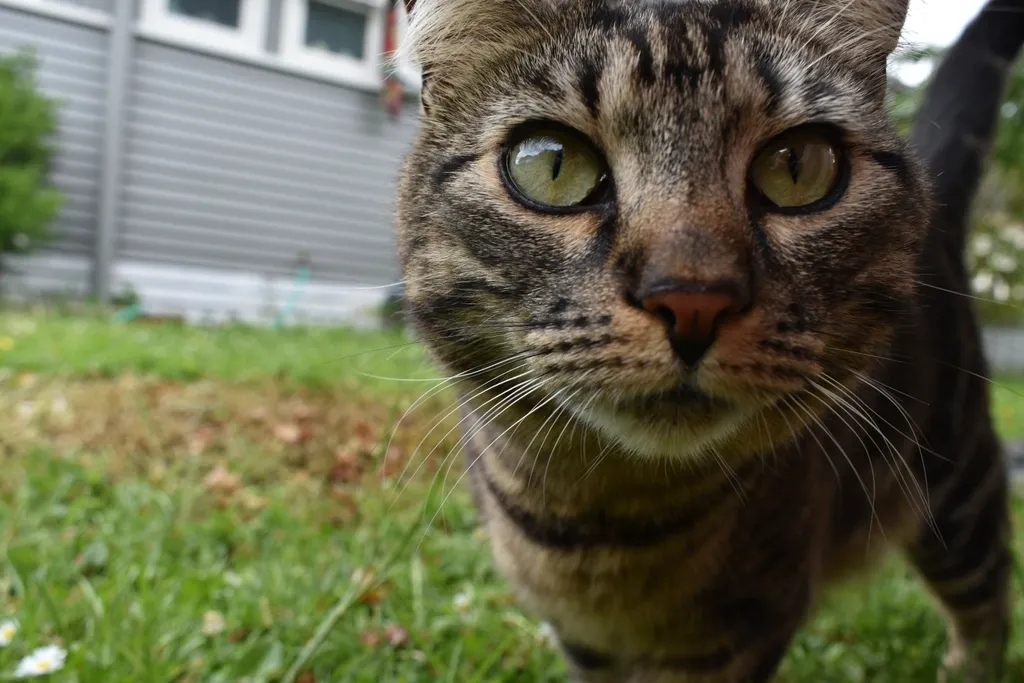
Few things are more unnerving than your cat staring intensely at a bare wall or dark corner, eyes huge, completely zoned in. This is classic behavior when they hear something traveling through pipes, wires, or air vents that you simply cannot pick up. Rodents in the walls, insects buzzing in a light fixture, even plumbing or heating shifts can all create sounds in a cat’s hearing range.
To you, it feels like they’re seeing ghosts. To them, they are tracking something behind the solid surfaces you take for granted. That stare often lasts longer than you’d expect because the sound is intermittent or faint, almost like a whisper cutting in and out. Your cat is patiently waiting for the next audible clue, the way you might strain to catch the end of a distant conversation.
6. The Low-Level Anxiety Shuffle and Tail Flicks
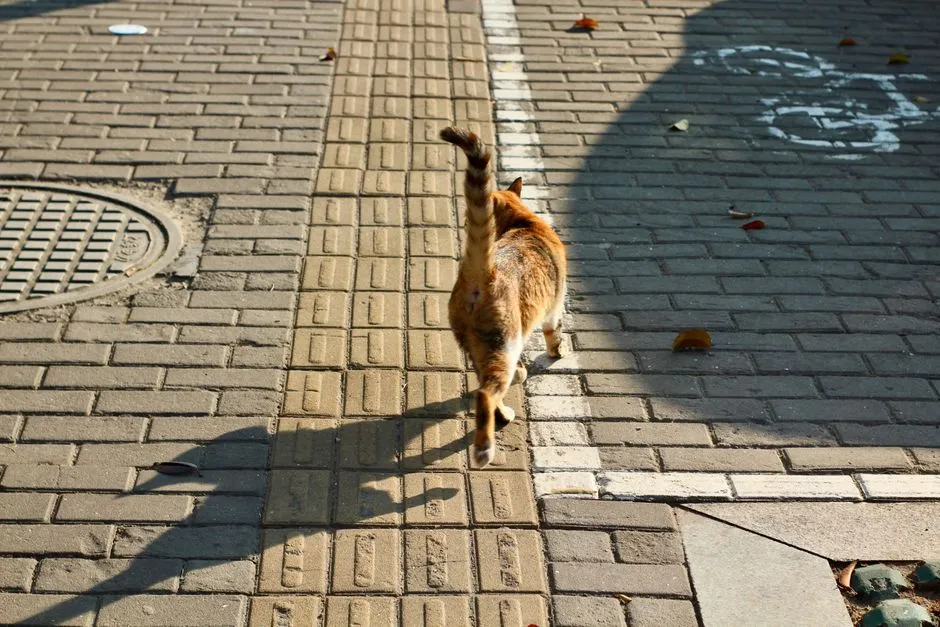
Not every sound your cat hears triggers dramatic hunting mode; some noises simply make them uneasy. You might notice them getting a bit restless for no reason you can identify: walking a loop around the room, changing sleeping spots, giving quick, sharp tail flicks. Those subtle signs can mean they are picking up a high-pitched whine from electronics, a far-off siren, or a vibration humming through the building.
Because you cannot hear the source, it is easy to dismiss your cat as “just being weird,” but from their perspective, something in their environment feels off. Imagine living next to a constantly buzzing fridge you alone can hear; you would be edgy too. Those invisible sounds can create a low hum of stress for them, and that restless shuffle is often their way of trying to find a spot where the noise is less intense.
7. The Alert-Then-Groom “I Meant To Do That” Routine
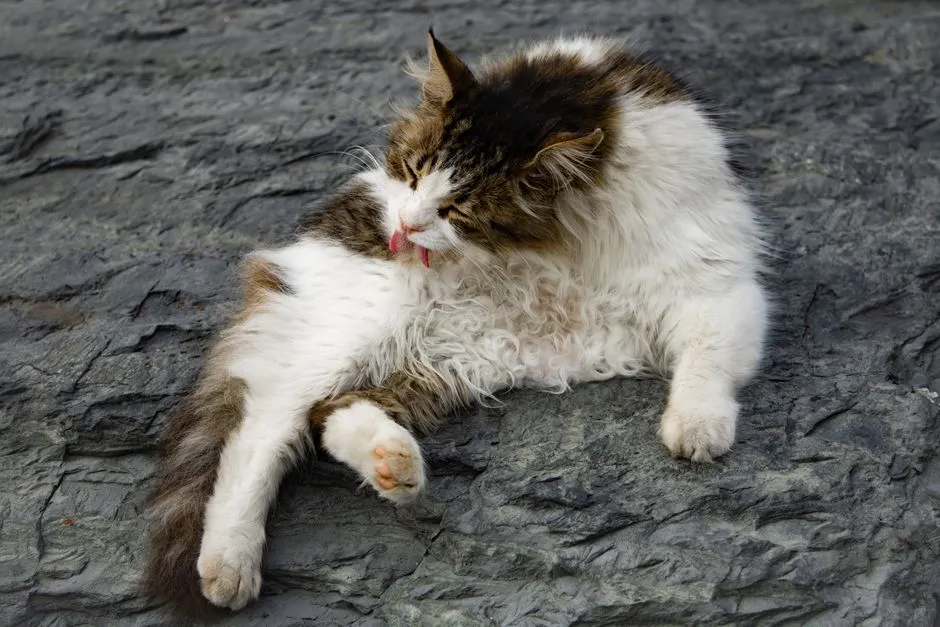
One of the funniest cat behaviors is when they jerk upright at an unseen sound, do a quick scan, then immediately start grooming like they were never startled at all. That sudden lick of the shoulder or paw is partly a self-soothing move; grooming helps them regulate and calm down when something spikes their alertness. It is also, if we are being honest, a bit of a dignity save after they overreacted to a sound nobody else noticed.
I have watched my own cat nearly levitate off the bed at some phantom noise, then instantly pretend she only got up to fix a paw hair out of place. That switch from panic to casual is their way of turning down their own internal alarm system, shifting back into comfort mode without admitting they were spooked. When you see this sequence, know that something in the sonic background pinged their radar, even if it faded fast.
8. The Stealthy Relocation to a “Safer” Spot

Sometimes you will notice your cat quietly abandoning a favorite napping spot and choosing a completely different place for the rest of the day. No obvious disturbance, no visible change – just a silent decision to be somewhere else. Often, this is triggered by a persistent sound in a frequency range you cannot hear: a new appliance, a distant construction noise, a neighbor’s device, or even a minor change in building vibration.
Cats are masters of environmental optimization; they are always, consciously or not, searching for the safest, quietest, most controllable territory. When they keep choosing the same spot away from a certain room, it may be because, acoustically, that room has become uncomfortable to them. It is less random than it seems – they are editing their map of your home based on an invisible soundscape you are not even aware of.
A Noisy World You Will Never Hear (And Why It Matters)

Living with a cat is like sharing a house with someone who can hear a completely different reality layered on top of yours. What looks like overreaction, weirdness, or spooky sixth sense is usually just their supercharged hearing doing exactly what it evolved to do. I honestly think we underestimate how noisy and busy the world is at feline frequencies; our cats are constantly negotiating sounds we will never notice.
That is why I lean pretty hard on the side of believing their “random” behavior, instead of laughing it off every time. If your cat is nervously pacing, intensely staring, or suddenly avoiding a room, there is a good chance something in the soundscape has changed. We may not be able to hear what they hear, but we can respect it, adjust where we can, and pay attention to the stories their strange little reactions are trying to tell. Next time your cat goes rigid and stares into silence, will you still assume it is nothing – or wonder what hidden world they just heard?

- 8 Things Cats Do When They Hear a Sound You Cannot Detect - August 24, 2026
- 9 Backyard Birds That Change Their Diet Completely When Winter Arrives - August 24, 2026
- 7 Raptors With Hunting Techniques More Specialized Than a Peregrine Falcon's Dive - August 24, 2026