

Have you ever stopped to think about how many everyday things around you first came to life on American soil? From the moment you wake up to when you drift off to sleep, chances are you’re surrounded by innovations that originated in the United States. Some transformed entire industries overnight. Others quietly reshaped the way billions of people live, work, and connect.
It’s honestly wild when you consider the sheer scale of American ingenuity across different eras. What’s even more fascinating is that many of these breakthroughs weren’t planned as world-changing events at all. They emerged from garages, labs, and workshops where determined inventors refused to give up. Let’s dive into eight remarkable inventions that didn’t just make life easier – they fundamentally altered the course of human history.
The Light Bulb Illuminated Modern Life

While many contributed to the invention of electric light, Thomas Edison is credited for creating the first fully functional and commercially viable light bulb in 1879. Before this breakthrough, people relied on candles, oil lamps, and gas lighting, which were messy, dangerous, and limited. Edison’s bulb changed everything.
In 1879, Edison patented his new light bulb, which could burn for 14.5 hours using a carbonized cotton thread as the filament. When Edison replaced the cotton filament with bamboo, his light bulbs could burn for a whopping 1,200 hours. That’s the kind of improvement that doesn’t just tweak an industry – it creates entirely new possibilities.
The invention of commercially viable electric lighting, based on the incandescent light bulb, illuminated cities and towns into evening, extending daily activities. Electrification of entire cities – including their streets, factories, and stores – increased business hours for many commercial entities. Night work became feasible. Entertainment venues flourished after dark.
Beyond inventing the first commercially successful light bulbs, Edison went on to design the first urban electric grid in New York City, including a power generation plant and central power station. The infrastructure he built became the template for powering modern civilization. Think about it: without reliable electric light, our 24-hour society simply wouldn’t exist.
The ripple effects were staggering. Productivity soared because work didn’t have to stop when the sun went down.
The Telephone Connected Humanity

The invention of the telephone by Alexander Graham Bell in 1876 revolutionized global communication. It sounds almost quaint now, in an age of instant messaging and video calls. Still, imagine a world where the only way to speak to someone far away was to physically travel to them or wait days for a letter to arrive.
In 1876, Bell successfully transmitted speech over electrical wires, paving the way for real-time voice communication. Before the telephone, businesses operated at the glacial pace of written correspondence. Families separated by distance could go months without hearing each other’s voices. The telephone collapsed those barriers almost instantly.
Bell’s invention of the telephone, with its instantaneous voice transmission over long distances, was revolutionary to communication. Widespread adoption of the telephone meant that real-time conversations often replaced letters and telegrams, which could take days or even weeks to arrive, and new business models – such as telemarketing – also emerged. Personal relationships could be maintained across continents.
Honestly, it’s hard to overstate how much this single device reshaped human interaction. Negotiations that once took weeks could now happen in minutes. Emergency information could be relayed instantly. Entire industries sprang up around this newfound ability to communicate in real time.
The telephone laid the groundwork for every communication technology that followed, from radio broadcasts to the internet itself. Without Bell’s breakthrough, our hyperconnected world would look radically different.
The Airplane Made Smaller

The Wright brothers are credited with inventing the first successful airplane (the “Wright Flyer”) and achieving the first controlled, sustained flight at Kitty Hawk, North Carolina. They also developed many of the basic principles and techniques of aeronautical engineering. On a cold December day in 1903, Orville Wright flew for just twelve seconds, covering barely more than one hundred feet.
That brief flight changed everything. Before the airplane, crossing oceans meant weeks aboard ships. Traveling between continents was a major life event, not a casual decision. A subsequent “aerial age” brought additional types of aircraft, global travel, and military advances. Within a few decades, commercial aviation would shrink the planet.
This groundbreaking invention made smaller, enabling fast travel across continents and oceans. It revolutionized business, tourism, and international relations, facilitating an unprecedented exchange of cultures and ideas. Suddenly, face-to-face meetings between leaders on opposite sides of the globe became possible. Families separated by migration could reunite.
The airplane transformed warfare, too, for better or worse. It enabled humanitarian aid to reach disaster zones quickly. Fresh goods could be transported rapidly across vast distances. International trade exploded.
Today, we take air travel for granted, but consider this: someone from 1900 would find it utterly miraculous that you can have breakfast in New York and dinner in London the same day.
The Personal Computer Put Power In Every Hand
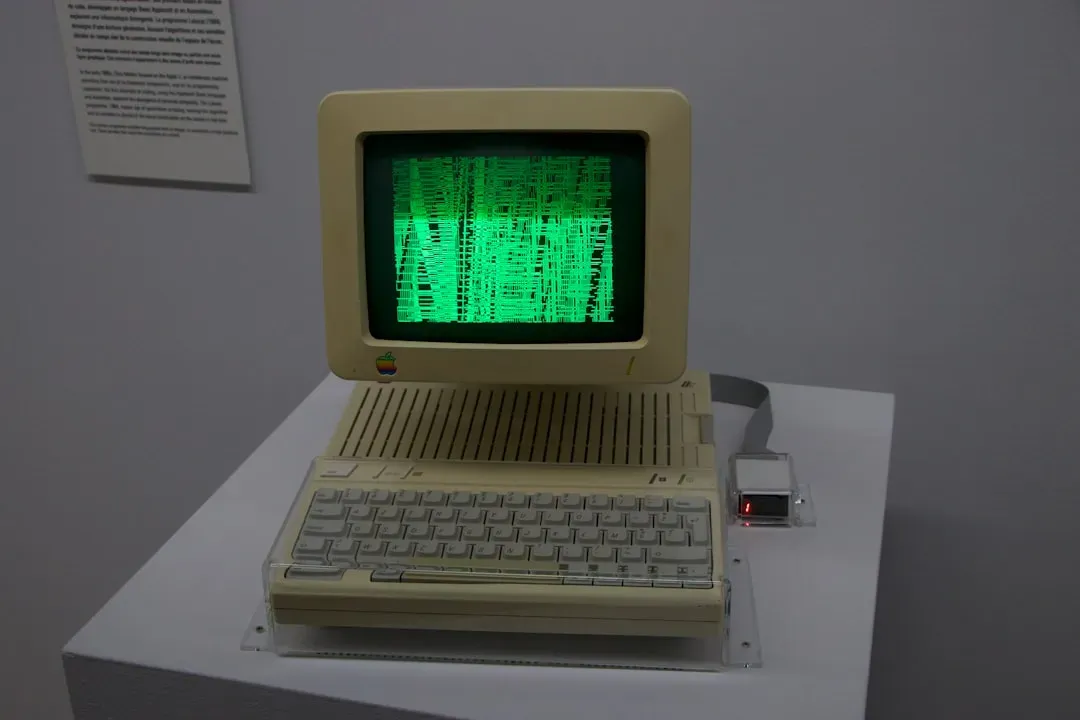
John Blankenbaker invented Kenbak-1, the first PC, in 1971. Fewer than 50 models of the Kenbak-1 were ever built. Fifty years later, personal computing has shaped the modern world. The idea that individuals could own and operate their own computers seemed almost absurd in the 1960s, when computers filled entire rooms and cost millions.
The first general purpose computer, EINAC, was invented in 1946 at the University of Pennsylvania. It took up 1800 feet of floor space and weighed 30 tons. At the time, it would have been impossible to envision a consumer-grade computer small enough to be available in every home. The transition from those massive machines to desktop computers represents one of technology’s most dramatic transformations.
The Kenbak-1 was a stored-program computer, running different programs by loading them into its memory, a key feature of modern personal computers. It was specifically designed for individual use, unlike earlier computers that were built for large organizations or used only by specialized personnel, and it inspired further innovation – leading to powerful and versatile microcomputers. This shift democratized computing power entirely.
The personal computer changed how we work, learn, create, and play. Writers could revise manuscripts without retyping entire pages. Students could research topics without visiting libraries. Artists gained new creative tools.
Let’s be real: the PC paved the way for the digital revolution we’re living through right now. Without personal computers becoming commonplace, none of our current technology – smartphones, tablets, smart homes – would exist.
The Internet Connected Everything
The development of the internet, a transformative invention of the late 20th century, revolutionized global connectivity and information sharing. Originating from U.S. government research in the 1960s, the internet has evolved into a vast network linking billions of devices worldwide. It started as a military project designed to create a communication network that could survive a nuclear attack.
The invention of TCP/IP (Transmission Control Protocol/Internet Protocol) provided the backbone for a web of interconnected computer networks – hence the name “internet.” This architecture enabled a 1973 research project initiated by the U.S. Defense Advanced Research Projects Agency (DARPA) to evolve into the global communication and information infrastructure we use today. Few people back then could have imagined what this technology would become.
It has fundamentally changed how we communicate, conduct business, and access information, fostering a new era of digital globalization. Today, you can video chat with someone on the other side of the planet for free. Access nearly all human knowledge with a few keystrokes. Launch a business from your bedroom.
The internet obliterated geographical barriers in ways the telephone and airplane couldn’t. Information that once required trips to specialized libraries is now instantly available. Global collaboration happens in real time across time zones. Social movements can organize and spread with unprecedented speed.
I know it sounds crazy, but the internet might be the single most transformative invention on this entire list. It’s fundamentally reshaped human civilization in just a few decades.
GPS Technology Revolutionized Navigation
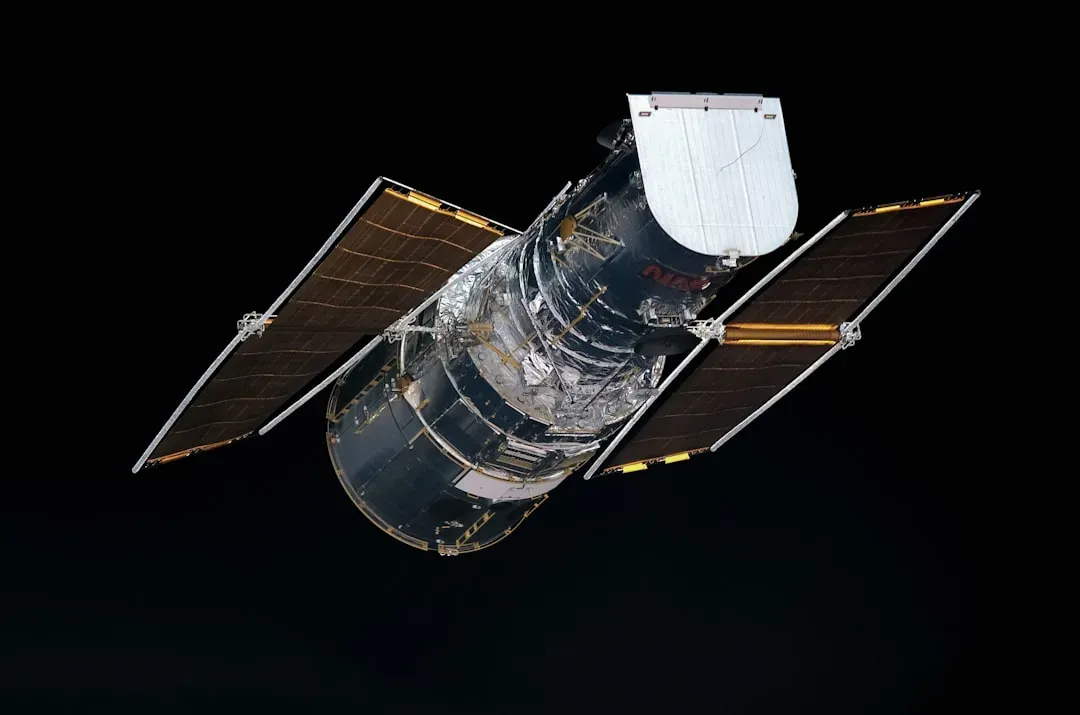
The development of the Global Positioning System (GPS) by the U.S. Department of Defense in the 1970s has been a game-changer in navigation and location tracking. Originally designed for military applications, GPS used satellites orbiting Earth to provide precise location data to receivers on the ground.
People all over rely on the Global Positioning System (GPS), originally developed as satellite navigation for the U.S. military, to see a road map on a smartphone, hail a rideshare service, log miles on an exercise program, or tell time. The technology’s transition from military tool to civilian necessity happened remarkably quickly.
Originally intended for military use, GPS technology quickly found applications in civilian life, revolutionizing how we navigate . GPS provides precise location data, enabling everything from turn-by-turn driving directions to the coordination of logistics and disaster response. Its impact extends to various sectors, including agriculture, aviation, and personal fitness. Farmers use GPS to optimize planting patterns. Airlines rely on it for safe routing.
Before GPS, getting lost was a common frustration. People relied on paper maps, handwritten directions, and local knowledge. Road trips required careful planning and frequent stops to ask for directions. Now, navigation is essentially automatic.
The system has become so embedded in daily life that we barely notice it. Delivery services, ride-sharing apps, fitness trackers, and emergency response systems all depend on GPS functioning flawlessly twenty-four hours a day.
The Transistor Became The Foundation Of Modern Electronics
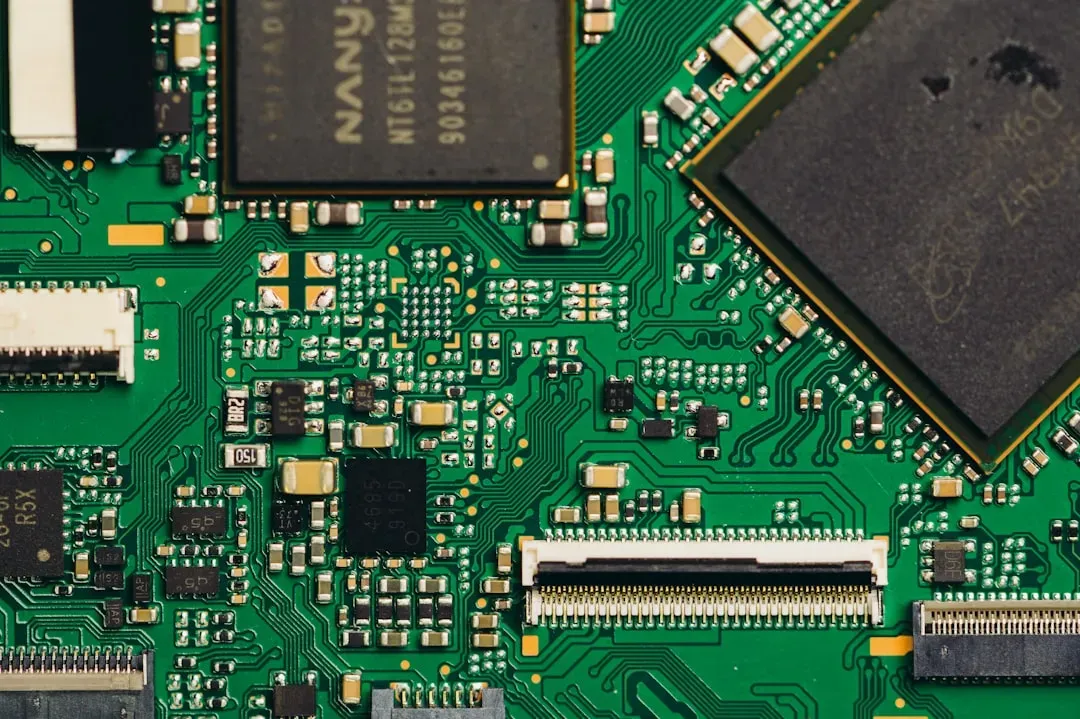
The development of the transistor in 1947 by John Bardeen, Walter Brattain, and William Shockley revolutionized the field of electronics, serving as the foundation for modern electronic devices. This tiny component doesn’t look impressive to the untrained eye. A transistor is smaller than your fingernail. Yet its invention might be the most consequential electronic breakthrough of the twentieth century.
This tiny semiconductor device replaced bulky vacuum tubes, allowing for the miniaturization of circuits. Before transistors, electronic devices needed vacuum tubes, which were large, fragile, consumed lots of power, and generated tremendous heat. Computers with vacuum tubes required entire rooms and constant maintenance.
One of the 20th century’s most groundbreaking inventions, the transistor replaced bulky, power-hungry vacuum tubes, enabling the development of small, fast, energy-efficient electronics. The transistor laid the groundwork for modern computers, cellphones, and the internet. Without transistors, smartphones would be impossible. Laptop computers couldn’t exist.
Here’s the thing: transistors are everywhere now. Your phone contains billions of them. Your car has millions. Every electronic device you own relies on transistors to function. They switch electrical signals on and off millions of times per second, enabling all modern computing.
The transistor is honestly one of those invisible inventions that makes everything else possible. It’s the unsung hero behind the entire digital age.
Email Changed How We Communicate

The era of constant connection began in 1971, when U.S. Department of Defense programmer Ray Tomlinson invented a way to send text-based messages from person to person through electronic mail, better known as email. Tomlinson is also credited with making the @ symbol a permanent fixture in human communication. Before email, workplace communication moved at the speed of interoffice memos and phone calls.
The Advanced Research Projects Agency Network, or ARPANET, sent the first email in 1971. Programmer Ray Tomlinson pioneered the use of the “@” symbol as well, creating a standard for email directionality. Within five years, the majority of communications at ARPANET were via e-mail. The adoption rate was stunningly rapid once people grasped the potential.
With the advent of attachments in 1992, emails became the easiest and fastest way to send information from point to point. By the start of the 21st century, email became one of the primary tools for global communications. Documents, images, and files could be transmitted instantly across any distance without postage or courier services.
Email transformed business operations entirely. International companies could coordinate across time zones asynchronously. Job applications, contracts, and invoices moved at the speed of light instead of mail trucks. Personal correspondence became instant and virtually free.
Today, the average office worker sends and receives more than one hundred emails daily. Email has become so fundamental to modern work that it’s hard to imagine functioning without it. What did we even do before?
Conclusion: Innovation Continues To Shape Our World
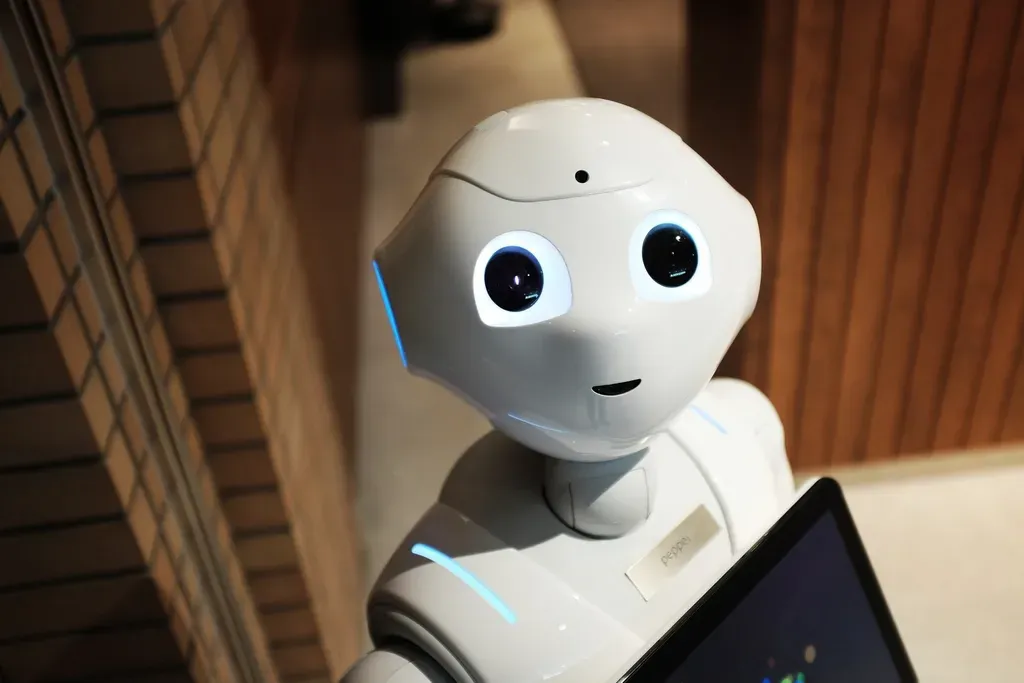
These eight inventions represent just a fraction of American contributions to global progress. Each one started with someone who refused to accept the limitations of their time. They saw problems that needed solving and possibilities others couldn’t imagine. The light bulb extended our productive hours. The telephone collapsed distance. The airplane shrank . Personal computers democratized information processing. The internet connected humanity like never before. GPS made navigation effortless. Transistors enabled the digital revolution. Email transformed communication.
What’s remarkable is how these innovations built upon each other. The transistor enabled personal computers. Personal computers enabled the internet. The internet enabled email and countless other applications. Each breakthrough opened doors to possibilities that weren’t even conceivable before.
Looking ahead, American innovation continues to push boundaries in artificial intelligence, renewable energy, biotechnology, and space exploration. The spirit of invention that drove Edison, Bell, the Wright brothers, and countless others hasn’t disappeared. It’s evolved, adapted, and continues to tackle the challenges of our time. Which current technology do you think will matter most fifty years from now?

- 10 Native US Trees That Secretly Help Wildlife Survive Heatwaves - June 21, 2026
- What Type of Shark Matches Your Zodiac Personality - June 21, 2026
- 9 Birds That Mimic Sounds So Well They Fool Humans - June 21, 2026