
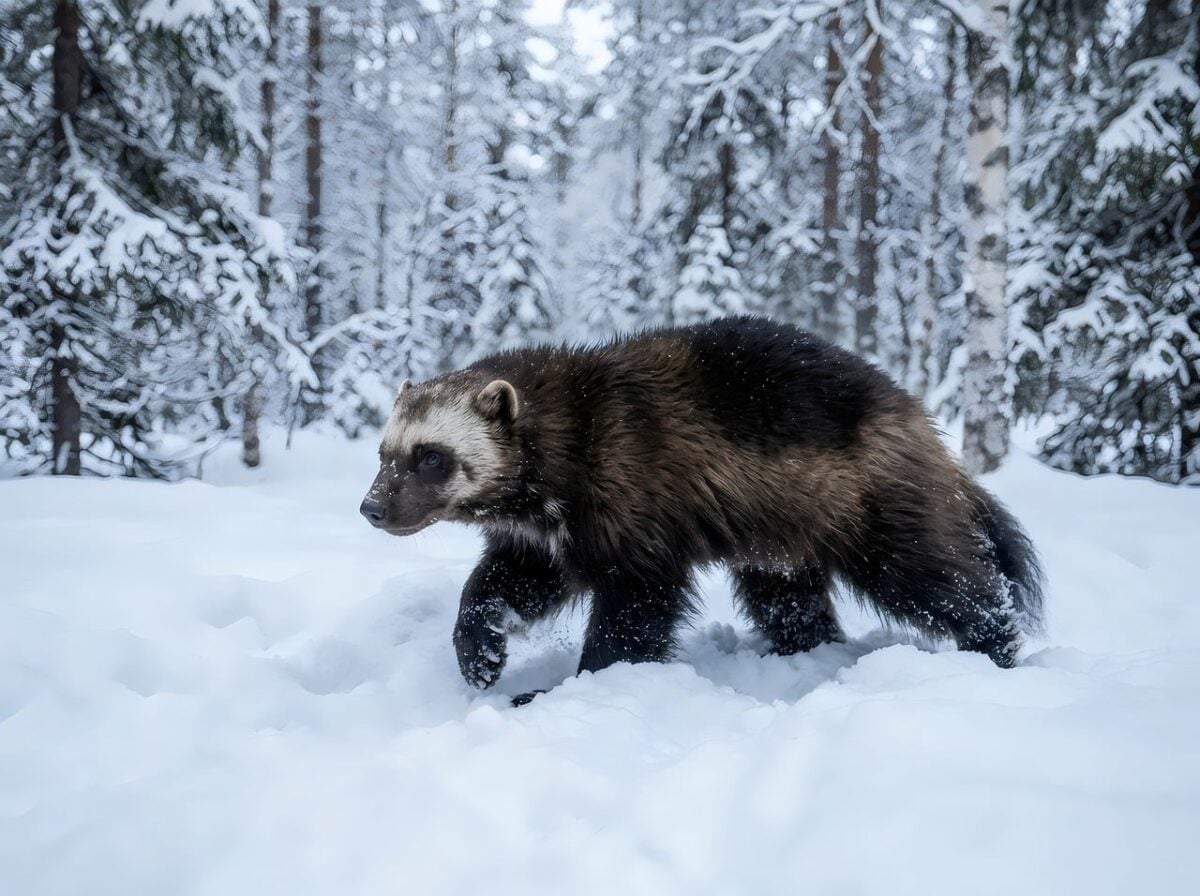
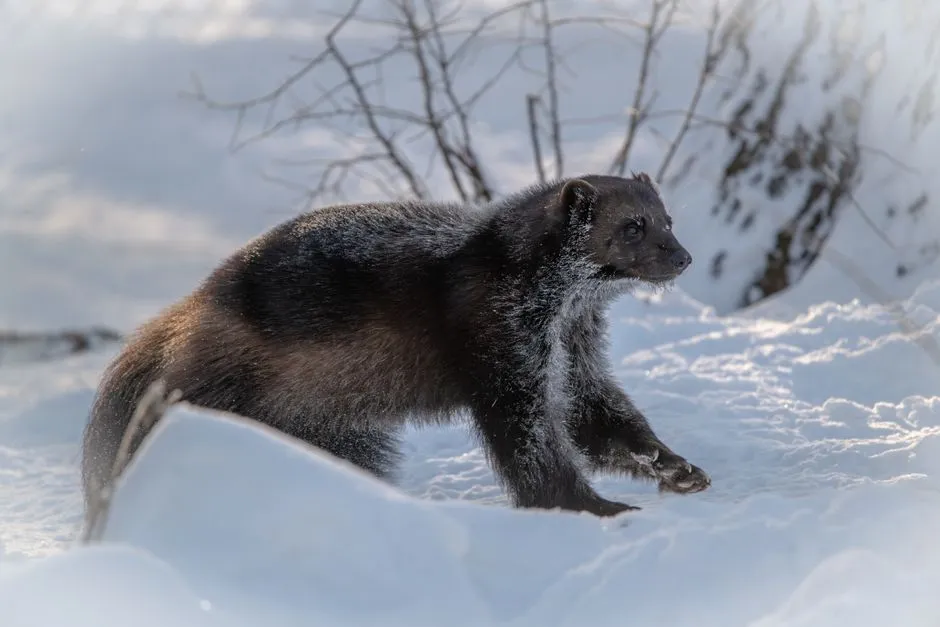
Wolverines, those elusive and tenacious members of the weasel family, have long captured the imagination of wildlife enthusiasts. Known for their solitary nature and remarkable endurance, these creatures are primarily found in the remote, snow-covered regions of North America. While their populations have dwindled over the years due to habitat loss and climate change, certain U.S. states still serve as sanctuaries for these resilient animals. Let’s explore the eight U.S. states where wolverines are most commonly found.
Alaska: The Wolverine Stronghold
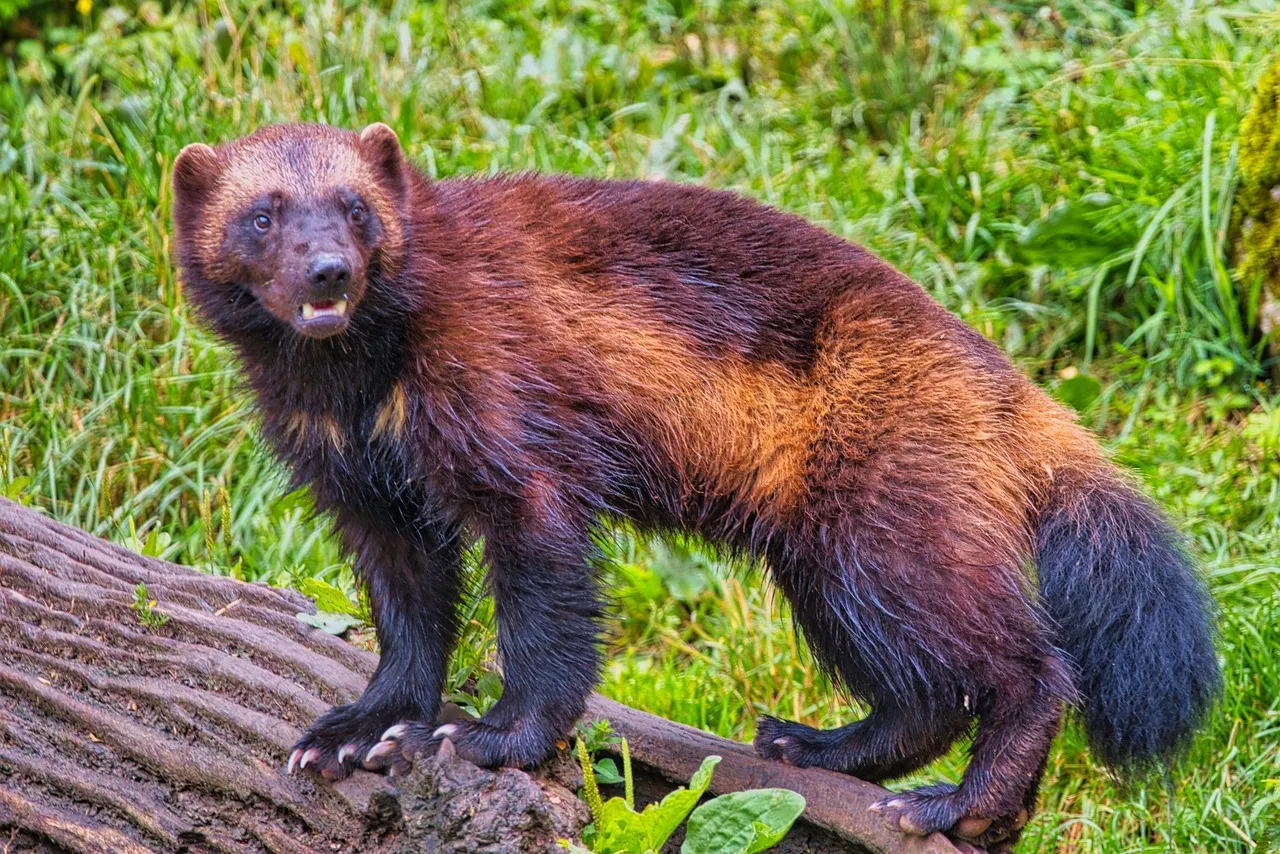
Alaska stands as the undisputed stronghold for wolverines in the United States. The state’s vast, unspoiled wilderness provides an ideal habitat for these solitary creatures. From the dense boreal forests to the expansive tundras, wolverines thrive in Alaska’s diverse ecosystems.
The state’s low human population density and extensive protected areas contribute to the wolverine’s success here. Unlike their counterparts in the contiguous U.S., Alaskan wolverines face fewer threats from human encroachment, allowing their populations to remain relatively stable.
Montana: A Rocky Mountain Refuge
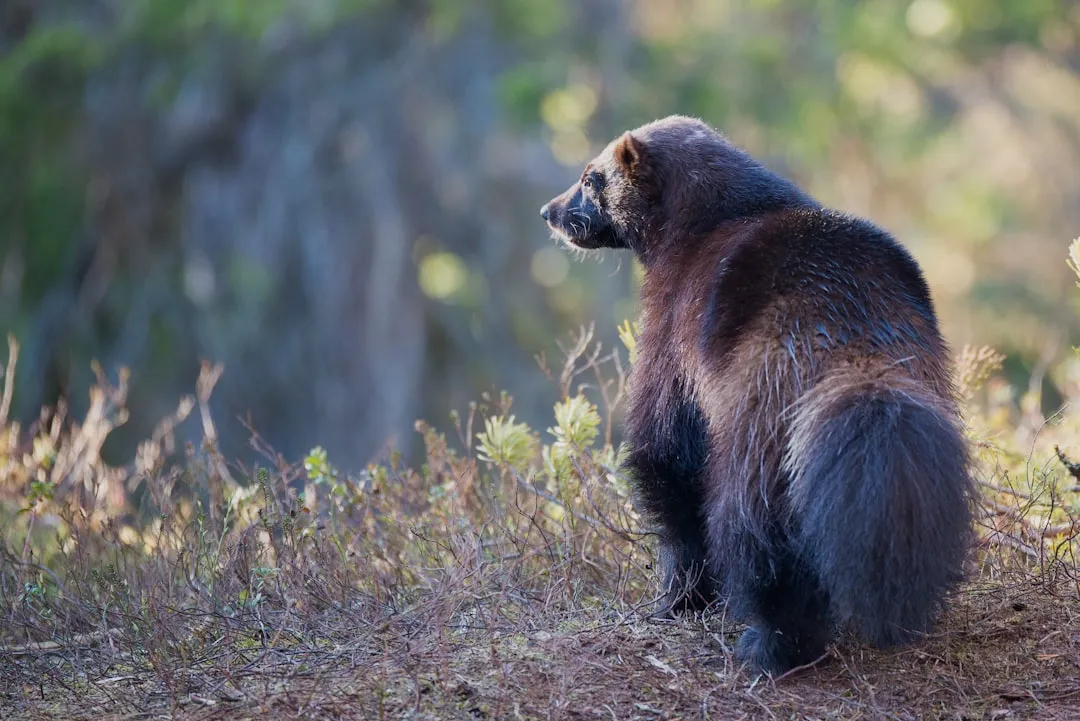
Montana’s rugged Rocky Mountains serve as a refuge for wolverines in the lower 48 states. The state’s high-altitude terrains, characterized by deep snowpacks and alpine vegetation, offer the seclusion and resources wolverines require.
Glacier National Park and the surrounding wilderness areas are particularly notable for wolverine activity. Conservation efforts in Montana have been instrumental in monitoring and protecting these elusive animals, ensuring their continued presence in the region.
Washington: Cascadian Habitat
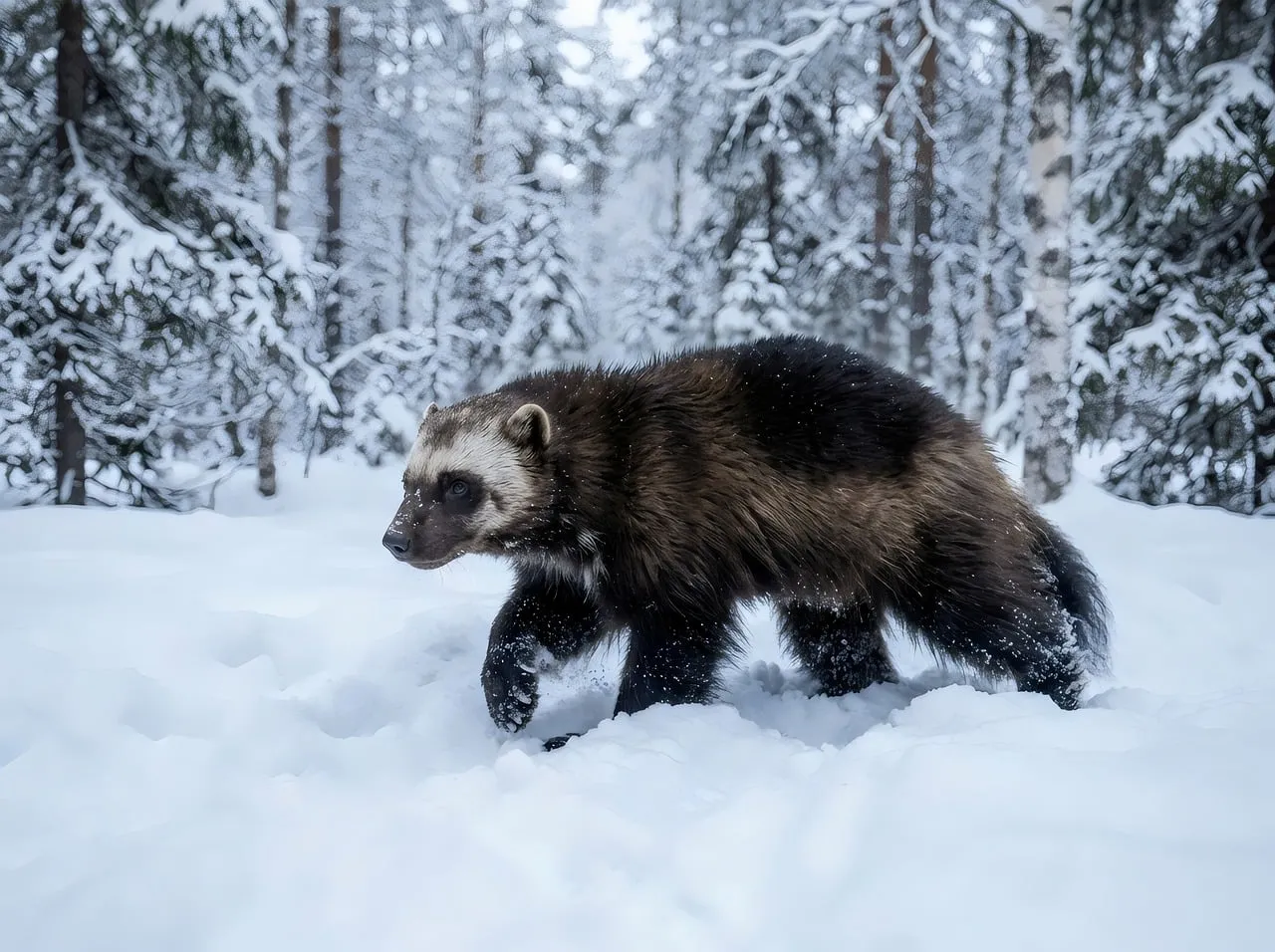
The North Cascades of Washington provide a critical habitat for wolverines. The state’s mountainous regions, with their cold climates and abundant snowfall, mimic the wolverine’s preferred environment.
Recent studies have confirmed the presence of wolverines in Washington, indicating a stable, albeit small, population. The state’s commitment to preserving its natural landscapes plays a vital role in supporting these animals.
Idaho: Wilderness Haven
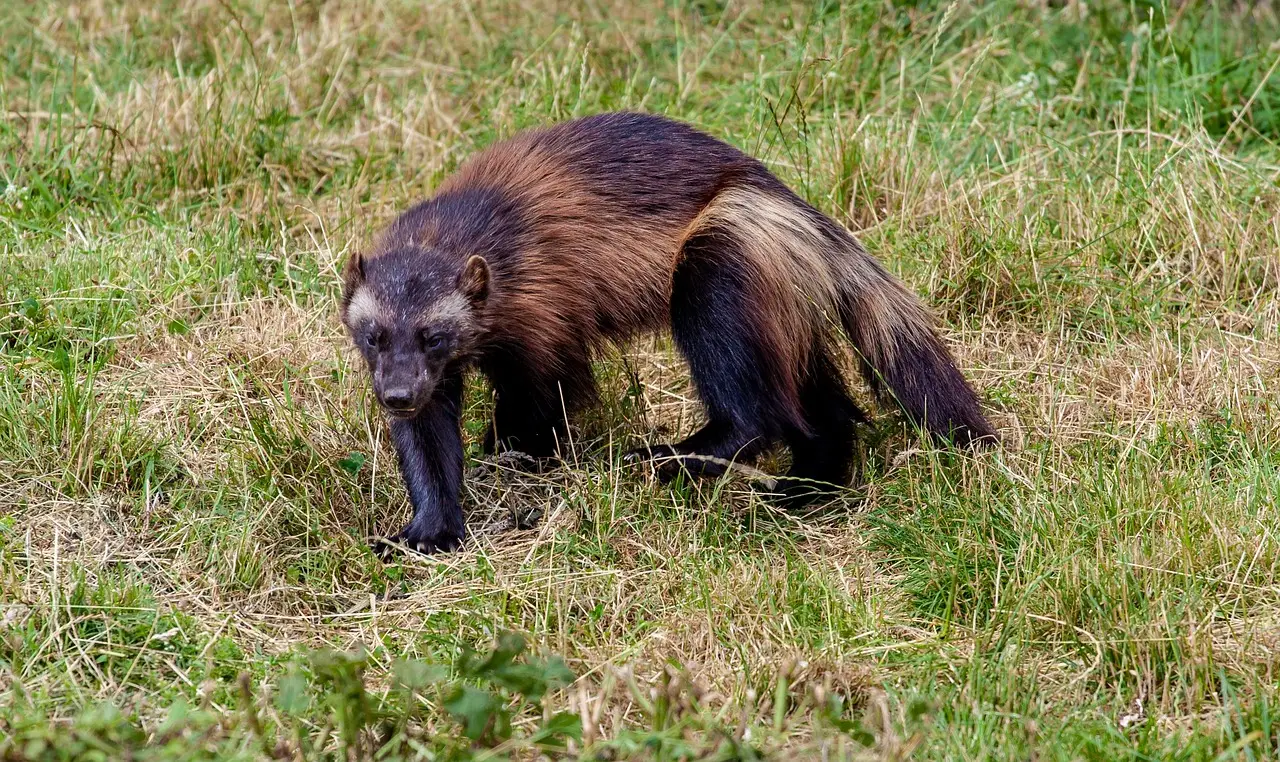
Idaho’s central wilderness areas, including the Frank Church-River of No Return Wilderness, offer suitable habitats for wolverines. The state’s remote and rugged landscapes provide the isolation these creatures favor.
While wolverine sightings in Idaho are rare, ongoing research and conservation initiatives aim to better understand and protect the state’s wolverine population. The interconnectedness of Idaho’s wilderness with neighboring states facilitates wolverine movement and genetic diversity.
Wyoming: Yellowstone’s Secretive Inhabitants
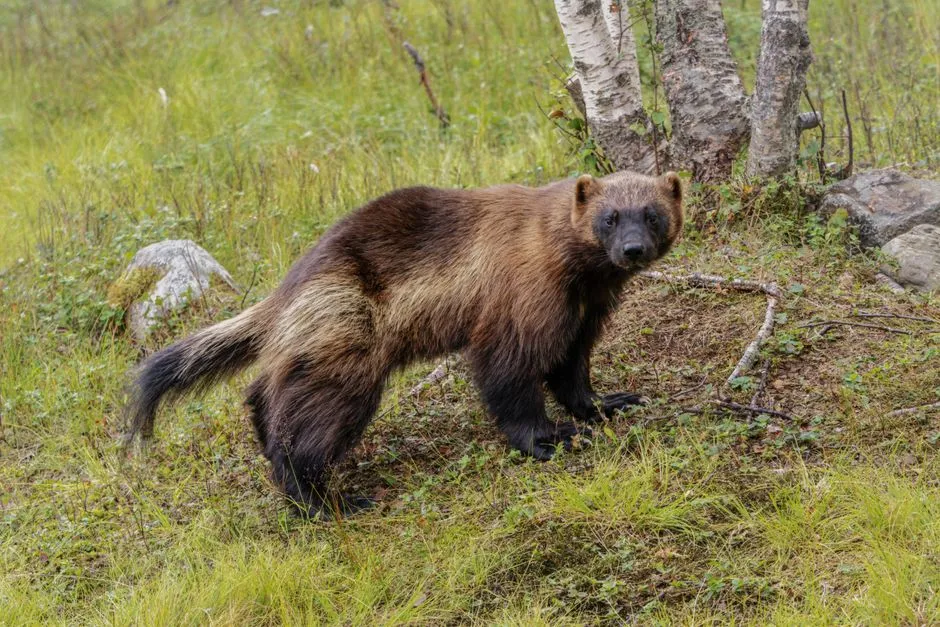
Wyoming, particularly the Greater Yellowstone Ecosystem, is home to a small population of wolverines. The state’s high-elevation areas and extensive protected lands offer a conducive environment for these animals.
Despite their presence, wolverines in Wyoming remain elusive, and their numbers are believed to be low. Conservationists continue to monitor these populations, emphasizing the importance of habitat preservation in the region.
Oregon: The Wallowa Range
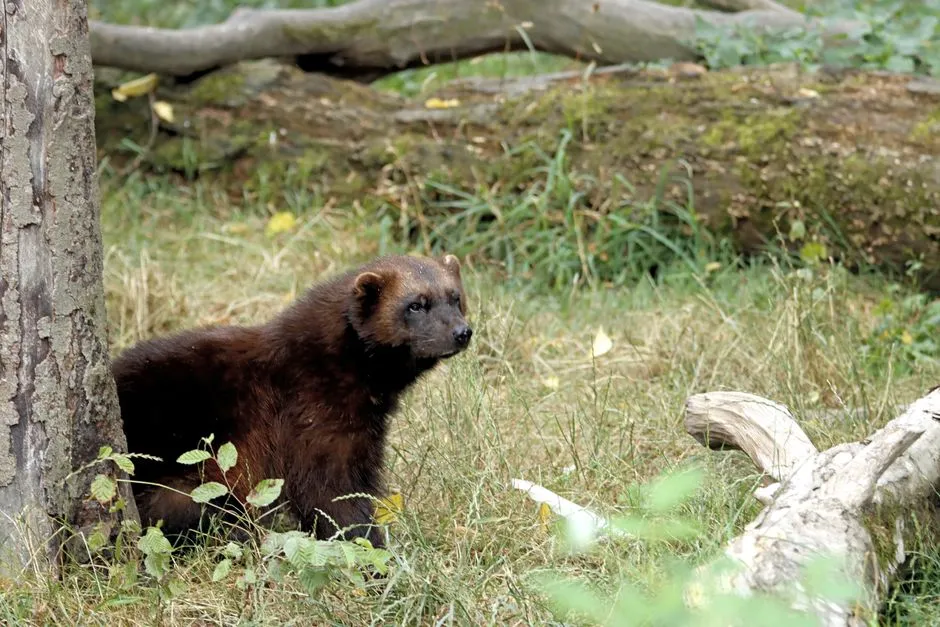
In Oregon, the Wallowa Mountains provide a habitat for a limited number of wolverines. The state’s diverse topography, including alpine regions, offers pockets of suitable environments for these creatures.
Wolverine sightings in Oregon are infrequent, and the population is considered small. However, the state’s commitment to wildlife conservation provides hope for the species’ persistence in the area.
California: Sierra Nevada Sightings
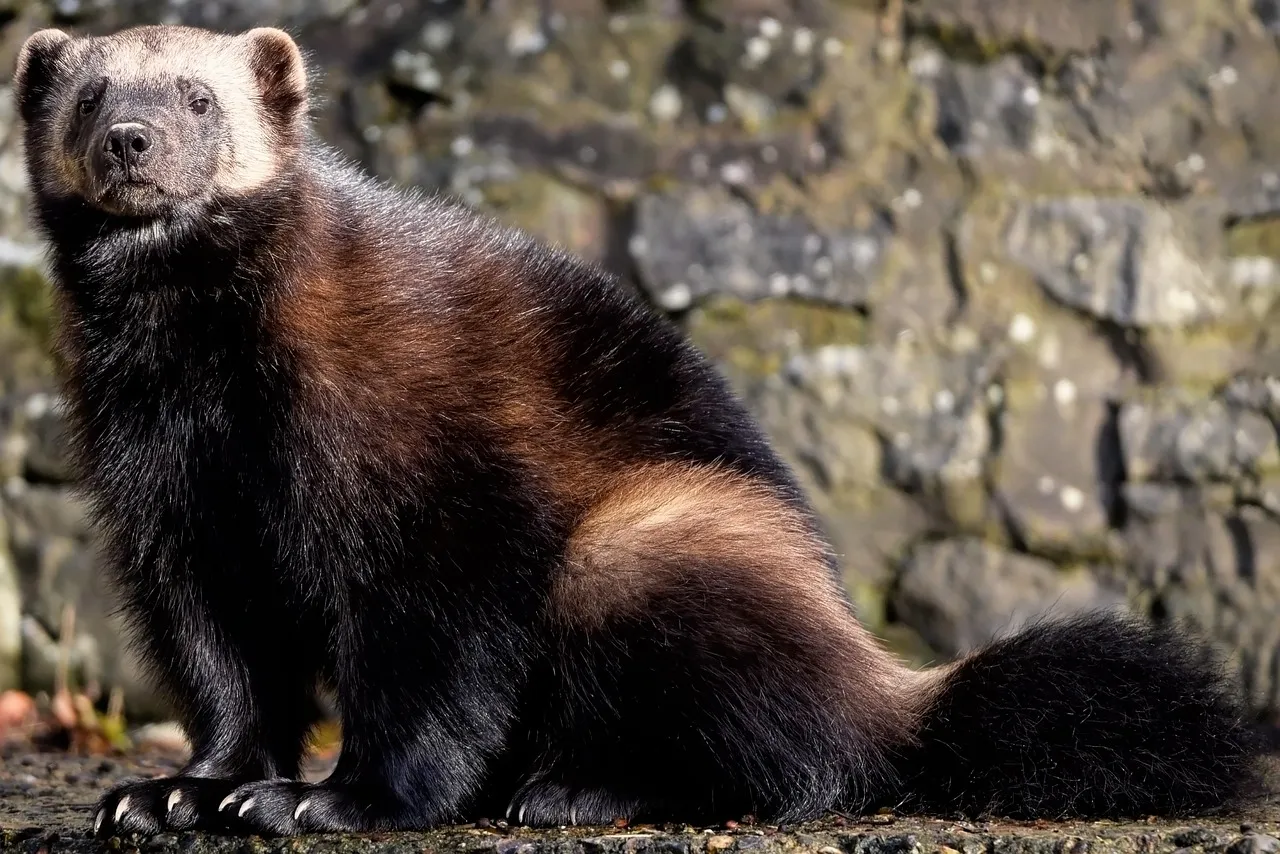
California’s Sierra Nevada Mountains have recorded occasional wolverine sightings, suggesting the presence of transient individuals. The state’s varied climate and terrain can support wolverines, albeit in limited numbers.
The most notable recent sighting occurred in 2008 and 2009, when a wolverine was photographed in the Tahoe National Forest. While these instances are rare, they highlight the species’ resilience and ability to traverse vast distances.
Utah: Rare Encounters
Utah has documented a handful of wolverine sightings over the past few decades, indicating the species’ occasional presence. The state’s mountainous regions, such as the Uinta Mountains, offer potential habitats.
In 2022, a wolverine was captured and tagged in Utah, marking a significant event for wildlife researchers. These rare encounters underscore the importance of continued monitoring and conservation efforts in the state.
In conclusion, while wolverines are among the most elusive and rare mammals in the United States, these eight states provide the critical habitats necessary for their survival. The presence of wolverines in these regions is a testament to the resilience of wildlife and the importance of conservation efforts. As climate change and human activities continue to impact natural habitats, it becomes increasingly vital to protect and preserve the environments that support these remarkable creatures. The question remains: will our efforts be enough to ensure that future generations can witness the wolverine’s tenacity in the wild?

- 8 US States With the Most Wolverines - July 17, 2026
- Canine Cognition: Dogs Process Familiar Human Voices in Specialized Brain Regions - July 17, 2026
- 10 of The World’s Most Striking Birds - July 17, 2026