
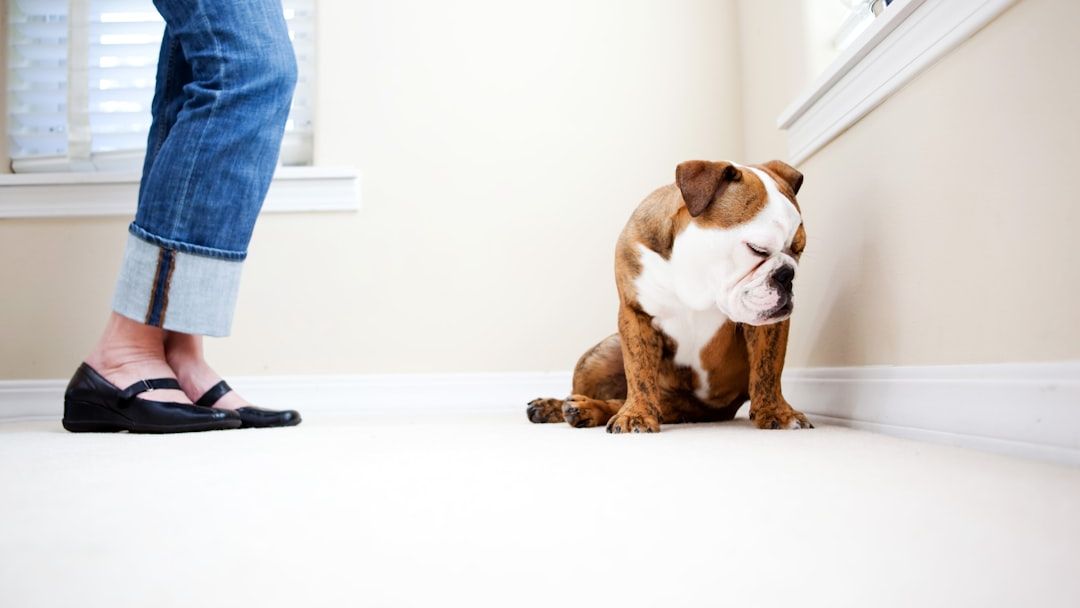
They Give You the Cold Shoulder

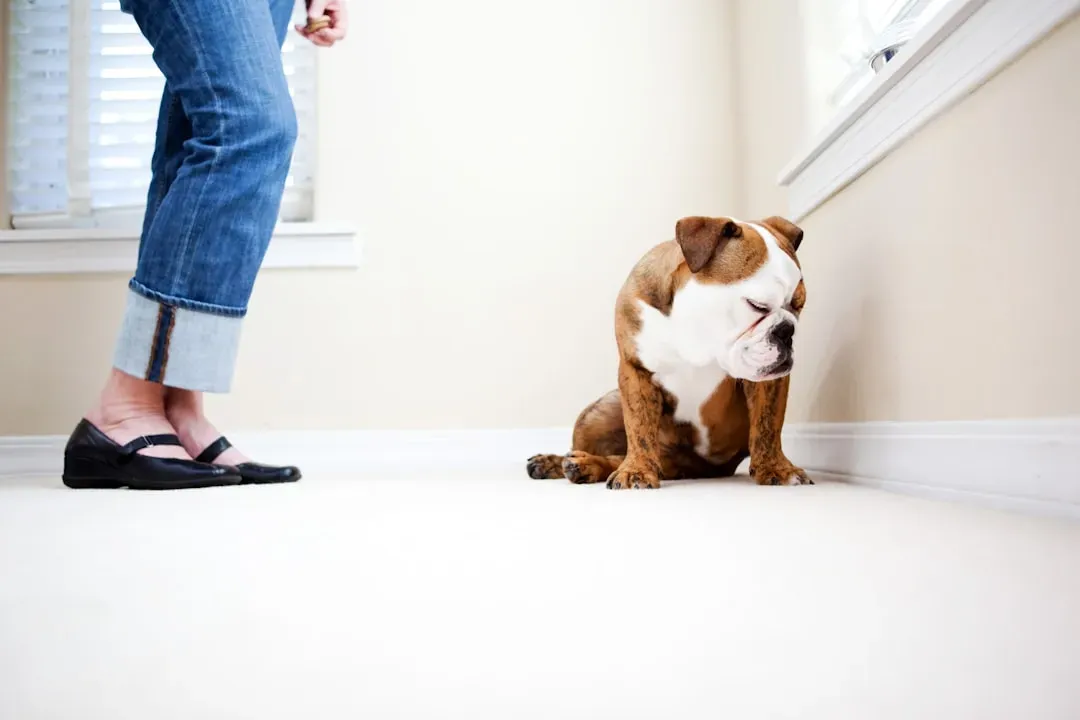
One of the clearest signs your dog is unhappy with you is simple avoidance. A typically affectionate pup might suddenly avoid eye contact, stop greeting you enthusiastically, ignore you by walking away with their favorite toy, or prefer to stay in another room. It’s a canine version of the silent treatment, and it’s surprisingly effective.
Dogs will often display their displeasure by shunning their human companion. If they start distancing themselves from you out of the blue and don’t seem interested in having snuggles, they’re trying to tell you that something is untoward. The key is not to chase after them or force the interaction. Give them room, and they’ll usually come back once they’ve settled.
They Walk Away Mid-Interaction
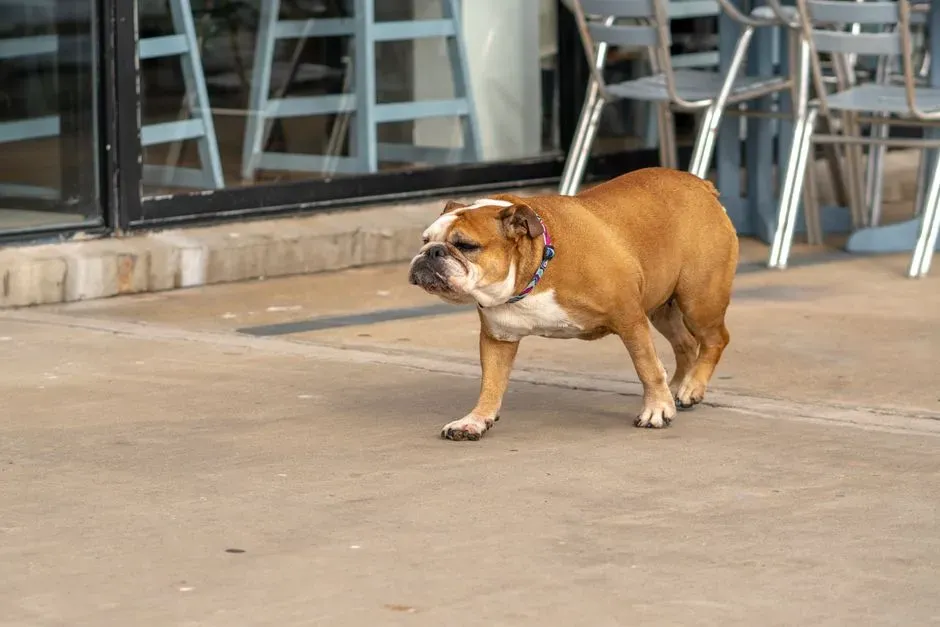
Few things say “I’m done here” as clearly as a dog who gets up and leaves the room. If your dog walks away mid-cuddle, training session, or playtime, chances are they’re feeling overstimulated or irritated. This isn’t them being disloyal; it’s their polite way of saying that the interaction is no longer working for them.
The body language of an annoyed dog is actually very similar to humans in many ways. Some of the things your dog may do are walk away from you, glare at you, look sulky, and steer clear of you until they have calmed down. Respecting that space is important. Pressing the issue when a dog has already walked away can escalate things from mild irritation to something more tense.
Their Ears Go Flat
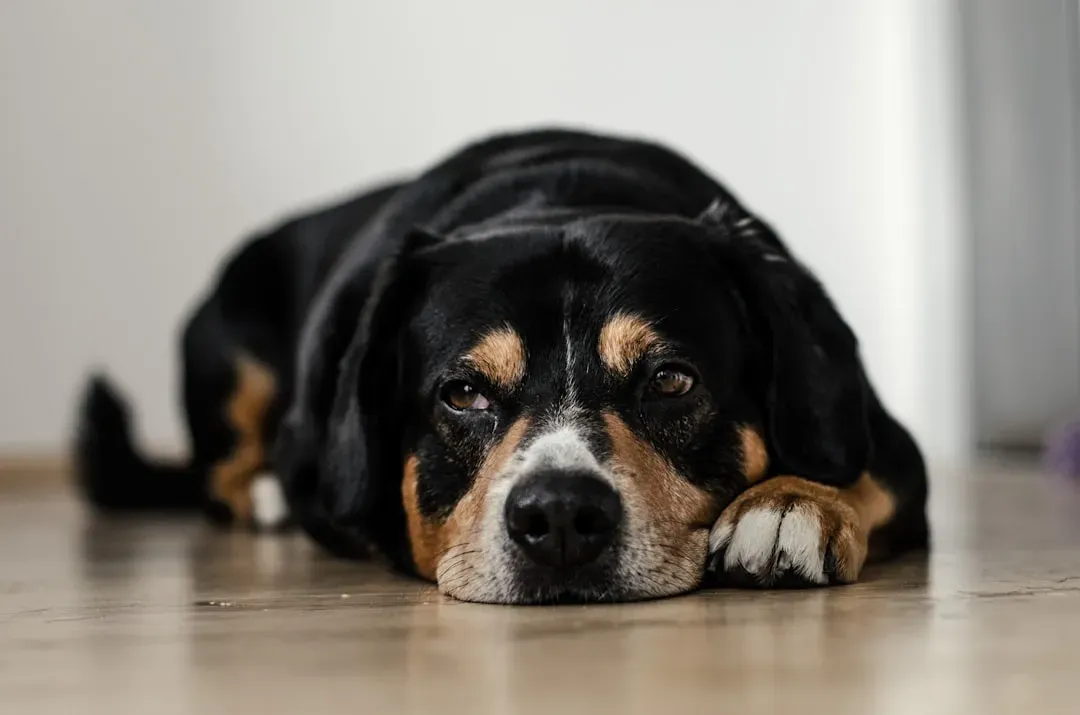
While pinned-back ears can indicate fear, they can also signal frustration or annoyance, especially when paired with stiff body language or other subtle cues. If your dog’s ears are normally upright or relaxed and suddenly shift backward, it’s time to check what’s happening. Are you holding them still for a photo? Interrupting their nap? The timing usually tells the story.
Dogs pin their ears flat when uncomfortable. Add a clenched jaw, and you’re looking at annoyance rather than fear. Fear typically adds a tucked tail and a crouched posture, whereas annoyance keeps the body upright but rigid. That distinction matters. A stiff but upright dog is probably just fed up with you. A crouched, tucked dog needs a different kind of attention entirely.
They Show You the “Whale Eye”
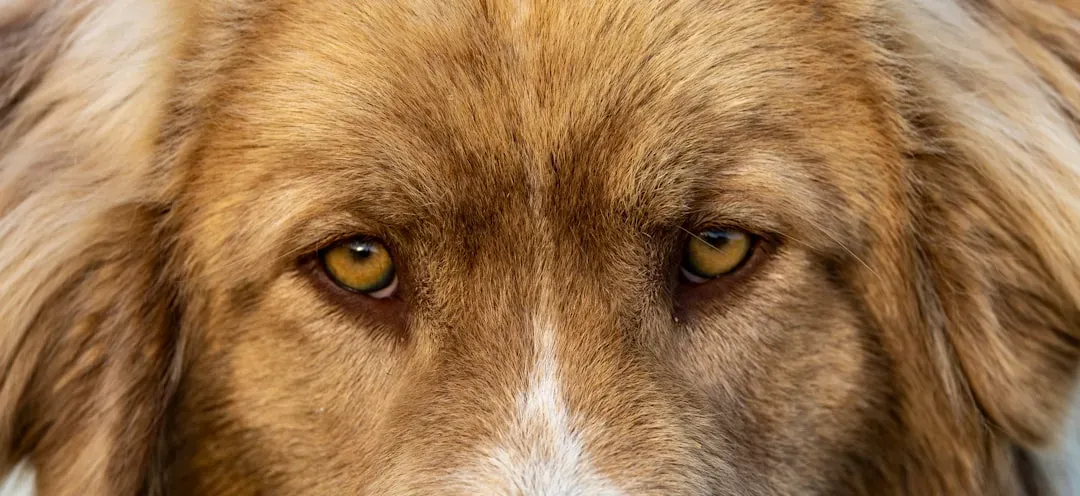
Seeing more of the whites of your dog’s eyes than usual, known as “whale eye,” can indicate stress or unease. It’s a subtle signal but one of the more telling ones. Most people notice it briefly and then brush it off, not realizing the dog is actively communicating discomfort.
Dogs show clear body language when annoyed, which can include ears pulled back, a tense jaw, or frequent lip licks. They might also show whale eye, where the whites of their eyes become visible, or yawn quickly in succession. When you see whale eye alongside a tight jaw and a turned head, your dog isn’t being dramatic. They’re being very specific about how they feel.
They Yawn Excessively or Lick Their Lips
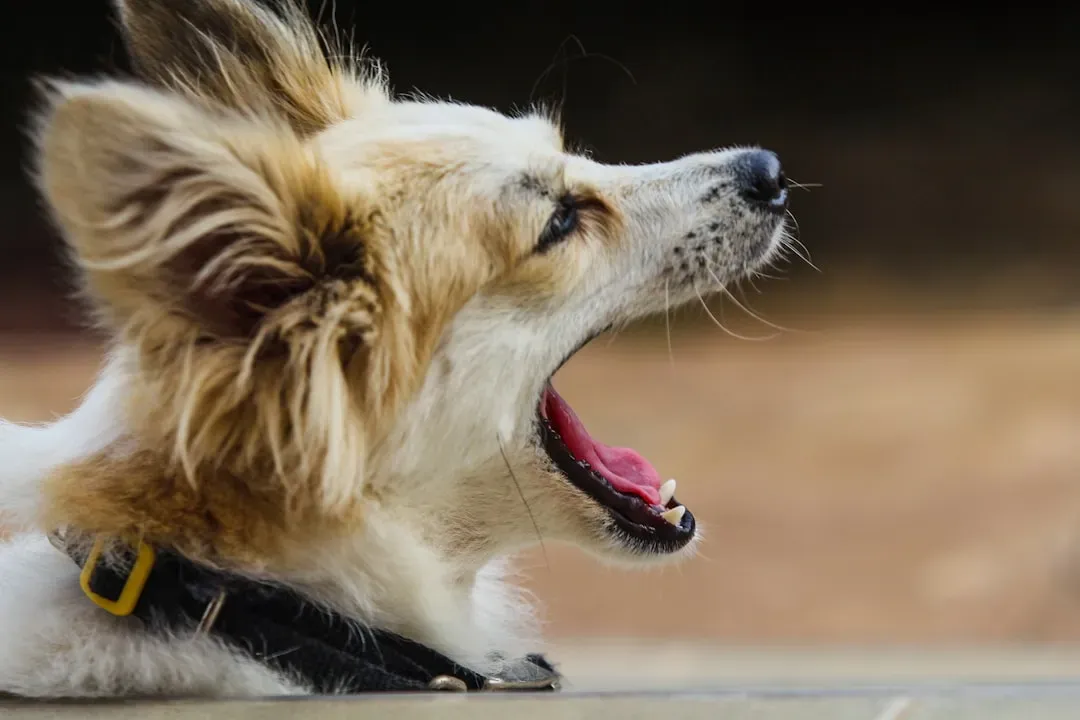
Yawning when not tired is a subtle stress signal that helps dogs self-soothe. It’s easy to dismiss as tiredness, but context matters. If your dog yawns right after you’ve raised your voice, started brushing them, or put them in an uncomfortable situation, that yawn is communicating something.
If your dog is yawning and licking its lips frequently, it may be a sign of annoyed body language. These signs typically indicate that your dog is annoyed and anxious. You can try to calm them down by offering a snack, speaking calmly, or simply giving them space. These signals are often the earliest warning signs in the chain, appearing long before anything more obvious kicks in.
They Use a Low Growl
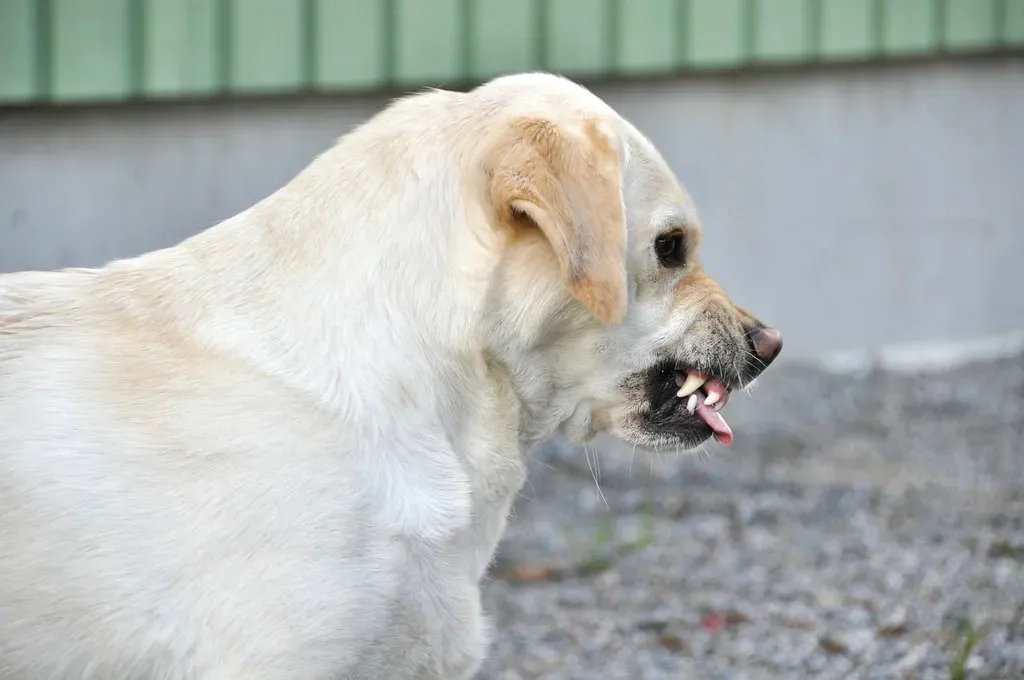
Growling isn’t always aggression. It’s a way for dogs to ask for space or express unease. Many owners make the mistake of punishing a growl, which is unfortunate because it removes the dog’s most audible warning signal. A dog that has learned not to growl before biting is genuinely more dangerous than one that still does.
It is important to be able to tell the difference between annoyed and aggressive, as the two are not the same. When dogs feel annoyed, they are fed up, bored, or frustrated about something. When they are being aggressive, this is a direct response to something that has happened, such as a standoff with another dog or being physically threatened. A low rumble during grooming or hugging is your dog politely requesting a pause, not picking a fight.
They Refuse Commands They Already Know
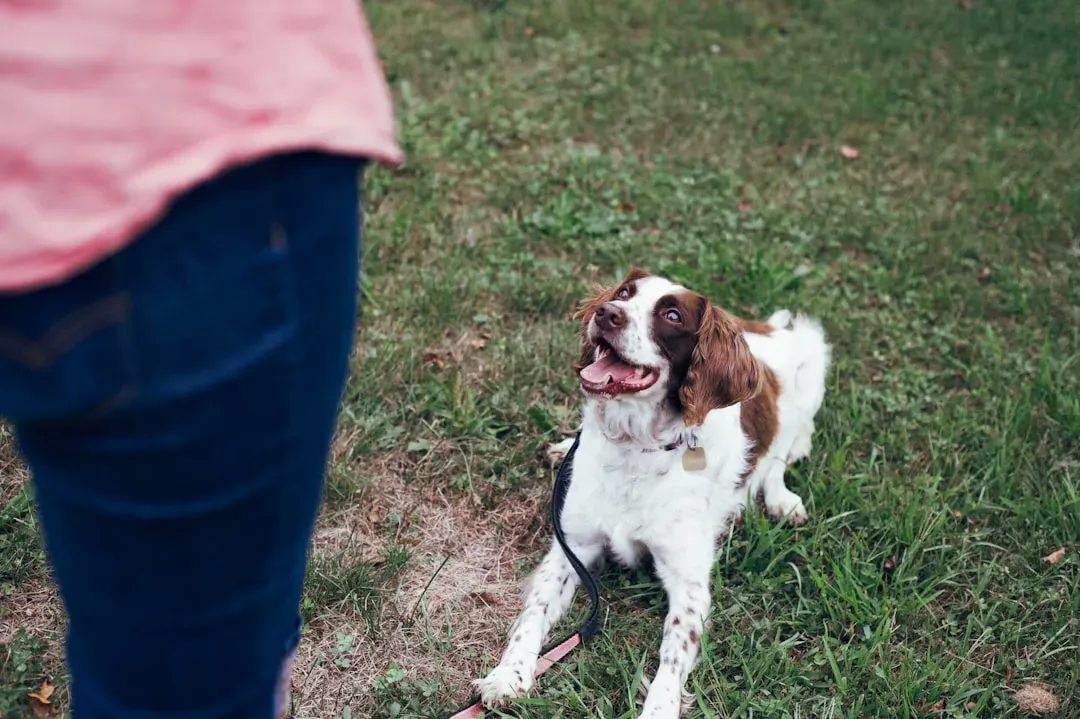
Selective hearing, such as suddenly ignoring commands like “come here,” might mean you’re on your dog’s bad side. This one trips up a lot of owners because it looks like stubbornness or regression in training. Often, though, it’s neither. It’s a quiet protest.
Another type of frustration is when a dog lacks the information to do what he is being asked to do. This is a barrier to doing his job and receiving his reward. Those who do any sort of training with their dogs may be most familiar with this one. A dog may be asked to perform a certain behavior but instead offers different behaviors. The line between a confused dog and an annoyed dog can be thin. If your usually responsive pup suddenly shuts down during training, the session itself may have pushed them past their patience limit.
They Pace, Whine, or Become Restless
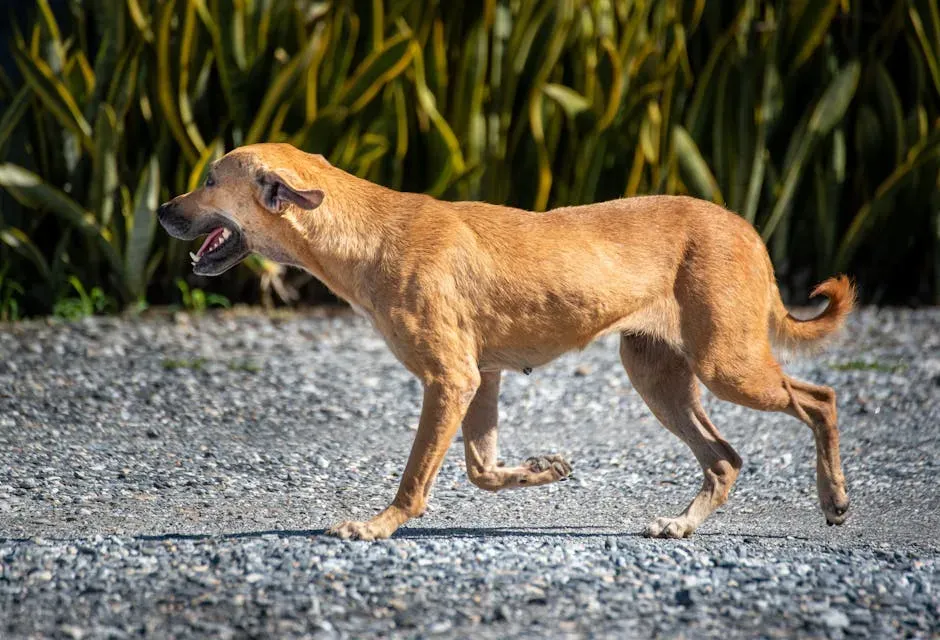
When dogs are frustrated, they may exhibit repetitive behaviors like pacing or circling. This can be a form of displacement behavior, where the dog is trying to cope with frustration or anxiety. They may walk back and forth in a confined space or continuously circle around an object or person. These behaviors indicate a lack of outlet for their frustration and signal that something is bothering them.
If you notice your dog making high-pitched, continuous sounds or exhibiting whining behavior that seems unrelated to their usual needs, such as hunger, thirst, or needing to go outside, it could be a sign of frustration. Whining is their way of expressing discontent and seeking attention or relief from the frustrating situation. Restlessness paired with whining is your dog essentially running out of quieter ways to communicate. At that point, something genuinely needs to change in their environment or routine.
What to Do When Your Dog Is Sending These Signals
While dogs don’t process anger like humans, they do experience emotions like fear, anxiety, and frustration. So, calling it “annoyance” is a useful shorthand, but the reality is more nuanced. Your dog isn’t plotting revenge. They’re expressing something real that deserves a real response.
In order to address your dog’s annoyance, you need to work at putting an end to the behavior or situation that makes them more irritated. You also need to learn not to be frustrated or angry with your dog if they show signs of being annoyed, as this could make the problem even worse and the annoyance could escalate into straight-up aggression. Patience, calm body language, and a willingness to adjust your behavior go a long way.
Dogs live in the moment and don’t have the cognitive ability to hold onto anger. If your dog seems upset, it’s likely due to a recent event or ongoing issue rather than a grudge. That’s actually good news. It means the repair is usually simple and fast. A change in tone, a break from the activity, or a few minutes of calm space can reset the whole dynamic.
Learning to read your dog’s annoyance signals isn’t just about avoiding conflict. It’s about building the kind of trust where your dog feels safe enough to tell you what’s wrong, and you’re tuned in enough to actually listen. That’s the foundation of a genuinely good relationship between a person and their dog, and it starts with paying attention to the quiet moments.
- 17 Cat Breeds Shelters Are Quietly Overwhelmed With That Almost Nobody Seems to Want Anymore - August 13, 2026
- What Hummingbirds Do Before They Vanish for Winter Will Surprise You 18 Behaviours Gardeners Miss - August 13, 2026
- 10 Tiny Rituals Dogs Memorize Because They Love You So Much - August 13, 2026