
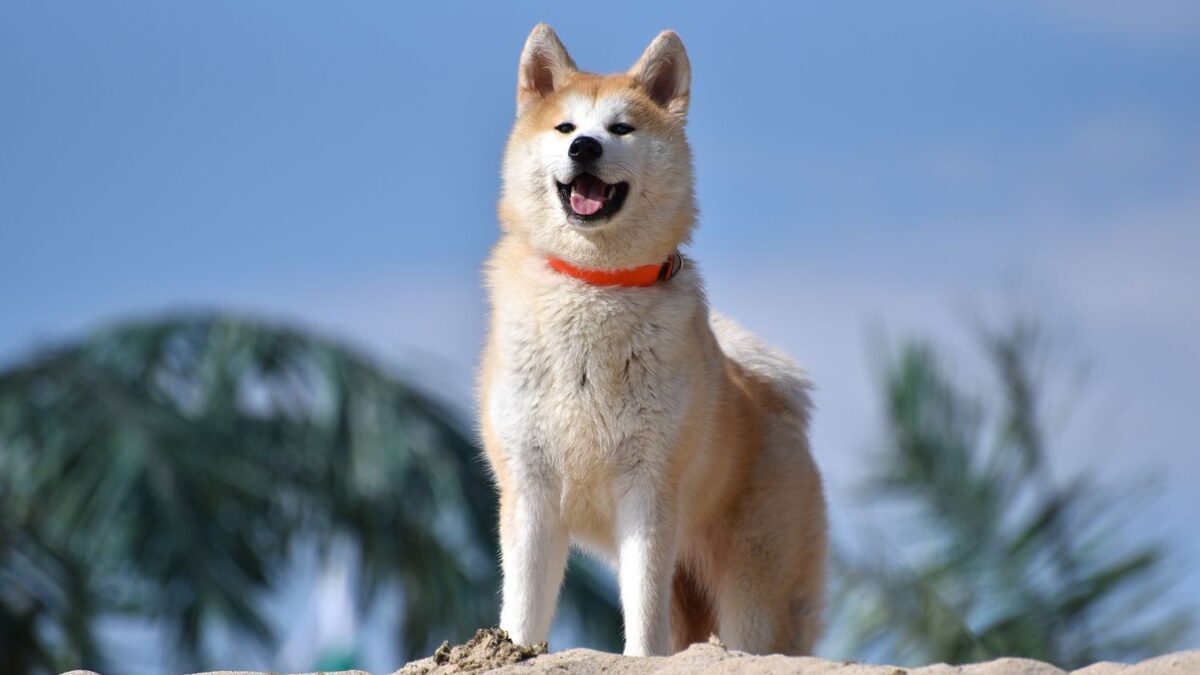
The Quiet Revolution in Canine Neuroscience

For most of scientific history, figuring out what was happening inside a living dog’s brain during real cognition was essentially impossible without invasive procedures. That changed around 2012, when researchers at Emory University pioneered a method for studying conscious, awake canine brains. Gregory Berns and colleagues developed training techniques for getting dogs to walk into an fMRI scanner and hold completely still and unrestrained while their neural activity was measured.
The implications of that breakthrough were enormous. A decade ago, Berns’s team published the first fMRI brain images of a fully awake, unrestrained dog, opening the door to what Berns called “The Dog Project,” a series of experiments exploring the mind of the oldest domesticated species, ultimately producing research into how the canine brain processes vision, words, smells, and rewards.
Canine functional magnetic resonance imaging neurocognitive studies represent an emerging field that is advancing more gradually compared to progress in human fMRI research. Still, the progress has been striking. What began as a small experimental program has now grown into a recognized, multi-institutional discipline with implications stretching well beyond the veterinary world.
How the Brain Scans Actually Work
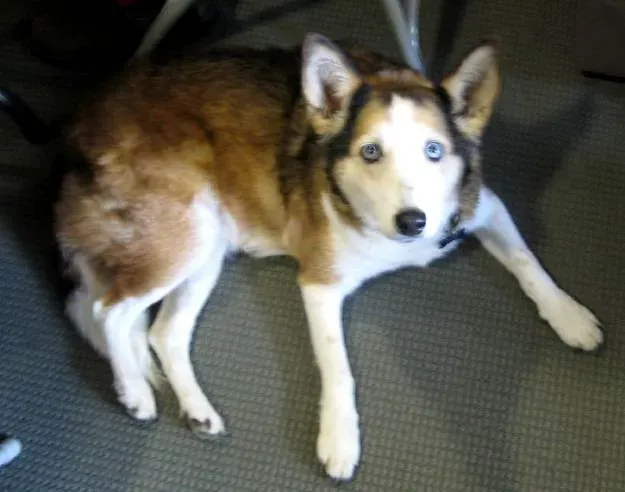
Understanding what the scan data reveals requires a basic grasp of how fMRI functions in the first place. The process utilizes the blood oxygenation level-dependent effect, based on the principle that heightened neural activity in a brain region triggers increased metabolic activity, causing oxygen supply to rise beyond demand and producing a stronger signal in regions where neural activity occurs during specific MRI sequences.
Getting a dog to cooperate with the process is, understandably, its own challenge. MRI scanning can only be performed in a very noisy and spatially restraining MRI scanner, in which dogs need to feel relaxed and stay motionless in order to study their brain and cognition with high precision. Since 2012, pet dogs have been trained using positive reinforcement to lie still during fMRI scans in order to explore a variety of aspects of canine cognition.
The ethical dimensions of this research also deserve mention. Because the dogs participate voluntarily, are trained without aversive methods, and are unrestrained during scanning, the work is considered non-invasive by most standards. It’s a rare branch of animal research that has drawn relatively little ethical controversy, precisely because the animals are willing, trained partners rather than subjects.
Dogs Actually Process Words the Way We Do

One of the most surprising findings to emerge from canine brain imaging concerns how dogs handle human language. The prevailing assumption for a long time was that dogs respond primarily to tone of voice rather than the actual meaning of words. The scanner data told a different story. Dogs, like people, use the left hemisphere to process words, a right hemisphere brain region to process intonation, and praising activates a dog’s reward center only when both words and intonation match, according to a study published in Science.
This finding, produced by a research group at Eötvös Loránd University in Budapest, revealed something quite profound. The findings suggest that the neural mechanisms to process words evolved much earlier than previously thought, and they are not unique to the human brain. In other words, when your dog hears a known command, it is not simply reacting to the sound of your voice. It is doing something more sophisticated: parsing meaning and tone as separate pieces of information, then integrating them.
Researchers found a left-hemisphere bias for processing meaningful words, independently of intonation; a right auditory brain region for distinguishing intonationally marked and unmarked words; and increased activity in primary reward regions only when both lexical and intonational information were consistent. A dog that hears a familiar word spoken in a flat or unfamiliar tone may genuinely receive it as a different, less complete signal than the same word delivered with appropriate emphasis.
The Frontal Lobe and the Problem of Inhibitory Control
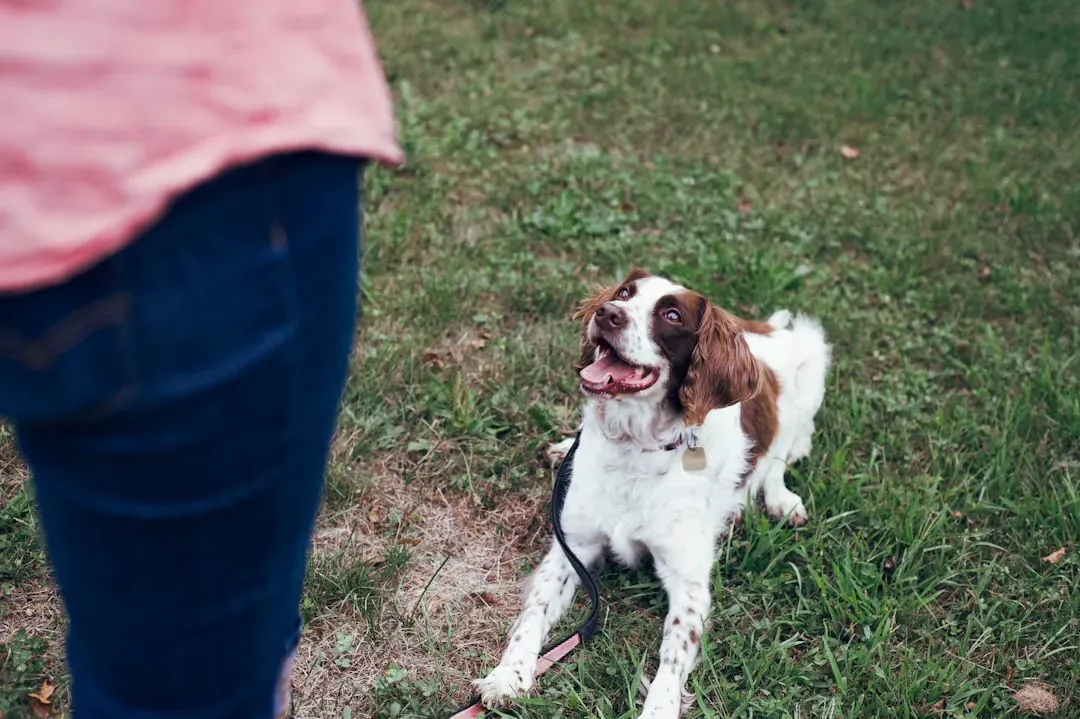
Here is where the “stubbornness” narrative really begins to fall apart. Research has identified that when a dog fails to respond to a known command, a specific frontal brain region is often at the center of the story. Using a combination of cognitive testing and awake neuroimaging in domestic dogs, researchers provided evidence precisely localizing frontal brain regions underpinning response inhibition in this species and demonstrated the dynamic relationship between these regions and behavioral measures of control.
The key finding from those fMRI go/no-go task experiments was striking: A frontal brain region was identified showing elevated neural activity for all subjects during successful inhibition in the scanner, and dogs showing greater mean brain activation in this region produced fewer false alarms. This means that the ability to successfully regulate a behavioral response is not a matter of choice or attitude. It reflects measurable differences in frontal lobe activation that vary from individual to individual.
Dogs do not have big frontal lobes, even after accounting for their relatively small brains. That anatomical reality matters. The frontal lobe resources a dog draws upon when suppressing or modifying a behavioral impulse are considerably more limited than those available to humans. Calling non-compliance “stubbornness” is a bit like blaming someone for not lifting a weight that’s simply heavier than their current capacity allows.
Inhibitory Control Is Not a Single Unified Thing

One of the more nuanced insights from cognitive research is that inhibitory control in dogs, much like in humans, is not one thing. It’s a collection of distinct processes. The lack of correlation between different inhibitory tests suggests that the individual tests measure different aspects of ability, meaning that inhibitory control is a collection of distinct cognitive processes rather than a unified mechanism.
Three aspects of inhibitory control are commonly described in dogs: motor inhibition, self-control, and cognitive inhibition. A dog may perform well on one type and struggle with another. This partly explains why the same dog can resist chasing a squirrel on one walk and seem completely unable to resist doing so on the next. The contexts activate different cognitive systems, which have different capacities on different days.
Emotional state, arousal level, prior experiences, and environmental distractions all interact with these systems simultaneously. Researchers have found that increasing arousal enhances inhibitory control in calm dogs, but actually impairs it in already-excitable dogs. The practical takeaway is significant: a dog in a highly stimulating environment is not being defiant when it fails to sit on command. It may simply be operating at the edge of its available cognitive bandwidth.
The Role of Reward Expectation in Selective Hearing
Brain scan research has also shed useful light on how reward expectation shapes a dog’s responsiveness. fMRI studies have furthered understanding of the dog’s neural response to expected reward, identified specialized areas in the dog brain for processing faces, observed olfactory responses to human and dog odors, and linked prefrontal function to inhibitory control. The reward circuitry is closely intertwined with the systems that govern attention and motivated behavior.
When a dog has learned that a certain command reliably precedes a reward, the caudate nucleus, a region associated with reward anticipation, activates in response to that signal. Connectivity results suggest a human-analog functional link between auditory and reward regions for processing praising intonation. When rewards become inconsistent or absent, that anticipation weakens, and with it, the neural motivation to respond promptly. This is not defiance. It’s basic reinforcement science playing out in real time on a biological level.
Trainability Is Readable in the Brain Before Training Begins
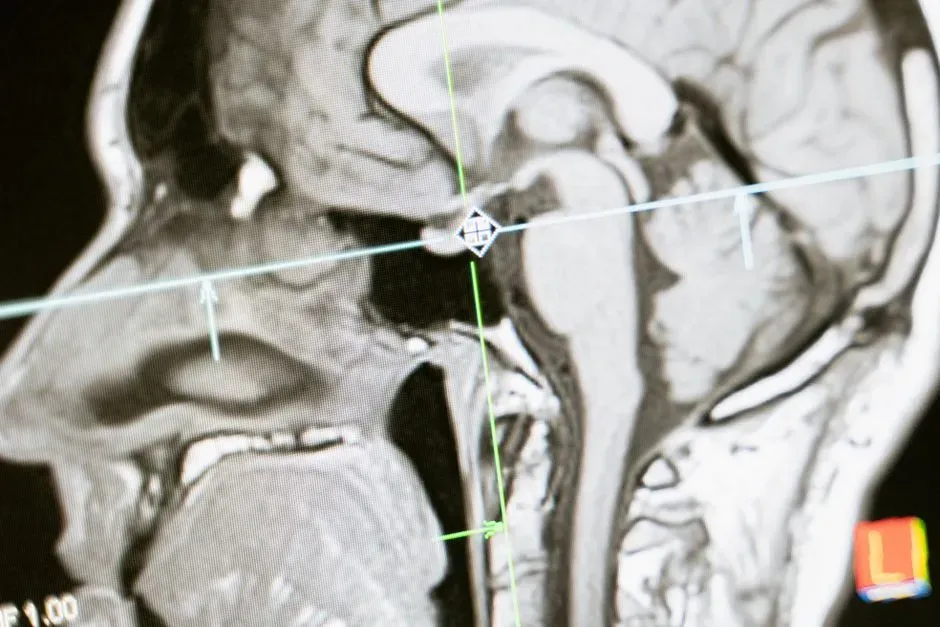
Perhaps one of the most practically interesting developments in canine neuroimaging concerns the predictive power of brain connectivity. Research published in 2024 investigated resting-state functional connectivity to predict trainability in working dogs, analyzing brain scans and behavioral measures at three stages: before training, immediately post training, and three months after training, finding a stable core brain network with stronger interactions in dogs that successfully became detector dogs, and notably, connectivity strength at the initial time point predicted future training success.
This is a significant finding because it suggests that a dog’s capacity to learn and respond consistently to commands is not simply a product of training quality or owner effort. It reflects underlying neural architecture that varies between individual animals. Some dogs are wired, neurologically speaking, for faster and more reliable responses to human direction. Others face real biological headwinds.
That framing should reshape how owners and trainers interpret slow progress or inconsistent compliance. A dog that takes longer to learn a reliable recall or fails to generalize a command across different environments may simply have a different resting-state connectivity profile. Patience, therefore, is not merely a virtue in training. It’s the scientifically correct response to biological variation.
Stress, Cortisol, and the Breakdown of Prefrontal Function
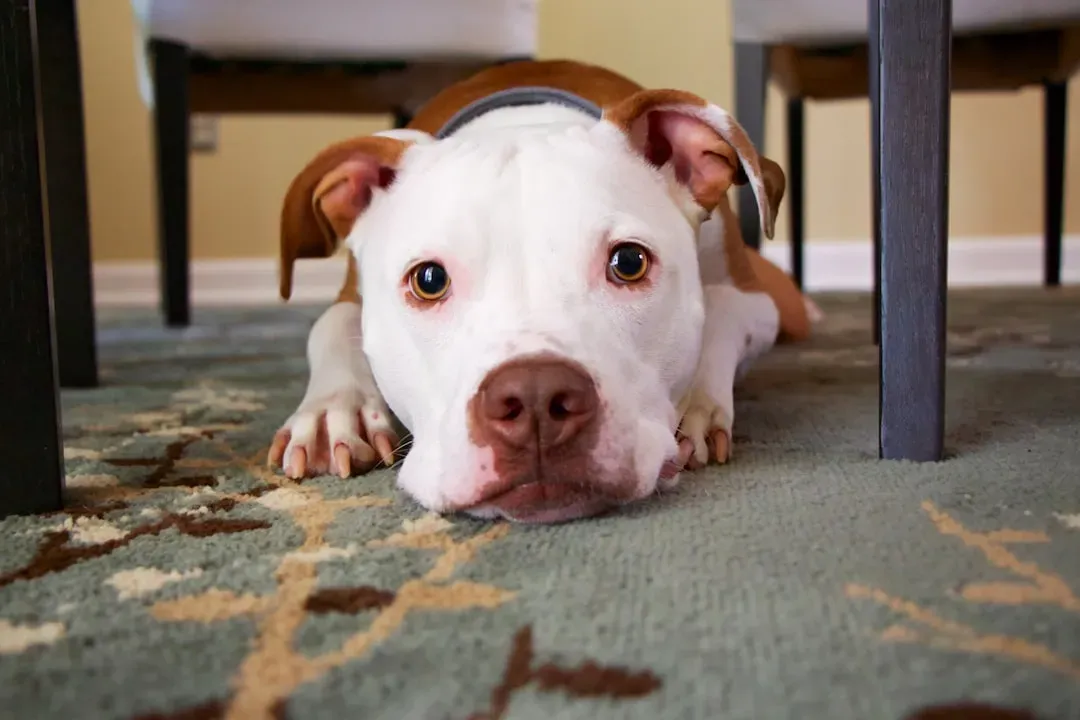
Stress is another piece of the puzzle that brain science has clarified considerably. When a dog is anxious, overstimulated, or operating in a state of elevated physiological stress, the prefrontal cortex, which handles executive functions including command compliance, does not operate at full capacity. There is now evidence that an increase of prefrontal norepinephrine concentration, as might occur during stress, inhibited prefrontal cortical function and working memory, and the inhibition of prefrontal brain functions such as working memory and sustained attention toward an alarming stimulus might be a valuable cognitive strategy in the animal kingdom.
In practical terms, this means a dog at a busy park, during a thunderstorm, or in any genuinely stressful situation is not selectively ignoring its owner out of stubbornness. Its prefrontal function is genuinely reduced. The very brain circuitry required to hear a command, process its meaning, suppress competing impulses, and execute the trained response is operating under chemical stress that impairs each of those steps.
This is consistent with what trainers who work in stressful environments have observed empirically for decades. A dog that performs a perfect sit-stay in the living room may fail completely at the same task outside an animal shelter. The gap is not attitude or defiance. It is a neurologically predictable consequence of altered brain chemistry under stress.
What This Means for the Human Side of the Relationship
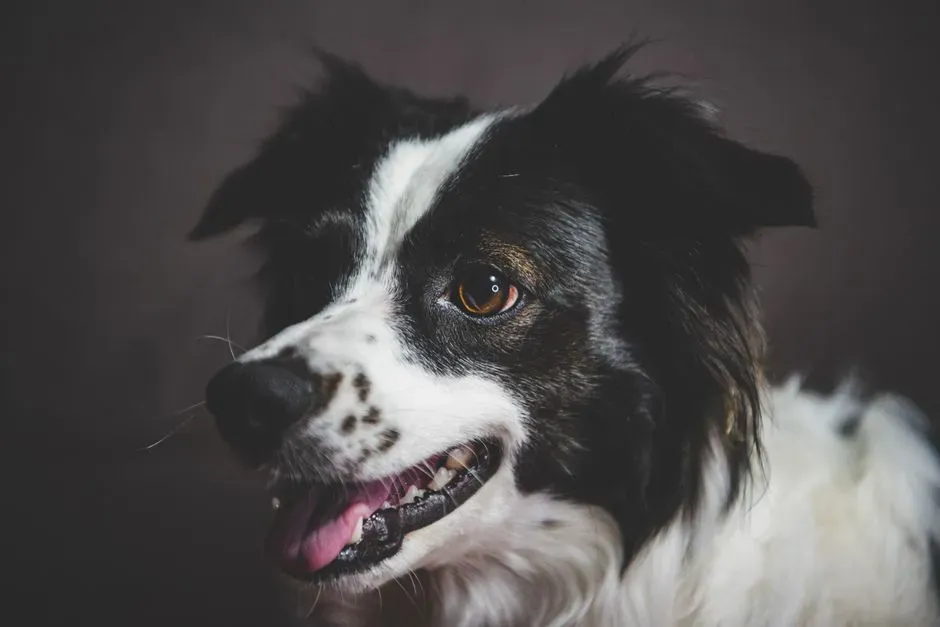
The use of fMRI, while still maturing, may bolster the reliability and validity of prior cognitive research with dogs, as adapting behavioral tasks for use in the scanner and correlating behavioral measures with in-scanner techniques allows underlying cognitive processes to be better examined and evidenced. This growing evidence base is slowly but clearly pushing against the anthropomorphic habit of reading human moral categories like willfulness or defiance into dog behavior.
The data consistently points toward a more compassionate and accurate framing. When a dog ignores a command it has heard a hundred times, something is happening in its brain, whether that’s an inhibitory control limitation, a reward expectation mismatch, a stress-induced suppression of prefrontal function, or a genuine difference in how that particular command was delivered in terms of tone and context. None of those explanations involve the dog making a conscious decision to misbehave.
What the research ultimately offers is a richer, more respectful model of canine cognition. Dogs are not small, fur-covered humans making moral choices about obedience. They’re animals with a sophisticated but biologically constrained brain, shaped by thousands of years of co-evolution with people, doing their honest best to parse a world of signals they did not evolve to fully decode.
Conclusion: The Stubborn Dog That Never Was

Science has a habit of quietly dismantling the stories we tell ourselves about other species, and the story of the stubborn dog is one that really deserves to be retired. The fMRI data, the inhibitory control research, the speech processing studies out of Budapest and Atlanta and Auburn, they all converge on the same picture: a dog that fails to respond to a known command is not making a defiant choice. It is revealing the limits or current state of a genuinely complex cognitive system.
That reframing matters practically. Training approaches built on the assumption of willful disobedience tend to escalate into punishment-based methods that the neuroscience now suggests are counterproductive. Stress impairs the very prefrontal systems that compliance requires. Punishment adds stress. The logic of punishing a dog for “stubbornness” is, at the neural level, somewhat self-defeating.
The more useful question, when your dog sits there and looks at you after a familiar command, is not “why is it being difficult?” but rather “what is its brain actually dealing with right now?” That shift in question changes everything about how the relationship can be built. Dogs have given us something genuinely remarkable in allowing researchers to watch their minds at work. The least we can do is listen to what those scans are telling us.

- 17 Cat Breeds Shelters Are Quietly Overwhelmed With That Almost Nobody Seems to Want Anymore - August 13, 2026
- What Hummingbirds Do Before They Vanish for Winter Will Surprise You 18 Behaviours Gardeners Miss - August 13, 2026
- 17 Animals That Bond With One Person for Life and 17 That Never Really Attach at All - August 13, 2026