
The Bird That Never Forgets a Good Meal
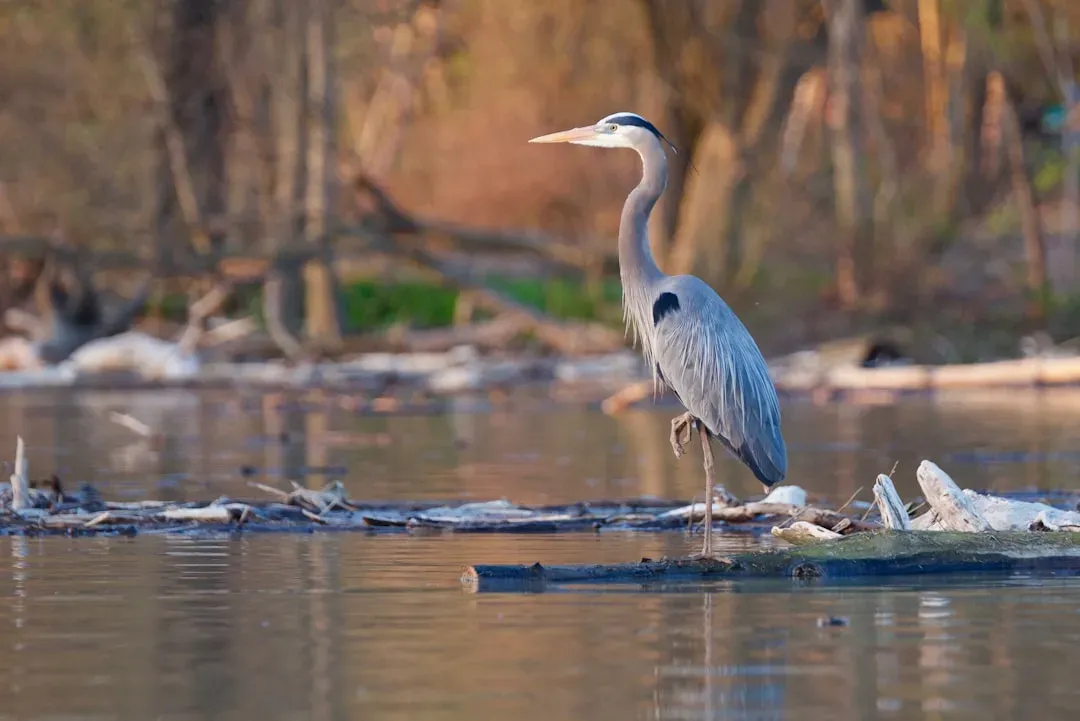
Herons are creatures of habit in a very practical sense. Once a bird finds a location that reliably provides food with low effort and low risk, it tends to incorporate that spot into a regular foraging circuit. This isn’t random wandering or coincidence. It’s the result of a learned, calculated process built on memory and repetition.
A single successful fishing trip to a pond can lead to weeks or even months of repeat visits. Great blue herons seem to have “routes,” visiting the same pond again and again, with each visit being a learning experience about that particular body of water. The more successful the hunt, the stronger the pull back to that exact location.
What Makes a Pond Worth Returning To
These birds are methodical, patient, and very good at identifying spots that offer reliable food, accessible water, and low disturbance. A pond doesn’t need to be large or pristine. It simply needs to be productive. Shallow water, visible prey, and a quiet surrounding environment are really all this bird is looking for.
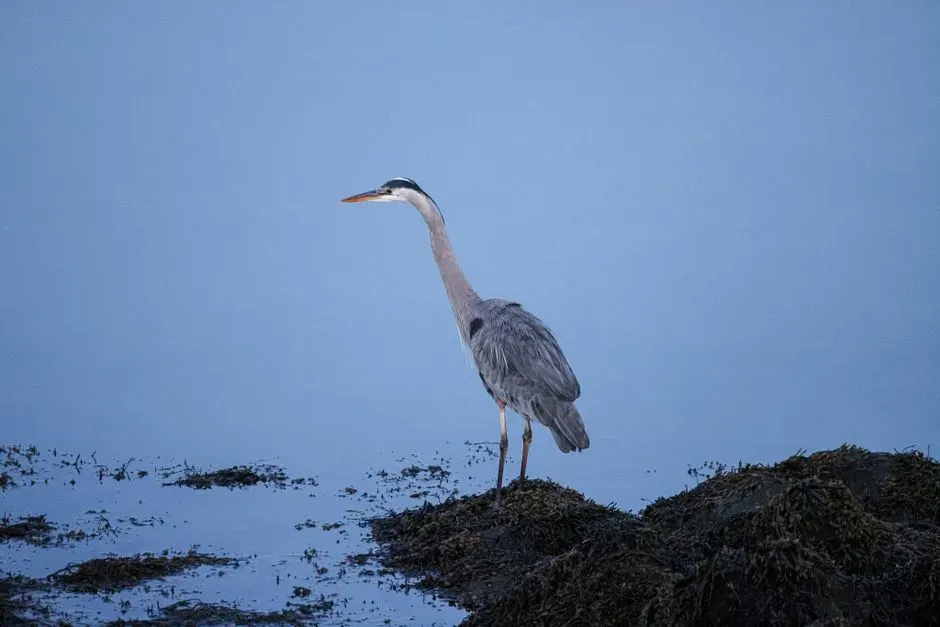
Great blue herons are typically found near lakes, rivers, estuaries, marshes, swamps, and coastal shorelines, and they’re especially fond of wetlands with shallow water where they can slowly stalk their prey. They’re also known to adapt to urban environments, and can be found foraging in parks, near ponds, and even in drainage ditches. If a suburban pond or backyard water feature checks those basic boxes, it qualifies as a viable hunting ground.
The Foraging Circuit: How Herons Map Their Territory
A study in Oregon’s Yaquina Estuary found that the mean territory size for great blue herons was roughly 21 acres, but in freshwater marshes the mean size shrank to just 1.5 acres. Territory size shifts depending on how concentrated and predictable the food supply is. In a rich, stable pond environment, a heron doesn’t need much range at all.
Great blue herons often nest in distinct habitats more than five kilometers from their foraging areas, and may fly between 30 and 40 kilometers to reach foraging sites that are buffered from human activity. The distance between a heron’s nesting colony and its preferred feeding pond can be surprisingly large, which only underscores just how committed they are to returning to specific spots they trust.
Site Fidelity: It’s Not Just About Nesting
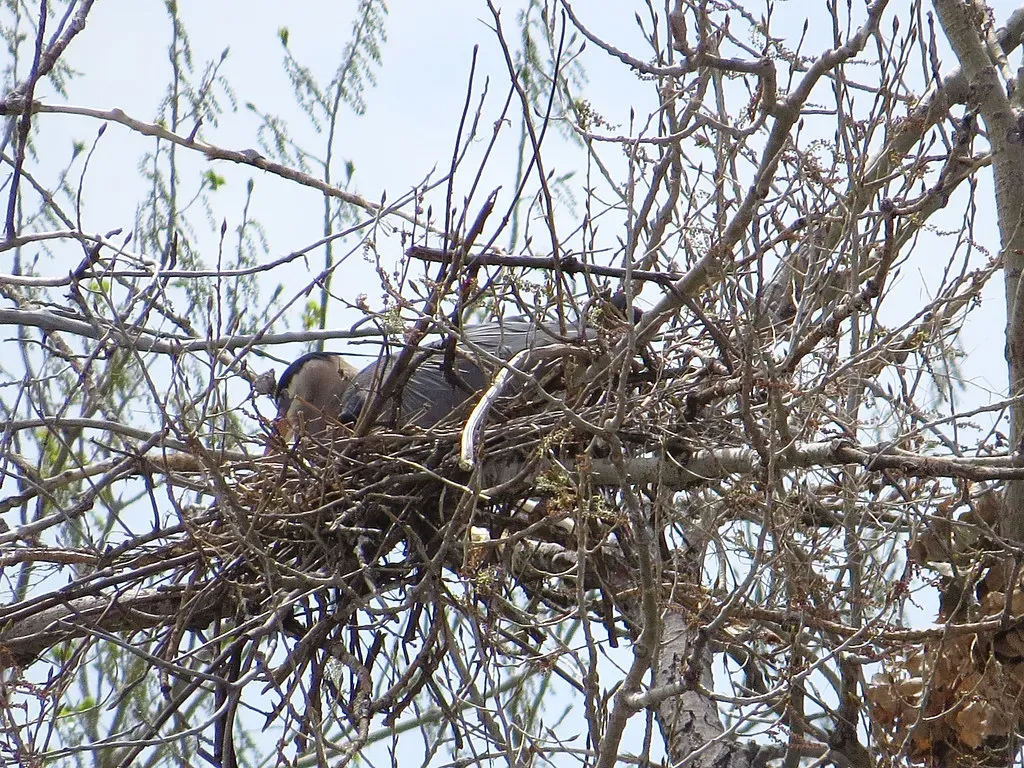
Many herons return to the same nesting colonies year after year, a pattern documented in great blue heron site fidelity research. This same loyalty applies to feeding locations as well. Once a site proves reliable, a heron is unlikely to abandon it without a compelling reason, such as depleted prey or persistent disturbance.
These tallest of the wading birds return to the same tree between late February and early March to build and rebuild their nests. That same biological impulse toward familiarity and loyalty to proven locations extends beyond the nest. It shapes where they eat, where they stand, and which ponds they visit at which times of day. The pattern is consistent across their lives.
The Art of Standing Still: A Hunting Strategy Built on Patience
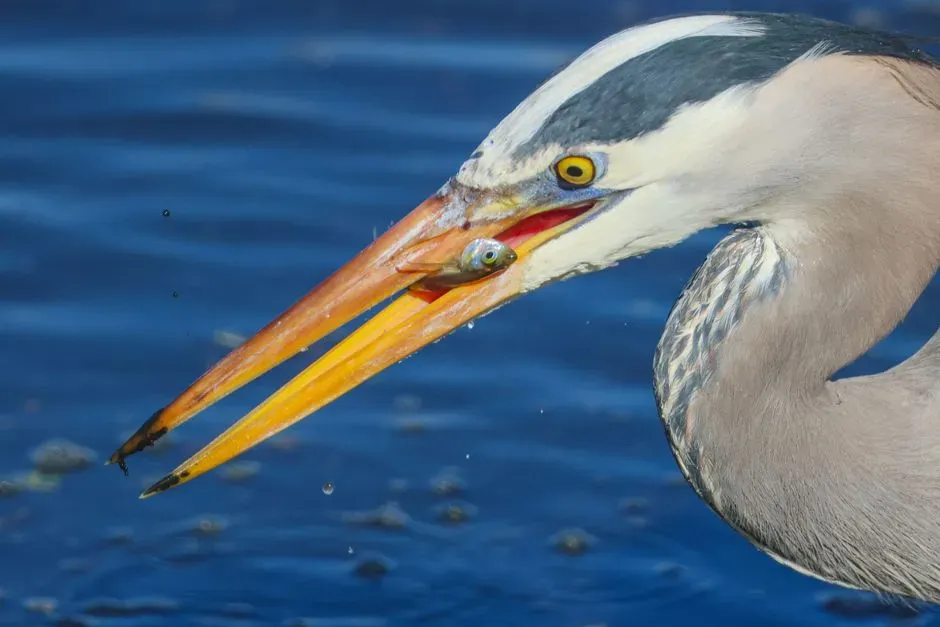
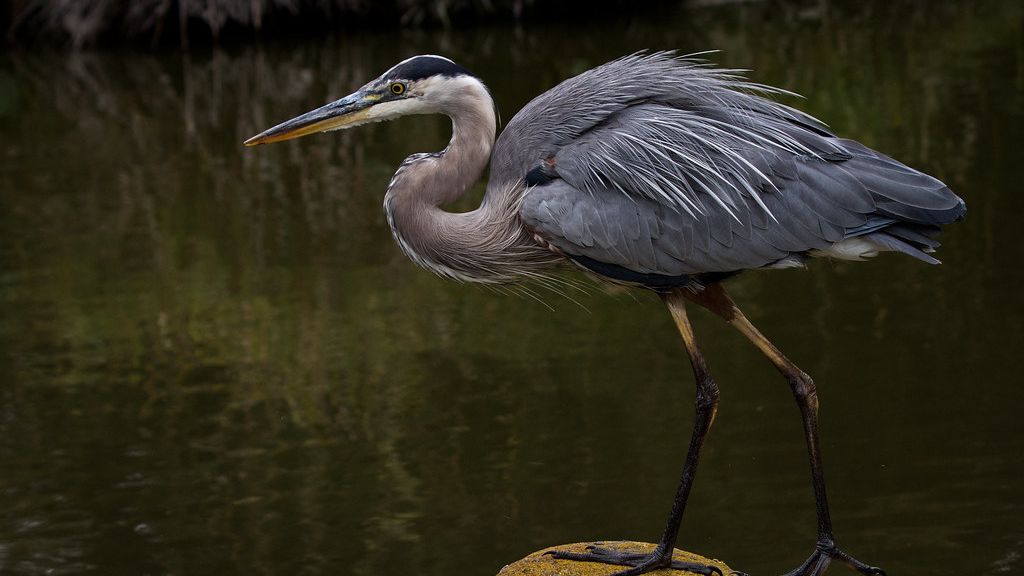
Great blue herons are ambush predators. They stand motionless for long periods, patiently waiting for prey to come within striking distance. Their sharp bills and lightning-fast reflexes allow them to snatch fish, amphibians, and other small animals from the water. That long, unmoving silhouette at the pond’s edge isn’t laziness. It’s precision.
Blue herons move through wetlands with a kind of quiet patience that feels almost deliberate. They do not rush, and they rarely waste energy. Instead, they rely on timing, precision, and an instinct refined over thousands of years. Their method is built on stillness and explosive speed. A heron may stand motionless for minutes, even longer, waiting for the right opportunity. When it strikes, the movement is sudden and precise, with its long neck snapping forward like a spring and the sharp bill acting like a spear.
Territorial Behavior: Why They Sometimes Chase Others Away
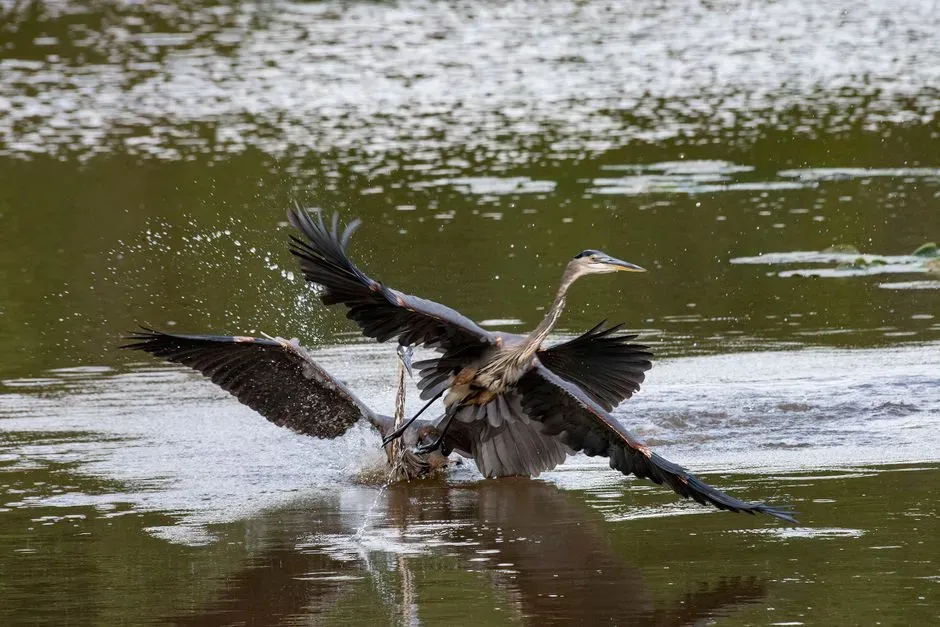
Away from the colony, great blue herons defend feeding territories from other herons with dramatic displays in which they approach intruders with their head thrown back, wings outstretched, and bill pointing skyward. Gulls and even humans may also be a target of this defensive maneuver. Witnessing one of these displays up close is genuinely startling.
Great blue herons are not always territorial and may hunt for food within several yards of one another, but at times will defend an area by displaying, threatening, and chasing other great blue herons. Foraging great blue herons have been reported to be both territorial and nonterritorial depending on a number of factors. Territorial herons generally forage on a more evenly distributed food source and sample a more specific part of the environment than nonterritorial herons. In other words, the predictability and quality of the pond shapes whether a heron decides to defend it or share it.
What Time of Day Tells You About Their Intentions
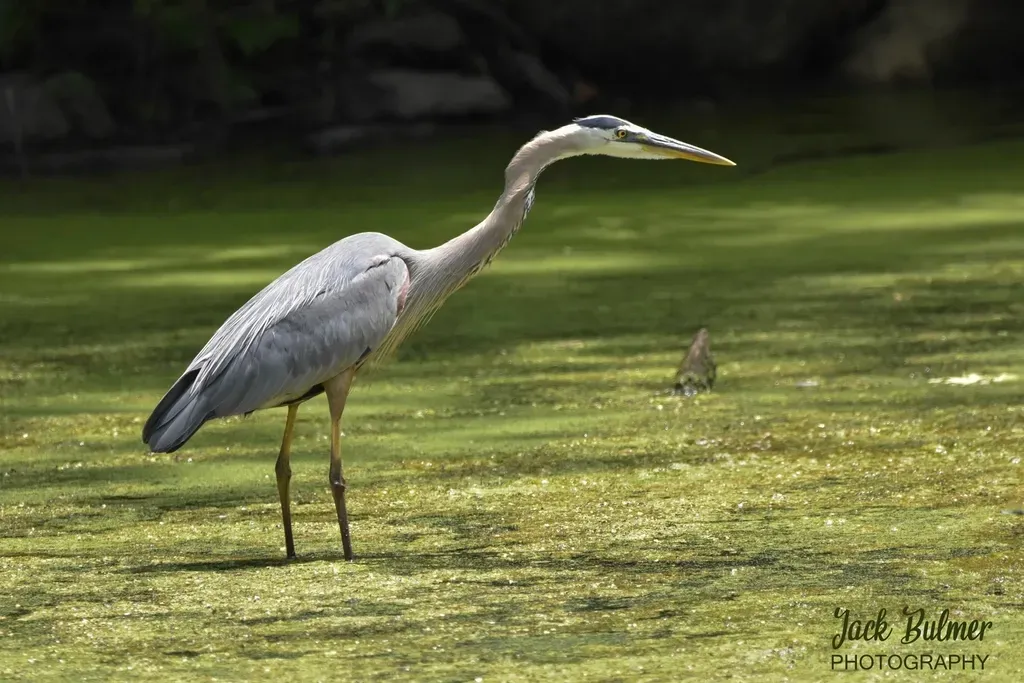
Great blue herons typically hunt in the early morning or early evening, though they can be seen at any time of day. Ohio homeowners with ornamental ponds sometimes notice a heron returning at similar times each day, often early morning when the yard is quiet and the water surface is calm. That timing is deliberate. Calm water improves visibility, early mornings mean less human foot traffic, and low light often concentrates fish near the surface.
Homeowners who notice a heron showing up at the same time each morning are likely seeing evidence of this routine foraging behavior in action. The bird is not being bold or territorial; it is simply following a path that has worked before. The consistency of arrival time is itself a clue that the bird has already mentally filed your pond under the category of “reliable resource.”
What the Heron’s Presence Actually Says About Your Pond’s Health
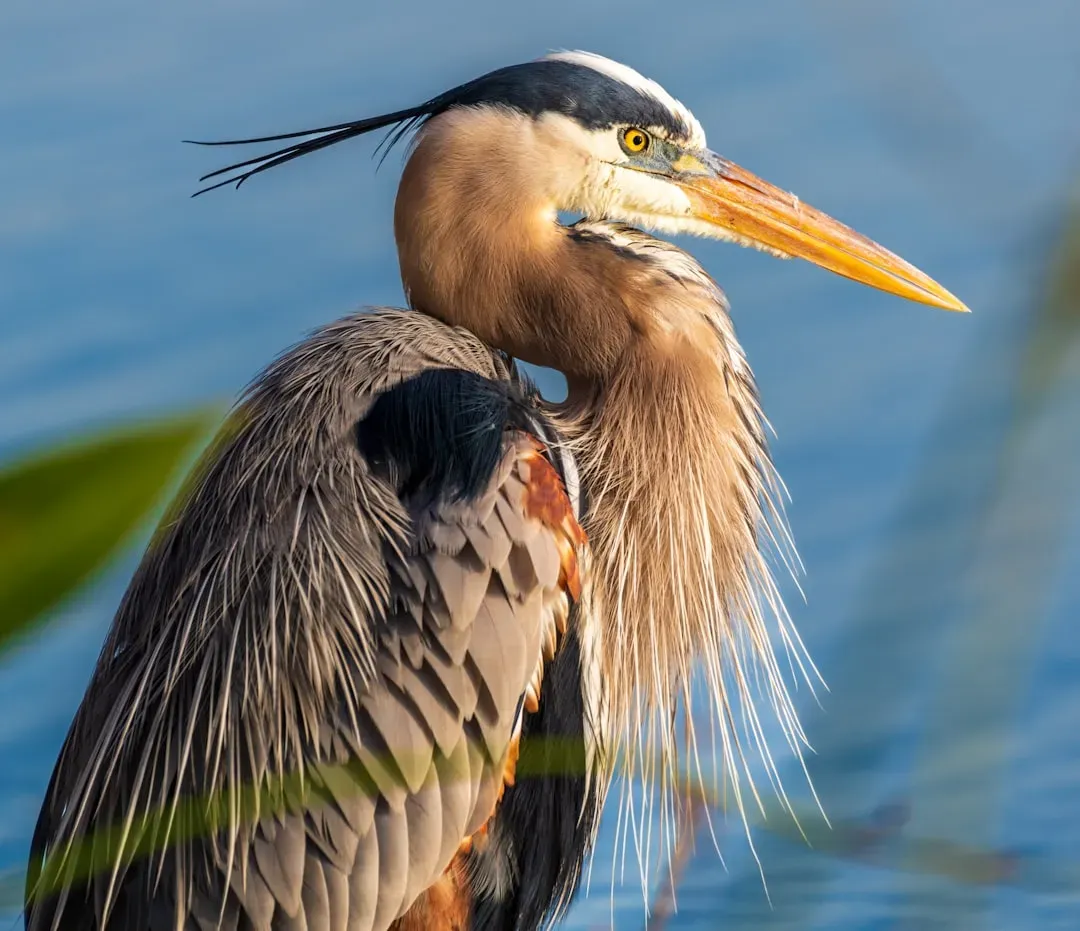
Great blue herons are more than just large birds. They can also be indicators of ecological health, including levels of toxins, habitat connectivity, and abundance of prey species. A heron that keeps returning to a pond is, in a meaningful sense, endorsing that pond’s biological productivity. It wouldn’t come back if there was nothing worth catching.
As a bellwether of ecological health, great blue herons are frequently looked to as an indicator species, in part because they forage in both freshwater and marine environments and are a top predator within their ecosystems. Their presence suggests a functioning aquatic food web below the surface. So while seeing one return might cause concern about your koi, it also means your pond is alive in all the right ways.
When the Heron Becomes a Problem: The Backyard Pond Reality
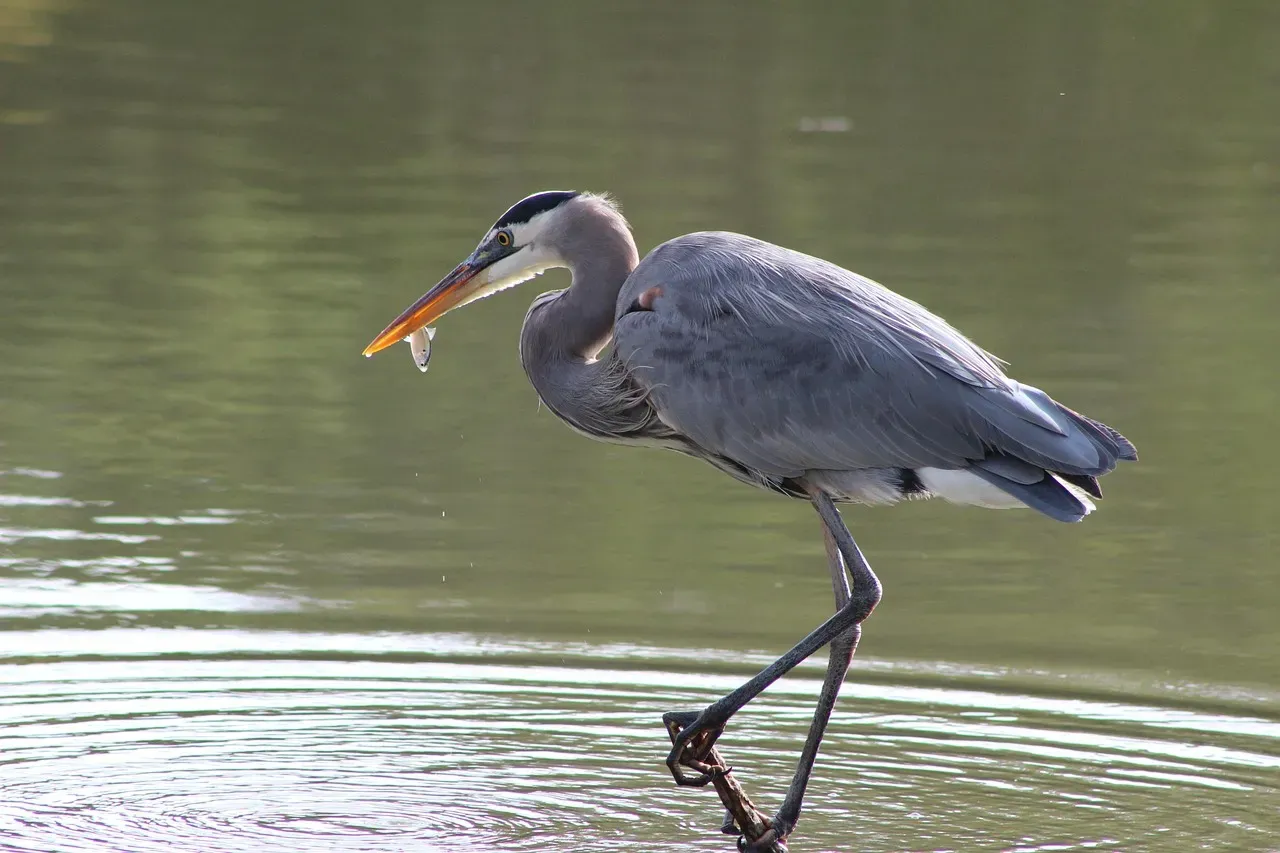
This majestic wading bird can have a real impact on pond fish populations. A backyard pond stocked with goldfish or koi is one of the most reliable food sources a great blue heron can find in a suburban neighborhood. The fish are often dense, visible, and largely unprotected. From the heron’s perspective, it’s an almost effortless meal.
Pond netting is one way to create a protective barrier between a backyard fishpond and predatory birds, with netting placed between six to twelve inches above the pond surface. This method is considered one of the most successful ways of preventing herons from eating fish. Herons are very intelligent and will catch on quickly if a decoy stays in one spot for too long, so keeping it moving helps keep the real birds guessing. The bird’s adaptability cuts both ways.
The Bigger Picture: A Species That Keeps Thriving
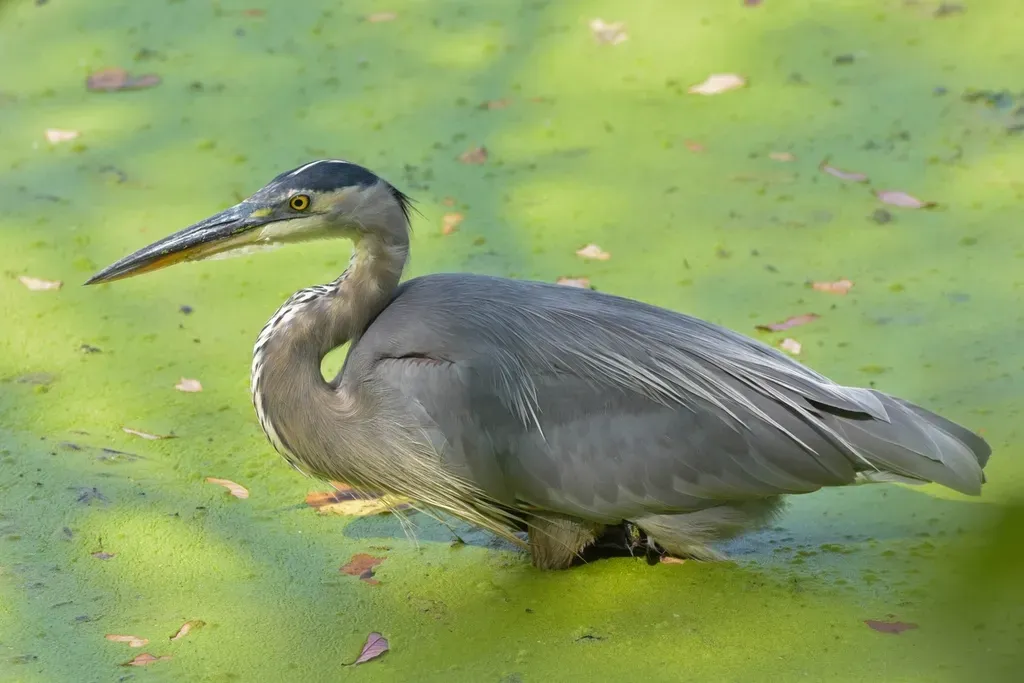
The great blue heron is an adaptable species whose population is increasing in an era when many other bird species are in trouble. It was aggressively hunted for its plumes in the late 19th and early 20th centuries, but protections from the Migratory Bird Treaty Act and other laws and regulations have helped this magnificent bird’s population recover. That recovery is a genuine conservation success worth acknowledging.
Great blue heron numbers are stable and increased in the U.S. between 1966 and 2019, according to the North American Breeding Bird Survey. In the northeastern U.S. and southern Canada, great blue herons have also benefited from the recovery of beaver populations, which have created a patchwork of swamps and meadows well-suited to foraging and nesting. Their spread into urban and suburban environments speaks to a species actively finding ways to coexist with a changing world.
Conclusion: A Reliable Visitor Is Also a Mirror

- Animal Science Says River Otters Play More Where Fish Populations Are Stable - August 13, 2026
- The Secret Behind the Smelly Scent of the Civet Cat - August 13, 2026
- 10 Amazing Facts About Orcas That Will Change How You View Predators - August 13, 2026