
Most of us curl up on a mattress, pull a blanket over our shoulders, and call it a night. Plenty of animals have a very different idea of what a good night’s rest looks like. Some sleep while hanging by their feet, some while floating, and a few while keeping half their brain on guard duty.
These habits aren’t random quirks. They’re solutions to real problems like predators, cold water, and the simple challenge of staying put. Here are nine animals whose sleeping styles are hard to forget.
Bats Hang Upside Down
🔥 Would you like to save this?
We'll email this post to you, so you can come back to it later!
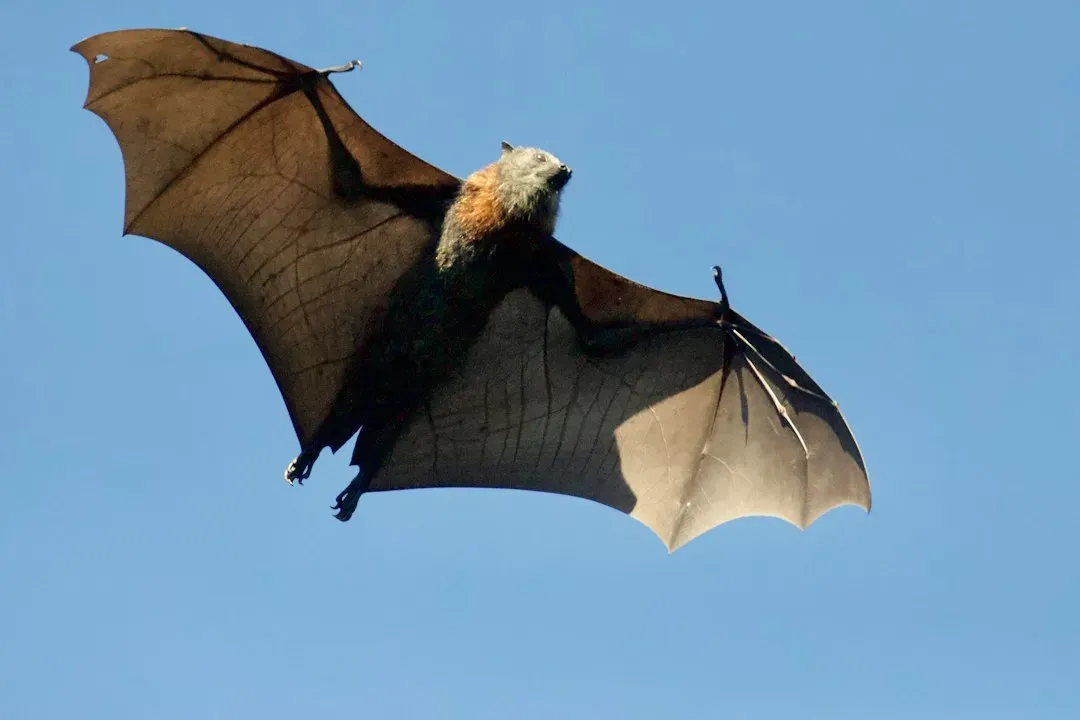
Bats are the classic upside down sleepers, roosting in caves, trees, and buildings while gripping a perch with their feet. Their hind limbs have tendons that lock the toes into a closed grip. That means a bat doesn’t have to keep tensing its muscles to stay attached.
The position also makes takeoff easy. Bats can’t launch from the ground as well as many birds can, so dropping from a high perch gets them airborne quickly. For a small flier, sleeping upside down is both a safe spot and a handy runway.
Flamingos Snooze on One Leg
🔥 Would you like to save this?
We'll email this post to you, so you can come back to it later!
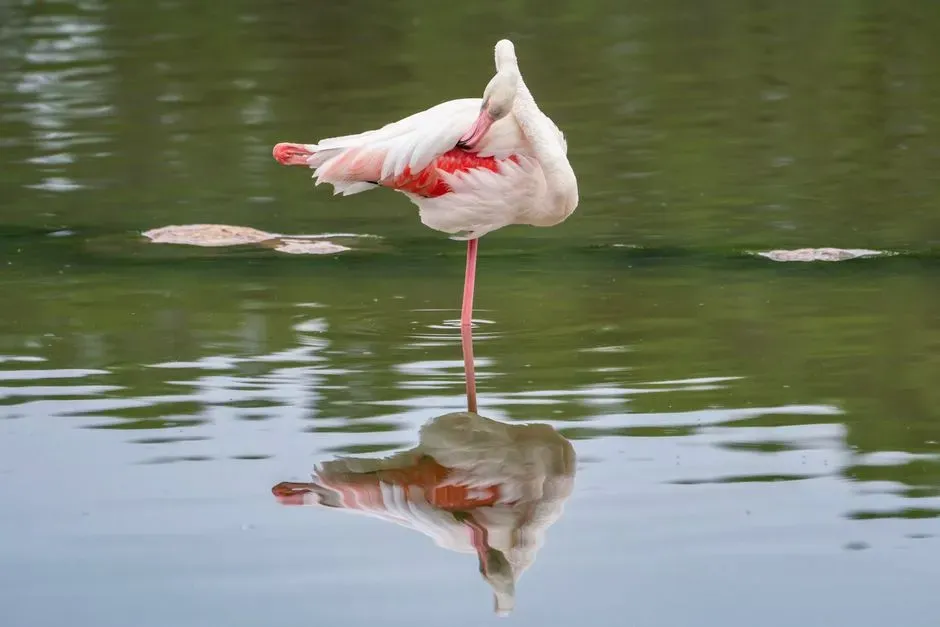
Flamingos are famous for standing on a single leg, and they often do it while resting. Researchers have found that the pose can help conserve body heat, since tucking one leg up reduces exposure to cool water. A flamingo can hold this stance for long stretches.
A study of captive flamingos also suggested that the birds use a passive balancing mechanism in the leg. In other words, they don’t have to work as hard to stay upright as you or I would. It looks like a daily balancing act, yet it may be surprisingly low effort.
Sea Otters Hold Hands in the Water
🔥 Would you like to save this?
We'll email this post to you, so you can come back to it later!
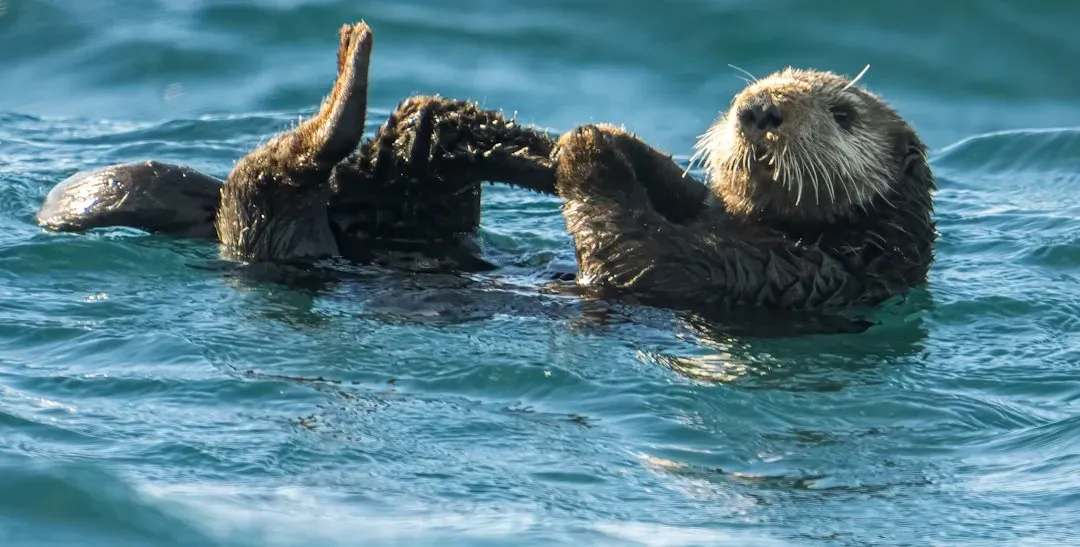
Sea otters often rest floating on their backs in the ocean. To avoid drifting apart, they sometimes link paws with a companion, and groups can float together in what are called rafts. Some also wrap themselves in kelp so they stay anchored.
It’s a tender picture, but it’s practical too. Currents can carry a sleeping otter far from its territory, so holding on to a partner or a strand of seaweed keeps everyone in place. It’s hard not to smile at the sight, though the reasoning is purely survival.
Giraffes Nap in Short Bursts
🔥 Would you like to save this?
We'll email this post to you, so you can come back to it later!
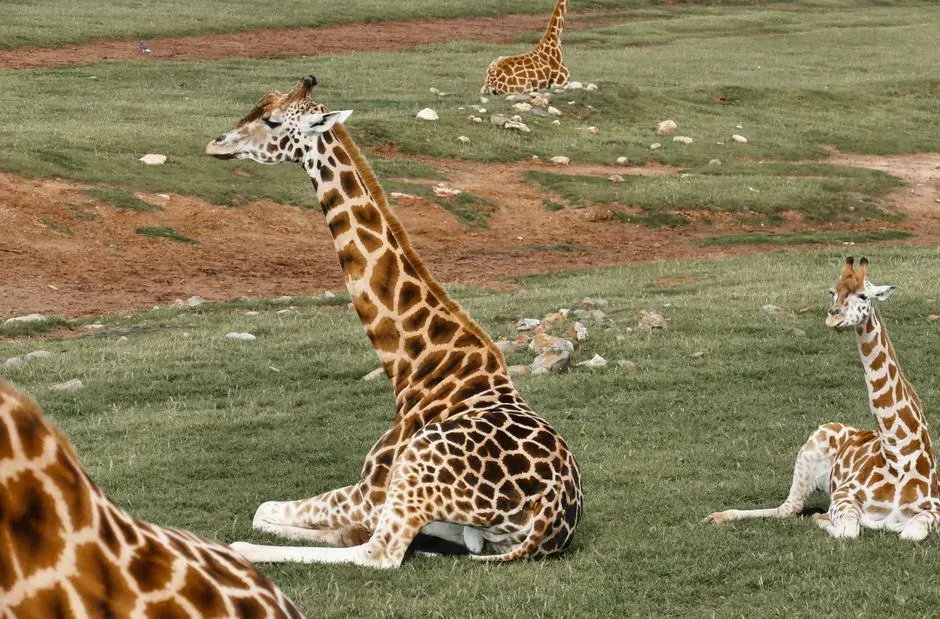
Giraffes sleep very little, and much of it happens standing up. Getting down and back up again takes effort and leaves a giraffe vulnerable, so many rest on their feet. Studies of captive giraffes have found they often sleep for short periods rather than long blocks.
When they do lie down, the pose looks almost like a contortion act. Giraffes can fold their legs beneath them and curve their long neck back to rest the head on the hindquarters. It’s a strange shape for an animal built like a crane.

PetSafe Oasys Pet Fountain, 1/2 Gallon (64 oz), Small Dogs & Cats
Check Price on AmazonAs an Amazon Associate, we earn from qualifying purchases.
10/8/2026 8:14 am GMTi

Portable Dog Water Bottle Foldable Dog Travel Water Bottle
Check Price on AmazonAs an Amazon Associate, we earn from qualifying purchases.
10/7/2026 1:29 pm GMTi

Professional 7 in 1 Dog Paw Cleaner for Dogs & Cats - Includes 1 Portable Paw Washer, 1 Bath Brush
Check Price on AmazonAs an Amazon Associate, we earn from qualifying purchases.
10/7/2026 1:26 pm GMTi

Glass Hummingbird Feeder for Outdoors Hanging
Check Price on AmazonAs an Amazon Associate, we earn from qualifying purchases.
10/7/2026 1:21 pm GMTi

Dog Stairs for Bed 18" H, 4-Step Dog Steps for High Bed
Check Price on AmazonAs an Amazon Associate, we earn from qualifying purchases.
10/9/2026 2:42 pm GMTi
Horses Sleep Standing Thanks to a Clever Lock
🔥 Would you like to save this?
We'll email this post to you, so you can come back to it later!
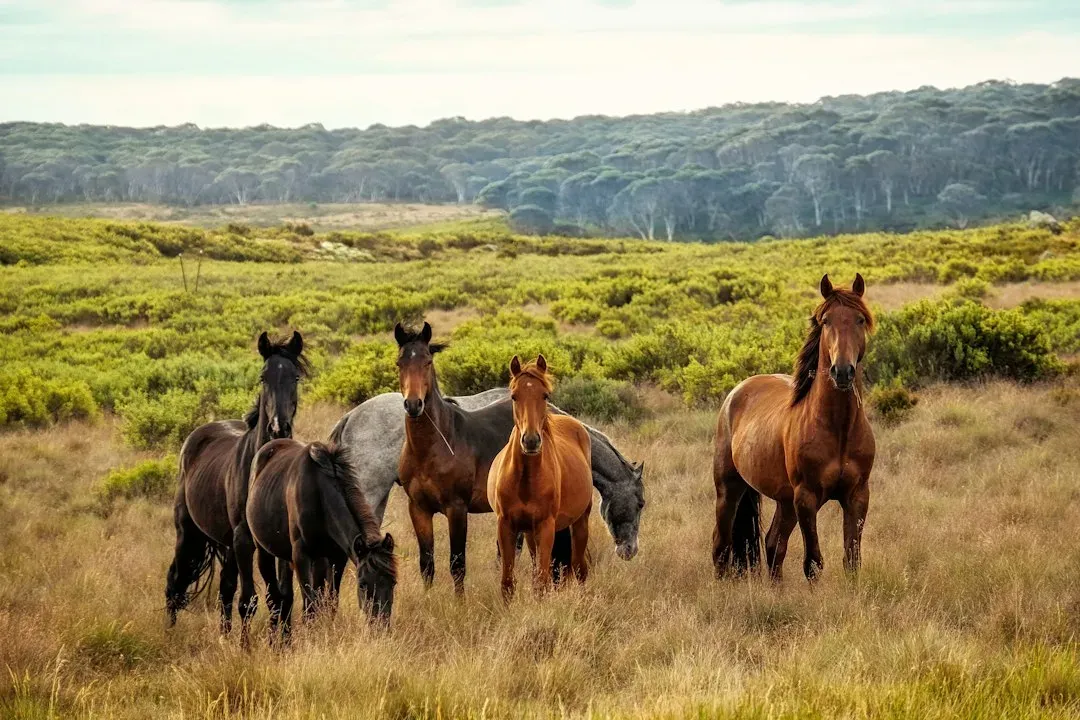
Horses can doze while upright because of a system of tendons and ligaments in the legs, often called the stay apparatus. It lets them lock certain joints so their weight is supported with little muscle effort. This makes it easier to flee if a predator shows up.
Still, horses need to lie down for the deepest stage of sleep, known as REM. If they never lie down, they can become sleep deprived. So standing naps are for light rest, while the truly deep stuff happens on the ground.
Dolphins Sleep With Half a Brain
🔥 Would you like to save this?
We'll email this post to you, so you can come back to it later!
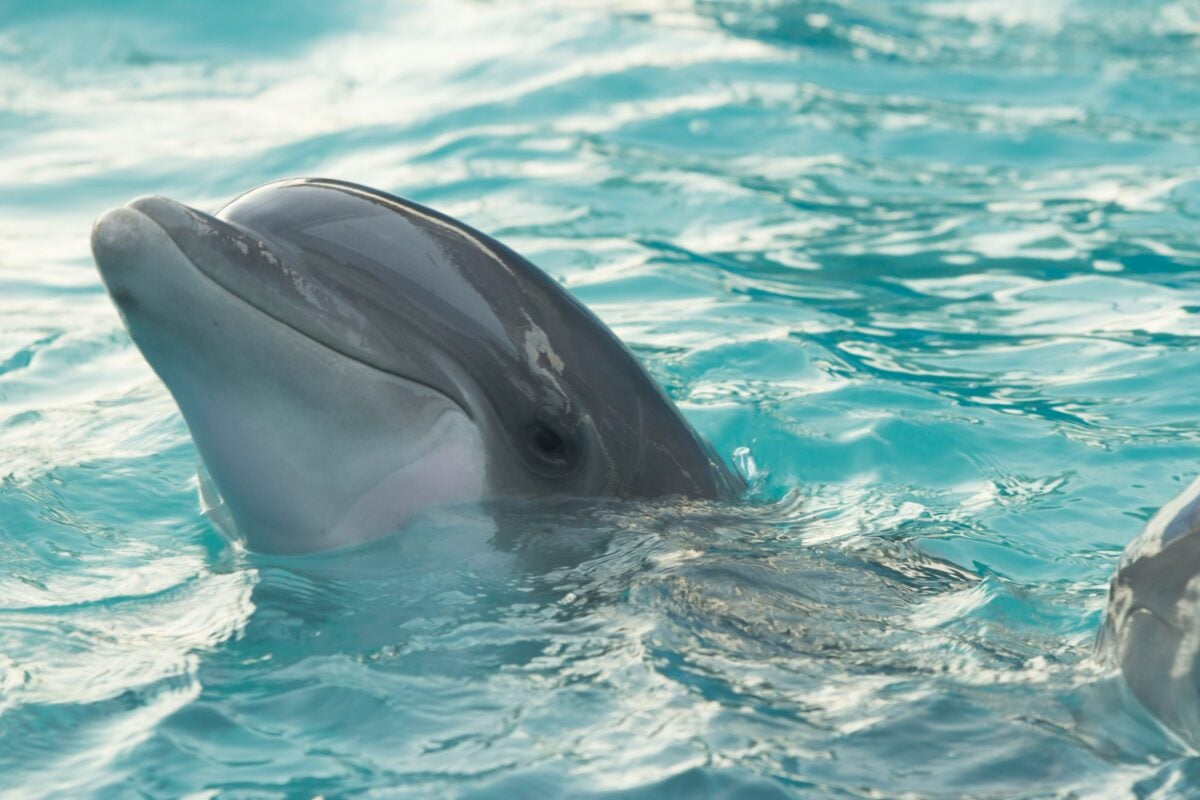
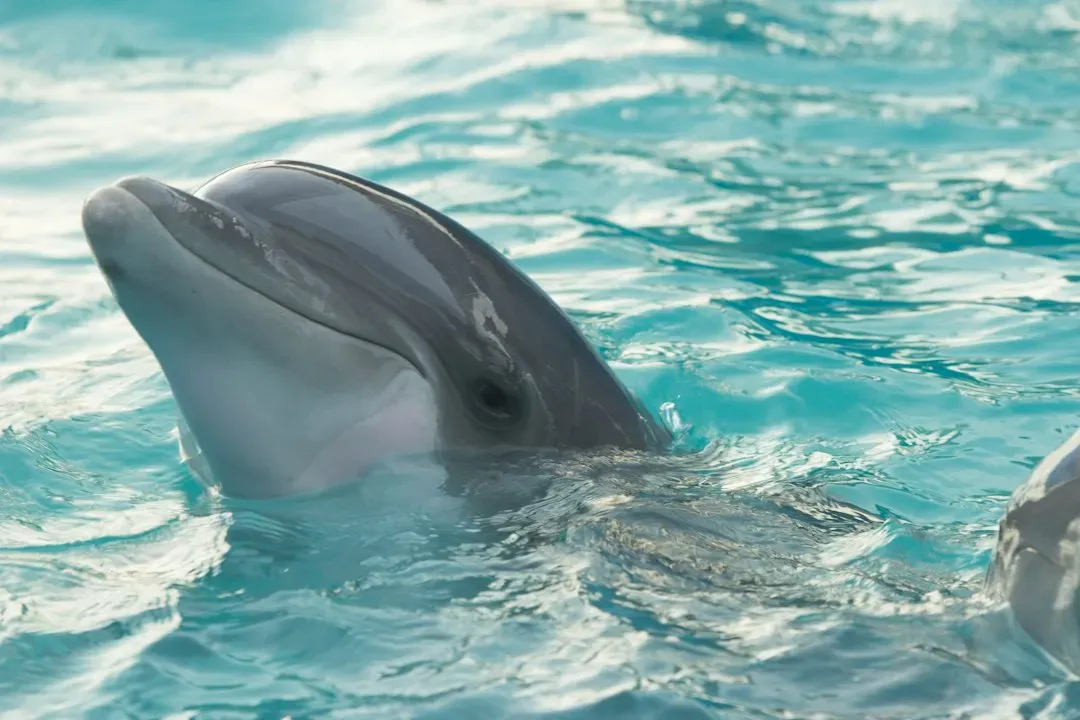
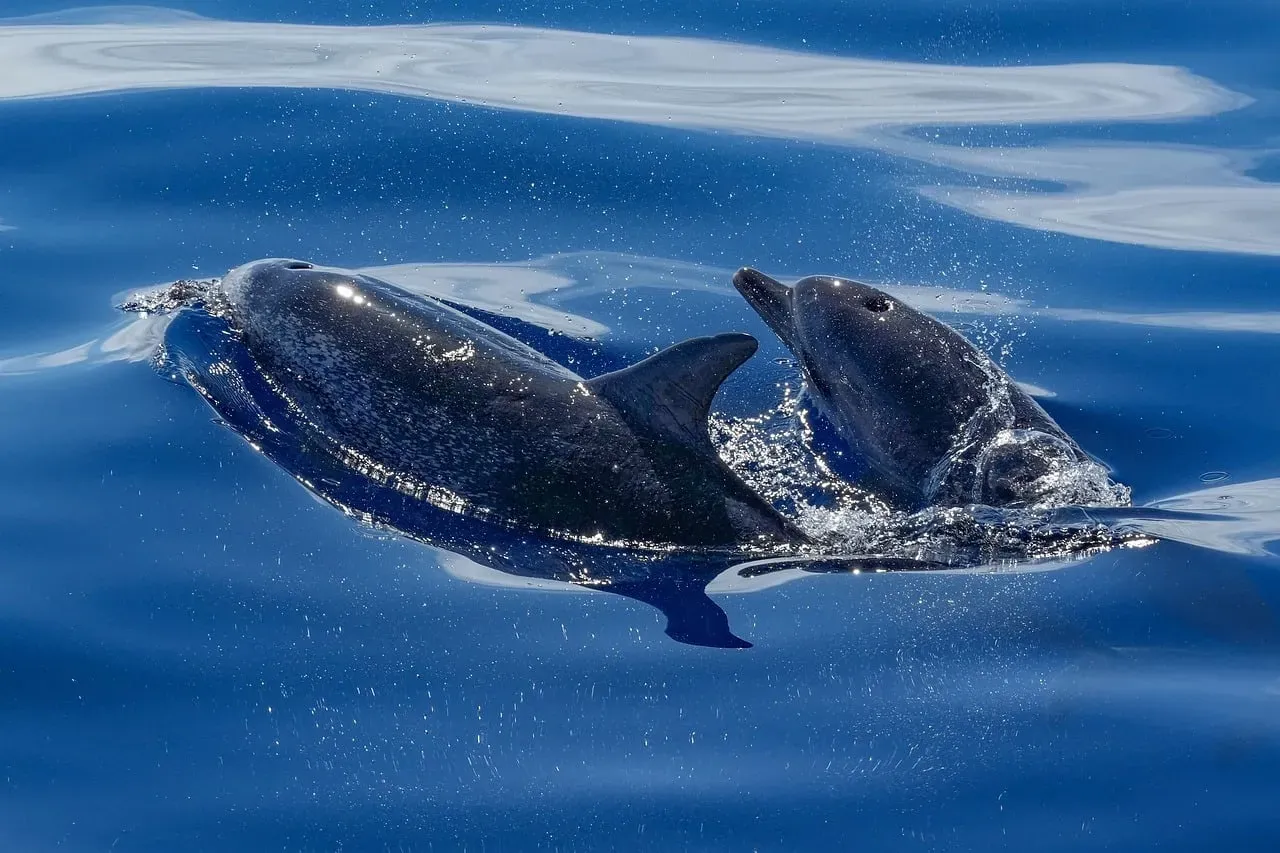
Dolphins have to surface to breathe, so falling fully unconscious could be dangerous. Instead, they practice unihemispheric sleep, meaning one half of the brain rests while the other stays alert. One eye often stays open during these periods.
Dolphins may rest while floating near the surface or swimming slowly beside a companion. It’s less a position than a whole strategy for sleeping in the open sea. Few animals have turned rest into such a careful balancing act.
Sloths Curl Up in the Treetops
🔥 Would you like to save this?
We'll email this post to you, so you can come back to it later!
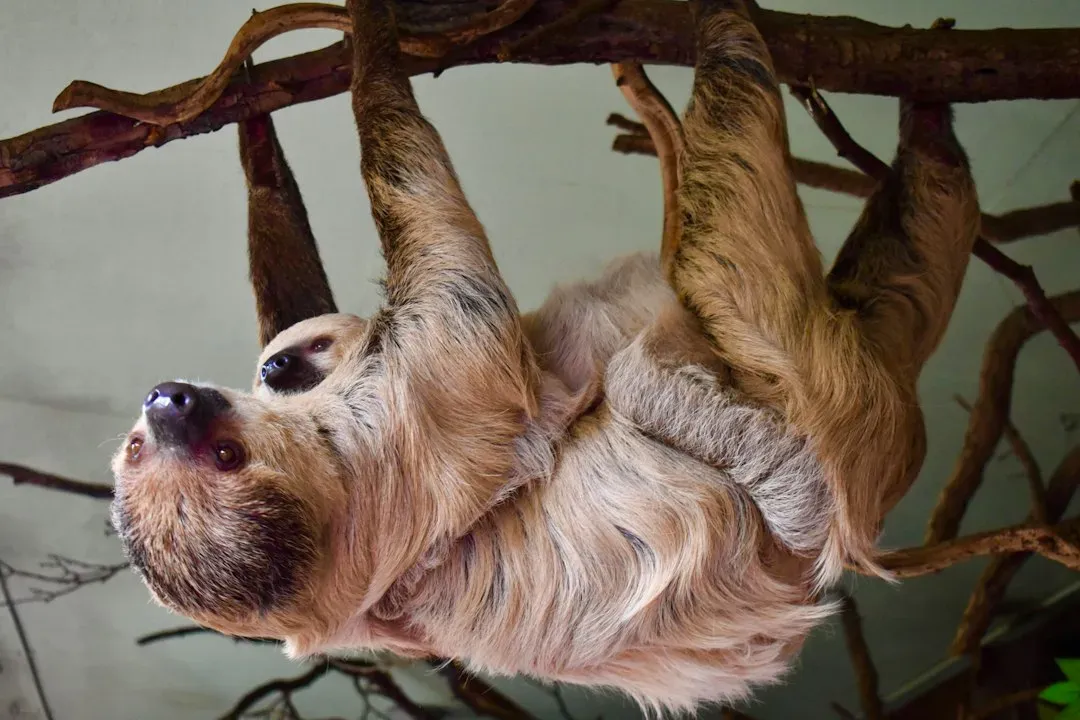
Sloths spend most of their lives in trees, and they often sleep curled into a tight ball in a fork of branches or hanging from limbs. Their slow, energy saving lifestyle suits long periods of rest. Fur that hosts algae can help them blend in with the foliage.
Interestingly, wild sloths appear to sleep less than captive ones, according to research that used monitoring devices on wild animals. That finding challenged the old idea of the endlessly sleepy sloth. They’re slow, yes, though maybe not as drowsy as the reputation suggests.

2 Pcs Halloween Pet Hat Bandana Set, Witch Pumpkin Costumes for Dogs
Check Price on AmazonAs an Amazon Associate, we earn from qualifying purchases.
10/9/2026 2:45 pm GMTi

Air Purifiers for Home Pets Large Room Up to 3000 Ft²,HEPA Air Cleaner with Washable Double-Side Filter, PM2.5 Air Quality Monitor,15dB Sleep Mode for Bedroom Odor Dust Pollen,White
Check Price on AmazonAs an Amazon Associate, we earn from qualifying purchases.
10/8/2026 8:23 am GMTi

Orthopedic Extra Large Dog Bed, Waterproof Washable XL Pet Bed 44"
Check Price on AmazonAs an Amazon Associate, we earn from qualifying purchases.
10/7/2026 1:32 pm GMTi

Earth Rated XL Dog & Puppy Pee Pads, Discreet Top, Max Absorbency
Check Price on AmazonAs an Amazon Associate, we earn from qualifying purchases.
10/7/2026 1:28 pm GMTi

Glass Hummingbird Feeder for Outdoors Hanging, 16 oz Leak-Proof Nectar Feeder with Bee Guards & Ant Moat
Check Price on AmazonAs an Amazon Associate, we earn from qualifying purchases.
10/7/2026 1:22 pm GMTi
Parrotfish Wrap Themselves in Mucus Cocoons
🔥 Would you like to save this?
We'll email this post to you, so you can come back to it later!
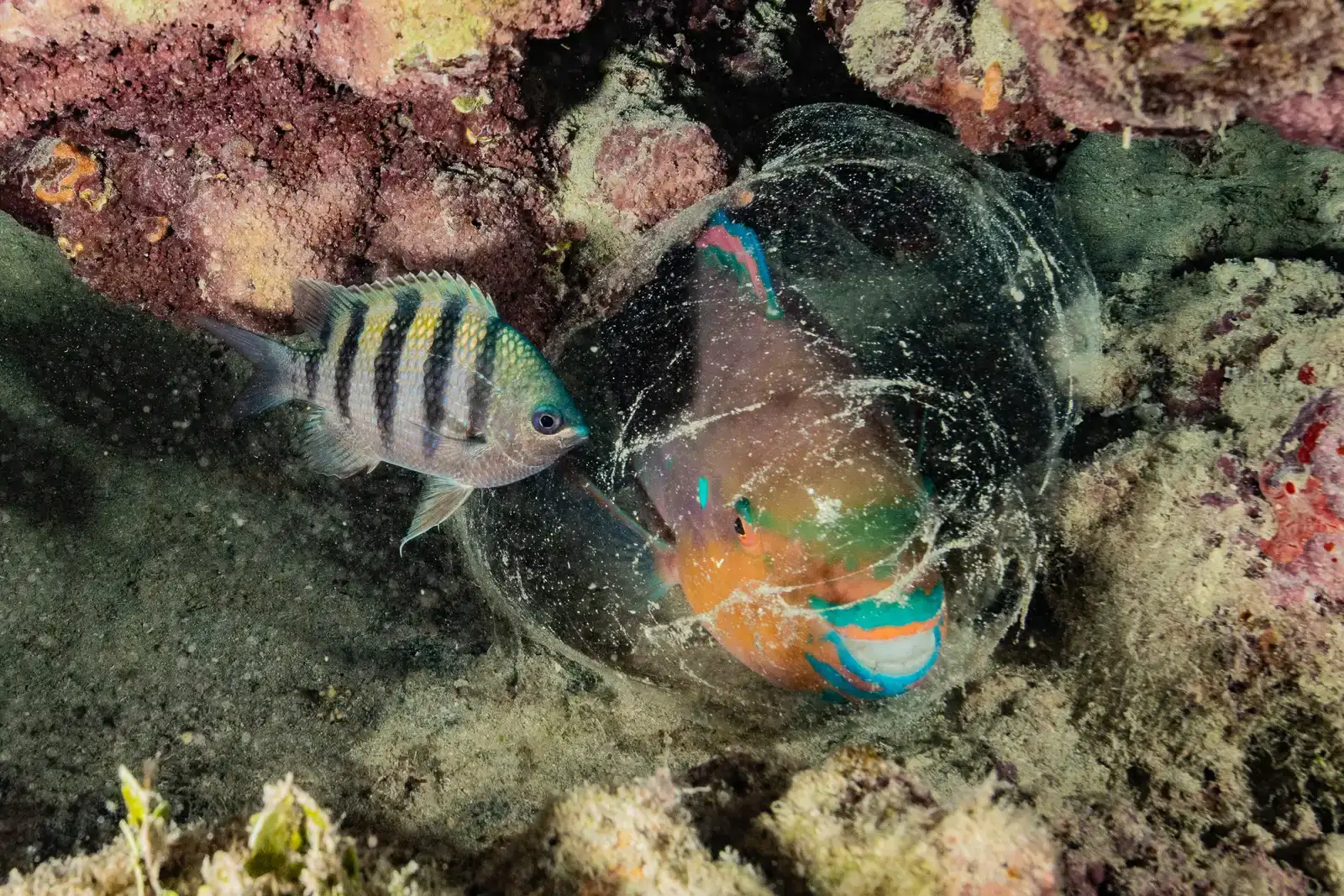
Some species of parrotfish secrete a transparent mucus envelope around their bodies before bed. They then wedge themselves into a crevice on the reef. It looks like a sleeping bag made of slime.
Scientists think the cocoon may help hide the fish’s scent from predators such as moray eels. It may also help guard against parasites, though the details are still being studied. Either way, it’s one of the oddest bedtime routines in the ocean.
Walruses Sleep Piled Up, and Sometimes in the Water
🔥 Would you like to save this?
We'll email this post to you, so you can come back to it later!
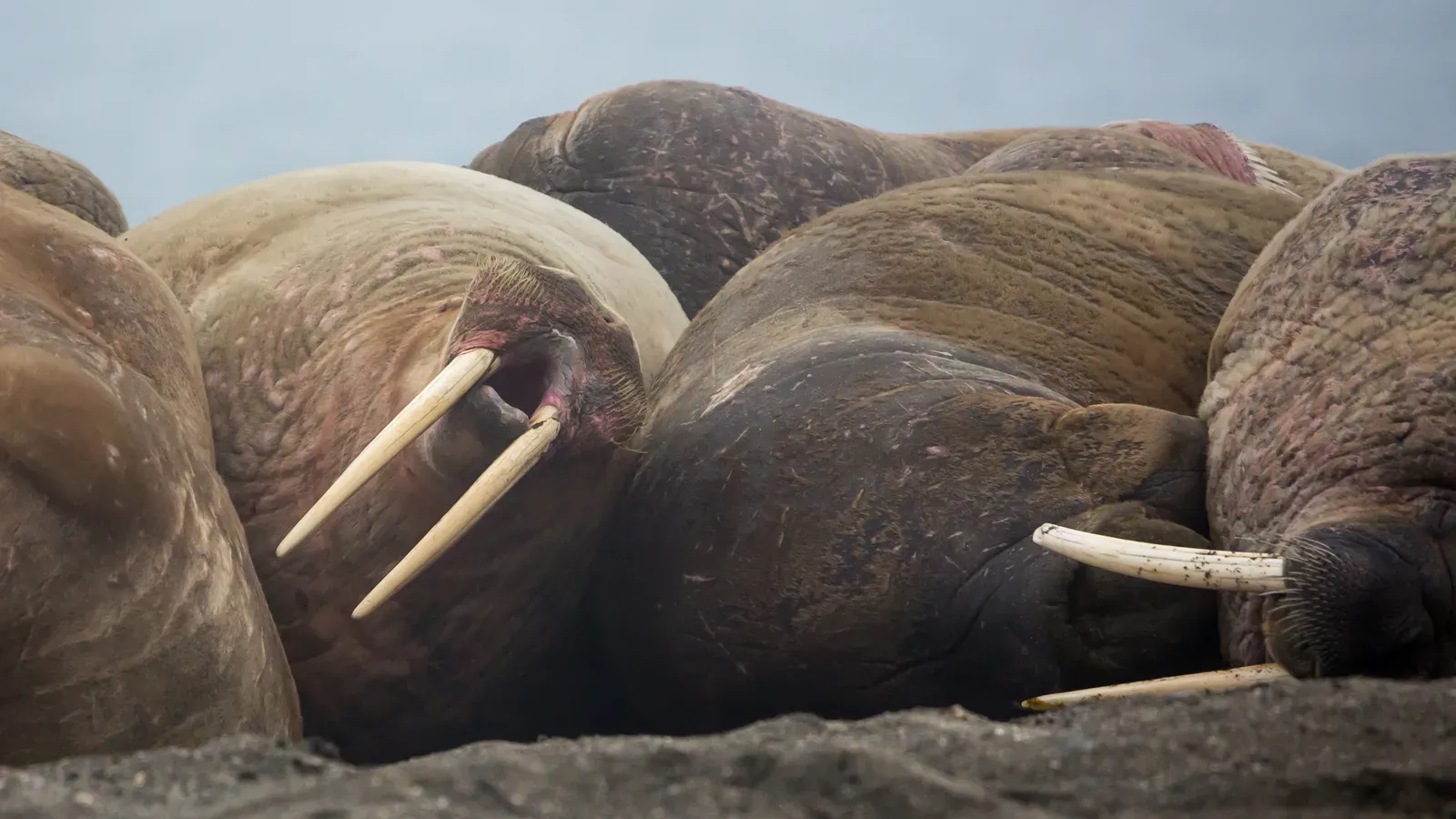
Walruses haul out onto ice or beaches in huge, tightly packed groups and sleep in heaps. They also have air pouches in their throats that can inflate, which may help them float upright in water while resting. Some can even sleep while floating, with the head held above the surface.
Resting in the water lets walruses sleep far from shore during long foraging trips. Their tusks can also serve as hooks to hang onto ice. It’s a rugged, awkward looking way to rest, and it clearly works.

Halloween Cat Costume Cloak Witch Hat Pet Accessories
Check Price on AmazonAs an Amazon Associate, we earn from qualifying purchases.
10/9/2026 2:44 pm GMTi

Smart Bird Feeder with Camera Solar Powered, 2K HD Live Video, 10,000+ Bird Species AI Identification
Check Price on AmazonAs an Amazon Associate, we earn from qualifying purchases.
10/7/2026 1:22 pm GMTi

Hand Blown Glass Hummingbird Feeders for Outdoors Hanging, 24oz Wild Bird Nectar Feeder
Check Price on AmazonAs an Amazon Associate, we earn from qualifying purchases.
10/7/2026 1:23 pm GMTi

Halloween Dog Collar with Bow, Orange Cute Ghost Collar,
Check Price on AmazonAs an Amazon Associate, we earn from qualifying purchases.
10/9/2026 2:43 pm GMTi
Final Thoughts
🔥 Would you like to save this?
We'll email this post to you, so you can come back to it later!
I find it oddly comforting that sleep, something so basic, can look so different across the animal world. Each strange pose is really a tidy answer to a problem, whether that’s cold, predators, or drifting away at sea. If anything, it makes our own flat, blanket covered way of sleeping seem like the unusual choice.
My favorite is the dolphin, because it proves rest doesn’t have to mean switching off completely. Nature rarely sticks to one rulebook, and sleep might be its best proof.
