
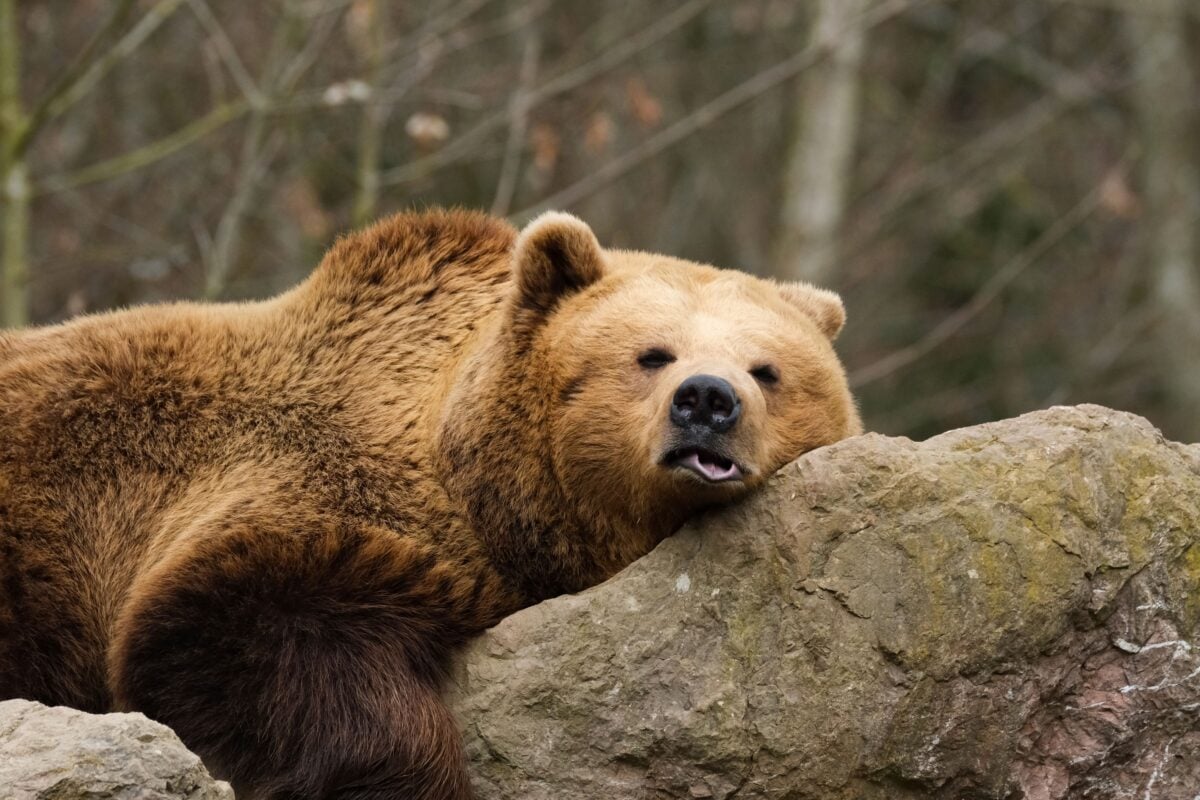
Most people picture hibernation as a long, cozy nap through winter, but the reality involves dramatic drops in body temperature and metabolism that few animals can achieve. True hibernation is a precise physiological state, not just sleeping in a den, and it separates a handful of species from the rest of the animal kingdom. This distinction raises an interesting question about which creatures actually pull it off and why one familiar mammal gets left out of the club.
9. The Common Poorwill
🔥 Would you like to save this?
We'll email this post to you, so you can come back to it later!
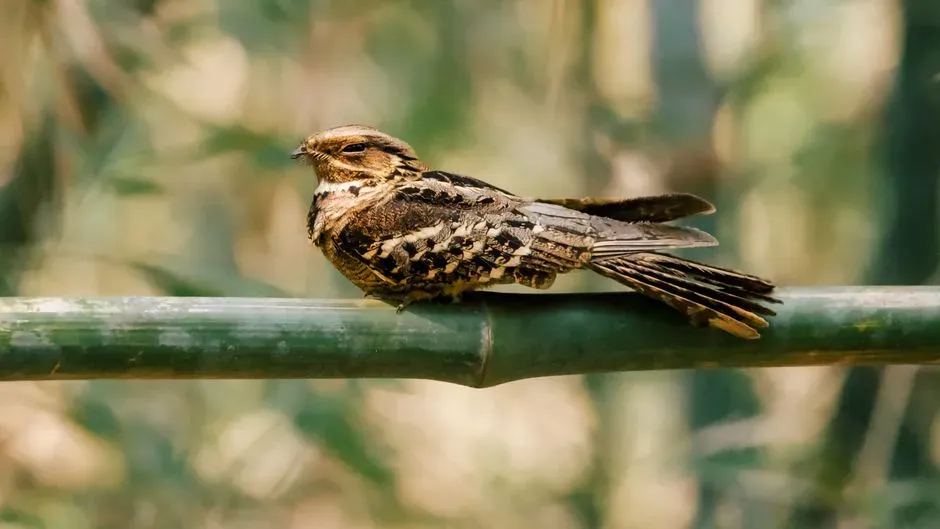
The common poorwill stands out as the only bird known to enter true hibernation. During cold months in the southwestern deserts of North America, this small nightjar can lower its body temperature close to the surrounding air and remain inactive for weeks at a time. Its heart rate slows dramatically while it rests in rock crevices or under vegetation, conserving energy when insects become scarce.
Researchers have documented poorwills staying in this state for more than eighty days in some cases. The bird relies on stored fat reserves and emerges only when temperatures rise enough to support activity. This ability sets it apart from other birds that merely enter daily torpor or migrate instead.
8. The Fat Tailed Dwarf Lemur
🔥 Would you like to save this?
We'll email this post to you, so you can come back to it later!
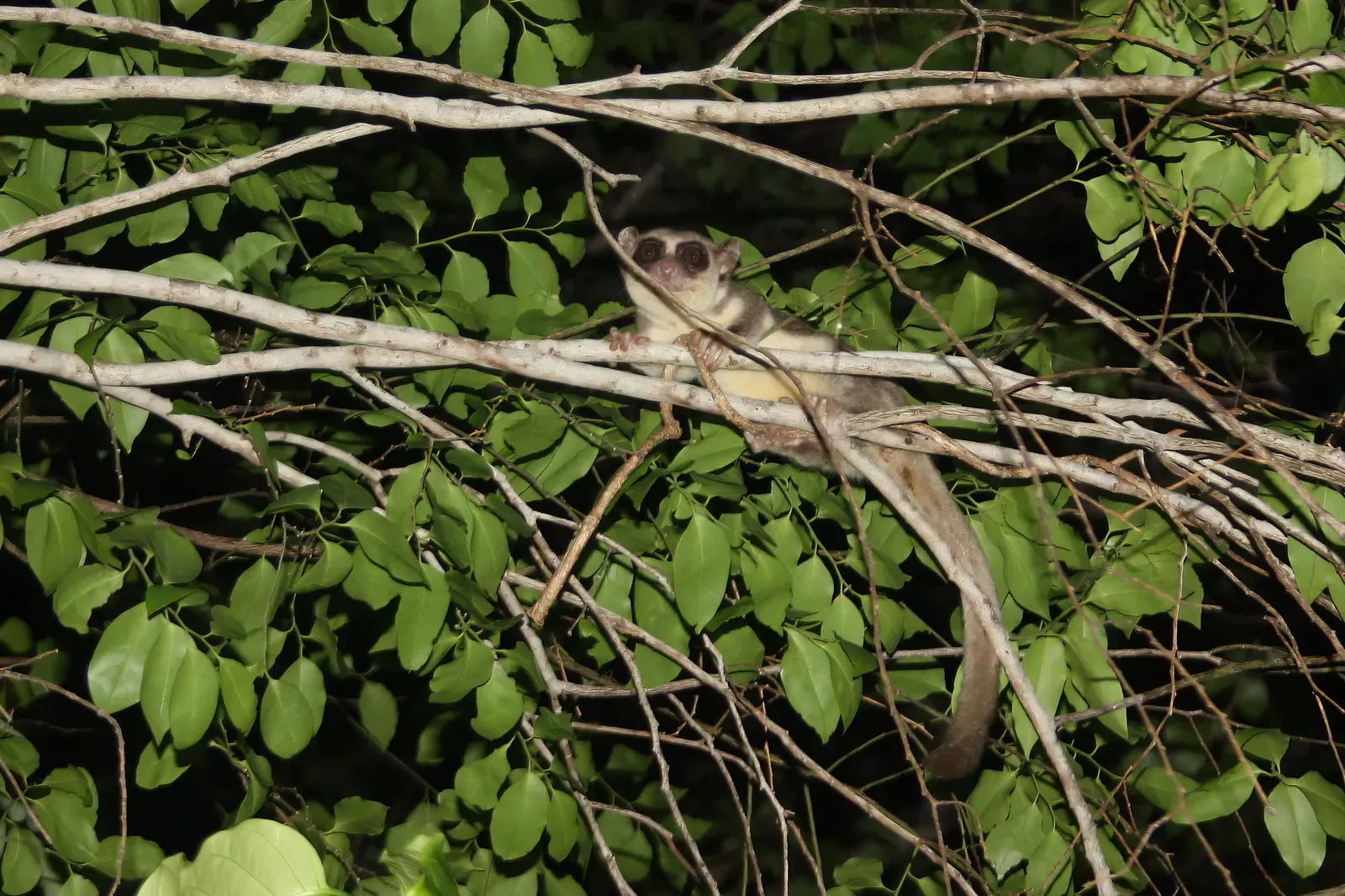
Native to Madagascar, the fat tailed dwarf lemur uses true hibernation to survive the island’s dry season rather than winter. It packs on fat in its tail during the wet months and then retreats into tree holes where its body temperature can drop significantly for up to seven months. Metabolic processes slow to a fraction of normal levels, allowing the lemur to live off those reserves without eating or drinking.
Unlike many hibernators that stay underground, this primate remains somewhat responsive to external sounds and can adjust its position. The behavior helps it endure periods when food and water are limited in its forest habitat. Studies show the lemur’s hibernation is flexible and can vary in length depending on rainfall patterns.
7. The Little Brown Bat
🔥 Would you like to save this?
We'll email this post to you, so you can come back to it later!
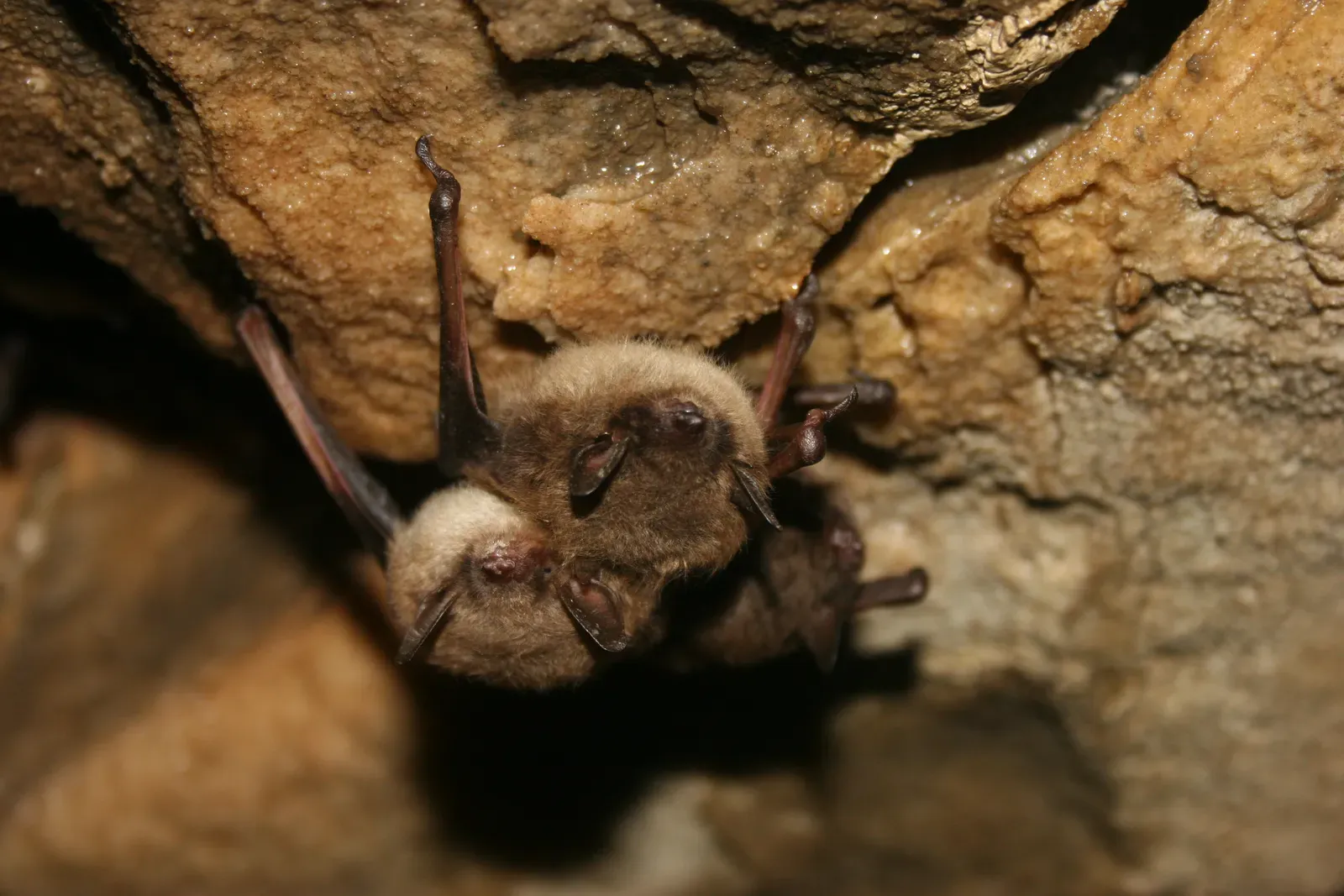
Little brown bats gather in large clusters inside caves or mines to hibernate through northern winters. Their body temperature falls to near freezing, and their heart rate drops from hundreds of beats per minute to just a few. This state can last from October into April in colder regions, interrupted only by occasional arousals that use precious energy stores.
These bats choose sites with stable temperatures just above freezing to avoid freezing solid while still minimizing energy loss. White nose syndrome has devastated populations partly because it forces extra arousals during hibernation. The species demonstrates how communal roosting supports survival during this vulnerable period.
6. The European Hedgehog
🔥 Would you like to save this?
We'll email this post to you, so you can come back to it later!
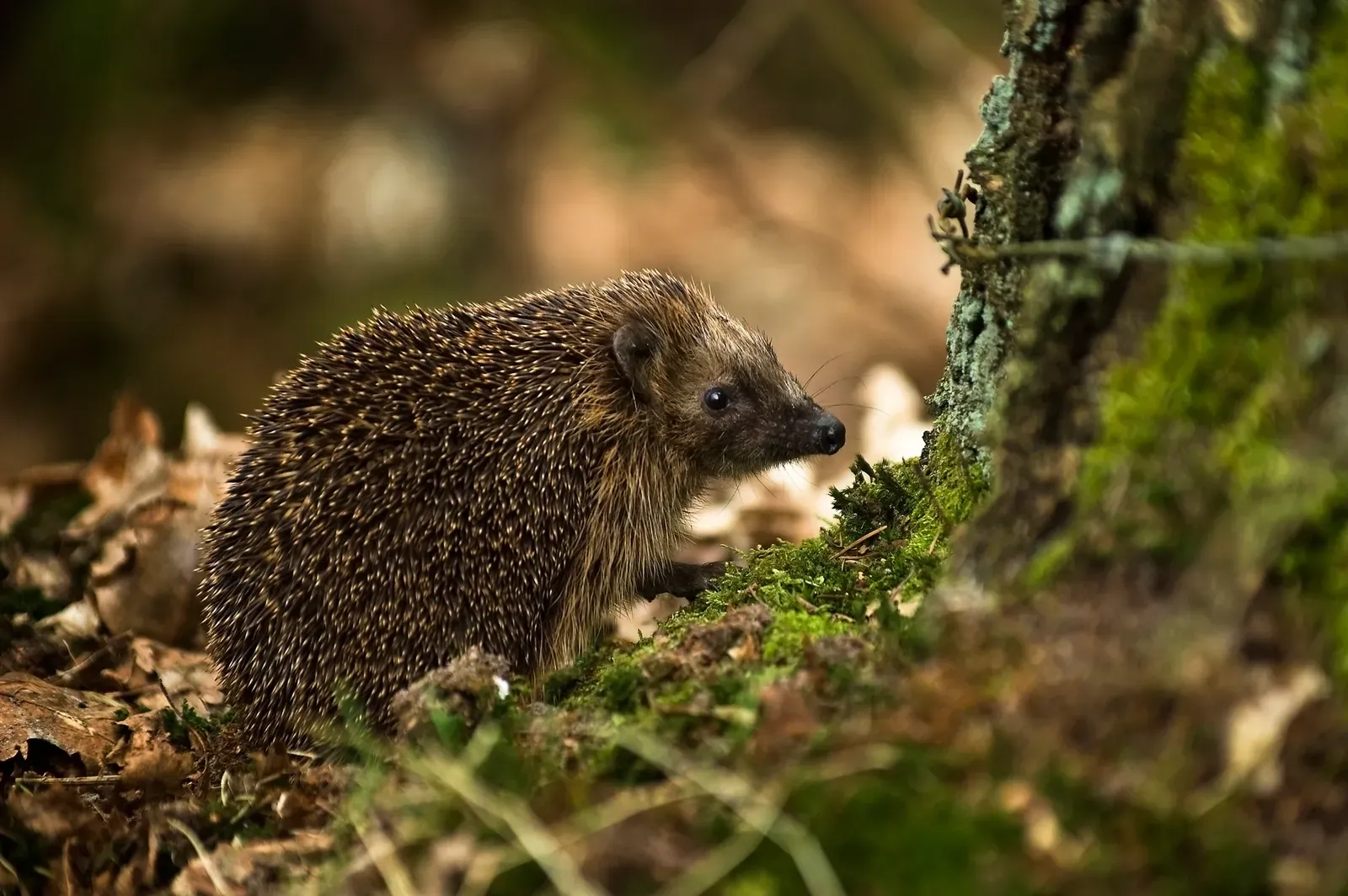
European hedgehogs enter hibernation in nests built from leaves and grass, often in sheltered spots like under sheds or in dense undergrowth. Their body temperature falls from around thirty five degrees Celsius to just a few degrees above ambient levels, and breathing becomes slow and irregular. This state typically lasts from November through March in northern Europe.
Hedgehogs wake periodically to move or even change nests if conditions shift. They rely on fat accumulated during autumn foraging on insects and other small prey. Urban hedgehogs sometimes shorten their hibernation because garden food sources remain available longer into the season.
5. The Hazel Dormouse
🔥 Would you like to save this?
We'll email this post to you, so you can come back to it later!
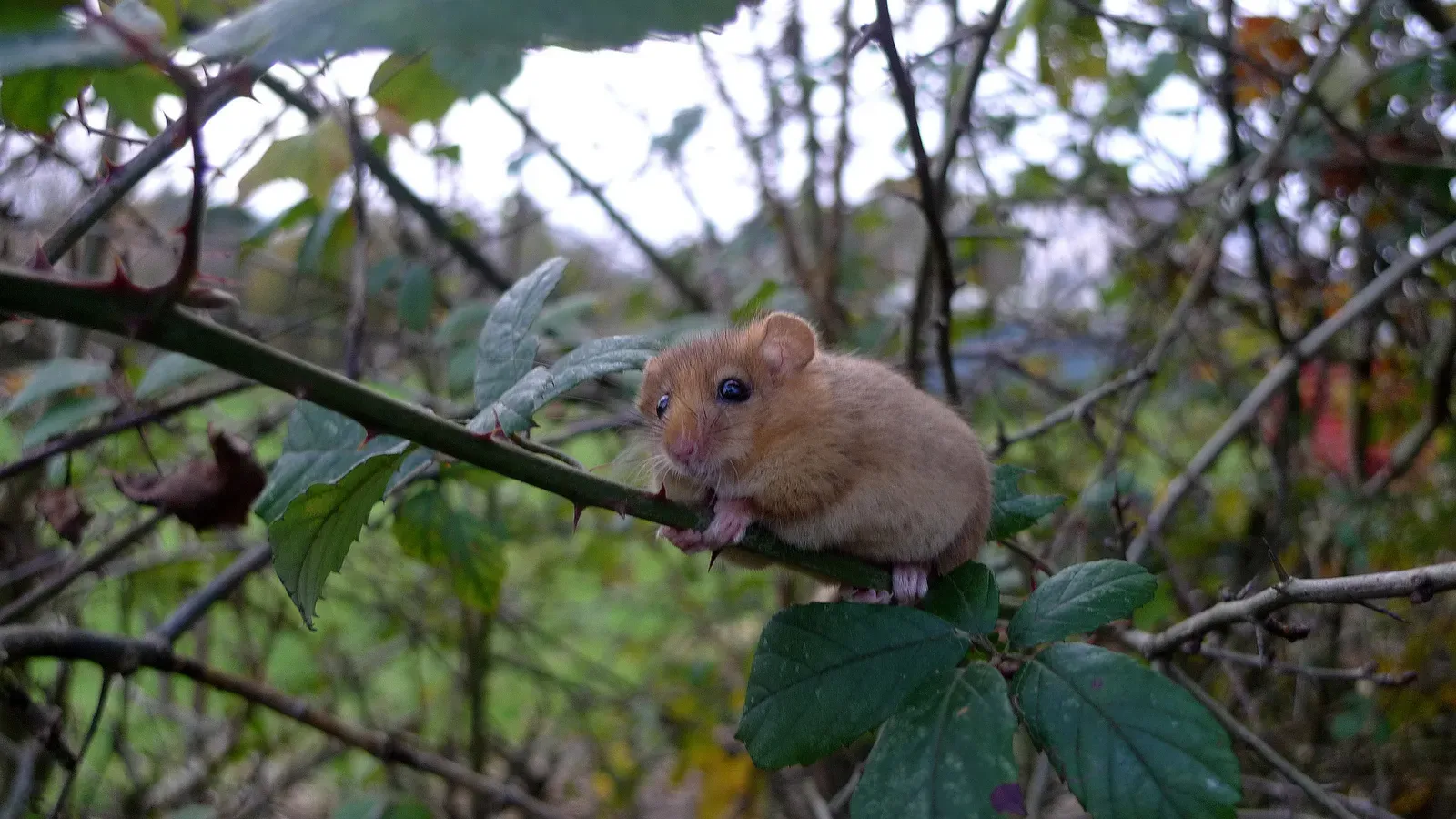
The hazel dormouse spends up to seven months of the year in true hibernation, often more time than it spends active. It curls into a tight ball in a nest on the forest floor or in a tree cavity, with body temperature matching the cold surroundings and metabolism reduced to minimal levels. This small rodent builds up substantial fat reserves from nuts and berries before entering its long rest.
Hibernation for the hazel dormouse can begin as early as September and extend into May depending on location and weather. The animal remains highly sensitive to temperature changes and may shift its nest if it becomes too cold or damp. Population declines in parts of Europe have been linked to shorter hibernation periods caused by milder winters that disrupt its natural cycle.

Dog Stairs for Bed 18" H, 4-Step Dog Steps for High Bed
Check Price on AmazonAs an Amazon Associate, we earn from qualifying purchases.
10/9/2026 2:42 pm GMTi

Glass Hummingbird Feeder for Outdoors Hanging
Check Price on AmazonAs an Amazon Associate, we earn from qualifying purchases.
10/7/2026 1:21 pm GMTi

Earth Rated XL Dog & Puppy Pee Pads, Discreet Top, Max Absorbency
Check Price on AmazonAs an Amazon Associate, we earn from qualifying purchases.
10/7/2026 1:28 pm GMTi

Halloween Dog Collar with Bow, Orange Cute Ghost Collar,
Check Price on AmazonAs an Amazon Associate, we earn from qualifying purchases.
10/9/2026 2:43 pm GMTi

PetSafe Oasys Pet Fountain, 1/2 Gallon (64 oz), Small Dogs & Cats
Check Price on AmazonAs an Amazon Associate, we earn from qualifying purchases.
10/8/2026 8:14 am GMTi
4. The Eastern Chipmunk
🔥 Would you like to save this?
We'll email this post to you, so you can come back to it later!
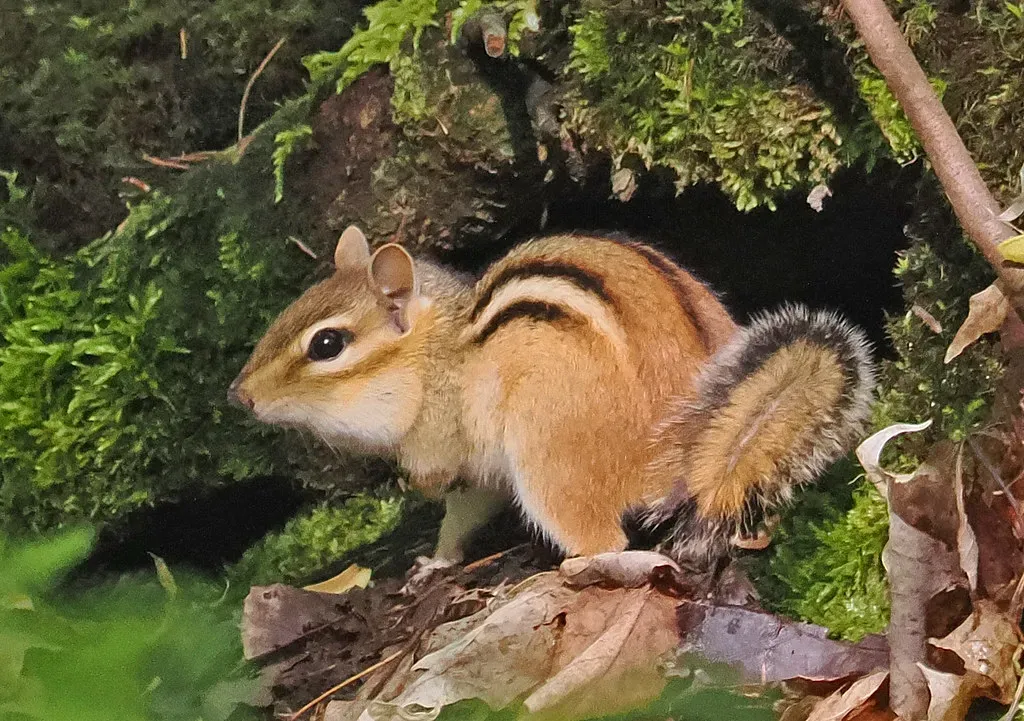
Eastern chipmunks hibernate in underground burrows but wake every few days to eat from stored food caches. Their body temperature drops close to ambient levels during deep torpor bouts, though they do not stay continuously inactive like some other rodents. This pattern allows them to survive on seeds and nuts collected during the warmer months.
The species remains somewhat alert and can respond to threats even while in a lowered metabolic state. Chipmunks in southern parts of their range often enter shorter or shallower hibernation compared with northern populations. Their behavior bridges true hibernation and the more frequent arousals seen in some other small mammals.
3. The Woodchuck
🔥 Would you like to save this?
We'll email this post to you, so you can come back to it later!
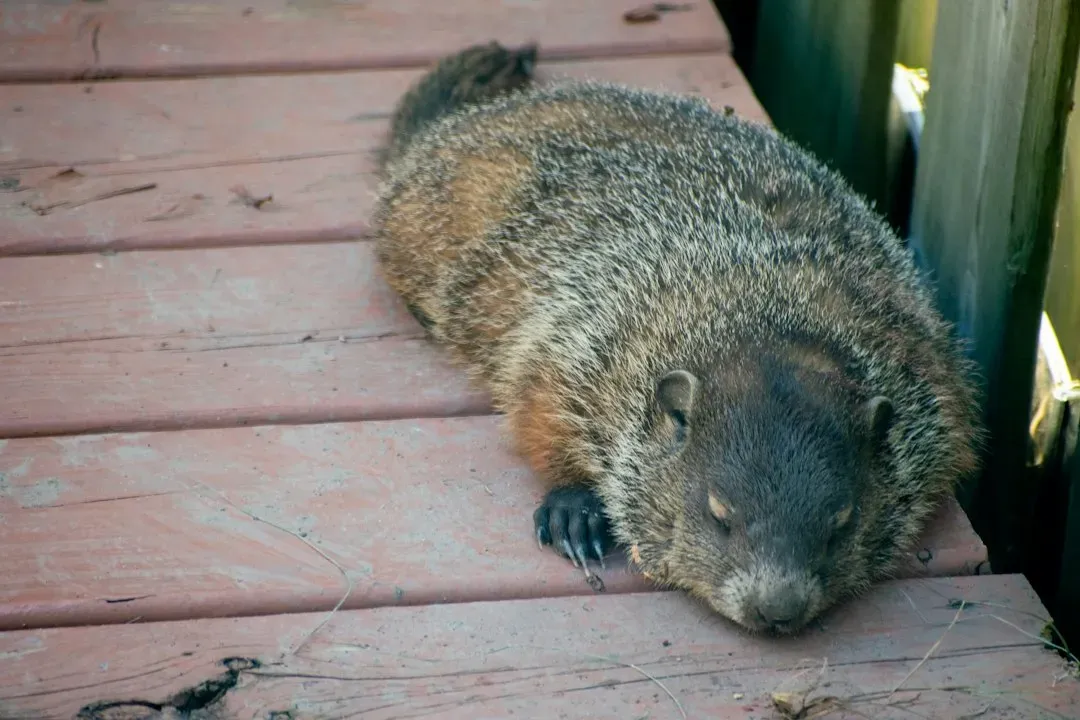
Woodchucks, also called groundhogs, dig deep burrows where they spend the winter in true hibernation. Their heart rate can fall from eighty beats per minute to as low as five, and body temperature drops from thirty seven degrees Celsius to around five degrees. This state lasts roughly five to six months in northern areas, with the animals emerging in early spring.
Woodchucks do not eat or drink during hibernation and depend entirely on fat reserves built up in late summer and fall. They occasionally arouse to raise their temperature slightly before returning to the deep state. This cycle helps them avoid the energy costs of staying active when vegetation is unavailable.
2. The Alpine Marmot
🔥 Would you like to save this?
We'll email this post to you, so you can come back to it later!
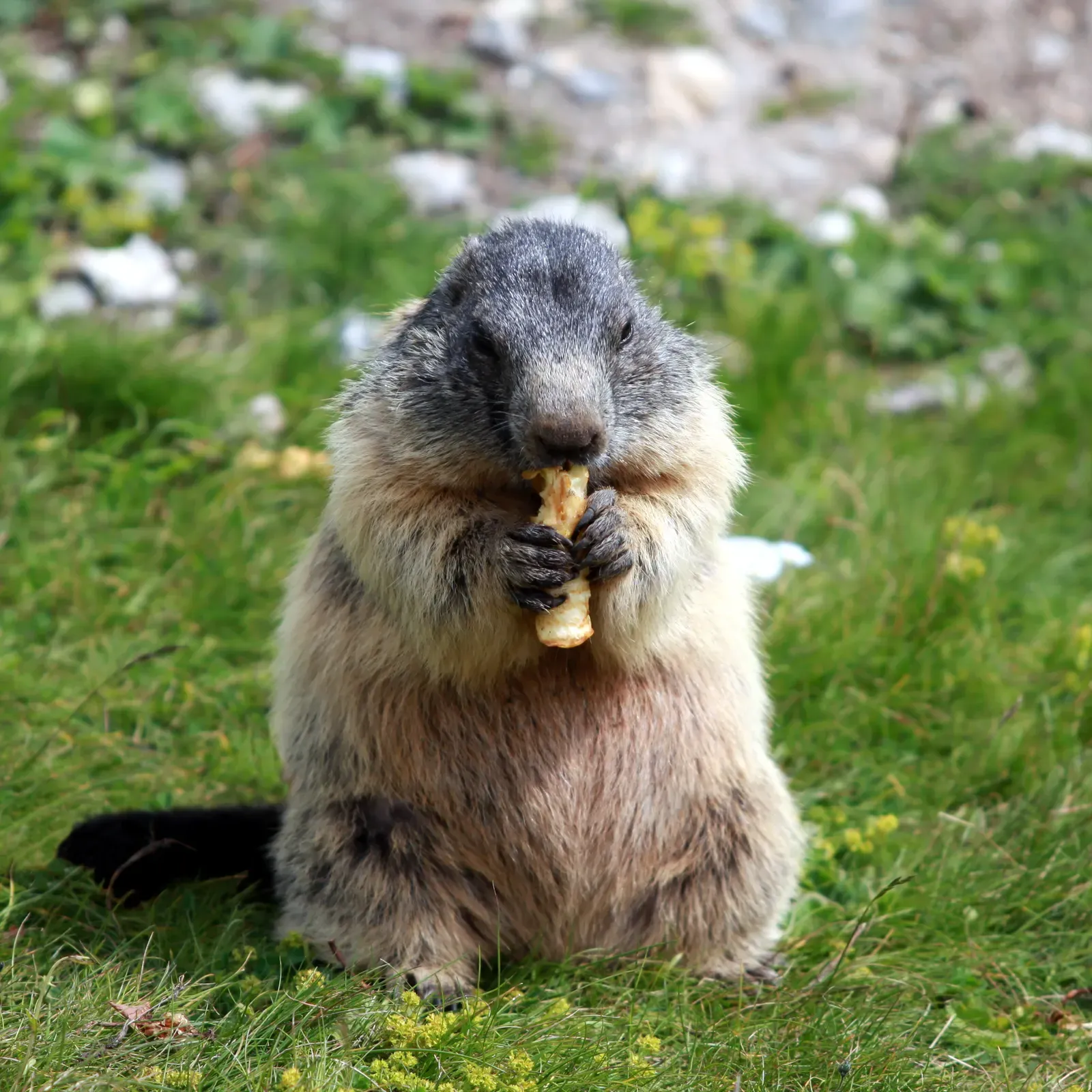
Alpine marmots live in high mountain meadows and enter hibernation in family groups inside shared burrows. Their body temperature can fall below ten degrees Celsius for extended periods, and they lose up to half their body weight over the winter months. Social huddling helps maintain a slightly warmer microclimate within the den.
These large rodents remain in hibernation from September or October until April or May, depending on snow cover and elevation. They rely on fat accumulated from grazing on grasses and herbs during the short alpine summer. Group hibernation reduces individual energy expenditure and improves survival rates in harsh conditions.

2 Pcs Halloween Pet Hat Bandana Set, Witch Pumpkin Costumes for Dogs
Check Price on AmazonAs an Amazon Associate, we earn from qualifying purchases.
10/9/2026 2:45 pm GMTi

Portable Dog Water Bottle Foldable Dog Travel Water Bottle
Check Price on AmazonAs an Amazon Associate, we earn from qualifying purchases.
10/7/2026 1:29 pm GMTi

Air Purifiers for Home Pets Large Room Up to 3000 Ft²,HEPA Air Cleaner with Washable Double-Side Filter, PM2.5 Air Quality Monitor,15dB Sleep Mode for Bedroom Odor Dust Pollen,White
Check Price on AmazonAs an Amazon Associate, we earn from qualifying purchases.
10/8/2026 8:23 am GMTi

Hand Blown Glass Hummingbird Feeders for Outdoors Hanging, 24oz Wild Bird Nectar Feeder
Check Price on AmazonAs an Amazon Associate, we earn from qualifying purchases.
10/7/2026 1:23 pm GMTi

Halloween Cat Costume Cloak Witch Hat Pet Accessories
Check Price on AmazonAs an Amazon Associate, we earn from qualifying purchases.
10/9/2026 2:44 pm GMTi
1. The Arctic Ground Squirrel
🔥 Would you like to save this?
We'll email this post to you, so you can come back to it later!
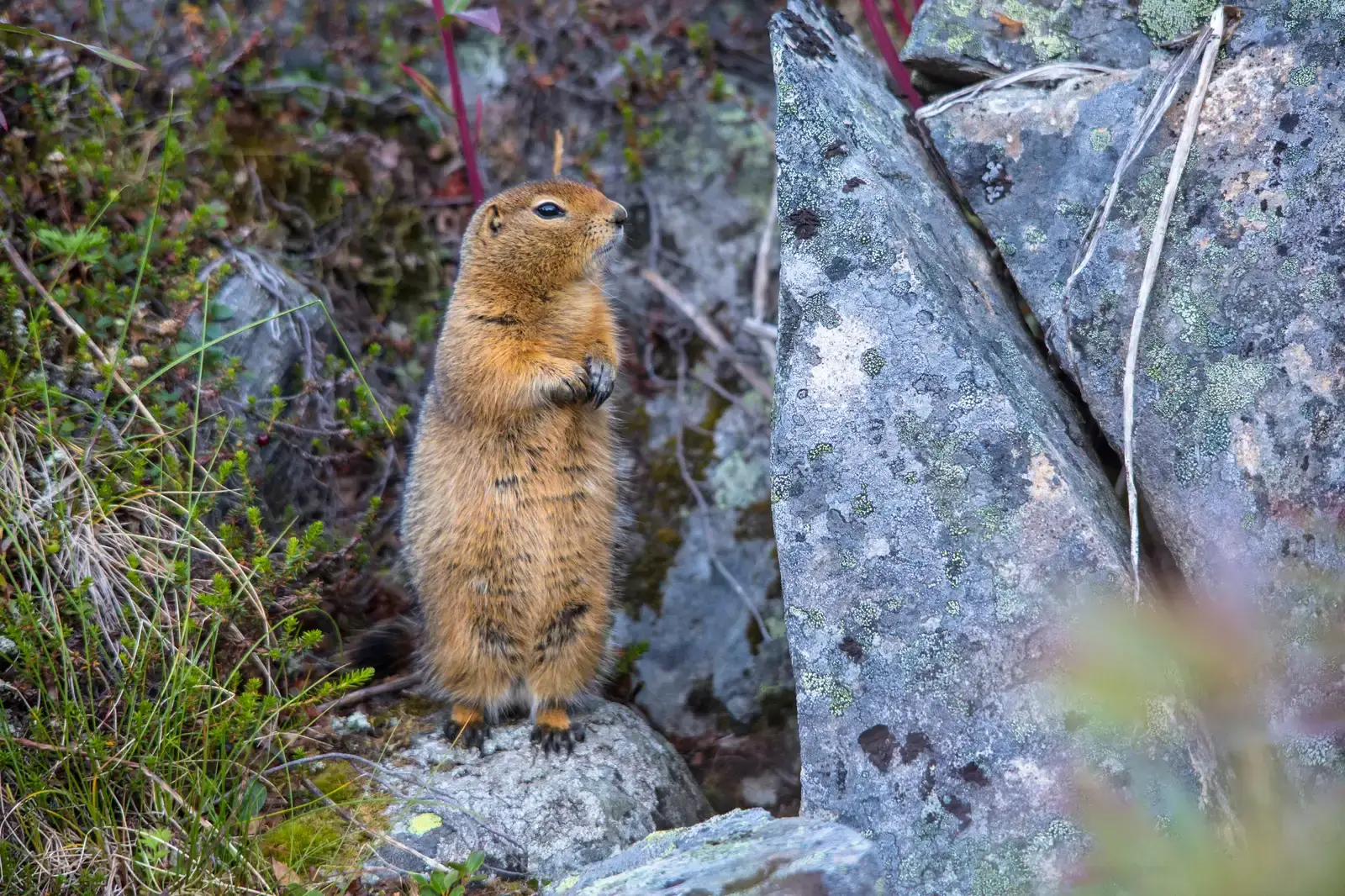
Arctic ground squirrels achieve one of the most extreme forms of true hibernation among mammals. Their body temperature can drop below freezing for short periods without ice forming in their tissues, a rare adaptation among warm blooded animals. Heart rate slows to just a few beats per minute while they remain in burrows below the permafrost line.
The squirrels spend seven to eight months in this state each year, emerging in spring to breed and forage during the brief arctic summer. They store some food but primarily depend on massive fat reserves. Laboratory studies have examined their ability to survive such low temperatures for insights into human medical applications like organ preservation.
Bears Remain the Notable Exception
🔥 Would you like to save this?
We'll email this post to you, so you can come back to it later!
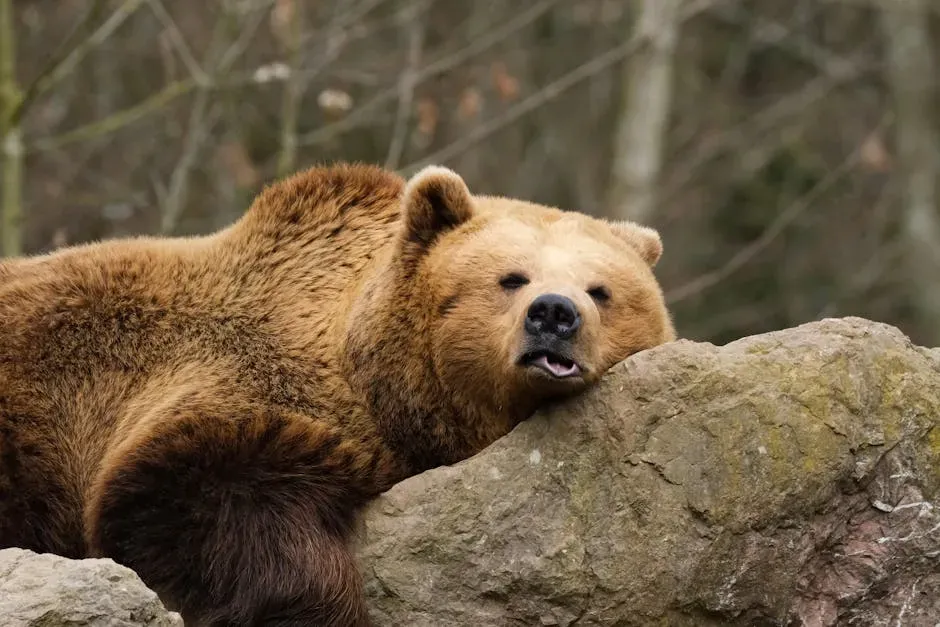
Bears enter a winter denning period that looks similar to hibernation at first glance yet differs in key physiological ways. Their body temperature drops only a few degrees rather than plunging near freezing, and they retain the ability to wake quickly if disturbed. This lighter state allows females to give birth and nurse cubs without the risks that full hibernation would pose.

Professional 7 in 1 Dog Paw Cleaner for Dogs & Cats - Includes 1 Portable Paw Washer, 1 Bath Brush
Check Price on AmazonAs an Amazon Associate, we earn from qualifying purchases.
10/7/2026 1:26 pm GMTi

Glass Hummingbird Feeder for Outdoors Hanging, 16 oz Leak-Proof Nectar Feeder with Bee Guards & Ant Moat
Check Price on AmazonAs an Amazon Associate, we earn from qualifying purchases.
10/7/2026 1:22 pm GMTi

Orthopedic Extra Large Dog Bed, Waterproof Washable XL Pet Bed 44"
Check Price on AmazonAs an Amazon Associate, we earn from qualifying purchases.
10/7/2026 1:32 pm GMTi

Smart Bird Feeder with Camera Solar Powered, 2K HD Live Video, 10,000+ Bird Species AI Identification
Check Price on AmazonAs an Amazon Associate, we earn from qualifying purchases.
10/7/2026 1:22 pm GMTi
Metabolic suppression in bears is impressive but not as complete as in the nine species listed above. They recycle waste products internally and can go months without eating, drinking, or eliminating, yet they avoid the deep cellular changes seen in true hibernators. The distinction matters for wildlife management and for understanding how different animals solve the same seasonal challenge.
Recognizing these differences helps clarify why bears do not fit neatly into the true hibernation category even though they share some surface level behaviors. Their strategy reflects a balance between energy conservation and the need to remain responsive to their environment. In the end, the nine animals demonstrate the full spectrum of what hibernation can achieve when pushed to its limits.

- 9 Animals That Truly Hibernate – and Why Bears Are a Special Case - November 9, 2026
- 19 Signs a Vet Reads That Say a Cat Is Thoroughly Settled - November 9, 2026
- 7 Desert Animals That Can Survive Without Ever Drinking Water - November 9, 2026