
Most people assume forests shape birds. Give a species enough trees, and it finds a niche and settles in, right? It’s actually the other way around more often than anyone admits.
A handful of “ordinary” birds are quietly deciding which trees get a second life, which insect populations explode or crash, and even how a forest recovers after fire or storm damage. We hand out all the credit to wolves and bears, while these feathered engineers do the unglamorous daily work nobody photographs for a wildlife documentary.
Miss what they’re doing, and you’ll misread why some forests bounce back strong while others quietly fall apart. Here are nine birds pulling levers most of us never notice – starting with one you probably see every single day.
#1 – The American Crow: Forest Cleanup Crew With a Dark Side
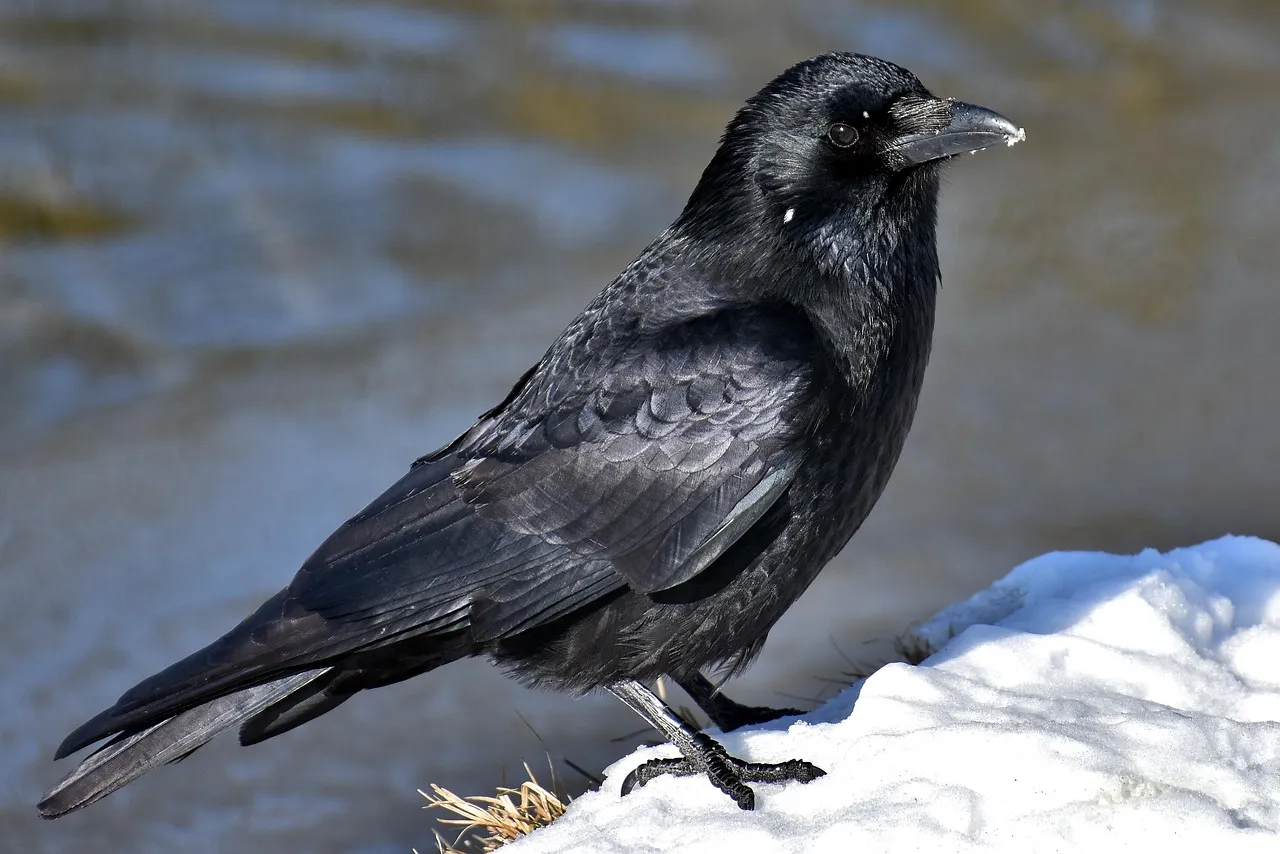
The American crow looks like just another noisy black bird heckling from a power line. In reality, it’s one of the most powerful “editors” of the forest floor. Crows devour carrion, raid nests, crack nuts, and cache seeds in thousands of hidden spots across a territory.
Every time a crow buries food and forgets where it stashed it, it’s accidentally planting the next generation of trees and shrubs. That quiet caching habit helps forests regenerate after storms, logging, or fire – especially in the patchy, fragmented woodlands that ring most towns.
Here’s the twist that riles up birders: crows are also top-tier nest predators. They eat eggs and chicks of smaller songbirds and even ducks, tilting which species successfully breed nearby. In suburbs where trash and roadkill fuel exploding crow populations, some researchers suspect they’re quietly rewriting the entire songbird community around them.
So you get faster nutrient cleanup on one hand, and constant, ruthless pressure on nesting birds on the other. Love them or hate them, crows are steering who survives at the forest edge – but that’s nothing compared to what’s happening with #2.
#2 – The Yellow-bellied Sapsucker: The Tree Plumber That Feeds Everyone Else
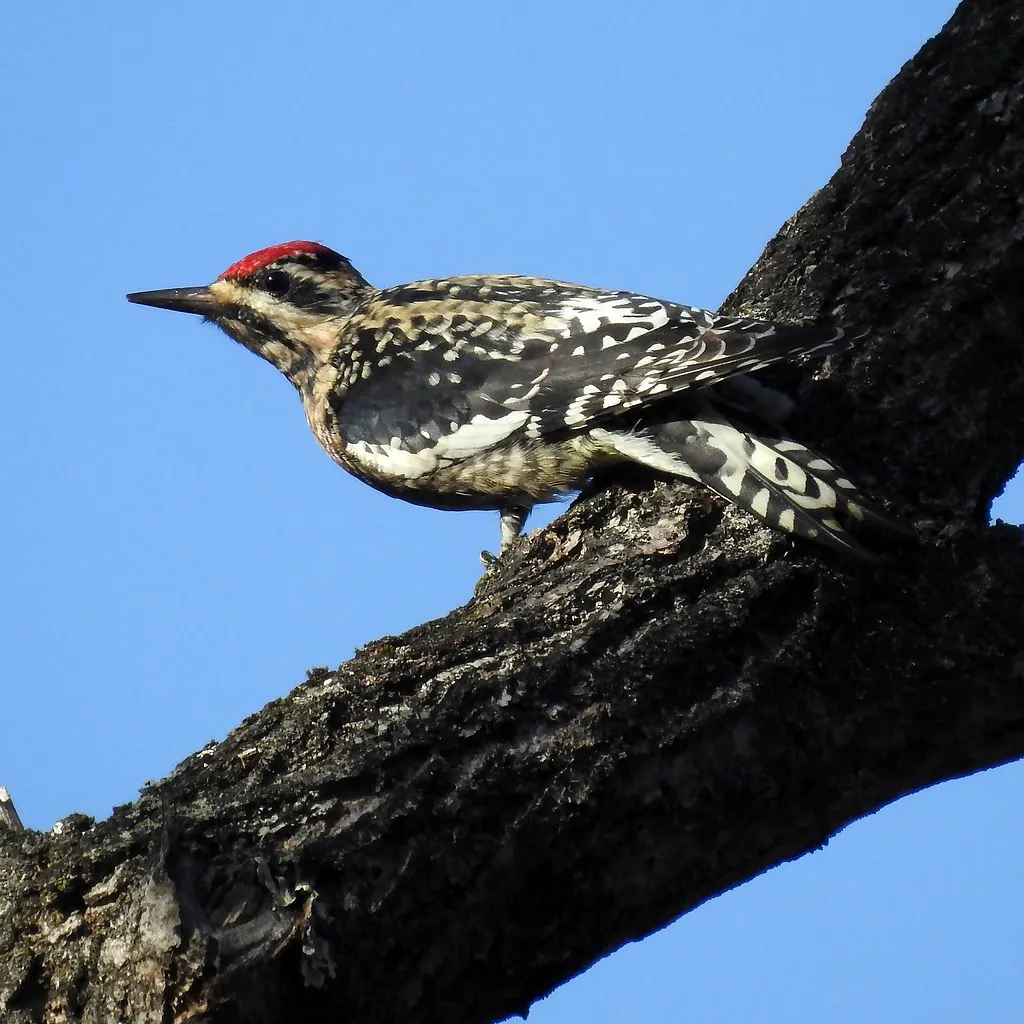
Most people dismiss sapsuckers as woodpeckers with bad manners, drilling holes for no obvious reason. In truth, this bird literally reroutes energy through an entire forest. Yellow-bellied sapsuckers drill tidy rows of shallow wells in living trees and let the sap run.
They lap up the sugar-rich sap and pick off insects drawn to it, but they’re far from the only ones eating. Those little “wells” quietly become high-value feeding stations for hummingbirds, bats, warblers, squirrels, and even bears. One bird’s messy dining habit becomes an entire neighborhood’s lifeline.
The trade-off is real: this drilling stresses certain trees, and it can eventually kill weak ones. That sounds destructive until you realize it thins out sick or poorly placed trees, opening light gaps where understory plants and young saplings can finally surge upward.
Fast Facts
- Sap wells have been documented on more than 1,000 species of trees and woody plants across North America.
- Despite all that drilling, sap itself accounts for only about 20% of a sapsucker’s overall diet.
- Roughly three dozen bird species, along with red squirrels and other wildlife, regularly feed at active sap wells.
- In parts of Canada, ruby-throated hummingbirds rely so heavily on sapwells that they time their spring migration to match the sapsucker’s arrival.
Ecologists now describe sapsuckers as micro-disturbance agents, constantly pruning the forest without a single chainsaw or wildfire. Where you find dense, honest sapsucker activity, you tend to find more biodiversity clustered right around those sap wells. Their reputation is still controversial with foresters – but that’s nothing compared to what’s coming with #3.
#3 – The Pileated Woodpecker: The Carpenter That Makes (and Breaks) the Forest
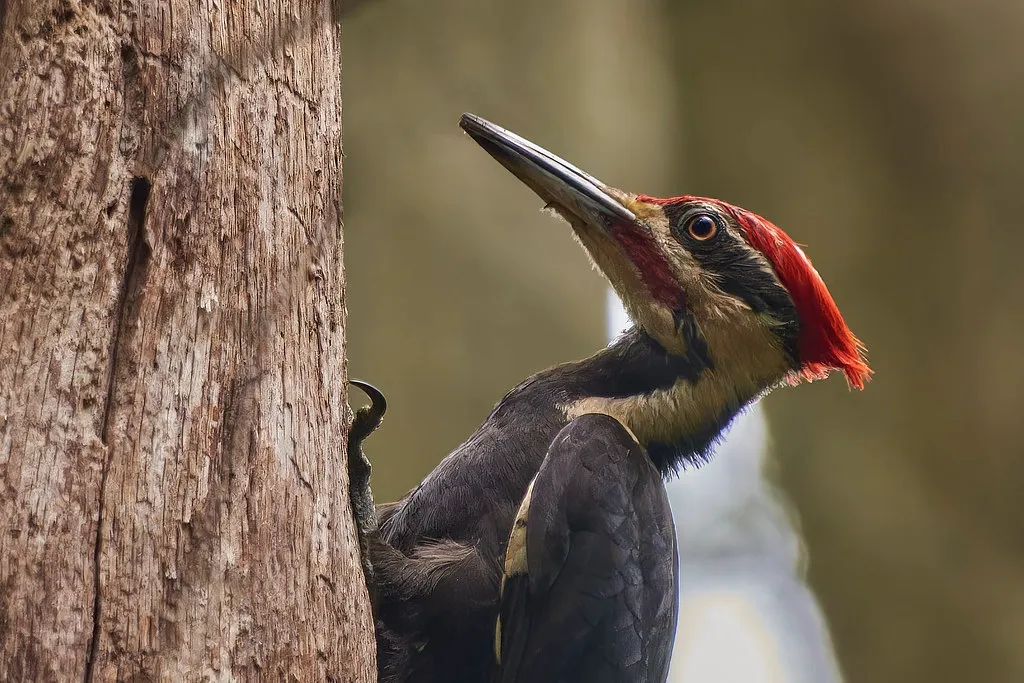
If you’ve ever watched a crow-sized woodpecker rip a trunk open like cardboard, that was almost certainly a pileated. It isn’t just hunting insects – it’s remodeling the entire forest, one cavity at a time.
By excavating massive holes deep enough to disappear into, pileated woodpeckers create critical housing for owls, ducks, flying squirrels, and dozens of smaller birds that can’t carve out their own nest sites. Lose these carpenters, and an entire rental market for cavity nesters collapses almost overnight.
Their demolition work has a quieter effect people rarely mention: it accelerates decay. When a pileated tears into a rotten log chasing carpenter ants, it exposes moist, fungus-rich wood to air, insects, and microbes, speeding up decomposition dramatically.
In forests with healthy pileated populations, dead wood doesn’t just rot away – it gets processed, stirred, and redistributed, feeding nutrients right back to the seedlings growing underneath. Most hikers only notice the dramatic rectangular holes left behind, but that’s nothing compared to what’s happening with #4.
#4 – The Blue Jay: Loud, Bossy… and Accidentally Planting Entire Oak Forests
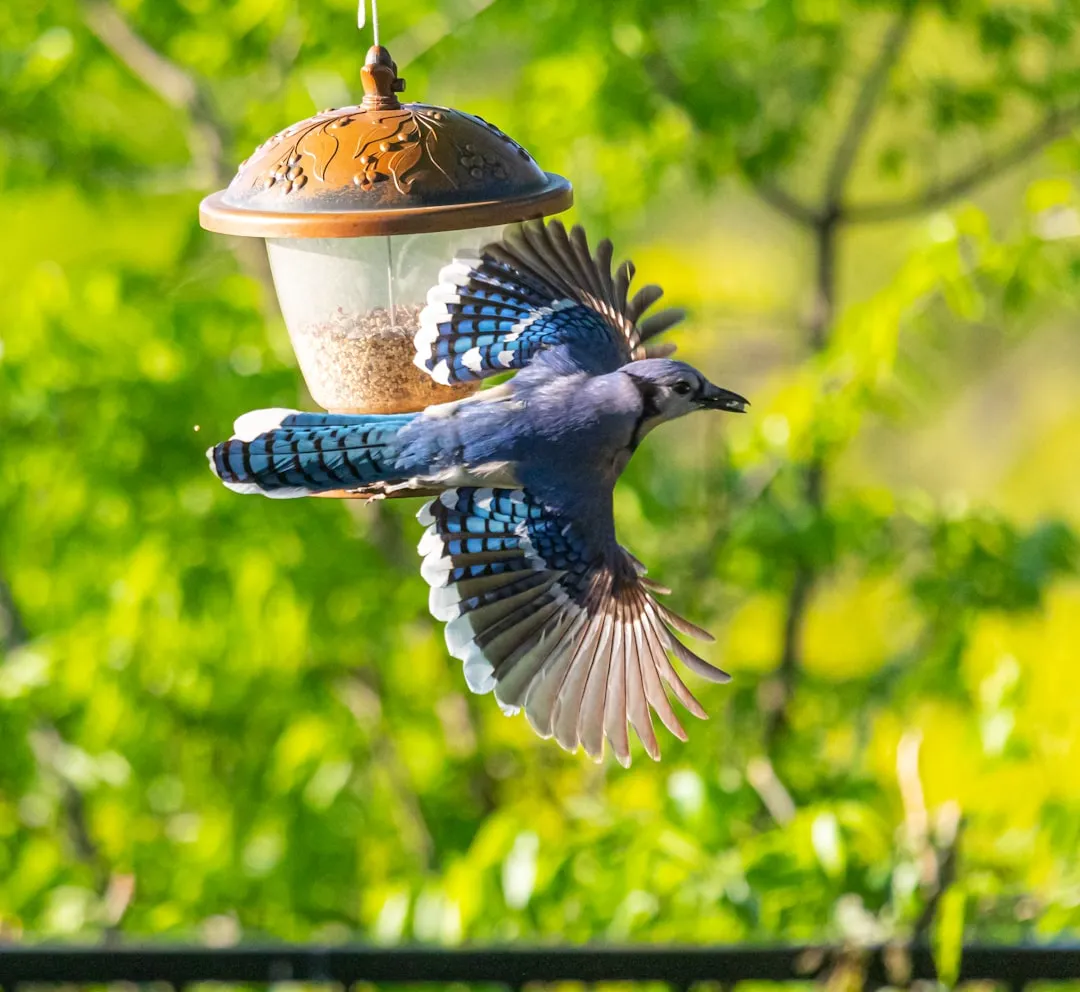
Blue jays have a rough reputation: bullies at the feeder, nest raiders, relentless screamers. But if you’ve ever admired a mature oak forest, you quietly owe that jay a thank-you.
Jays stuff their throat pouches with acorns and fly off to bury them, sometimes miles from the parent tree. They cache thousands each fall and, crucially, forget a surprising number of them. Those “forgotten” acorns become oak saplings in places the parent tree could never have reached on its own.
In fragmented landscapes, jays may be the only reason oaks manage to spread across gaps and clearings at all. Some scientists believe blue jays helped re-oak huge stretches of North America after the last Ice Age, ferrying acorns north as the glaciers retreated.
Quick Compare: Jay vs. Squirrel
- Carrying capacity: a jay can pack 2-3 acorns into its throat pouch, one more in its mouth, and one at the bill tip – up to five per trip.
- Distance moved: squirrels typically bury acorns just a few feet from the mother tree, while jays can carry them up to three kilometers away.
- Volume: six radio-tagged jays each cached between 3,000 and 5,000 acorns in a single autumn.
- Quality control: jays have been shown to pick fertile, germination-ready acorns with roughly 88% accuracy.
They’re also picky eaters, often selecting the heaviest, healthiest acorns available, essentially performing genetic quality control on the next generation of trees. That means jays aren’t just planting oaks – they’re quietly selecting for stronger trees over generations. Backyard bird lovers write them off as noisy pests, but their role in shaping North American hardwood forests is wildly underrated – and that’s nothing compared to what’s happening with #5.
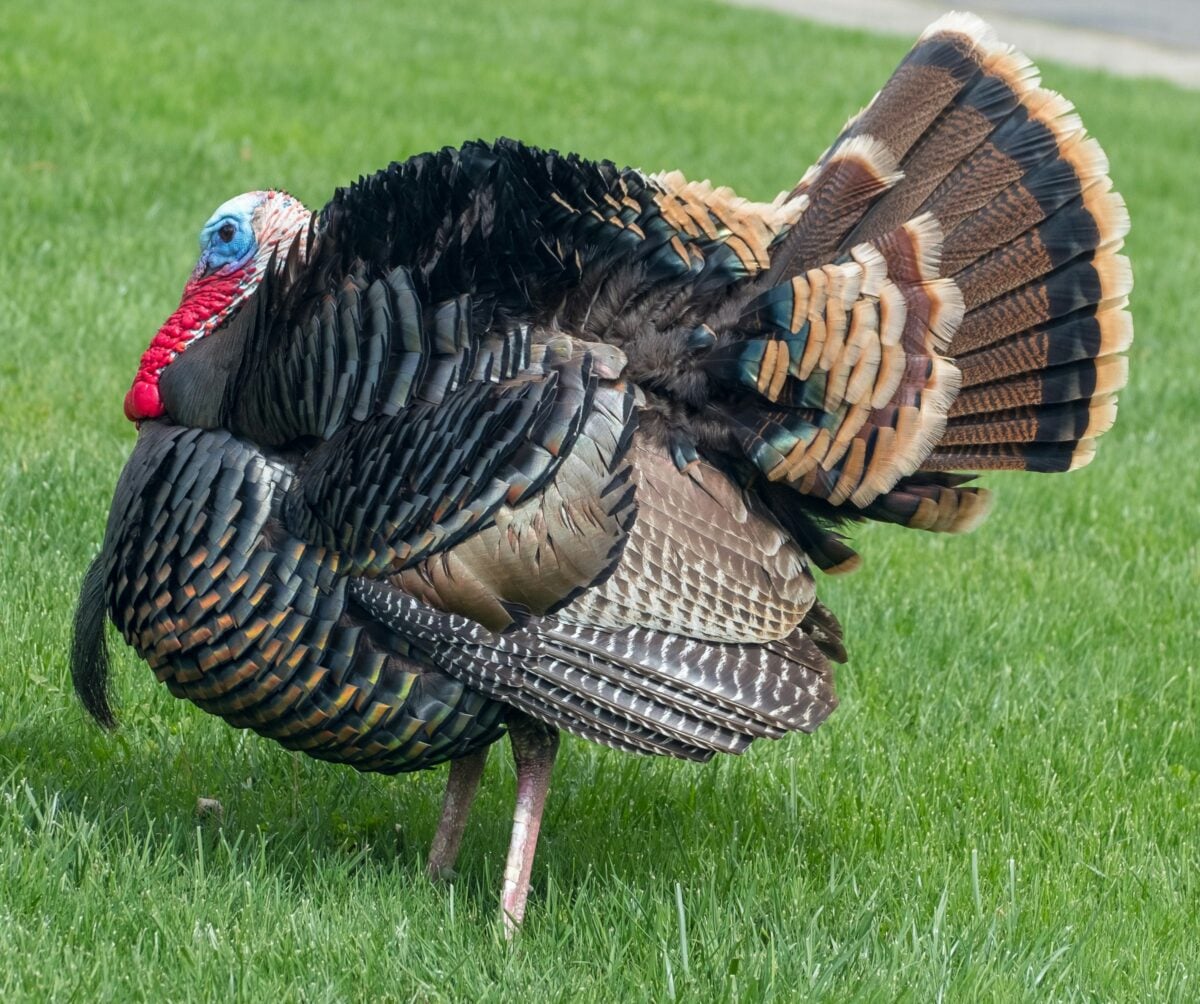
#5 – The Wild Turkey: Heavy-Bodied Soil Engineers With an Appetite
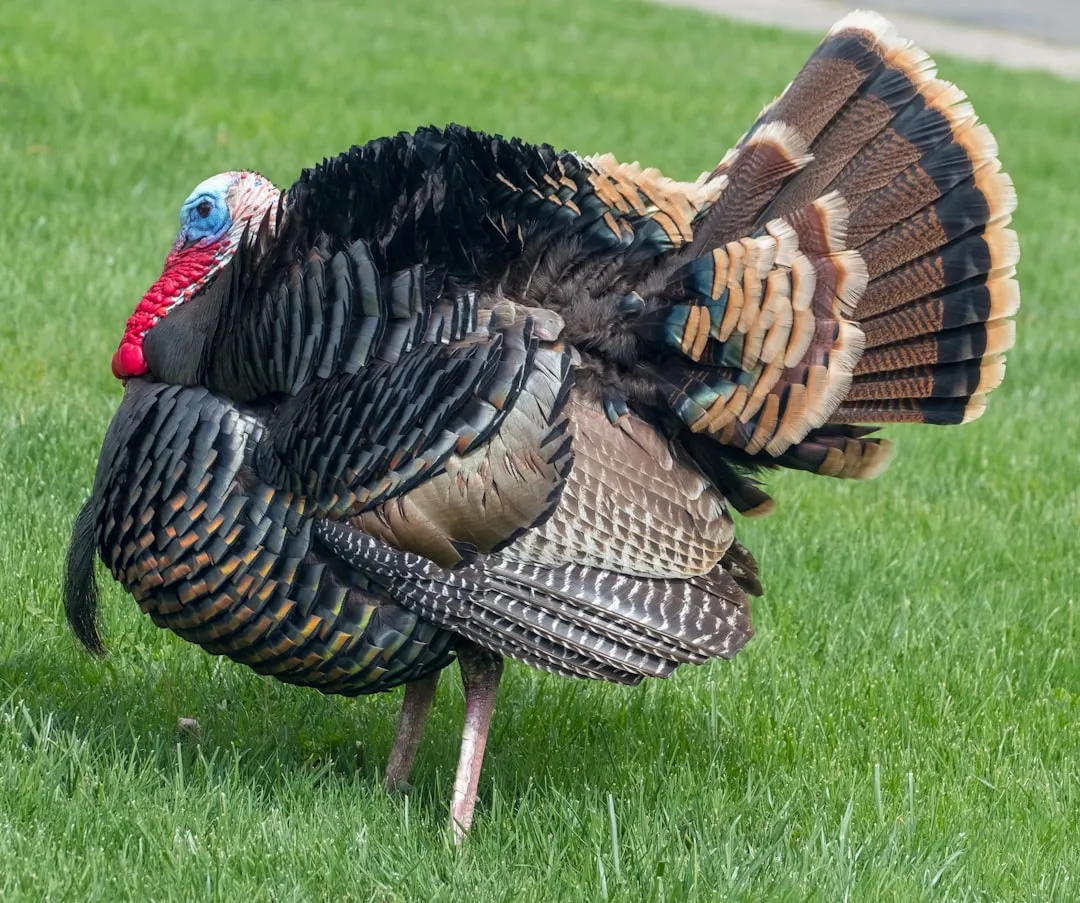
Most people only think about wild turkeys in November. In reality, they’re doing ecological work every single day of the year. Moving in flocks, turkeys scratch through leaves, flip logs, and churn the upper inch of soil hunting for acorns, insects, and seeds.
That constant tilling breaks up thick leaf mats, exposes bare ground, and creates tiny seedbeds where new plants can finally sprout. In some hardwood stands, turkey-flipped patches turn into surprising hotspots of wildflowers and young saplings.
They’re also unexpectedly effective predators, eating staggering numbers of insects, including beetles, caterpillars, and even ticks. In high numbers, turkeys may help suppress pest outbreaks; in low numbers, forests can feel oddly stagnant and over-leafed.
Worth Knowing
- A single wild turkey can eat as many as 200 ticks in one day of foraging.
- Acorns and other mast support dozens of other species too, including deer, squirrels, Wood Ducks, and bears, all competing for the same fall harvest.
- Flocks work leaf litter as a group, which means their soil-churning impact multiplies fast in years with big populations.
- In poor mast years, heavy turkey foraging can be the difference between strong oak regeneration and near-total failure.
At the same time, turkeys vacuum up acorns and other mast that might otherwise have become seedlings, subtly influencing which trees end up dominating a stand. In mast-rich years, their foraging can tip the balance between strong oak regeneration and outright failure. Hunters praise them, gardeners blame them – but that’s nothing compared to what’s happening with #6.
#6 – The Brown-headed Cowbird: The Controversial Puppet Master of Songbirds
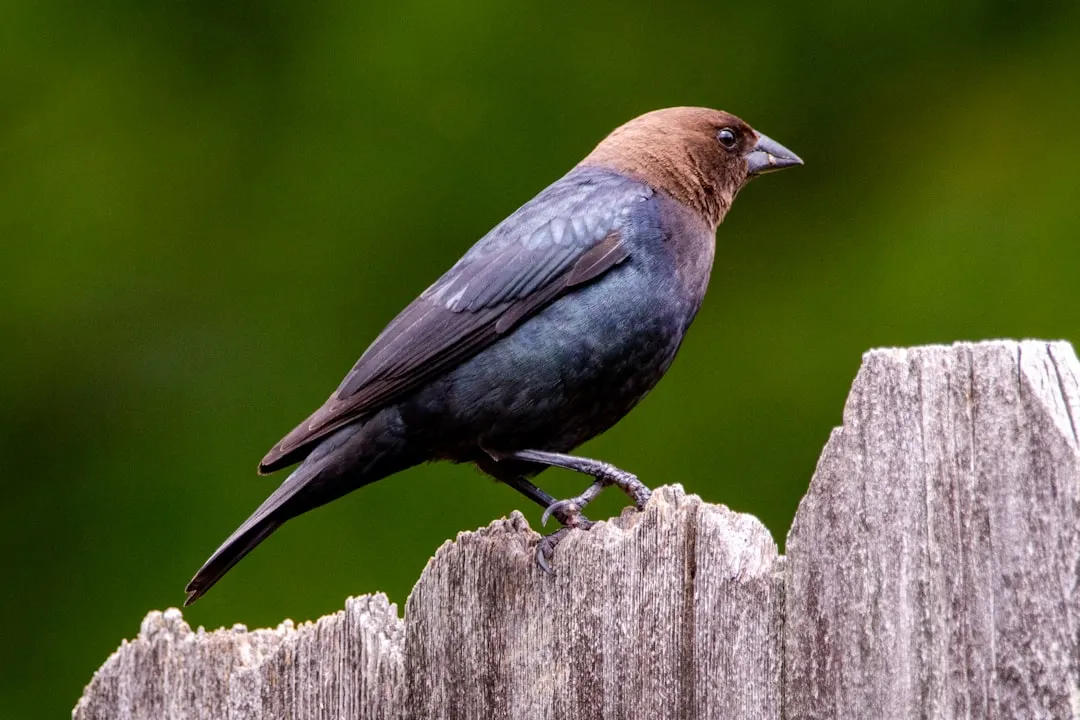
If there’s one bird guaranteed to spark an argument in any birding group, it’s the brown-headed cowbird. Unlike almost every other species, cowbirds don’t build their own nests. They lay eggs in the nests of other birds and leave those foster parents to raise their chicks.
This brood parasitism can dramatically reduce the success of host birds, especially forest-edge species like warblers, vireos, and sparrows. Over time, that shifts which songbirds actually thrive in fragmented woodlands.
But cowbirds aren’t villains operating in a vacuum – they’re a warning light for how badly we’ve broken the landscape. They evolved following bison herds across open prairies, and our patchwork of farms, lawns, and clearcuts now creates far more of that same open, edge-heavy habitat, letting them pour into places they were once rare.
Their presence in a forest often signals heavy fragmentation and human disturbance, acting like a biological red flag. Some conservationists quietly trap them to protect endangered hosts, but that’s nothing compared to what’s happening with #7.
#7 – The American Robin: The Seed Spreader Hiding in Plain Sight
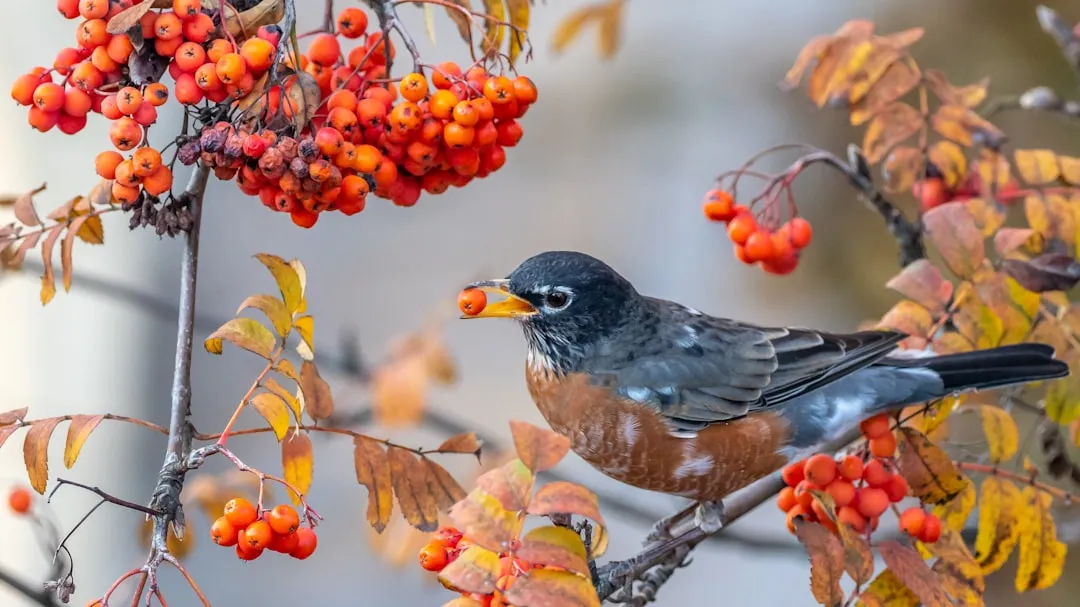
Everyone recognizes the robin – orange breast, early worm hunter, unofficial symbol of spring. Almost nobody realizes how much plant life it moves around behind the scenes.
Robins gorge on berries in late summer and fall, from dogwood to spicebush to invasive honeysuckle. Those seeds pass through their gut and get dropped far from the parent plant, wrapped in a nutrient-rich packet of fertilizer. It’s not glamorous, but it’s one of the main ways shrubs and small trees colonize forest gaps and edges in the first place.
Here’s the uncomfortable part: robins don’t care whether a berry is native or invasive. In many parts of North America, they’re unintentionally supercharging the spread of nonnative plants like bush honeysuckle and autumn olive into forest understories, choking out native wildflowers and shading out future canopy trees.
So the same bird that helps restore natural thickets can also help invasive shrubs take over entire wood lots. Bird lovers rarely want to admit that tradeoff – but that’s nothing compared to what’s happening with #8.
#8 – The Black-capped Chickadee: Tiny Bird, Big Pest-Control Contract
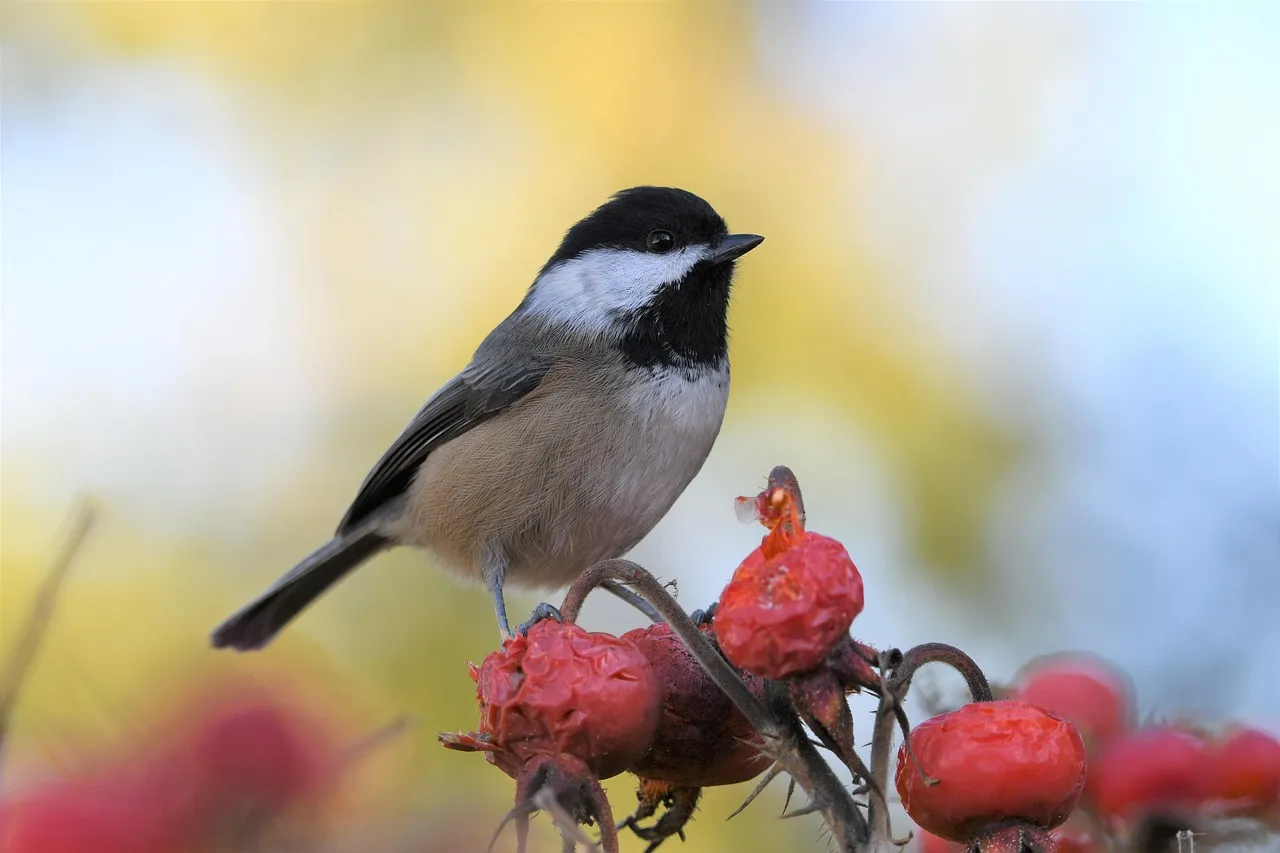
The black-capped chickadee looks harmless enough: small, cute, endlessly curious at the feeder. In ecological terms, though, it’s a relentless insect-harvesting machine.
Chickadees comb twigs, bark, and leaves for eggs, larvae, and spiders, especially during breeding season. To raise a single brood, a chickadee pair may deliver thousands of caterpillars to their nestlings. Multiply that by every pair in a forest, and you’ve got a serious dent in defoliating insect populations.
They’re also picky about their neighborhood. Chickadees avoid deep, unbroken monoculture stands and gravitate toward mixed forests with snags and understory structure, which means their presence often signals a healthier, more complex woodland.
Thanks to their habit of caching seeds and insect eggs in bark crevices, chickadees also help “store” food around a forest, smoothing out boom-and-bust cycles through the winter. People obsess over flashy warblers, but chickadees are quietly underwriting pest control and forest resilience – and that’s nothing compared to what’s happening with #9.
#9 – The Clark’s Nutcracker: The High-Elevation Tree Planter Fighting a Quiet War
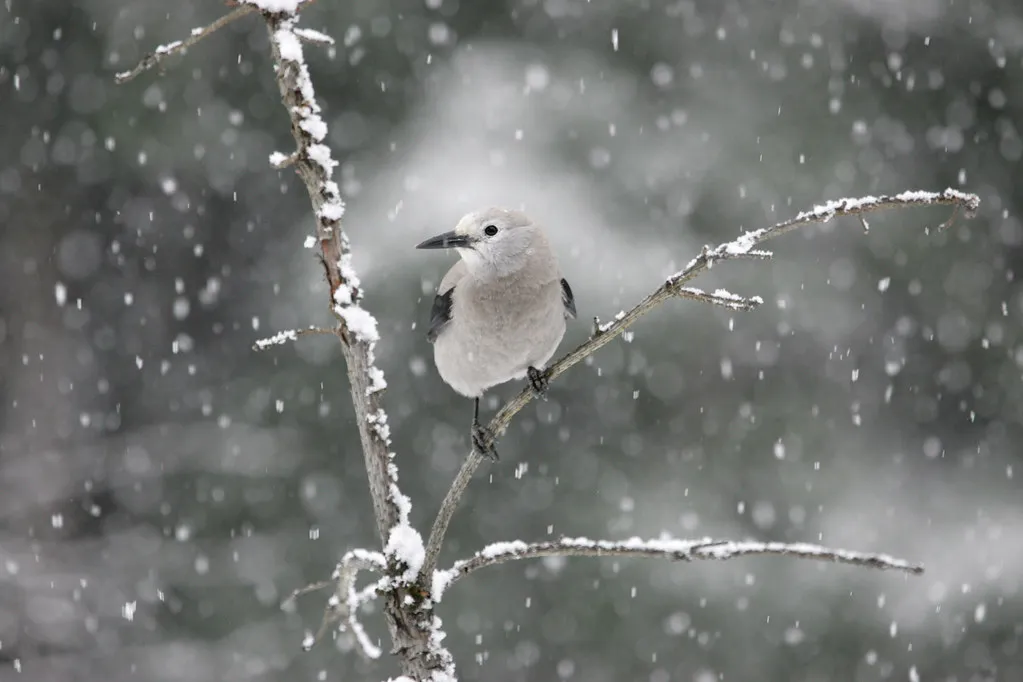
If there’s one bird dramatically shaping entire mountain forests, it’s the Clark’s nutcracker – and most people outside the Rockies have never even heard its name. This gray-and-black corvid specializes in harvesting the fat-rich seeds of whitebark pine and other high-elevation conifers.
Each autumn, a single nutcracker can cache tens of thousands of seeds in scattered underground stashes across a mountainside. The bird remembers many of these caches, but not all of them. The forgotten seeds become saplings, and over decades, entire whitebark pine stands can trace their origin back to a nutcracker’s forgetful memory.
Without these birds, many of those high, wind-scoured slopes simply would not colonize with trees at all. Now whitebark pine is collapsing under beetle outbreaks, disease, and climate change, and the fallout is spreading.
As cones decline, nutcrackers shift to other food sources and often move downslope, away from the dying pines. That creates a brutal feedback loop: fewer nutcrackers mean fewer seeds planted, and fewer young pines to replace the giants that are dying off. In a very real sense, the future of some Western forests is chained to one bird’s memory.
At a Glance
- In big cone years, a single nutcracker can cache up to 98,000 seeds in one season alone.
- Nutcrackers routinely carry seeds up to 20 miles from the source tree – farther than wind, rodents, or any other seed-dispersing bird in the country.
- Virtually 100% of new whitebark pine seedlings can be traced back to a nutcracker’s forgotten cache.
- Field studies suggest their spatial memory for cache sites reliably lasts about seven to nine months.
The Bottom Line
Zoom out, and these nine birds stop looking like background noise. They start looking like policy makers for the forest. Crows and jays decide which trees get a second chance. Woodpeckers and sapsuckers redesign dead wood, sap flow, and nest real estate. Turkeys and chickadees quietly regulate insects and soil. Robins and cowbirds expose our land-use mistakes in real time. And in the high country, Clark’s nutcracker is still, for now, planting tomorrow’s treeline.
To keep every cog and wheel is the first precaution of intelligent tinkering.
Aldo Leopold
That’s the real lesson buried in all nine of these birds. Ignore them, and you’ll completely misread why some forests bounce back while others slowly unravel. Honestly, we spend too much time romanticizing charismatic mammals and nowhere near enough respecting the feathered engineers working under our noses every single day.
Which of these birds do you think is the most underrated forest shaper – or did we miss one entirely? Drop your take in the comments.

- 9 Birds That Quietly Shape North American Forests - August 4, 2026
- 10 Ancient Survival Strategies Animals Still Use Every Day - August 4, 2026
- 6 Things Never to Do When A Shark Approaches You - August 3, 2026