
Worried about unexpected vet bills?
Pet insurance can cover thousands in unexpected vet costs. Get a free quote from Lemonade in under 2 minutes.
Get My Free Quote →Sponsored · Opens Lemonade.com
Have you ever wondered what happens when nature becomes an artist with millions of years to perfect its craft? From rocks that mysteriously glide across desert floors to towering spires that seem ripped from fairy tales, our planet harbors some truly mind-boggling geological formations. These natural sculptures challenge our understanding of physics and make us question what’s even possible.
These incredible formations aren’t just random accidents. They’re masterpieces carved by wind, water, ice, and time itself. Each one tells a story that stretches back millions of years, yet many continue to puzzle scientists today. Let’s dive into some of the most spectacular and puzzling geological wonders our world has to offer.
The Sailing Stones of Death Valley
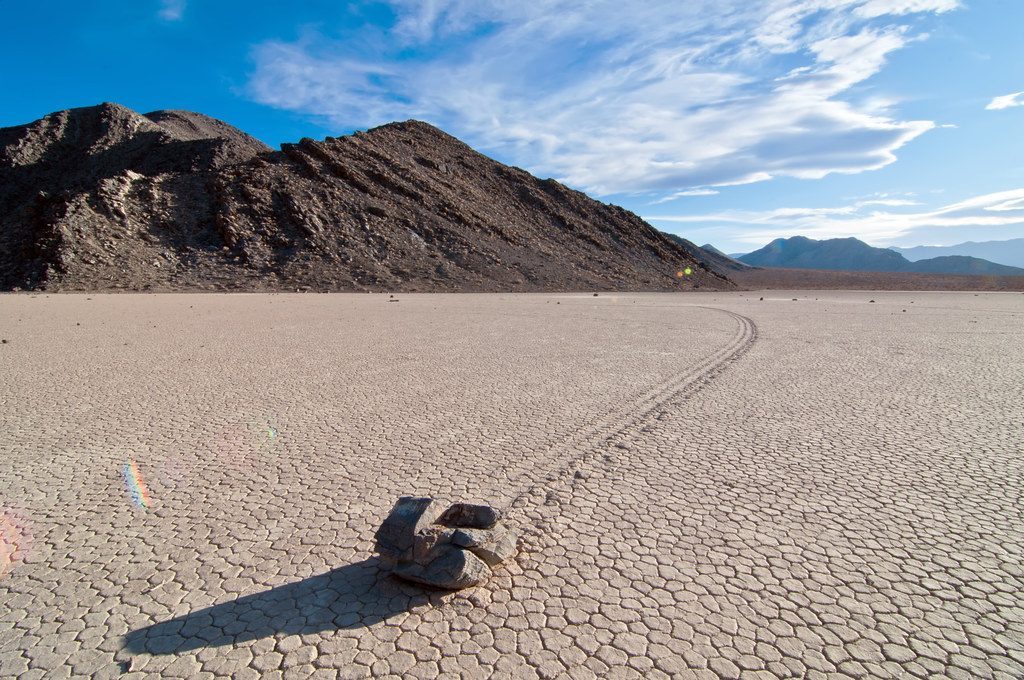
Deep in Death Valley’s Racetrack Playa lies one of geology’s most perplexing mysteries. The sailing stones are a geological phenomenon found in the Racetrack. Slabs of dolomite and syenite ranging from a few hundred grams (few ounces) to hundreds of kilograms (pounds) inscribe visible tracks as they slide across the playa surface, without human or animal intervention. These massive boulders seemingly move on their own, leaving behind straight-line tracks that stretch for hundreds of feet across the bone-dry desert floor.
For decades, scientists scratched their heads trying to explain this impossible phenomenon. The definitive solution to this long-standing mystery finally came in 2014, from two cousins. Their work showed that the rocks are nudged into motion by melting panels of thin floating ice, driven by light winds, in winter The process requires extremely specific conditions: rare winter rains create a shallow lake, which freezes overnight into thin sheets just millimeters thick. When morning sun breaks these ice sheets apart and light winds push them around, they literally bulldoze the rocks along the slick mud surface.
Turkey’s Fairy Chimneys in Cappadocia
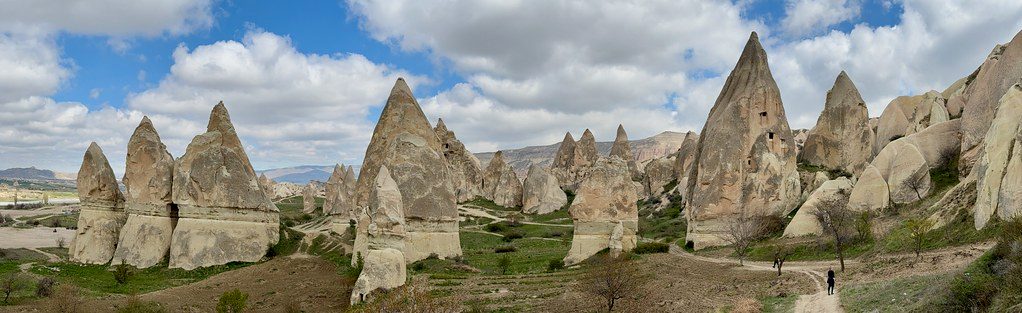
Turkey’s “fairy chimneys” are natural yet surreal-looking spires up to 130 feet (40 meters) tall that were carved out of soft volcanic rock by the elements over millions of years. Thousands of these spindly chimneys are peppered across the Love Valley in Göreme National Park, forming a rocky wonderland that human civilizations have taken refuge in for nearly 4,000 years. Think of them as nature’s version of skyscrapers, complete with mushroom-shaped caps that protect the towers beneath.
Volcanic activity that began roughly 14 million years ago laid the foundation for the jagged landscape we see today. A series of eruptions showered what is now Central Anatolia with ash, which solidified into thick layers of tuff – a type of light, porous rock. Subsequent explosions then coated the tuff with lava that hardened into a tough, basalt crust. What makes these formations even more fascinating is that humans discovered the soft rock could be carved into elaborate underground cities, complete with churches, homes, and entire neighborhoods carved directly into the stone pillars.
Giant’s Causeway Northern Ireland
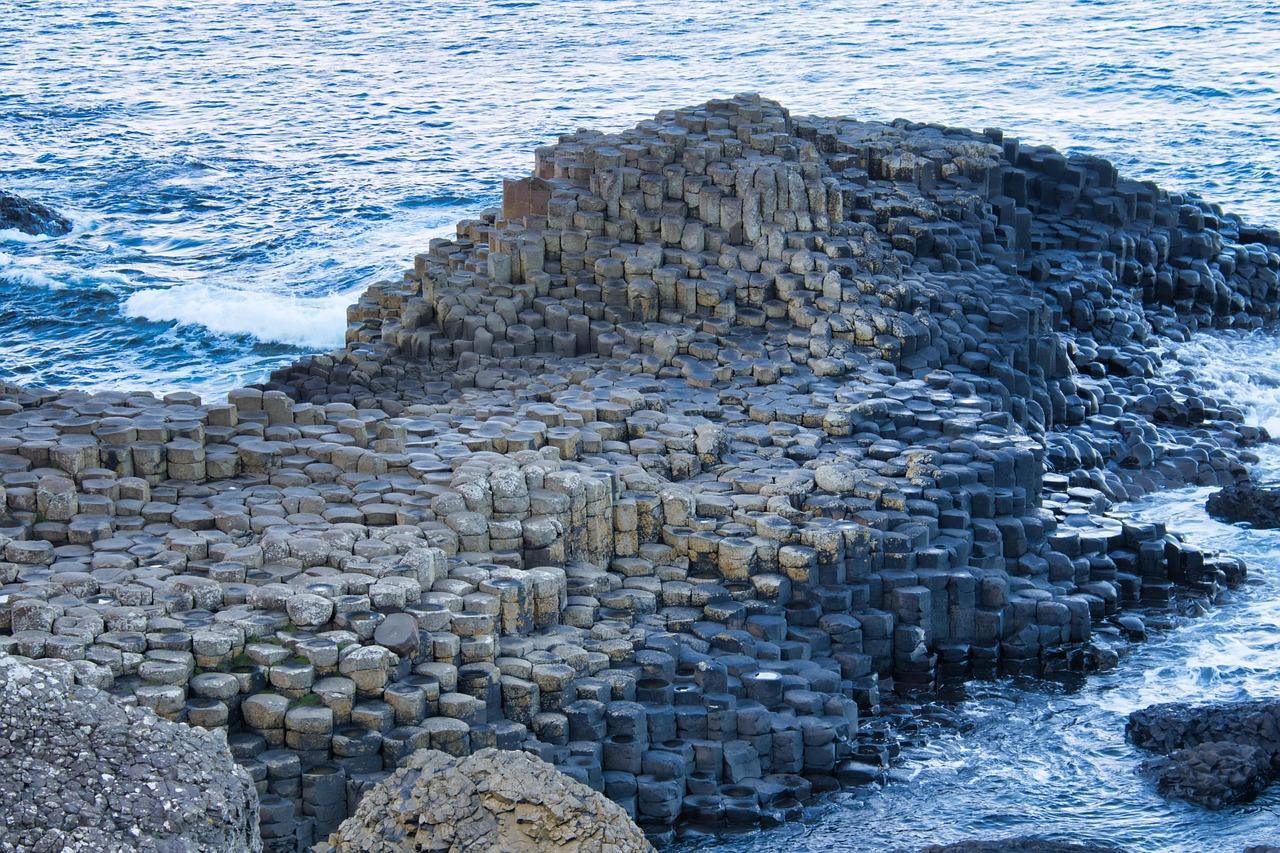
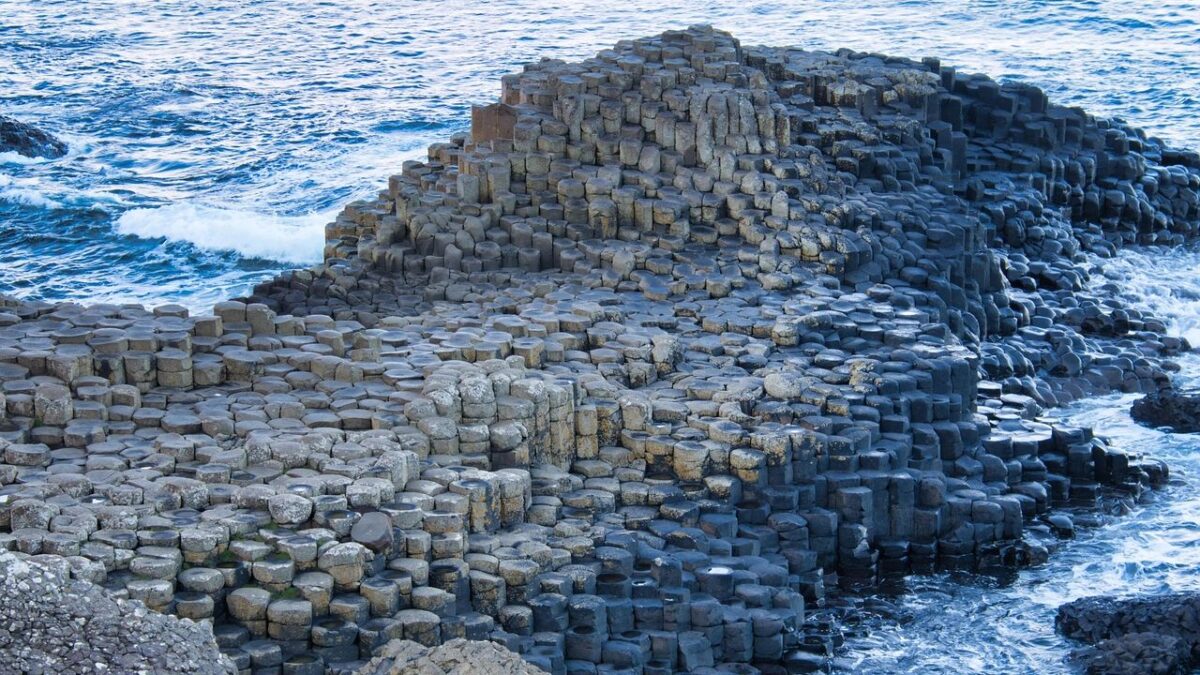
Giant’s Causeway is a natural geological formation located in Northern Ireland that consists of over 40,000 hexagonal basalt columns that are interlocked like puzzle pieces. The columns are made of cooled and hardened lava that was erupted from a volcanic fissure about 60 million years ago. The result looks so perfectly engineered that ancient legends claimed it was built by giants as a bridge to Scotland. Honestly, when you see these perfectly geometric columns stretching into the sea, the giant theory doesn’t sound too far-fetched.
The unique hexagonal shape of the basalt columns is due to the way the lava cooled and solidified as it flowed into the sea. As the lava cooled, it contracted and cracked, forming the distinctive polygonal shapes that make up the columns. The mathematical precision is stunning. Each column fits together like pieces in nature’s own jigsaw puzzle, creating a natural walkway that extends from the clifftops down into the ocean waters.
The Chocolate Hills of the Philippines
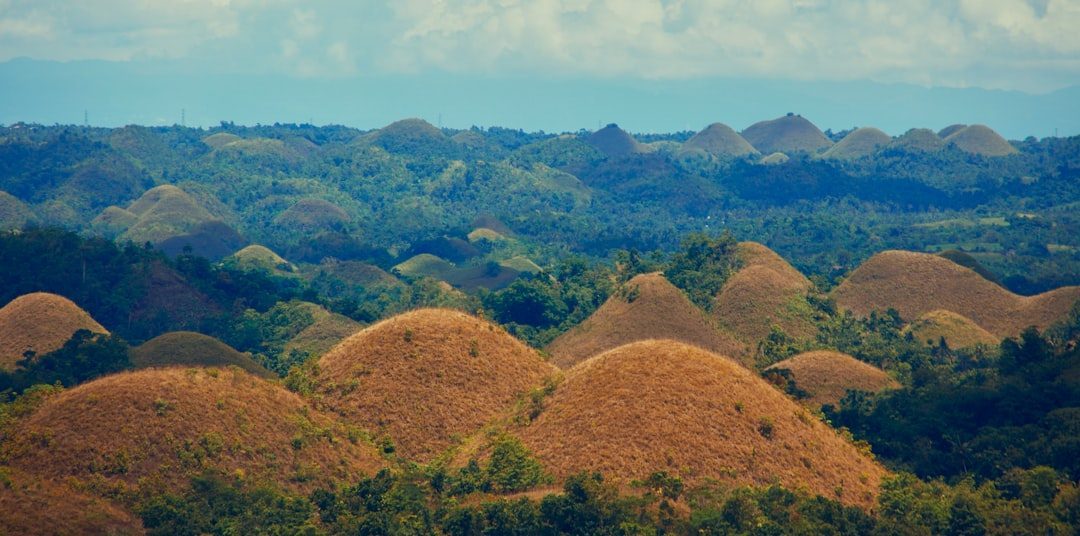
The Chocolate Hills (Cebuano: Mga Bungtod sa Tsokolate; Filipino: Mga Tsokolateng Burol) are a geological formation in the Bohol province of the Philippines. There are at least 1,260 hills but there may be as many as 1,776 hills spread over an area of more than 50 square kilometres (20 sq mi). They are covered in green grass that turns brown (like chocolate) during the dry season, hence the name. Picture a landscape where someone scattered giant chocolate kisses across the countryside as far as the eye can see.
These cone-shaped limestone hills create an almost surreal landscape that shifts dramatically with the seasons. During the rainy months, they’re emerald green and lush. Yet when the dry season arrives, the grass withers and turns the hills a rich brown color that resembles milk chocolate. They have been declared the country’s third National Geological Monument and proposed for inclusion in the UNESCO World Heritage List. Local legend says they were formed from the tears of a heartbroken giant, which sounds far more romantic than the geological reality of limestone weathering over millions of years.
The Eye of the Sahara Mauritania
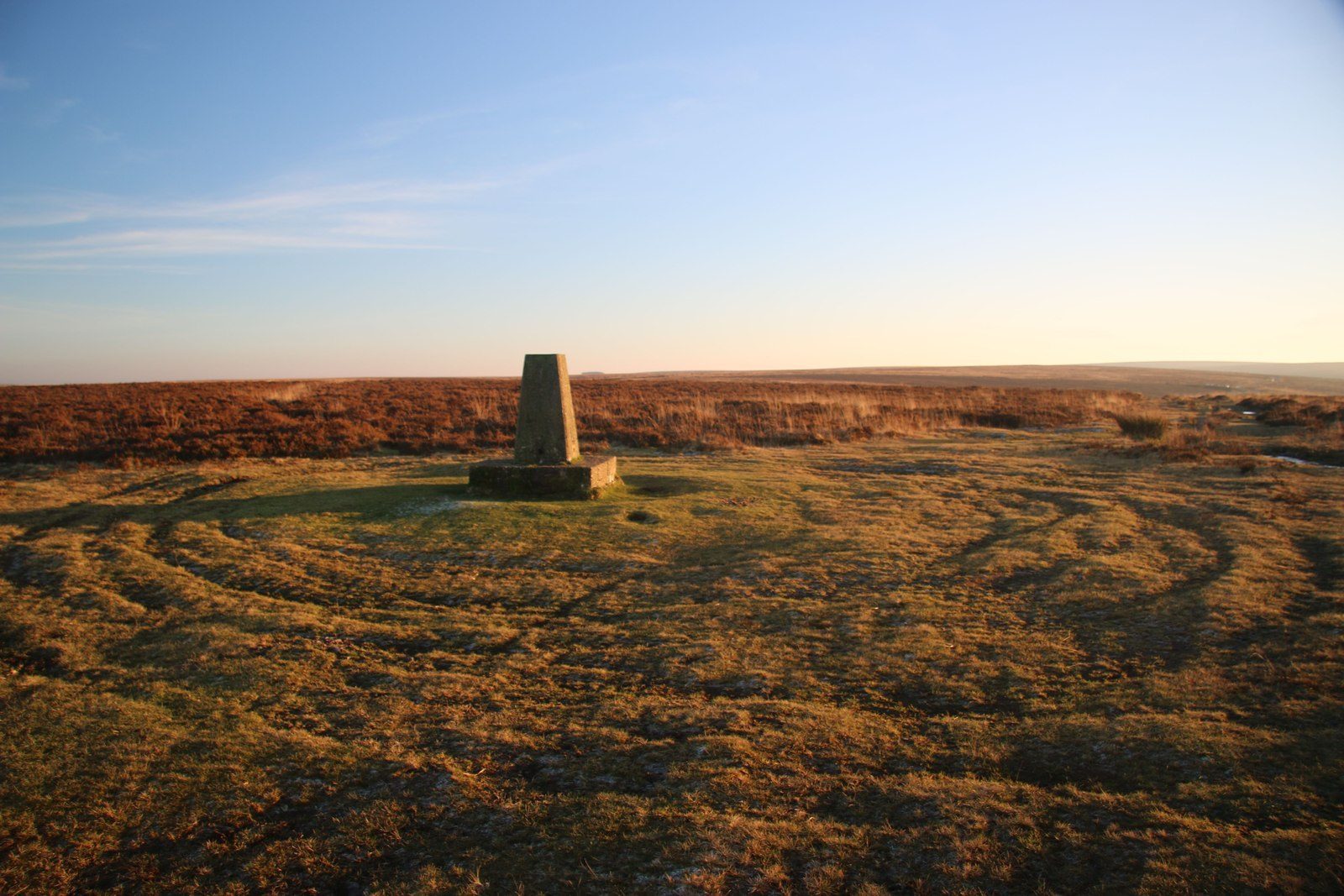
The Eye of the Sahara, also known as the Richat Structure, is a 30-mile-wide site of huge concentric circles found in the western African nation of Mauritania. From space, this formation looks like a massive bull’s-eye painted on the desert floor, so perfectly circular that it’s almost impossible to believe it’s natural. The structure is so prominent that astronauts use it as a landmark when orbiting Earth.
Geologists initially thought the site was created by an asteroid impact, but there isn’t enough melted rock among the rings to support this theory. Similarly, there’s no evidence to suggest a volcanic eruption. The mystery deepens when you consider the precise concentric rings and the sheer scale of this formation. New Age enthusiasts hint that the Eye of the Sahara could represent the remains of the mythical sunken island of Atlantis, based on Plato’s allegory. While that’s probably wishful thinking, the true explanation for this geological marvel remains elusive.
Crystal Cave in Mexico
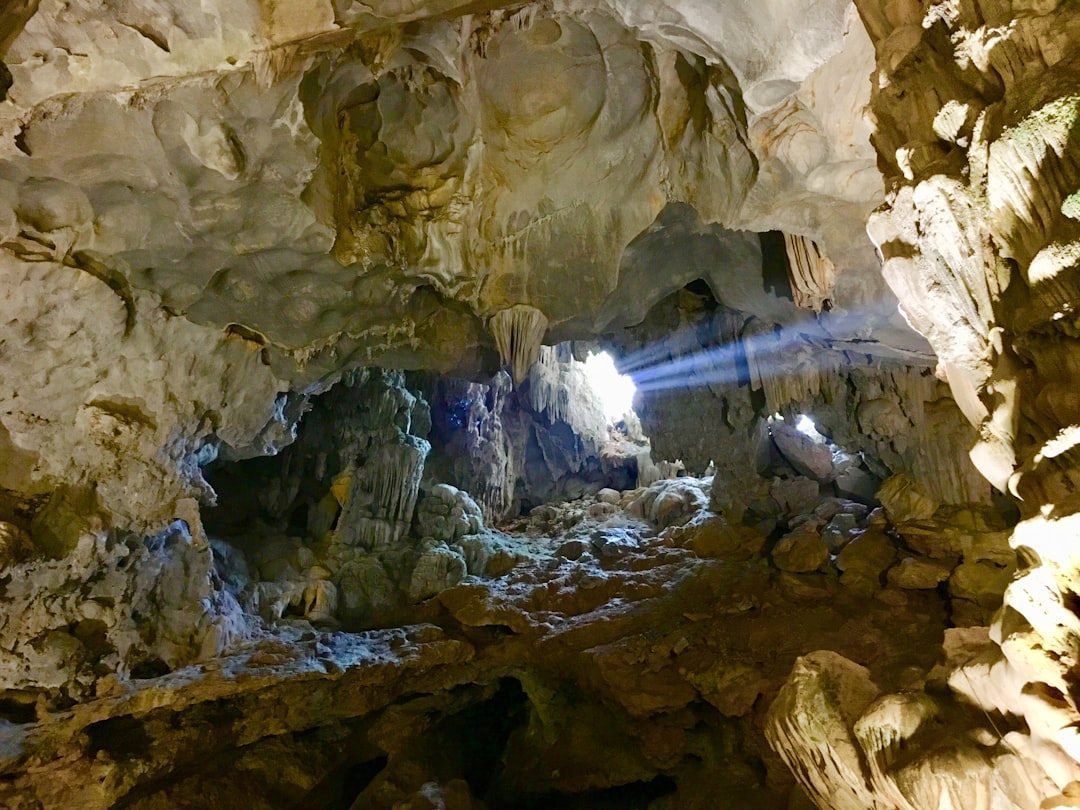
The otherworldly crystals in the Cave of the Crystals in Mexico can reach sizes larger than houses, by far the largest such crystals known on the planet. Imagine walking into a cave where massive translucent crystals tower above you like frozen lightning bolts. These selenite crystals are so enormous they dwarf human visitors, creating an alien landscape that seems more science fiction than science fact.
The cave sits nearly a thousand feet below ground in the Naica mine in Chihuahua, Mexico. For hundreds of thousands of years, the chamber was filled with mineral-rich hot water that maintained a constant temperature. This created perfect conditions for crystals to grow slowly and continuously, reaching lengths of up to 36 feet and weighing several tons each. The cave is so hot and humid that visitors can only spend minutes inside, even with protective gear. It’s like stepping into another planet where the laws of crystal formation have gone completely wild.
Tessellated Pavement Tasmania
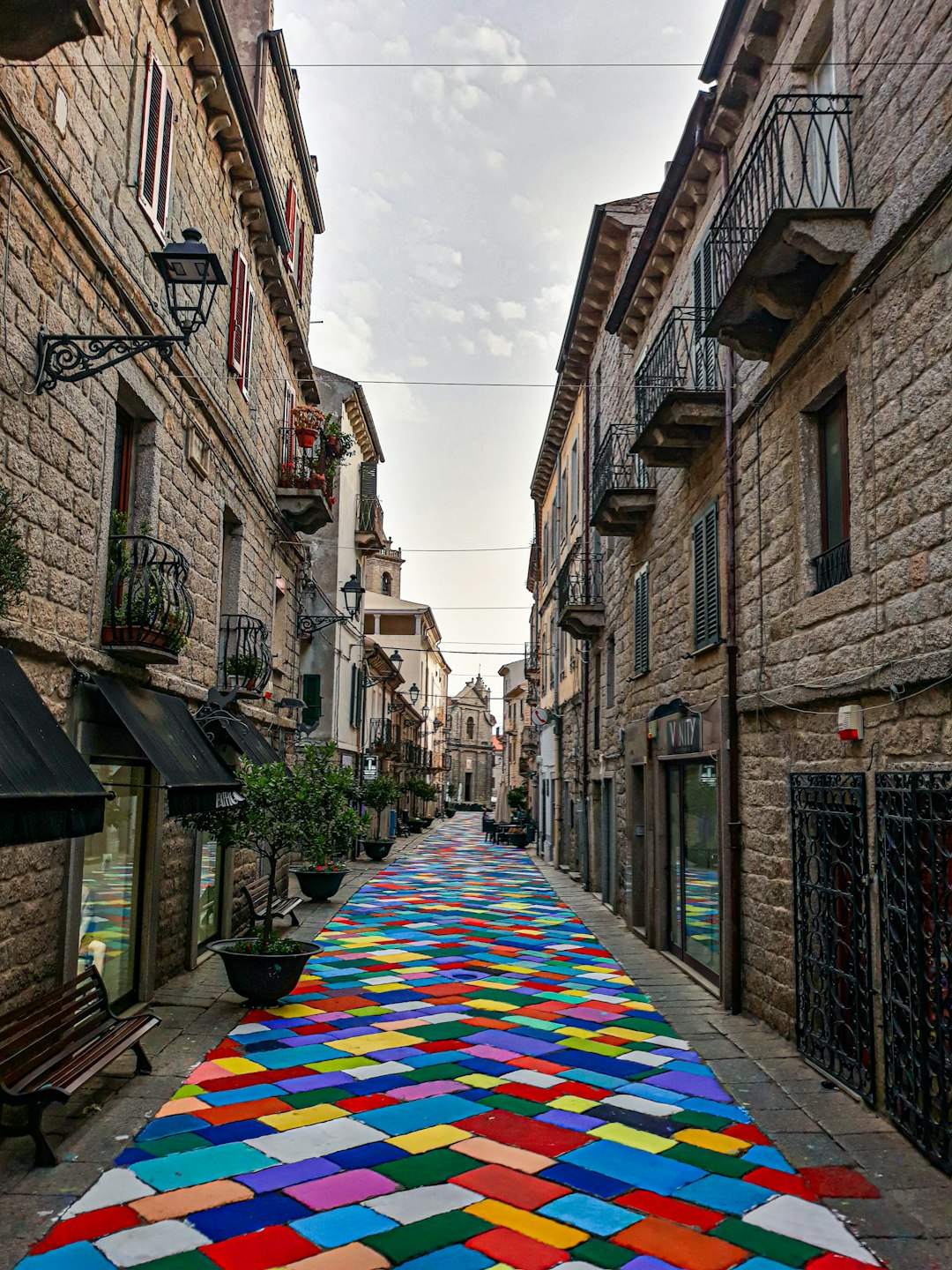
One might easily wonder if the unusual grid of the Tessellated Pavement of Eaglehawk Neck, Tasmania, is completely unnatural. Apparently, this rare geological feature formed when the underlying siltstone cracked in blocks resembling tiles, possibly between 60 million and 160 million years ago. The result looks like someone laid out perfectly rectangular stone tiles across a massive outdoor floor.
When seawater covers the platform, sand and wave action erodes the rock. The surface of the stone can erode faster between the rims of the tiles than on the rims themselves. This differential erosion creates raised edges around each rectangular block, making it appear even more like an artificially constructed pavement. Walking across this natural phenomenon feels like exploring the ruins of some ancient civilization’s courtyard, though it’s actually just the remarkable result of geological forces working with mathematical precision over millions of years.
The Mima Mounds of Washington State
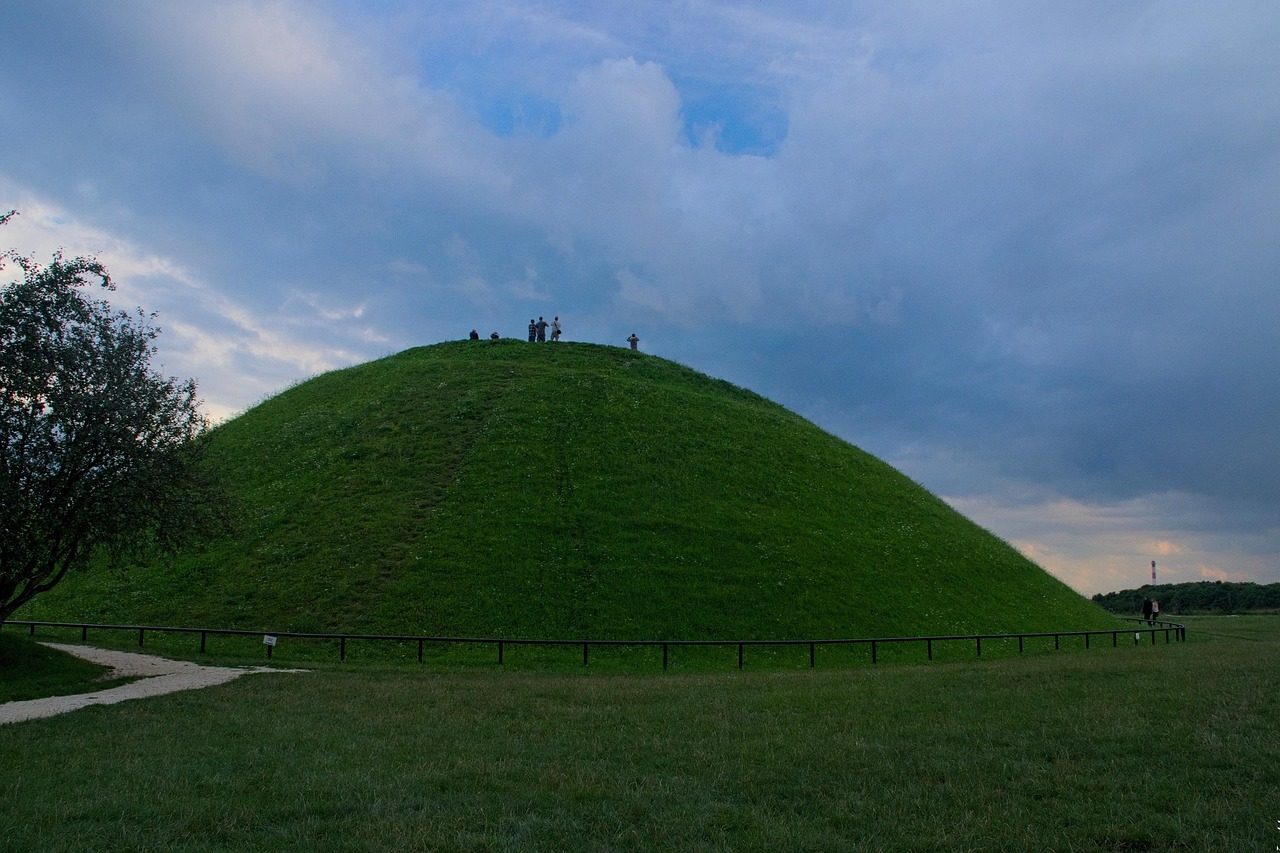
The Mima Mounds are mysterious, uniform undulations in the grasslands of Washington State near Olympia, ranging from 10 to 164 feet in diameter and up to 6.5 feet tall. When American explorer Charles Wilkes set eyes on them in 1841, he believed they were human-made burial mounds and had three of them excavated, only to find them filled with loose stones. These perfectly spaced grass-covered hills create a landscape that looks like nature’s version of bubble wrap.
One of the most delightful and popular theories credits generations of grubbing pocket gophers with creating the mounds while building underground dens and recently, the gopher explanation has gained traction among scientists. But despite the appeal of this gopher-driven explanation, there is nothing close to a consensus. Other theories range from earthquake shock waves to glacial melting patterns. The fact that tiny pocket gophers might have inadvertently created this massive landscape feature over thousands of generations is both charming and mind-boggling. Alternatively, there is a nice, mathematically elegant theory that says that earthquakes sent shockwaves through the soil and moved the earth into mounds wherever the peak waves intersected.
The Eisriesenwelt Ice Cave Austria
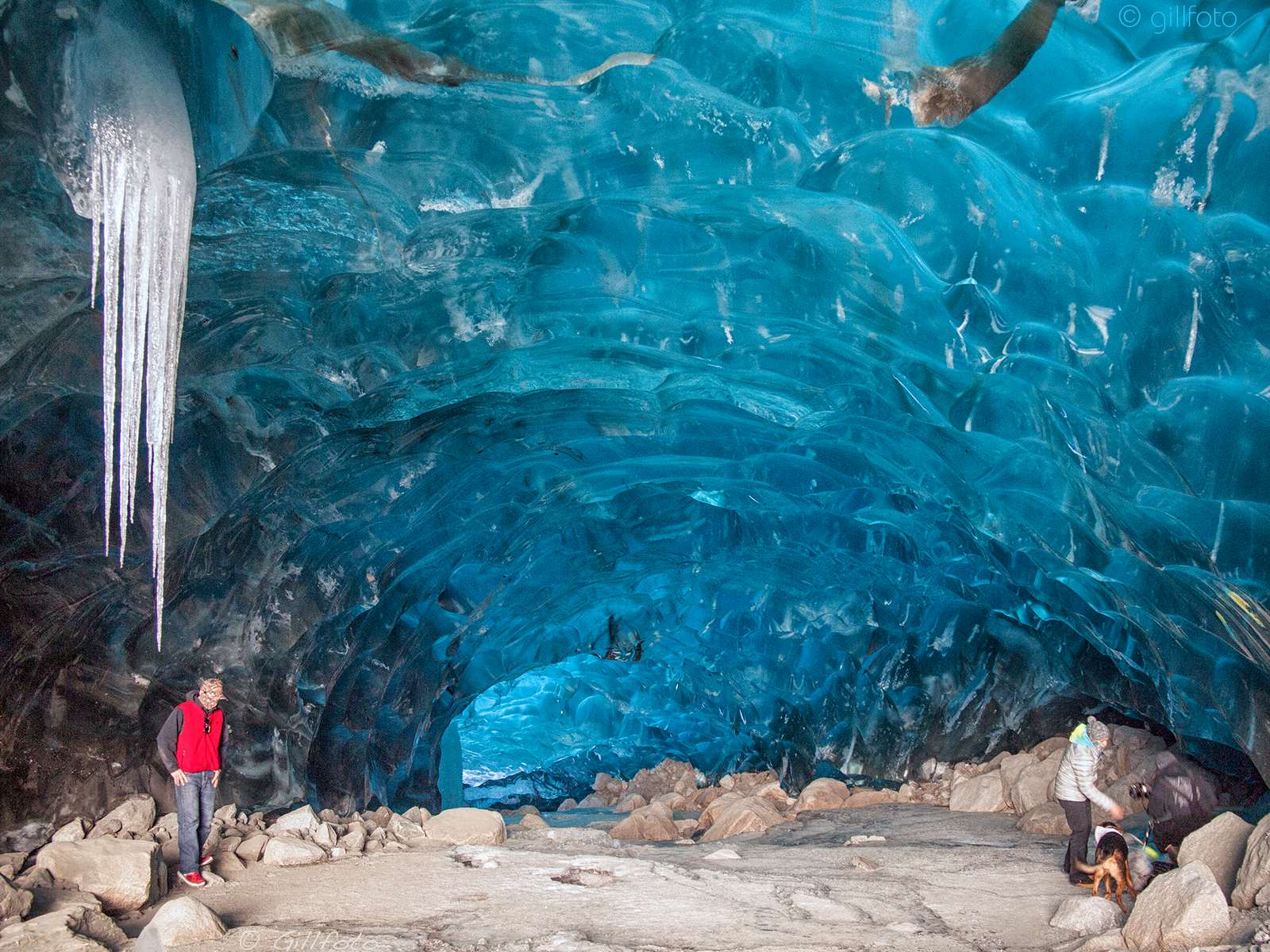
The Eisriesenwelt German for “world of the ice giants” is the largest known ice cave in the world. The limestone cavern stays cold enough year-round to freeze any water inside. This leads to gigantic ice formations growing within. Picture walking through a subterranean palace made entirely of ice, where frozen waterfalls and crystalline formations create a winter wonderland that never melts.
Located high in the Austrian Alps, this cave system stretches for over 26 miles, though only the first half-mile is covered in the spectacular ice formations that give it its fame. The cave maintains temperatures below freezing even in summer, creating permanent ice sculptures that grow and change with each passing year. Visitors need warm clothing and sturdy boots to navigate the icy passageways, where acetylene lamps illuminate frozen cascades and ice curtains that seem to flow like captured time itself.
These geological wonders remind us that our planet is far more creative and mysterious than we often realize. Each formation represents millions of years of natural processes working in ways that still challenge our understanding. From Death Valley’s sliding stones to Turkey’s fairy chimneys, these bizarre formations continue to inspire wonder and scientific curiosity in equal measure.
What strikes me most about these geological marvels is how they blur the line between the possible and impossible. Nature has spent millions of years perfecting these masterpieces, creating formations so unusual they seem almost magical. What do you think about these incredible geological formations? Tell us in the comments which one surprised you the most.
Worried about unexpected vet bills?
Pet insurance can cover thousands in unexpected vet costs. Get a free quote from Lemonade in under 2 minutes.
Get My Free Quote →Sponsored · Opens Lemonade.com
