


Worried about unexpected vet bills?
Pet insurance can cover thousands in unexpected vet costs. Get a free quote from Lemonade in under 2 minutes.
Get My Free Quote →Sponsored · Opens Lemonade.com
When we think of the wild, images of majestic creatures roaming freely often come to mind. However, beyond their survival instincts, many wild animals exhibit behaviors that seem to be purely for enjoyment. From swinging monkeys to frolicking dolphins, the animal kingdom is full of creatures that seem to genuinely love having fun. This article delves into some of the most playful wild animals and explores the ways they entertain themselves and others.
Dolphins The Aquatic Entertainers

Dolphins are often regarded as the comedians of the sea. Their intelligence is well-documented, and it seems they use their smarts to have a lot of fun. Dolphins can often be seen leaping and spinning in the air, seemingly for no other reason than the joy of it. They are known to ride the waves created by boats, almost like surfers. In many ways, dolphins appear to play games with one another, such as passing around seaweed or using it like a ball. Their playful nature is not only a delight to watch but also a testament to their complex social structures.
Monkeys Nature’s Little Mischief Makers

Monkeys are renowned for their playful antics. Whether it’s swinging through the trees or play-fighting with each other, these animals are always up to something. Young monkeys, in particular, are full of energy and curiosity, often seen imitating the older members of their troop or playing tag. Their playful behavior is crucial for their development, teaching them important life skills like climbing and foraging. Watching monkeys at play can be a delightful experience, as it highlights their intelligence and social bonds.
Otters The Water’s Joyful Residents

Otters are perhaps one of the most joyful creatures you can encounter in the wild. These furry animals love to slide down muddy banks or snow-covered slopes, almost as if they’re on a natural playground. Otters are often observed juggling rocks; a behavior that scientists believe helps them practice their dexterity. Their social nature means they often play in groups, chasing and tumbling over each other in the water. The sight of otters at play is a reminder of the simple joys of life.
Foxes The Crafty Playmates

Foxes are not only known for their cunning but also for their playful nature. Young kits are particularly playful, engaging in mock fights and pouncing games that help hone their hunting skills. Even adult foxes are known to play, often seen leaping and bounding in meadows. This playful behavior serves as both exercise and practice for their survival skills. Foxes often engage in games of chase, showing a level of agility and speed that is impressive to witness.
Elephants Gentle Giants at Play

Despite their size, elephants have a playful side that is heartwarming to observe. Young elephants, or calves, are especially playful, often seen chasing each other around or rolling in the mud. They use their trunks to play with objects, sometimes tossing them around like toys. Even adult elephants can be seen engaging in playful behavior, such as mock sparring or swimming in rivers. This social play is crucial for building bonds within the herd and is a delightful display of their gentle nature.
Crows The Intelligent Pranksters

Crows are among the most intelligent of birds, and their playful behavior often reflects their cleverness. They are known to engage in aerial acrobatics, diving and rolling in the sky. Crows have been observed playing games, such as dropping sticks or other objects and catching them mid-air. They also seem to enjoy teasing other animals, showcasing their mischievous side. Their playful antics highlight their curiosity and problem-solving abilities, making them fascinating creatures to watch.
Sea Lions The Ocean’s Clowns

Sea lions are often referred to as the clowns of the sea, and for good reason. They are known for their entertaining antics, such as balancing objects on their noses or playing with floating debris. Sea lions are social animals and can often be seen playing in groups, chasing each other through the water or engaging in playful wrestling matches. Their playful behavior is not only a source of amusement for onlookers but also an essential part of their social interaction and bonding.
Ravens The Playful Tricksters

Ravens, like their crow cousins, are highly intelligent birds with a penchant for play. They have been observed sliding down snow-covered roofs or playing games with each other. Ravens are known to engage in aerial play, performing acrobatic maneuvers that seem to be purely for enjoyment. These birds also enjoy playing with objects, sometimes using them as toys. Their playful nature is a testament to their intelligence and adaptability, making them one of the most intriguing birds to observe.
Polar Bears Playful Predators
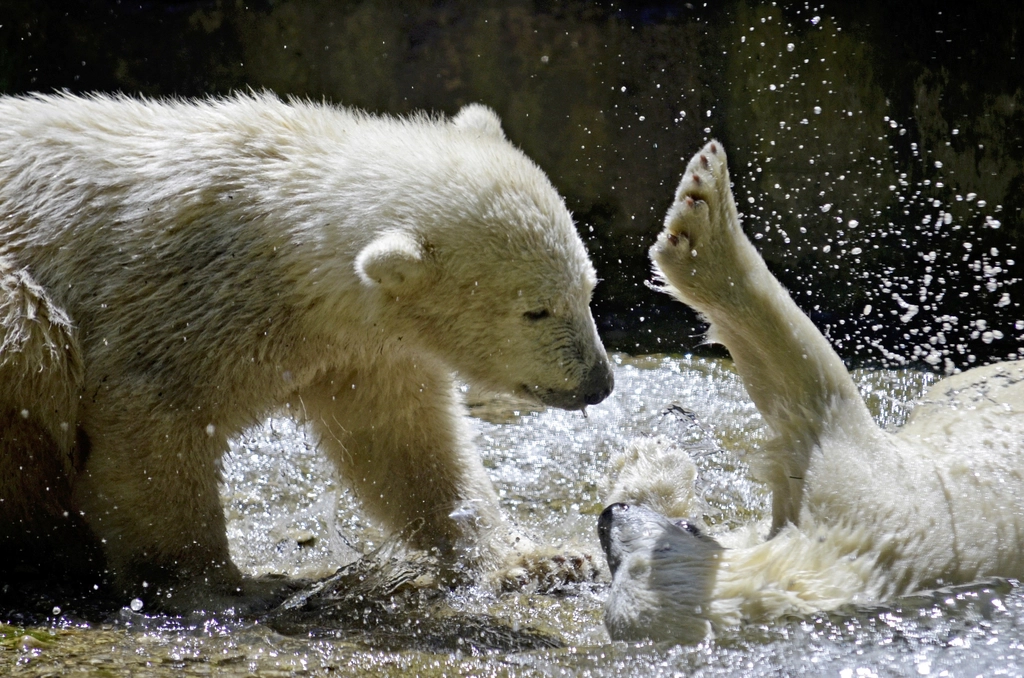
Polar bears, despite their reputation as fierce predators, are also known for their playful behavior. Cubs are particularly playful, often seen wrestling and rolling in the snow. Even adult bears engage in play, sometimes seen sliding down icy slopes or engaging in mock battles. This playful behavior helps them develop important skills needed for hunting and survival in their harsh Arctic environment. Watching polar bears at play is a reminder of their majestic presence and the importance of conservation efforts to protect them.
Wolves The Playful Pack Members

Wolves are pack animals, and their social structure is vital to their survival. Play is an essential part of their lives, especially for pups. Young wolves engage in play-fighting, chasing, and pouncing games that help them develop the skills needed for hunting and pack dynamics. Even adults engage in playful behavior, strengthening bonds within the pack. This playful nature is a crucial aspect of their social structure, highlighting the importance of cooperation and communication among wolves.
Raccoons The Curious Play Explorers

Raccoons are known for their curious and playful nature. These nocturnal animals are often seen exploring their surroundings, using their dexterous paws to manipulate objects. Young raccoons engage in playful behavior, such as wrestling and climbing, which helps them develop essential skills for survival. Their inquisitive nature often leads them into amusing situations, showcasing their adaptability and intelligence. Raccoons’ playful antics are a reminder of their resourcefulness and charm.
Lions The Playful Kings of the Jungle

Lions, often referred to as the kings of the jungle, are also known for their playful behavior. Lion cubs are particularly playful, engaging in wrestling and stalking games that mimic hunting behavior. Even adult lions can be seen engaging in playful activities, such as chasing each other or play-fighting. This playful behavior is crucial for developing hunting skills and strengthening social bonds within the pride. Watching lions at play is a testament to their strength and social structure.
Hyenas The Playful Scavengers

Hyenas may have a reputation as scavengers, but they are also known for their playful behavior. Young hyenas engage in play-fighting and chasing games that help them develop essential skills for survival. Even adult hyenas can be seen engaging in playful behavior, such as mock fights and social interactions. This playful nature is crucial for maintaining social bonds within their clans and helps them develop the skills needed for hunting and scavenging.
Penguins The Playful Ice Dwellers

Penguins are known for their endearing waddle and playful nature. These flightless birds often engage in playful behavior, such as sliding on their bellies across the ice or engaging in social interactions with their colony members. Young penguins, or chicks, are particularly playful, often seen chasing each other and mimicking adult behaviors. This playful behavior is essential for developing social bonds and learning survival skills in their harsh environments.
Kangaroos The Bouncing Playmates

Kangaroos, with their unique hopping movement, are known for their playful behavior. Young kangaroos, known as joeys, often engage in play-fighting and chasing games that help them develop essential skills for survival. Even adult kangaroos can be seen engaging in playful behavior, such as sparring and social interactions with other members of their mob. This playful nature is crucial for maintaining social bonds and developing the skills needed for survival in the wild.
Bonobos The Peaceful Playful Primates

Bonobos, closely related to chimpanzees, are known for their playful and peaceful nature. These primates engage in a variety of playful behaviors, such as play-fighting, chasing, and social grooming. Bonobos use play as a way to build social bonds and diffuse tension within their groups. Their playful nature is a testament to their intelligence and complex social structures, making them one of the most fascinating primates to observe.
Conclusion

The playful behaviors of these wild animals highlight the joy and complexity of the natural world. From the oceans to the savannas, each creature finds its unique way to entertain itself and others. Understanding and appreciating these playful antics not only brings us closer to the animal kingdom but also reminds us of the simple joys of life.
Worried about unexpected vet bills?
Pet insurance can cover thousands in unexpected vet costs. Get a free quote from Lemonade in under 2 minutes.
Get My Free Quote →Sponsored · Opens Lemonade.com

As a little kid, I fell in love with nature, wildlife, and animals. Living in the USA, South Africa, Italy, China and Germany gave me the opportunity to discover the world's Wildlife. My favorite animals are Mountain Gorillas, Siberian Tigers, and Great White Sharks.
I'm a certified PADI Open Water Diver, went to Everest Base Camp and Trekked Gorillas in Uganda. I hold a Master of Science in Economics and Finance.
Please send any feedback to feedback@animalsaroundtheglobe.com
- Top 10 Animals and Wildlife in the Rocky Mountains - June 4, 2026
- 12 Signs Your Dog Thinks You Are the Pack Leader - June 4, 2026
- African Wild Dogs Nature Master Strategists at Risk - June 4, 2026