

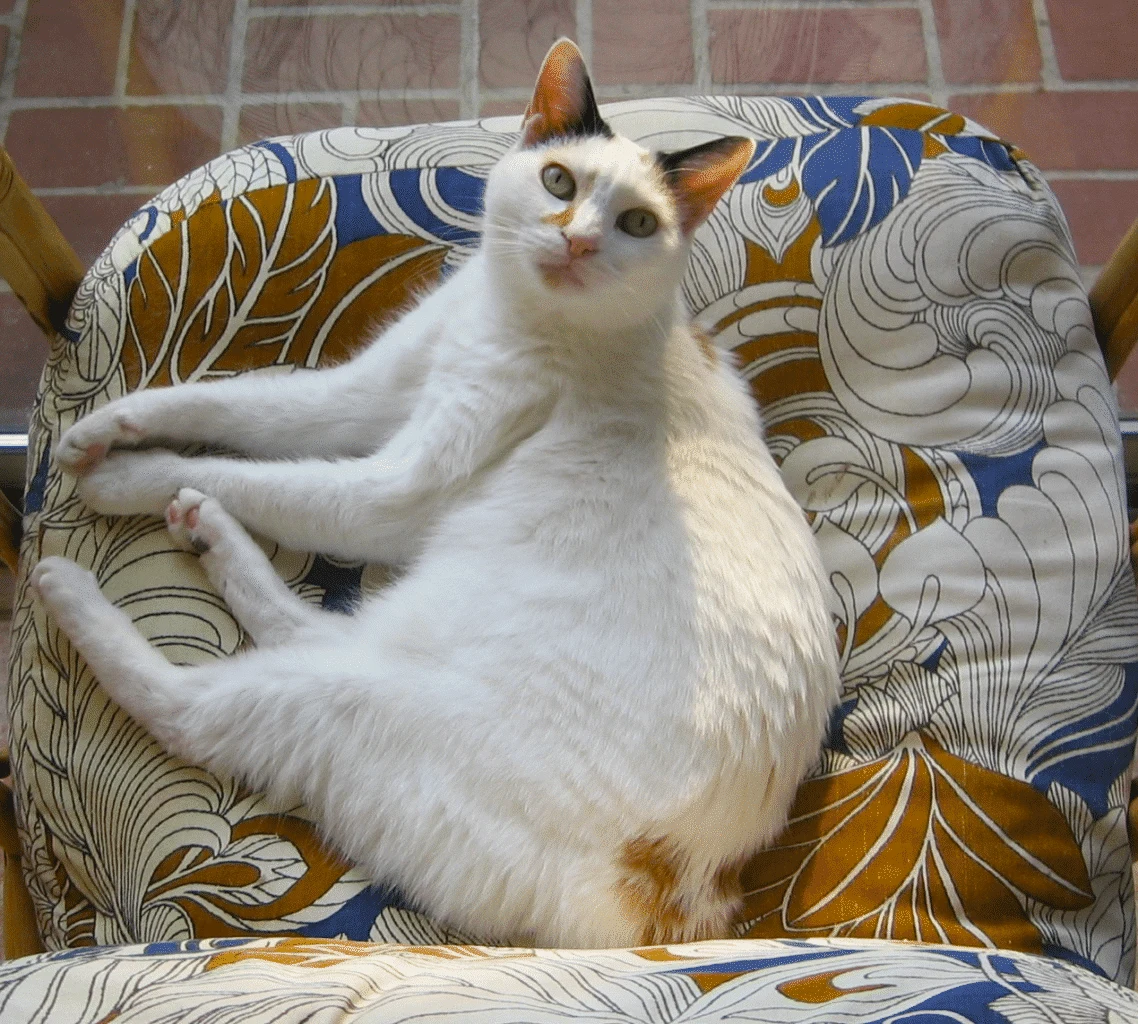
Most cat owners are familiar with the typical feline aversion to water. The mere sight of a bathtub can send many cats scrambling for cover, leaving behind nothing but the echo of panicked meows and the blur of a retreating tail. However, not all cats share this water-phobic tendency. In fact, several breeds display a surprising affinity for aquatic environments, challenging our stereotypical view of cats as water-haters. Whether it’s due to evolutionary history, coat type, or simply unique personality traits, these water-loving felines prove that cats are far more diverse in their preferences than we often assume. Let’s dive into the fascinating world of cats and their varied relationships with water, exploring nine breeds that actually enjoy getting wet and three that will do anything to stay dry.
The Science Behind Cats and Water
To understand why most cats avoid water while some embrace it, we need to examine feline evolution. Domestic cats descended from desert-dwelling wildcats, where water was scarce and rarely encountered in large bodies. As a result, most cats never developed the evolutionary adaptations for swimming that we see in more aquatic mammals. Their fur lacks the water-resistant properties found in animals like otters or beavers, meaning that when soaked, a cat’s coat becomes heavy and uncomfortable, potentially leading to hypothermia in colder environments.
Another scientific explanation relates to feline sensory perception. Cats have highly sensitive whiskers and fur that help them navigate their environment. When wet, these sensory tools become less effective, potentially disorienting the cat. Additionally, the strong scents in tap water—chlorine and various minerals—can be overwhelming to a cat’s acute sense of smell. Breeds that enjoy water often have physical adaptations like water-resistant coats or historical backgrounds in wetter environments, allowing them to overcome these evolutionary disadvantages.
Turkish Van The Swimming Cat

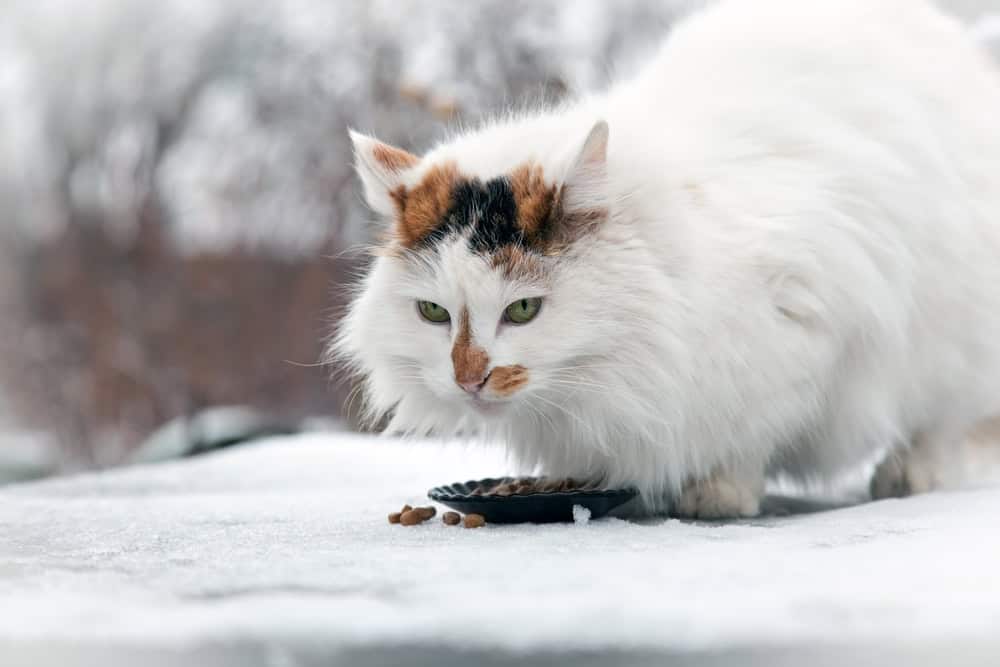
Perhaps the most famous water-loving feline is the Turkish Van, often nicknamed the “swimming cat.” Originating from the Lake Van region of Turkey, this ancient breed has a natural affinity for water that sets it apart from most other cats. Turkish Vans have a unique coat structure that is naturally water-resistant—it’s cashmere-like, single-layered, and repels water rather than absorbing it, allowing these cats to swim without becoming waterlogged. Their powerful, muscular bodies and broad shoulders also make them naturally adept swimmers.
Historical records suggest that Turkish Vans would swim out to meet fishing boats returning to shore, eager to snatch a fresh catch. Modern Turkish Van owners often report their cats playing with dripping faucets, joining them in showers, or even voluntarily swimming in pools or bathtubs. This breed’s water-loving tendency is so ingrained that it’s considered a defining characteristic, making the Turkish Van the quintessential aquatic cat breed.
Maine Coon The Gentle Giant Fisherman
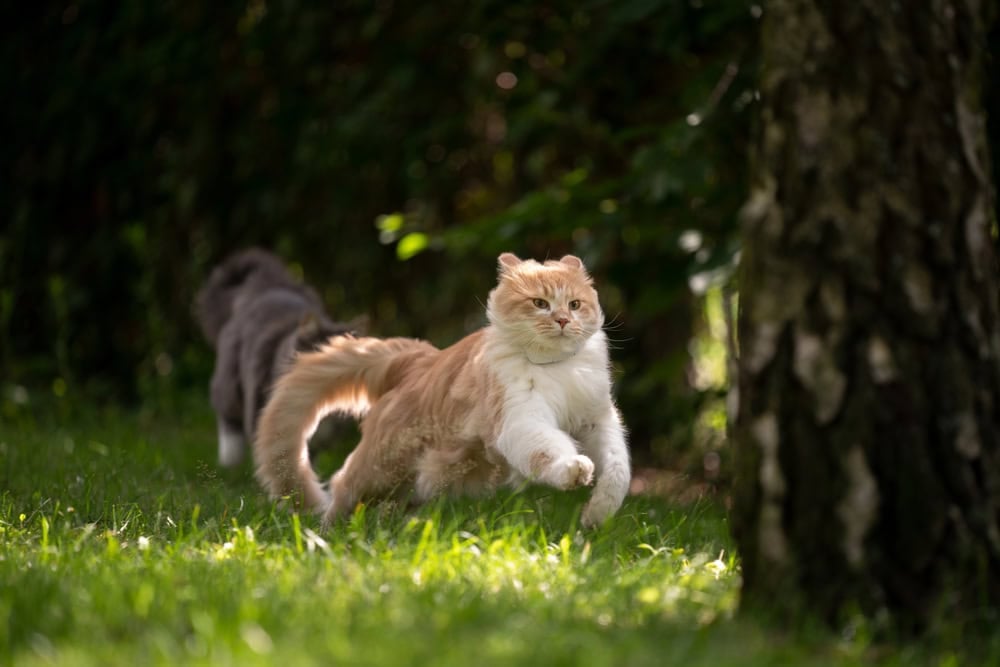
Maine Coons, America’s native gentle giants, share a historical connection to water that explains their comfort around it. Developed in the harsh coastal climate of New England, these cats were valued companions on ships and farms, where they earned their keep as exceptional mousers. Their water-resistant, shaggy double coat evolved to protect them from the elements, including rain and snow, making water less intimidating for them than for other breeds. Their large, tufted paws act almost like snowshoes, helping them navigate both snowy terrain and watery surfaces with surprising agility.
Many Maine Coon owners report their cats dipping paws into water bowls, playing with water streams, or even joining them in the shower. Some particularly water-oriented Maine Coons have been observed fishing for actual fish in shallow ponds or streams—a testament to their natural hunting instincts combined with water comfort. Their playful, intelligent nature also contributes to their willingness to experiment with water, especially when introduced to it gradually from kittenhood.
Bengal Wild Ancestry and Water Play

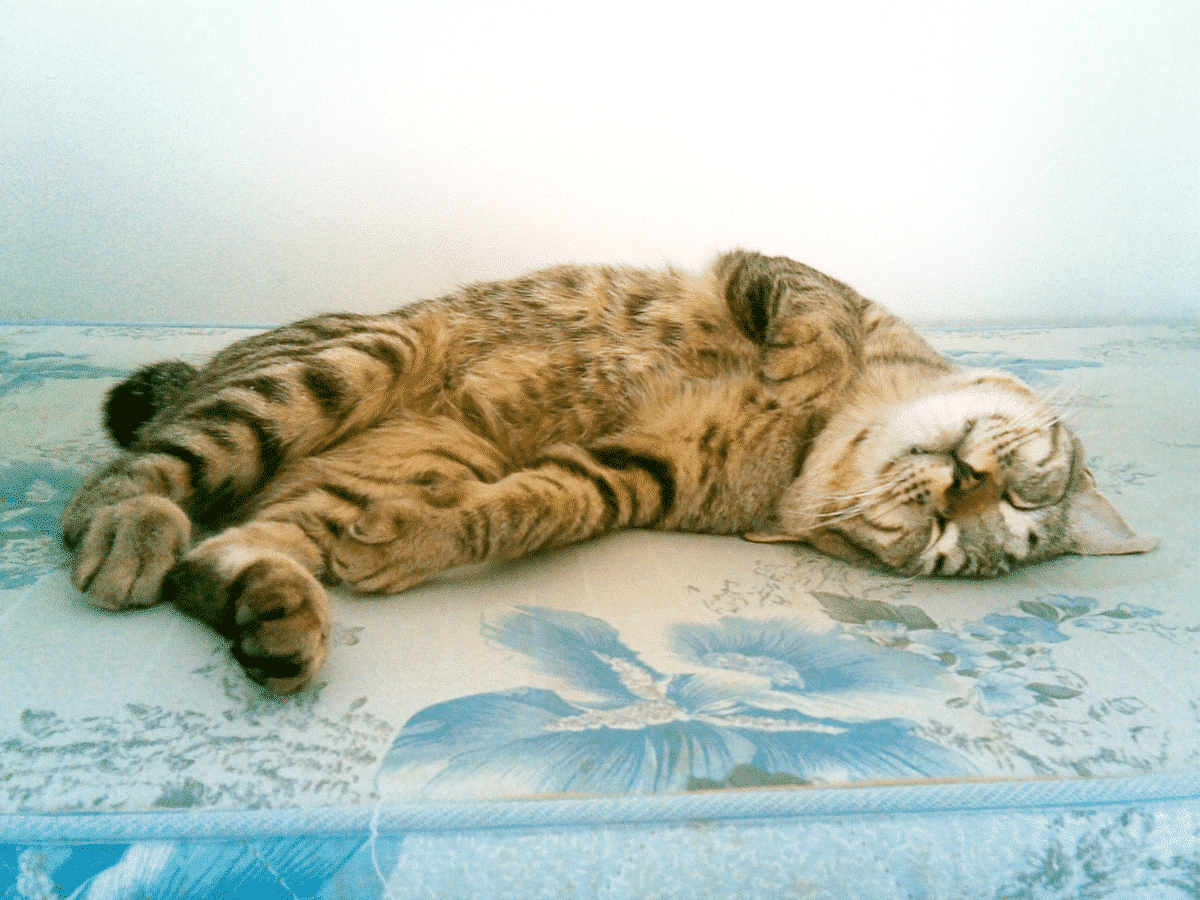
Bengals, with their striking spotted coats reminiscent of their Asian leopard cat ancestors, inherit more than just wild looks—they also retain a natural affinity for water. In the wild, Asian leopard cats often live near water sources and don’t hesitate to swim or wade to catch fish. This evolutionary history translates to domestic Bengals, who frequently display fascination with running water, shower stalls, and even swimming pools. Their muscular bodies and energetic nature make them capable swimmers when given the opportunity.
Bengal owners often find themselves contending with cats who insist on joining them in the shower or bath. Many Bengals develop amusing water-related habits, like transferring toys to water bowls, pawing at toilet water, or learning to turn on faucets for their entertainment. Their high intelligence and playful nature mean they quickly learn that water can be a source of stimulation and fun rather than something to fear. For Bengal owners, providing appropriate water play opportunities—like shallow water dishes or cat-safe fountains—can help channel this natural behavior constructively.
Abyssinian The Curious Water Explorer

Abyssinians, one of the oldest known cat breeds, bring their trademark curiosity to everything—including water experiences. While not as famously water-oriented as Turkish Vans or Bengals, these intelligent, active cats often develop a fascination with water that stems from their exploratory nature. Their short, ticked coats dry relatively quickly, which may contribute to their willingness to investigate watery environments. Abyssinians are also notably less prone to the exaggerated startle responses seen in more nervous cat breeds, allowing them to approach water with cautious interest rather than fear.
Many Abyssinian owners report their cats perching on bathtub edges to pat at water, playing with dripping faucets, or even occasionally joining family members in the shower. Their playful disposition means they’re more likely to see water as an interesting phenomenon to investigate rather than a threat to avoid. Unlike some water-loving breeds that dive right in, Abyssinians typically take a more measured approach, starting with curious paw-dipping before potentially graduating to more enthusiastic water play as their comfort level increases.
Norwegian Forest Cat Built for Harsh Elements

The Norwegian Forest Cat, or “Wegie,” evolved in the cold, wet Scandinavian forests where water resistance wasn’t just beneficial—it was essential for survival. These robust forest-dwellers developed one of the most water-repellent coats in the domestic cat world, featuring a woolly undercoat topped by long, coarse guard hairs that shed water effectively. Their substantial size and muscular build also help them maintain body temperature even when partially wet, giving them a practical advantage around water compared to smaller, less insulated breeds.
Norwegian Forest Cats were historically associated with Viking ships, where they served as mousers and companions on long sea voyages. This maritime history contributed to a breed selection that favored cats comfortable around water. Modern Norwegian Forest Cats often retain this ancestral comfort, with many owners reporting their cats voluntarily playing with water or even joining them in the bathtub on occasion. Their thick paws with tufts of fur between the toes provide excellent traction on wet surfaces, further enhancing their confidence around water.
American Bobtail The Adaptable Water Player
American Bobtails, recognized for their shortened “bobbed” tails and wild appearance, frequently demonstrate a surprising enthusiasm for water play. This relatively rare breed developed naturally across the United States, with a genetic history that likely includes exposure to various environments, including those with bodies of water. Their muscular build, athletic nature, and adaptable personality all contribute to their willingness to explore aquatic environments. While not as famous for swimming as some other breeds, many American Bobtail owners report their cats voluntarily playing in water.
What makes American Bobtails particularly interesting in their water interactions is their problem-solving intelligence. These cats have been observed learning to turn on faucets, fishing toys out of water bowls, and even figuring out how to join their owners in the shower by opening bathroom doors. Their playful nature extends to water interaction, with many enjoying games involving running water or floating toys. Their medium-length, somewhat water-resistant coat also dries relatively quickly, making water encounters less uncomfortable for them than for cats with dense undercoats that remain wet for extended periods.
Turkish Angora Elegant Swimmers
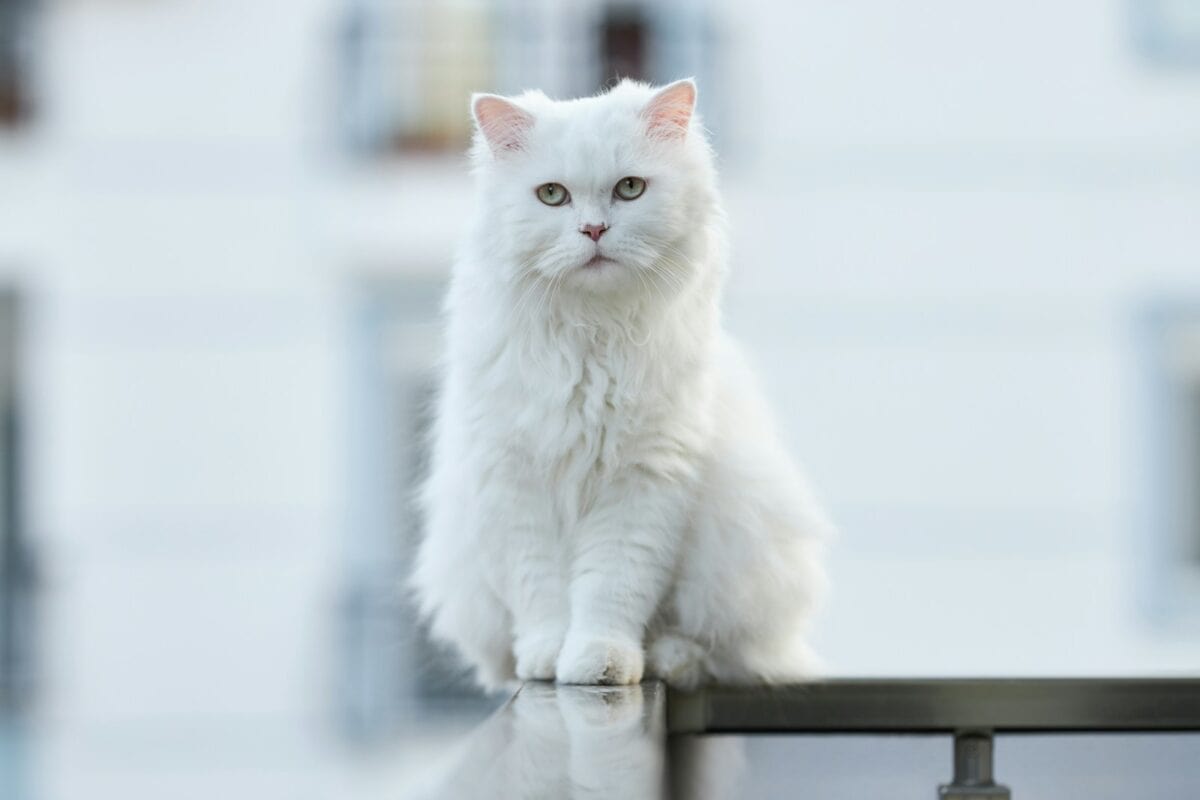
The Turkish Angora, with its silky coat and graceful demeanor, might not immediately strike observers as a water-loving breed. However, these elegant cats often display a remarkable affinity for water that rivals their cousin, the Turkish Van. Originating from the Ankara region of Turkey (formerly known as Angora), these cats were often kept near water sources and developed comfort around lakes and streams. Their silky, single-layered coat repels water rather than absorbing it, allowing them to stay relatively dry even during water play.
Turkish Angora owners frequently report their cats participating in water activities, from pawing at running faucets to occasionally joining them in the shower or bath. Their intelligent, curious nature drives them to investigate water sources rather than avoid them. While perhaps not as universally water-obsessed as Turkish Vans, many Turkish Angoras develop individualized water rituals, like demanding that their water bowls be filled to precise levels or insisting on drinking only from running water sources. Their athletic build and natural agility also make them capable swimmers when they choose to take the plunge.
Savannah Wild Heritage and Water Curiosity

Savannahs, the striking hybrid descendants of African servals and domestic cats, often inherit their wild ancestor’s comfort around water. In their natural habitat, servals frequently hunt near water sources and don’t hesitate to wade in to catch fish or frogs. This aquatic confidence often manifests in domestic Savannahs, especially those of earlier generations with stronger serval influence. Their tall, lean bodies and long legs give them a natural advantage in navigating shallow water, while their short, dense coats dry relatively quickly.
Many Savannah owners report their cats displaying fascination with running water, shower stalls, or even swimming pools. Their extraordinary intelligence and playful nature make water an enticing source of entertainment and enrichment. Some Savannahs develop elaborate water games, like deliberately dropping toys into water sources to fish them out again or learning to operate sink faucets. While individual preferences vary, the breed’s general curiosity and reduced fear response compared to typical domestic cats make them more likely to view water as an interesting element to explore rather than a threat to avoid.
Japanese Bobtail The Historical Fisher
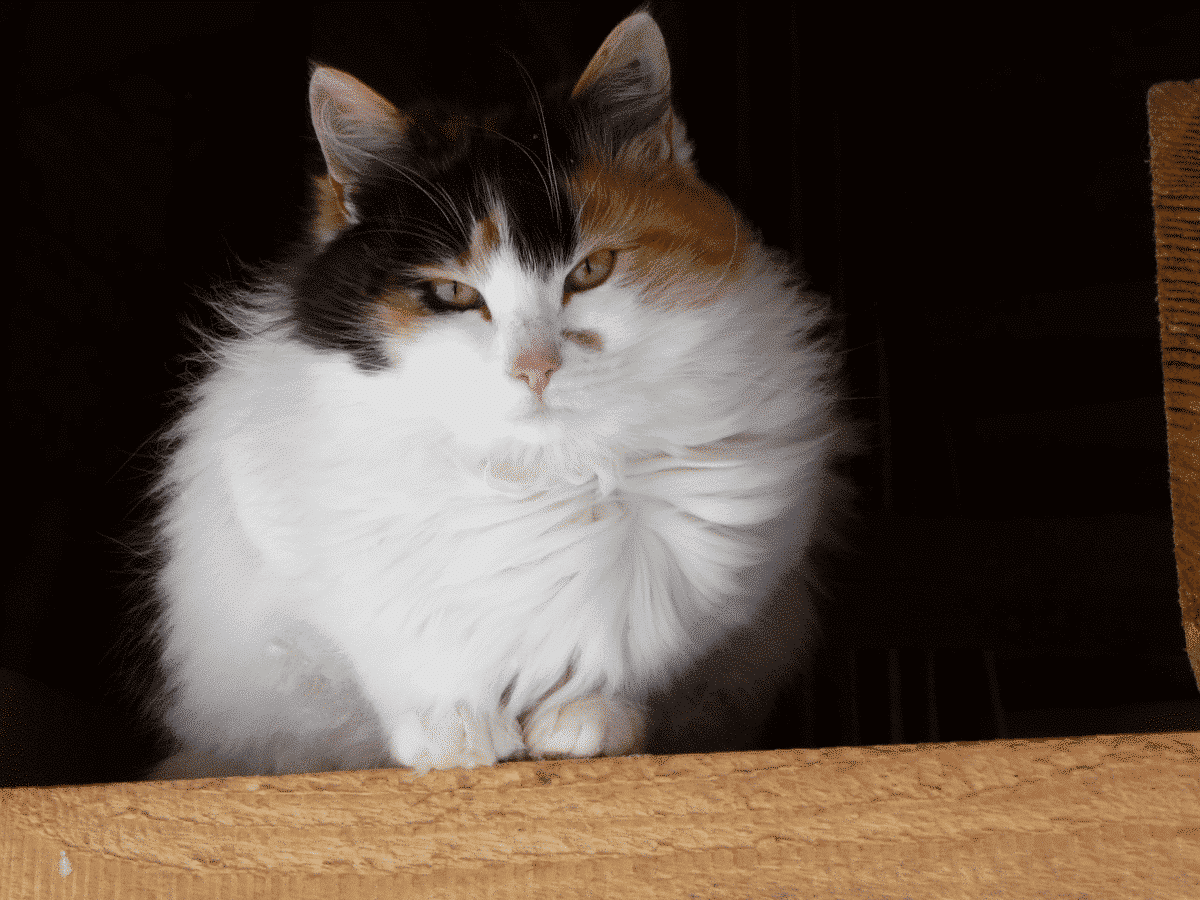
Japanese Bobtails have a centuries-old history in Japan, where they were often kept on ships and in fishing villages, contributing to their comfortable relationship with water. These cats, instantly recognizable by their distinctive “bunny tail,” were valued for protecting silk and rice from rodents in ancient Japan. Their presence on fishing boats and around harbors meant natural selection favored cats that weren’t alarmed by water. While not as famous for swimming as some other breeds, Japanese Bobtails frequently display a calm curiosity about water that distinguishes them from more water-averse cats.
Their medium-length coat has a silky texture that repels water rather than absorbing it, making water encounters less uncomfortable. Japanese Bobtail owners often note their cats’ tendency to play with water bowls, investigate running faucets, or even occasionally join them in the bathroom. Their intelligent, active nature means they see water as another element to explore rather than fear. In Japanese art and folklore, these cats are sometimes depicted near water, reflecting their historical association with maritime and fishing communities throughout Japanese history.
Persian The Ultimate Water Avoider
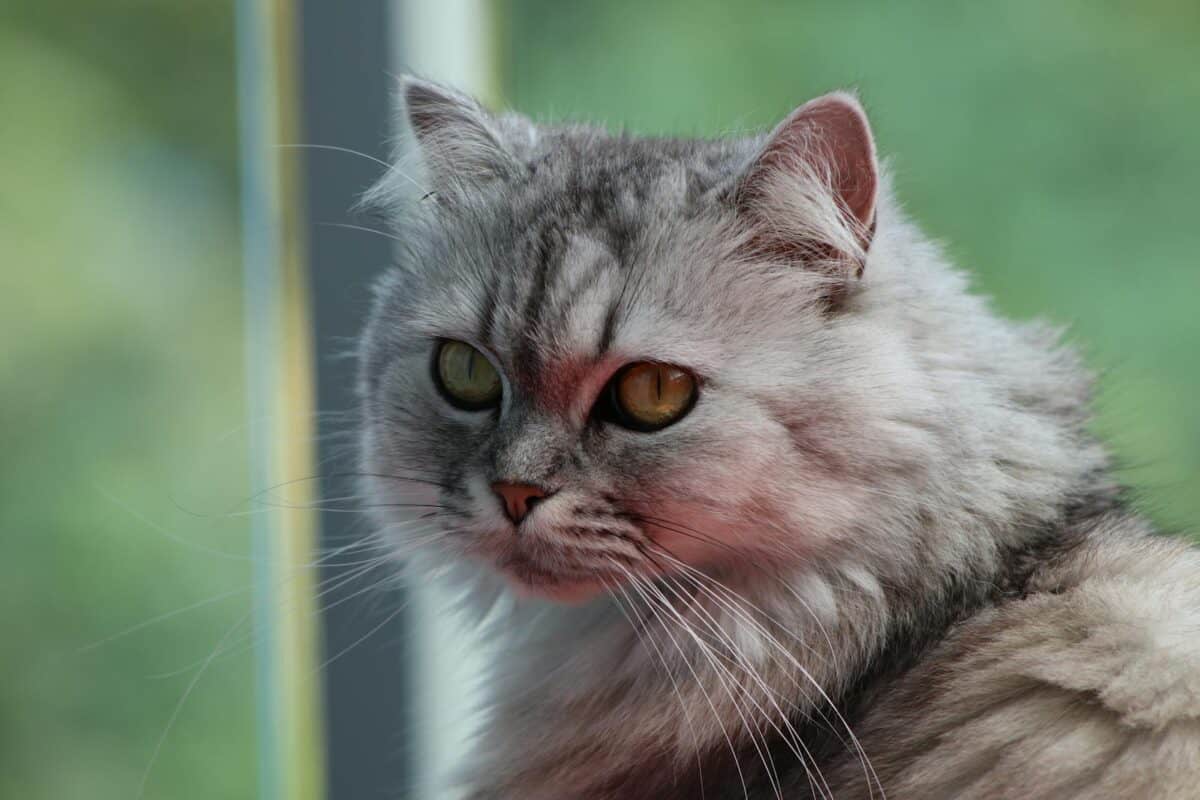
Among the cats most determined to avoid water, Persians stand out as perhaps the quintessential water-phobic breed. With their luxurious, dense double coats featuring an exceptionally thick undercoat, Persians have practical reasons to avoid getting wet. When soaked, their heavy fur becomes even heavier, taking hours to dry completely and potentially leading to skin problems if not dried properly. This physical reality likely contributes to the breed’s typical aversion to water in any form. Their brachycephalic (flat-faced) structure also makes them more vulnerable to getting water in their eyes and noses, adding to their discomfort.
Beyond physical considerations, Persians are generally known for their calm, dignified temperament and preference for predictable, comfortable environments. Sudden water exposure represents exactly the kind of unexpected stimulus that most Persians find distressing. Persian owners typically report their cats going to extraordinary lengths to avoid water, from refusing to walk on slightly damp floors to becoming visibly anxious during rainstorms. For Persians, bath time is often a traumatic experience that both cat and owner prefer to minimize, with many Persian enthusiasts opting for dry shampoos and professional grooming instead of traditional baths.
Siamese Vocal Water Protesters
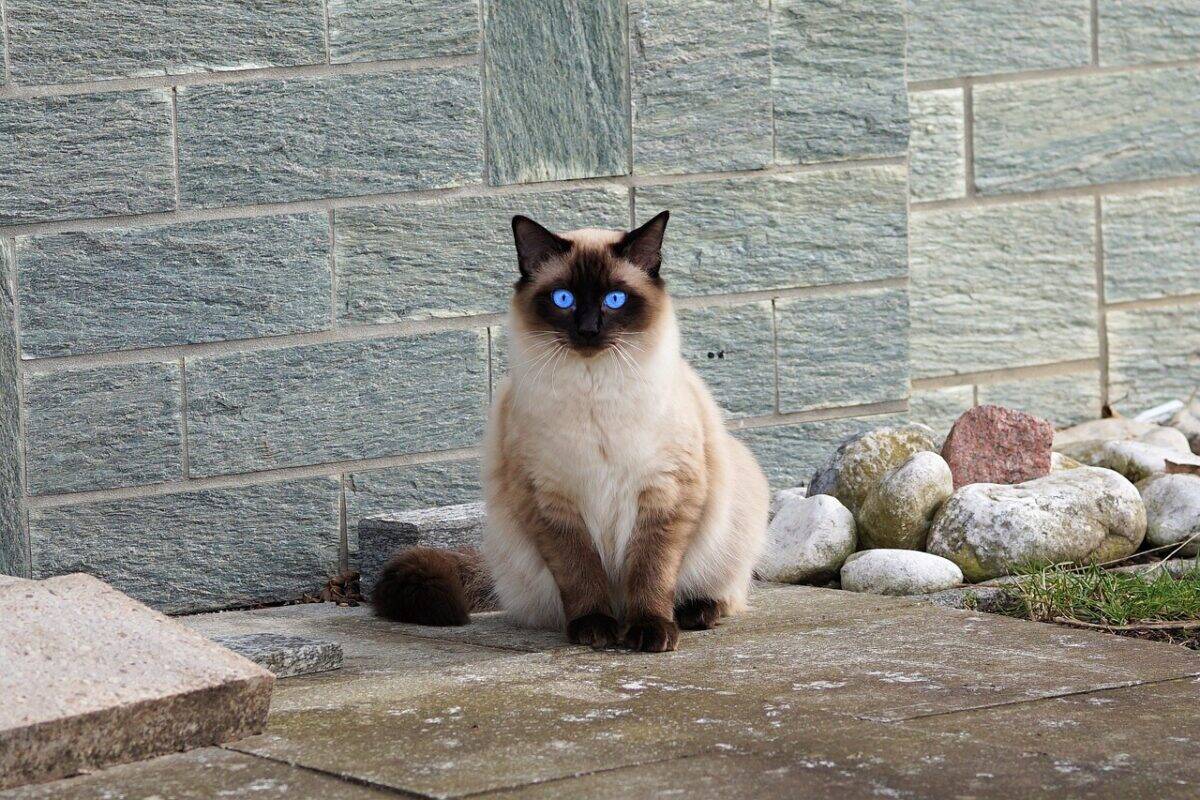
Siamese cats, famous for their striking color points and vocal nature, typically display a strong aversion to water that they’re not afraid to communicate loudly. Descended from cats that evolved in the warm climate of Thailand (formerly Siam), Siamese cats have fine, short coats with minimal insulation, making water contact particularly uncomfortable as it quickly penetrates to their skin. Their slender bodies also lose heat rapidly when wet, potentially making water exposure physically unpleasant in a way that more robust breeds might not experience as acutely.
What sets Siamese apart in their water aversion is not just their reluctance to get wet but their dramatic expression of displeasure. Known as one of the most vocal cat breeds, a Siamese facing an unwanted bath might produce an impressive repertoire of yowls, cries, and complaints that can sound almost conversational in their complexity. Their intelligent, sensitive nature means they also tend to remember negative water experiences vividly, potentially leading to elaborate avoidance behaviors like hiding at the mere sound of running bathwater. While individual exceptions exist, most Siamese owners quickly learn that keeping their vocal companions dry leads to a much more harmonious household.
Russian Blue The Cautious Water Skeptic
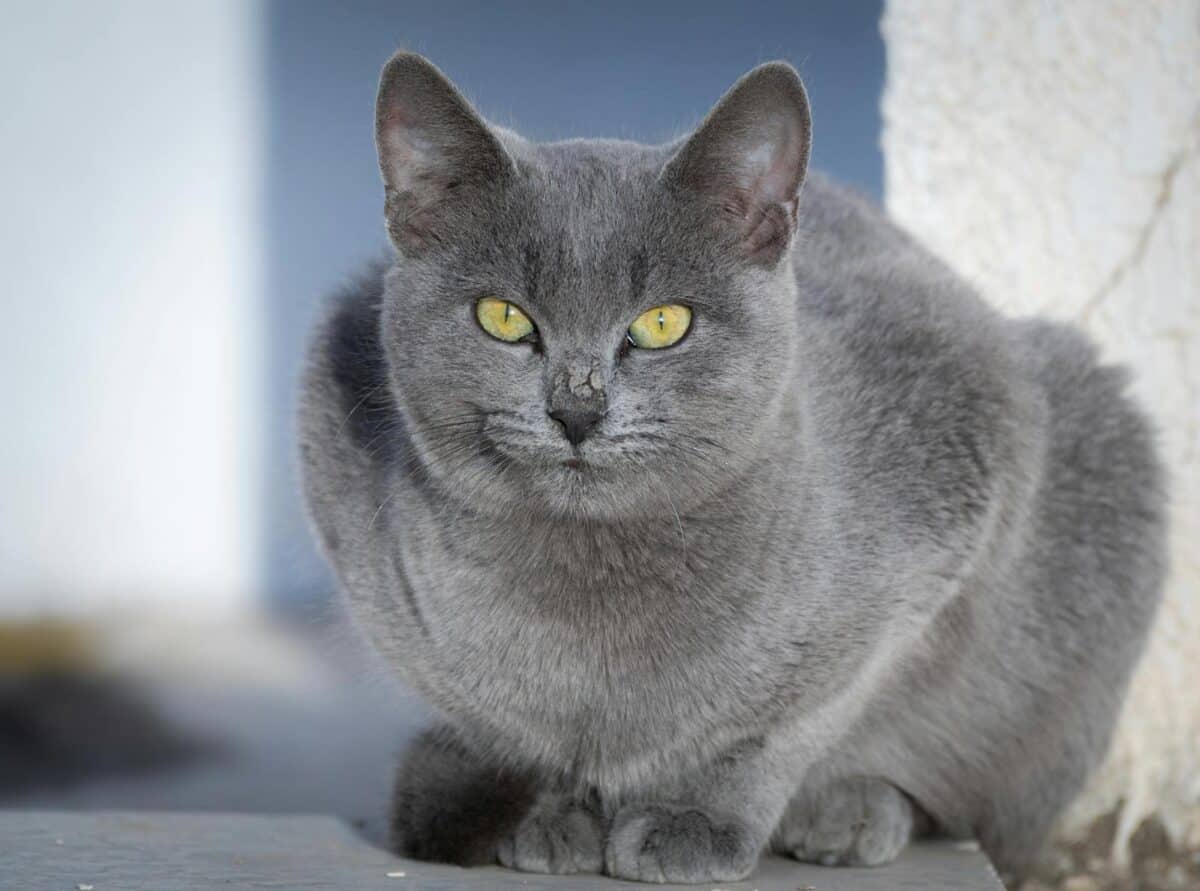
Russian Blues, with their plush double coats and reserved personalities, typically approach water with a characteristic caution that often manifests as polite but firm avoidance. Unlike the dramatic protests of a Siamese or the panic response some cats display, Russian Blues tend to express their water aversion through quiet determination and strategic planning. Their dense, fine coats, while velvety to the touch when dry, become uncomfortably heavy and slow to dry when wet, giving them a practical reason to avoid water immersion. The breed’s natural dignity and preference for maintaining their immaculate appearance also contribute to their reluctance to get wet.
Russian Blue owners frequently report their cats demonstrating remarkable ingenuity in avoiding water situations, from carefully timing bathroom entries to ensure the shower isn’t running to developing precise techniques for drinking that minimize whisker contact with water. Their intelligent, observant nature means they quickly learn patterns associated with unwanted water exposure and adjust their behavior accordingly. While not typically as water-phobic as Persians, Russian Blues generally prefer to admire water from a safe distance rather than interact with it directly. When bathing is absolutely necessary, their generally calm temperament means they may tolerate it with resigned dignity rather than frantic resistance—though their long memory ensures they won’t forget the experience anytime soon.
Conclusion: Understanding Your Cat’s Relationship With Water

Whether you have a water-loving Bengal who tries to join you in the shower or a Persian who treats puddles like lava, understanding your cat’s natural predisposition toward water helps create a more harmonious relationship. It’s important to remember that even within breeds known for water affinity, individual preferences vary widely. Respecting your cat’s comfort level with water is essential to building trust. For water-averse cats, minimizing stressful bathing experiences and providing alternative grooming methods can maintain both cleanliness and emotional well-being. Conversely, for water-loving breeds, providing appropriate outlets for this natural interest—whether through cat fountains, supervised shallow water play, or specialized water toys—can enrich their environment and satisfy their aquatic curiosity.
Early positive exposure often influences a cat’s water attitude regardless of breed. Kittens introduced to gentle water experiences often develop greater comfort around water than those whose first exposure is a frightening full immersion. Whatever your cat’s water preference, acknowledging it as a legitimate aspect of their personality rather than a behavioral problem to correct leads to stronger human-feline bonds and happier cats. By working with rather than against

As a little kid, I fell in love with nature, wildlife, and animals. Living in the USA, South Africa, Italy, China and Germany gave me the opportunity to discover the world's Wildlife. My favorite animals are Mountain Gorillas, Siberian Tigers, and Great White Sharks.
I'm a certified PADI Open Water Diver, went to Everest Base Camp and Trekked Gorillas in Uganda. I hold a Master of Science in Economics and Finance.
Please send any feedback to feedback@animalsaroundtheglobe.com
- 10 Emotional Things Dogs Remember About Their Humans Forever - July 18, 2026
- 10 Countries Leading the Way in Animal Protection And How - July 18, 2026
- 14 Most Intelligent Marine Animals - July 18, 2026