
Worried about unexpected vet bills?
Pet insurance can cover thousands in unexpected vet costs. Get a free quote from Lemonade in under 2 minutes.
Get My Free Quote →Sponsored · Opens Lemonade.com
Somewhere between nature documentaries, childhood cartoons, and things people confidently repeat at dinner tables, a surprising number of animal “facts” have taken root in popular culture. The problem is, many of them are wrong. Not slightly off, or open to debate, but genuinely, verifiably false.
Animals are already remarkable enough without embellishment. Getting the real story straight isn’t just interesting. In some cases, it can actually change how safely and responsibly we interact with wildlife.
Bats Are Blind
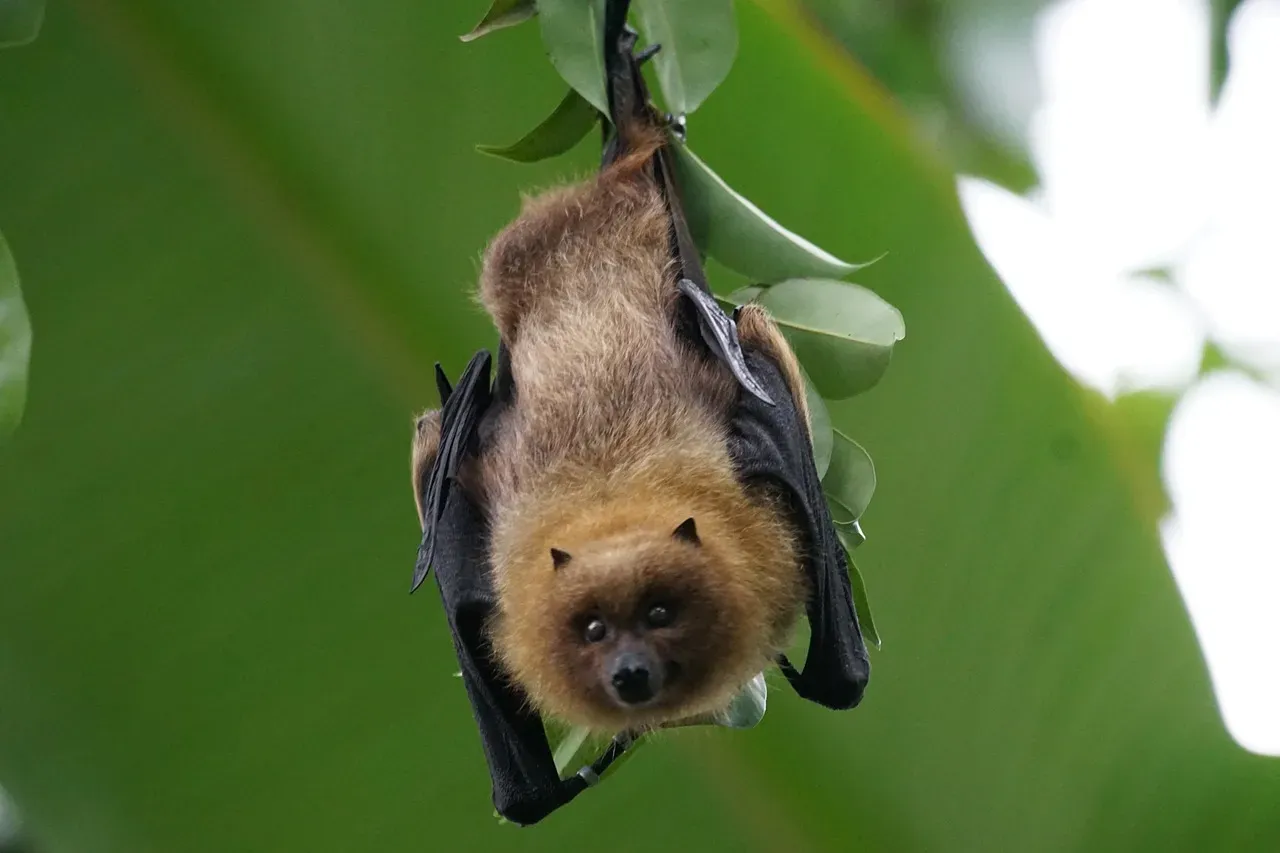
Few phrases in the English language are as confidently wrong as “blind as a bat.” Bats are not blind. In fact, many species of bats have excellent eyesight, and some can even see better than humans in low light.
On top of their vision, bats have a built-in radar system called echolocation that lets them navigate in total darkness by bouncing sound waves off objects. This is a supplementary tool, not a replacement for sight.
Some insect-eating bats use a combination of vision and echolocation to hunt and navigate, and some nectar-eating bats can even see ultraviolet light, wavelengths humans can’t detect, enabling them to spot flowers blooming at night. The largest bats, called flying foxes, don’t need to echolocate at all, since they have good daytime and color vision along with a keen sense of smell to find fruit.
Ostriches Bury Their Heads in the Sand
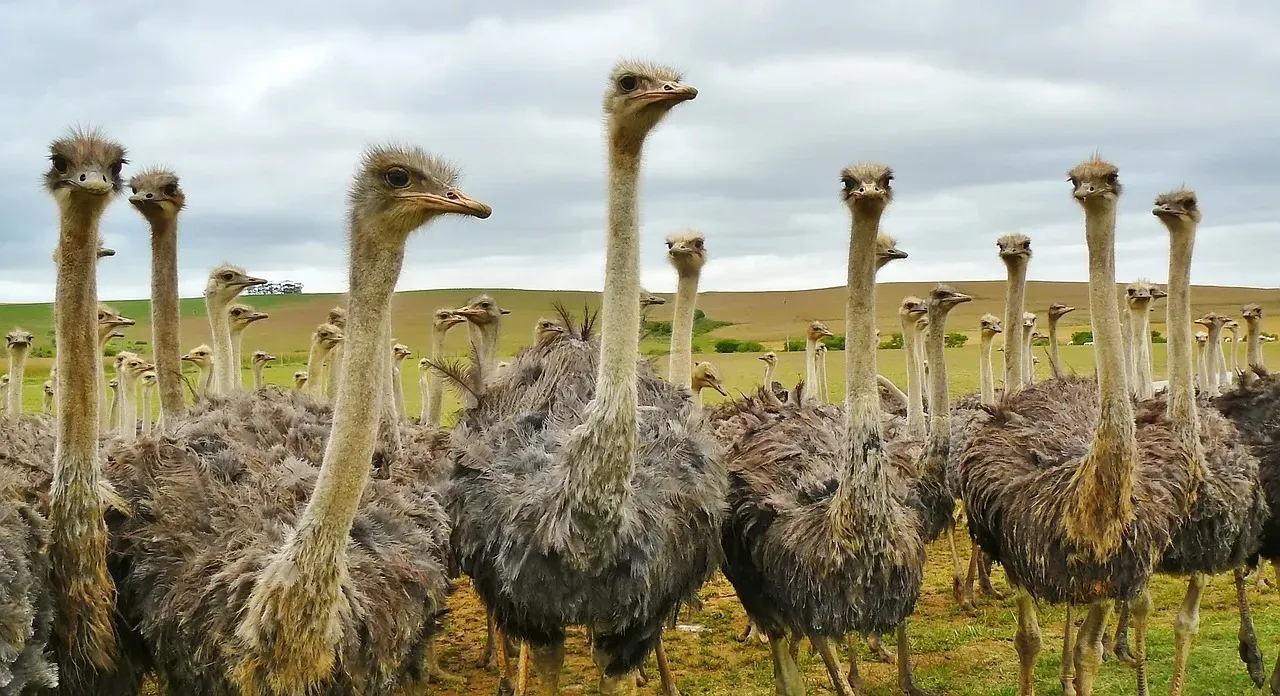
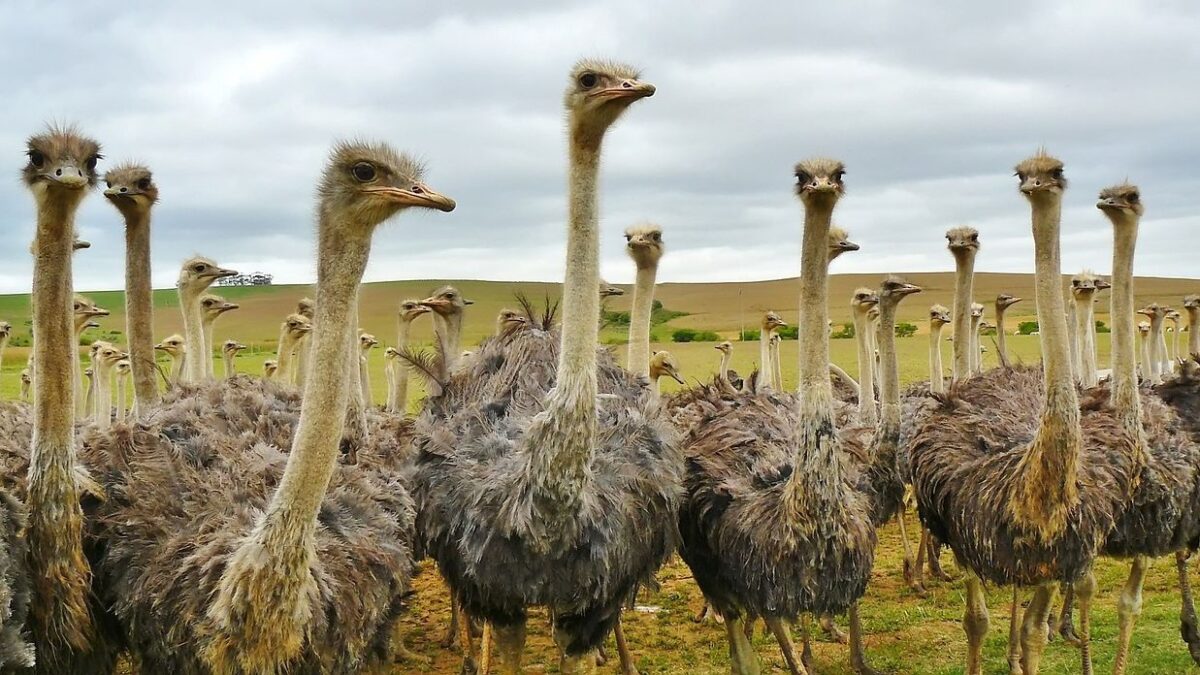
Ostriches do not bury their heads in the sand. If they did, they’d suffocate. What they actually do is lower their heads to the ground when feeling threatened, especially when sitting on their nests.
Because their feathers blend in with the surrounding dirt, it can look like their heads have disappeared into the ground, but really, they’re just trying to stay low and avoid predators. It’s a classic optical illusion that stuck around long enough to become “fact.”
Ostriches are fast, fierce, and have powerful legs capable of serious damage. Hiding their heads is the last thing they’d do when trouble shows up. The ostrich is one of the fastest land animals around, sprinting up to 43 miles per hour, and over long distances can outrun cheetahs, lions, and hyenas.
Bears Hibernate Deeply Through Winter
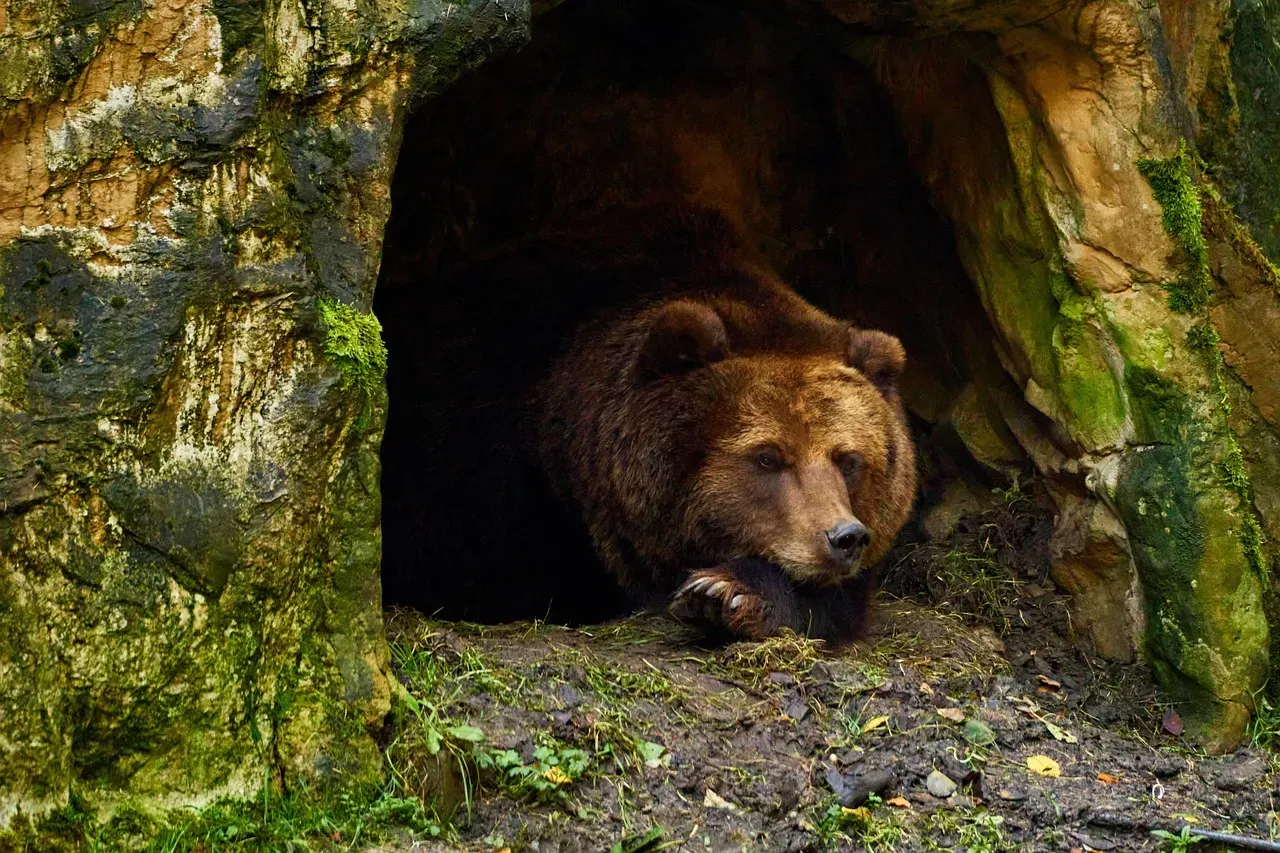
Ask almost anyone what animal hibernates and they’ll say a bear. The image is vivid: a fat, sleepy grizzly sealed in a dark cave, impossible to rouse until spring. This feeds the dangerous misconception that sleeping bears are nearly impossible to arouse during the winter months. True hibernation occurs when an animal drastically lowers their body temperature to nearly match their surroundings and sleeps through the winter.
Many experts now avoid the word “hibernation” and say that bears spend winter in a lighter sleep state called “torpor.” Torpor involves decreased breathing, heart, and metabolic rates, but the bear’s body temperature decreases only slightly, and they can wake themselves when they need to.
Bears exhibit torpor, a shorter-term reduction in body temperature accompanied by lethargy. Heart rate drops, but not as much as that of true hibernators. Though less active than usual, bears in torpor can readily respond to external stimuli. Treating a wintering bear as fully unconscious is a serious mistake.
Touching a Baby Bird Will Make Its Mother Abandon It
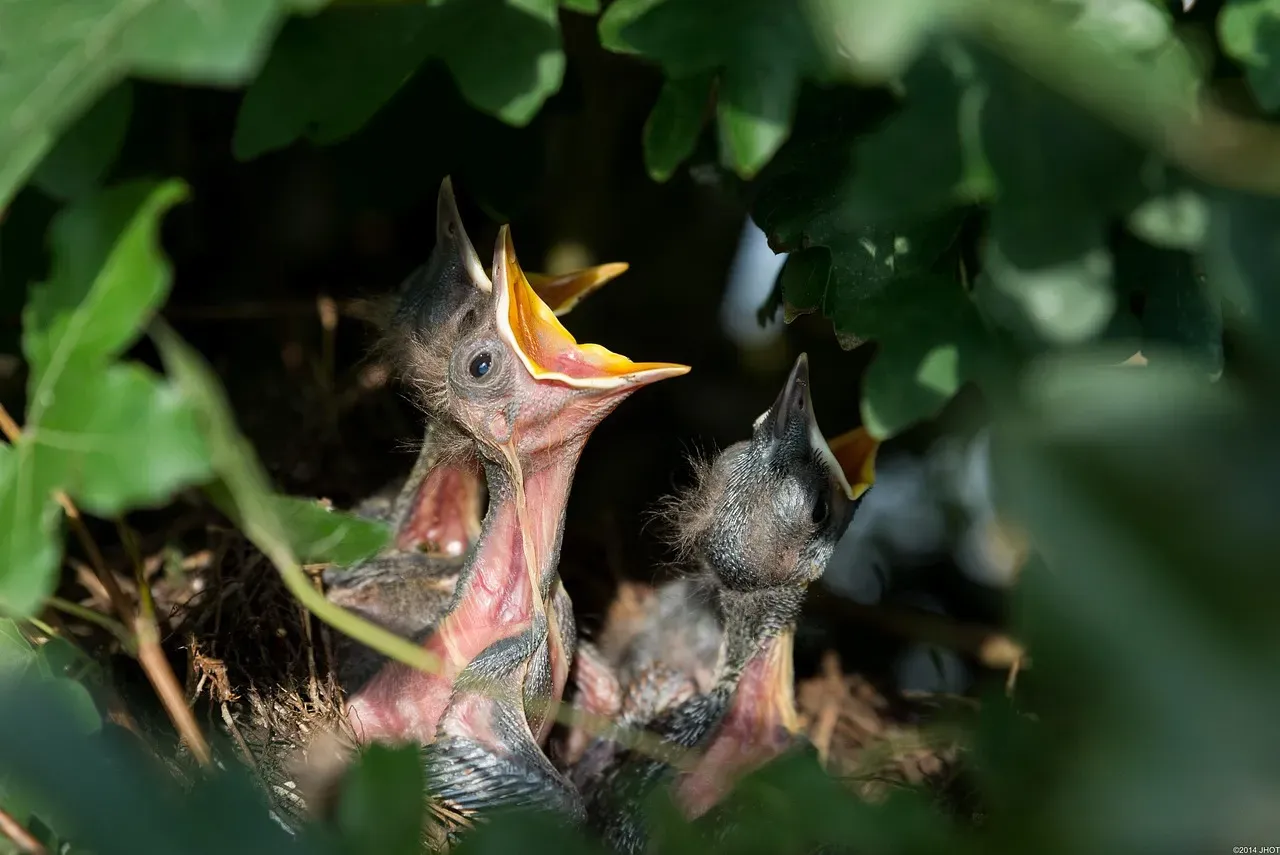
This is one of those myths that spreads with good intentions, usually told to children to discourage them from handling wildlife. The underlying logic, that birds will detect human scent and reject their young, simply doesn’t hold up.
The falsehood that mother birds will abandon their offspring if touched by a human derives from the belief that birds can pick up on human scent. In fact, most birds have a rather poor sense of smell and are unlikely to readily abandon their young.
Parent birds are hardwired to take care of their young, so they probably won’t leave them just because a person touched them. If the nest or young bird is disturbed, the parent birds may flee temporarily but will usually return once the perceived threat has passed. Still, it’s wise to leave wildlife undisturbed whenever possible.
Wolves Are Ruled by a Dominant Alpha
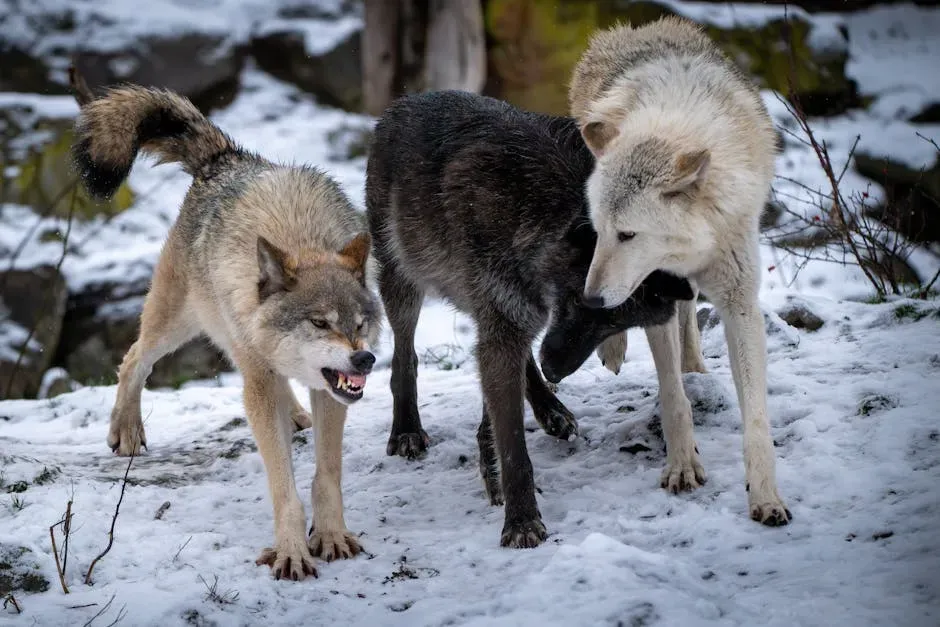
The idea of the alpha wolf, an aggressive top dog that clawed its way to power and dominates the pack with an iron paw, is deeply embedded in popular culture. It’s also largely a fiction rooted in flawed research.
The idea of the alpha wolf came from early research on captive wolves in zoos. Those wolves were strangers forced into small spaces, so they fought for dominance. In the wild, wolf packs are actually family groups, usually a mother and father who lead, with the rest of the pack made up of their pups from different years.
In the wild, wolves tend to stick with their families. The elder family members naturally have higher status, but that isn’t too different from any animal family where the parent is the powerful member. Wolves avoid humans, keep prey populations healthy, and have complex social bonds.
Camel Humps Store Water
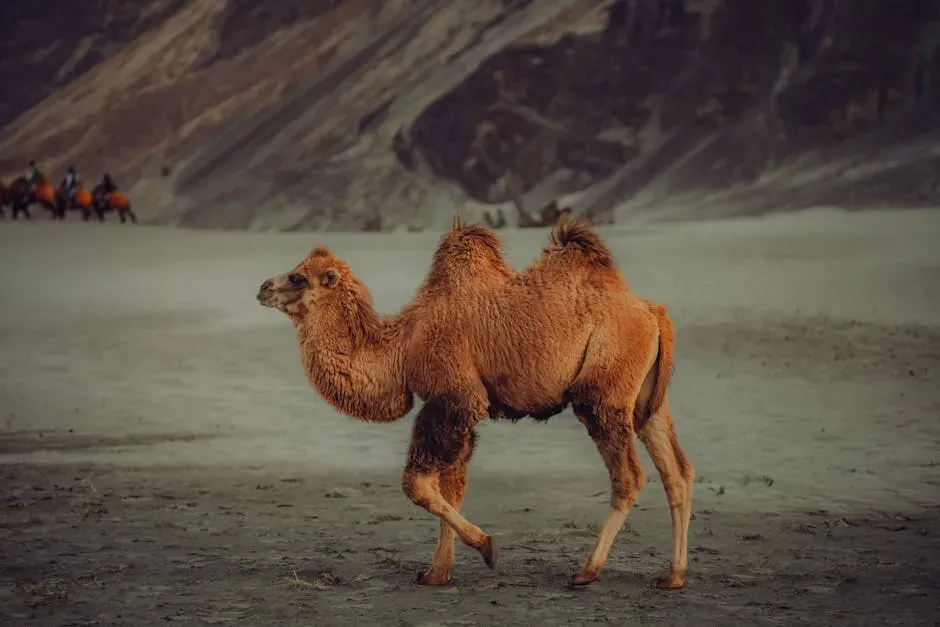
The camel’s ability to trek for days through scorching desert without a drink is genuinely impressive. The explanation most people give, that the hump is basically a water tank, is not.
Camels’ large humps store fat, not water, much like the fatty tissue found under human skin. These reservoirs of fat allow camels to survive for days in the desert sun without stopping for food.
Those humps are full of fat, up to roughly 80 pounds’ worth, which camels live off when food and water are scarce. It also helps that camels’ bodies are built for conserving water in several other physiological ways. The actual water-retention happens through specialized kidneys, nasal passages, and blood cells, not a fatty hump.
Touching a Toad Gives You Warts
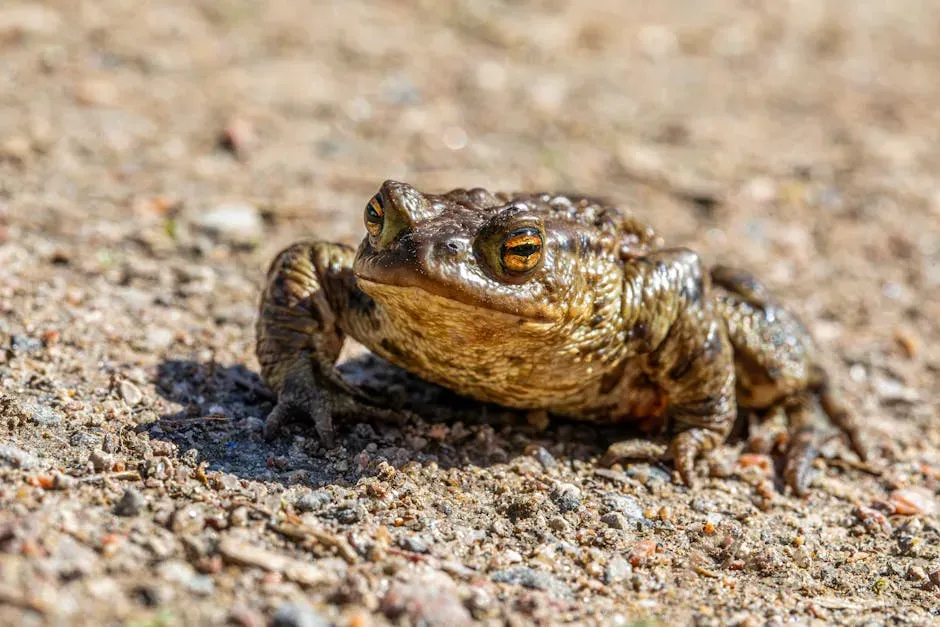
This one has probably kept generations of children from picking up perfectly harmless amphibians. The bumpy, textured skin of toads looks suspicious, and the myth practically wrote itself.
Amphibians can’t give you warts. Frogs and toads may have little bumps on their skin, but these glands don’t secrete anything harmful in that regard. You also can’t get warts from a toad’s urine. Warts are caused by viruses that can only be spread by humans.
Specifically, warts in humans are caused by the human papillomavirus, which toads don’t carry. The bumps on a toad’s skin are simply glands, many of which produce mild toxins used for predator deterrence. These can irritate mucous membranes if handled and then touched to the eyes or mouth, which is a genuine reason to wash your hands after handling any wild animal, just not a reason to fear warts.
Wolves Howl at the Moon
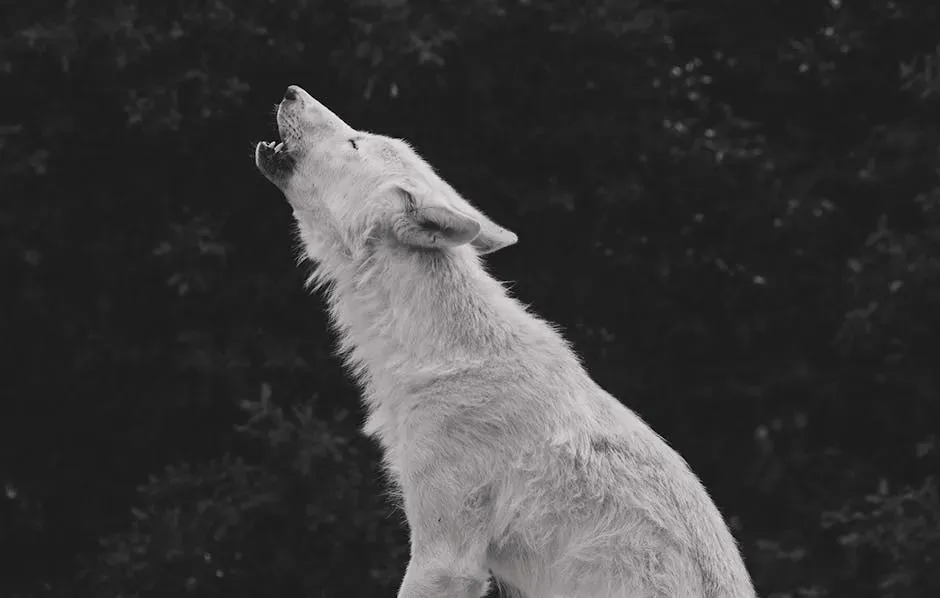
It’s one of the most visually iconic images in nature lore: a lone wolf silhouetted against a full moon, head tipped back in a mournful howl. Striking as the image is, the moon has little to do with it.
It’s a myth that wolves howl at the moon. They do tend to howl at night, but that’s because that’s when they’re active. They look up while doing it because it helps the sound travel. Other wolves can hear them from about six to seven miles away, and that’s why they howl: to communicate.
There’s even a specific sound a wolf will use when it has lost its pack. Howling is a rich, functional language. The full moon just happens to provide good atmospheric drama for humans watching from a distance.
Foaming at the Mouth Always Means an Animal Has Rabies

The foaming-mouth-equals-rabies equation is so deeply ingrained that many people treat it as an absolute diagnostic rule. It’s not, and acting on it as though it were can lead to both unnecessary panic and, in the opposite direction, false reassurance.
Some animals may foam at the mouth if they have rabies, but mouth foam doesn’t necessarily mean rabies. Inversely, it’s also possible for an animal to have rabies without foaming at the mouth. Any number of diseases can make animals foam at the mouth, and some animals will even foam at the mouth if they have fleas or ticks.
Animals may or may not exhibit other symptoms commonly associated with rabies, such as aggression. Regardless of their health or mental state, no wild animal should be approached casually. All interactions with wild animals deserve appropriate caution and respect. If you’ve been bitten, always seek medical attention regardless of what the animal looked like.
Conclusion: The Animals Deserve Better Than Our Myths
Most of these myths started from a grain of misobservation, a story passed down, a cartoon that stuck, or a well-meaning warning that got distorted over time. They’re understandable in origin. They’re just not accurate.
What’s worth noting is that the real behavior of these animals is often far more interesting than the myth. Wolves as devoted family units. Bats as precision-engineered navigators. Ostriches as sprint athletes. The truth doesn’t disappoint.
Understanding wild animals accurately matters more than it might seem. It shapes how we treat them, how safely we coexist with them, and ultimately how well we protect them. The natural world is strange and complex enough on its own terms. It doesn’t need embellishment, just honest attention.
Worried about unexpected vet bills?
Pet insurance can cover thousands in unexpected vet costs. Get a free quote from Lemonade in under 2 minutes.
Get My Free Quote →Sponsored · Opens Lemonade.com
