
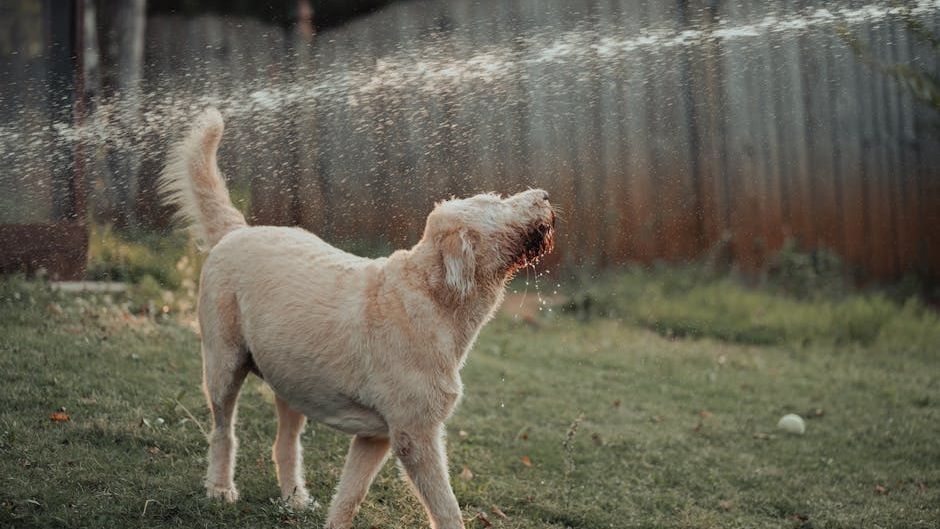
Picture this: you walk out to your backyard with a morning coffee in hand, and there it is. A raccoon. Or maybe something far bigger. Your heart jumps. Your brain goes blank. And suddenly, all those vague half-memories of “what you’re supposed to do” in that situation completely vanish.
It happens more than you think. Human encounters with wildlife are becoming more common due to shrinking natural habitats and expanding human neighborhoods. Coyotes, foxes, skunks, bears – these are no longer just forest stories. They show up in suburban driveways, on pool decks, in vegetable gardens. And honestly, most people have no idea how to respond. The difference between a safe outcome and a terrifying one often comes down to what you do in the first few seconds. So let’s dive in.
1. Stop, Breathe, and Stay Completely Calm

Let’s be real – the instant you see a wild animal in your backyard, every instinct screams “run” or “shoo it away.” Resist that completely. As with any wild animal encounter, it’s important not to panic. Panic leads to sudden movements, loud noises, and unpredictable reactions that can escalate the situation fast.
When you first encounter a wild animal, you should remain calm and not startle it. Screaming or running away can cause the animal to associate you with prey, leading them to come toward you. Think of it like standing near a hive of bees – frantic energy rarely helps.
Take a slow breath. Assess what’s in front of you. The calmer you are, the more control you have over the entire situation. That single moment of composure can be the thing that keeps everyone safe.
2. Keep Your Distance – More Than You Think Is Necessary
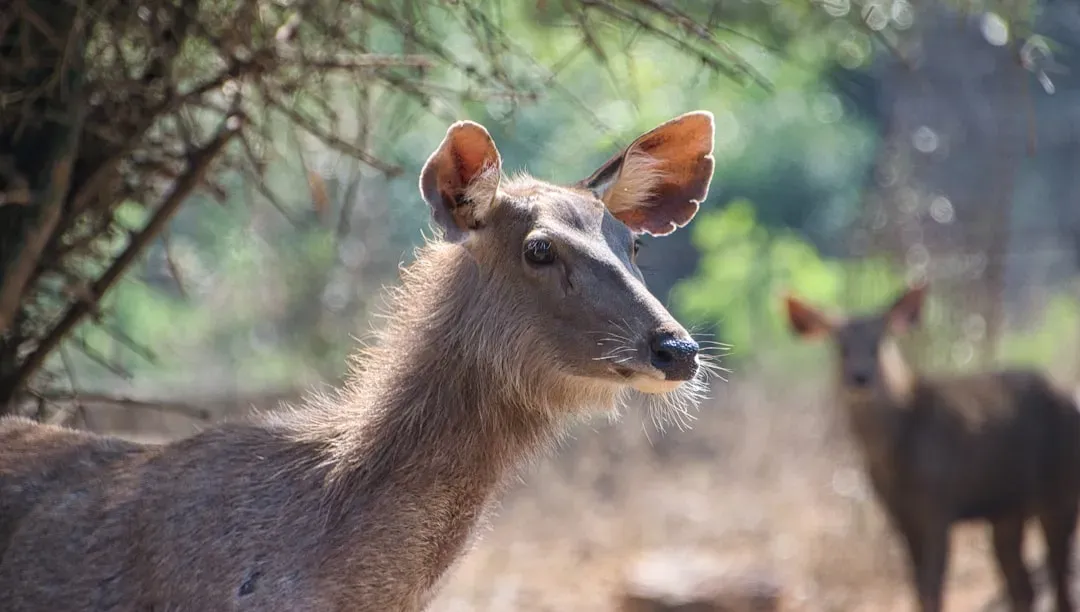
The National Park Service advises staying at least 75 feet, or about two bus lengths, away from all wildlife and 120 feet, or about three bus lengths, away from black bears, moose, and mountain lions. Even if your visitor seems small and harmless, distance is your friend.
There is a common misconception that herbivorous animals are safe to approach, which leads to many people getting injured. It’s important not to get close to these types of animals because they will charge at you when they feel threatened. A deer might look gentle, but a startled one can cause serious harm.
Back away slowly if you find yourself too close. Use controlled movement to create distance without triggering pursuit. Slow, deliberate steps backward – not a dramatic sprint for the door.
3. Get Pets and Children Inside Immediately

This one is non-negotiable. Do what you can to prevent your pets from engaging with wild animals. Supervising dogs and keeping them on a leash while outside is recommended, regardless of the season. The moment you spot a wild animal, your pets need to come indoors.
Certain wild animals such as raccoons, skunks, foxes, coyotes, and bats are “reservoir” species or “vectors,” meaning that they can carry rabies, which is fatal unless pets have a current rabies vaccine. That’s not a small risk – it’s a life-or-death detail that too many pet owners overlook.
Children, too, need to be quietly and calmly brought inside. Keep vulnerable companions close and quiet during encounters. No yelling, no chasing, no trying to show the “cool animal” to the kids. There’ll be time for that kind of awe later, from a safe spot through the window.
4. Watch the Animal’s Behavior Carefully Before Acting
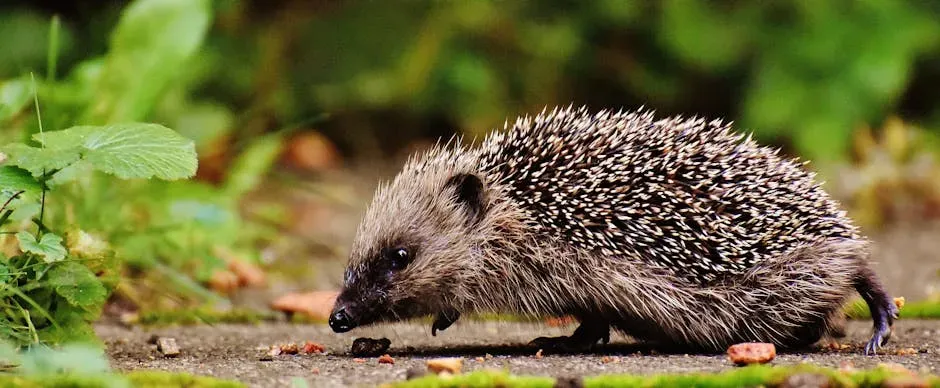
Not every wild animal in your backyard is a crisis. Many are simply passing through, curious, or searching for a quick snack. Unlike pest animals, apex predators typically don’t “set up shop” inside occupied human homes. Once they’ve finished whatever business they had on your property, they’ll usually be on their merry way.
However, there’s one major warning sign you must know. If a wild animal appears ataxic, with uncontrolled movement or akin to a drunken gait, that could be an indication that they have a disease like rabies and might pose a risk to humans and pets. A disoriented animal staggering around in broad daylight? That’s a red flag.
Determine if the animal is curious, defensive, or aggressive. Curiosity looks entirely different from aggression, and responding the same way to both is a mistake. An animal that’s sniffing around your garden needs a very different response than one that’s growling, hissing, or charging.
5. Never, Ever Feed the Animal
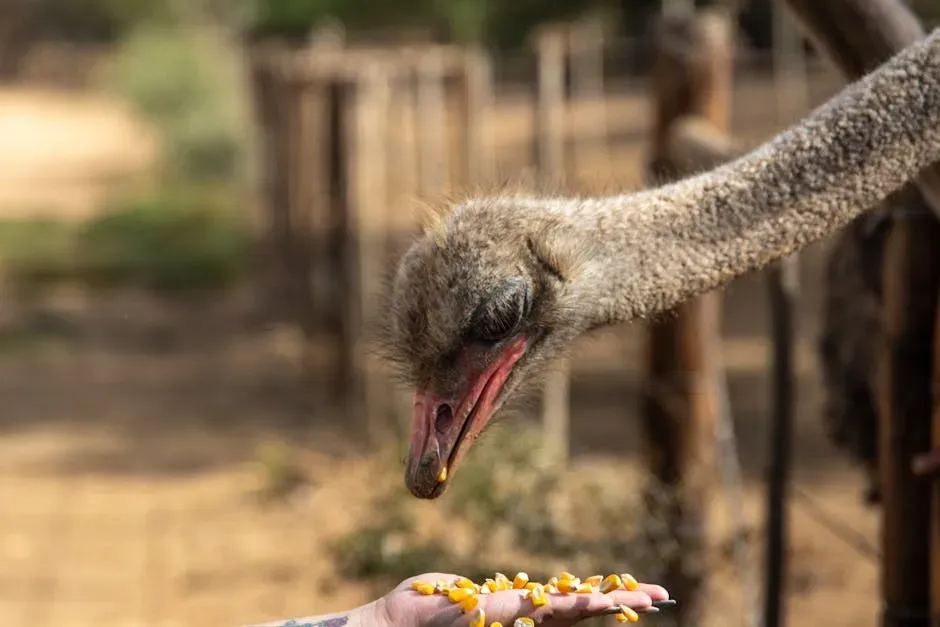
I know it sounds harmless. The little raccoon looks hungry. The deer is so close you could almost touch it. Don’t do it. Mammals such as deer, raccoons, skunks and possums should never be fed. By feeding them, they become dependent on humans, will lose their fear of us, and can lose their ability and desire to find their own food sources. Feeding them leaves them more vulnerable to starvation and harm by humans.
If food sources remain available to wildlife, they will develop a tendency to return. So that one generous feeding turns into a recurring visit. Then a nesting situation. Then a full-blown infestation problem that’s incredibly difficult to undo.
Think of it this way: feeding a wild animal is like sending someone directions to your house and telling them the door is always open. Don’t feed wildlife – instead, let them stay wild. By feeding them, it disrupts their natural behaviors and ability to survive.
6. Remove What’s Attracting Them In The First Place
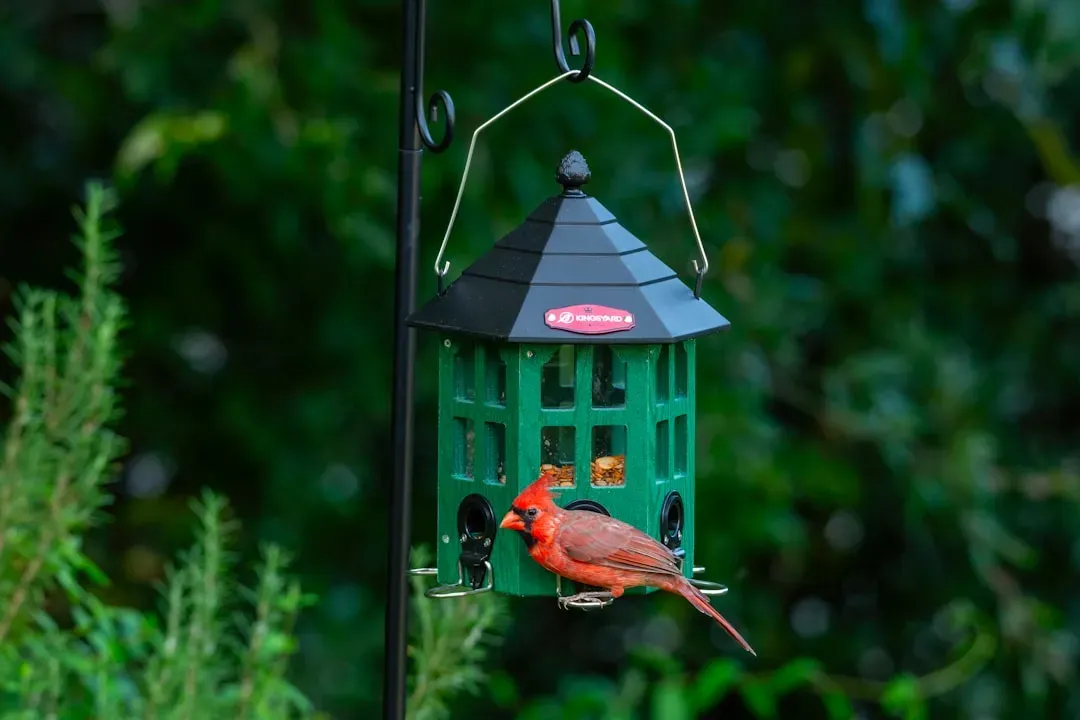
Here’s the thing – wild animals don’t show up for no reason. Animals are drawn to gardens and yards because they provide food, water, or shelter. Your yard, without you even realizing it, may look like a five-star buffet to the local wildlife population.
Instead of stopping or scaring animals, it may also be worth removing whatever is luring them to your backyard in the first place. Unsecured trash cans can be a gold mine for hungry creatures, as can leftover food scraps from a barbecue. Even a bird feeder can serve to attract opportunistic animals like squirrels or opossums.
If you have fruit trees in your yard, be sure to pick or dispose of ripe fruit. Do not leave brush, leaf piles or other debris to accumulate. These aren’t just gardening tips – they’re your first true line of defense against repeat wildlife visits.
7. Use Humane Deterrents to Encourage the Animal to Leave
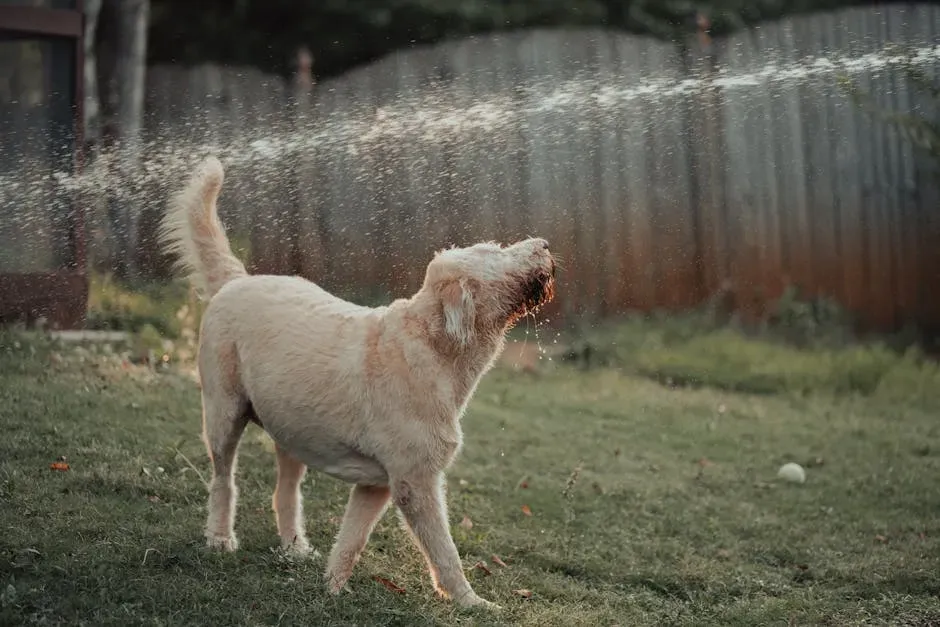
If the animal is lingering and you need to gently encourage it to move on, there are smart, humane ways to do it. Hazing involves using deterrents to encourage animals to leave an area voluntarily. It can also help maintain coyotes’ fear of humans and deter them from visiting community spaces such as backyards and playgrounds.
Practical hazing tools include making yourself look large by waving your arms slowly, using a loud noise from a safe distance, or activating a motion-sensor sprinkler. Dogs with free run of the yard are one of the most effective wildlife deterrents. Other scare tactics include noisemakers, motion-activated sprinklers or lights, and garden spinners or pinwheels.
It’s worth noting that you should never corner a wild animal. A cornered animal is a scared animal, and a scared animal will almost always lash out. Give it an exit route and the odds are high it’ll take it willingly.
8. Do Not Attempt To Handle or Remove the Animal Yourself
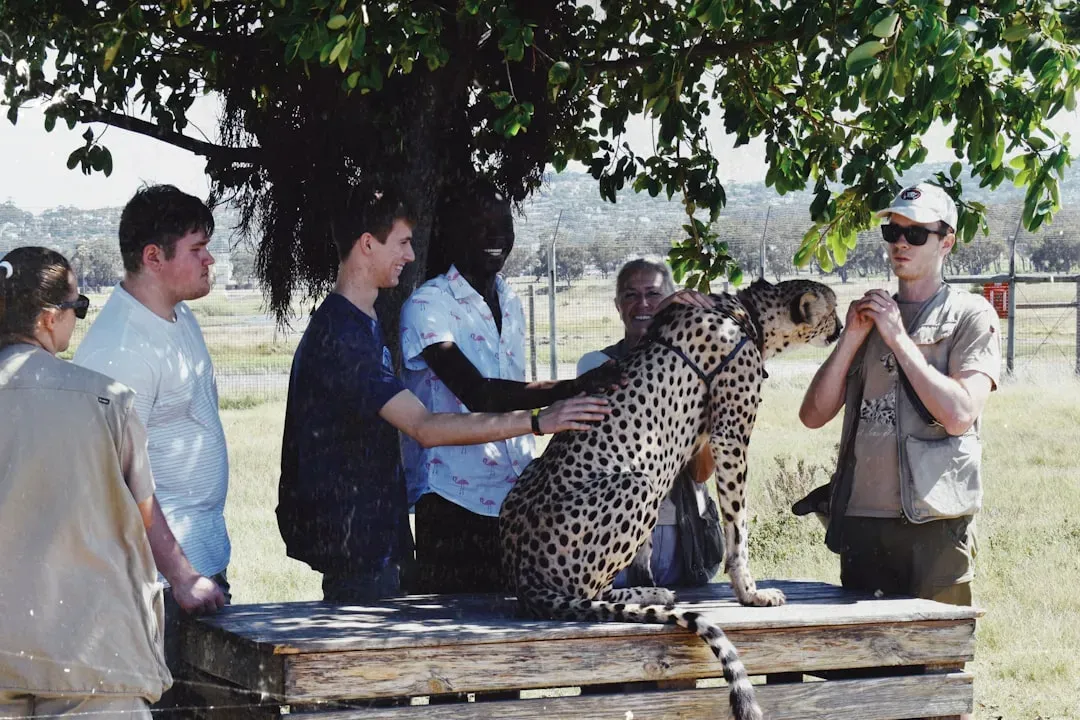
This is where things go wrong most often. Someone spots an injured animal and reaches down to help. Someone tries to chase a raccoon out with a broom. Someone decides to “trap it themselves.” If you come across an injured wild animal, don’t attempt to remedy the situation yourself. Injured animals approached by humans may panic and harm themselves further or injure the person trying to help them. You also put yourself at risk for contracting potentially fatal diseases from an animal bite or scratch.
The National Pest Management Association (NPMA) reminds homeowners who may encounter a wild animal on their property to contact a local wildlife or pest professional instead of attempting to remove it on their own. It sounds overly cautious until you learn that experienced wildlife removal experts know how to approach the animal and trap it while avoiding being bitten, and that even though an animal may not exhibit signs of rabies, it doesn’t mean it is not a carrier of the virus.
Also, some animals are protected by law, and trapping or relocating them can result in legal penalties. Professionals are knowledgeable about local wildlife laws and can ensure compliance. The last thing you want is a fine on top of a bite wound.
9. Call the Experts and Report the Encounter
Uploaded by AlbertHerring, Public domain)
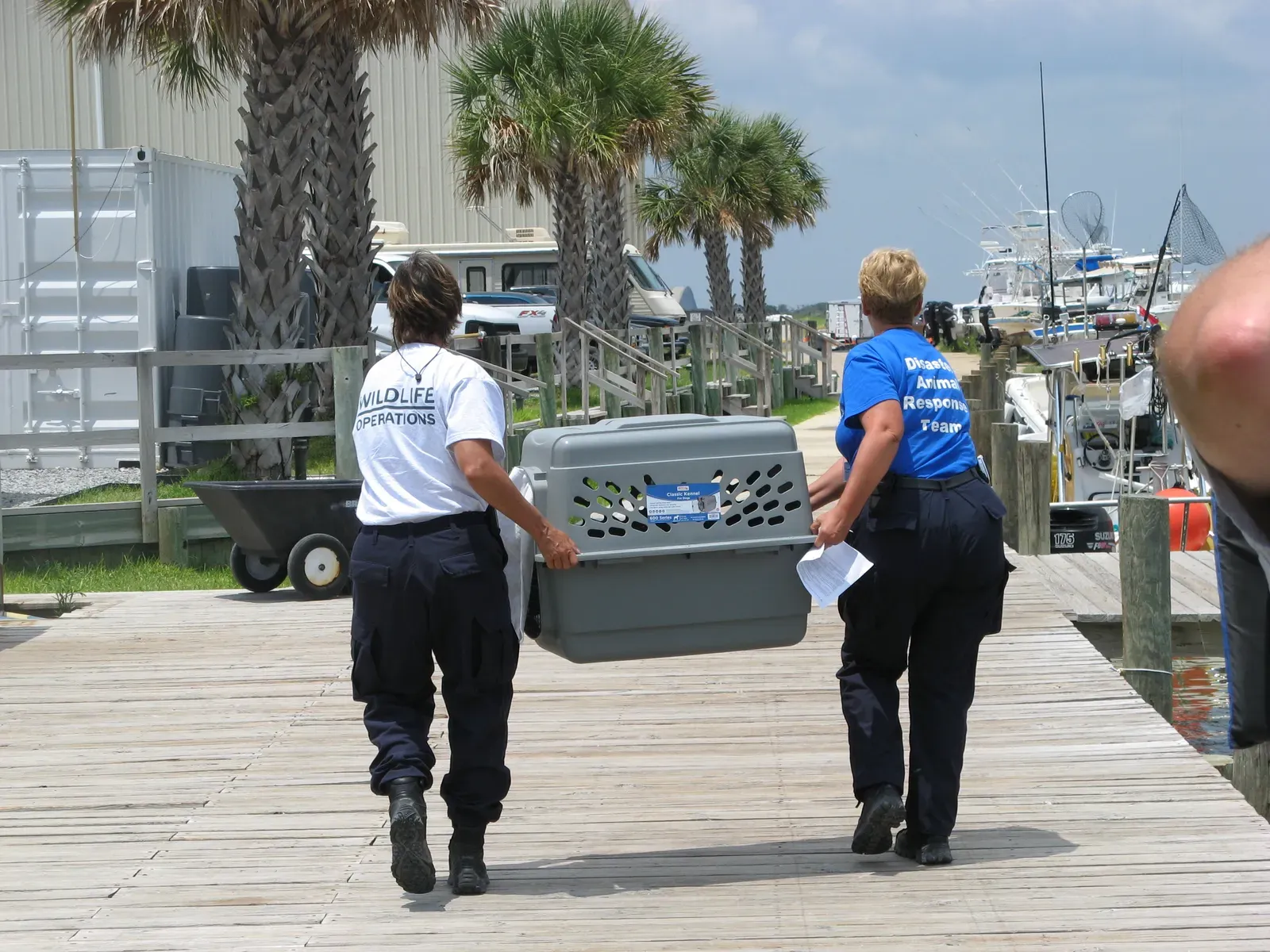
When in doubt, pick up the phone. The best thing you can do is call your local Animal Control office and explain the situation; they’ll be able to advise you and, if necessary, send over an expert to handle the animal. Don’t wait until the situation has escalated. Call early.
Once you’ve safely distanced yourself, report the encounter to local wildlife authorities. This helps track animal behavior and ensures public safety, especially if the animal was acting unusually or appeared sick. Your report could literally protect your neighbors.
When you find an animal that you believe needs help, contact a local wildlife rehabilitator to report the issue, and they will advise you on the best course of action. Additionally, attempting to rehabilitate a wild animal without the proper license may get you into legal trouble. Professionals exist for exactly this reason – and they genuinely want to help, both you and the animal.
Conclusion: Your Backyard, Their World
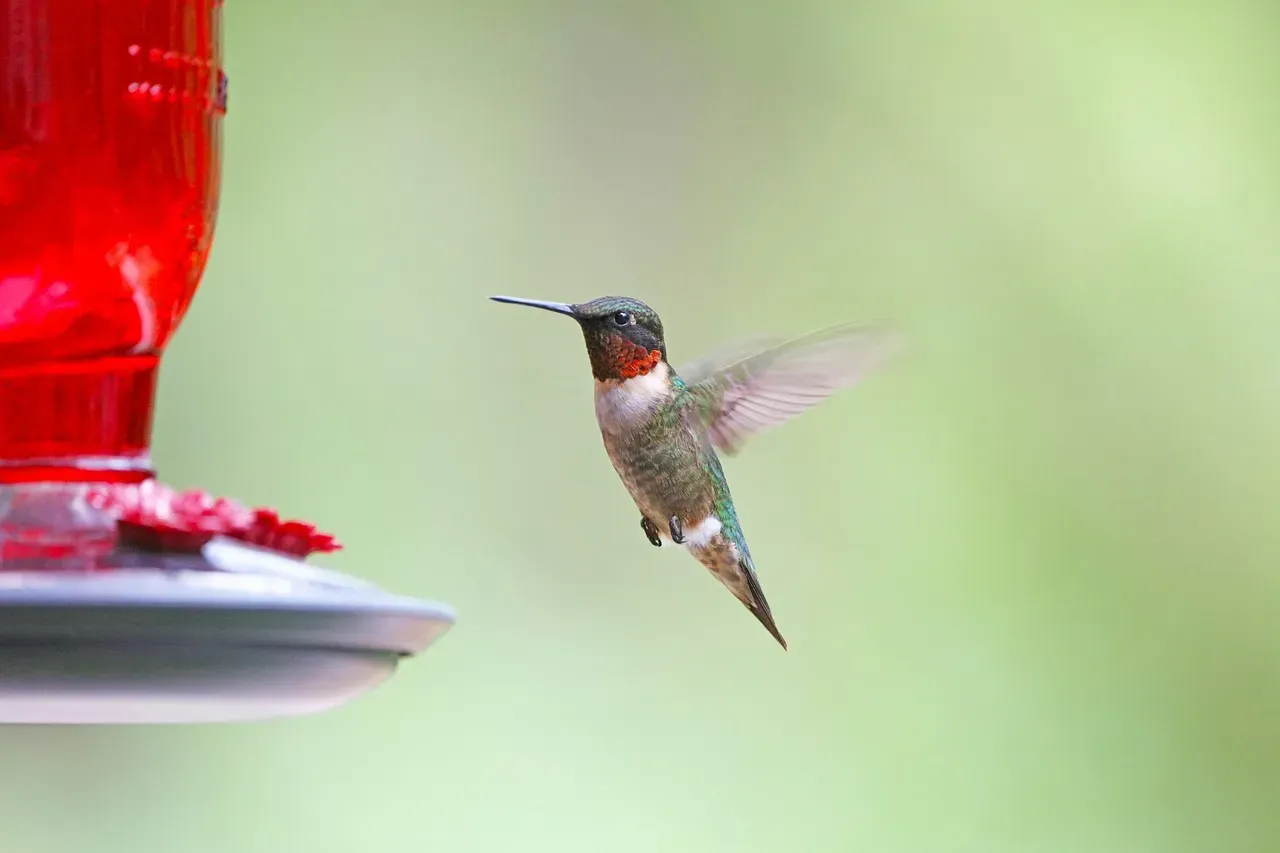
Wildlife encounters in your backyard are becoming the new normal. Whether you live in a suburban, urban or rural area, we all share our yards with the plants and animals that come to live there or inhabited it before we even arrived. As people and housing increasingly encroach into natural wildlife habitats, wildlife has adapted and learned to live in our neighborhoods and backyards.
The good news? Most encounters end without incident, as long as you respond wisely. Stay calm, keep distance, protect your pets, remove attractants, never feed, use humane deterrents, and always defer to the professionals when things escalate. Nine steps that can genuinely save lives – yours, your family’s, and even the animal’s.
Honestly, there’s something quietly humbling about a wild animal wandering into your space. It’s a reminder that the world doesn’t begin and end at your fence line. Respect that boundary, respond with knowledge instead of fear, and the outcome is almost always a good one.
Have you ever had an unexpected wild visitor in your backyard? What did you do – and would you handle it differently now? Tell us in the comments.
