
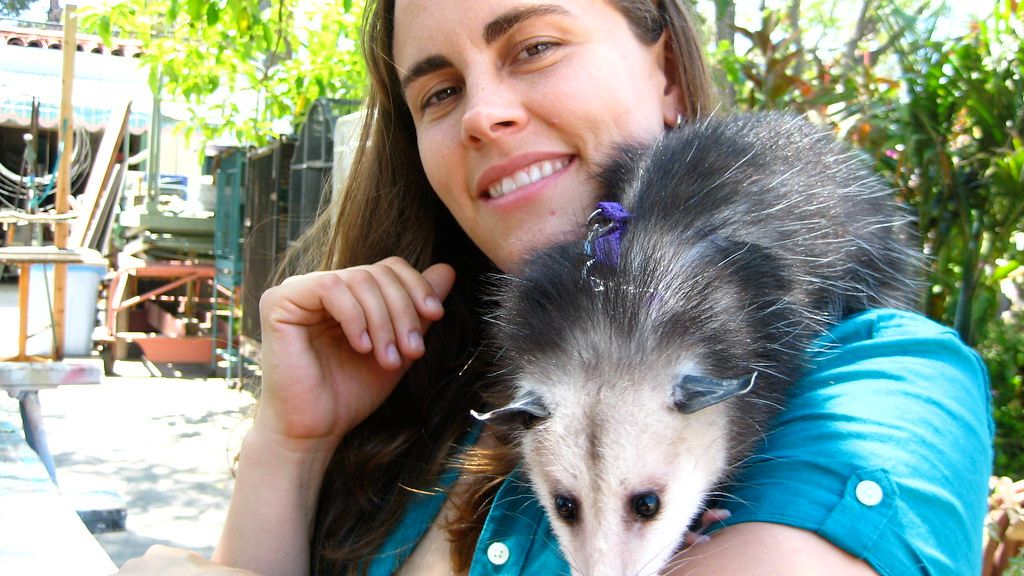
Most people spot an opossum shuffling across the yard at night and feel nothing but a mild unease. That pointed snout, the scaly tail, the unhurried waddle through the garden – it doesn’t exactly inspire admiration. Yet behind that unremarkable first impression lives one of North America’s most ecologically useful, biologically unusual, and genuinely misunderstood wild neighbors.
Opossums, which include roughly 100 species in the order Didelphimorphia, are some of the most misunderstood animals in the Americas. They’re often thought of as dimwitted, dirty creatures whose most impressive trick is acting like roadkill. The truth is just the opposite: opossums are smarter, cleaner, and more beneficial to people than many of their woodland comrades. Here are nine facts that reveal what’s actually going on in the quiet, shadow-lit lives of these backyard marsupials.
They Are North America’s Only Native Marsupial
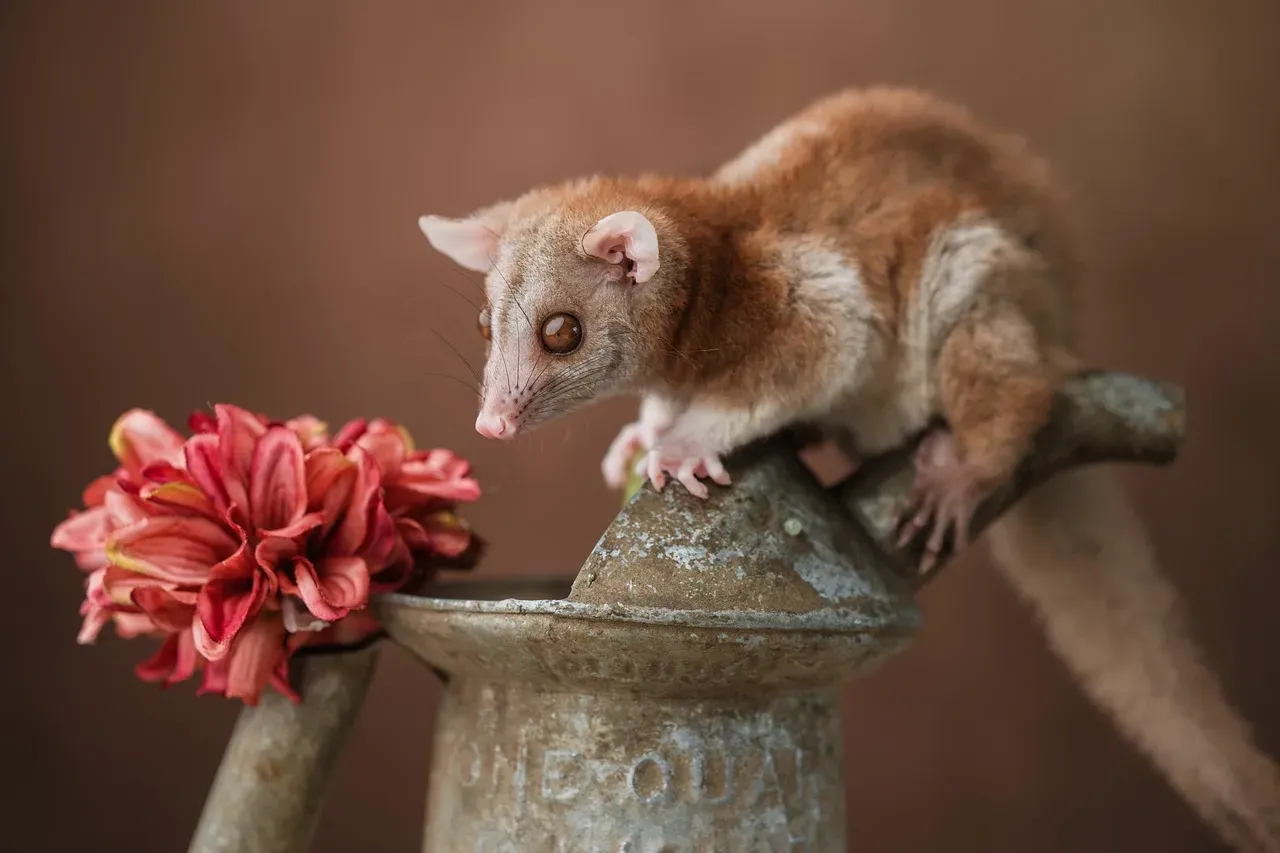
The opossum, particularly the Virginia opossum common in North America, stands out as the continent’s only native marsupial. That’s a remarkable distinction. While kangaroos, koalas, and wombats dominate the marsupial conversation, the opossum holds down the entire order on this side of the world entirely on its own.
Opossums are more closely related to kangaroos than to rats or other backyard animals. That can feel counterintuitive when you watch one rummage through a garden bed. Outside of Mexico, the Virginia opossum is the only known marsupial to inhabit North America. However, there are several other species of opossum found in different parts of the world. Marsupials, a relatively small class of animals, nurture their young in a pouch. Some well-known examples of marsupials include kangaroos, wombats, koalas, and opossums.
Opossums are very primitive mammals that have been around since the time of the dinosaurs and have changed little since then. In a world full of creatures shaped and reshaped by millions of years of evolution, that kind of biological persistence says something real about how well their design actually works.
Playing Dead Is Not a Choice
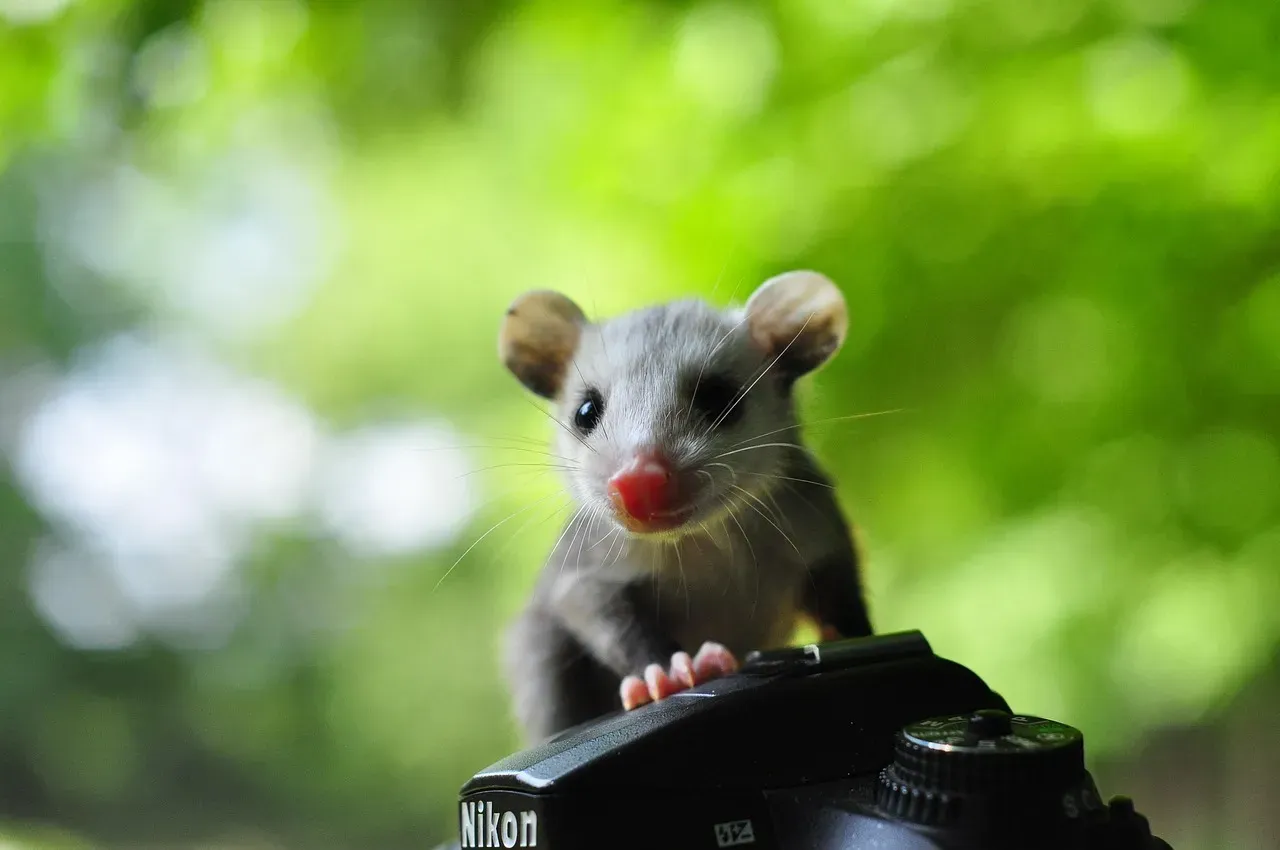
Everyone has heard about how opossums “play dead,” but they’re not really playing. When an opossum gets really scared, their body automatically makes them fall into a deep sleep that can last for several hours. It’s a key distinction that changes everything about how we interpret the behavior.
This response, known as thanatosis or tonic immobility, is an involuntary physiological reaction to extreme fear or stress. When threatened, an opossum’s body mimics death by becoming stiff, slowing its breathing and heart rate, and even releasing a foul-smelling fluid from its anal glands. This state can last anywhere from a few minutes to several hours, and it is an effective survival strategy because many predators prefer live prey and are deterred by seemingly dead or decaying animals.
The mouth falls open and the tongue lolls out, breathing and heart rates drop dramatically, and the opossum will even emit feces and a foul-smelling liquid from its anal glands to smell as dead as possible. Brain activity, however, remains unaffected, and the opossum is fully conscious. So while a predator circles what it assumes is a dead carcass, the opossum is very much aware of everything happening around it – just completely unable to move.
Their Immune System Is Genuinely Extraordinary
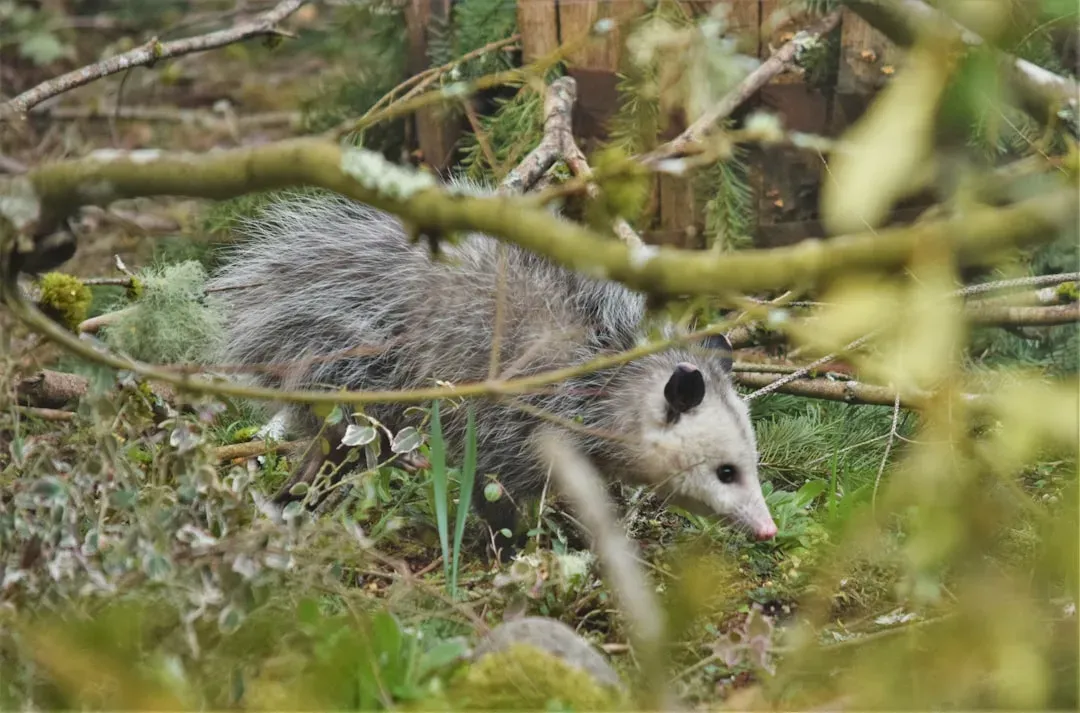
Opossums aren’t indestructible, but they do have some pretty hefty natural immunities. These animals are largely immune to rabies, although it can occur rarely. They’re also largely immune to venom from snakes like cottonmouths and rattlesnakes.
Opossums have an average body temperature of around 94 degrees Fahrenheit, significantly lower than most mammals that typically range between 97 and 103 degrees Fahrenheit. This slight difference is crucial; it creates an environment where the rabies virus struggles to survive and replicate. Rabies thrives in warmer conditions, but the opossum’s cooler internal climate effectively slows down viral replication.
Their resistance to snake venom is due to the presence of a protein called Lethal Toxin Neutralizing Factor (LTNF) in their blood. LTNF is unique to opossums and has the ability to neutralize the toxins present in snake venom. This remarkable adaptation allows opossums to survive encounters with venomous predators that would be deadly for other animals. Researchers have been studying this protein for decades, exploring whether it could eventually inform treatments for snakebite in humans.
They Have Surprisingly Strong Memories
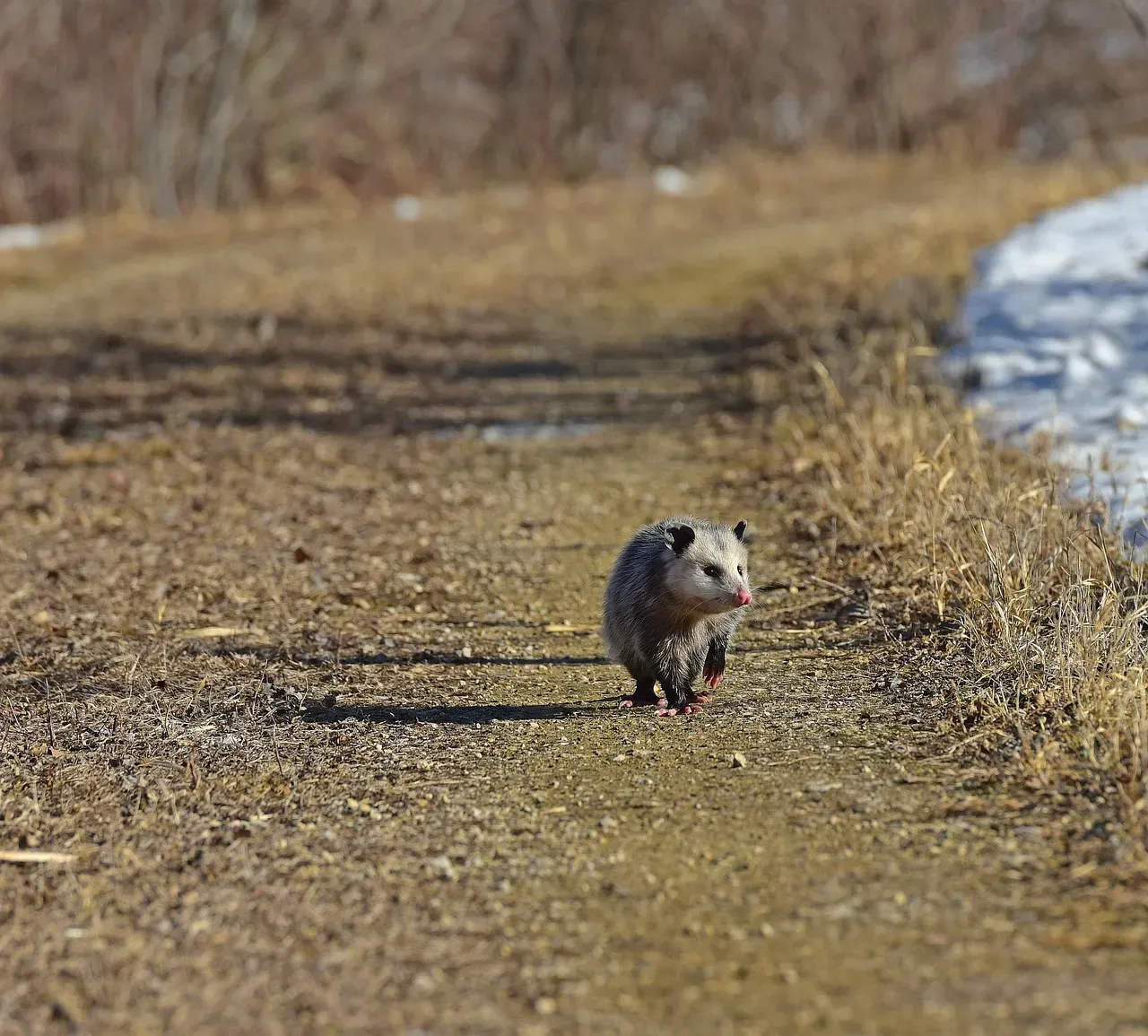
In controlled laboratory settings, opossums have demonstrated exceptional skill in maze-running experiments designed to test spatial memory. When tasked with remembering the location of a food reward, they not only learn the correct path quickly but also retain that information for extended periods. In some studies, they have shown a greater ability to remember the location of food than rats, cats, and dogs, showcasing a specialized form of intelligence perfectly suited to their lifestyle.
Researchers found that opossums are better at remembering which runway led to a tasty treat than cats, dogs, and even rats. They can also recall the smell of toxic substances up to a year after trying them. That second detail is worth pausing on. The ability to remember a dangerous smell for a full year is an effective built-in safety system.
Memory plays a crucial role in an opossum’s survival. They need to remember the locations of food sources, safe hiding spots, and escape routes from predators. Research suggests that opossums have surprisingly good spatial memory. They can remember the location of multiple food sources and return to them even after long periods. Their slow, shambling gait gives the impression of an animal that isn’t paying attention. In reality, they’re quietly cataloguing the landscape around them.
They Are Fastidious Groomers
Opossums groom themselves frequently and thoroughly, just like a cat. Their trundling, wandering ways and thick fur tend to make them tick magnets. By stopping often to groom and eating every tick they find, they can put away 5,000 ticks in a summer. That’s a meaningful number for anyone living in an area where tick-borne illness is a real concern.
Opossums largely lack sweat glands, so grooming is believed to help them cool down. It also has the added effect of rendering them practically odorless – when they’re not secreting their predator-repellent fluid, that is.
Opossums are fastidious groomers – in fact, they’re practically odorless unless they’re feigning death – so roughly 97 percent of the ticks that land on them are cleaned off and consumed. The reputation for being dirty is, in short, the exact opposite of reality. For a creature so often dismissed, that’s a fairly satisfying reversal.
Their Reproductive Strategy Is Unlike Anything Else in North America
Between the months of January and October, opossums breed and give birth to up to two litters of four to eight young – or joeys – each. The gestation period of an opossum is about 13 days, after which time the joeys are born and must immediately claim one of 13 nipples inside the mother’s pouch. Joeys remain inside the pouch for about 50 days, after which time they begin to exit the pouch and spend time on their mother’s back.
Normal litters range from seven to 21 offspring, but as many as 50 dime-sized babies may be born in a single litter. Many will not survive long because the mother only has 13 teats in her pouch, with 12 arranged in a circle and one in the center. It’s one of the more striking examples of biological competition happening right in your own backyard.
Baby opossums stay with mom for about 100 days and, as they age, they’ll start venturing out of the pouch more and more. Instead of wandering around on their own, they’ll often hitch a ride, clinging to their mother’s back as she scavenges. Watching a mother opossum move through a yard with a dozen babies clinging to her back is genuinely one of the stranger sights nature delivers to a suburban garden.
They Are Nomadic and Rarely Stay Put
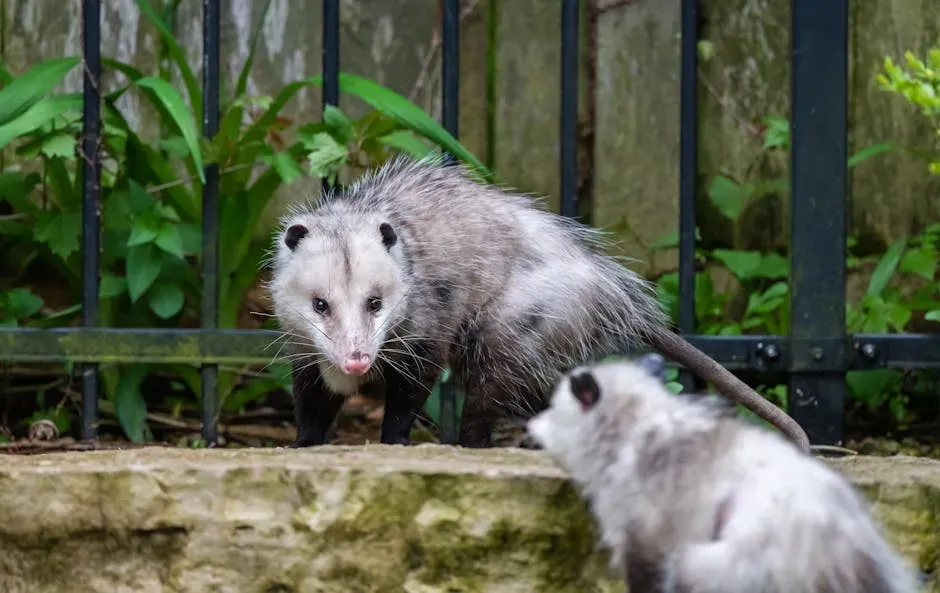
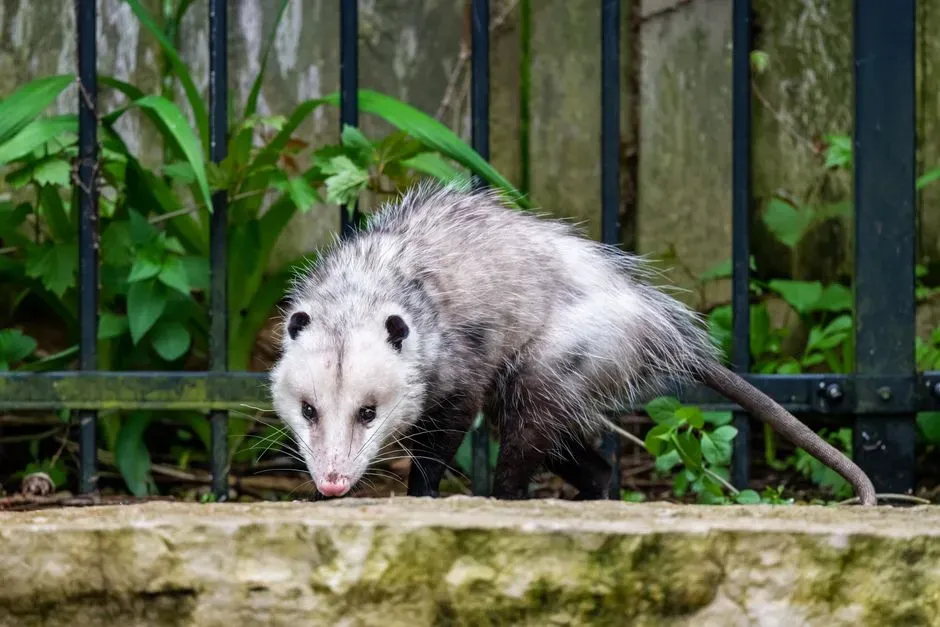
Opossums are often transient, using whatever den is most convenient within their somewhat loose home range, rather than returning to a particular den each day. This is why an opossum spotted in your yard one evening may not appear again for days. They’re not territorial in the way raccoons or foxes can be.
Opossums don’t build their own dens; therefore they often take shelter in abandoned animal burrows, hollow logs, brush piles, woodpiles, attics, and other man-made structures. They are opportunistic in the truest sense, treating the suburban landscape as a ready-made habitat.
Opossums are generally nomadic, moving from one area to another in search of food and suitable shelter. They rarely stay in one place for more than a couple of weeks, but beneath porches and crawlspaces can be attractive dens for them. Their wandering lifestyle also means that if one shows up under your deck, it will most likely move along on its own without intervention.
Their Climbing Abilities Defy Their Appearance
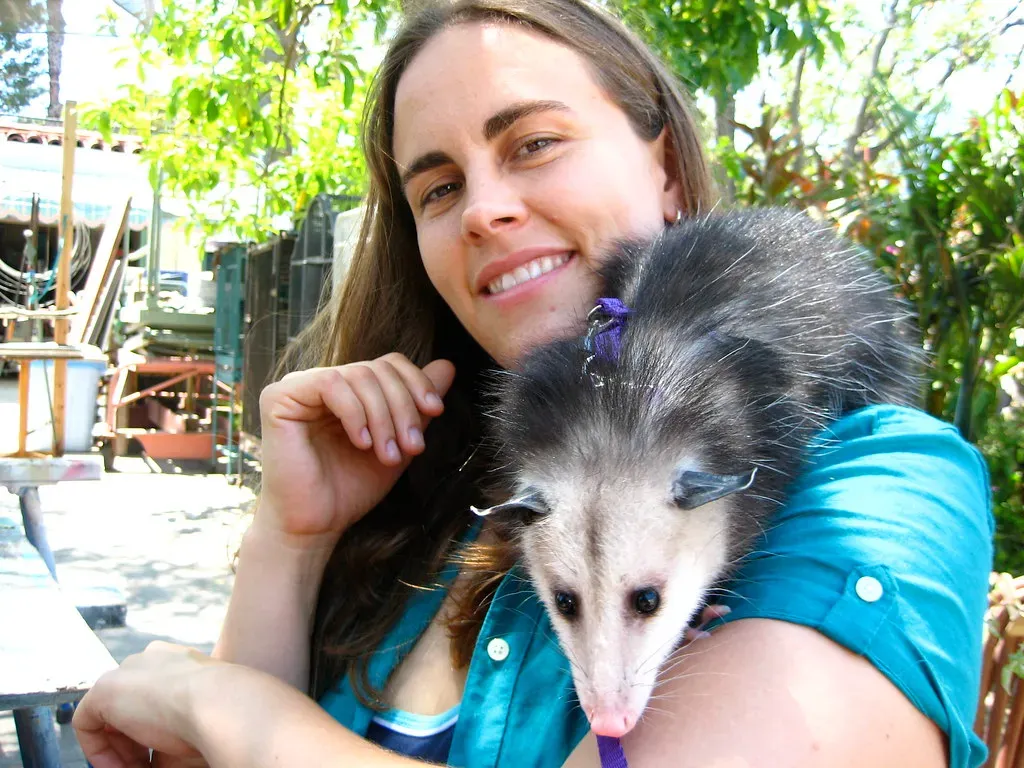
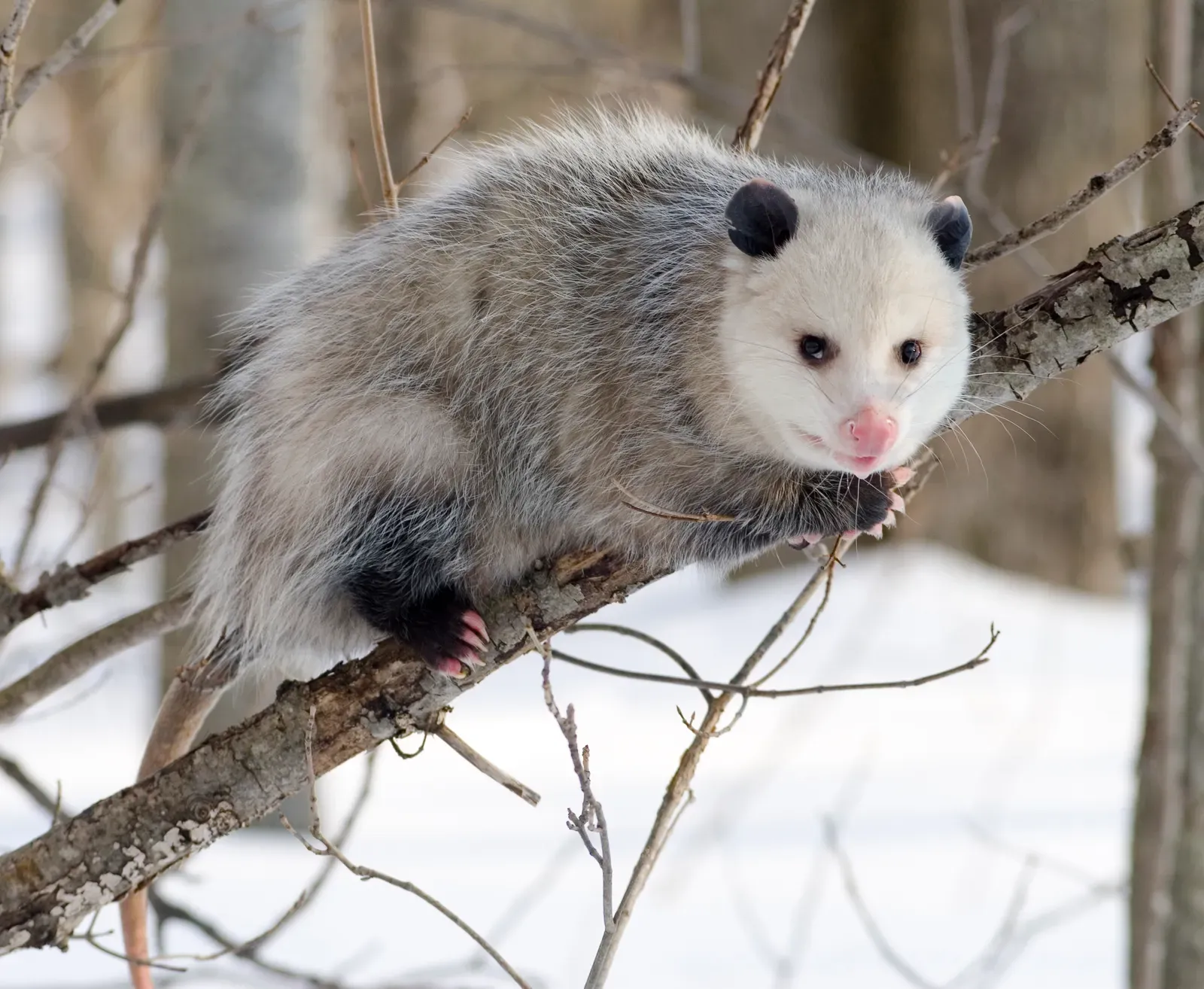
If you’ve ever watched an opossum at play, it might have struck you as a somewhat clumsy little critter. However, opossums are world-class tree climbers, with sharp claws, opposable thumbs on their hind feet, and a prehensile tail that helps them scale trunks and hang onto branches. In fact, opossums love trees so much that they often nest in tree hollows.
The North American opossum is the only mammal in the United States with a prehensile tail, which can be used for grasping like a hand. That tail is also used to carry nesting material, brace against branches, and maintain balance on narrow surfaces. Contrary to popular belief, adult opossums cannot hang by their tails for extended periods. Baby opossums can briefly hang this way, but adults are too heavy.
The opossum’s paw structure is unique among North American mammals. The hind feet feature opposable “thumbs” that lack claws, allowing opossums to grip branches like primates. This adaptation makes them excellent climbers despite their seemingly clumsy appearance. So the slow shuffle on the ground and the nimble grip in the tree canopy belong to the same animal – which is part of what makes observing them so unexpectedly interesting.
They Are One of Science’s Quiet Research Subjects
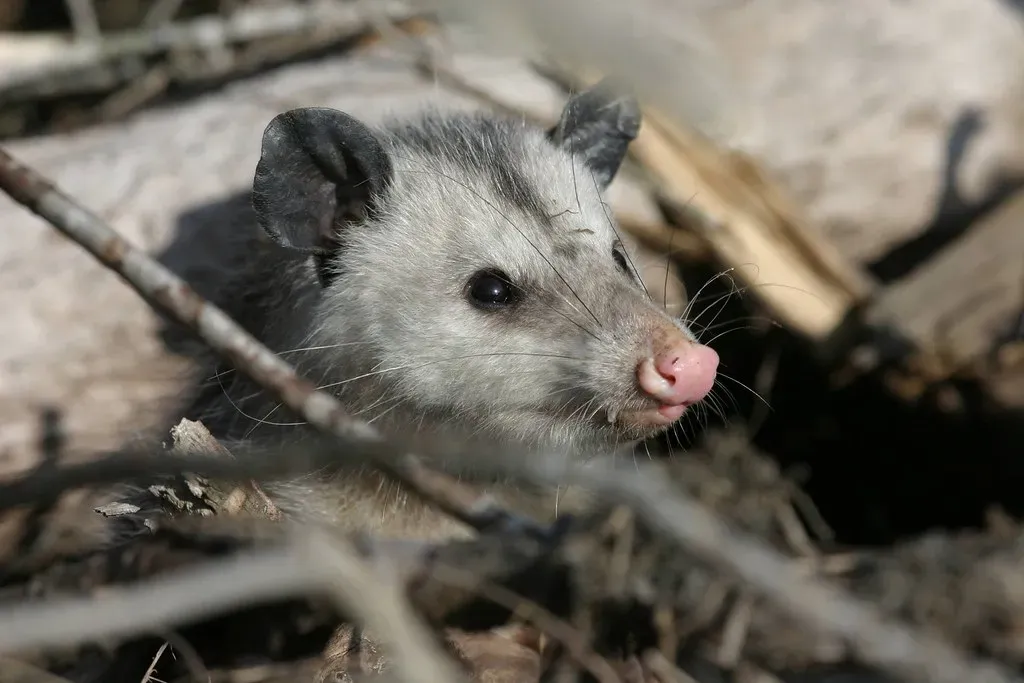
Scientists have examined the immune system of opossums to find solutions that evolution has produced to fight disease-causing pathogens. An international team of researchers at the University of New Mexico, Monash University in Australia, and the U.S. National Institutes of Health has defined a novel T cell lineage, called γµ T cells, found only in marsupials such as kangaroos and opossums, and monotremes such as the duckbill platypus.
Researchers have discovered that opossums and humans are the only mammals that suffer from melanoma solely because of exposure to UV radiation. Browsing into their genome, the first ever sequenced from a marsupial, scientists discovered that their genetic sequences are similar to ours, although the group of marsupial mammals separated from that of placental mammals about 180 million years ago.
These studies give insight into ancient features that have been preserved over more than 150 million years of evolution and are therefore likely to be fundamentally important. The opossum is not just a backyard oddity. It’s a living archive of evolutionary history, one that medical science is still carefully reading.
Conclusion
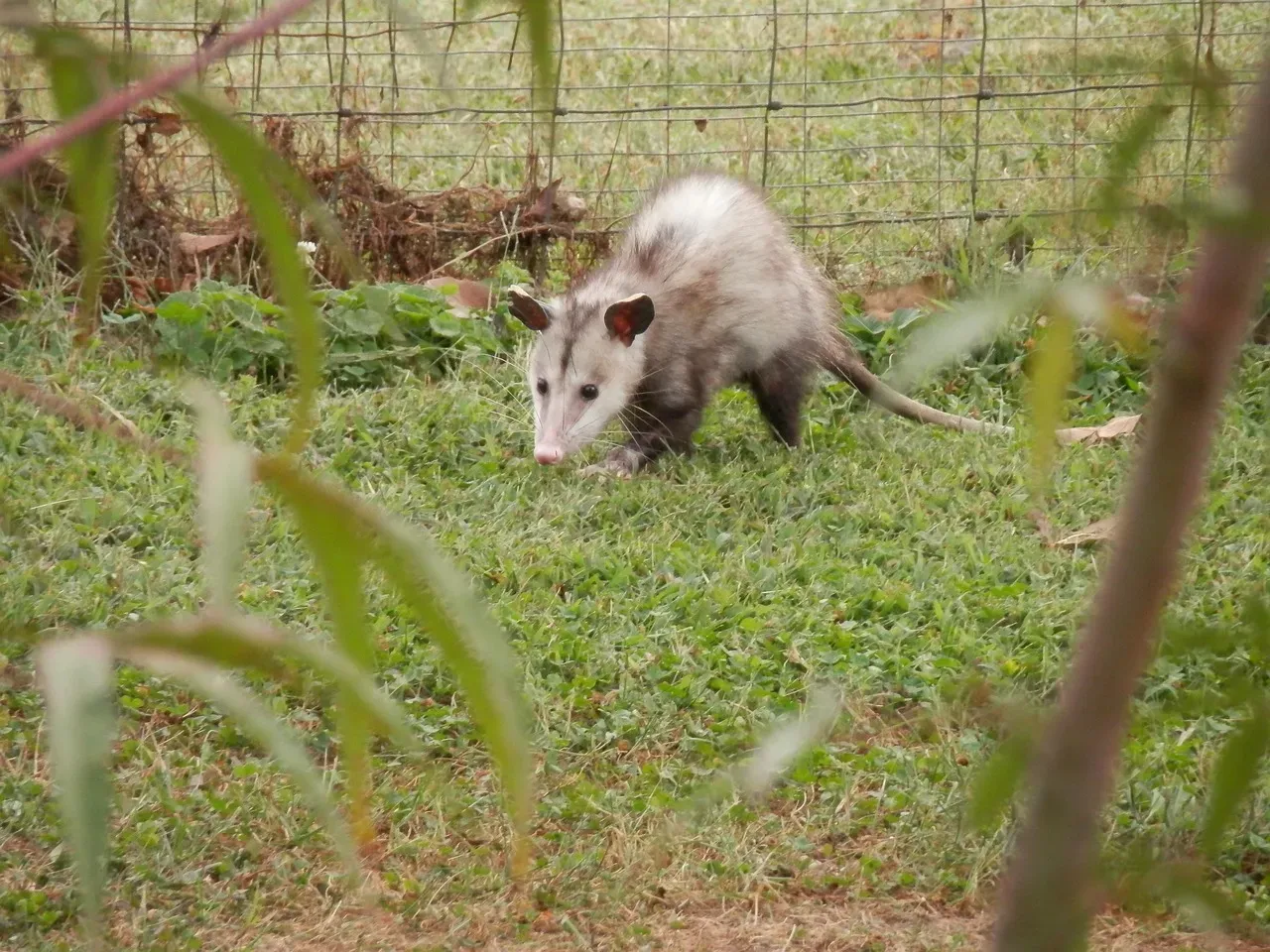
The opossum asking nothing of us except a little tolerance tends to give back more than most people expect. It grooms the landscape of ticks, clears carrion, eats insects, and poses almost no meaningful threat to household pets or human health.
Opossums are excellent at rodent and insect control, and being carrion eaters, they help keep roadways and neighborhoods clean. Opossums are more beneficial as scavengers than harmful for any damage they may cause. A neighborhood with opossums tends to be considerably cleaner than a neighborhood without them.
What makes them genuinely fascinating isn’t any single trait. It’s the accumulation – a creature that has carried marsupial biology through the age of dinosaurs, developed an immune system that perplexes researchers, and quietly made a home in the same neighborhoods we occupy. The next time one wanders through the beam of a porch light, it’s worth taking a moment. There’s a lot more going on behind those beady black eyes than most of us give credit for.

- Why Wolves Were Reintroduced to Yellowstone - July 15, 2026
- The Resurgence of America’s Wild Horses: A Symbol of Freedom and Hope - July 15, 2026
- 10 Cat Breeds That Tolerate Dogs Surprisingly Well - July 15, 2026